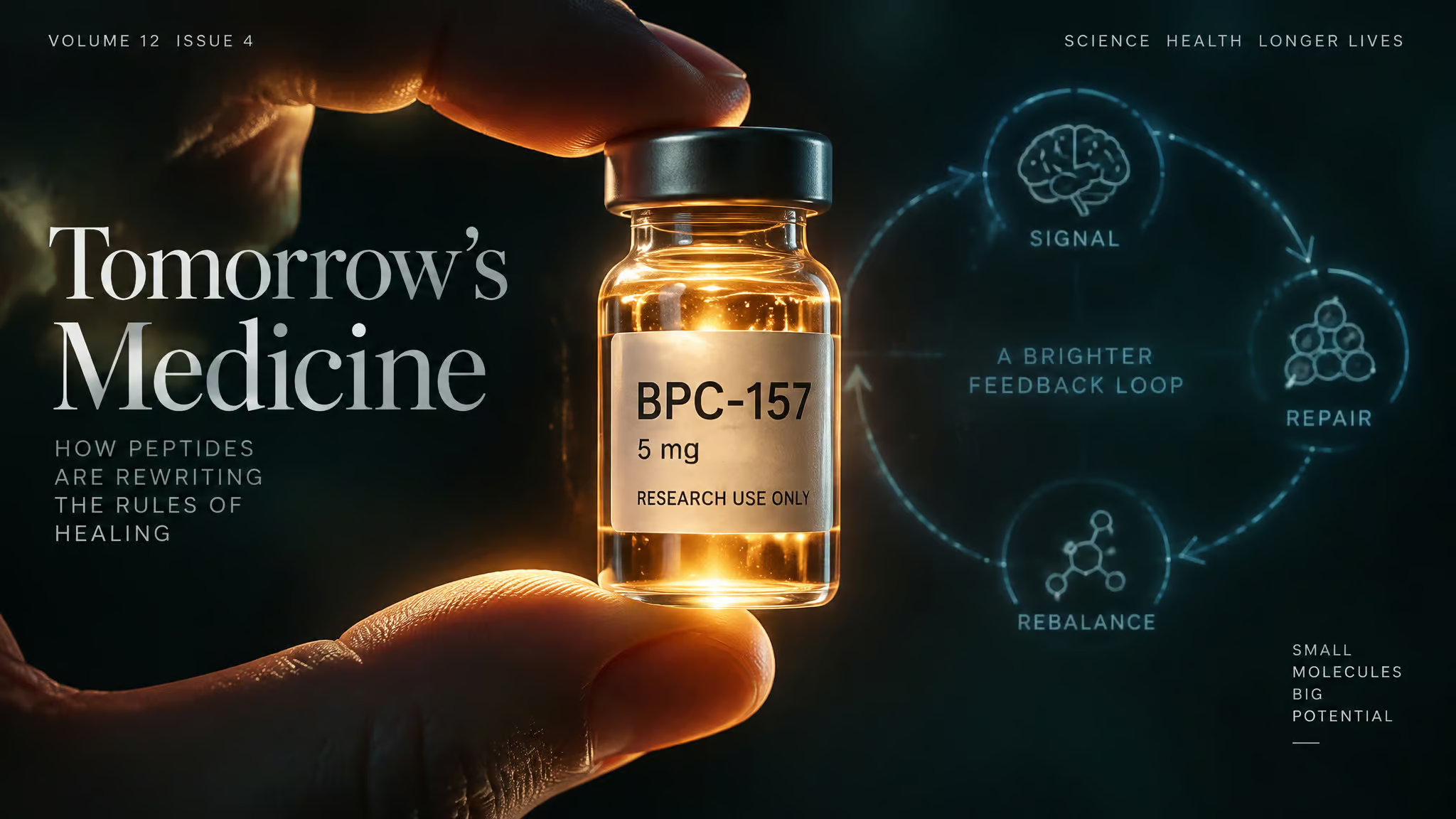
When people pass a reconstituted vial around at a party or compare doses in a group chat, I’ve noticed they talk about peptides as if the human endocrine system were a linear volume knob. Turn up the growth hormone dial, mute the hunger channel, boost recovery. At GeekExtreme, what we look at first is the actual system architecture, and that volume-knob mental model gets the biology backwards.
Mapping which hormones peptides affect across growth hormone, cortisol, insulin, appetite, reproductive, and cardiovascular pathways requires splitting them into three distinct interaction modes: peptides that are the native hormones themselves, peptides that modulate upstream hormone release, and receptor-level compounds that either imitate or obstruct hormonal signals. Because every one of those endocrine axes runs on a closed negative-feedback loop rather than an open dial, pushing one node forces compensatory pushback elsewhere in the circuit. The interaction mode and the operating environment, meaning a monitored clinical protocol with baseline bloodwork versus casual injection at peptide parties, determine both the physiological output and what breaks downstream.
Key Takeaways
Peptides interact with over 50 circulating human hormone types in three ways: acting as the native hormone (insulin, ACTH, amylin), triggering upstream gland release (secretagogues like CJC-1295, ipamorelin, and kisspeptin-54), or mimicking and blocking signals at cell-surface receptors (semaglutide, setmelanotide, and AgRP).
Because hormone axes operate as closed negative-feedback loops, pushing a single biomarker creates measurable downstream tradeoffs: MK-677 raised IGF-1 by 73% for 12+ months in human trials while worsening insulin resistance across 7 clinical trials, and continuous parathyroid hormone exposure destroys bone while once-daily intermittent teriparatide or abaloparatide builds it.
Unsupervised or social peptide use removes the baseline bloodwork (cortisol, IGF-1, fasting glucose, C-peptide), single-variable titration, and purity controls that make hormonal signaling interpretable, exposing users to gray-market endotoxin contamination, anti-drug antibodies, and compounds whose human safety data rarely extends past 2 to 5 years.
Table of Contents
What hormones do peptides affect: three interaction modes
Peptides primarily affect six major endocrine systems by acting as water-soluble signaling chains that either serve as the body’s native hormones, trigger upstream glands to pulse hormone release, or mimic and block hormone binding at cell-surface receptors. As cataloged across Rethink Peptides’ research library and the Crash Course endocrine fundamentals episodes, the human body circulates more than 50 hormone types at all times, with sex hormones making up only a small fraction alongside 5,700+ cataloged peptide hormones, 100+ neuropeptides, and 3,379 antimicrobial peptides in the Antimicrobial Peptide Database. Unlike traditional hormone replacement therapy (HRT), which drops exogenous hormones straight into the bloodstream, many clinical peptides nudge the pituitary master gland as it drives cascades to the thyroid, adrenals, and gonads, where hypersecretion or hyposecretion causes endocrine disease.
- Growth hormone axis: HGH and liver-derived IGF-1 (modulated by secretagogues like sermorelin, CJC-1295, and ipamorelin).
- Pancreatic metabolic loop: Insulin, glucagon, and amylin (native peptide hormones and incretin mimetics).
- Adrenal stress cascade: CRH, ACTH, and cortisol (native pituitary peptides and ACTH-derived fragments).
- Gut-brain appetite circuit: GLP-1, ghrelin, NPY, AgRP, and fat-derived adipokines like leptin and adiponectin (receptor agonists and antagonists).
- Reproductive and bone axes: GnRH, kisspeptin, gonadorelin, oxytocin, PTH, and calcitonin (pulsatile modulators and receptor analogs).
- Cardiovascular and fluid balance: Angiotensin II, ADH, ANP, BNP, and adrenomedullin (vasoactive peptides and enzyme inhibitors).
Hormone behavior splits cleanly by solubility. Lipid-derived steroid hormones slip right through cell membranes to bind intracellular receptors. Peptide and amino-acid hormones are water-soluble chains synthesized inside cells as inactive preprohormones and sliced into active form by convertase enzymes. Because water-soluble chains can’t cross the lipid membrane, they have to knock from the outside via cell-surface receptors, primarily G-protein-coupled receptors (GPCRs), which handle allosteric modulation and biased agonism and account for 34% of all FDA-approved drugs.
Growth hormone secretagogues: the GH-IGF-1 axis
Growth hormone secretagogues such as sermorelin, ipamorelin, CJC-1295, tesamorelin, and MK-677 increase endogenous growth hormone (GH) and insulin-like growth factor 1 (IGF-1) only when the anterior pituitary is intact to receive their signal, and those hormonal and body-composition gains reverse once active signaling stops. Unlike synthetic HGH injections that flood the system from the outside, secretagogues split into growth hormone-releasing hormone (GHRH) analogs and growth hormone-releasing peptide (GHRP) ghrelin mimetics that prod the pituitary to pulse its own stores.
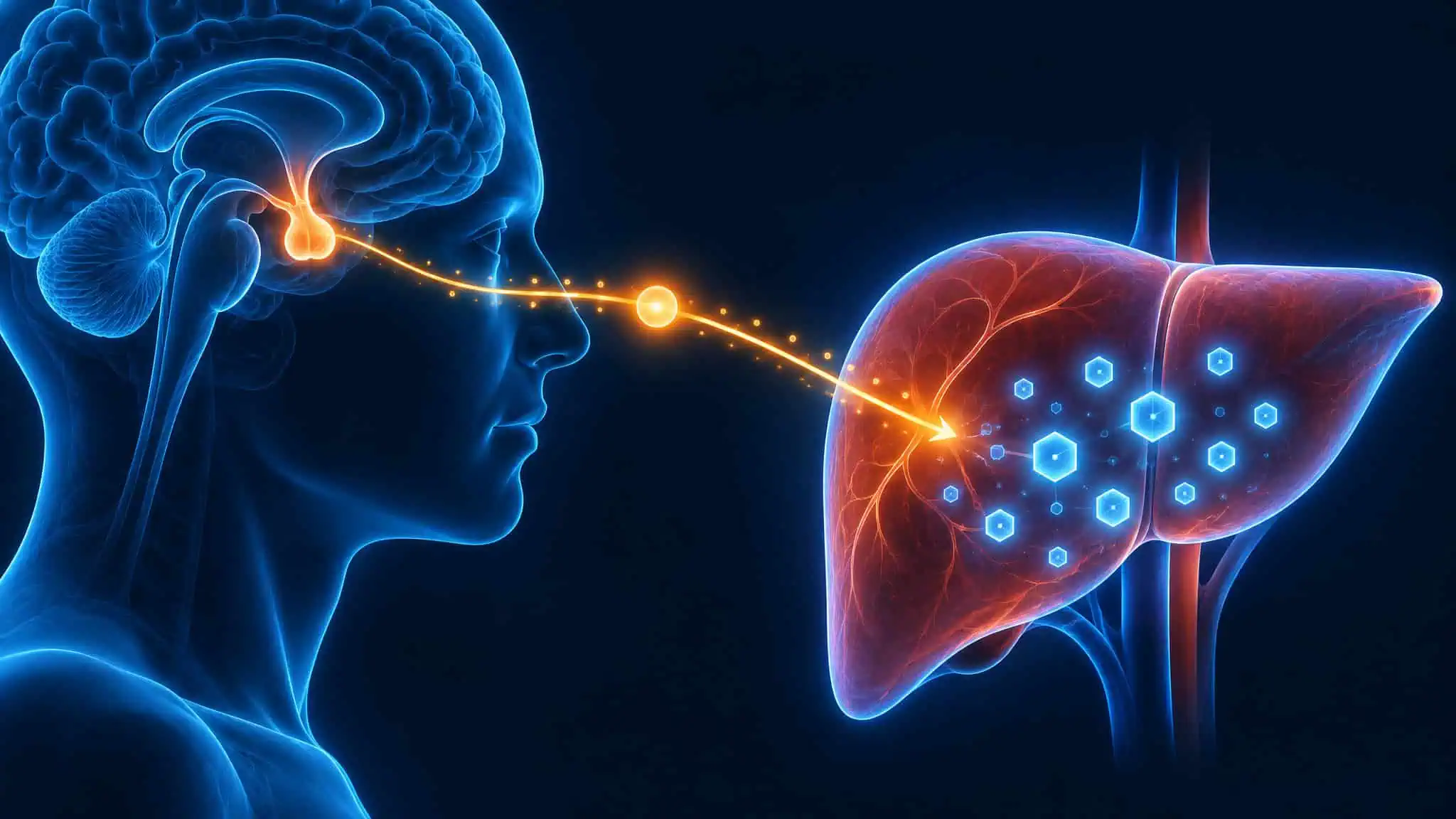
In human trials, CJC-1295 elevated IGF-1 1.5-to-3-fold for 9 to 11 days, while MK-677 (ibutamoren, an oral non-peptide ghrelin mimetic) raised IGF-1 by 73% for 12+ months but worsened insulin resistance across 7 clinical trials. Just as stopping semaglutide in the STEP 1 extension reversed two-thirds of lost weight within a year, stopping CJC-1295 or ipamorelin removes the upstream stimulus and returns the axis to baseline.
Secretagogues signal, they don’t replace
GHRH analogs work on the pituitary’s GHRH receptor, starting with sermorelin (the active 29-amino-acid GHRH 1-29 fragment). Pharmacokinetics decide how long that signal lasts: unmodified CJC-1295 (Mod GRF 1-29) clears with a 30-minute half-life, whereas attaching a Drug Affinity Complex (DAC) stretches its half-life out to 8 days. Tesamorelin is the only FDA-approved GHRH analog, indicated specifically for HIV-associated lipodystrophy, where it cut visceral fat by 15% to 20% and liver fat by 37%, and improved executive function in mild cognitive impairment across a 20-week randomized controlled trial. On the complementary receptor, ipamorelin acts as a selective GHRP-family ghrelin mimetic.
The tradeoff the trials measured
Biohackers chasing a higher IGF-1 lab number often treat a single rising biomarker as an unqualified win, missing the closed-loop cost that clinical trials caught weeks into use. In a 2-year trial, MK-677 increased deep sleep by 50%, boosted REM sleep by 20% to 50%, and added 1.1 kg of fat-free mass, yet produced zero improvement in muscle strength and degraded blood glucose handling by driving insulin resistance across 7 trials.
Upstream levers and fragments
Before any vial enters the picture, baseline physiology runs the show: roughly 70% of natural GH pulses out during slow-wave sleep, and the liver manufactures about 75% of circulating IGF-1. Several adjacent metabolic and mitochondrial compounds sidestep the main IGF-1 spike entirely:
- AOD-9604: A 16-amino-acid GH fragment that stimulates lipolysis without raising IGF-1, showed unexpected cartilage protection in animal studies, and holds FDA GRAS status as a food ingredient rather than drug approval after six clinical trials (one failed).
- MOTS-c: A mitochondrial peptide (alongside siblings humanin and SHLPs) that rises 12-fold during exercise and drops 21% by age 70.
- SS-31 (elamipretide): Binds mitochondrial cardiolipin to restore cellular energy production and earned FDA approval for Barth syndrome in 2025.
- AICAR: Activates AMPK to boost mouse endurance by 44% without training, is banned by WADA, and has minimal human data.
The stress axis: peptides that touch ACTH and cortisol
Yes, peptides regulate cortisol and the hypothalamic-pituitary-adrenal (HPA) stress axis when they act directly within or mimic the pituitary’s adrenocorticotropic hormone (ACTH) cascade, whereas stress-derived nootropic fragments strip out the hormone-releasing tail to target brain pathways without spiking adrenal steroids. In the classic HPA cascade (the same circuit Crash Course illustrates with a waking-up-in-a-burning-house scenario), the hypothalamus releases corticotropin-releasing hormone (CRH), which signals the anterior pituitary to secrete ACTH, a 39-amino-acid peptide that also exists in clinical ACTH-derived drug forms. ACTH then drives the adrenal cortex to release cortisol and glucocorticoids, coordinating fight-or-flight, digestion, and immune responses until elevated blood cortisol triggers a negative feedback loop, halting further CRH secretion from the hypothalamus.
The CRH to ACTH to cortisol cascade
That three-hop chain is self-limiting by design: once cortisol pulses into the bloodstream, hypothalamic CRH output drops so the stress response doesn’t run hot forever.
Stress-derived nootropics
When people experiment with cognitive nootropic peptide stacks, they’re often using clipped pieces of stress or immune hormones. Semax is a synthetic ACTH(4-10) heptapeptide analog that keeps the cognitive fragment of the pituitary hormone without its cortisol-releasing activity, while Selank is built from the immune tetrapeptide tuftsin. Delta Sleep-Inducing Peptide (DSIP, isolated in 1977) increased delta-wave EEG sleep by 35% in animals, but five human clinical trials came back with conflicting results.
Opioid peptides from the stress response
Acute stress also triggers the adrenal glands to co-release natural enkephalin opioid peptides alongside adrenaline for pain modulation, while the 31-amino-acid peptide beta-endorphin binds mu-opioid receptors to trigger dopamine release in the brain’s reward circuit, the shared wiring behind runner’s high and addiction. Neuropeptide Y (NPY) modulates stress and appetite and measured 33% higher in Special Forces soldiers during SERE training studies, an associative marker of resilience rather than proof that injecting NPY builds it.
Growth-factor nootropics and the evidence gap
Brain-derived neurotrophic factor (BDNF) drives synaptic plasticity, memory, and neurogenesis via TrkB signaling and rises with exercise. Dihexa was marketed for years as being 10 million times stronger than BDNF at driving synaptogenesis; however, its foundational 2014 mechanism paper was retracted in 2025 for image manipulation. Meanwhile, the porcine brain-peptide mix Cerebrolysin improved coma and outcome scores across 12 to 15 traumatic brain injury studies (8,749+ patients, including the CAPTAIN trial), 9 stroke trials (1,879 patients), and 6 Alzheimer’s randomized trials, though the Alzheimer’s evidence quality was rated low.
Appetite and metabolic hormones: the push-pull circuit
GLP-1 peptides like semaglutide and multi-agonists like tirzepatide change metabolic hormones by amplifying the gut’s incretin effect, which drives 50% to 70% of postprandial insulin secretion, while brain and adipose peptides like AgRP, setmelanotide, and leptin control hunger by toggling melanocortin-4 receptors (MC4R). Rather than flipping a single weight-loss switch, metabolic peptides operate across four linked hormone classes that coordinate blood glucose, gastric emptying, and central satiety. In clinical trials, this multi-node signaling induced type 2 diabetes remission in 6% to 18% of patients on GLP-1 agonists, restored appetite control in 80% of POMC-deficient patients treated with the MC4R agonist setmelanotide, and pushed total weight loss to 22.7% at 68 weeks when combining the amylin analog cagrilintide with semaglutide (CagriSema) across 3,417 adults in REDEFINE 1.
- Pancreatic peptide hormones: Insulin (lowers blood glucose), glucagon (raises blood glucose), and amylin/IAPP (co-secreted with insulin to slow gastric emptying and drive satiety).
- Gut incretins and satiety peptides: GLP-1, GIP, ghrelin, and cholecystokinin (CCK, discovered in 1928).
- Adipokines from fat tissue: Leptin, adiponectin, and resistin, secreted by adipose tissue acting as an active endocrine organ.
- Central melanocortin neuropeptides: NPY and Agouti-related peptide (AgRP), which battle alpha-MSH and setmelanotide on brain MC4R pathways.
Insulin and glucagon: the original peptide hormones
Metabolic homeostasis starts in the pancreas (a balancing act Crash Course models with a slice-of-pie scenario): beta cells secrete insulin (discovered in 1922 and linked to four Nobel Prizes) to store glucose as glycogen and fat, while alpha cells release glucagon to raise blood sugar between meals. Fat tissue sends its own peptide status reports. Congenital leptin deficiency (~1 in 15 million births) causes uncontrollable hunger, proving leptin governs human appetite and leading to FDA-approved metreleptin (Myalept) for generalized lipodystrophy. Adiponectin is the most abundant peptide hormone in human blood and protects against diabetes, yet its levels drop in obesity.
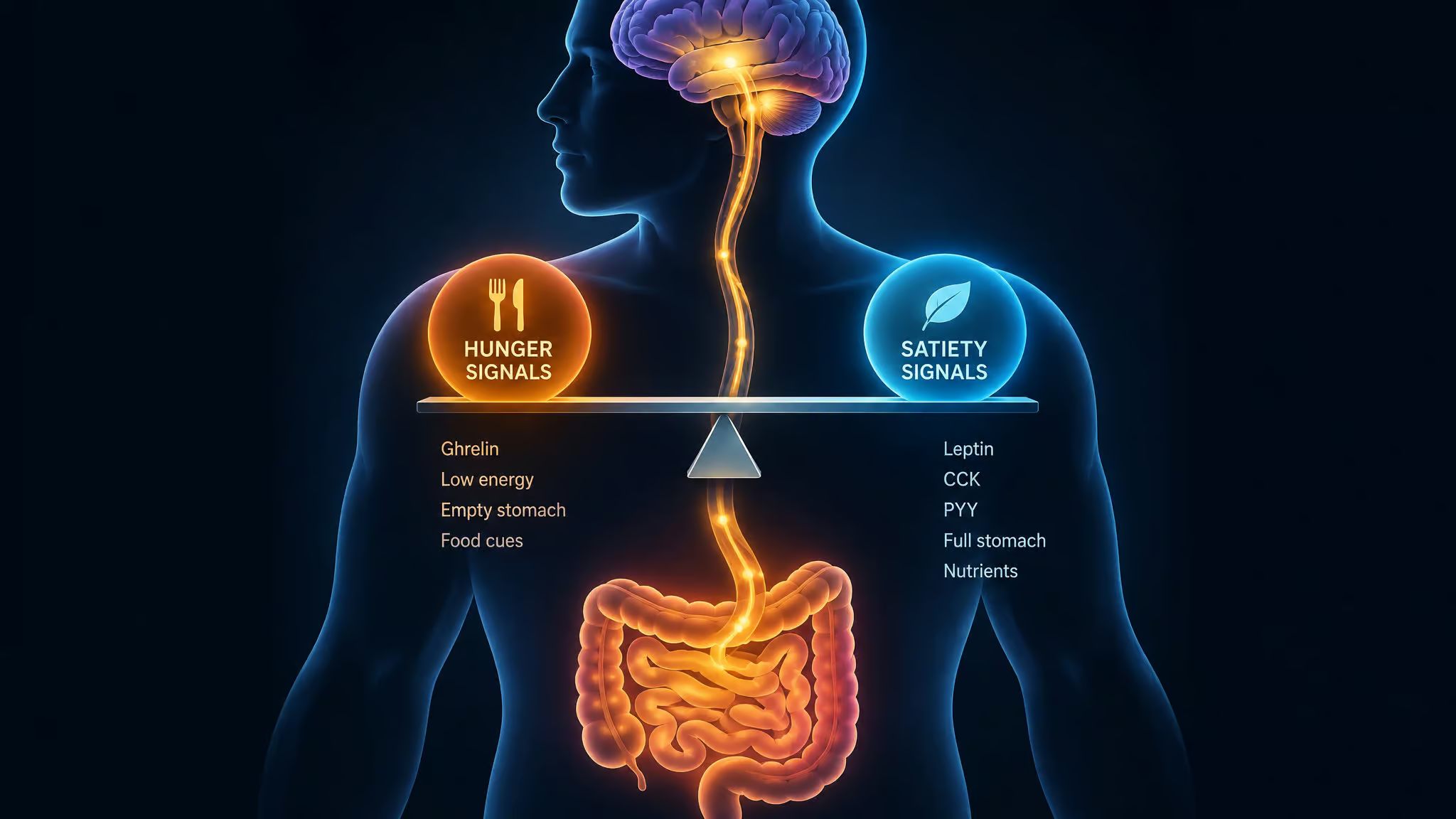
The hunger circuit is push-pull, not a switch
Central hunger runs on receptor competition. AgRP drives hunger by binding and blocking MC4R in the hypothalamus, literally jamming the off signal. Setmelanotide (Imcivree) activates that exact same MC4R receptor to restore satiety in POMC, LEPR, and PCSK1 deficiencies (MC4R mutations alone cause 2% to 6% of severe childhood obesity).
The incretin system and GLP-1 drugs
The incretin concept dates back to 1906, and the first clinical GLP-1 drug, exenatide (Byetta/Bydureon), was isolated from Gila monster venom (exendin-4). Because native GLP-1 has a 1.5-minute half-life, chemists used lipidation to build once-weekly semaglutide, and paired oral semaglutide with SNAC absorption enhancers to achieve 0.8% oral bioavailability, sparking 300+ oral peptide programs. In the STEP trials, semaglutide 2.4 mg achieved 14.9% weight loss at 68 weeks in STEP 1 (cutting total fat mass 19.3%, visceral fat 27.4%, and lean mass 9.7%, with DEXA scans showing 25% to 40% of GLP-1 weight lost is lean mass) and beat liraglutide 15.8% to 6.4% in STEP 8, though liraglutide retains niche clinical uses in 2026.
Multi-agonists and the pipeline
Stacking receptors raises the ceiling. Tirzepatide (a 4,813-dalton GLP-1/GIP co-agonist) hit up to 22.5% weight loss at 15 mg in SURMOUNT-1 and beat semaglutide 20.2% to 13.7% at 72 weeks in SURMOUNT-5. Trial-stage triple agonist retatrutide (GLP-1/GIP/glucagon) reached 24.2% weight loss in Phase 2, up to 28.7% in Phase 3, and cut liver fat by 82% to 86%.
CagriSema’s 22.7% REDEFINE 1 benchmark sits alongside Innovent’s GLP-1/glucagon dual agonist mazdutide, which beat semaglutide head-to-head with up to 20.1% weight loss in Phase 3 GLORY/DREAMS (distinct from a 20.4% figure in another combination context). Among oral non-peptide small molecules, orforglipron advanced while Pfizer discontinued danuglipron in 2025 after a liver injury signal and 50%+ Phase 2b dropout rates despite up to 13% weight loss.
Beyond weight: organ outcomes, safety, and access
Gut hormone analogs reach far beyond adipose tissue:
- Cardiovascular and kidney: Semaglutide cut cardiovascular events by 20% in 17,604 non-diabetic obesity patients (SELECT) and kidney events by 24% in T2D with CKD (FLOW); tirzepatide cut CV death or worsening heart failure by 38% in 731 HFpEF patients (SUMMIT).
- Liver (MASH): Semaglutide resolved MASH in 63% of patients to earn FDA approval (ESSENCE), alongside tirzepatide’s 62% resolution (SYNERGY-NASH) and survodutide’s 47% to 62% in Phase 2.
- Systemic and neuropsychiatric: Class-wide, GLP-1s lower systolic blood pressure by 2 to 5 mmHg, cut caloric intake by 16% to 39% (causing nutrient deficiencies in 22% of users within a year, especially below 1,200 kcal/day), curb alcohol, nicotine, and cocaine cravings via reward circuits, and showed a 44% lower risk of worsening depression among 95,490 Swedish semaglutide users.
A 2026 multicenter study of 20,756 patients and an adjusted 62-RCT meta-analysis found no increased acute pancreatitis risk from GLP-1 agonists, leaving the FDA boxed warning for rodent thyroid C-cell tumors (human data conflicting) and a SUSTAIN-6 retinopathy signal tied to rapid glucose drops. While ICER rates GLP-1s cost-effective at $53,000 to $69,000 per QALY, prices ranging from $149/month compounded to $1,349/month brand-name leave under 1% of eligible patients treated, and the FDA logged 900+ adverse events from unapproved compounded salt-form GLP-1s by 2024.
Melanocortin peptides: one receptor family, three outputs
Yes, melanocortin peptides mimic alpha-melanocyte-stimulating hormone (alpha-MSH) across appetite, sexual function, and skin pigmentation, but clinical safety depends entirely on whether the compound is a protocol-controlled drug or unregulated Melanotan II. Because a single family of melanocortin receptors is wired into the hypothalamus and skin, hitting this pathway can change hunger, libido, and melanin production at the same time.
The approved melanocortin drugs
During early Melanotan II tanning trials, researchers stumbled onto an unexpected erection side effect. That discovery led to bremelanotide (PT-141/Vyleesi), the only FDA-approved peptide for hypoactive sexual desire disorder, which acts through central brain melanocortin receptors rather than vascular pathways and is backed by safety data across 3,500 subjects in 43 clinical trials. For skin phototoxicity, afamelanotide (Scenesse) is the first FDA-approved treatment for erythropoietic protoporphyria, while KPV is an alpha-MSH tripeptide fragment studied for anti-inflammatory activity in osteoarthritis and rheumatoid arthritis models.
Melanotan II: the same receptor without the protocol
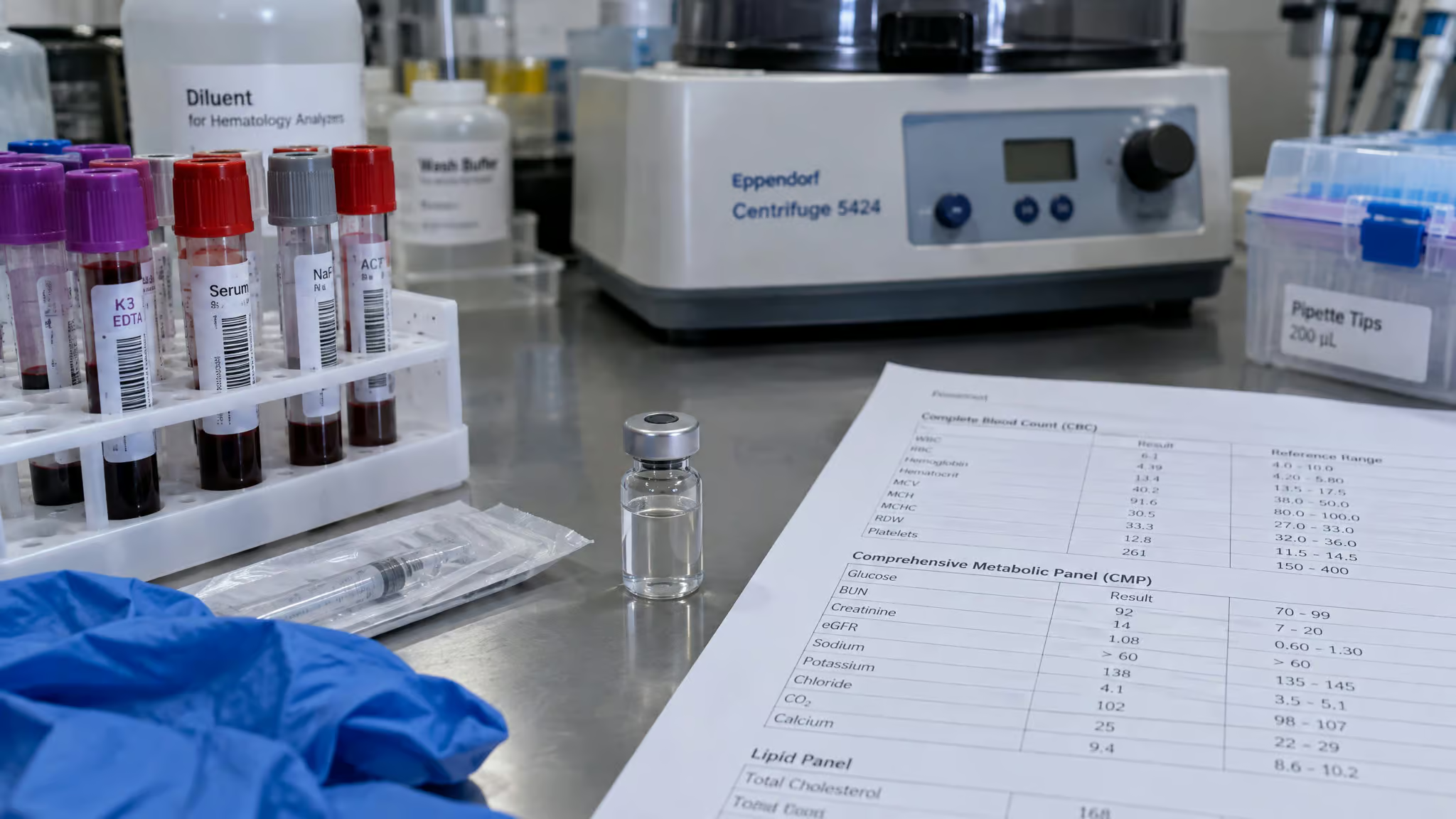
Gray-market Melanotan II blasts the same receptor family with zero controlled safety trials, generating published medical case reports of rhabdomyolysis, renal infarction, eruptive nevi, and melanoma.
Cardiovascular peptide hormones run blood pressure and fluid balance
Food-derived bioactive peptides in dairy and soy modestly lower blood pressure and LDL cholesterol by inhibiting angiotensin-converting enzyme (ACE) within the renin-angiotensin pathway, whereas native heart peptides directly govern blood vessel tone and fluid volume. In human nutrition trials, dairy tripeptides (VPP and IPP) lowered systolic blood pressure by 3 to 10 mmHg, soy peptides reduced LDL cholesterol by 3% to 4% across 46 FDA-reviewed trials, and fish collagen peptides absorbed 1.5 times faster than bovine collagen across a 35-trial joint research base.
RAAS: the peptide-driven blood-pressure system
Inside the endogenous renin-angiotensin-aldosterone system (RAAS), angiotensin II is an 8-amino-acid peptide that raises blood pressure via vasoconstriction, adrenal aldosterone release, and renal sodium retention, and also drives pulmonary fibrosis through TGF-beta activation and epithelial cell death. Pharmaceutical ACE inhibitors block the conversion of angiotensin I to angiotensin II, which simultaneously prevents the breakdown of bradykinin, a peptide that sensitizes airway nerves to cause the classic ACE-inhibitor dry cough and mediates pain, inflammation, and angioedema.
Natriuretic peptides and vascular hormones
To defend against volume overload, the heart releases atrial natriuretic peptide (ANP, 28 amino acids, the biological foundation for sacubitril/valsartan therapy) and B-type natriuretic peptide (BNP, 32 amino acids, cleaved alongside its inactive fragment NT-proBNP). Adrenomedullin (backed by 30 years of reviewed research) acts simultaneously as a vasodilator, organ protector in sepsis, and heart-failure biomarker, while apelin serves as one of the body’s most potent endogenous inotropes tied to cardiac contractility and ACE2 pathways.
Peptide hormones as diagnostic readouts of endocrine state
Before a controlled clinical protocol touches a hormone axis, doctors measure circulating endogenous peptides and prohormone fragments to see what the native glands and organs are actually doing. Pancreatic beta cells co-secrete C-peptide 1:1 with endogenous insulin, and because C-peptide isn’t cleared by first-pass liver metabolism, it serves as the gold-standard blood test for true beta-cell insulin production, differentiates type 1 from type 2 diabetes, and shows research activity in diabetic neuropathy.
In cardiology and critical care, peptide readouts settle diagnoses fast. Measuring BNP alongside NT-proBNP diagnoses or rules out heart failure with greater than 90% negative predictive value. Procalcitonin, a 116-amino-acid prohormone of the thyroid peptide calcitonin, guides antibiotic initiation and de-escalation in sepsis. For kidney function, the peptide biomarker cystatin C reclassified mortality risk 23% more accurately than serum creatinine in a 90,750-person meta-analysis, while tubular injury peptides NGAL and KIM-1 flag acute kidney injury hours before creatinine even budges.
Reproductive and bone axes: timing changes everything
Yes, reproductive peptides like kisspeptin-54 and pulsatile GnRH reliably drive human fertility outcomes when timed correctly, whereas intranasal oxytocin has failed to replicate its early social and autism claims in large human trials. Across both fertility and bone remodeling, the clock matters as much as the molecule: pulsing a peptide can switch an axis on, while holding that exact same signal steady shuts it down or reverses the tissue effect.

Kisspeptin, GnRH, and fertility
In Phase 2 IVF trials, kisspeptin-54 triggered oocyte maturation in 95% of patients with zero cases of ovarian hyperstimulation syndrome (OHSS) compared to hCG. Upstream, delivering GnRH in timed pulses achieved a 74% pregnancy rate and 66% live birth rate across a 25-year cohort, while anti-Müllerian hormone (AMH) serves as a clinical predictor for menopause timing, IVF responsiveness, and ovarian reserve across 9 landmark studies.
Oxytocin’s translation gap
Despite oxytocin’s native hormone role in uterine contractions and lactation, its behavioral hype collapsed in clinical testing: the largest randomized autism trial (290 children, NEJM 2021) found zero social benefit, and foundational 2005 human trust studies failed replication.
The PTH paradox: teriparatide, abaloparatide, calcitonin
While the 32-amino-acid thyroid peptide calcitonin inhibits osteoclasts to lower blood calcium in osteoporosis, Paget’s disease, and fracture pain, parathyroid hormone (PTH) runs on a strict timing paradox. Continuous PTH exposure dissolves bone, but once-daily intermittent injections of teriparatide (a 34-amino-acid PTH fragment) or abaloparatide (Tymlos) activate PTH1R to build bone, with abaloparatide building hip bone faster across the ACTIVE trial and 14 clinical studies, which is why patients use a daily Tymlos injection tracker to keep dosing strictly intermittent.
Somatostatin analogs and clinical endocrine peptide drugs
Somatostatin analogs and targeted endocrine peptides are the primary clinical drugs acting on pituitary, gut, and thyroid-adjacent hormone pathways, led by octreotide, lanreotide, and pasireotide for suppressing hormone-secreting tumors and pituitary hypersecretion. In clinical oncology and endocrinology, these receptor-targeted agents work by braking runaway gland output or delivering radiation straight to hormone receptors, as proven in the PROMID trial where octreotide LAR slowed neuroendocrine tumor (NET) progression by 58% and the CLARINET trial where lanreotide doubled 2-year progression-free survival.
- Somatostatin analogs (octreotide, lanreotide, pasireotide): Suppress pituitary GH, ACTH, and gut hormone hypersecretion in NETs.
- Pituitary GHRH analog (tesamorelin): Targets pituitary somatotrophs to cut visceral fat 15% to 20% in HIV lipodystrophy.
- Peptide receptor radionuclide therapy (68Ga / 177Lu-DOTATATE): Uses one somatostatin-targeting molecule to image and irradiate tumors.
- Orphan endocrine peptides: Make up almost 50% of all FDA-approved orphan drugs, including setmelanotide, metreleptin, teduglutide, and elamipretide (alongside cone snail venom-derived non-opioid analgesic ziconotide).
Peptide theranostics pairs diagnosis and treatment on the same receptor: 68Ga-DOTATATE PET/CT replaced OctreoScan (85.7% sensitivity) as the NET imaging gold standard (with 18F-labeled tracers extending half-life to 110 minutes versus 68 minutes for gallium-68), and swapping to 177Lu-DOTATATE (Lutathera) improved survival in the NETTER trial, while Phase 2 alpha-emitter PRRT shrank tumors in 60% of treatment-naive patients. Elsewhere in oncology, PSMA peptide ligands detect prostate cancer metastases with 92% accuracy, bombesin peptides target overexpressed GRPR receptors in prostate, breast, and lung tumors, and dendritic cell vaccines loaded with neoantigen peptides induced T-cell responses in 81% of pancreatic cancer patients.
Thymic and pineal bioregulator peptides
Thymic and pineal peptides split sharply between clinically validated immune drugs like thymosin alpha-1 and unverified recovery or anti-aging compounds like TB-500 and Epithalon.
Thymosin alpha-1 and TB-500
Thymosin alpha-1 (Zadaxin, a 28-amino-acid peptide approved in 35+ countries and studied in 8,075+ patients, or 11,000+ in broader counts, across hepatitis, sepsis, HIV, and COVID trials) cut influenza rates from 19% to 6% as a vaccine adjuvant and hit 40.6% sustained virologic response in hepatitis B, whereas thymosin beta-4 (parent molecule of TB-500, banned under WADA S2 since 2018 alongside BPC-157 under S0 since 2022) accelerated rat wound healing by 42% to 61% across a 148-study review but has zero controlled human athletic recovery trials, much like the heavy animal-to-human gap in the side effects and human evidence base for BPC-157 (150+/544+ animal studies cutting gastric ulcers 45% to 65%, over 80% from one Zagreb lab, with only ~30 humans across 3 published studies).
Epithalon and Khavinson’s bioregulators
Epithalon (AEDG/epithalamin) emerged alongside Thymalin from Vladimir Khavinson’s 40-year Soviet military bioregulator research program claiming pineal and aging modulation, but still lacks rigorous independent human clinical trials.
Feedback loops: why “boosting” hormones is the wrong mental model
Pushing one node in a closed endocrine feedback loop forces compensatory pushback across connected systems rather than delivering a clean, linear “boost,” as proven by MK-677’s 73% IGF-1 increase worsening insulin resistance across 7 human trials and continuous PTH exposure dissolving the very bone that intermittent dosing builds. Even approved peptide classes carry warnings like the GLP-1 rodent thyroid C-cell boxed warning, most peptide therapeutics lack human safety data beyond 2 to 5 years, and stacking multiple peptides compounds side effects while risking anti-drug antibodies that can neutralize the drug or cross-react with native hormones.
Uncontrolled use vs a controlled peptide protocol
No, peptide hormone therapies aren’t safe to use without medical supervision, because casual or party-setting use strips away the baseline bloodwork, single-variable titration, and pharmaceutical purity controls required to manage closed-loop endocrine feedback and avoid contaminated gray-market vials. When someone injects an unlabeled compound socially or stacks multiple secretagogues without pre-intervention labs, they have no way to tell whether subsequent fatigue, insomnia, or glucose spikes stem from cortisol suppression, insulin resistance, or bacterial endotoxins. Weighing peptides against traditional HRT does not come down to mild biological nudges versus aggressive hormone replacement: while secretagogues nudge upstream glands instead of replacing hormones directly, both approaches trigger closed-loop tradeoffs, and peptides add anti-drug antibody risks alongside a 2-to-5-year human safety data ceiling.
What a controlled protocol provides
In a clinical protocol, I’d point to four guardrails that turn hormone manipulation from a coin flip into an engineering process: baseline panels (cortisol, IGF-1, fasting glucose, C-peptide), changing one compound at a time, scheduled lab rechecks, and verified dosing schedules.
The gray-market reality
Buying gray-market “research use only” vials, including obscure catalog codes like RT-15 peptide sold without clinical identity, exposes users to documented bacterial endotoxin contamination, wrong amino-acid sequences, heavy metals, and dose falsification, which is why evaluating research peptide companies for purity testing matters alongside the 900+ compounded GLP-1 adverse events logged by the FDA by 2024. On the regulatory side, the FDA placed BPC-157 into Category 2 in 2023 before its February 27, 2026 compounding reclassification returned 14 of 19 reviewed peptides (including BPC-157) to Category 1 status while keeping 5 restricted.
Peptides vs hormone replacement therapy
Secretagogues preserve pulsatile pituitary signaling where HRT replaces the hormone outright, yet neither bypasses endocrine feedback loops. Drawing baseline bloodwork for cortisol, IGF-1, and fasting glucose before touching a vial is the single step that separates interpretable physiology from blind guesswork.
Frequently Asked Questions
What hormones do peptides affect?
Peptides interact with over 50 circulating human hormone types across six main networks: growth hormone and IGF-1, pancreatic metabolism, the adrenal stress cascade, gut-brain appetite signaling, reproductive and bone remodeling, and cardiovascular fluid balance. Rather than turning a single volume knob, they work in three specific modes: serving as the native hormone itself, prodding upstream glands to pulse out endogenous stores, or binding cell-surface receptors to mimic or block a signal.
What happens when you stop taking growth hormone peptides like CJC-1295 or ipamorelin?
Once you stop injecting secretagogues like CJC-1295 or ipamorelin, you remove the upstream pituitary stimulus and your GH-IGF-1 axis simply settles back to its baseline. The hormonal and body-composition gains reverse once active signaling ends, mirroring how stopping semaglutide in the STEP 1 extension led patients to regain two-thirds of their lost weight within a year.
Do peptides affect cortisol and the HPA stress axis?
Yes, when a compound acts inside the hypothalamic-pituitary-adrenal cascade, where hypothalamic CRH triggers the pituitary to release the 39-amino-acid peptide ACTH, which in turn drives the adrenal cortex to pump out cortisol until negative feedback shuts the loop down. However, synthetic nootropic fragments like Semax—clipped from the ACTH(4-10) sequence—intentionally strip out the hormone-releasing tail so they can target cognitive pathways without spiking adrenal steroids.
How do GLP-1 peptides like semaglutide change insulin and metabolic hormones?
GLP-1 agonists like semaglutide and dual agonists like tirzepatide amplify the gut’s incretin effect, which accounts for 50% to 70% of the insulin your pancreas secretes after a meal. Instead of flipping a single weight-loss switch, they coordinate across pancreatic hormones (insulin, glucagon, and amylin), gut incretins, fat-derived adipokines, and central brain receptors to slow gastric emptying and quiet appetite.
Peptides vs hormone replacement therapy: which approach affects your endocrine system more safely?
Neither approach gets a free pass around your body’s closed negative-feedback loops. While secretagogue peptides preserve pulsatile signaling by nudging upstream glands instead of dropping exogenous hormones straight into the bloodstream like traditional HRT, pushing one biomarker still forces downstream tradeoffs like insulin resistance. Peptides also introduce unique risks, including anti-drug antibodies that can cross-react with native hormones, gray-market endotoxin contamination, and a human safety data ceiling that rarely stretches past 2 to 5 years.
