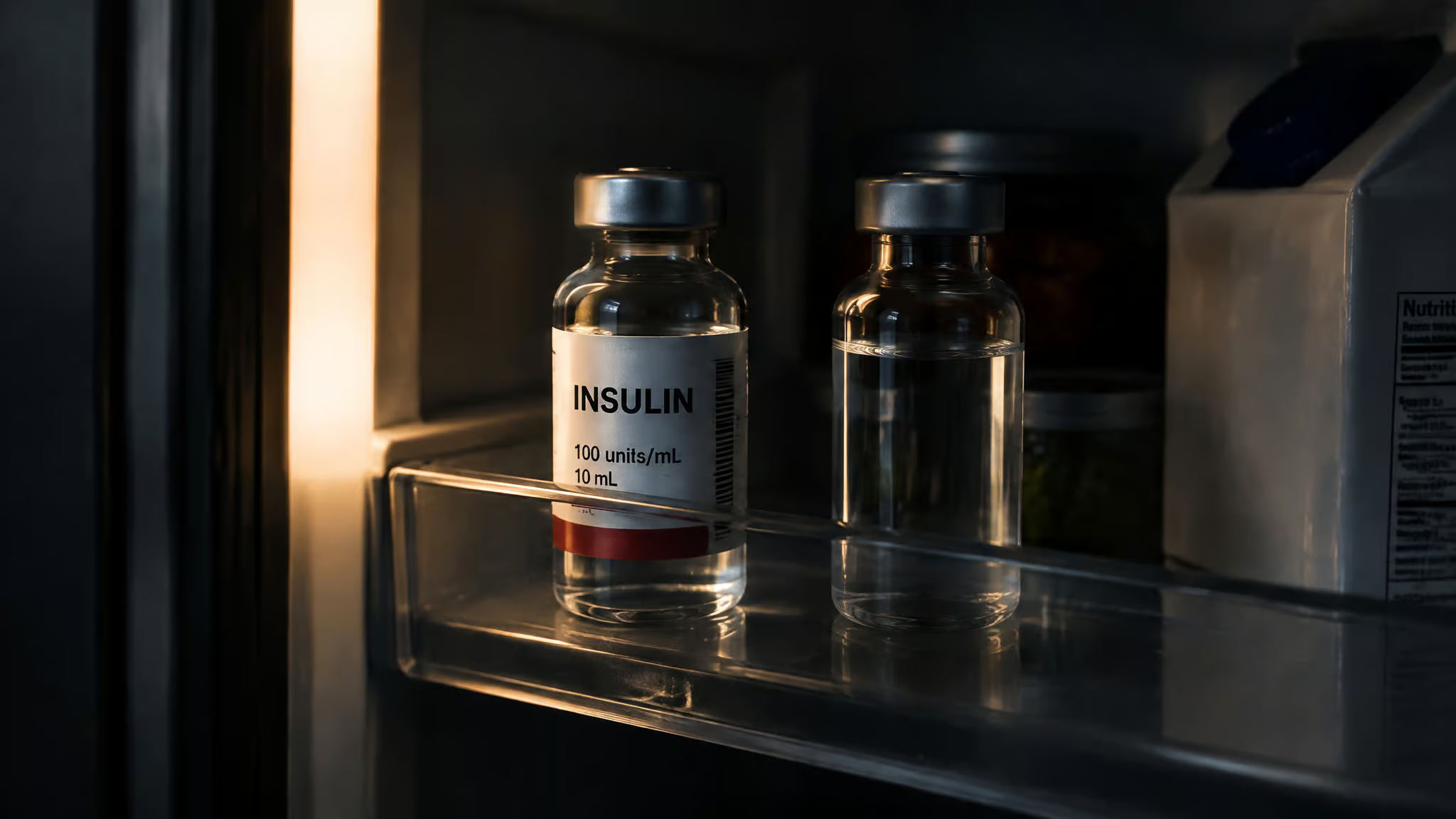
Two vials can sit in the same refrigerator door and both get called “peptides,” yet one is semaglutide, an FDA-approved prescription medicine sold as Ozempic, Wegovy, and Rybelsus, while the other is BPC-157, a synthetic compound that has never been an approved drug in any country. Real peptide drugs are short amino acid chains approved for specific conditions, including insulin, semaglutide, oxytocin, and leuprolide, spanning roughly 130 FDA-approved entities.
Online wellness threads and social peptide parties where attendees self-inject research vials collapse three non-overlapping legal buckets into a single buzzword: FDA-approved drugs with a New Drug Application (NDA) or Biologics License Application (BLA), substances eligible for compounding under section 503A, and unregulated research chemicals with zero human-use authorization. When someone brings a gray-market name heard online into a routine medical appointment assuming it works like Ozempic, the conversation hits an immediate wall. A physician can prescribe an approved drug with a known dosing label, not a research chemical lacking human clinical trials.
Key Takeaways
FDA convention separates peptides from biologics at 40 amino acids, regulating chains of 40 or fewer under an NDA and longer chains under a BLA across roughly 130 approved peptide drugs as of mid-2026.
Five GLP-1 receptor agonists and one dual GLP-1/GIP agonist hold FDA approvals for type 2 diabetes or obesity, while the shortage carve-out that allowed mass compounding of semaglutide and tirzepatide closed in February and March 2025.
Popular gray-market names like BPC-157, TB-500, and melanotan II have no FDA approval for any condition, and the July 2026 Pharmacy Compounding Advisory Committee votes to recommend six peptides for the 503A bulks list were non-binding advisory actions that did not legalize them.
Table of Contents
| Peptide | Why it stands out |
|---|---|
| Tesamorelin (Egrifta) | GHRH analogs: tesamorelin Tesamorelin (Egrifta) is the only FDA-approved growth hor |
| Bremelanotide (Vyleesi) | Approved June 2019 for HSDD in premenopausal women, the only FDA-approved melanocortin agonist for a sexual-function indication |
| Octreotide (Sandostatin, Mycapssa) | Approved 1988 for acromegaly, carcinoid syndrome, and VIP-secreting tumors; monthly depots followed |
| Vasopressin (Vasostrict) and terlipressin (Terlivaz) | Vasostrict approved 2014 for septic shock and post-cardiotomy vasodilatory shock via V1-mediated vasoconstriction |
| Enfuvirtide (Fuzeon) | First peptide antiretroviral, approved 2003, and remains a salvage option |
What counts as a peptide drug
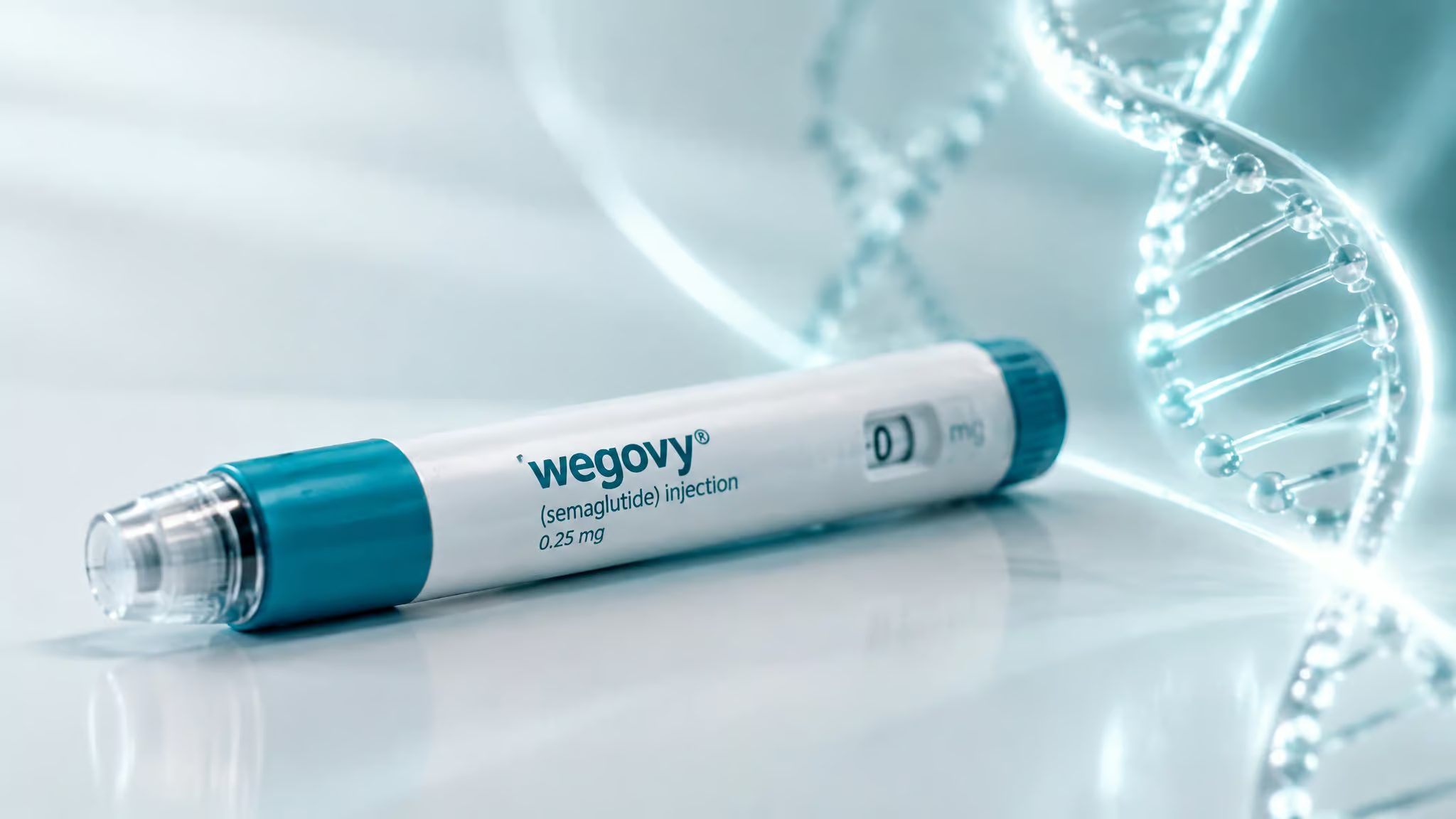
Peptide drugs are short chains of amino acids approved to treat specific medical conditions such as diabetes, obesity, osteoporosis, and hormone deficiencies, including semaglutide, which is a 31-amino-acid peptide regulated under an NDA as Ozempic, Wegovy, and Rybelsus for type 2 diabetes and chronic weight management. While clinical medicine uses approved peptides like insulin (metabolic control), oxytocin (obstetrical labor), exenatide (diabetes), tesamorelin (HIV-associated lipodystrophy), bremelanotide (sexual desire disorder), leuprolide (prostate cancer), octreotide (neuroendocrine tumors), and teriparatide (osteoporosis), Peptide Wellness USA’s FDA-approved peptide drug inventory maps how the FDA divides the broader peptide landscape into three non-overlapping legal tiers. Semaglutide proves how tightly chemical engineering and regulatory status interlock: its 31-amino-acid backbone uses fatty-acid lipidation to bind blood albumin, stretching a fragile chain into a once-weekly prescription medicine.
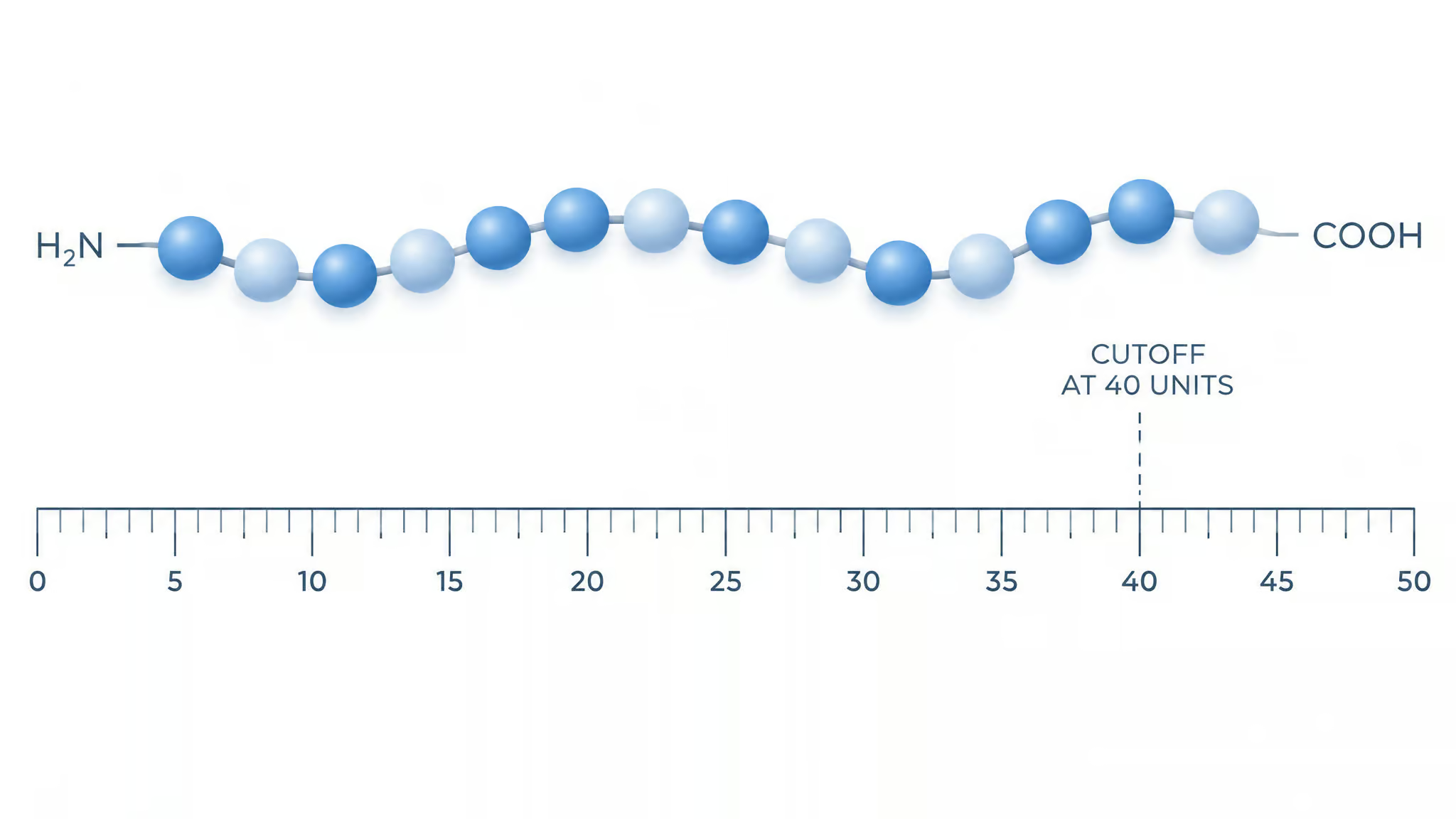
The 40-amino-acid line
FDA convention regulates chains of 40 amino acids or fewer as peptide drugs under an NDA and longer chains as biologics under a BLA. That 40-amino-acid line is an administrative cutoff rather than a biological boundary. At GeekExtreme, we love dissecting regulatory system architecture like this because the paperwork rules explain why the market looks so strange. As of mid-2026, roughly 130 FDA-approved peptide entities exist, accounting for about 10% of new FDA drug approvals annually in recent years.
Insulin, the first peptide drug, was approved in 1923 and transitioned from biologic (BLA) to NDA status in 2020 under Biologics Price Competition and Innovation Act (BPCIA) reforms, while oxytocin earned approval in the 1950s. Because unmodified peptides degrade rapidly in plasma and the gut, drugmakers use chemical modifications such as lipidation, PEGylation, cyclization, D-amino acid substitution, and non-natural residues to keep them alive long enough to work.
Three legal categories, one word
Every molecule called a peptide sits in one of three non-overlapping legal categories: an NDA or BLA approved drug, a section 503A compoundable substance, or an unregulated research chemical. A compounded version of any peptide, semaglutide included, is not an FDA-approved product.
How FDA reviews a peptide and why the indication matters
Peptide Chemistry, Manufacturing, and Controls (CMC) review requires strict sequence verification, impurity profiling for D-isomer content, deletion sequences, and truncation products, and immunogenicity assessment. Those exact manufacturing defects drove the FDA’s 2023 enforcement actions against compounded peptides. Approval is also strictly indication-specific: tesamorelin is approved only for HIV-associated lipodystrophy and bremelanotide only for hypoactive sexual desire disorder (HSDD) in premenopausal women, whereas compounders market those same molecules for unapproved uses without controlled-trial support.
GLP-1 and GIP agonist peptide drugs
GLP-1 and GIP receptor agonist peptide drugs are engineered gut-hormone analogs approved for type 2 diabetes and chronic weight management, consisting of five FDA-approved GLP-1 receptor agonists (exenatide, liraglutide, dulaglutide, and semaglutide across three brands) and one dual GLP-1/GIP agonist (tirzepatide). Pivotal clinical trials, specifically the SUSTAIN program for semaglutide and the SURMOUNT-1 trial for tirzepatide, moved this class from a type 2 diabetes adjunct to primary obesity therapy. In SURMOUNT-1 (NCT04184622), the 15 mg dose of tirzepatide delivered a 22.5% mean body weight reduction over 72 weeks, a result that fueled massive demand until tirzepatide left the FDA shortage list in late 2024 and semaglutide followed in February 2025, ending the broad compounding era.
Exenatide (Byetta)
Approved in 2005 for type 2 diabetes, exenatide is a twice-daily injection derived from exendin-4, a hormone isolated from Gila monster venom that resists rapid enzymatic breakdown.
Liraglutide (Victoza, Saxenda)
Liraglutide gained approval as Victoza for diabetes in 2010 and as Saxenda for obesity in 2014, stepping up to once-daily dosing via a fatty-acid linker that binds serum albumin.
Dulaglutide (Trulicity)
Approved in 2014, dulaglutide reached once-weekly dosing by fusing the peptide to an antibody Fc fragment.
Semaglutide (Ozempic, Wegovy, Rybelsus)
Semaglutide earned approval as Ozempic in 2017 for type 2 diabetes, Rybelsus in 2019 as an oral tablet using the SNAC absorption enhancer to survive stomach digestion, and Wegovy in 2021 for chronic weight management. Fatty-acid lipidation drives its albumin binding and once-weekly injection interval.
Tirzepatide (Mounjaro, Zepbound)
Tirzepatide is a dual GLP-1/GIP agonist approved as Mounjaro in 2022 for type 2 diabetes and as Zepbound in 2023 for obesity.
GLP-1 safety: the boxed warning and the retinopathy signal
The GLP-1 class carries a boxed warning for medullary thyroid carcinoma based on rodent C-cell tumor signals that have not been reproduced in humans. In everyday clinical use, gastrointestinal effects like nausea, vomiting, and constipation are dose-limiting and require gradual dose titration as the gut adapts to delayed gastric emptying. Meanwhile, the diabetic retinopathy signal first seen in SUSTAIN-6 held up in the 2023 Kapoor meta-analysis across 93 trials (relative risk 1.31 for early-stage retinopathy versus placebo, 95% CI 1.01 to 1.68), likely driven by rapid glucose lowering, which warrants ophthalmologic follow-up in patients with preexisting retinopathy.
What happened to compounded GLP-1s
Compounded semaglutide and tirzepatide remain legal only under narrow, patient-specific section 503A compounding for a documented clinical need that an approved product can’t meet, because the mass-compounding shortage window closed in early 2025. Between 2022 and 2024, the section 503B shortage carve-out allowed mass compounding of both molecules. Once tirzepatide left the shortage list in late 2024 and semaglutide left in February 2025, the FDA closed the 503A enforcement-discretion window in February 2025 and the 503B window in March 2025.
Buyers who arranged routine compounded GLP-1 refills during the shortage boom suddenly found their telehealth pipelines cut off or restricted to standard brand-name prescriptions. On April 30, 2026, the FDA proposed excluding semaglutide, tirzepatide, and liraglutide from the 503B Bulks List after finding no clinical need for bulk compounding; the extended comment period closed on July 30, 2026.
Tesamorelin: the only approved GHRH analog
Tesamorelin (Egrifta, approved in 2010) is approved exclusively to reduce excess abdominal fat in patients with HIV-associated lipodystrophy, not for general fat loss or body recomposition in otherwise healthy adults. When anti-aging clinics put “GHRH analogs” on a menu, the label implies an FDA-vetted fat-loss class, even though using tesamorelin in healthy adults is an off-label extrapolation with no safety database for that population.
Tesamorelin (Egrifta): profile and evidence
Tesamorelin is a 44-amino-acid synthetic peptide engineered with N-terminal stabilization against DPP-4 enzymatic cleavage. Dosed at 2 mg subcutaneously once daily, it reduces visceral adipose tissue by roughly 15% to 18% over six months, carrying known adverse effects including arthralgia, edema, carpal tunnel syndrome, and glucose intolerance.
The compounded ‘GHRH analogs’: CJC-1295, sermorelin, ipamorelin
In compounding clinics, “GHRH analog” usually means CJC-1295 or sermorelin, which differ sharply from tesamorelin in how peptides affect growth hormone and endocrine signaling. CJC-1295 is a 30-amino-acid analog (whose DAC variant extends half-life to days) from an unfinished industry program with no current NDA. Sermorelin, a 29-amino-acid truncated GHRH fragment, was approved as Geref in 1990 for diagnostic use and in 1997 for pediatric use, discontinued by its manufacturer in 2008, and withdrawn by the FDA in 2009. Clinics frequently stack CJC-1295 with ipamorelin, a pentapeptide ghrelin mimetic from an unfinished 1990s Novo Nordisk program that holds no approval anywhere and has zero controlled human trial data supporting the combined stack.
Bremelanotide (Vyleesi) and the PT-141 question
Vyleesi (bremelanotide) is an FDA-approved prescription autoinjector indicated solely for premenopausal women with acquired, generalized hypoactive sexual desire disorder (HSDD), whereas compounded PT-141 is a separately sourced bulk substance marketed for unapproved uses like male erectile function that the FDA has never reviewed. Buyers frequently see Palatin Technologies’ old development code, PT-141, printed on a compounded vial or nasal spray and assume they’re getting the FDA-approved drug off-label, when the legal status, sourcing, and clinical evidence are completely different.
Bremelanotide (Vyleesi): profile and RECONNECT evidence
Approved in June 2019, bremelanotide is the only FDA-approved melanocortin receptor agonist for a sexual-function indication. It works via nonselective MC1R and MC4R agonism, dosed at 1.75 mg subcutaneously as needed at least 45 minutes before sexual activity, capped at one dose per 24 hours. In the RECONNECT Phase 3 trials, bremelanotide produced statistically real improvements in sexual desire and reductions in distress compared to placebo, though absolute effect sizes were modest against a large placebo response. Nausea hit roughly 40% of patients (causing 13% to discontinue), alongside flushing, headache, and transient blood pressure elevations that make it contraindicated in uncontrolled hypertension and cardiovascular disease.
Compounded PT-141: same code, different substance
Compounded PT-141 sold to men for erectile dysfunction or to both sexes as a general libido booster (sometimes mixed with melanotan II for tanning) uses bulk powder outside the Vyleesi NDA, targeting indications with no FDA review.
GnRH peptide drugs: Lupron and the antagonists
Leuprolide (Lupron Depot, approved in 1985 for advanced prostate cancer) is the most widely prescribed peptide drug in U.S. oncology, and its mechanism of triggering an initial hormone flare followed by medical castration proves that peptide drugs are serious endocrine hammers rather than gentle wellness supplements. Also approved for endometriosis, central precocious puberty, and uterine fibroids, leuprolide is delivered in 1-, 3-, 4-, and 6-month depots, with the 6-month depot dosed at 45 mg intramuscularly.
GnRH agonists: leuprolide, goserelin, triptorelin
Continuous GnRH agonism overstimulates the pituitary before desensitizing it, shutting down luteinizing hormone (LH) and follicle-stimulating hormone (FSH) to produce medical castration within weeks. Goserelin (Zoladex, 1989, delivered via a subcutaneous biodegradable implant) and triptorelin (Trelstar, 2000) share this mechanism and the initial testosterone flare that can temporarily worsen prostate cancer symptoms.
GnRH antagonists: degarelix, relugolix, ganirelix, cetrorelix
GnRH antagonists skip the flare by blocking the receptor directly, reaching castration-level suppression within days. Degarelix (Firmagon, 2008) was the first peptide antagonist approved for prostate cancer, while relugolix (Orgovyx, 2020) is an oral non-peptide small molecule competing in this peptide-injection class. In assisted reproduction, the short-cycle peptide antagonists ganirelix (Antagon) and cetrorelix (Cetrotide), approved in 1999 and 2000, prevent premature LH surges during controlled ovarian stimulation.
Long-tail GnRH class toxicity
Chronic GnRH suppression causes hot flashes, bone density loss, depression, sexual dysfunction, and an unresolved cardiovascular risk debate, refuting any claim that peptides are uniformly benign.
Somatostatin analogs: Sandostatin to Lutathera
Octreotide (Sandostatin, approved in 1988) is an 8-amino-acid synthetic somatostatin analog that stabilized hormone-secreting tumors and laid the chemical foundation for peptide-targeted radiotherapy. Natural somatostatin breaks down in minutes, so octreotide used a compact cyclic structure to treat acromegaly, carcinoid syndrome, and VIP-secreting tumors.
Octreotide (Sandostatin, Mycapssa)
After the original 1988 injectable Sandostatin and its subsequent monthly depot formulations, oral Mycapssa won approval in 2020 for acromegaly maintenance, showing how formulation engineering can move an injectable peptide into a capsule.
Lanreotide (Somatuline Depot) and pasireotide (Signifor)
Lanreotide (Somatuline Depot, 2007) provides higher SSTR2 receptor selectivity in a deep subcutaneous depot. Pasireotide (Signifor, 2012), approved for Cushing’s disease and acromegaly, binds SSTR1, SSTR2, SSTR3, and SSTR5, but carries a clinically meaningful hyperglycemia trade-off that rarely makes it a first-line choice.
Lutathera: peptide-targeted radiotherapy
Approved in 2018, Lutathera (Lu-177 dotatate) attaches a radioactive lutetium-177 payload to an octreotide analog, delivering targeted radiotherapy directly to somatostatin receptor-expressing neuroendocrine tumors.
Salmon calcitonin
Clinicians use salmon calcitonin instead of human calcitonin because the fish peptide binds the human calcitonin receptor with substantially higher affinity, yet that potency came with a long-term safety split when European and U.S. regulators reviewed the same 2013 malignancy signal and reached opposite decisions. Approved in 1984 as injectable Calcimar and Miacalcin for Paget’s disease, hypercalcemia, and postmenopausal osteoporosis, and later as intranasal Miacalcin Nasal Spray and Fortical for postmenopausal osteoporosis, salmon calcitonin was a bone-care staple for decades.
In 2013, a European Medicines Agency (EMA) review of long-term clinical trials uncovered a small but consistent excess of malignancies in calcitonin-treated patients. Europe pulled the nasal spray osteoporosis indication off the market and restricted injectable formulations to short courses. The FDA looked at the same data and kept the U.S. approvals intact with updated warning labels, though U.S. clinicians generally view its benefit-risk profile as unfavorable next to bisphosphonates, denosumab, or parathyroid hormone (PTH) analogs.
Vasopressin analogs: desmopressin, Vasostrict, Terlivaz
Two targeted chemical edits to human vasopressin, desamination at position 1 and swapping in D-arginine at position 8, created desmopressin, extending the peptide’s half-life from minutes to hours while stripping out V1 receptor vasoconstriction, though its V2 water-retention mechanism directly causes its primary hazard of dilutional hyponatremia.
Desmopressin (DDAVP, DESMODA)
First approved in 1978 as DDAVP for central diabetes insipidus, primary nocturnal enuresis, and mild-to-moderate von Willebrand disease or hemophilia A, desmopressin gained its first oral liquid formulation on February 25, 2026, when the FDA approved Eton Pharmaceuticals’ DESMODA for patients who can’t swallow tablets. Because desmopressin works by forcing the kidneys to retain water, excess fluid intake triggers dilutional hyponatremia, a dangerous drop in blood sodium that hits elderly patients and pediatric enuresis patients hardest and prompted a boxed warning on intranasal enuresis products.
Vasopressin (Vasostrict) and terlipressin (Terlivaz)
For critical care, vasopressin (Vasostrict, 2014) treats septic and post-cardiotomy vasodilatory shock via V1 vasoconstriction, while terlipressin (Terlivaz, 2022) treats hepatorenal syndrome. By contrast, tolvaptan is a non-peptide small-molecule V2 antagonist.
Insulin: the original peptide drug
The peptide medications doctors prescribe most often in everyday clinical practice are insulin analogs and GLP-1 agonists for diabetes and weight management, leuprolide for hormone-driven cancers in oncology, oxytocin for labor induction in obstetrics, and reformulated glucagon for emergency hypoglycemia rescue. Approved in 1923, insulin remains the ultimate testbed for tuning a peptide’s speed and duration through targeted amino-acid swaps.
Insulin analog engineering
Each insulin analog solves a specific timing problem through structural edits:
- Rapid-acting analogs like insulin lispro (which swaps the amino acids at positions B28 and B29), aspart, and glulisine break apart faster under the skin to cover mealtime glucose spikes.
- Long-acting basal analogs use an extra arginine plus a glycine swap in glargine, fatty-acid acylation in detemir, or a 16-carbon fatty acid attachment in degludec to create steady background release.
- Ultra-rapid formulations like faster aspart and lispro-aabc use added excipients to speed up absorption even further.
Semglee and the insulin biosimilar pathway
After insulin shifted from a BLA biologic to NDA status in 2020 under BPCIA reforms, the FDA approved Semglee in 2021 as the first interchangeable insulin biosimilar (to insulin glargine), opening a pharmacy-level generic-equivalent pathway that changed insulin cost dynamics.
Cardiovascular peptide drugs
Nesiritide (Natrecor, approved in 2001) is the textbook case of an FDA-approved peptide drug collapsing after launch when the 2011 ASCEND-HF trial proved it offered no meaningful benefit on hard clinical endpoints. While outpatient cardiology runs on small molecules, hospital catheterization labs still rely on specialized peptide anticoagulants.
Nesiritide: the peptide drug that failed after approval
A recombinant B-type natriuretic peptide approved in 2001 for acutely decompensated heart failure, nesiritide was effectively abandoned after independent analyses and the large ASCEND-HF trial in 2011 found no reduction in death or rehospitalization alongside a possible renal injury signal. A related atrial natriuretic peptide, carperitide, was approved in Japan but never received U.S. approval.
Eptifibatide (Integrilin) and bivalirudin (Angiomax)
Two procedural peptides remain active in percutaneous coronary intervention (PCI): eptifibatide (Integrilin, 1998), a cyclic heptapeptide glycoprotein IIb/IIIa inhibitor for acute coronary syndrome and PCI whose role narrowed as oral P2Y12 inhibitors improved, and bivalirudin (Angiomax, 2000), a synthetic 20-amino-acid direct thrombin inhibitor used as a catheterization-lab anticoagulant.
Oxytocin, glucagon, Fuzeon, and Prialt
Oxytocin (Pitocin, Syntocinon) is FDA-approved exclusively for obstetrical labor induction and milk let-down, not for autism spectrum disorder, social bonding, or psychiatric conditions. Across obstetrics, emergency diabetes care, HIV, and severe pain, these four drugs show how delivery routes dictate whether a peptide succeeds in the clinic.
Oxytocin (Pitocin)
Despite online vendors pitching intranasal oxytocin sprays as “trust” or “bonding” enhancers, Phase 2 clinical trials of intranasal oxytocin for autism spectrum disorder (including NCT01908205 and earlier studies) returned mixed results, and no psychiatric or neurodevelopmental approval exists.
Glucagon rescue: Baqsimi, Gvoke, Dasiglucagon
Old glucagon emergency kits forced caregivers to manually reconstitute powder with liquid during a severe hypoglycemia crisis. Modern reformulations replaced that stressful process with ready-to-use devices: Baqsimi nasal powder (2019), Gvoke autoinjector (2019), and the stable peptide analog Dasiglucagon (2021).
Enfuvirtide (Fuzeon) and ziconotide (Prialt)
Enfuvirtide (Fuzeon, 2003), the first peptide antiretroviral (an HIV fusion inhibitor), was largely displaced by oral integrase inhibitors because of its twice-daily subcutaneous injection burden, surviving only as a salvage option. Ziconotide (Prialt, 2004) is a synthetic cone snail venom peptide pumped intrathecally into the spinal fluid for refractory severe chronic pain, carrying a heavy neuropsychiatric adverse effect profile.
PTH analogs for osteoporosis and bone disease
The peptide drugs approved for severe postmenopausal osteoporosis and bone loss are the bone-building parathyroid hormone analogs teriparatide (Forteo, approved in 2002) and abaloparatide (Tymlos, approved in 2017), joined by the PEGylated analog palopegteriparatide (Yorvipath, approved on August 9, 2024) for hypoparathyroidism, while salmon calcitonin remains restricted after its 2013 malignancy review.
Teriparatide (Forteo) and abaloparatide (Tymlos)
Unlike bisphosphonates that merely slow bone breakdown, daily subcutaneous injections of teriparatide (a recombinant PTH fragment) and abaloparatide (a PTH-related protein analog) actively stimulate new bone formation in patients at high fracture risk, largely replacing salmon calcitonin in modern osteoporosis care.
Palopegteriparatide (Yorvipath)
Approved on August 9, 2024 for adults with hypoparathyroidism, palopegteriparatide (Yorvipath) attaches a temporary PEGylated linker to a PTH analog, stretching its effective half-life to roughly 60 hours. That slow release provides steady physiological calcium control where older regimens required multiple daily doses of active vitamin D and calcium tablets.
Boundary cases and rare-disease peptide approvals
FDA peptide classification stretches at the edges to cover synthetic copolymers, surgical fluorescent imaging probes, oligonucleotides counted in industry tallies, and targeted rare-disease therapies.
Glatiramer acetate (Copaxone): the copolymer boundary
Glatiramer acetate (Copaxone, approved in 1996 for relapsing-remitting multiple sclerosis) is a random synthetic copolymer of four amino acids rather than a single defined sequence, yet the FDA regulates it under the peptide framework.
Lumisight, Rytelo, Aqneursa, Forzinity
Pegulicianine (Lumisight, 2024) is a cathepsin-activated fluorescent peptide probe for intraoperative breast cancer imaging, while imetelstat (Rytelo, June 2024, for low- to intermediate-1-risk myelodysplastic syndromes) gets counted in industry peptide tallies despite being a thio-phosphoramidate oligonucleotide; recent rare-disease approvals include levacetylleucine (Aqneursa) and elamipretide (Forzinity, 2025, for Barth syndrome).
Approved peptide drugs by category: reference table
This category-by-category lookup maps the named drug examples from the roughly 130 FDA-approved peptide entities to their brand names, approval years, and approved clinical indications.
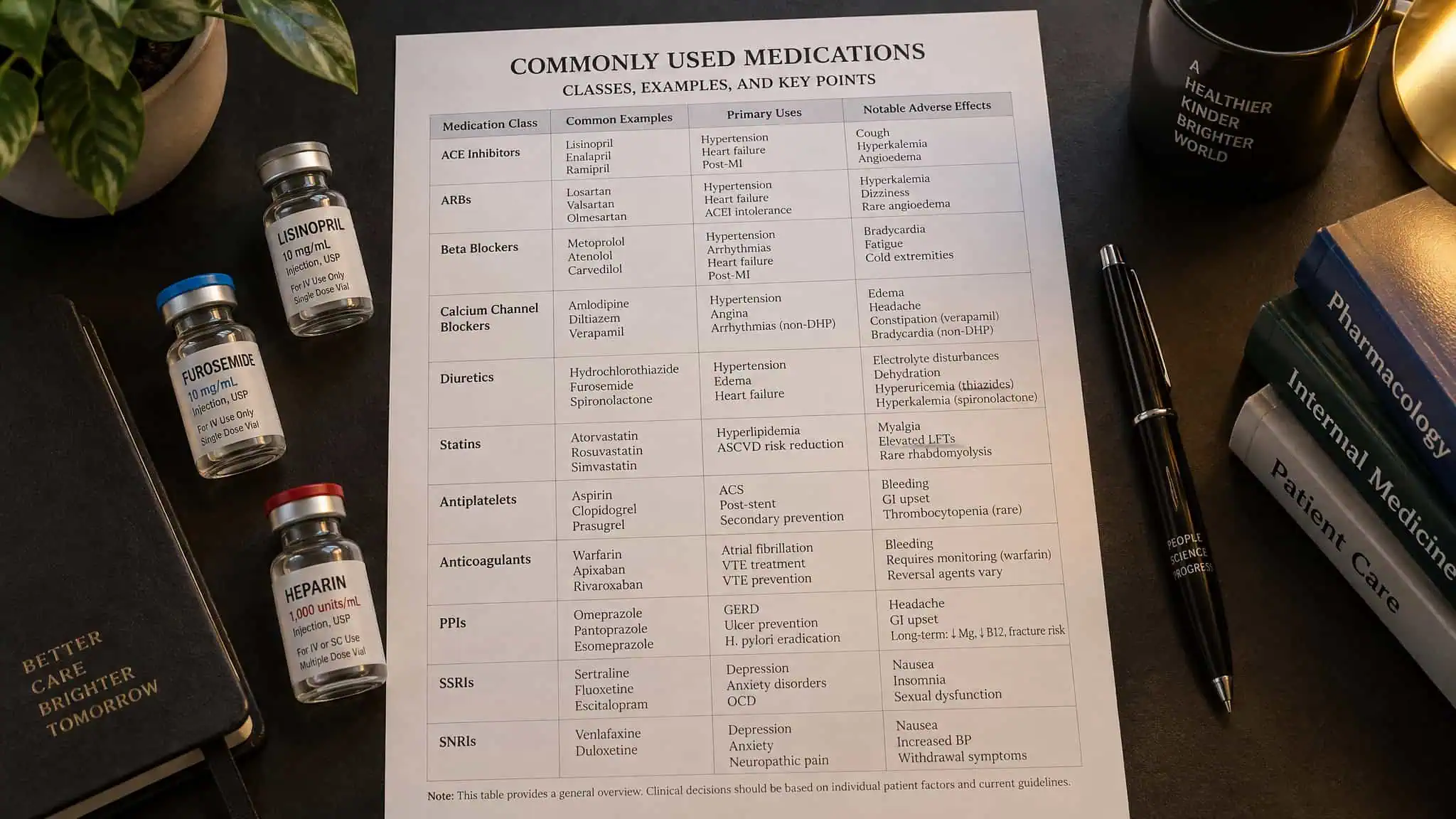
| Category | Drug and Brand Name | Approval Year | Approved Indication |
|---|---|---|---|
| GLP-1 / GIP Agonists | Exenatide (Byetta) | 2005 | Type 2 diabetes |
| GLP-1 / GIP Agonists | Liraglutide (Victoza, Saxenda) | 2010 / 2014 | Type 2 diabetes (2010), obesity (2014) |
| GLP-1 / GIP Agonists | Dulaglutide (Trulicity) | 2014 | Type 2 diabetes |
| GLP-1 / GIP Agonists | Semaglutide (Ozempic, Rybelsus, Wegovy) | 2017 / 2019 / 2021 | Type 2 diabetes (2017, 2019 oral), chronic weight management (2021) |
| GLP-1 / GIP Agonists | Tirzepatide (Mounjaro, Zepbound) | 2022 / 2023 | Type 2 diabetes (2022), obesity (2023) |
| GHRH Analog | Tesamorelin (Egrifta) | 2010 | HIV-associated lipodystrophy |
| Melanocortin Agonist | Bremelanotide (Vyleesi) | 2019 | Hypoactive sexual desire disorder in premenopausal women |
| GnRH Agonists | Leuprolide (Lupron Depot) | 1985 | Advanced prostate cancer, endometriosis, central precocious puberty, uterine fibroids |
| GnRH Agonists | Goserelin (Zoladex) | 1989 | Advanced prostate cancer, endometriosis, breast cancer |
| GnRH Agonists | Triptorelin (Trelstar) | 2000 | Advanced prostate cancer |
| GnRH Antagonists | Ganirelix (Antagon), Cetrorelix (Cetrotide) | 1999 / 2000 | Prevention of premature LH surges in assisted reproduction |
| GnRH Antagonists | Degarelix (Firmagon) | 2008 | Advanced prostate cancer |
| Somatostatin Analogs | Octreotide (Sandostatin, Mycapssa) | 1988 / 2020 | Acromegaly, carcinoid syndrome, VIP-secreting tumors |
| Somatostatin Analogs | Lanreotide (Somatuline Depot) | 2007 | Acromegaly, neuroendocrine tumors |
| Somatostatin Analogs | Pasireotide (Signifor) | 2012 | Cushing’s disease, acromegaly |
| Somatostatin Analogs | Lu-177 dotatate (Lutathera) | 2018 | Somatostatin receptor-positive neuroendocrine tumors |
| Calcitonin | Salmon calcitonin (Calcimar, Miacalcin, Fortical) | 1984 | Paget’s disease, hypercalcemia, postmenopausal osteoporosis |
| Vasopressin Analogs | Desmopressin (DDAVP, DESMODA) | 1978 / 2026 | Central diabetes insipidus, nocturnal enuresis, von Willebrand disease / hemophilia A |
| Vasopressin Analogs | Vasopressin (Vasostrict) | 2014 | Septic and post-cardiotomy vasodilatory shock |
| Vasopressin Analogs | Terlipressin (Terlivaz) | 2022 | Hepatorenal syndrome |
| Insulin | Insulin and Semglee (insulin glargine-yfgn) | 1923 / 2021 | Diabetes mellitus glycemic control |
| Cardiovascular | Eptifibatide (Integrilin) | 1998 | Acute coronary syndrome and percutaneous coronary intervention |
| Cardiovascular | Bivalirudin (Angiomax) | 2000 | Percutaneous coronary intervention anticoagulation |
| Cardiovascular | Nesiritide (Natrecor) | 2001 | Acutely decompensated heart failure (effectively abandoned after 2011) |
| HIV Fusion Inhibitor | Enfuvirtide (Fuzeon) | 2003 | HIV-1 infection salvage therapy |
| Chronic Pain | Ziconotide (Prialt) | 2004 | Severe refractory chronic pain via intrathecal pump |
| PTH Analogs | Teriparatide (Forteo), Abaloparatide (Tymlos) | 2002 / 2017 | Severe postmenopausal osteoporosis |
| PTH Analogs | Palopegteriparatide (Yorvipath) | 2024 | Hypoparathyroidism |
| Obstetrical | Oxytocin (Pitocin, Syntocinon) | 1950s | Labor induction and milk let-down |
| Hypoglycemia Rescue | Glucagon (Baqsimi, Gvoke), Dasiglucagon | 2019 / 2021 | Severe hypoglycemia rescue |
| MS Copolymer | Glatiramer acetate (Copaxone) | 1996 | Relapsing-remitting multiple sclerosis |
| Diagnostic Probe | Pegulicianine (Lumisight) | 2024 | Intraoperative breast cancer imaging |
| Rare Disease | Elamipretide (Forzinity) | 2025 | Barth syndrome |
Gray-market peptides: what the party names are
No, BPC-157 is not an FDA-approved peptide drug in the United States or any other country, and buying gray-market peptides exposes users to substances with no human safety database alongside the sequence, D-isomer impurity, truncation, and immunogenicity defects cited in the FDA’s 2023 enforcement actions. While searchers looking for the most popular peptides for bodybuilding, health, or women constantly run into the same dozen gray-market names, evaluating research-chemical peptide vendors and testing claims doesn’t change the underlying clinical reality: BPC-157 has zero registered Phase 2 human trials and relies overwhelmingly on rodent studies published by a single Croatian research group. During the July 2026 Pharmacy Compounding Advisory Committee (PCAC) broadcast, panel members reviewed seven nominated peptides and recommended six for the 503A bulks list, though none of those non-binding votes granted FDA approval.
BPC-157
- BPC-157 is a 15-amino-acid synthetic peptide marketed for tendon recovery and gut inflammation and nominated for ulcerative colitis. It sat in 503A Category 2 from September 2023 to April 2026 and received an 8 to 6 (one abstention) non-binding PCAC recommendation in July 2026, with no FDA action taken.
KPV and TB-500
- KPV (a 3-amino-acid alpha-MSH fragment studied for skin and gut inflammation and wound healing) and TB-500 / thymosin beta-4 (reviewed for wound healing, with limited human data in small cardiac and ophthalmologic studies and no approval) were each recommended 8 to 6 with one abstention by PCAC in July 2026.
Thymosin alpha-1 (Zadaxin) and AOD-9604
- Thymosin alpha-1 (Zadaxin) is approved in roughly 35 countries for hepatitis B and as a cancer immunotherapy adjunct, but it’s neither FDA-approved nor open for U.S. compounding; AOD-9604 (a growth hormone fragment marketed for fat loss) has no approval and no convincing Phase 2 data.
Melanotan II
- Melanotan II isn’t approved anywhere, is linked to nausea, hypertension, and melanoma reports, and faces FDA skepticism in its scheduled PCAC review.
Selank, semax, epitalon, MOTs-c, emideltide
- Selank, semax, and epitalon are Russian-origin research peptides without Western approval: semax (a nasal product studied for cognition, stroke, migraine, and trigeminal neuralgia) passed PCAC 8 to 5 with one abstention, and epitalon (4 amino acids, linked to sleep and longevity, reviewed for insomnia) passed 7 to 4 with one abstention; mitochondrial peptide MOTs-c (reviewed for obesity and osteoporosis) passed 7 to 5 with two abstentions, while emideltide / DSIP (reviewed for chronic insomnia and opioid withdrawal) was the sole rejection at 6 to 7 with one abstention.
The 503A/503B compounding framework and PCAC votes
The only legal pathways to obtain peptide medications in the United States are a prescription for an FDA-approved NDA or BLA drug, a patient-specific prescription filled by a state-licensed section 503A pharmacy using an eligible bulk substance, or office-use supply from an FDA-registered section 503B outsourcing facility, and the July 2026 advisory committee votes did not legalize BPC-157 or TB-500 because PCAC votes are non-binding recommendations that require formal notice-and-comment rulemaking before any substance’s legal status changes.

Section 503A and the bulks list
Section 503A permits state-licensed pharmacies to compound patient-specific prescriptions only if the bulk drug substance is a component of an FDA-approved drug, appears in an official USP or NF monograph, or sits on Category 1 of the 503A Bulks List (while Category 2 holds substances with identified safety risks and Category 3 holds those with insufficient data under evaluation).
Section 503B and the shortage carve-out
Created by the 2013 Drug Quality and Security Act after the New England Compounding Center meningitis outbreak, section 503B lets FDA-registered cGMP outsourcing facilities compound bulk office-use supply only from the 503B Bulks List or the active FDA shortage list. Gonadorelin acetate, formerly approved as LutrePulse for ovulation induction before the branded product was discontinued, sits on 503B Category 1 as a clean example of a legal transition.
The 2023 to 2026 bulks-list actions and the July 2026 PCAC votes
In September 2023, the FDA placed 17 peptides, including BPC-157, TB-500, CJC-1295, ipamorelin, thymosin alpha-1, AOD-9604, injectable GHK-Cu, melanotan II, KPV, selank, semax, and epitalon, into 503A Category 2 over route safety, dosing, and purity concerns. In April 2026, the agency removed 12 of them because nominators withdrew their submissions, leaving those molecules in regulatory limbo rather than clearing their safety. On July 23 and 24, 2026, the PCAC voted against the FDA’s own reviewers (who proposed rejecting all seven) to recommend six of seven peptides for the 503A list, but the FDA has issued no final determination, required rulemaking (proposed rule, comment period, final rule) has not started, and a separate PCAC review of GHK-Cu, melanotan II, cathelicidin (LL-37), dihexa acetate, and PEG-MGF is scheduled before February 2027.
| Model | Standout spec | Limitation |
|---|---|---|
| Tesamorelin (Egrifta) | Named alongside approved peptide drugs semaglutide, tirzepatide, bremelanotide, leuprolide, octreotide, desmopressin, and the insulins | Not published |
| Bremelanotide (Vyleesi) | Nonselective MC1R/MC4R agonism; 1.75 mg SC as needed ?45 min before activity, max one dose/24h | Approved only for HSDD in premenopausal women; compounded PT-141 for men’s erectile function or libido is bulk substance for indications FDA never reviewed |
| Octreotide (Sandostatin, Mycapssa) | Eight-amino-acid somatostatin analog; oral Mycapssa approved 2020 for acromegaly maintenance | An 8-amino-acid peptide vulnerable to gut degradation, so oral Mycapssa is limited to acromegaly maintenance only |
| Vasopressin (Vasostrict) and terlipressin (Terlivaz) | Terlipressin (Terlivaz, 2022) is a longer-acting vasopressin analog approved for hepatorenal syndrome | Terlivaz’s hepatorenal syndrome indication is narrow but high-mortality, where the alternatives are limited |
| Enfuvirtide (Fuzeon) | Enfuvirtide (Fuzeon), a peptide antiretroviral, dates to 2003 | Requires twice-daily subcutaneous injection and was largely displaced by oral integrase inhibitors |
FDA-approved vs. compounded peptide drugs
FDA-approved peptide drugs are prescription medicines with known clinical risks and FDA-reviewed manufacturing controls for a tested indication, whereas compounded and gray-market peptides carry unknown clinical risks because controlled human trials for their marketed uses were never run. Every peptide falls into one of the three non-overlapping legal tiers, and peptide drugs are not inherently safer than small-molecule drugs. Across the roughly 130 approved peptide entities, well-documented class toxicities include GnRH-induced bone density loss and depression, GLP-1 rodent thyroid C-cell boxed warnings and retinopathy signals, salmon calcitonin malignancy signals, and desmopressin dilutional hyponatremia.
What approval adds that a gray-market vial cannot
- Approval separates known risk from unknown risk: a peptide’s adverse events were quantified in Phase 3 human trials for a specific condition, which doesn’t mean the molecule is harmless.
- CMC manufacturing verification means approved peptides undergo batch-level checks for amino-acid sequence accuracy, D-isomer and truncation impurities, and immunogenicity that research vials skip.
Is peptide therapy FDA-approved?
The FDA approves individual drugs for specific indications, never “peptide therapy” as a general clinical practice, and a compounded version of any peptide, semaglutide included, is not an FDA-approved product. For most consumer-market peptides, the ongoing regulatory battle over compounding lists is downstream of a simpler root problem: the controlled human clinical trials needed to support routine medical use don’t exist.
Frequently Asked Questions
What are peptide meds?
Peptide meds are prescription drugs built from short chains of amino acids that have earned FDA approval to treat specific conditions like diabetes, obesity, osteoporosis, and hormone-driven cancers. By administrative convention, the FDA regulates chains of 40 amino acids or fewer as peptide drugs under a New Drug Application (NDA) and longer chains as biologics under a Biologics License Application (BLA). Because unmodified peptides break down rapidly in the gut and bloodstream, drugmakers engineer them with chemical tweaks like fatty-acid lipidation or cyclization so they survive long enough to work.
What are examples of peptide drugs?
Familiar clinical examples span roughly 130 FDA-approved entities, including insulin for diabetes, semaglutide (Ozempic, Wegovy, Rybelsus) for diabetes and weight management, and oxytocin (Pitocin) for labor induction. Other widely prescribed peptides include leuprolide (Lupron Depot) for prostate cancer and endometriosis, teriparatide (Forteo) for severe osteoporosis, octreotide (Sandostatin, Mycapssa) for acromegaly and neuroendocrine tumors, and desmopressin (DDAVP, DESMODA) for diabetes insipidus.
What is the difference between FDA-approved peptides and compounded peptides?
FDA-approved peptides have passed Phase 3 human clinical trials for a specific medical condition and undergo strict Chemistry, Manufacturing, and Controls (CMC) verification to check sequence accuracy, D-isomer impurities, truncation defects, and immunogenicity. Compounded peptides are not FDA-approved products—even when they share a name like semaglutide—and are often marketed by clinics for unapproved uses without controlled-trial backing. One gives you quantified clinical risk and verified manufacturing; the other leaves both the purity and the human safety profile in the dark.
What are the risks of buying peptides from gray-market vendors?
Gray-market research vials carry zero human-use authorization and bypass the batch-level manufacturing checks required for prescription medicines. Buyers risk injecting synthesis defects—specifically wrong amino-acid sequences, D-isomer impurities, deletion sequences, and truncation products—that can trigger dangerous immune reactions and drove the FDA’s 2023 enforcement actions. Worse, molecules like BPC-157, TB-500, and melanotan II lack human safety databases for their marketed uses, with melanotan II tied to hypertension and melanoma reports.
Where can I buy peptides?
In the United States, the only legal ways to obtain a peptide medication are through a prescription for an FDA-approved NDA or BLA drug at a pharmacy, a patient-specific prescription filled by a state-licensed section 503A compounding pharmacy using an eligible bulk ingredient, or office-use supply from an FDA-registered section 503B outsourcing facility. Online vendors selling vials labeled as research chemicals—such as BPC-157, CJC-1295, or ipamorelin—operate outside these legal pathways and have no authorization for human use.
