
Let’s get this out of the way immediately: Tor is legal to download, install, and use in every single U.S. state. No federal law prohibits it. The Tor Project is a U.S.-based nonprofit that operates openly, maintains a public GitHub, and receives government grants. — especially given that 3.7 million Americans use Tor every single day. That’s more Tor users than the entire population of Chicago. The U.S. ranks first globally for Tor usage,
So why does the question keep coming up? Because Tor is also the tool of choice for people who aren’t just protecting their privacy — and because the same government that funds Tor has successfully de-anonymized users in major criminal investigations. That tension is exactly what we’re going to untangle.
Key Takeaways
Tor is 100% legal in the U.S. — 3.7 million Americans use it daily, and the government itself developed and funds the technology.
Law enforcement can pierce Tor anonymity through court-authorized techniques like Network Investigative Techniques (NITs), timing analysis, and guard discovery attacks — but only with probable cause and a warrant.
Your risk depends on what you do, not the tool itself — using Tor for privacy is protected; using it for serious crimes has a track record of getting caught (Playpen, Operation Torpedo, Silk Road, and more).
Table of Contents
The Short Answer: Tor Is Legal, Full Stop
Tor is legal. You can download the Tor Browser from the official website, install it on your laptop or phone, and use it to browse the web without breaking any federal or state law.
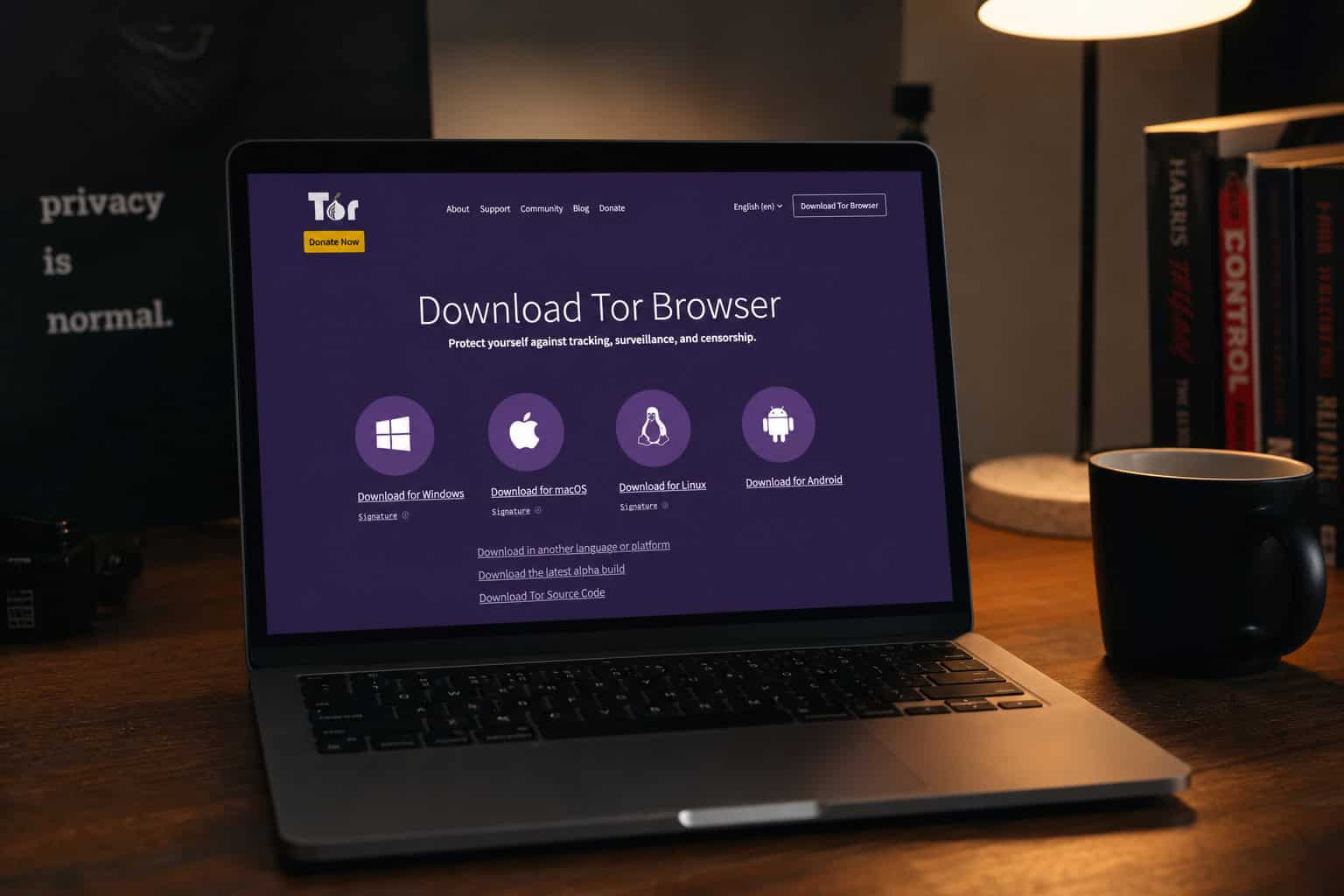
The “knife analogy” works well here: a knife is legal to own, but using it to rob a bank isn’t. Tor is the same — the legality is about your actions, not the software itself. The vast majority of Tor traffic is just regular people browsing the clearnet without being tracked. Journalists use it to protect sources.
Activists use it to communicate in repressive environments. Researchers use it to study network behavior. None of that is illegal, and none of it triggers any automated police response.
What you really want to know is: when does Tor stop being just a privacy tool and start attracting scrutiny? That’s where the interesting part begins.
Why Tor Is Not Just Legal but Government-Backed
Here’s a fact that usually surprises people: the U.S. government invented Tor. In the 1990s, the U.S. Naval Research Laboratory developed the technology to conceal the identities of American operatives and dissidents communicating within oppressive regimes. It was released to the public in 2002, and today, the U.S. Department of State funds Tor as a tool for internet freedom abroad.
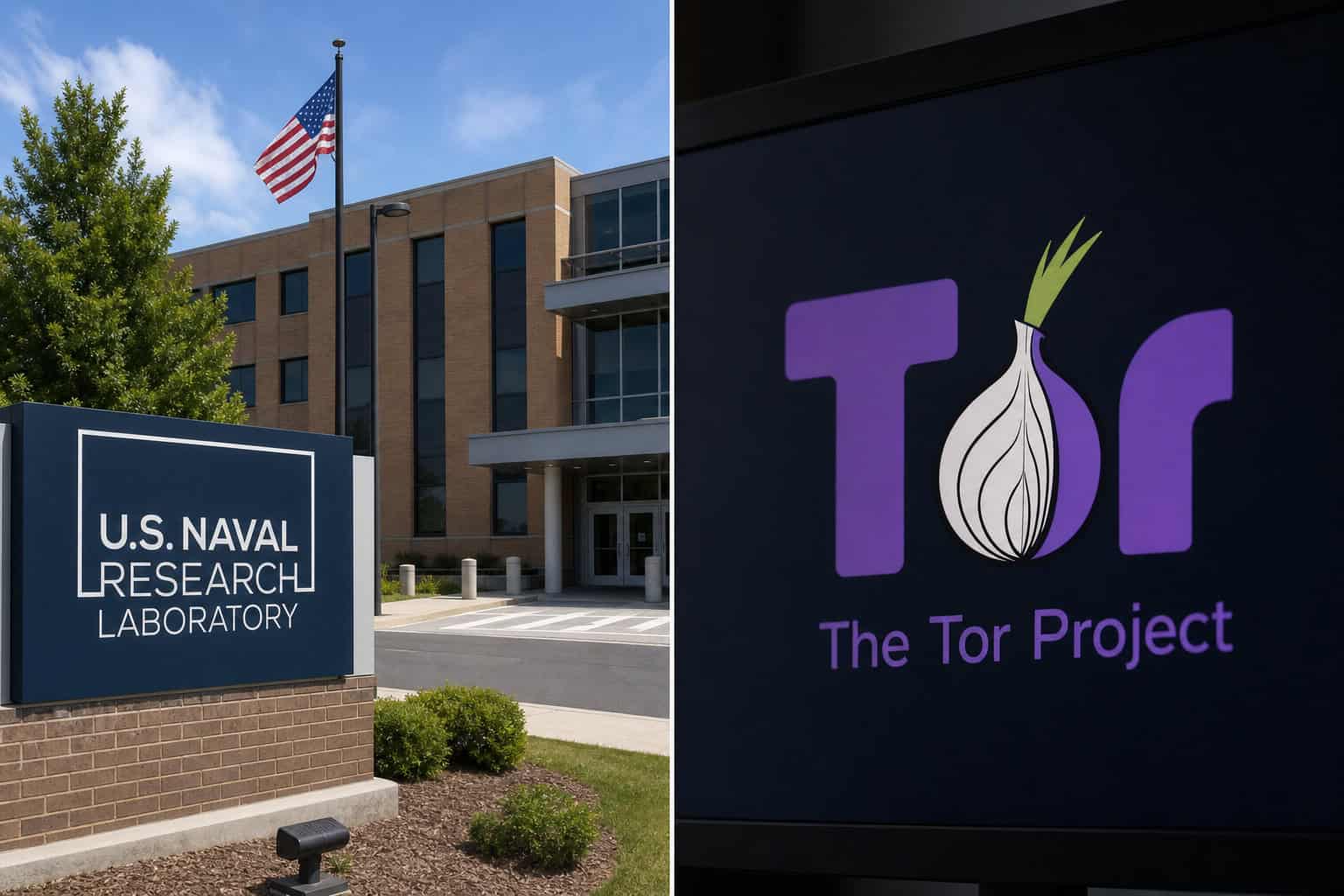
So the same government that funds Tor also prosecutes crimes committed through it. Tor doesn’t care what you do with it. The government doesn’t either, until you do something that gives them probable cause.
The Snowden Adoption Spike
The turning point for Tor’s mainstream adoption came in 2013. When Edward Snowden revealed the scale of NSA mass surveillance, Tor usage spiked. Millions of Americans suddenly wanted a way to shield their browsing from government eyes — and Tor was the best free option. That’s a completely legitimate reason to use Tor: opting out of mass collection.
The government’s response? They kept funding Tor.
When Tor Use Could Attract Scrutiny: The Legal Framework
Law enforcement doesn’t monitor or target people simply for using Tor. It would be a waste of resources — 3.7 million daily users means there’s nothing unusual about the traffic.

So what does the legal process look like? There are four key statutes that law enforcement uses to investigate Tor users:
- Rule 41 of the Federal Rules of Criminal Procedure — covers search warrants and tracking devices, including digital ones. This is the legal basis for many Network Investigative Techniques (NITs).
- ECPA (Electronic Communications Privacy Act) — requires judicial oversight for accessing stored electronic communications.
- FISA (Foreign Intelligence Surveillance Act) — used for national security investigations, with a special court.
- Title III — the highest standard for real-time surveillance. Prosecutors need approval from Main Justice (the top level at the Department of Justice) before even presenting the request to a federal judge.
All of these require a court order. No warrant, no surveillance.

The Playpen Precedent
The most famous example of this framework in action is the Playpen case in 2015. Playpen was a massive child exploitation site on the dark web — 215,000 accounts in its first year, averaging 11,000 unique visitors per week. The FBI seized the server in North Carolina and, with a court order, ran the site under its control for two weeks.
The warrant was unusual: instead of naming individual suspects, it described the method of access — anyone who logged into Playpen using Tor during that two-week window was subject to a Network Investigative Technique (NIT) that would reveal their real IP address. Courts upheld the warrant under Rule because the site existed solely for criminal activity. The result? Over 1,300 real IP addresses identified.
How Law Enforcement Can Identify Tor Users
De-anonymizing Tor users doesn’t mean breaking Tor’s onion encryption. It means exploiting the network’s design, browser vulnerabilities, and user behavior. One common approach is to use a Tor over VPN setup, which lets users connect to an anonymous network while still enjoying the privacy and security benefits of a VPN. Here’s how they work — and what they reveal about Tor’s real limits.
Network Investigative Techniques (NITs)
NITs are court-authorized tools that act like digital search warrants. They exploit vulnerabilities in the Tor Browser (or in plugins like Adobe Flash) to send the user’s real IP address back to law enforcement servers — regardless of proxy settings. Some NITs can also reveal your operating system, CPU architecture, and session ID. The Playpen NIT exploited a Tor Browser vulnerability to get that information.

More powerful NITs, authorized under Title III or FISA warrants, allow real-time full-system monitoring. That’s the nuclear option — and it requires the highest level of judicial approval.
Timing Analysis
This one is pure math. The attack correlates traffic patterns at the entry node and the exit node. Watch both ends and match the timing — packet arrives at entry at 10:00:01, leaves exit at 10:00:02, and you can link the two endpoints.
This works better when there are fewer nodes to mix up. The Tor network currently has about 7,000–8,000 active nodes, many hosted in data centers. That’s far fewer than the hundreds of thousands Tor was originally designed to handle. Fewer nodes mean easier correlation. German law enforcement surveilled Tor servers for months as part of a de-anonymization operation, and the NDR investigation documented four successful de-anonymizations in one case.
Guard Discovery Attacks
Your Tor browser picks an entry node (called a “guard”) and sticks with it for a while. If an attacker controls that node, they can identify you. That’s a guard discovery attack. In one documented case, a user of the Ricochet messaging app was de-anonymized because the app wasn’t using Vanguards-lite protection — a countermeasure that rotates guards more aggressively. The Tor Project confirmed that specific case.
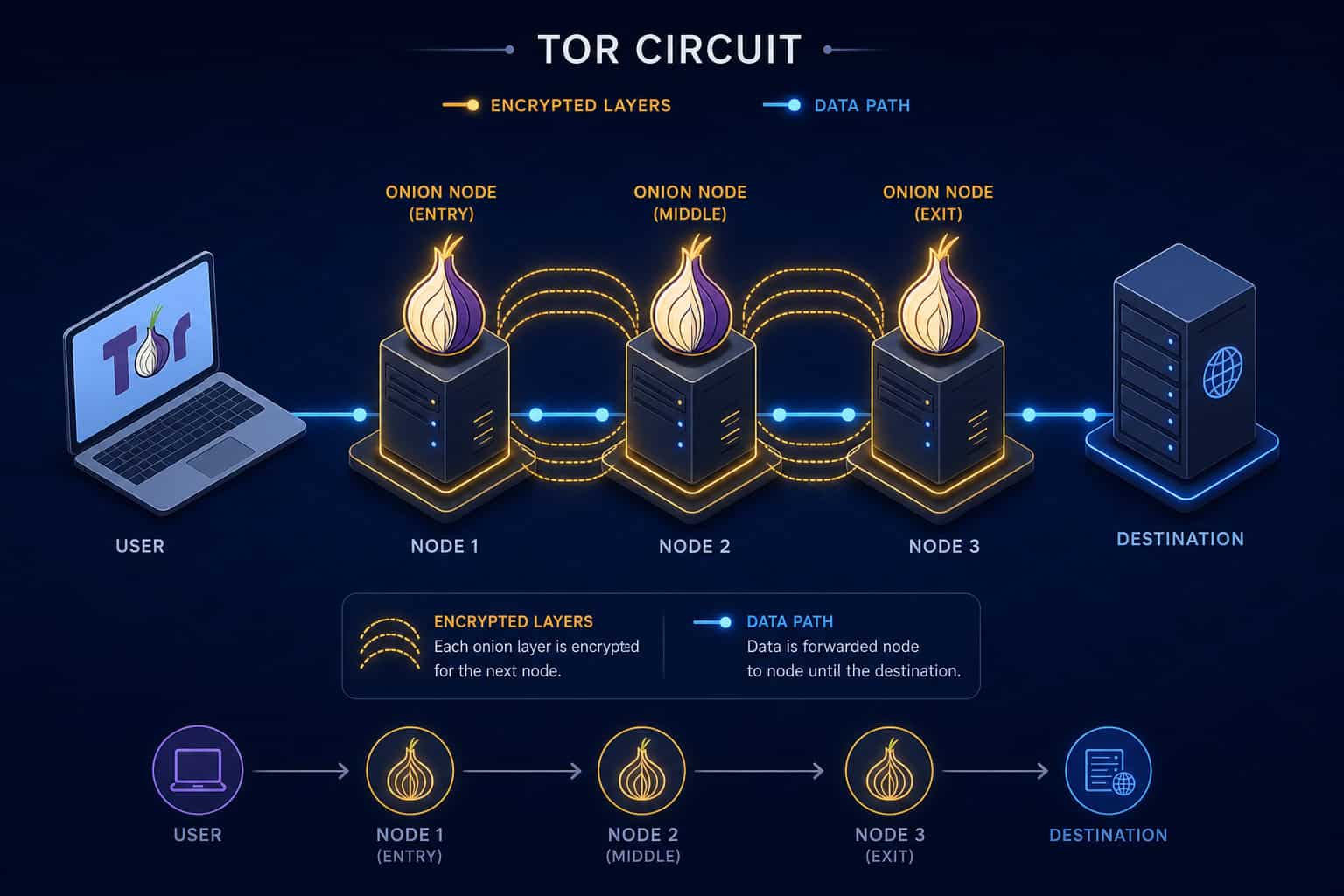
Vanguards-lite exists, and newer versions of Tor include protections against these attacks.
Real Cases: When Tracking Succeeded
Let’s look at the two that matter most.
Playpen and Operation Torpedo
I already mentioned Playpen: 215,000 accounts, 11,000 weekly visitors, over 1,300 IPs identified. The FBI ran the site for two weeks under a court order, used a NIT that exploited a browser vulnerability, and got results. It wasn’t breaking Tor — it was breaking the browser.
Before that, in 2012, Operation Torpedo used a different approach. The FBI seized took over three child exploitation sites on the dark web and deployed a Metasploit Decloaking Engine that used Adobe Flash to send real IP addresses back to the FBI server. Flash was the weak link — a plugin that should never have been allowed in a Tor environment. The operation identified 25 U.S. users and more overseas.
Global Dark Web Market Takedowns
Law enforcement operations have dismantled virtually every major dark web marketplace:
- Silk Road (2013) — the original, shut down by the FBI.
- AlphaBay (2017) — over 200,000 users, taken down by FBI, DEA, ICE, and Homeland Security.
- Hansa Market (2017) — shut down concurrently with AlphaBay.
- Wall Street Market (2019) — over 1 million users, dismantled by German authorities with Europol.
- DarkMarket (2021) — nearly 500,000 users, led by German law enforcement with Europol.
- Operations Disruptor and Dark HuntTOR — coordinated global actions targeting the infrastructure, not just individual sites.
Addressing Common Fears: Can Police Track You on Tor?
This section covers the most common concerns about Tor and law enforcement, drawing on the legal framework and real cases discussed above.
Is Tor monitored by the FBI?
Yes — in the sense that the FBI, DEA, ICE, and international agencies monitor Tor for criminal activity. But “monitor” here means they watch specific targets and platforms, not all 3.7 million daily users. The FBI is not sitting in a room watching every Tor circuit. They have warrants, probable cause, and specific operations.
Is Tor 100% untraceable?
No tool is 100% anonymous. Tor can be de-anonymized through NITs, timing analysis, and guard discovery attacks — all of which require significant resources and court orders. If you’re using Tor for legitimate privacy and taking reasonable precautions, you are extremely unlikely to be a target.
Does using Tor make you look suspicious to your ISP?
Your ISP can see that you’re connecting to Tor nodes, because the node IP addresses are public. But the content of your traffic is encrypted. Tor usage alone isn’t grounds for suspicion or legal action. Some ISPs may throttle Tor traffic because it looks like a VPN, but that’s a network management issue, not a legal one.
What are the legal risks of accessing the dark web?
Accessing the dark web isn’t illegal in the U.S. The dark web is just a small portion of Tor traffic — most people use Tor for clearnet browsing. A RAND study found that 57% of dark websites facilitate illicit activity, but that’s a specific subset. The legal risk comes from what you do, not where you go. Browsing a dark web forum about privacy is fine.
Buying drugs is not. Most dark web drug transactions are under $100 — small-time stuff that wouldn’t attract federal attention, but still illegal. Large drug sales on the dark web accounted for nearly a quarter of all cryptomarket drug revenue in 2013 and 2016, showing that while small deals dominate in volume, significant sums flow through these markets.
How to Use Tor Safely and Legally
There are a few practical risks and best practices for using Tor.
The Real Risks (Even for Legal Users)
- Malicious exit nodes can intercept unencrypted data. Always use HTTPS when browsing over Tor. The Tor Browser does this by default for sites that support it.
- Tor is slow — that’s the trade-off for privacy. Your traffic takes three hops around the planet instead of one.
- Some websites block Tor — you might see CAPTCHAs or get turned away entirely.
- Advanced attackers (think government agencies) can use timing analysis if they have the resources. For a normal user, that’s not a realistic threat.
Best Practices for Staying Safe
- Download Tor Browser only from the official Tor Project website. Third-party mirrors can be compromised.
- Keep Tor Browser updated. Old versions have known vulnerabilities, including the ones exploited by the Playpen NIT.
- Use the default settings. Don’t install random add-ons or tweak security flags unless you know exactly what you’re doing.
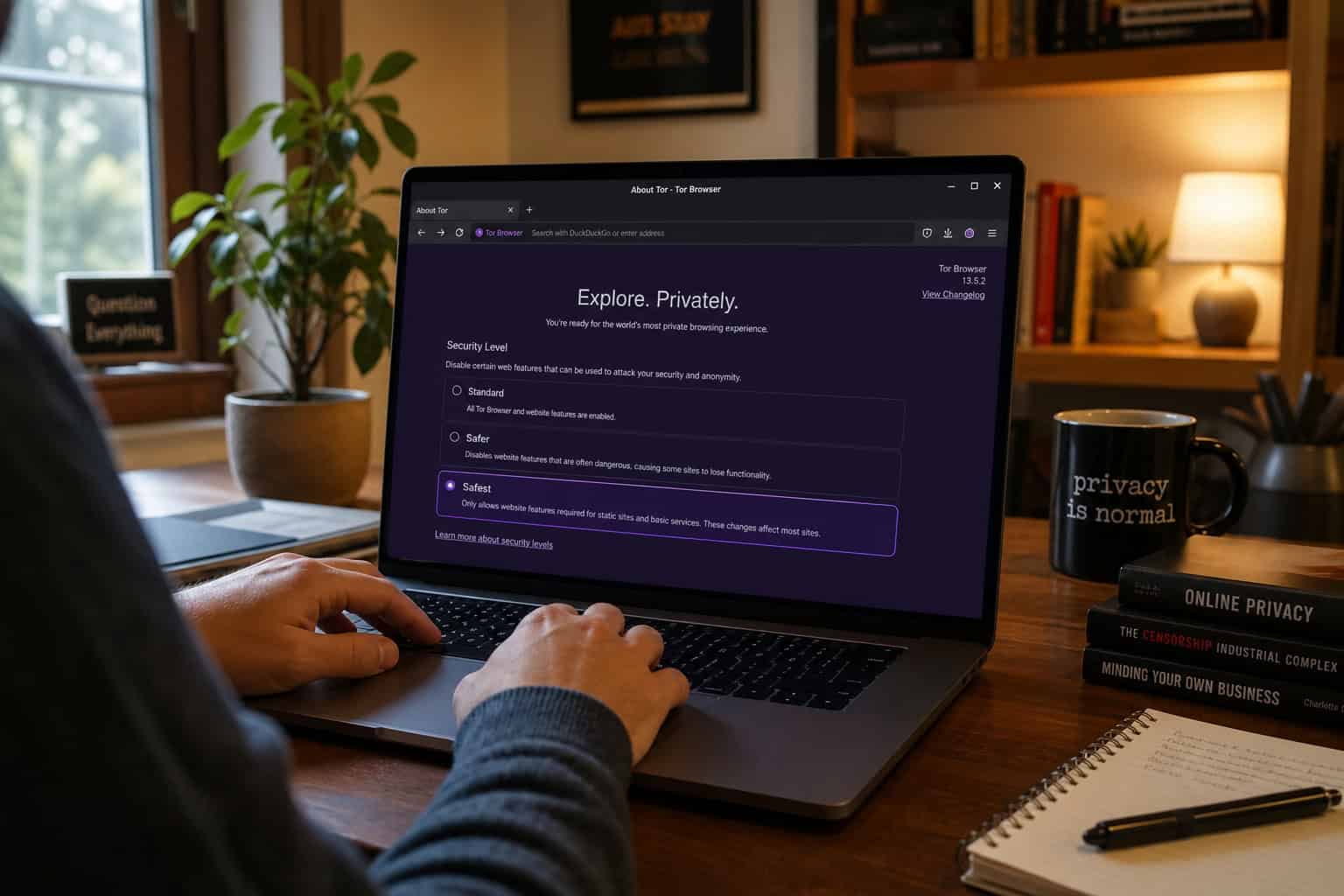
- Enable the “Safest” security level in the Tor Browser settings — it disables JavaScript and other risky features. You’ll lose some functionality, but you’ll gain significant protection.
- Only visit HTTPS-encrypted sites. The Tor Browser warns you if a site doesn’t support HTTPS.
- Avoid logging into personal accounts (email, social media, banking) while using Tor. That defeats the purpose of anonymity.
- Clear cookies after each session if you’ve visited multiple sites.
- Consider using a VPN before Tor for an extra layer of obfuscation, but be aware that this adds complexity and some argue it doesn’t help much if you’re already using Tor correctly.
- Run up-to-date antivirus — malware can expose your identity regardless of network protection.
The Bottom Line: Tor Is Legal, But Not a Shield
The U.S. government invented it, funds it, and uses it for legitimate purposes. It’s also perfectly legal to download and use for everyday privacy — 3.7 million Americans do it every day without trouble.
But if you commit serious crimes through Tor, law enforcement has the tools, the legal authority, and a growing track record of success to identify you. Every major dark web marketplace has been taken down. Child exploitation networks have been dismantled. The techniques are court-authorized and well-tested.
Tor protects your privacy from advertisers, data brokers, and mass surveillance — exactly what it was designed to do. It doesn’t grant immunity from criminal investigation. Use it for privacy with confidence, and don’t mistake anonymity for invincibility.
People Also Ask
Is Tor 100% untraceable?
No tool is 100% anonymous. Tor can be de-anonymized through NITs that exploit browser vulnerabilities, timing analysis that correlates traffic patterns, and guard discovery attacks if an attacker controls your entry node. All of these require significant resources and court orders, so for legitimate privacy use with reasonable precautions, you’re extremely unlikely to be a target.
Is using Tor illegal in the USA?
No, Tor is completely legal to download, install, and use in every U.S. state. The U.S. government invented it, funds it through agencies like the Department of State, and 3.7 million Americans use it daily. The legality depends on your actions, not the software — using Tor for privacy is protected, but using it to commit crimes is not.
How does law enforcement identify Tor users?
They use court-authorized Network Investigative Techniques (NITs) that exploit browser vulnerabilities to send your real IP address back to their servers, timing analysis that matches traffic patterns at entry and exit nodes, and guard discovery attacks if they control your entry node. All of these require a warrant and probable cause — they can’t just randomly identify users.
What’s the difference between using Tor for privacy and using it for illegal activity?
Using Tor for privacy — like blocking advertisers, avoiding mass surveillance, or protecting sources — is completely legal and protected. Using Tor for serious crimes like drug trafficking or child exploitation has a track record of getting caught, as seen in the Playpen case and every major dark web marketplace takedown. The tool is the same; the legal risk comes from what you do with it.