Livestreaming originated as a computer science experiment focused on network viability, divorced from modern creator economies and social media platforms. I was digging into early internet protocols recently, and the contrast is wild. Today, we assume live video exists because apps wanted to build influencer ecosystems or capitalize on huge modern streaming sectors like live porn. In reality, mainstream livestreaming is a 30-year engineering triumph. It started as a way to test how much data primitive networking hardware could handle before failing.
The networks of the early 1990s were built for static text. Moving continuous video payloads over 56 Kbps dial-up modems was a challenge of data compression and throughput capacity.
Key Takeaways
The first audio/visual stream occurred on June 24, 1993, when computer scientists broadcast a local band using an experimental network protocol.
The global live streaming market is projected to reach $180 billion by 2027, driven by technical breakthroughs in content delivery networks.
Between April 2019 and April 2020, pandemic lockdowns fueled a 99 percent growth in live streaming hours watched across major platforms.
Table of Contents
Severe Tire Damage and the Mbone Broadcast
June 24, 1993, is the birth date of functional audio/visual internet streaming, predating mainstream World Wide Web adoption. It did not start as a commercial product. It was an accidental byproduct of engineers stress-testing internet routers.
The Garage Band Experiment
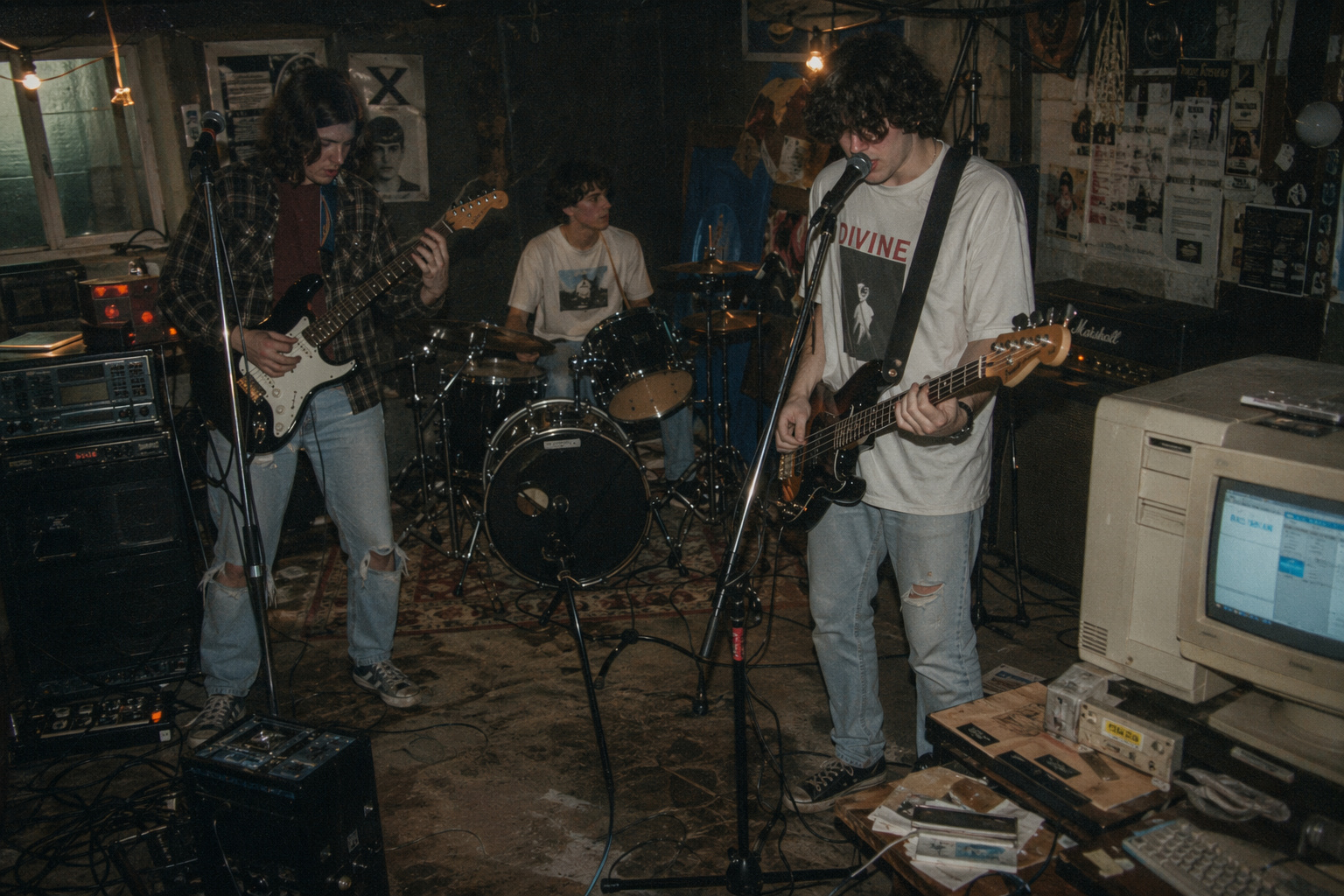
The internet of the early 90s operated almost entirely on text and basic file transfers. The bandwidth did not exist to push continuous media. Yet, a group of computer scientists playing in a band called Severe Tire Damage decided to broadcast their live gig from California. They had no interface, no streaming service, and no user base. They just had raw code and academic computing hardware.
Multicasting the Network Backbone
To make the broadcast work without crashing local infrastructure, researchers at Xerox PARC utilized a niche multicast networking protocol known as the Mbone (multicast backbone). Instead of sending a distinct copy of the video to every single viewer, the Mbone revolutionized early content distribution by creating a single stream that routers could efficiently duplicate at varied branch points across the internet. It was a workaround for a system never designed for media.
Long before modern platforms allowed massive audiences to seamlessly stream hot gamers playing live, the Mbone revolutionized early content distribution by creating a single stream that routers could efficiently duplicate at varied branch points.
Recognize that the speed of modern livestreams—an underlying technical foundation for anyone focused on becoming a successful streamer—relies on mathematically partitioned video segments being cached on geographically distributed edge servers, not your internet connection. Uncompressed live video data is enormous. When a camera captures footage, the software compresses and encodes that digital data. The encoder breaks the live feed down, where sequential video frames undergo segment aggregation into tiny data packets.
Instead of forcing every viewer to pull those packets across the country from a central origin server, a modern content delivery network utilizes edge caching to store them on local proxy servers miles from your house. It eliminated the buffering plague of the early 2000s and dropped latency to a few seconds.
RealNetworks, Dial-up Webcasts, and Mobile Shifts
Track the first proven large-scale institutional use of live streaming back to a 1999 political webcast that fielded 50,000 real-time viewer inquiries. Long before social media platforms standardized the feed, live streaming relied on fragmented desktop software.
Early Consumer Software
In 1995, an internet company named RealNetworks, Inc. released RealPlayer. It was the first consumer media player capable of handling a live stream over dial-up. They tested the software by broadcasting a baseball game between the New York Yankees and the Seattle Mariners.
The Institutional Proof of Concept
By the end of the decade, streaming scaled beyond sports experiments. The turning point was Bill Clinton’s 1999 presidential webcast at George Washington University. Produced by the Democratic Leadership Council and Excite@Home Network, this was the first time live digital video functioned as a two-way dialogue. It worked.
Clinton answered questions submitted by viewers in an adjoining chat room. This setup proved the medium could handle large-scale institutional communications, setting the foundation for the mobile 3G and 4G transitions that eventually untethered webcams from desktop computers entirely.
Twitch and How Gaming Transformed Engagement
The addition of integrated, real-time chat layers changed livestreaming from a passive television alternative into a two-way social community. The original aesthetic of early 2000s live video consisted of low-frame-rate webcam feeds, raising questions about privacy while demonstrating limited user creativity.
Shifting From Passive to Interactive
Before the modern era, self-hosted blogs and fractured instant messenger clients hosted streams that felt observational. This one-way model of watcher voyeurism eventually evolved into deep parasocial interaction when platforms began treating the live chat window as equally important as the video feed itself. The breakthrough came when platforms like Justin.tv figured out that genuine community interactivity required placing real-time text chat right alongside the broadcast, forcing streamers to engage with their audience organically.

The Video Game Catalyst
Video games ultimately saved the livestreaming industry. Watching unedited footage of someone’s day got boring quickly. Gaming solved this. When Twitch.tv spun out of Justin.tv in 2011 to focus entirely on gaming, it provided endless, dynamic content that viewers wanted to discuss in real time.
Within two years, Twitch attracted over 45 million monthly viewers. Gamers proved that hours-long livestreams could be highly interactive and financially viable.
Restream, YouTube Delays, and Platform Monopolies
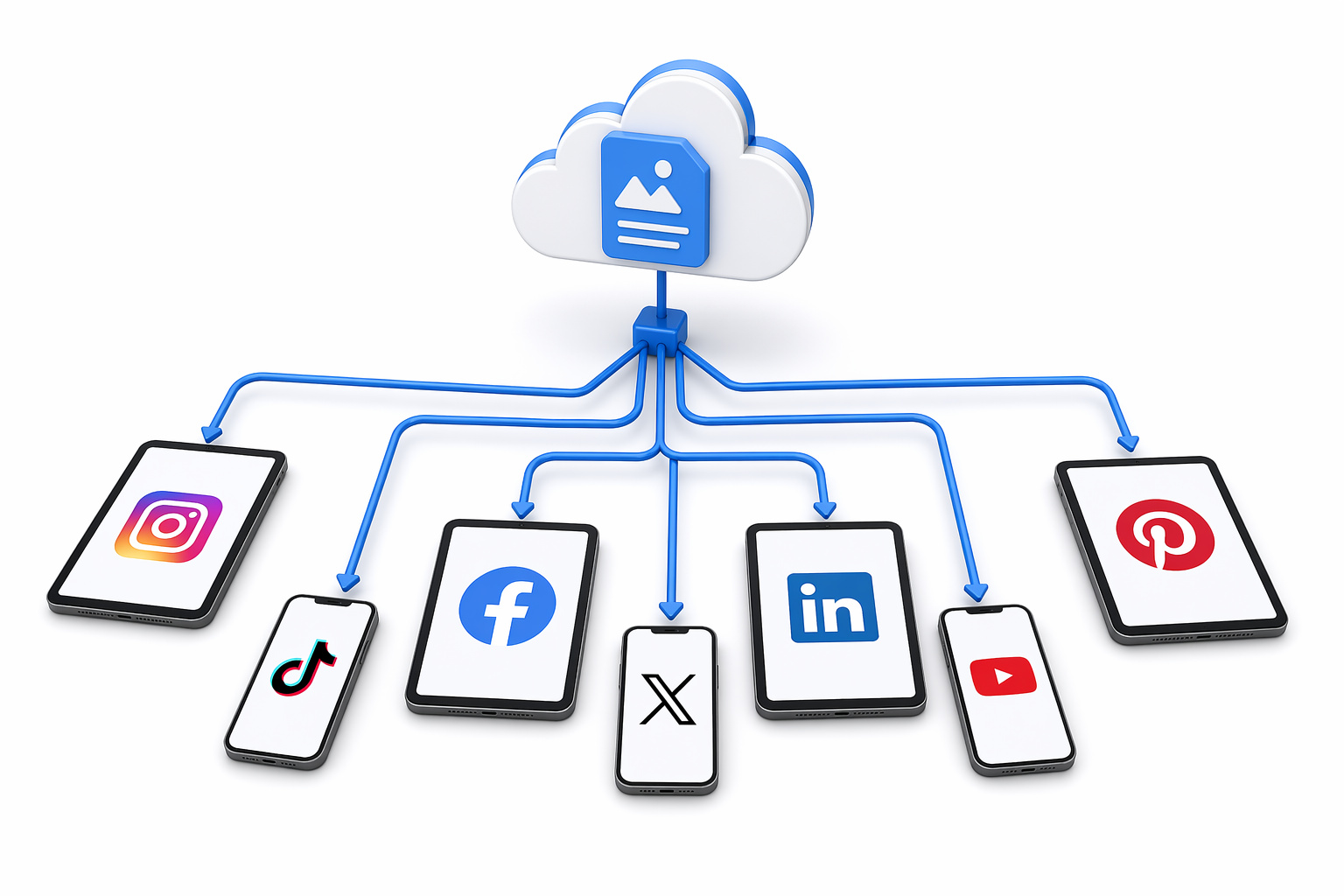
Independent broadcasters use multistreaming tools to bypass single-platform algorithms and syndicate their feeds concurrently across networks. The modern streaming landscape is consolidated, but it took years for major tech companies to catch up to the gaming sector.
Sluggish Platform Rollouts
YouTube dominated pre-recorded video but hesitated to dedicate server infrastructure for hosting concurrent live streams. They relied on isolated PR stunts, like the 2008 YouTube Live kickoff event featuring MythBusters and Katy Perry. YouTube did not open live streaming to all registered accounts until late 2013. By then, Twitch had already captured the dedicated creator market. Other networks scrambled to compete, with Twitter acquiring Periscope in 2015, Facebook rolling out live features shortly after, and ecosystem disruptors like TikTok and Discord eventually redefining live interaction entirely.
Bypassing Platform Exclusivity
Creators quickly realized that relying on a single network restricted their viewership. The development of cloud routing services changed the game. Tools like Restream.io emerged, giving creators the capability for simultaneous multistreaming to multiply their total audience reach across Twitch, YouTube, and LinkedIn all at once. This decentralized the broadcaster’s dependency on any one algorithm, allowing streamers to manage an internet browser-based chat hub while syndicating their feed globally.
Evaluate the trade-off between the high cost-efficiency of content distribution and the massive moderation risks inherent in live spontaneity. The COVID-19 pandemic triggered institutional adoption, pushing global watch time past 1.1 billion hours. While high production value once defined broadcast quality, the new paradigm relies on balancing infrastructure cost-efficiency with the need for safety. Ultimately, the latency required for live engagement defies traditional online safety frameworks, forcing platforms to manage extreme moderation risks during every second of unedited spontaneity. The internet gave everyone a live microphone; regulating it is the next engineering challenge.
When did live streaming begin?
The first functional audio/visual live stream took place on June 24, 1993. It featured a performance by the band Severe Tire Damage, which consisted of computer scientists stress-testing experimental networking hardware.
Who was the first live streamer?
The band Severe Tire Damage holds the title for the first live stream. They utilized the Mbone, a niche multicast networking protocol, to broadcast their California gig to academic computing hardware long before modern streaming platforms existed.
What is the Mbone and why was it necessary for early streaming?
The Mbone, or multicast backbone, was a networking protocol developed to stream data without crashing the internet’s early text-heavy infrastructure. Instead of sending a separate copy of a video to every individual viewer, it allowed routers to duplicate the data stream at various points across the network.
How does edge caching improve modern live streaming?
Modern content delivery networks use edge caching to store tiny video data packets on proxy servers located geographically near the user. By pulling data from these local servers instead of a distant central origin server, platforms effectively eliminated the buffering issues that plagued early internet broadcasts.
Why does livestreaming rely so heavily on the gaming industry?
Gaming provided the dynamic, high-engagement content necessary to sustain hours-long broadcasts, which early observational, webcam-based streams lacked. When Twitch.tv launched in 2011, it proved that gaming content could turn passive viewers into active participants, creating a financially viable model for the entire industry.
What’s the difference between single-platform streaming and multistreaming?
Single-platform streaming locks a creator into one network’s audience and algorithm, leaving them dependent on that platform’s reach. Multistreaming, enabled by tools like Restream, allows creators to syndicate their feed to multiple networks simultaneously, effectively decentralizing their audience and bypassing platform exclusivity.
Can I expect live streaming to become safer as technology improves?
Content safety remains a major challenge because the low latency required for real-time engagement often defies traditional moderation frameworks. While infrastructure is becoming more efficient, the inherent nature of unedited, spontaneous live video means platforms continuously struggle to manage safety risks in real time.