Here at GeekExtreme, we spend a lot of time digging into the architecture of our favorite tools. I love tearing down UX wireframes from hubs like Steam, or even Bovada alternative sites, and figuring out how the underlying math of these digital spaces works. We often look past the cynical internet groans about “another cloned feature” to see the gears turning. Feature cloning is not a lack of imagination; it is an engineered, defensive survival tactic.
Platform titans copy each other down to the pixel because the psychological hooks driving these systems are ruthlessly optimized. Trying to reinvent the wheel breaks player retention. The near-instant replication of killer features across tech spaces shifted from a curious industry coincidence to an expected tradition.
Key Takeaways
Gaming platforms copy winning features like cross-platform progression and curated storefronts because the market pressure from fast-moving audiences makes sitting still too risky.
Within two years of Fortnite popularizing the battle pass format, titles across every gaming genre adopted near-identical progression systems to lock players into seasonal spending.
To survive the inevitable commoditization of software features, companies must build physical execution barriers, like the Steam Deck, or cultivate communities with millions of active users, like Discord.
Table of Contents
Epic Games, Xbox, and the Market Pressure to Fast-follow
Every platform strategist eventually has to analyze whether a new feature represents true innovation or an essential fast-follow maneuver necessary to retain a fickle audience. Sitting still guarantees falling behind when competitors adopt cross-platform progression or curated storefronts. The market pressure to replicate these models is because fickle audiences will abandon a platform the moment it lacks a newly standardized convenience.
Here is how this plays out in practice. The Epic Games Store launched aggressive free game giveaways specifically in response to Valve and its market dominance with Steam. Steam was the default, and Epic needed a hook that worked immediately. Similarly, Xbox Game Pass permanently reset consumer expectations for subscription bundles, forcing immediate industry-wide adaptation. When one of these experiments lands well, others follow fast.
Fortnite, Bovada, and Cross-industry Engagement Templates
The way to map platform architecture is to identify cross-industry UX structures, like seasonal tracks or casino loyalty tiers, as genre-agnostic psychological hooks designed strictly for retention.
Fortnite and the Universal Battle Pass Template
Okay, look at how Fortnite popularized the modern battle pass. Within two years of that launch, titles across every genre adopted near-identical progression systems. It works because the underlying math is universally effective: keep players engaged, keep them spending, and make the cadence feel rewarding enough to justify the next season. The timeline and reward structures become identical templates deployed to trap attention.
How Online Casinos Mirror Gaming Retention Tactics
This fast-follow framework applies perfectly to digital casinos. Platforms mirror each other constantly to lock users into structured engagement. If you look closely at Bovada and its alternative sites, you see them aggressively matching welcome bonuses and replicating loyalty programs that proved sticky elsewhere. When one platform builds a successful live dealer interface or an overlapping promotional calendar, competitors roll out essentially identical versions within months.
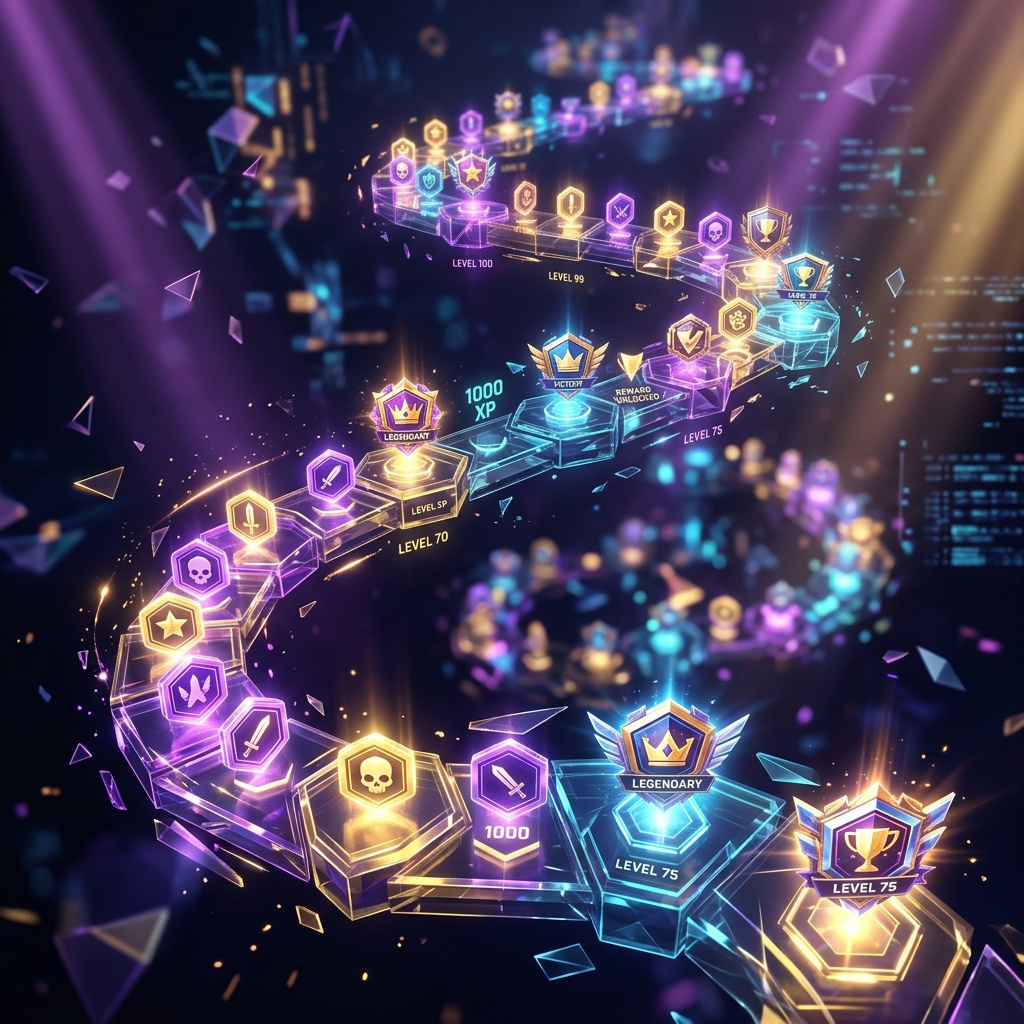
The psychological hooks used to retain users operate exactly the same whether applied to a video game launcher or a digital casino lobby. This is honestly kind of elegant to look at from an engineering view, even if it feels repetitive.
But while these replicated mechanics succeed in driving short-term metrics across mobile and console gaming, they generate steep hidden costs for both players and developers.
The Economics and Consumer Fatigue of Homogenized Ecosystems
Product managers must evaluate the long-term risk of consumer burnout before launching an engagement feature that identically mirrors existing systems in the market.

There is a massive psychological fatigue that comes with mandating players to maintain simultaneous, identical seasonal tracks across multiple platforms, such as juggling a demanding progression loop in Fortnite while tracking overlapping subscription quests on Xbox. It burns users out. Relentless feature replication paradoxically strips distinct ecosystems of their unique identity, blurring the differences between platforms and aggregators and leading to widespread design homogenization. There is also a brutal tension between first-mover return on investment and fast-follower economics. The platform inventing the feature often pays a hefty R&D cost simply to beta-test it for competitors who implement it faster and cheaper within 3 months.

Trust Signals and Soft Qualities in Commoditized Markets
You have to shift competitive focus to customer support and ecosystem reliability when the core product devolves into a complete commodity baseline.
This is the absolute endpoint of the copycat cycle. Game storefronts, casino lobbies, and game launchers eventually reach total feature parity. Once the feature lists match perfectly, competition fundamentally shifts away from the software itself.
Platforms disrupt this parity by heavily leveraging their soft qualities, like brand trust signals and exceptional customer support networks, to break ties in a saturated market. For example, a platform like GOG survives strict market commoditization by cultivating an unwavering reputation for DRM-free policies and highly responsive customer support rather than relying on unique software mechanics. The software just becomes the vessel.
Yet, while soft qualities keep a commoditized platform afloat, only fundamental, structural differentiation provides a permanent advantage.
“The platform inventing the feature often pays a hefty R&D cost simply to beta-test it for competitors.”
Valve’s Steam Deck, Discord, and Building Defensible Moats
The only real way out of the copycat cycle is to build proprietary assets—such as specialized hardware or densely populated social networks—that possess execution barriers too complex to be cloned by the next fiscal quarter. The ultimate goal is to treat basic feature replication as an imitation floor rather than a finish line, focusing instead on building durable assets.
Valve’s Steam Deck redefined portable PC gaming through complex hardware execution that software competitors genuinely struggle to fast-follow. You cannot just replicate a mass-manufacturing supply chain in a 14-day sprint. Similarly, Discord built a robust social layer requiring years of organic growth to lock in its proprietary ecosystems. A community with 50 million active users offers a moat that alternative VOIP options simply cannot paste into their code.
By creating unassailable physical and social barriers, developers can finally escape the exhausting loop of pure software replication.
Frequently Asked Questions
Why do digital platforms copy each other’s features instead of innovating?
Feature cloning is a defensive survival tactic, not a lack of imagination. Because user audiences are fickle, platforms must adopt standardized conveniences like cross-platform progression to prevent players from abandoning them for competitors.
Is fast-following a winning strategy for tech companies?
It is a necessary strategy to stay in the game, but it carries a high risk of consumer fatigue. While fast-followers save on R&D costs by letting competitors beta-test new features, they eventually contribute to design homogenization that can alienate users.
How do online casinos and gaming platforms share retention tactics?
Both leverage genre-agnostic psychological hooks, such as seasonal tracks and loyalty tiers, to keep users trapped in a spending loop. Whether it’s a battle pass or a casino bonus structure, these systems utilize identical math to guarantee consistent engagement.
What is the ‘commodity baseline’ in platform development?
This is the point where digital products reach total feature parity, meaning platforms like game storefronts look and act nearly identical to one another. Once software features become commoditized, companies must shift their competitive focus to soft qualities like brand trust and customer support.
How can a company successfully escape the copycat cycle?
Platforms must build ‘execution barriers’ that cannot be cloned by competitors in a software sprint. Real moats consist of proprietary assets like specialized hardware, such as the Steam Deck, or deep-rooted social ecosystems, like the millions of users on Discord.
What are the hidden costs of software homogeneity for players?
Users experience significant psychological fatigue when they are forced to track identical, demanding progression loops across multiple platforms. This constant repetition blurs the identity of different ecosystems, making the user experience feel exhausting rather than rewarding.