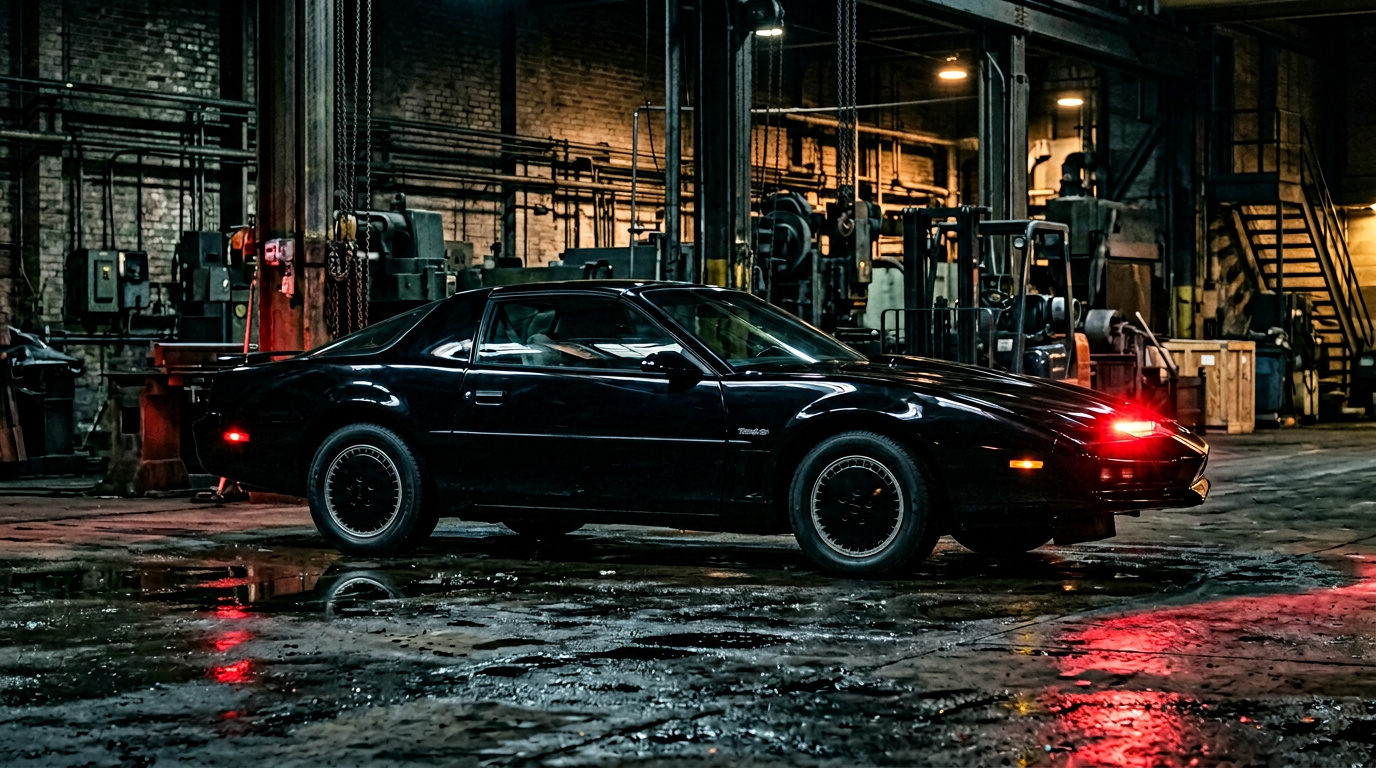
When the hit series Knight Rider exploded onto screens in 1982, millions of viewers tuned in not just to watch the leather-jacketed lone crusader Michael Knight, but to marvel at his four-wheeled co-star: KITT, the Knight Industries Two Thousand. For anyone obsessed with how things work, this talking tech marvel wasn’t just an ordinary car requiring standard auto insurance; it was the ultimate gadget. But here at GeekExtreme, we often get asked the hard, practical question: does the original television prop even exist anymore?
The reality is much darker than the nostalgia. Yes, the actual cars used in the show survive today, but their preservation is a complete statistical anomaly.
Out of the approximately 30 vehicles built for filming, exactly five confirmed, screen-used originals remain. To understand why so few survived, you have to look past the pop-culture myth and into the gritty reality of Hollywood asset management.
Key Takeaways
Out of the roughly 30 custom vehicles built for the series, exactly five confirmed screen-used KITT cars survive today.
The majority of the production fleet was permanently lost due to routine production asset destruction by Universal Studios in 1986.
The remaining artifacts, including the gutted 1984 stunt Firebird, were rescued from junkyards and rebuilt through painstaking restoration by the Knight Rider Historians.
Table of Contents
Does the Knight Rider Car Still Exist?
Roughly 30 custom KITT cars were made for the filming of Knight Rider, but only exactly five confirmed screen-used production units still exist today. The remaining 25 physical vehicles built to portray the Knight Industries Two Thousand alongside its human counterpart Michael Knight are gone completely. While fans often assume that major Hollywood studios treat iconic props with reverence, the math tells a brutal story.
A massive 83% of the original television props were systematically wiped out. Those five remaining vehicles aren’t gracefully preserved artifacts sitting under glass since 1986. They are absolute statistical anomalies that barely escaped the crusher. To understand why so few of these culturally iconic vehicles survived, you have to look at how television studios viewed them back in the day.
The Fatal Production Reality of 1980s TV Props
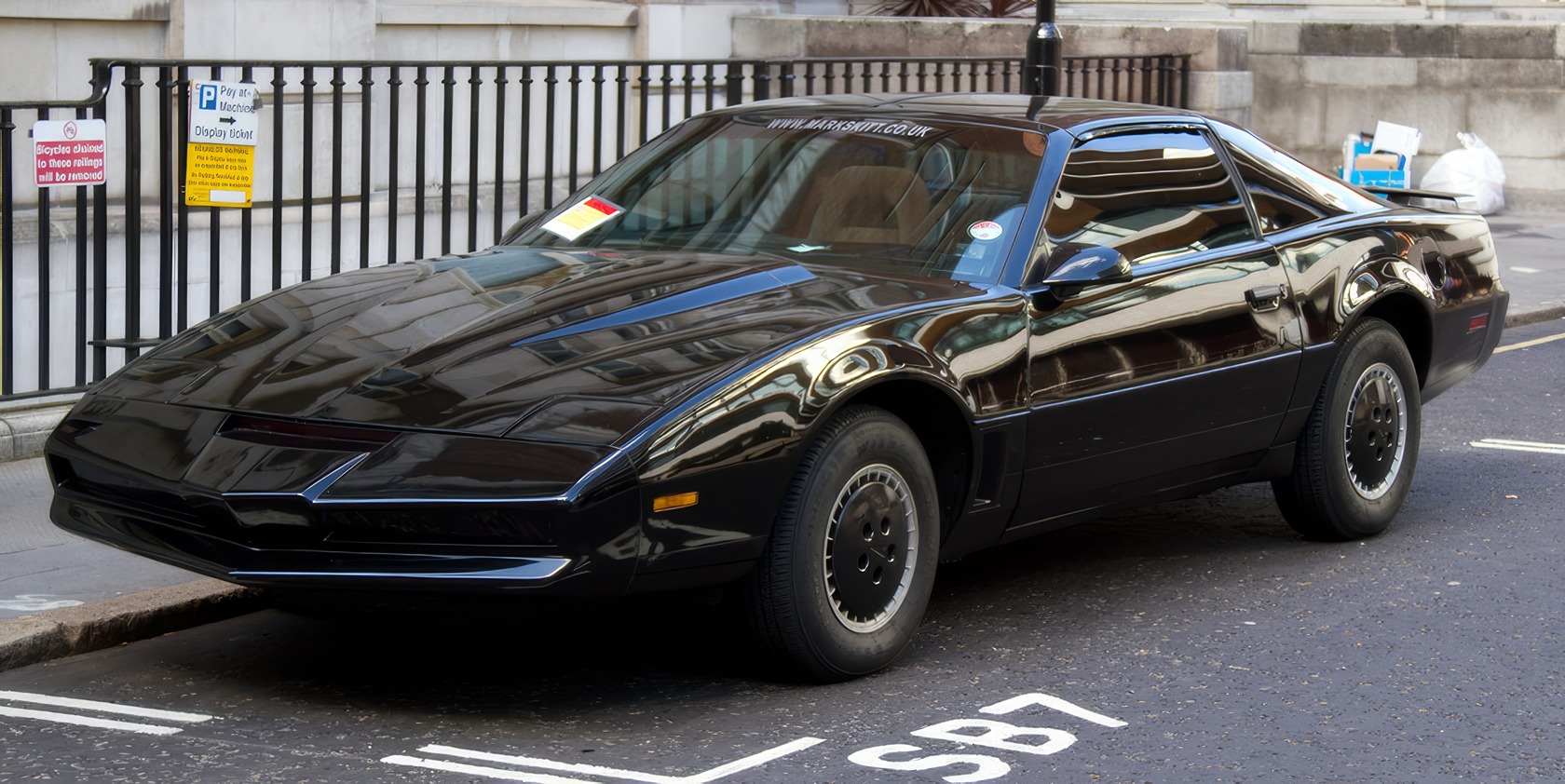
So many original Knight Rider vehicles were destroyed because 1980s television studio protocols demanded the routine production asset destruction of decommissioned, heavily abused props. When the cameras stopped rolling following the show’s cancellation, Universal Studios did not see KITT as a cultural treasure. They saw a fleet of battered, gut-stripped utility tools that were taking up expensive lot space.
“Cars that took heavy jumps, crashes, and pyrotechnics were sent straight to the scrap heap for liability and storage reasons.”
The destruction mechanics were efficient and absolute, permanently erasing 25 original production vehicles from existence. The fact that any of them made it out of the 1980s tells you that the five surviving models are total historical outliers, not items carefully archived by Hollywood executives. Because the studios didn’t see the value in saving these machines, the responsibility of forensic tech restoration fell to obsessive fans who essentially became automotive archaeologists.
Rescuing KITT: the Knight Rider Historians Collection
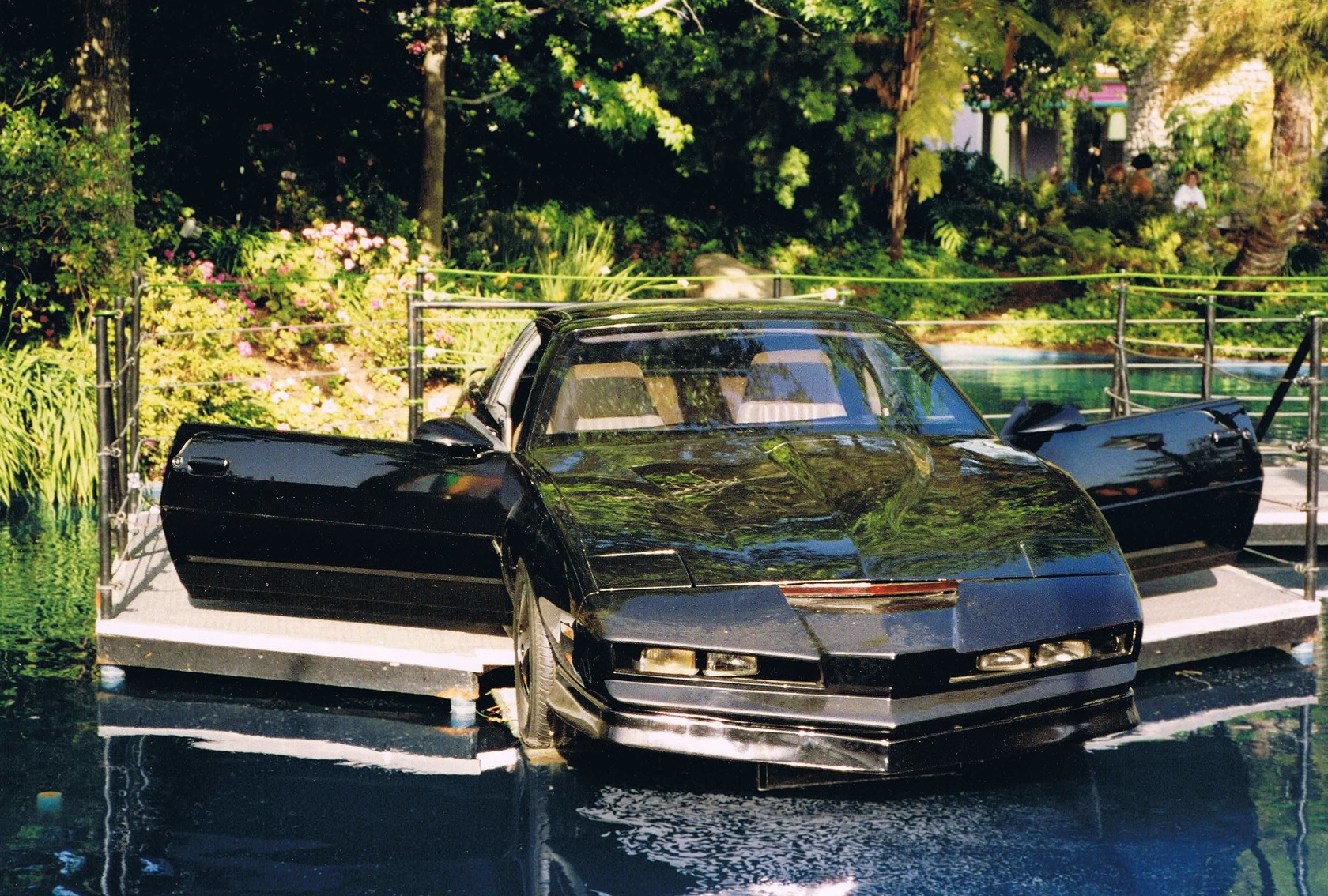
The Knight Rider Historians are Joe Huth and AJ Palmgren, obsessive archivists who tracked down the surviving original cars in abandoned auction lots and junkyards. Operating out of a dedicated garage in Butler County, Pennsylvania, these two essentially became the foremost authorities on forensic prop restoration. While most collectors were content discussing show trivia, they were busy acquiring the physical assets, hunting down leads across the country to systematically rescue the world’s most recognizable automotive AI. Their compound now serves as the premier sanctuary for these vehicles, taking the hardware out of jeopardy and preserving its gritty, authentic core for those who care about genuine mechanics.
The Bizarre Timeline of the Pilot Vehicle
The chain of custody for the very first KITT is honestly kind of legendary. After production wrapped, it was sold to a promotions company, supposedly purchased by a Saudi prince in the 1990s, and then subsequently abandoned without ever being claimed. It sat completely ignored in a San Diego auction lot before anyone realized what it was. Later, it spent time on public display at the prestigious Petersen Automotive Museum in Los Angeles—the undisputed epicenter of Southern California car culture—before finally making its way to Butler County in July 2025. It is a sheer miracle this physical hardware survived decades of neglect and shifting ownership across the globe.
Pulling the Stunt Car From the Scrap Heap
While the hero car had a strange journey, the brutal reality of the 1984 Firebird proves that institutional preservation completely failed these assets. Unlike the pampered hero model used exclusively for the pilot episode, a heavily abused stunt car was essentially treated as garbage. Originally displayed briefly at the studio lot, the gutted shell was later unceremoniously discarded straight into an open California junkyard in 2008. Huth and Palmgren managed to rescue the battered husk just in time, dragging it out of the scrap heap to begin an impossible, years-long physical rebuilding process.
Rebuilding the Missing Cockpits
Here is where the real hacker-level engineering comes in. The rescued cars didn’t roll out of the scrap piles looking like screen-ready props. The Knight Rider Historians successfully applied painstaking restoration techniques to reverse-engineer missing interior structures. Most notably, standard production crew mechanics had ripped out the electronics when filming stopped.
Taking a bare-bones Pontiac Firebird Trans Am and fully rebuilding the beloved futuristic dashboard from scratch required massive technical detective work. Today, these cars are functional physical machines again, far removed from the stripped, empty shells they once were.
Where Does the Original Knight Rider Car Still Exist Today?
Yes, outside of the Historians’ collection, original non-traveling Knight Rider cars reside in three specific museum or private venues: the Marconi Automotive Museum in California, the Orlando Auto Museum in Florida, and a single remaining private collection in the United Kingdom. If you want to see a verified, original 1982 Pontiac Trans Am in person, you must travel to these specific physical coordinates.
There is a widespread myth that the original KITT is constantly doing global tours or showing up at local comic conventions. That is completely false. The final three public and private cars are permanently housed away from the intense wear and tear of international transport. Having a definitive, mapped status of the surviving hardware proves just how isolated these vehicles are today. With only five true originals dispersed worldwide, it begs the question: what are all those identical cars popping up at local conventions and online auctions?
Differentiating Screen-used Originals From Celebrity Tributes
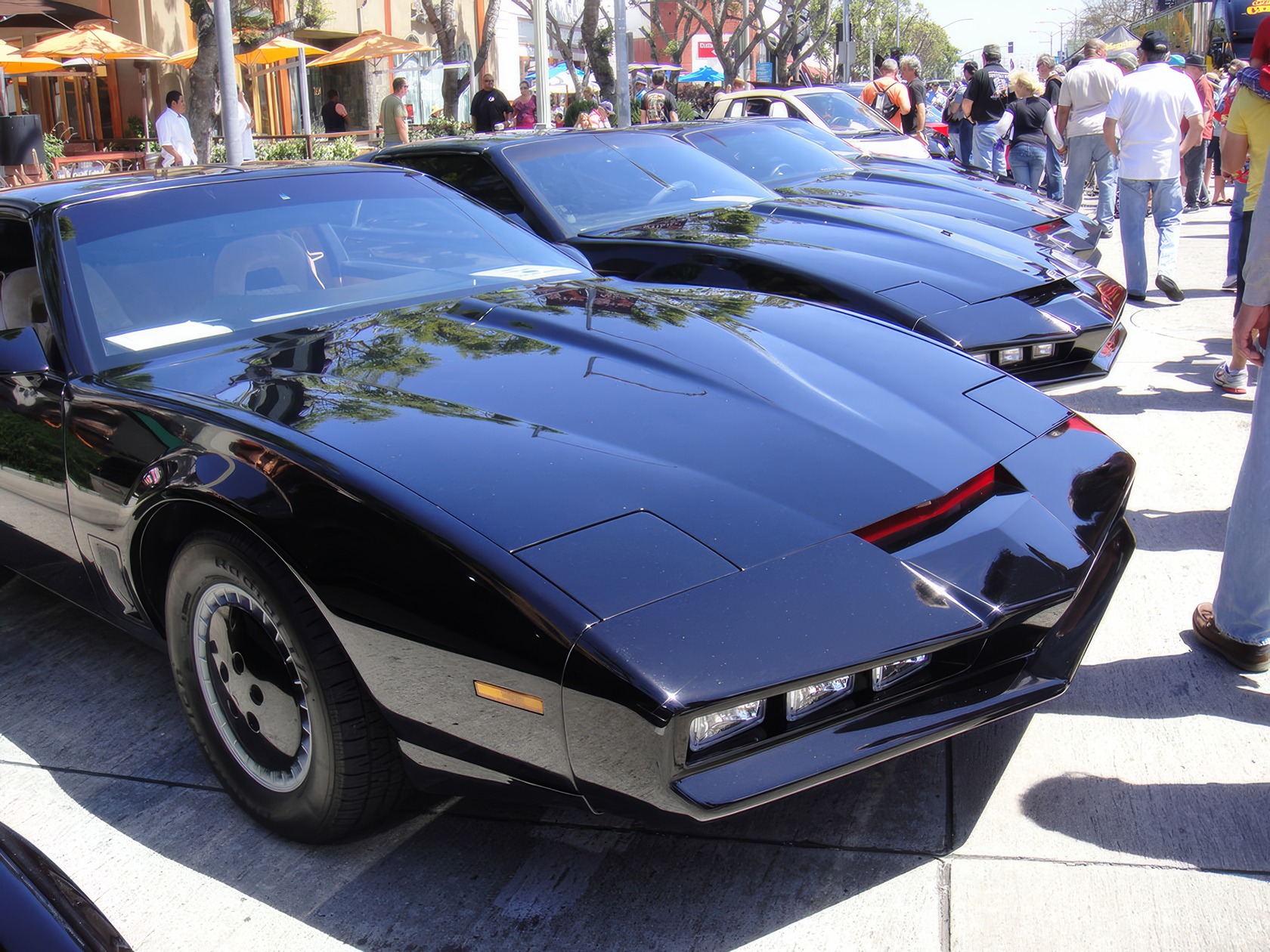
The KITT cars used during active filming did actually have the futuristic computer dashboards installed, but a massive secondary market of tribute cars often installs modern replicas that muddy the historical waters. When you dig into the mechanics of the props, the primary set pieces needed those physical electronics to sell the illusion for the camera. However, the current market is completely flooded with high-end replicas that confuse the actual survival numbers. Distinguishing real production assets from these meticulously built clones is basically a full-time forensic job. It forces us to define what makes a tech artifact historically significant in the first place.
The Hasselhoff Memorabilia Market
It is critical to differentiate a real production asset from a celebrity’s personal toy. For instance, series lead David Hasselhoff owned a pristine 1985 Pontiac Firebird Trans Am customized to look identical to KITT, complete with a custom ‘AREUWHO’ license plate. When it surfaced with a $39,995 asking price, it garnered massive attention. But here is the catch: just because the man who played Michael Knight owned it doesn’t mean the car ever spun its tires on the television set. In the secondary market, this type of high-value celebrity memorabilia is highly prized, but it technically does not count as one of the final five original production units.
How Authentication Actually Works
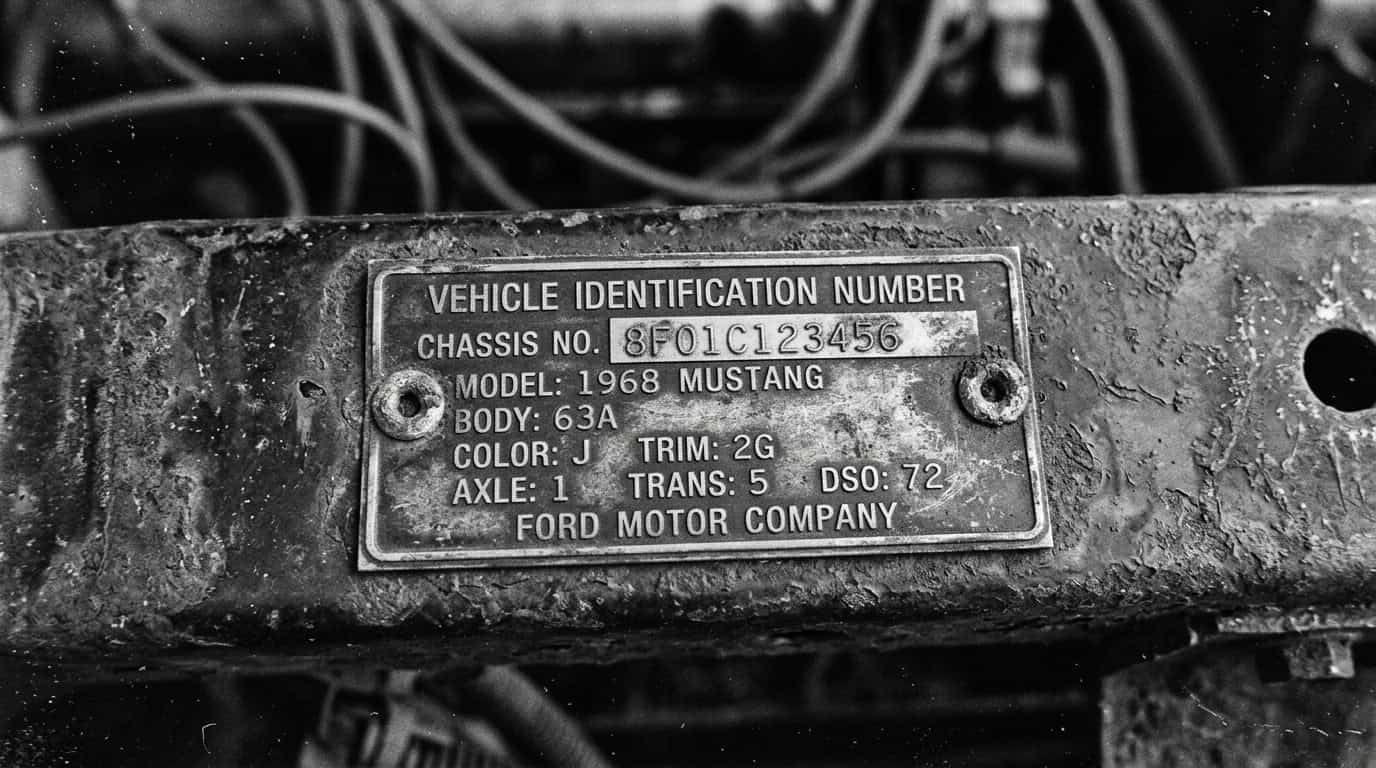
So how do you separate a pristine $40,000 collectible replica from a priceless piece of automotive history? Real authentication requires tracking the asset’s exact physical footprint. Provenance is the documented forensic history that proves a prop’s actual set origin. To verify a vehicle is genuinely screen-used, archival organizations perfectly match original VINs and hidden chassis modifications to prove deep production provenance.
A beautifully kept tribute car might look perfect on the outside, but it lacks the structural scars of a vehicle that was actually subjected to bone-rattling, high-speed camera jumps on a dusty Los Angeles backlot. Proper documentation is the only way to cut through the noise of the tribute market.
Artifacts Saved by Obsession, Not Institutions
The survival of the remaining five KITTs is not the result of structured museum preservation, but rather a deliberate intervention by regional hobbyists who essentially hacked Hollywood’s standard disposal procedures. Major prestigious institutions completely failed to value these machines. Instead, pop-culture preservation relied entirely on rogue historians ripping rusted chassis out of muddy scrapyards to piece them back together.
At GeekExtreme, we respect the pure grind of figuring out how something was built, and these cars represent the ultimate reverse-engineering challenge. KITT’s enduring legacy is not just 80s television nostalgia; it is the tangible, physical metal currently sitting inside a Pennsylvania garage. Leaving a battered, jump-damaged television prop in an auction lot is a crime against tech history. Ultimately, viewing a scarred, authentic production asset that survived decades of institutional neglect is infinitely more valuable than looking at a pristine, modern replica.
How many original KITT cars from Knight Rider still exist?
Out of approximately 30 custom vehicles built for the show, only five confirmed, screen-used production units remain. The other 25 vehicles were destroyed by Universal Studios after the show’s cancellation as part of routine asset disposal.
Why were so many original KITT cars destroyed after filming ended?
Television studios in the 1980s viewed decommissioned props as nothing more than bulky, abused equipment consuming expensive storage space. Universal Studios prioritized clearing their lot over preserving the cultural history of the vehicles, leading them to scrap the majority of the fleet.
Is the car owned by David Hasselhoff an original screen-used KITT?
No, celebrity-owned replicas like David Hasselhoff’s custom Trans Am are considered high-value memorabilia rather than production assets. While they may look identical to the version seen on screen, they were not used during the actual filming of the series.
What’s the difference between a screen-used KITT and a tribute car?
A screen-used original carries documented provenance, such as VINs and chassis modifications that match the physical stresses of televised stunts and production jumps. Tribute cars are typically modern replicas that, while visually accurate, lack the historical, battle-worn structural history of the actual filming props.
Can I see an original KITT car on public display today?
Yes, you can see the remaining vehicles at the Marconi Automotive Museum in California, the Orlando Auto Museum in Florida, or select private collections. They do not travel for touring exhibits due to their high value and the risk of damage.
How did the Knight Rider Historians recover the surviving cars?
The Historians, Joe Huth and AJ Palmgren, tracked down the cars through obsessive research, identifying them in abandoned auction lots and junk piles across the country. They performed forensic restoration to rebuild the electronics and interiors that had been stripped away by studio crews decades ago.