You found a site promising huge jackpots, a slick interface, and a Dragon Lore that’s just a few clicks away. The excitement is real. But before you deposit any skins or cash, you need a proper safety check.
The CS2 case marketplace is full of legit platforms—and a few that will happily take your money and ghost you. Here’s the exact checklist we use at GeekExtreme when vetting these sites.
Key Takeaways
Skin.club (founded 2019) has a known pattern of delaying or blocking high-value withdrawals – avoid this platform entirely.
A site using a Provably Fair system and publishing a low house edge (like SkinRave.gg’s ~2% on Roulette) is a strong indicator of trust – absence is a red flag.
Purchasing a specific skin from the Steam Community Market typically costs less than unboxing it – Valve’s 2017 odds show a 0.26% chance for rare items (knives/gloves).
Table of Contents
Why Vetting a CS2 Case Website Matters
You find a flashy site with a huge counter showing someone just pulled a Factory New Karambit. Your gut says go. But not all third-party case sites are legitimate. Some are outright scams; others are just poorly run and will make your life miserable when you try to cash out.
Take Skin.club, founded in 2019. Users have repeatedly reported that high-value withdrawals get delayed or blocked entirely. That’s not an isolated glitch—it’s a recurring issue. Then there’s CSGOEmpire: the platform’s owner was connected to a paid stage rush incident during the PGL Major Copenhagen. That’s a real scandal showing how a platform’s interests can clash with the community’s.
Red flag: Vague or hidden ownership on a gambling site is a major warning. If you can’t find who runs the platform, assume the worst.
The market is fiercely competitive. New platforms pop up all the time, existing ones change their terms, and the hype can easily blind you. This checklist is your pause button. Here’s exactly what to verify before you commit.
Check 1 – Verify Platform Legitimacy and Ownership
A gambling license (say, from Curaçao) is a starting point—but only if you actually verify it on the regulator’s official site. Don’t just trust a shiny badge on the homepage. Real platforms often operate under named companies like GG Technologies Limited or CYW Solutions LTD, and they’ll be registered in jurisdictions such as Curaçao, Belize, or Cyprus. That matters because it gives you a legal entity to hold accountable.
Red flag: vague or hidden ownership. If you can’t find who runs the site, that’s a major warning. Compare that to CSGOEmpire, which has been operating since 2016 under a known entity with a long track record. Not perfect, but far more transparent than a site with zero owner info.
Check 2 – Research Community Reputation and User Reviews
Don’t just read the first five glowing reviews on the site itself. If you’re searching for player feedback on Hellcase or any other platform, head to Reddit communities such as r/GlobalOffensive and r/csgomarketforum, independent forums, and review sites like Trustpilot. Look for specific, recurring complaints—especially about withdrawal delays or blocked accounts. One-off gripes happen, but a pattern is a red flag.
Skin.club is a clear example: repeated complaints about high-value withdrawals being delayed or blocked. That’s a concrete signal to avoid them.
Positive signal? Deep involvement in the professional CS2 scene—sponsoring teams and tournaments. Pro organizations won’t risk their multimillion-dollar brands on a shady partner. Farmskins, for instance, has tournament support and generally positive reviews. That doesn’t guarantee perfection, but it’s a stronger signal than a site with no community presence.
Check 3 – Evaluate Payment and Withdrawal Systems
Getting money in is easy. Getting it out is where the real test begins, which is why you should check deposit methods (crypto like BTC, ETH, LTC, USDT, credit cards, skin deposits) on Hellcase and confirm they work in your region—just because a site accepts PayPal doesn’t guarantee it works in your country.
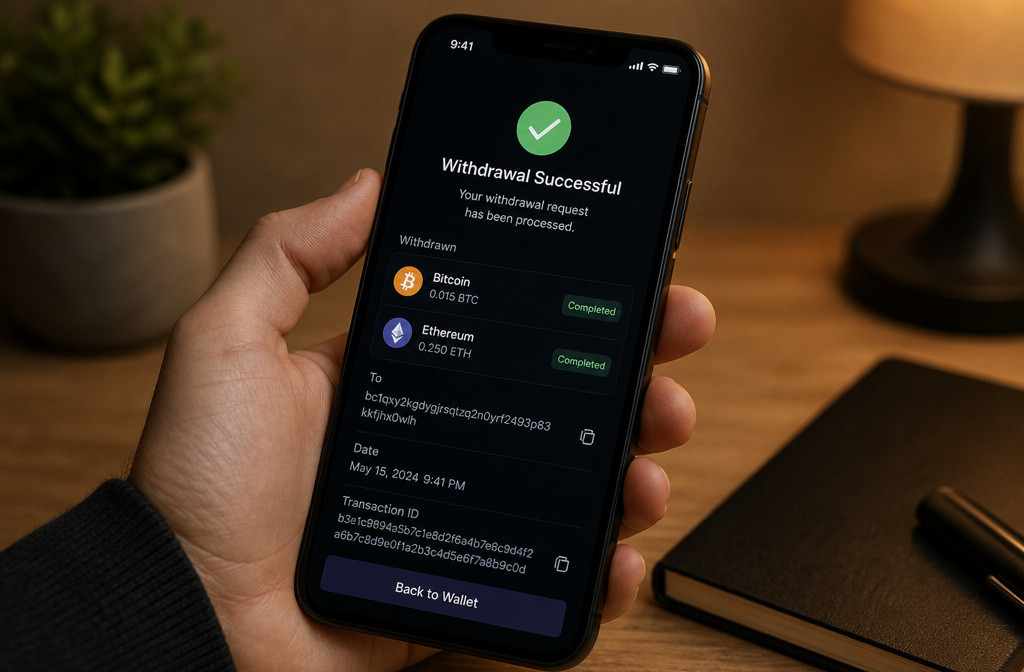
Then dig into the withdrawal fine print: minimum amounts, processing times, identity verification (KYC) requirements, and any fees. Many users play fine until they try to cash out a high-value win, then hit a wall of delays or excessive ID requests—a failure pattern that underscores why scams are common in the CS2 community, with Skin.club being the textbook example of this breakdown.
Third-party sites often have lower fees than the Steam Community Market, but don’t assume that’s always true. Check their specific fee structure before you deposit.
Check 4 – Understand House Edge and Game Fairness
Two trust signals to look for: Provably Fair and house edge.
Provably Fair lets you verify that the outcome wasn’t rigged using cryptographic hashes (server seeds and client seeds). It’s a way for the site to say, “We’re not cheating you.” If a site uses it, that’s a strong positive signal. If it’s absent, assume the house can manipulate the outcome and stay away from the platform.
House edge is the cut the site takes. Lower is better for you. For example, on SkinRave.gg the house edge is around 2% on Roulette and Coinflip, and starts from about 4% on cases and Case Battles. That’s pretty fair.
Compare that to a platform that hides its odds or never mentions a house edge at all. But remember: a low house edge doesn’t matter if you can’t cash out your winnings. Withdrawal reliability and game variety often matter more for the actual user experience.
Gamdom offers 15% rakeback for the first week and a loyalty program that can reach up to 60% rakeback—which effectively lowers the house edge for regular players. A site that publishes its odds and Provably Fair method is far more trustworthy than one that keeps everything opaque.
Quick test: If you can’t find the Provably Fair verification page within two clicks of the homepage, treat that as a red flag.
Check 5 – Scrutinize Bonus Terms and Conditions
Bonuses look generous, but they’re designed to make withdrawal difficult. Common traps include wagering requirements (you have to bet the bonus amount 20 times before cashing out), expiration dates, game restrictions, and withdrawal limits on bonus funds.
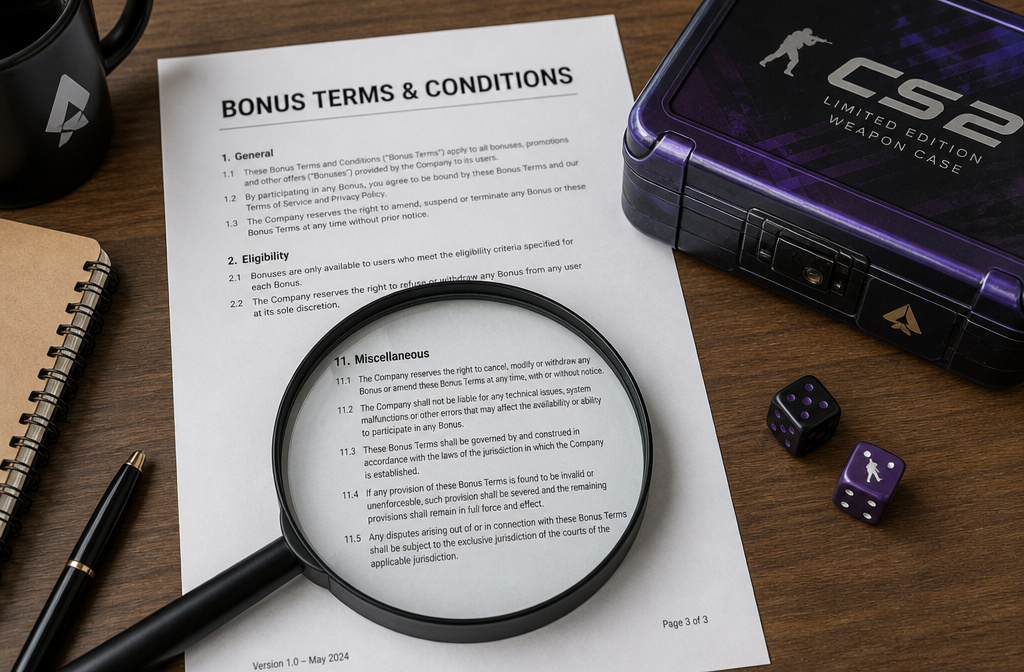
Take Farmskins: they give up to 3% cashback from every case (they call it “Bullets”). Their free daily bonus case must be claimed within 7 days. The paid version extends to 30 days. That’s a concrete example of a time-limited offer that’s fine if you know the window—but easy to miss if you’re not paying attention.
Gamdom’s rakeback sounds great, but the specific terms (like eligibility limits and expiration) apply. Always read the fine print before accepting any promotion. A “free” case that expires in three days isn’t free if you can’t use it.
Check 6 – Assess Platform Longevity and Feature Set
Older platforms have a track record: CSGOEmpire (since 2016) and CSGOLuck (since 2017) have proven they can survive. Newer platforms like SkinRave.gg and Clash.gg (both launched in 2023) often offer modern features but less history.
There’s a tradeoff here. Newer sites tend to innovate faster—SkinRave.gg has a 0% fee P2P marketplace and over 250 official cases. Clash.gg lets you create custom cases (requires level 5 first). Younger platforms also use aggressive bonuses to attract users. Older platforms may have higher fees or fewer features, but they’ve weathered the ups and downs.
Your choice depends on your appetite for risk. A site with a long history and positive reputation is less likely to vanish overnight. But a well-run newer site with strong trust signals (Provably Fair, low house edge, community involvement) can be just as safe.
Practice Responsible Play and Check Local Laws
This is the part nobody likes, but it matters. Set a strict entertainment budget—treat case opening like going to the movies. Once the money’s spent, it’s spent. Never use rent or bill money.
Don’t chase losses. The odds don’t change because you’re frustrated.
Also check your local gambling laws and age requirements. Skin gambling exists in a legal gray area that varies wildly by jurisdiction, and regulations keep evolving. What’s legal in one country might be prohibited in yours. Ignorance won’t save you from trouble.
What to Do If You Suspect a Scam or Encounter Problems
If things go wrong, don’t just rage-post and move on. Take action:
- Document everything. Save screenshots of transactions, communications with support, and the site’s terms at the time.
- Report the site to relevant consumer protection authorities (FTC in the US, Action Fraud in the UK). It might not get your money back, but it builds a record.
- Warn others. Post your experience on Reddit, Trustpilot, and CS2 forums. Your complaint could save someone else.
- Check with your payment provider. Credit card companies sometimes offer chargeback options for services not delivered. It’s not guaranteed, but it’s worth trying.
Final Checklist – Use Before You Deposit
Before you hand over any skins or cash, run through these six checks:
- Verify license and ownership – don’t just trust a badge; check the regulator’s site.
- Check community reputation – look for recurring withdrawal complaints on Reddit and forums.
- Evaluate payment and withdrawal terms – focus on withdrawal reliability, not deposit ease.
- Confirm Provably Fair and low house edge – a site that hides its odds is a red flag.
- Read bonus fine print – wagering requirements, expiration dates, and withdrawal limits.
- Assess longevity and features – older platforms offer stability; newer ones offer innovation.
And remember the economic reality: Valve’s official odds (from 2017) show a 0.26% chance for a rare item like a knife or glove, and 0.64% for Covert (red) skins. You will likely open hundreds of cases for a single high-value drop. Buying that specific skin directly from the Steam Community Market is typically less expensive than unboxing it.
Treat case opening as paid entertainment. If you’re okay spending that money for the thrill, fine. But go in with no expectation of profit. The only truly safe strategy is to skip third-party sites entirely—but if you do use one, this checklist will keep you from getting burned.
Frequently Asked Questions
What is the best website for opening CS2 cases?
There’s no single ‘best’ site, but the safest ones share clear trust signals: a verifiable license, Provably Fair system, published low house edge, and a strong community reputation. Older platforms like CSGOEmpire (since 2016) offer stability, while newer ones like SkinRave.gg offer modern features and low fees. Always run the six-check vetting process before depositing.
What does Provably Fair mean on CS2 case sites?
Provably Fair is a cryptographic system that lets you verify each case outcome wasn’t rigged by the site. It uses server seeds and client seeds to generate results you can independently check. If a site doesn’t have a Provably Fair verification page within two clicks of the homepage, treat that as a major red flag and stay away.
How does house edge affect my chances on CS2 gambling sites?
House edge is the mathematical cut the site takes from every bet. Lower is better for you — for example, SkinRave.gg runs about 2% on Roulette and Coinflip, and around 4% on cases. A site that hides its odds or never mentions house edge is likely taking a much larger cut, making it harder for you to win anything meaningful.
Why do some CS2 case sites block high-value withdrawals?
Some sites, like Skin.club, have a documented pattern of delaying or blocking withdrawals when users win big. This is often a sign the platform is poorly run or outright scammy — they want your deposits but don’t want to pay out. Always check community forums for recurring withdrawal complaints before depositing any significant amount.