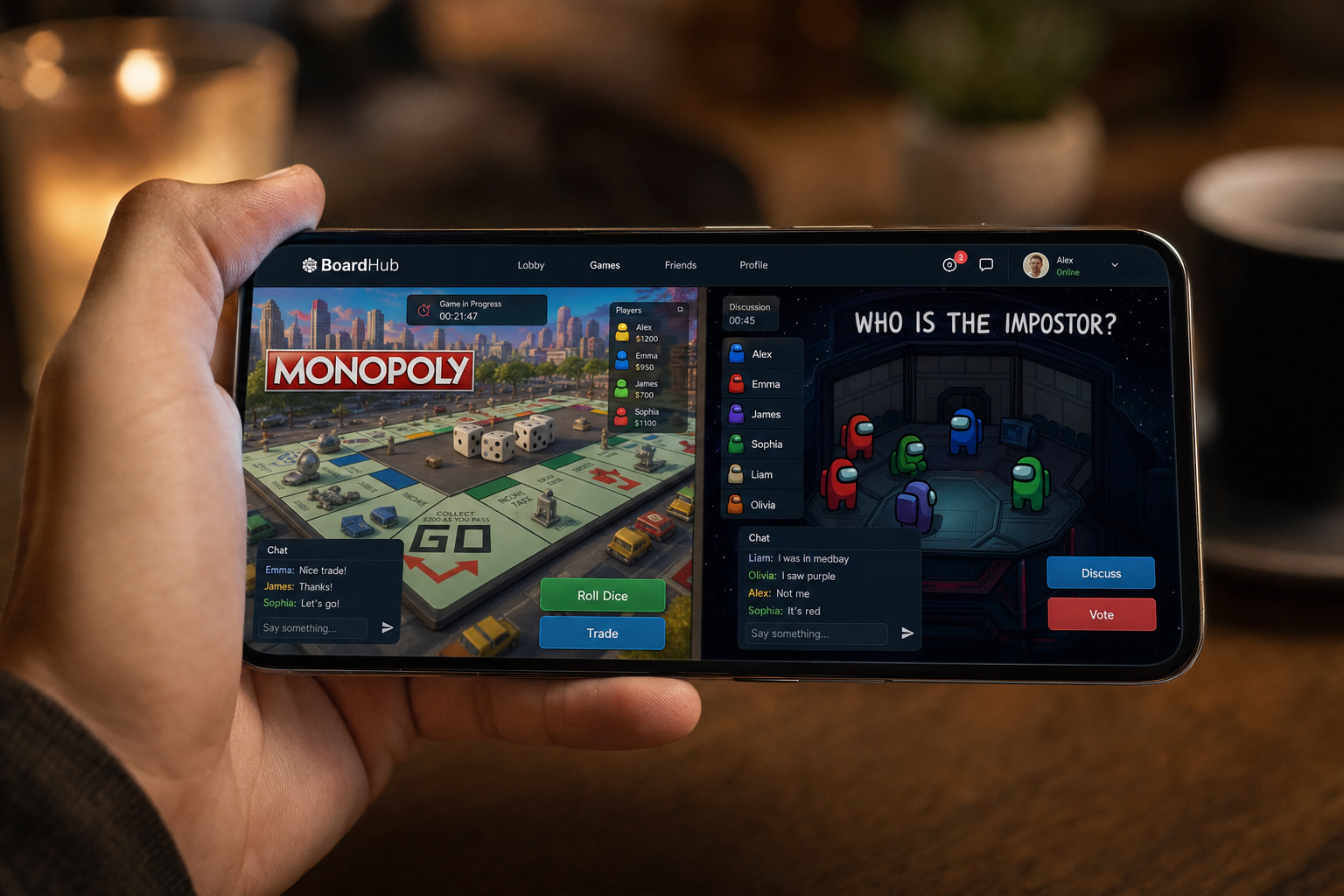
I’ve been digging into free browser-based social games lately — you know, the kind you can rope friends into without making them install a launcher or create yet another account. I wasn’t looking for a free spin casino, a download-heavy game hub, or anything that felt like work before the game even started. I wanted something that just worked, whether everyone was on a phone, a laptop, or a janky work desktop.
The standout discovery is Gidd.io, a platform that launched in December 2021 and has expanded its library with actual community input. It’s free, works on Android, iOS, Windows, and Mac, and it aims to replace a full collection of board games and card decks in a single browser tab. Alongside it, CrazyGames offers a curated multiplayer playground with no downloads, and Bloob.io leans hard into “no account required” instant action.
All three are free. All three run in any modern browser. None of them ask for your credit card or a console.
Key Takeaways
Gidd.io launched December 2021 and offers invite-only rooms for games like Capitalista (Monopoly-style), Werewolf (social deduction), Texas Hold’em, Yatzy, and 13-card Rummy — all configurable with house rules and an in-game butler named Alfred summoned via /help.
CrazyGames curates a free browser-based multiplayer library with no sign-up; its top-10 most popular list includes Bloxd.io, Smash Karts, Shell Shockers, and 8 Ball Pool, while its underrated mobile picks like Mr. Dude and Brainrot Arena Online rarely appear in roundups.
Bloob.io requires zero account creation and lets you adjust speed, difficulty, and bot intelligence per game — including a three-dice-rolls-per-round mechanic, making it ideal for drop-in sessions where privacy matters less than speed.
Table of Contents
The real tradeoff: invite-only privacy vs no-account speed
Most articles about social games online frame the choice as free vs paid.
Gidd.io uses invite-only rooms. You need to sign up, which is a small hurdle, but once you’re in, you decide exactly who plays. No randos popping into your Werewolf round and breaking the deception mechanic. If your group values vibe consistency and the ability to tweak house rules, that sign-up friction is worth it.
Bloob.io goes the opposite direction. No account required — you click a link and you’re in. That’s great for speed. But anyone with the link can also join. For a social deduction game where the whole point is lying to each other, a stranger dropping in ruins everything.
CrazyGames sits in the middle. Share a multiplayer room link, no persistent account, but no persistent room either. It works fine for quick rounds of Smash Karts or Shell Shockers where you don’t care who’s on the other end.
For my group, the tradeoff is pretty clean: if we’re planning a dedicated game night with board game energy, we use Gidd.io and its invite-only rooms. If we’re killing ten minutes between meetings, Bloob.io or CrazyGames win.
The Gidd.io game library: one tab replaces your shelf
What makes Gidd.io interesting isn’t any single game — it’s the breadth. The platform has enough variety that you could theoretically never leave. Here’s what’s in there, mapped to the real-world games you already know.
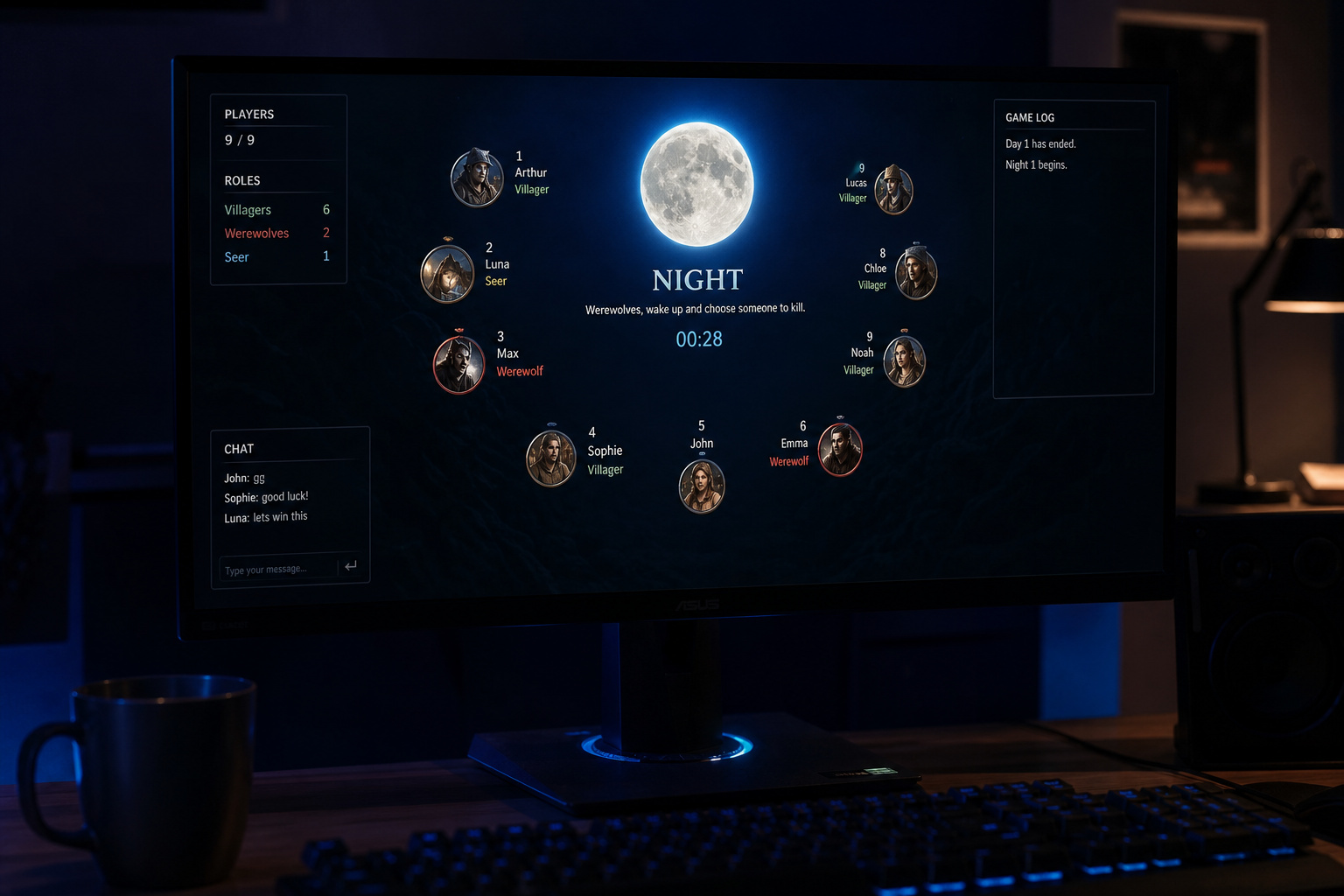
Capitalista (the economy board game)
This is Gidd.io’s Monopoly analog. You buy properties, build houses and hotels, collect money from other players, and try not to go bankrupt. The core loop is the same — bankrupt your friends, but without the three-hour slog or the rulebook arguments. The digital version enforces the rules automatically, which makes it faster and less frustrating than the real thing.
Crazy Eights and Yatzy
Straightforward digital adaptations. Crazy Eights is the classic card game, no surprises. Yatzy gives you three dice rolls per round to build the best combination you can, competing against friends for the high score. If your group knows the rules already, these are zero-friction additions to game night.
Categories (the word game)
This one’s a Scattergories analog. You get a category and a starting letter, then race to list matching words. The online version resolves the inevitable “is that a real word?” arguments automatically, which makes it better than the physical game. No more awkward dictionary lookups.
card Rummy
A more engaging variation of basic Rummy. Standard 52-card deck plus Jokers. Your goal: build valid sets (cards of the same rank) and sequences (consecutive cards of the same suit). It’s fast, strategic, and works well with four players.
Texas Hold’em
Two private hole cards, five community cards, best five-card hand wins. Gidd.io’s version supports endless configuration options for house rules, which matters for regular poker groups. You can tweak blind structures, betting limits, and more.
Guess Drawing and GeoClash
These are geography guessing games. In Guess Drawing, the map shows your location and you have to lock in your guess. In GeoClash, you compete to be closest to a target location, earning points for accuracy. They’re casual, low-stakes, and work great on phones.
Werewolf (social deduction)
This is the big one. Villagers vs werewolves. At night, werewolves kill one villager. During the day, villagers vote to throw someone out.
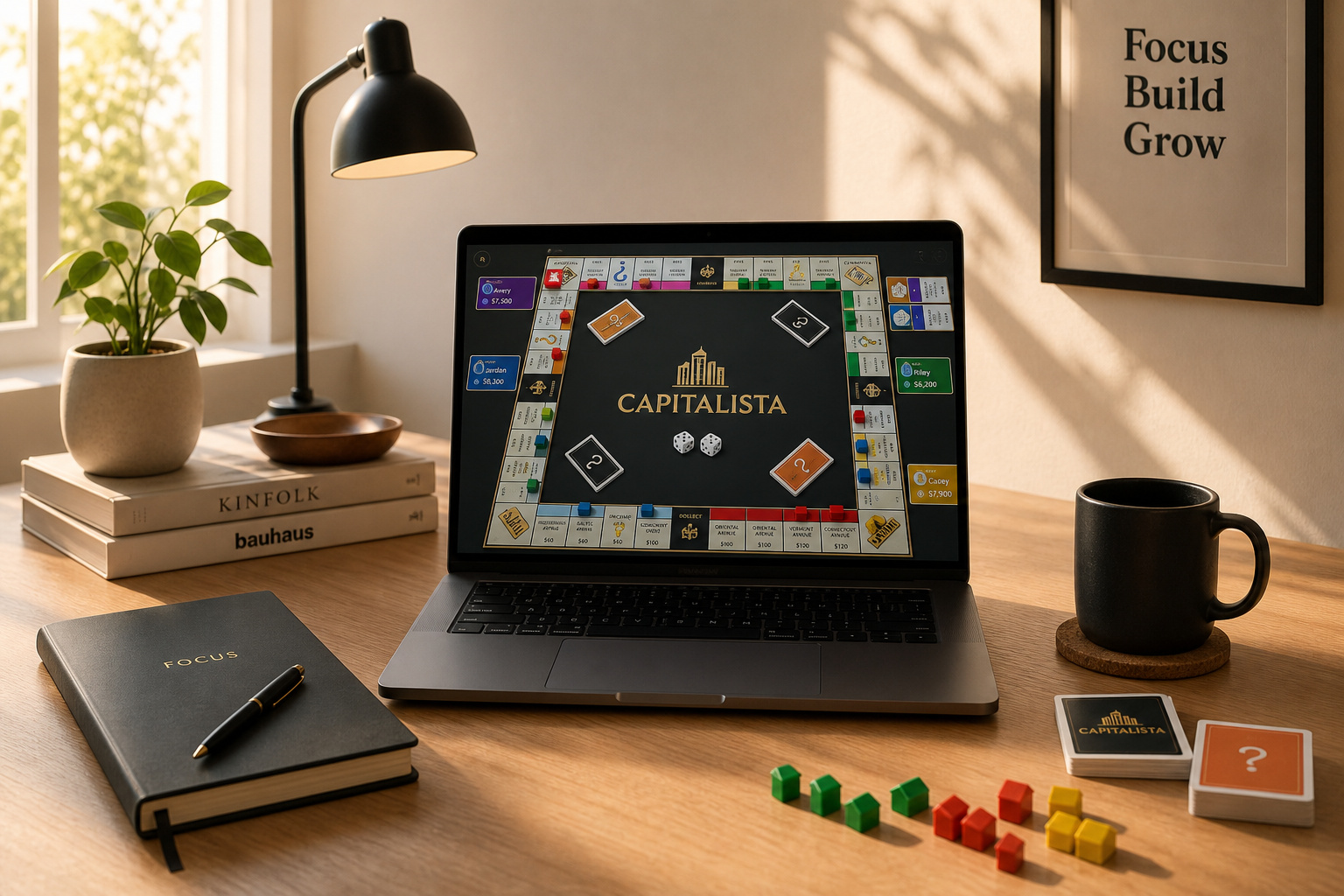
The entire game runs on deception, lying, and convincing your friends to execute the wrong person. Gidd.io’s version handles the night/day cycle and role assignment automatically, so no one has to be the game master.
It’s the Mafia analog, and it’s easily the best group game on the platform for larger crews.
Alfred: the in-game butler you didn’t know you needed
One problem that kills online board game nights: who explains the rules? Who mediates when someone says “wait, that’s not how we play”? In a physical game, you’ve got a rulebook and someone who’s played before — a social gaming design that online often lacks. Online, that role is usually absent — and it shows.
Gidd.io solves this with Alfred, an in-game butler. Type /help in any room chat and Alfred appears. He can stop running games, open the helpbase, and walk you through commands. It’s not AI — it’s a practical helper bot, but that’s exactly what makes it useful. Alfred reduces the “how do we start?” friction that kills many online game sessions before they begin.
Gidd.io could have just dumped the games in a lobby and said “figure it out.” Instead, they built a digital version of the friend who actually reads the rulebook, creating the best social games for every type of player.
CrazyGames: curated discovery with hidden mobile gems
CrazyGames takes a different approach. It’s not a single ecosystem — it’s a curated library of free browser-based multiplayer games. The CrazyGames team picks and curates what goes in, so you’re not wading through user-submitted chaos.
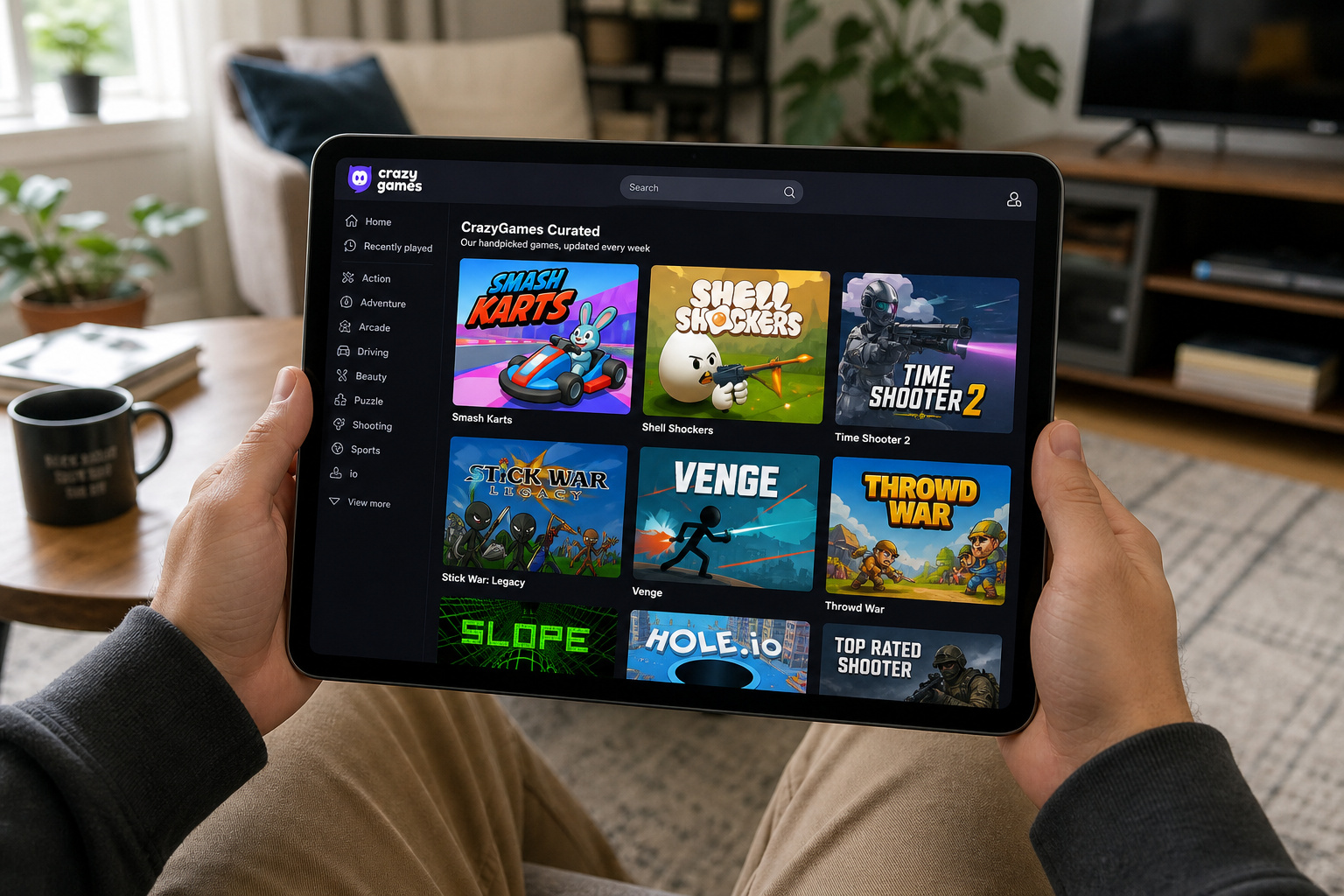
The multiplayer section lets you sort by newest, most popular, or top-rated. Most people just hit “most popular” and call it a day. But that filter is actually where the value is for discovery — you can find fresh games that haven’t been played into the ground yet.

The top-10 most popular games right now
CrazyGames’ own list of the most-played multiplayer games includes: Bloxd.io, Openfront, BuildNow GG, Grow A Garden / Growden.io, FrontWars.io, Smash Karts, 8 Ball Pool, SkillWarz, Miniblox, and Redcoats.io. That’s the full top-10 from the source, covering everything from building and strategy to arcade and FPS.
Underrated mobile games worth your time
This is where CrazyGames adds real value. Most roundups only cover the popular stuff. But CrazyGames specifically lists these as optimized for mobile and tablet: Mr. Dude: Online Multiverse Challenge, Brainrot Arena Online, Poxel.io, plus Bloxd.io and Grow A Garden (which also appear on the popular list). That’s all five underrated mobile picks from the source, giving mobile-first players a full set of hidden gems.
Bloob.io: customizable action with zero sign-up
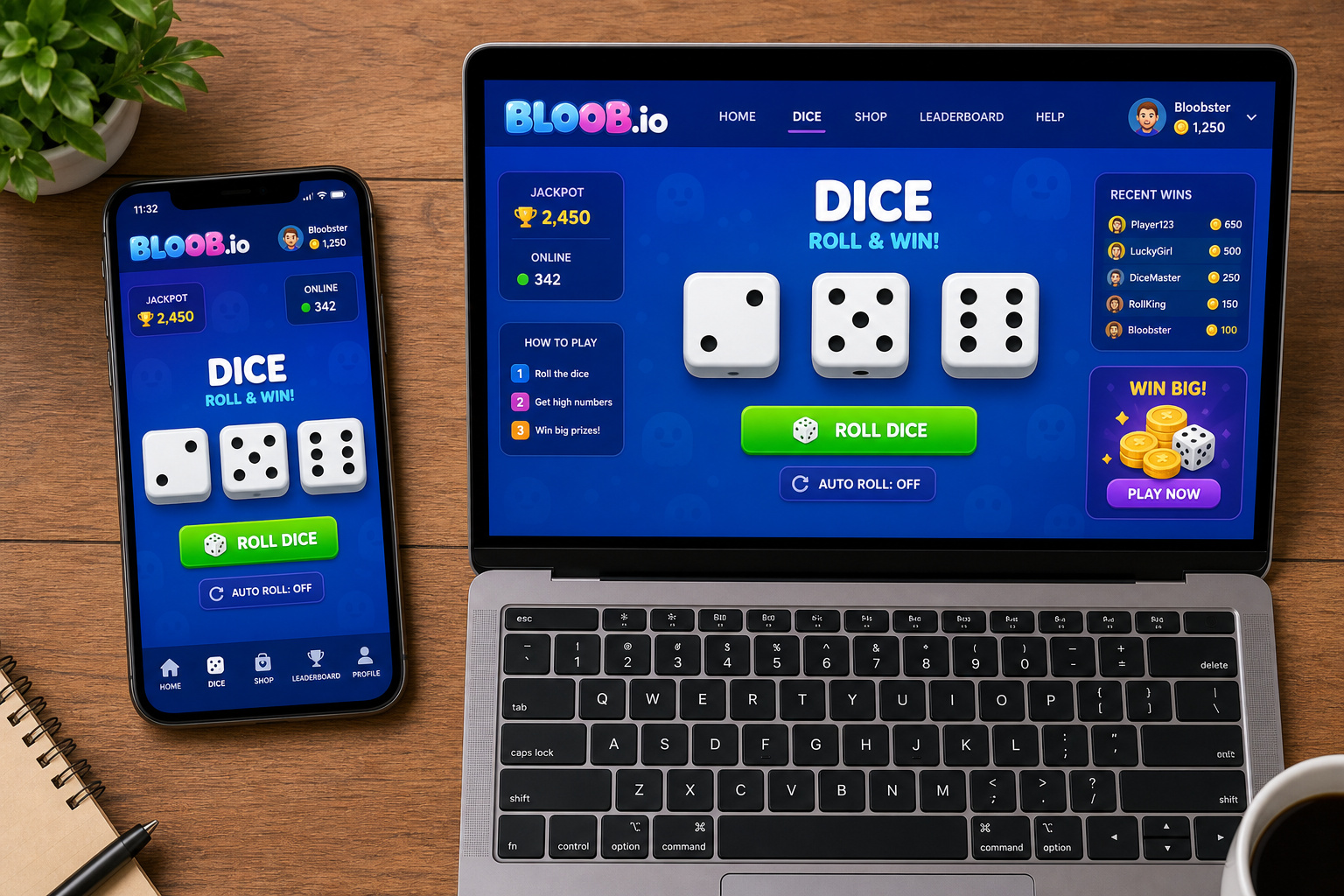
Bloob.io is the no-friction alternative. Its headline feature is literally “no account required” — you jump straight into action, no email, no password, no activation link.
What makes it worth a separate mention is the customization. Every game on Bloob.io has adjustable settings: speed, difficulty, and bot intelligence. That matters for mixed-skill groups. If you’ve got one competitive friend and three casuals, you can tweak the difficulty so everyone has a good time instead of one person steamrolling the rest.
You can also invite friends directly or play against computer-controlled bots when your group is short. The platform uses a three-dice-rolls-per-round mechanic (similar to Yatzy, but it’s a separate game in Bloob.io’s library).
The tradeoff: since there’s no account, there’s no persistent room. You share a link, people jump in, and the game happens. Great for drop-in sessions. Less great if you want to keep a consistent group with consistent rules.
Individual games worth playing with friends
Quick entries for the games that consistently deliver with groups of four or more.

Smash Karts — Chaotic online kart battle game featuring power-ups, combat, and up to eight players, tapping into the appeal of video game social games where the real fun is the chaos with friends. No console needed.
Shell Shockers — Egg-themed first-person shooter. Full FPS running entirely in a browser. Everyone plays as eggs. One of the most popular web FPS games for a reason.
Bloxd.io — Minecraft-like building game with minigames. The minigames keep it from feeling like a pure clone.
Hazmob FPS: Online Shooter — Multiplayer shooter with multiple game modes and non-stop combat. Hazmob has 5 game modes, including team deathmatch and free-for-all, giving it more variety than most browser shooters. Heads-up: this one is much better with a keyboard and mouse than a touchscreen.
Uno Online — Digital adaptation of the classic family-friendly card game. Uno Online supports up to 4 players in a single room, matching the standard tabletop experience. No house rule debates, the game enforces everything.
TileMan.io — Territory-claiming game on a 2D board. TileMan.io features power-ups that let you speed up or block opponents, adding a tactical layer to the territory grab.
WorldGuesser Free GeoGuessr — Casual geography quiz. Free alternative to the paid GeoGuessr. Drop into a random street view location and race your friends to guess where you are.

Racing Limits — City street racing game. Racing Limits includes 6 different tracks and a drift mechanic for tighter cornering. Straightforward, arcade-style, works best with a keyboard.
Squid Games — Inspired by the series. A friendship-test game where you see who survives. It’s less about skill and more about watching your friends lose.
Cross-platform reality check
Every platform I’ve mentioned says “works on any device.” And they do — with caveats.
Gidd.io explicitly supports Android, iOS, Windows, and Mac. Turn-based games like Yatzy, Categories, and Capitalista work perfectly on any device. The interface adapts fine to a phone screen for these genres. On iOS and Mac, the browser-based experience is identical to other platforms — no app store download needed.
CrazyGames runs in any modern browser. Works on phones, laptops, desktops. But the action-heavy games — Hazmob FPS, Shell Shockers, Smash Karts, are a different story. They’re playable on a phone, but you’ll get wrecked by anyone on a keyboard and mouse. The controls just aren’t as precise.
Bloob.io is purely browser-based with no account, so theoretically universal. In practice, its customization-focused games lean turn-based enough that phones handle them fine.

The honest take: if your group is a mix of phone and laptop users, stick to turn-based and casual games. Save the FPS titles for when everyone’s on a keyboard.
Which platform for which group
Here’s what I’ve found works best for different situations, based on digging into all three platforms.
Gidd.io — Best for structured board and card game nights where you want privacy and configurability. If your group wants to play Capitalista with specific house rules, or run a Werewolf game without randos joining, Gidd.io’s invite-only rooms are the way to go. The sign-up friction is real, but the tradeoff is worth it for a dedicated session.
Bloob.io — Best for quick drop-in sessions where you want to start playing immediately. No account means no friction. The customizable speed and difficulty settings make it great for mixed-skill groups. If you’re trying to fill a ten-minute gap with friends, this is the fastest path to actually playing.
CrazyGames — Best for variety and discovery. If your group gets bored easily and wants to bounce between kart racing, FPS, territory control, and trivia, CrazyGames’ curated library and sorting filters make it easy to find something new. The lack of persistent rooms is a limitation, but the breadth makes up for it.
Your social game night is one tab away
Free, browser-based, cross-device, and ready in under thirty seconds for two of the three platforms. Pick the one that matches your group’s vibe — invite-only privacy, no-account speed, or curated variety, and you’re playing.
No installs. No accounts on two of the three. Just a link sent to friends and a browser tab. That’s the state of social games online in 2025, and it’s honestly better than I expected.
Frequently Asked Questions
What are good social games for older adults?
Turn-based and casual games work best for older adults, especially those that don’t require fast reflexes. On Gidd.io, games like Yatzy, Crazy Eights, Categories, and 13-card Rummy are ideal because they’re familiar, strategic, and play perfectly on any device. These games also let you configure house rules and play in private rooms without randos.
Do I need an account to play these social games?
It depends on the platform. Bloob.io requires no account at all — you click a link and play instantly. CrazyGames also lets you jump into multiplayer without signing up. Gidd.io does require an account, but that trade-off gives you invite-only private rooms and persistent settings, which is worth it for dedicated game nights.