I was recently conducting lifestyle and career placement interviews for a technical role. One of the candidates leaned back and stated with complete confidence that he is “big into geek culture.” Today, it’s a standard badge of personal identity, shared creative practice, and high-earning technical class privilege.
What we call geek culture today is a vast global network of specialized fandoms, shared creative practices, and identity-driven social structures. It has migrated from marginalized, basement-level pockets straight into the dead center of mainstream entertainment. This shift represents a transition from an unbranded, high-stigma outcast refuge to a high-status cognitive lifestyle. Far from being a monolith of anti-social caricatures, modern geek culture is a highly active, pluralistic social space built around systematic curiosity and deep dedication to lore, gaming, and technology.
Key Takeaways
Geek culture is a scientifically recognized psychometric construct validated across seven academic studies (N = 2,354), proving that geek characteristics correlate with high cognitive openness and curiosity rather than psychiatric deficits.
The scale of modern fannish expansion is illustrated by Atlanta’s Dragon*Con convention, which grew from a modest 2,400 attendees in 1989 to over 57,000 in 2013, fostering deep creative cross-pollination across diverse media tracks.
The Great Fantasy Migration works as an adaptive psychological outlet. There’s a moderate meta-analytic correlation of r = 0.24 between deep subcultural engagement and self-enhancement traits as people navigate real-world economic frustrations.
Table of Contents
Redefining the Geek: Beyond the Outcast Myth
To understand the modern geek, let’s look past the archetypes of 1980s cinema and check the actual psychometric profiles of the community. Today’s geek identity is no longer defined by default social exclusion, but by systematic cognitive traits that scientists can measure. That same pattern shows up well beyond comics, code, and tabletop games. You can see it in the way analytically minded enthusiasts approach everything from fantasy sports and speedrunning to chess engines, prediction markets, poker solvers, and even the top US online casinos recommended by review sites. The through-line is not gambling itself; it is the geek instinct to model systems, compare odds, test strategies, and treat complex environments as puzzles to be understood.
The linguistic drift from circus sideshows to class privilege
If you look up the word “geek” historically, checking its etymological roots reveals a wild ride. The original nineteenth-century circus “geek” was a performer in novelty sideshows, occasionally tasked with biting the heads off live chickens. Decades later, the term morphed into schoolyard derision for the physically awkward, hyper-studious misfit.
Today, if you search for the general geek meaning, you will find it stands for someone with obsessive dedication to a specific masterclass of knowledge. Street-level “geek slang drugs” exists as an unrelated reference to chemical hyper-focus or manic “geekings,” but our community uses “geeking out” to describe the joyful state of staying up until 3:00 AM tuning a custom mechanical keyboard or writing custom terminal configurations.
This brings us to the classic debate: geek vs nerd. The term “nerd” generally describes someone with high academic intellect, focused heavily on sciences, mathematics, or formal logic. A geek, on the other hand, is defined by high-engagement cognitive enthusiasm. You can be a geek about coffee, vintage audio synthesizers, or mechanical keyboards; being a geek is about the intensity and style of your passion, whereas a nerd is traditionally associated with academic achievement. Today, having deep geek characteristics is highly correlated with tech-adjacent class privilege and significant social capital in Silicon Valley and beyond.
Generalist vs. specialist geek profiles
To study these traits empirically, researchers developed a validated psychological tool known as the Geek Culture Engagement Scale (GCES), alongside the Geek Identity Scale (GIS). Rather than relying on subjective forum arguments, clinical studies analyzed these scales across seven distinct cohort studies (comprising a total of N = 2,354 participants).
The GCES measures participation across 37 interest tracks, and the data shows a split between two profiles:
- Generalist Geeks: These individuals engage broadly across the fannish spectrum. They might jump from playing tabletop roleplaying games like Dungeons and Dragons to watching anime, writing code, and organizing local meetup groups.
- Specialist Geeks: These enthusiasts direct their cognitive curiosity into a single, hyper-focused sub-discipline. They might spend years perfecting vintage synthesizer restoration or optimizing specialized database structures, ignoring the broader pop-culture zeitgeist entirely.
When researchers mapped these profiles to the Big Five Personality Traits, they didn’t find any links to psychiatric dysfunction or social deficits. Instead, they discovered strong positive correlations with high openness to experience, fantasy proneness, and cognitive curiosity. Ultimately, self-identifying as a geek functions as a healthy, adaptive lifestyle choice that correlates positively with overall subjective well-being.
The Psychology of Fandom: Why We Migrate to Fantasy
As the cultural footprint of fandom expands, it’s becoming clear why we’re so deeply engaged with imaginary worlds. This migration is less about avoiding reality and more about finding structured, high-stakes environments that mirror our need for mastery and community.
The Great Fantasy Migration: Escapism as an economic safety valve
The Great Fantasy Migration Hypothesis illuminates geek culture psychology by positing that individuals maintain narcissistic self-views by expressing a more ambitious self-concept through fantasy media. When we look at data from diverse testing pools, like consumer research cohorts on Amazon MTurk, there’s a moderate positive meta-analytic correlation of r = 0.24 between geek cultural engagement and self-enhancement traits, as measured by the Narcissistic Personality Inventory (NPI).
In traditional clinical registers, this correlation could easily be misconstrued as pathological delusion. But a contrarian, sociological view suggests it’s actually a highly rational and adaptive response. In modern society, younger generations are frequently met with harsh economic realities: secure careers are hard to find, homeownership is structurally blocked, and real-world avenues to traditional high status are restricted.
When structural paths to real-world status are closed, a fantasy world provides an accessible environment where an individual can achieve a grandiose, capable self-view. Landing a critical hit to save your party in Dungeons and Dragons, organizing a raid, or building an accurate piece of Cosplay armor offers genuine, healthy psychological safety and localized status.
The belongingness hypothesis and specialized homophily
The Belongingness Hypothesis explains how we use shared media interests as highly efficient social currency. If you are deeply into an obscure subject, like retrocomputing or the technical specs of Star Trek starships, finding local friends who share your brainwave used to be nearly impossible.
Modern internet connectivity has solved this by facilitating specialized homophily—the tendency of individuals to associate and bond with similar others. Online networks transform isolated, solitary bedroom interests into immediate, global digital spaces. Knowing the lore of Spider-Man or the exact terminal prompts for an API repository instantly acts as social currency, helping you find your tribe in minutes.
Active engagement and ironic imagination
The engagement hypothesis indicates that participation stems from a deep need for creative expression, stimulation, and novelty, correlating interest across different types of geeks with higher levels of openness to experience. Geeks reject passive media consumption; we do not sit on the couch and let images wash over us. Instead, we utilize what sociologists call ironic imagination.
Ironic imagination is the cognitive ability to treat a fictional universe with deep, collaborative, real-world logic while remaining fully grounded in reality. When we write extensive alternate-history fanfiction, detail deep-dive wikis about sci-fi warp drives, or argue about canon loopholes, we are practicing active, highly creative cognitive engagement.
The Growth and Commercialization of Geekery
As our private subcultural spaces transformed into global intellectual properties, the physical and economic landscape of fandom underwent a scale shift. This transition created a fascinating tension between corporate-driven mass marketing and highly localized, grassroots communities.
The convention boom: Dragon*Con as a cultural yardstick
To understand how rapidly our culture has scaled physically, you only need to look at the growth of Atlanta’s annual convention, DragonCon. In 1989, the event drew a modest 2,400 attendees. By 2013, that number exploded to over 57,000 members.
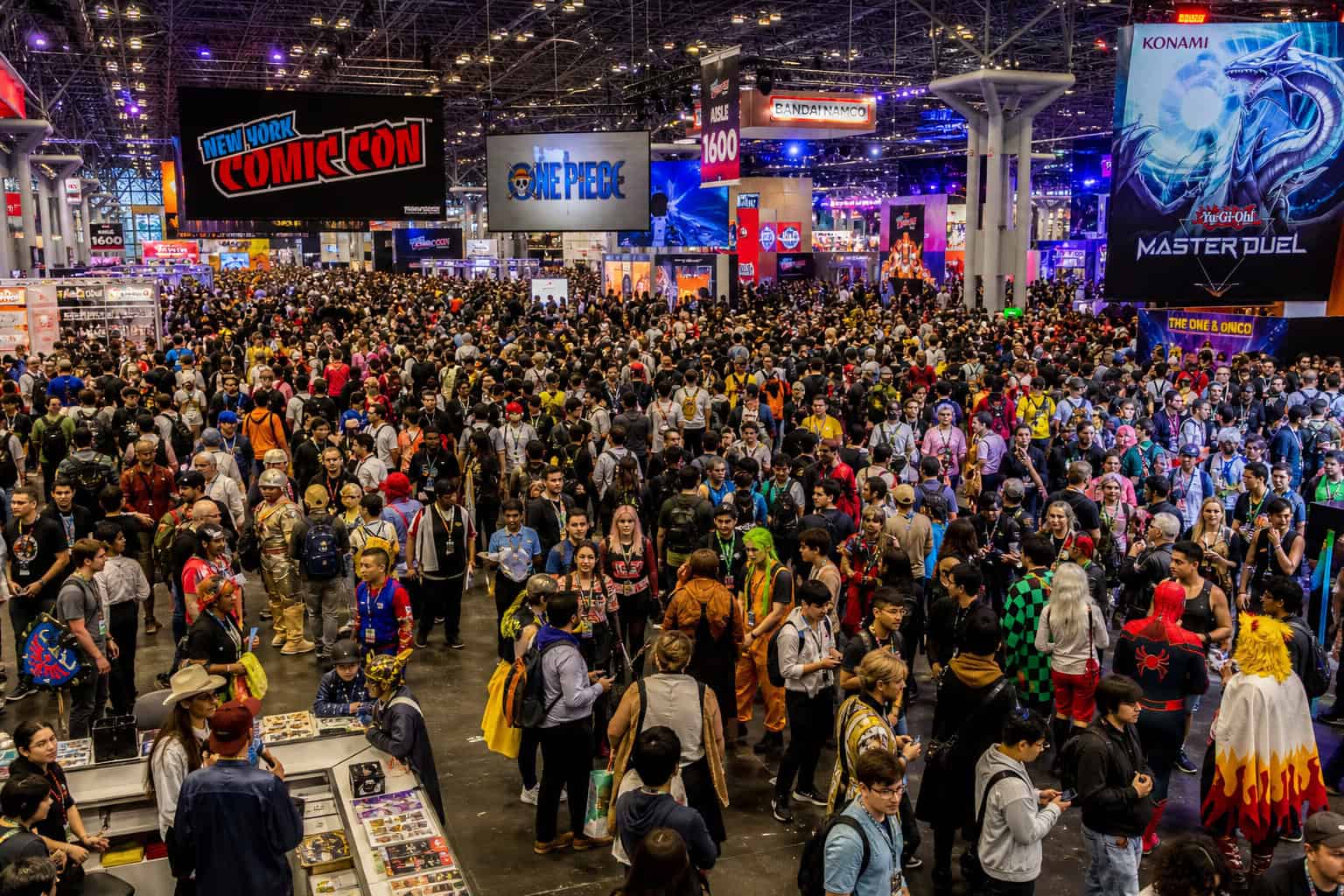
Early geek conventions required broad fan tracks to aggregate interest, as evidenced by DragonCon growth from 2,400 attendees in 1989 to 57,000+ in 2013. Early conventions solved this by gathering the entire spectrum of fannish tracks under one roof. This physical consolidation catalyzed cross-pollination. Today, if you walk a convention floor, you will see a “zombie stormtrooper”—a brilliant, physical hybrid of classic Star Wars* costuming and zombie survival horror.
Corporate hybridization vs. down-shelf fandoms
This audience growth caught the attention of mainstream corporate interests. We are now living in an era of Corporate Hybridization, where traditional, non-geek heavy industries—such as automotive manufacturers or power tool brands—actively strip-mine otaku and geek cultures, using comic book imagery and video game iconography for their marketing campaigns.
In response to this corporate mass-marketing, many purists have retreated to what are known as down-shelf fandoms. These are highly localized, non-monetized micro-communities that deliberately protect the original subculture’s high-effort rules and rituals. While the mass public watches the newest Marvel blockbuster, these groups stay up late running homebrew tabletop games or debugging open-source projects, keeping the intimate spirit of old-school geek culture alive.
Community Friction, Gatekeeping, and Identity Politics
These friction points stem from the historical anxieties of the original community.

Oppositional masculinity and the beta male refuge
Historically, the geek community functioned as a defensive “beta male” refuge. It was a space built primarily by young men who felt rejected by mainstream, jock-dominated social hierarchies. Within these walled gardens, they constructed what sociologists call “oppositional masculinity”—a system that flipped traditional social values, placing intellectual and fannish credentials at the top of the social hierarchy.
When women, people of color, and queer geeks started entering these spaces in large numbers and demanding structural adjustments, it triggered defensive hostility. The very groups who built their identity on the painful experience of being social outcasts suddenly found themselves reacting defensively to protect their clubhouse.
Debunking the “fake geek girl” membrane
A prime example of this defensive boundary-keeping is the infamous “fake geek girl” membrane. This cultural myth suggests that female geeks enter fannish spaces without genuine interest, merely posing to gain attention or exploit the community.
The ‘Fake Geek Girl’ Membrane acts as a critique of exclusionary ‘old school’ masculinity, and the data suggests participation is driven by individual psychological needs—not some bizarre exclusionary behavior. Traditionalists fear that the very “mundane” world that once rejected them is now crossing the threshold to trivialize their rules and safe spaces.
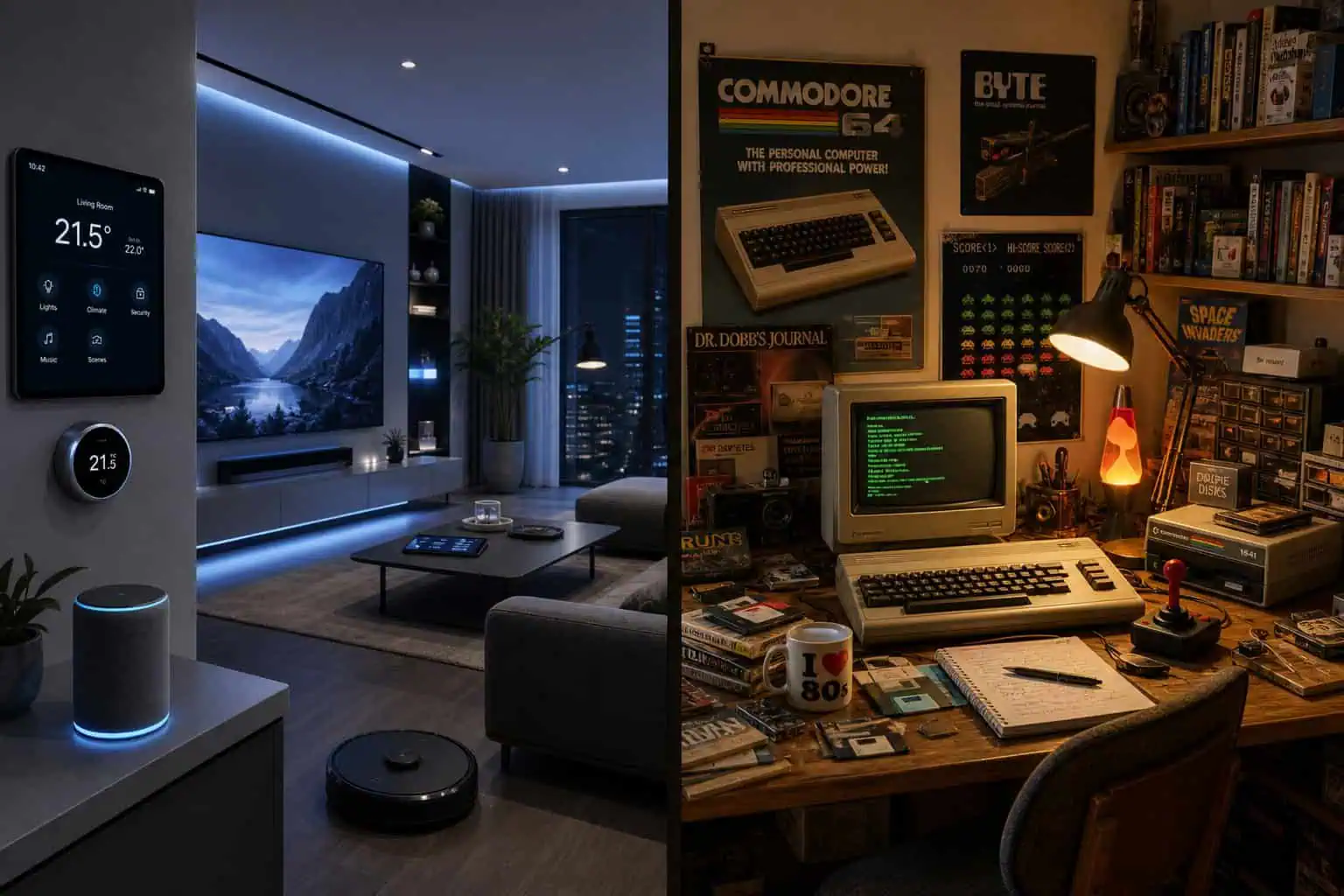
The glaring irony is that an identity built on the pain of exclusion can so easily mimic the exclusionary, patriarchal hierarchies that marginalized its founders in the first place. Fortunately, modern psychometric data completely invalidates this “faker” myth. GCES and GIS metrics show that women participate in fannish spaces for the exact same organic reasons as men: cognitive complexity, community belongingness, and creative fulfillment.
Modern Geek Communities: Inclusivity, Dating, and Digital Spaces
Today’s inclusive geek spaces are vibrant, highly networked environments where relationships and collaborative art thrive far beyond the old antisocial stereotypes. Navigating these spaces successfully means knowing how to identify healthy, supportive communities that celebrate shared passions.
Specialized matchmaking: Dating and romance in the digital fandom era
The internet completely rewrote this script. Specialized matchmaking inside MMO guilds, local tabletop clubs, cosplay workshops, and Discord servers has revolutionized modern dating. By matching on high-level conceptual alignment—like a shared obsession with retro tech or world-building—geeks completely bypass those tiresome, generic dating metrics.
Cultivating inclusive spaces: What green flags to look for
If you’re looking to join a modern tabletop group, gaming guild, or maker community, you don’t have to settle for toxic gatekeeping. When people on forums discuss what is geek culture reddit-style threads, they frequently trade tips on how to find healthy local groups. Here are the primary green flags to look for:
- Active, Explicit Moderation: Look for communities with clear guidelines that explicitly ban bad-faith trivia tests, condescending credential-checking, and territorial gatekeeping.
- Diverse Representation: Healthy communities display diverse representation among organizers, Game Masters, moderators, and community leads.
- Institutionalized Safety Policies: For physical meetings and conventions, green-flag events always feature explicit, strictly enforced safety guidelines, including prominent “Cosplay is Not Consent” policies.
The Future of Fandom: Is Geek Culture Losing Its Identity?
Has the authentic, high-effort subculture been swallowed by corporate monetization?
Geek culture has split into a highly stable dual-system. One track happily enjoys the corporate-backed pop-culture engines of our modern world. The other track retreats to protective, small-scale, decentralized micro-fandoms.
You no longer have to choose between enjoying a massive blockbuster franchise and running a highly obscure, homebrewed tabletop campaign in your living room. The modern geek lifestyle means having the freedom to do both.
Frequently Asked Questions
What is the meaning of geek culture?
Geek culture is a social network built around systematic curiosity, shared creative practices, and a deep, obsessive dedication to specialized masterclasses of knowledge. It has transitioned from a marginalized subculture into a high-status lifestyle defined by intellectual engagement rather than social exclusion.
What is a geek person like?
A geek is characterized by high levels of cognitive openness, a drive for mastery, and an intense enthusiasm for their specific interests. Modern research shows that these individuals are marked by strong creative curiosity and an adaptive desire to navigate complex environments, rather than the outdated stereotypes of being purely anti-social.
What does “geek” mean in slang?
While the term historically referred to circus performers, modern slang defines it as an individual with obsessive, high-level dedication to a specific interest or technical skill. Phrases like “geeking out” describe the joyful state of total immersion in a project, such as tuning hardware or mastering complex lore, rather than any negative behavioral traits.
What is the difference between a geek and a nerd?
A nerd is traditionally defined by high academic intellect and a primary focus on formal logic, sciences, or mathematics. In contrast, a geek is defined by the intensity and style of their passion, focusing on high-engagement cognitive enthusiasm for topics ranging from hobbies like coffee and gaming to specific technical sub-disciplines.
Can I be a geek without being obsessed with sci-fi or gaming?
Absolutely. Being a geek isn’t restricted to any single genre; it is defined by the intensity of your cognitive curiosity, whether that is directed toward vintage audio synthesizers, terminal configurations, or mechanical keyboards. If you apply a systematic, detail-oriented approach to a specialized passion, you are participating in the geek lifestyle.
Why do some people view geek culture as a form of escapism?
Many people engage with fantasy and specialized hobbies as an adaptive psychological outlet, often called the ‘Great Fantasy Migration.’ In the face of real-world frustrations like limited career paths or economic pressure, these structured environments offer a space where individuals can achieve a sense of mastery, high status, and a more capable self-view.
Is geek culture becoming too mainstream?
Geek culture has evolved into a dual-system to handle its growth. While mainstream corporate interests have commercialized many aspects of it, ‘down-shelf’ micro-communities have formed in response to protect the original high-effort traditions and decentralized hobbyist roots of the culture.