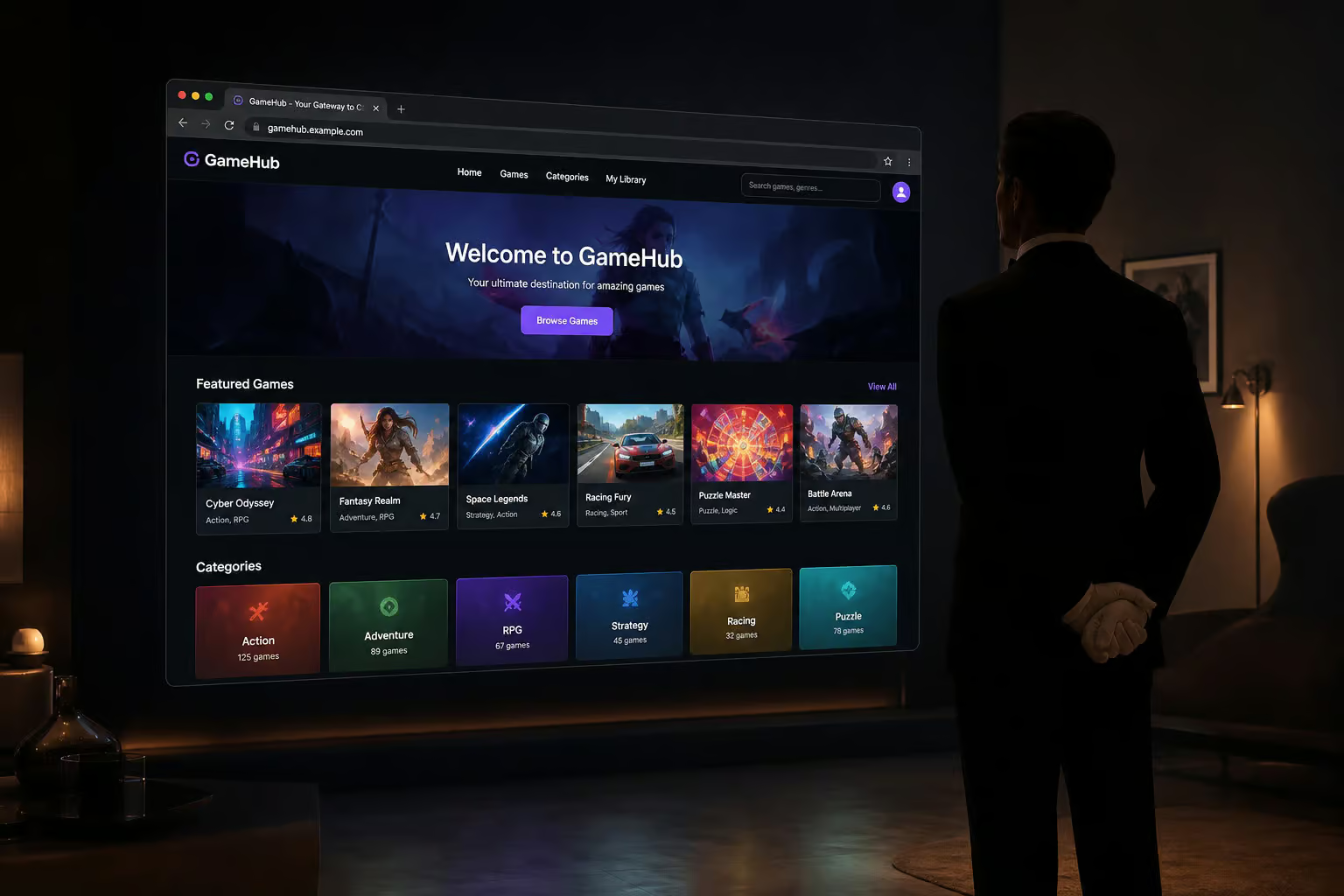
You want to play something with friends. You don’t want to pay, and you don’t want to download another launcher. Good news: there are options, and they’re better than you’d expect. Browser games run directly in your browser, while mobile apps require installation and often demand more from your device’s hardware.
Latency and connection stability can vary between the two — browser games depend heavily on your internet connection and server responsiveness, whereas mobile apps may offer more consistent performance once downloaded. Platforms like Gidd.io and CrazyGames show that browser-based play can be surprisingly reliable, but your mileage may vary depending on your network.
The free social gaming landscape is more fragmented than you might think. Some platforms are truly free—no ads, no subscriptions, no hidden fees. Others are ad-supported with optional upgrades. A few have been running for over twenty years, while Gidd.io launched in December 2021 and offers invite-only rooms, cross-platform play, and an in-game butler named Alfred.
I’ve been digging into five platforms that cover the spectrum: Gidd.io, CrazyGames, Bloob.io, Arkadium, and Pogo. Each one approaches the idea of “free social games” differently—invite-only rooms with a butler, link-sharing shooters, bot fallback when your friends are busy, classic solitaire that shipped with every Windows PC, and a giant library of casual games backed by Electronic Arts. Here’s what I found.
Key Takeaways
Gidd.io launched in December 2021 and includes a named in-game butler (Alfred) that responds to /help commands—a small but thoughtful touch.
Pogo has been running for over 20 years, is owned by Electronic Arts, and offers ad-supported free play with a 7-day ad-free trial and a $6.99/month Club Pogo subscription.
Bloob.io requires no account at all and fills multiplayer lobbies with intelligent bots when your friends aren’t online.
Table of Contents
Gidd.io – A modern social gaming hub with a butler
Gidd.io launched in December 2021, and it’s been quietly building one of the most thoughtful free social gaming experiences I’ve seen. It’s cross-platform—Android, iOS, Windows, Mac—and every game room is invite-only, meaning you control who gets in. No random strangers, no awkward lobbies.
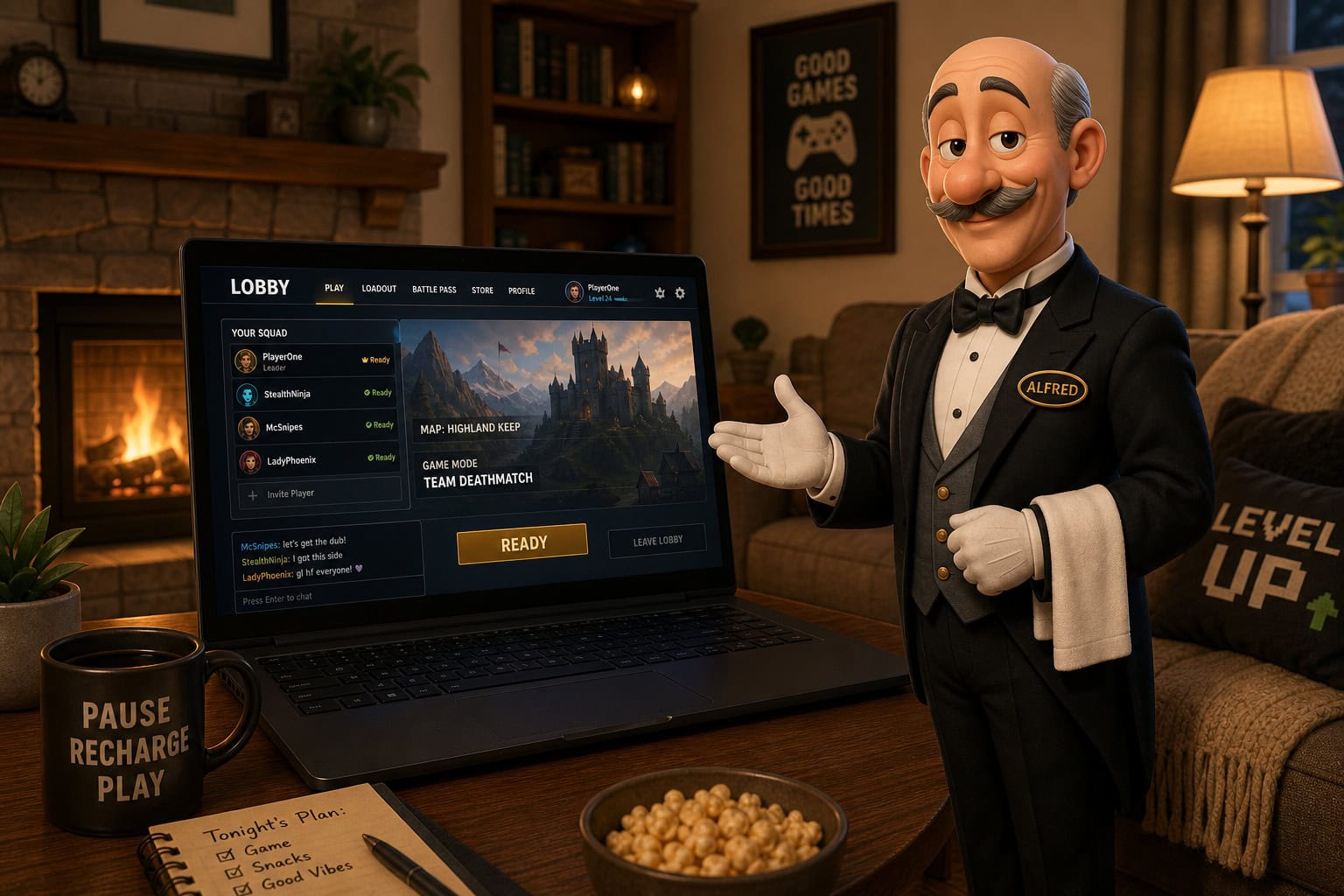
The game library includes Capitalista, Werewolf, Texas Hold’em, Rummy, Yatzi, Categories, Crazy Eights, Guess Drawing, and GeoClash. Capitalista is a classic economy board game where you buy properties, build houses and hotels, and try to avoid bankruptcy. It’s Monopoly-ish but cleaner, and it runs entirely in the browser. Werewolf brings the social deduction classic online: villagers vs. werewolves, deception, debate, and trying to figure out who’s lying before you all get eaten. There’s also Texas Hold’em (two hole cards, five community cards), 13-card Rummy with jokers, Yatzi (three rolls per round), Categories (quick word game), Crazy Eights, Guess Drawing (Pictionary-style), and GeoClash (a geography guessing game like GeoGuessr with competitive scoring).
The standout feature is Alfred. He’s an in-game butler. Type /help in the chat and Alfred responds—he can stop games, access the helpbase, and generally act as a concierge for the room. It’s not a chatbot trying to sell you anything.
It’s a named character who lives in your game room. Kind of elegant.
Gidd.io is community-driven—they have a wiki at gidd.io/docs where you can report errors or give feedback. And because rooms are invite-only, the social safety is baked in from the start. No account required to play, but if you want persistent features you can create one. This is a platform that thought about what makes online game nights work.
CrazyGames – Share a link and start playing
CrazyGames takes the opposite approach to social friction: zero setup. You send a link. Your friend clicks it. You’re playing. That’s it.
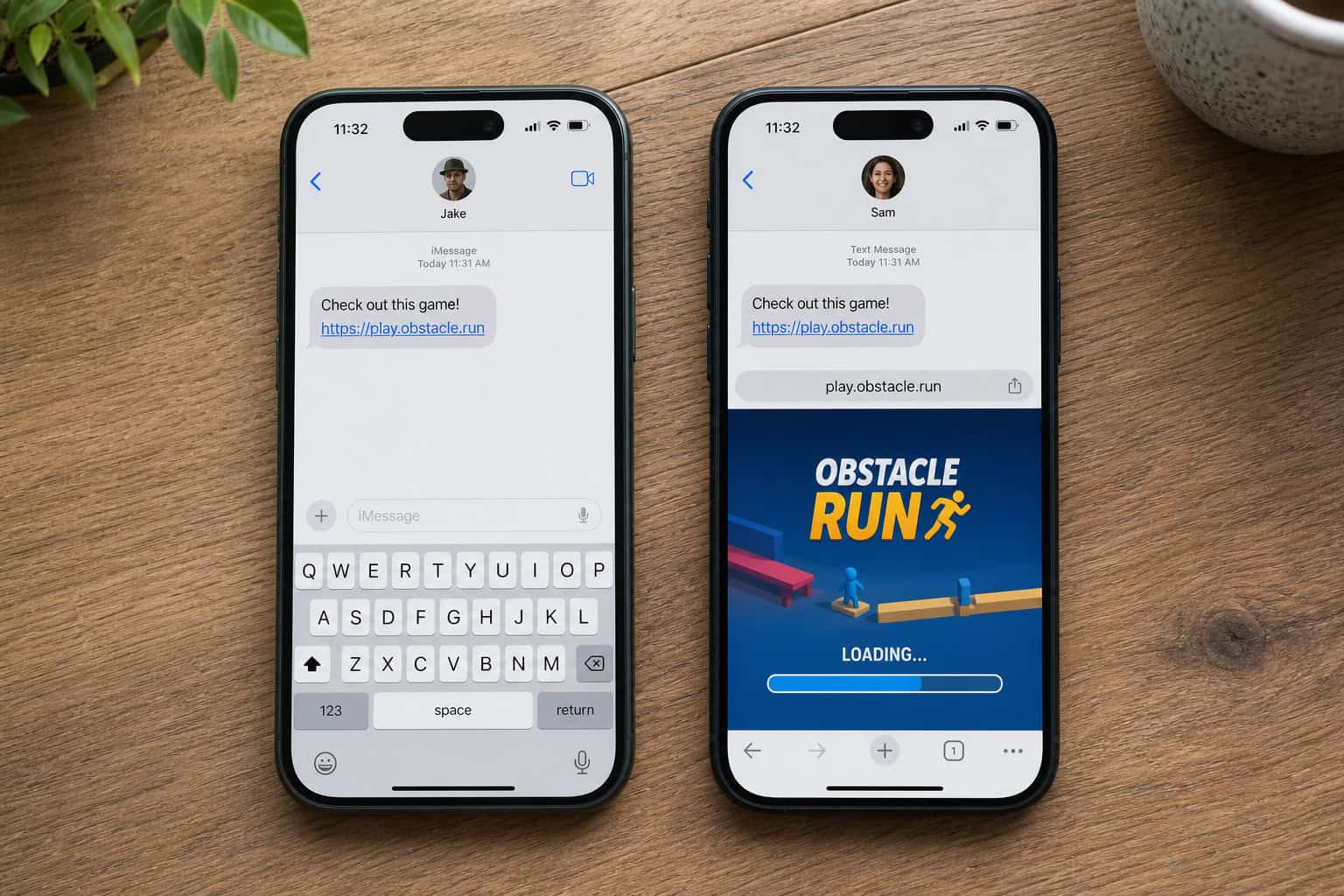
No account, no download, no email verification. It works on any device with a browser—phone, laptop, desktop. There’s even a local offline mode, which is rare for browser games and useful when you’re on a plane or your internet drops.
The game library is surprisingly deep and varied. You can filter by newest, most popular, or top-rated. Let me highlight a few that stood out:
- Smash Karts – Mario Kart-style kart combat in the browser, complete with weapons and chaos.
- Shell Shockers – An egg-themed FPS where you shoot other eggs. It’s as silly as it sounds, and it works.
- Bloxd.io – Minecraft-like block building and survival, playable with friends.
- Hazmob FPS: Online Shooter – Quick mobile-style shooter matches, no download.
- Uno Online – Classic Uno, free, multiplayer.
- TileMan.io – Territory capture where you run to claim tiles—simple and addictive.
- WorldGuesser Free GeoGuessr – A free alternative to GeoGuessr, exploring the world from your browser.
- Racing Limits – Pick a car and hit the track.
- Squid Games – Browser games inspired by the show, including red light green light.
- Openfront – Build and command an army in a strategy game.
- BuildNow GG – Creative building like LEGO in your browser with friends.
- Grow A Garden – Relaxing gardening sim.
- FrontWars.io – Territory war game.
- 8 Ball Pool – Classic pool.
- SkillWarz – Simple multiplayer shooter.
- Miniblox – Block building similar to Bloxd.io.
- Redcoats.io – Historical-themed shooter.
- Mr. Dude: Multiverse Challenge – Jump between worlds and complete tasks.
- Brainrot Arena Online – Chaotic multiplayer fun.
- Poxel.io – Pixel-art territory capture.
The variety is the point. You want an FPS? Shell Shockers. Building game?
Bloxd.io or Miniblox. Racing? Racing Limits. Strategy?
Openfront. It’s not trying to compete with AAA titles, but for a free browser platform, the genre coverage is broad.
Bloob.io – No account, full customization, bot fallback
The biggest bottleneck to social gaming isn’t features—it’s getting everyone to sign up. Bloob.io just doesn’t ask.
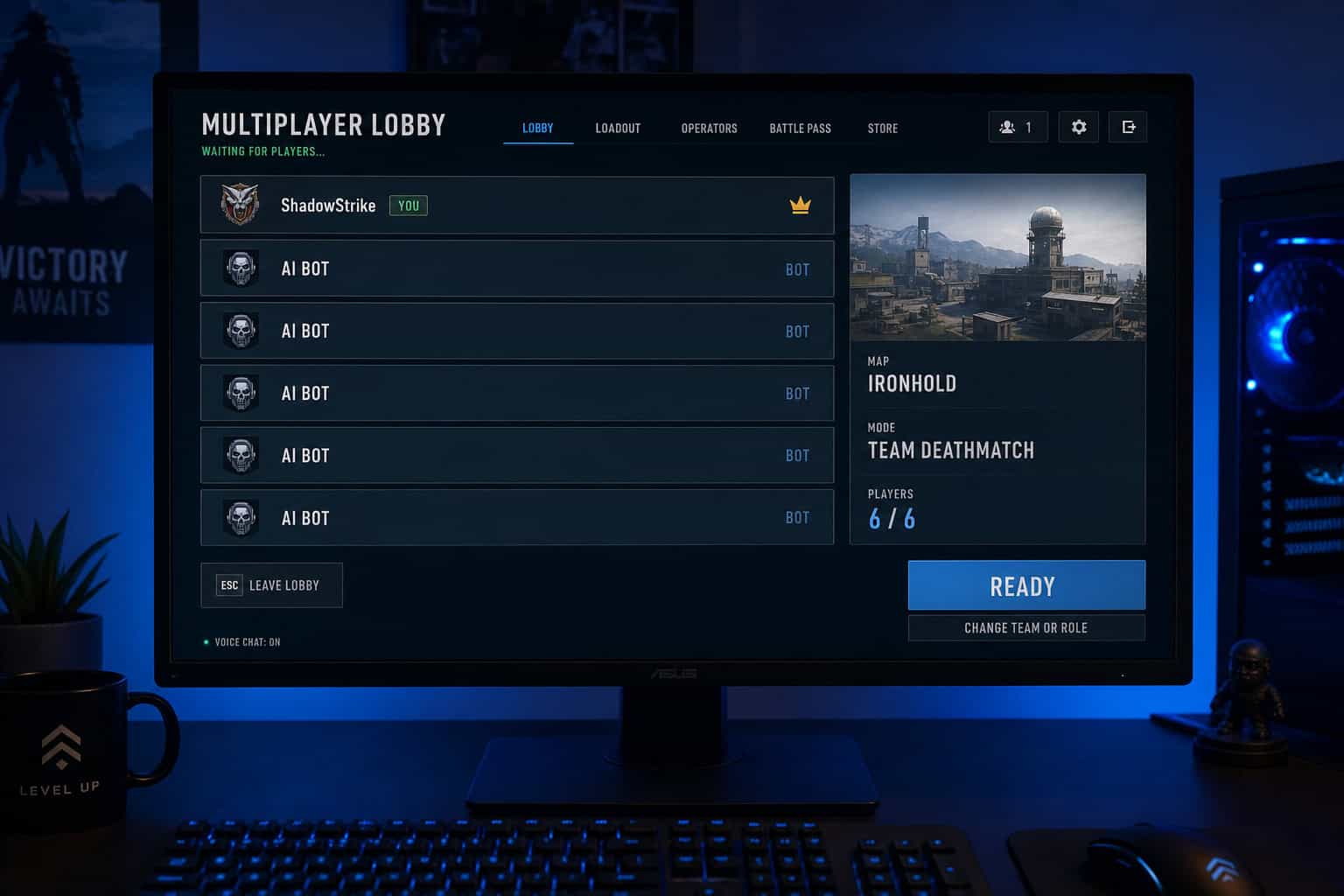
No account required. Click and play. That’s the whole signup flow.
What makes Bloob.io interesting is what happens when your friends are busy. Most multiplayer platforms leave you staring at an empty lobby. Bloob.io has bot fallback: intelligent AI opponents step in when no human players are available. You’re never alone.
It solves the eternal problem—you want to play but your friends aren’t online, so you turn to the definitive list of social games PC for alternatives. Bots fill the gaps, and they’re configurable.
You can adjust difficulty, speed, and bot intelligence. No two games play exactly the same because you can tweak the parameters. It turns a potential disappointment into a feature.
The invitation system is seamless—share a link, and people join without creating accounts. If you want to practice against bots before jumping into multiplayer, that works too. Each game becomes a chance to discover new strategies, all running in the browser, and this approach reflects a broader trend in social gaming that blends digital and physical design to foster genuine connection.
Field note: Bot fallback solves the real problem—empty lobbies. Most platforms leave you stranded when friends are offline; Bloob.io turns that into a practice mode.
Arkadium – The home of classic free games
Remember the solitaire that came with every Windows PC? That was Arkadium. They created the free solitaire suite pre-installed on Microsoft Windows. They’ve been making casual games for a long time, and they bring that legacy to their online platform.
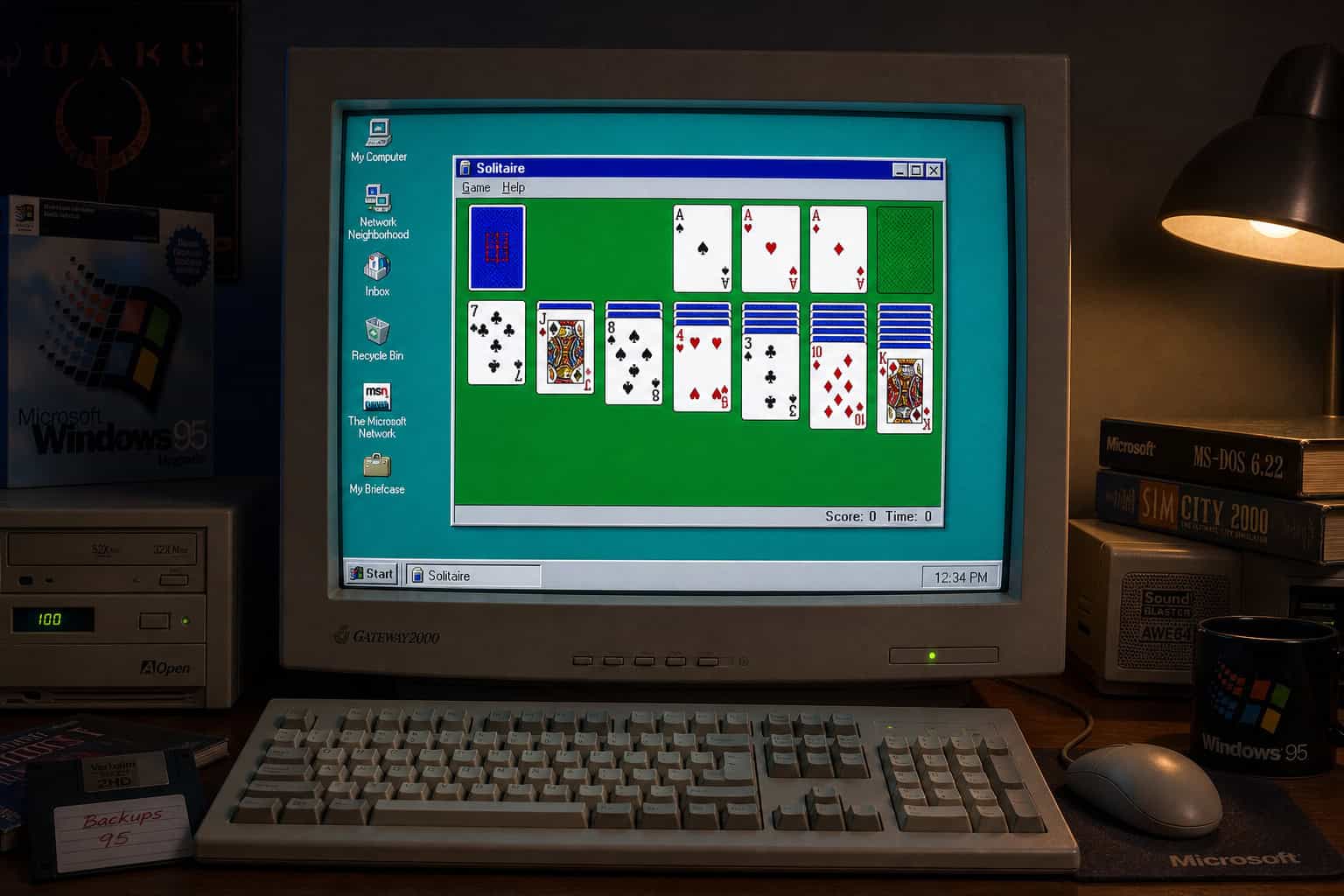
Arkadium’s library leans classic and calming. You’ll find:
- Mahjongg Dimensions – 3D tile matching where you can only click tiles with at least one free side. It adds a spatial twist to the classic format.
- Mahjong Candy and Mahjong Solitaire – More traditional tile-matching puzzles.
- Sudoku – Place numbers 1–9 without repeating in any row, column, or 3×3 box. First appeared in Japan in 1986 and has been a global staple ever since.
- Spider Solitaire – Arrange two full decks (104 cards) in descending order from King to Ace.
- Bubble Shooter – Match three or more same-color bubbles to clear them.
- Free Online Blackjack, Poker, Solitaire, Minesweeper – All classic card and logic games.
Arkadium also makes claims about cognitive and mental health benefits. They state that games can relieve stress and anxiety, and may help with conditions like PTSD, ADHD, and depression by encouraging focus and providing a low-pressure environment. But they explicitly note that these games do not replace in-person social contact or social games. That’s a caveat worth keeping in mind.
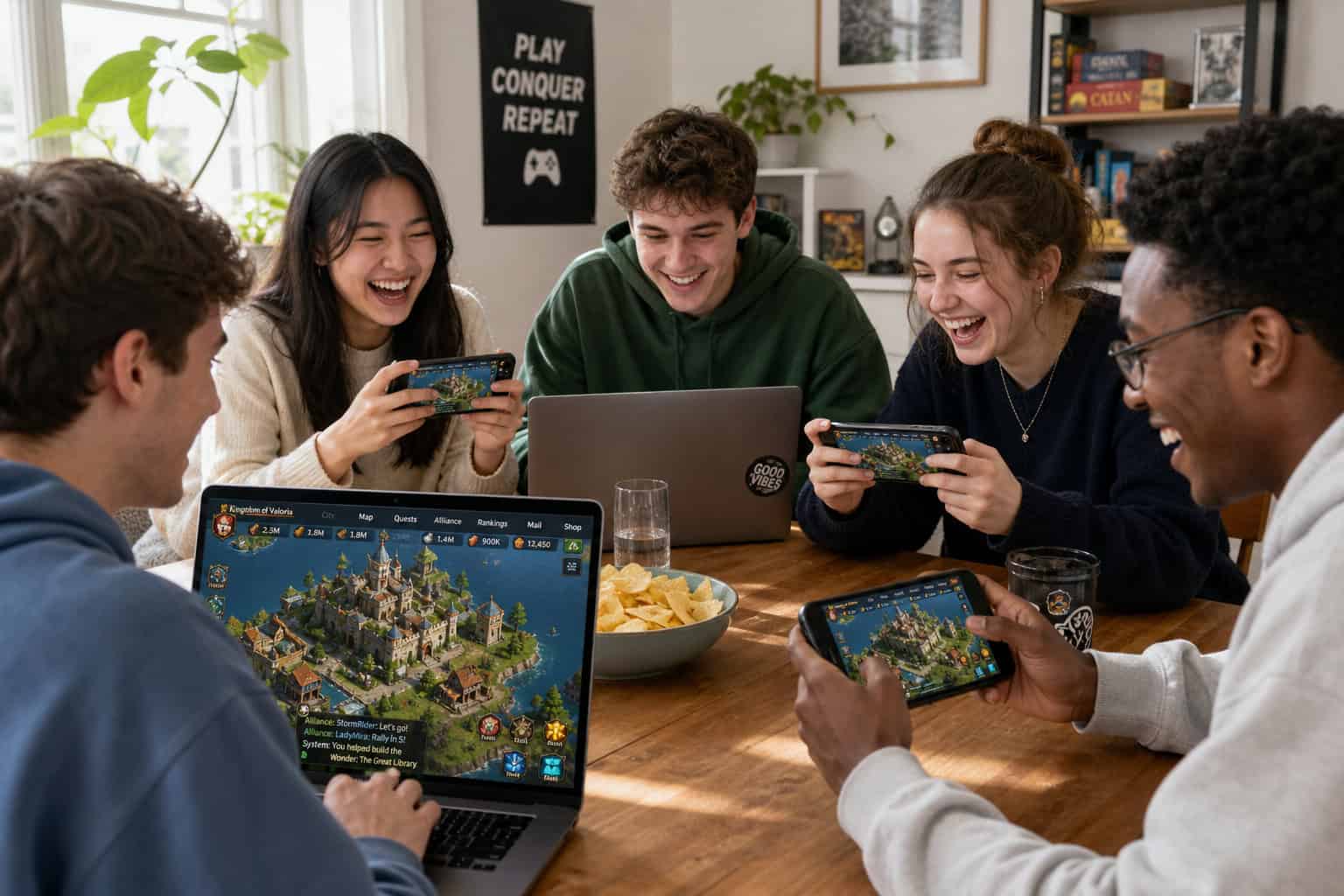
The safety angle is solid—Arkadium’s games are malware-free on reputable sites, and they have a clear privacy policy. If you just want to chill with a familiar puzzle, this is a reliable option.
Pogo – Over 20 years of free social gaming
Pogo has been around for more than 20 years. It’s owned by Electronic Arts Inc., and it shows in its library of over 50 games and HTML5 platform. All games run via HTML5 in the browser—no plugins, no downloads.
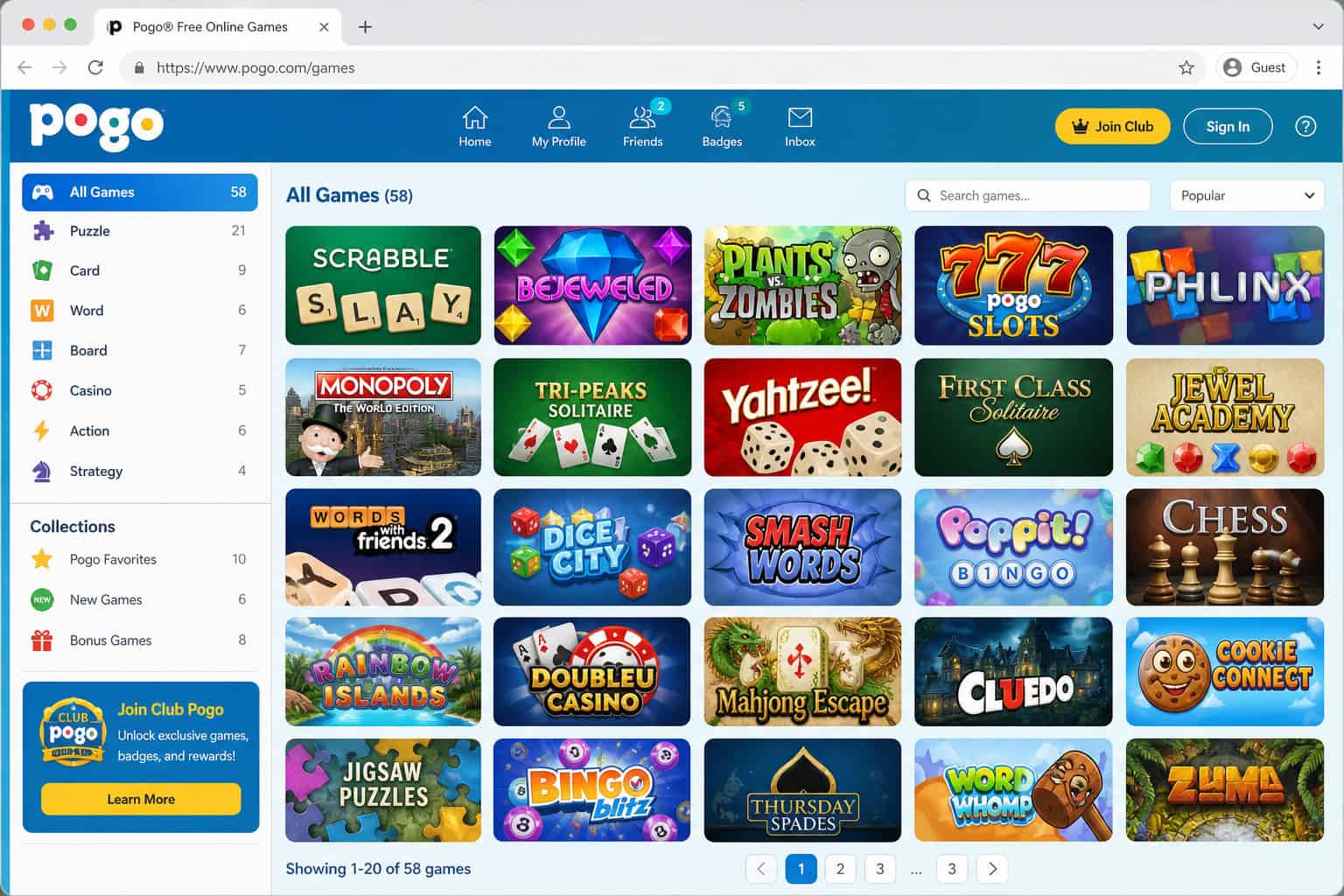
The free model is straightforward: play with ads, or pay for ad-free. New accounts get a 2-day ad-free trial and a 7-day ad-free trial to test it. After that, Club Pogo costs $6.99/month or less for ongoing ad-free play. It’s a freemium model with a 2-day and 7-day ad-free trial, then $6.99/month.
The library includes over 50 games for adults. Here’s a taste by category:
- Word games: SCRABBLE, Word Whomp HD, Crossword Cove HD, Bookworm HD
- Mahjong: Mahjong Safari HD, Mahjong Sanctuary
- Puzzle games: Pogo Daily Sudoku, Matching Moments, Poppit! HD
- Match 3: Bejeweled Stars, Garden Blast
- Merge: Farm Merge Valley
- Board games: Wheel of Fortune: Pogo Edition (yes, the actual game show)
- Card games: Spades HD, Canasta HD, Payday Freecell HD, Aces Up! HD, Solitaire Home Story
- Hidden object: Claire Hart Classic, Claire Hart: Secret in the Shadows
- Multiplayer: various challenges and tournaments
Social features are robust: Challenge Central, All Challenges, My Collection for badges and progress, in-game chat, community forums, and player support.
Privacy is addressed here. Pogo holds TRUSTe and TrustArc certifications, and their Privacy and Cookie Policy (last updated June 30, 2023) is transparent. If you care about where your data goes, Pogo is upfront about it.
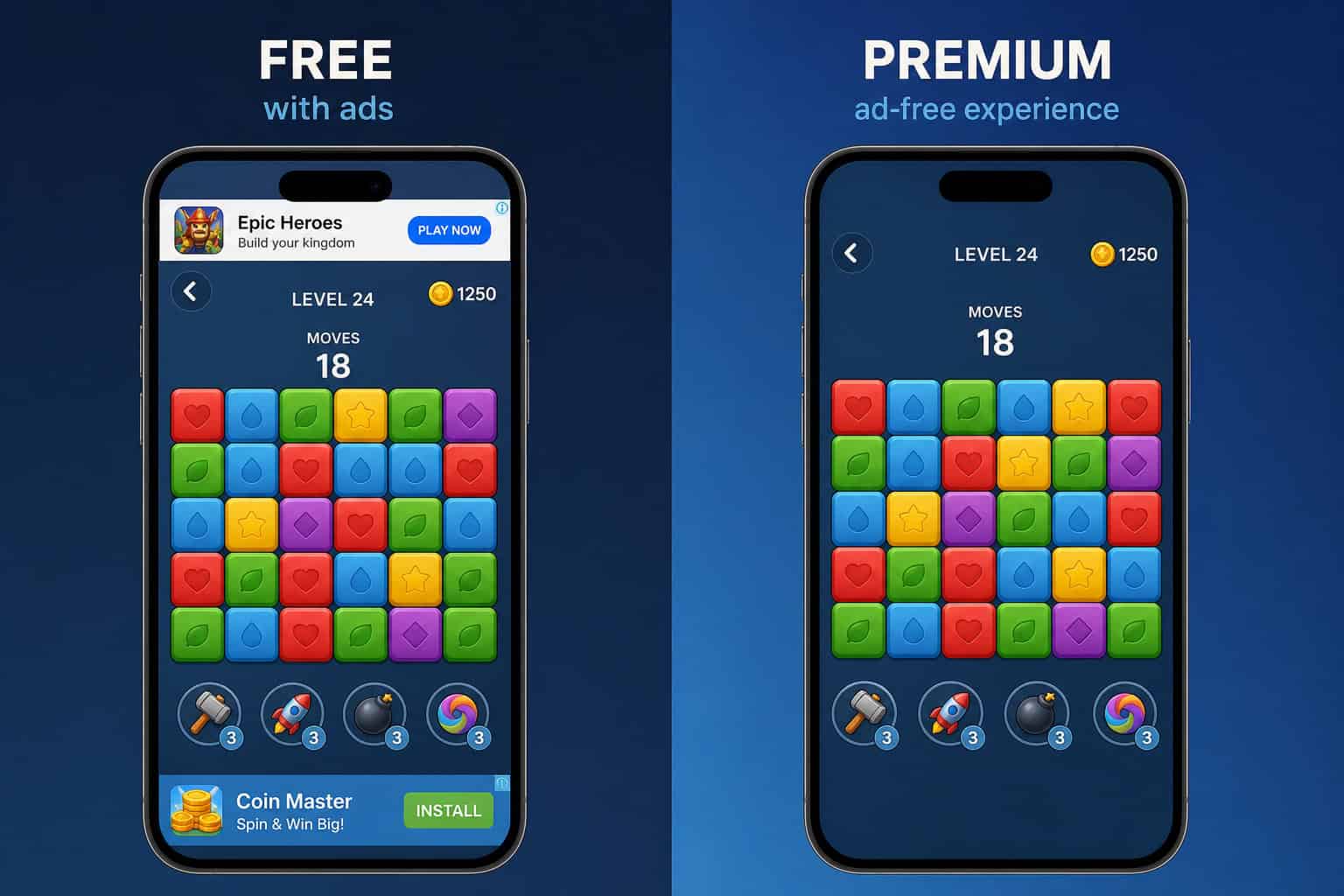
The real cost of “free” – ad-supported vs. truly free
Let’s examine what “free” means on each platform, because it’s not the same thing.
- Gidd.io: Truly free. No ads, no payments mentioned anywhere. Smaller library but focused and polished.
- Bloob.io: Truly free. No account, no payment path. Customizable with bot fallback.
- CrazyGames: Free. Likely ad-supported (standard for browser game portals), but no explicit payment tier mentioned. Huge variety.
- Arkadium: Free, ad-supported. Classic games, trusted legacy.
- Pogo: Free with ads. Two-tier ad-free trial (2-day and 7-day), then Club Pogo at $6.99/month for ad-free play.
The tradeoff: free platforms have smaller libraries and less community infrastructure. Ad-supported platforms like Pogo and Arkadium have more games, more features, and longer histories, but you’ll see ads unless you pay. They’re different business models serving different needs.
Social architecture and privacy tradeoffs
Each platform handles the social connection differently, and those choices affect how private and persistent the experience feels.
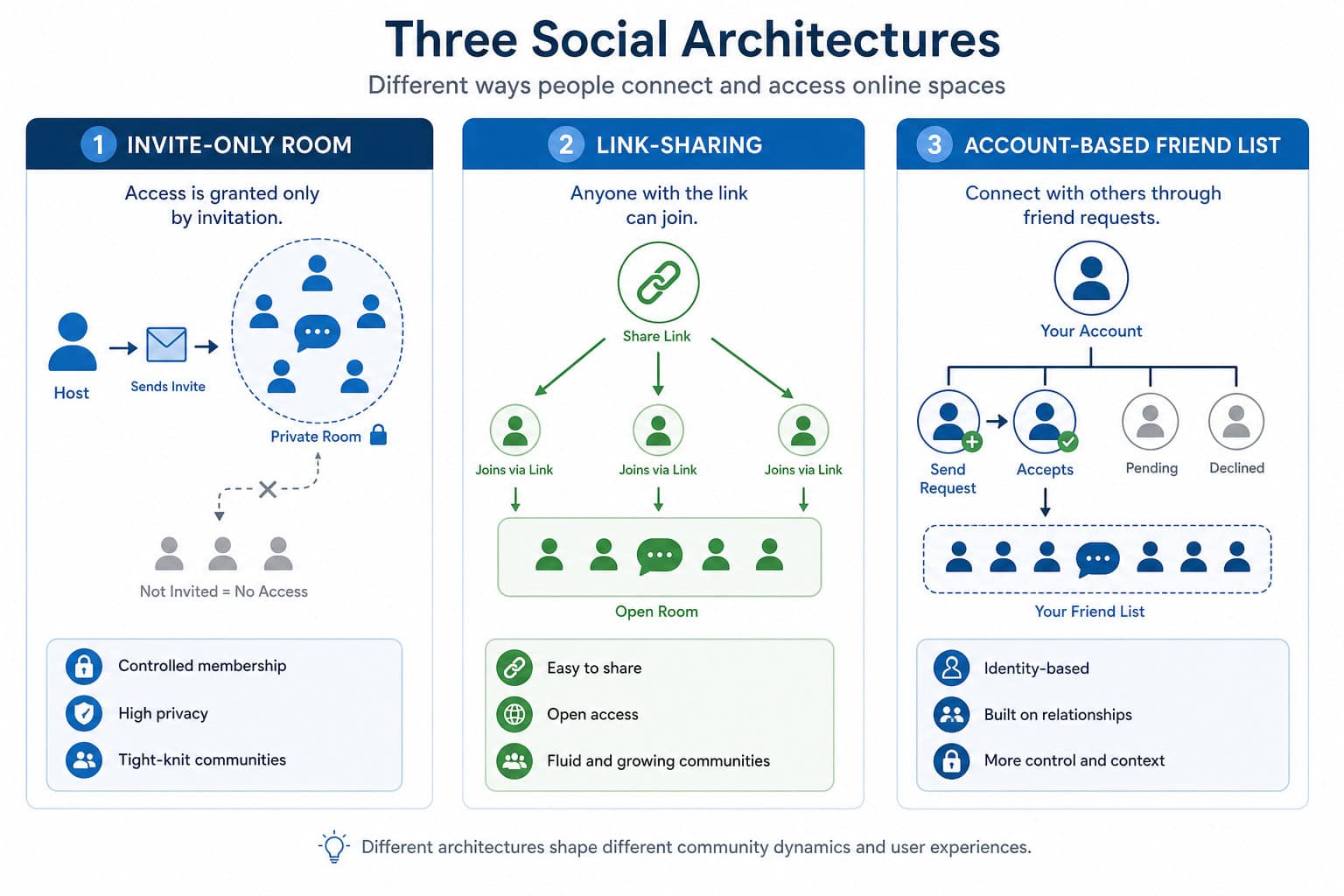
Gidd.io uses invite-only rooms. You choose who plays. It’s like a private game night—Alfred the butler helps manage the room, and there’s no exposure to randoms. Privacy is high, but you need to coordinate invites.
CrazyGames and Bloob.io use link sharing. No account required means instant access, but also no persistent features—no friend lists, no game history, no saved progress. If you want to pick up where you left off, you’ll need to bookmark or remember.
Pogo requires an account for most features. That gives you friend lists, game history, badges, and persistent progress, but it also means personal data is shared with EA. The TRUSTe and TrustArc certifications help, but the tradeoff is real.
Arkadium sits in the middle—free access without mandatory accounts, but less social infrastructure.
The account-vs-no-account question is the core tension. If you want instant play with zero setup, Bloob.io and CrazyGames are your friends. If you want saved progress, friend lists, and a persistent identity, you’ll need an account on Pogo or Gidd.io.
More than a distraction – cognitive and mental health benefits
Arkadium makes the case that games can help with focus and stress—including for clinical conditions like PTSD, ADHD, and depression. Their own documentation emphasizes that games are not a replacement for real-world interaction, which is an important caveat. The idea is that structured, engaging gameplay provides a safe space to practice coping and build mental resilience.
Pogo makes similar claims about their daily Sudoku and Spades: exercising memory, concentration, and strategic thinking. There’s something to the idea that even simple games require more brain power than you’d think—you strategize on the fly, make split-second decisions, and practice losing gracefully.
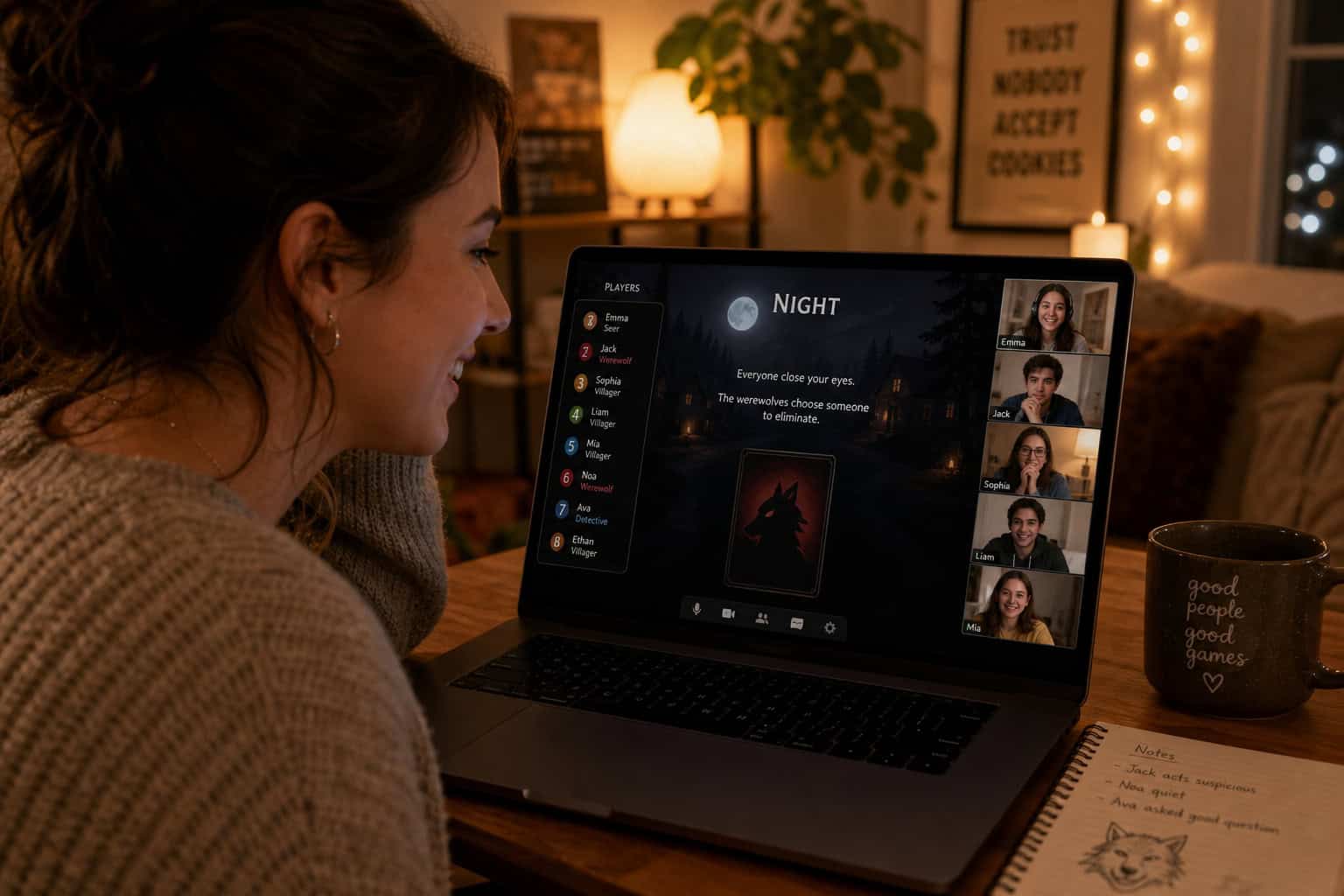
The benefit might be social. Werewolf is literally a game about deception and deduction. That’s a social skill, practiced in a low-stakes environment. Capitalista involves negotiation and resource management. Even solo games like Mahjong Solitaire can lead to community through shared interest forums and challenges.
All five platforms offer an environment for sparking conversations without the usual social anxiety. But none of them claim to replace real-world interaction—they are complementary, not equivalent.
How to choose the right platform for your group
So which one should you try first? It depends on your group.
Ask three questions:
- Do your friends need to create accounts? If you’re playing with people who hate signing up for anything, start with Bloob.io or CrazyGames. No accounts, just links.
- How much are you willing to see ads? If ads break the mood, pick Gidd.io (truly free, no ads) or consider Pogo‘s ad-free trial (7 days free, then $6.99/month).
- What kind of games does your group actually play? Economy board games and social deduction? Gidd.io. FPS and building games? CrazyGames. Classic puzzles and solitaire? Arkadium. Large variety with persistent progress? Pogo.
Quick test: Send a Bloob.io link to your group chat. If nobody clicks, the problem isn’t the platform. If they do, you’re playing in 30 seconds flat.
A contrarian angle: account-free platforms like Bloob.io and CrazyGames may actually offer better social persistence than account-required ones, because they remove the biggest friction point—getting everyone to sign up. You can be in a game within 30 seconds of sharing a link.
The free social gaming space is evolving. These five platforms are a great starting point, but keep an eye out for new ones. The best free social games are not always the obvious ones—explore beyond Uno and 8 Ball Pool to economy sims and social deduction for deeper engagement. You might be surprised what you find.
Frequently Asked Questions
What is Alfred the butler in Gidd.io?
Alfred is an in-game butler that lives in your game room. Type /help in the chat and he responds — he can stop games, pull up the helpbase, and act like a concierge. He’s not a chatbot trying to upsell you; he’s a thoughtful little feature that makes managing private game nights smoother.
Can these games really help with stress or mental health?
Some platforms claim cognitive and mental health benefits. Arkadium states their games can relieve stress and anxiety by encouraging focus in a low-pressure environment, and Pogo says daily Sudoku or Spades exercises memory and strategic thinking. But both explicitly note these games don’t replace real-world social contact — they’re a complement, not a cure.
