I’ve been digging through Public Mobile’s community forums, Trustpilot reviews, and user horror stories for the past few days. The catch isn’t one thing — it’s a dozen small traps, each manageable on its own, but they add up to a carrier that works great if you know exactly what you’re getting into.
Public Mobile is Telus’s prepaid flanker brand — same towers, lower priority, way lower price. The savings are real. But the Trustpilot rating sits at 1.5 out of 5 from over 360 reviews, which is “Bad” by platform standards.
Here’s every downside, with examples from people who lived through them, so you can decide if the savings are worth the risk.
Key Takeaways
Public Mobile’s Trustpilot rating is 1.5/5 from over 360 reviews — worse than Freedom Mobile (1.8) and tied with Lucky Mobile, while Fizz sits at 4.4
Porting times range from 1 hour to 3+ months — a minor data mismatch stalls the automated system with no human to unstick it
The only escalation path for billing disputes is a credit card chargeback — the carrier has no refund policy and no phone support
Table of Contents
Customer support — the self-service wall
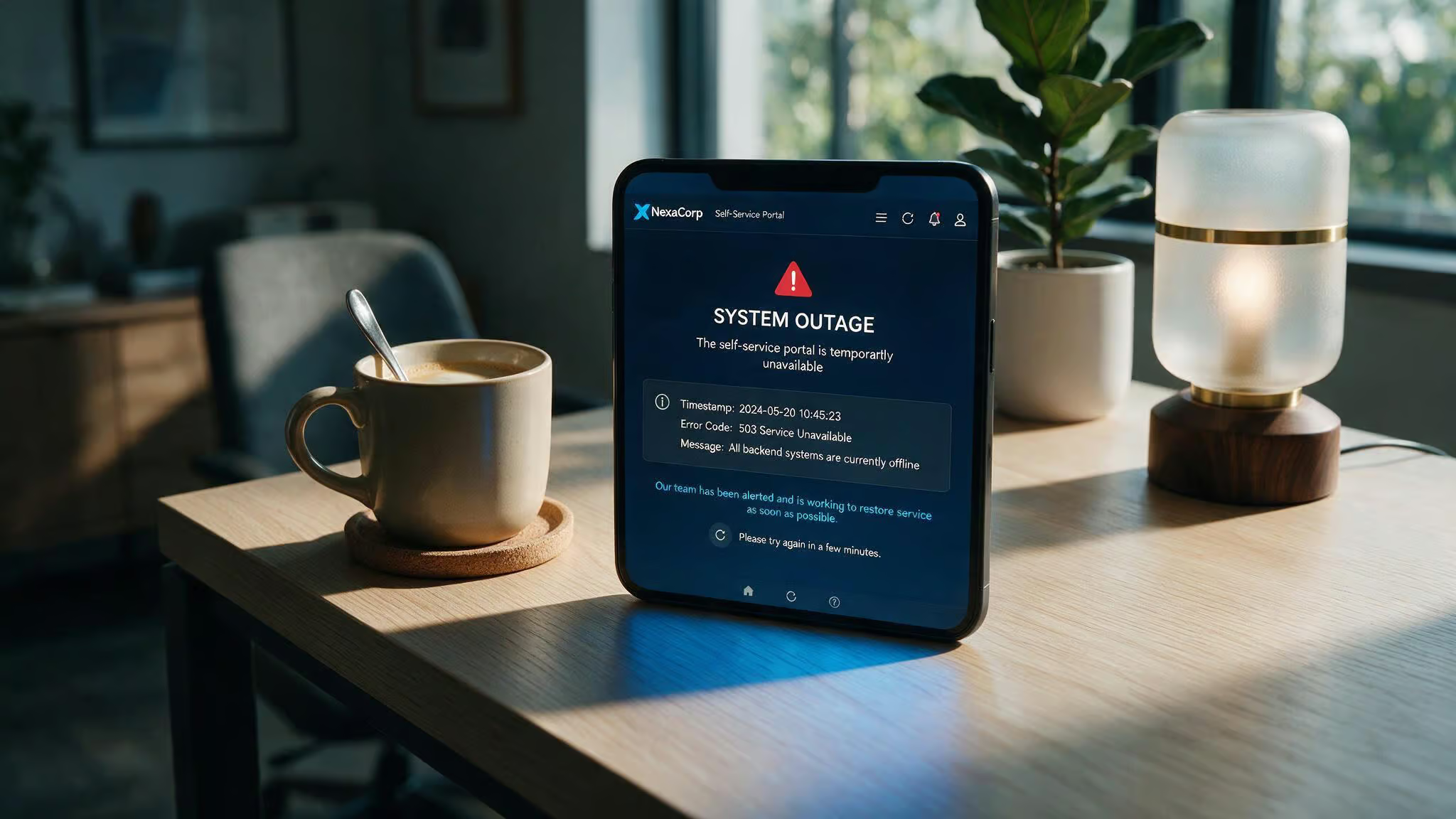
Public Mobile doesn’t have a single phone number you can call. It doesn’t have physical stores. The entire support operation runs on three channels: a community forum moderated by volunteers, an online chat with long response times, and a service ticket system that takes days to respond.

If your account gets disconnected by mistake (which happens), you can’t call anyone. You can’t walk into a store. You post on a forum and wait for a volunteer to respond.
What support channels actually exist?
The community forum is the primary support channel. It’s staffed by volunteer moderators and experienced users, not customer service reps. For routine questions — “what APN should I use?” or “how do I set up voicemail?”, it works fine. But when something goes wrong, volunteers can’t process refunds, fix billing bugs, or unstick a stalled port.
The online chat exists, but users report long response times. It can take hours to get a response, and the answers are often canned or automated. The service ticket system has similar turnaround times — measured in days, not minutes.
Real-world examples of support failures
Leo Denis’s review describes losing his phone number for three months. A tower near him wasn’t repaired. His account got cut off for calling support “stupid.” And when he tried to leave, he was hit with a $40 port-out fee.
User Brandon reported service stopped for four days. The chat was slow, and support couldn’t do a transfer. After four days, they offered him a $5 eSIM credit as compensation.
User N Sarah reported eSIM incompatibility with no refund. Public Mobile’s response: no refund, but you can try a credit card chargeback. The carrier told her to fight with her bank instead of helping.
User SC CA 7 reported daughter unable to make or receive calls. The SIM cards they ordered never arrived — after six months. The nearest Public Mobile store was four hours away.
User Lee CA 14 reported a billing dispute after cancellation. Support was condescending and unhelpful, and their recommendation was to initiate a credit card dispute.
Why the community forum isn’t a replacement
The forum is useful for quick tips and APN settings. Some users — like wetcoaster, found it more helpful than their previous carrier’s call center. But it’s disorganized, full of repetitive threads, and useless for urgent problems. If your service cuts out on a Friday evening, you’re posting and waiting. There’s no SLA, no guaranteed response time, and no one with account-access privileges who can fix things on the spot.
A common failure pattern: the user pays on time, the system disconnects them anyway, and the only escalation path is a chargeback that takes weeks.
Billing and financial pitfalls
Public Mobile’s billing system has a set of failure modes that keep showing up in user reports. It’s not one bug — it’s a pattern.
Types of billing errors reported
User Dale Craig, a 7-year customer, was disconnected 4 hours after paying. He paid his bill, and four hours later his service was disconnected anyway. They also took an extra $30. Seven years of loyalty bought him nothing.
User Greg Blonsky CA 2 reported data limit halved after sign-up. After he activated, his data limit was cut in half. That’s the kind of bait-and-switch that’s hard to prove and harder to dispute.
Other users report unauthorized charges, double billing, and system errors that cause payment declines even when the account has sufficient funds. When you switch providers, your account access gets revoked, which makes it harder to dispute any final billing issues.
The no-refund policy and its consequences
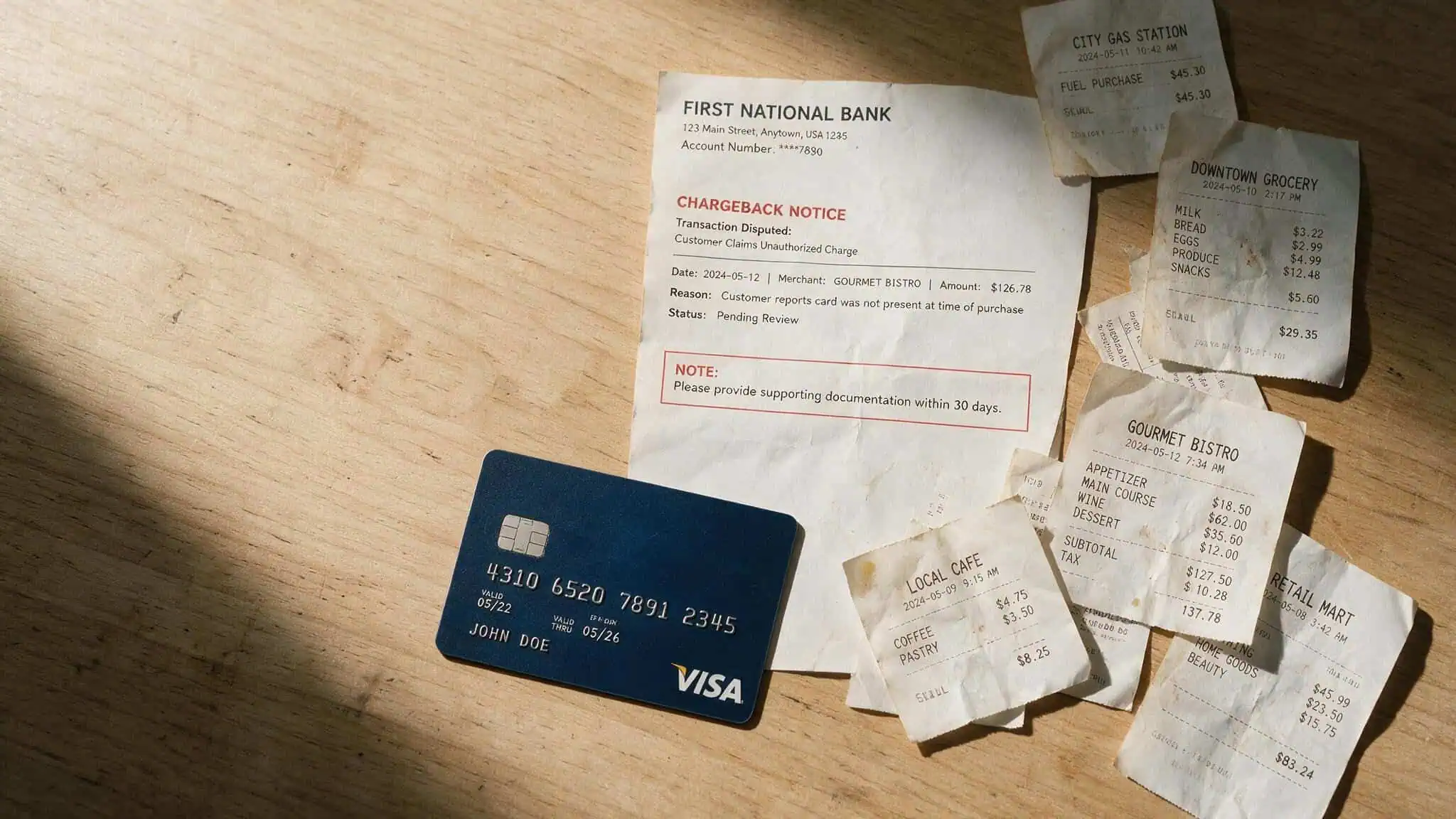
Public Mobile’s refund policy is simple: there isn’t one. If a plan doesn’t work with your device, if the eSIM is incompatible, if the service doesn’t work in your area — you don’t get your money back. The recommended path is a credit card chargeback, which takes weeks and may not succeed.
N Sarah’s case is the textbook example. eSIM incompatibility, no refund, chargeback recommended. That’s the carrier saying “we can’t help you.”
How to protect yourself
The user community has developed workarounds. Pay with vouchers instead of credit cards to remove the billing dispute vector. Monitor your account regularly — don’t assume auto-pay works correctly. Keep records of all payments, screenshots of plan details, and any support interactions. And be aware of the $40 port-out fee before you decide to leave.
Porting and number transfer — a gamble
Porting your number to or from Public Mobile is unpredictably broken. The range of reported porting times is absurd: one hour, four days, seventy hours, three months. You can’t predict which experience you’ll get.
The range of porting experiences
DebbieWK’s port from Fido took one hour. User LovingTeddy’s port from Freedom Mobile took four days. That’s a long time to be without your number. User wetcoaster’s 70-hour porting delay due to previous provider CSR error, which stalled the automated system.
User Leo Denis lost phone number for 3 months. Three months without your phone number.
Why porting fails — the account detail mismatch
The mechanism is simple. Porting relies on matching account details between the old and new carrier. A middle initial omitted, a wrong address field, a slightly different name spelling — any mismatch stalls the automated system. And there’s no human at either carrier who can fix it in real time. The user is stuck.
The $40 port-out fee and difficulty returning
There’s a $40 fee to port your number in. That’s on top of whatever you pay for your first plan. And if you leave and want to come back with the same number, porting back is a known pain point. LovingTeddy tried returning to Public Mobile after switching to Chatr and couldn’t get the same number back.
Network performance — deprioritization and variability
This is the split reality: Public Mobile uses Telus towers, and the speeds can be impressive. MobileSyrup’s reviewer hit over 150Mbps on 5G during their Hamilton-Toronto GO train commute, with speeds occasionally hitting the 250Mbps cap. To understand how we got here, it’s worth asking who owns Public Mobile? Trips to Newmarket and Orillia also performed well.
But there’s a catch.
What the network actually delivers
In urban Ontario, Public Mobile performs well. The MobileSyrup Public Mobile review showed strong 5G speeds, reliable coverage on commuter routes, and solid performance in the GTA. For a lot of people in major cities, the network will work great.
Where the network fails
User Abe Thiessen’s Canada US Mexico plan had no service in Mexico until last day.
Leo Denis had a tower near him that wasn’t repaired. The network problem persisted because there was no escalation path to get it fixed.
User TC reported older phone cannot send/receive pictures/group texts, and it was the second time in two months that calls stopped working.
Brandon’s service stopped for four days.
SC CA 7’s daughter couldn’t make or receive calls.
Dropped calls and missing texts are recurring themes across Trustpilot reviews.
Deprioritization explained
Public Mobile customers share Telus towers with Telus-branded customers, but at lower priority. During peak commute hours, you might have full signal but data crawls, or calls drop. Users who switch from Telus proper to Public Mobile notice the difference — the same tower, same bars, but the data slot is lower priority, which is why so many are asking: what is happening with Public Mobile?
The workaround: some users use VoIP apps like Hangouts for calls because throttled data can still carry lower-bandwidth voice.
Plan and feature gaps
Beyond the support and network issues, Public Mobile has plan-level limitations that aren’t obvious from the marketing page.
BYOD and device financing
Public Mobile doesn’t sell phones. You bring your own device. No financing, no subsidies, no carrier-locked discounts. That’s fine if you already have a phone you like or buy unlocked devices. But if you’re used to getting a “free” phone with a two-year contract, this is a different model.
International calling and roaming limitations
The list of countries you can call is very limited. User MEU_21 cited this as main reason for not porting other numbers — they use VoIP instead.
Roaming works on some plans and requires add-ons on others. US roaming is included in some Can-US-Mex plans, but you need to check the fine print. And there’s a risk that you won’t be able to receive text messages abroad, which is a problem for banking 2FA codes.
There are also provincial boundary issues. Traveling to another province might require a data add-on. There’s a risk your phone will latch onto a tower in a neighboring province, which could trigger plan changes or extra charges. User WearySky noted PM may change plan based on actual location — so if you live near a provincial border, watch out.
eSIM and RCS compatibility issues
eSIM isn’t supported on all plans. N Sarah discovered this after purchase, got no refund, and was told to try a credit card chargeback. If you have an eSIM-only phone, verify compatibility before you sign up.
RCS reliability is spotty after switching. MobileSyrup’s reviewer had RCS problems between their Pixel and their wife’s iPhone on Koodo. If you rely on RCS for messaging, this might be an issue.
APN setup is required for data and MMS. The signup process is user-controlled, which means you can make mistakes.
Data limits and plan comparisons
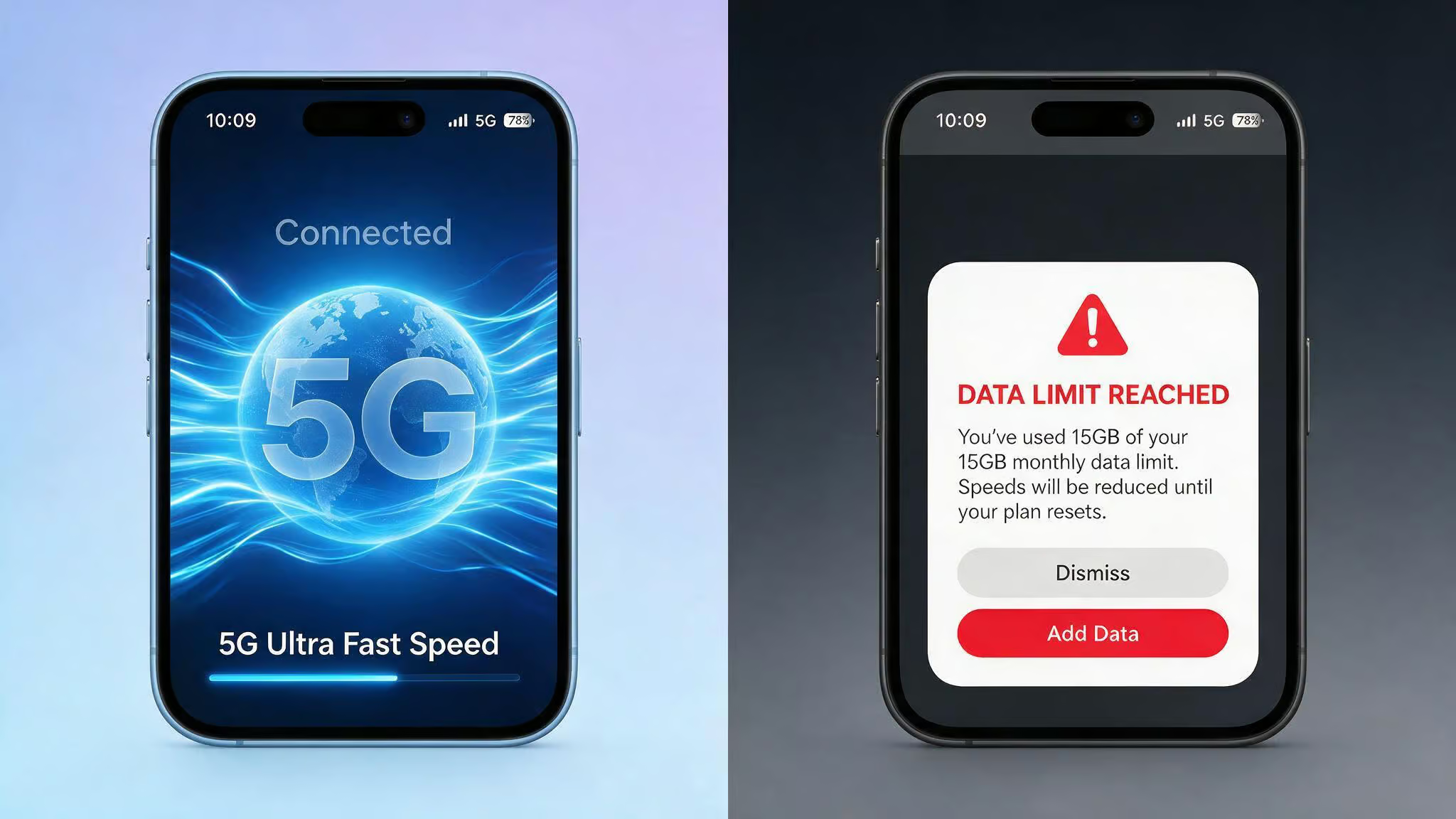
Some of the plans are bad value. The $55/4GB LTE plan is expensive per gigabyte — probably an older plan that hasn’t been updated. The $35/75GB 5G Can-US-Mex plan is the headline deal, but it’s a promotional offer. The $65/month 90-day 12GB plan works well for people with asymmetric usage, variable month-to-month data needs, but it’s still expensive compared to other prepaid options.
Quebec and Manitoba get better deals than the rest of Canada. This creates a persistent sense of “plan envy” for customers in other provinces.
Self-service and technical barriers
Managing your account on Public Mobile is a technical challenge. The self-service portal has reliability issues.
The unreliable self-service portal
User LovingTeddy described the self-service portal as never reliable. Login difficulties and inability to access account information are common complaints. System problems cause payment declines or data loss. And when the portal fails, there’s no alternative channel — no store, no phone number, no human to call.
Technical setup requirements
You need to set up APNs yourself for data and MMS. The signup process is user-controlled, which means mistakes can happen. Some community members note that this forces users to become more technically savvy, which some see as a hidden benefit. But if you don’t know what an APN is, this carrier is going to be frustrating.
It’s a DIY carrier that requires you to be comfortable with technical configuration and troubleshooting.
Rewards program — the slow erosion
Public Mobile has a rewards program that offers points for referrals, auto-pay, and loyalty. It was a differentiator when it launched. But recent changes have frustrated many long-time customers. The value of rewards has decreased over time. The program that brought you in may not be as good a year from now.
Workarounds — how power users cope
The experienced Public Mobile user base has developed compensatory behaviors.
Spare SIMs and device backup
User Garry keeps two extra SIMs in case of phone loss. There’s no store to walk into for a replacement SIM — SIM fulfillment can take months (SC CA 7 waited six months). If you lose your phone, you’re stranded without a backup plan.
Keeping extra SIMs is like having a spare tire for your digital identity.
VoIP and alternative calling apps
User Garry uses Hangouts for calls instead of the default Phone app. VoIP apps work because throttled data can carry lower-bandwidth voice. This compensates for data deprioritization during congestion.
Other users recommend VoIP and messaging apps as workarounds for the network’s reliability gaps.
Payment strategies and community resources
Pay with vouchers to avoid credit card billing disputes. Monitor your account regularly. Keep records of everything.
The community forum can provide faster support than the official channels for routine issues. Some users found it more helpful than their previous carrier’s call center. For APN settings, quick troubleshooting, and plan questions, the forum is good.
Who should (and shouldn’t) choose Public Mobile
After going through all of this — the support failures, the billing bugs, the porting nightmares, the network variability, here’s my take.
Good fit for: Tech-savvy, value-focused Canadians who already have a smartphone, are comfortable with self-service, can tolerate the risks, and have a backup phone and SIM. If you know what an APN is, you’re comfortable with VoIP workarounds, and you can handle the idea of a credit card chargeback being your only escalation path, the savings are real.
Bad fit for: Non-tech-savvy users. Heavy data users. Business users who need phone support. Anyone who travels to Mexico and needs consistent roaming.
Seniors who might need help. Anyone who can’t afford to be without their phone number for weeks. Anyone who wants to walk into a store and talk to a human.
Final recommendation: The savings are real. The $35/75GB 5G Can-US-Mex plan is competitive. But go in with eyes open. Have a backup plan — spare SIM, VoIP app, voucher payment method.
Know the workarounds. Don’t expect support to save you if something goes wrong.
Public Mobile is like a janky open-source project that works if you know the configuration steps and have backups ready.
Frequently Asked Questions
How does Public Mobile compare to competitors?
Public Mobile’s Trustpilot rating is 1.5 out of 5 — worse than Freedom Mobile at 1.8 and tied with Lucky Mobile, while Fizz sits at 4.4. The network uses Telus towers so speeds can be impressive in urban areas, but you’re deprioritized during congestion, and the complete lack of phone support or stores puts it in a different category from carriers that offer human help.