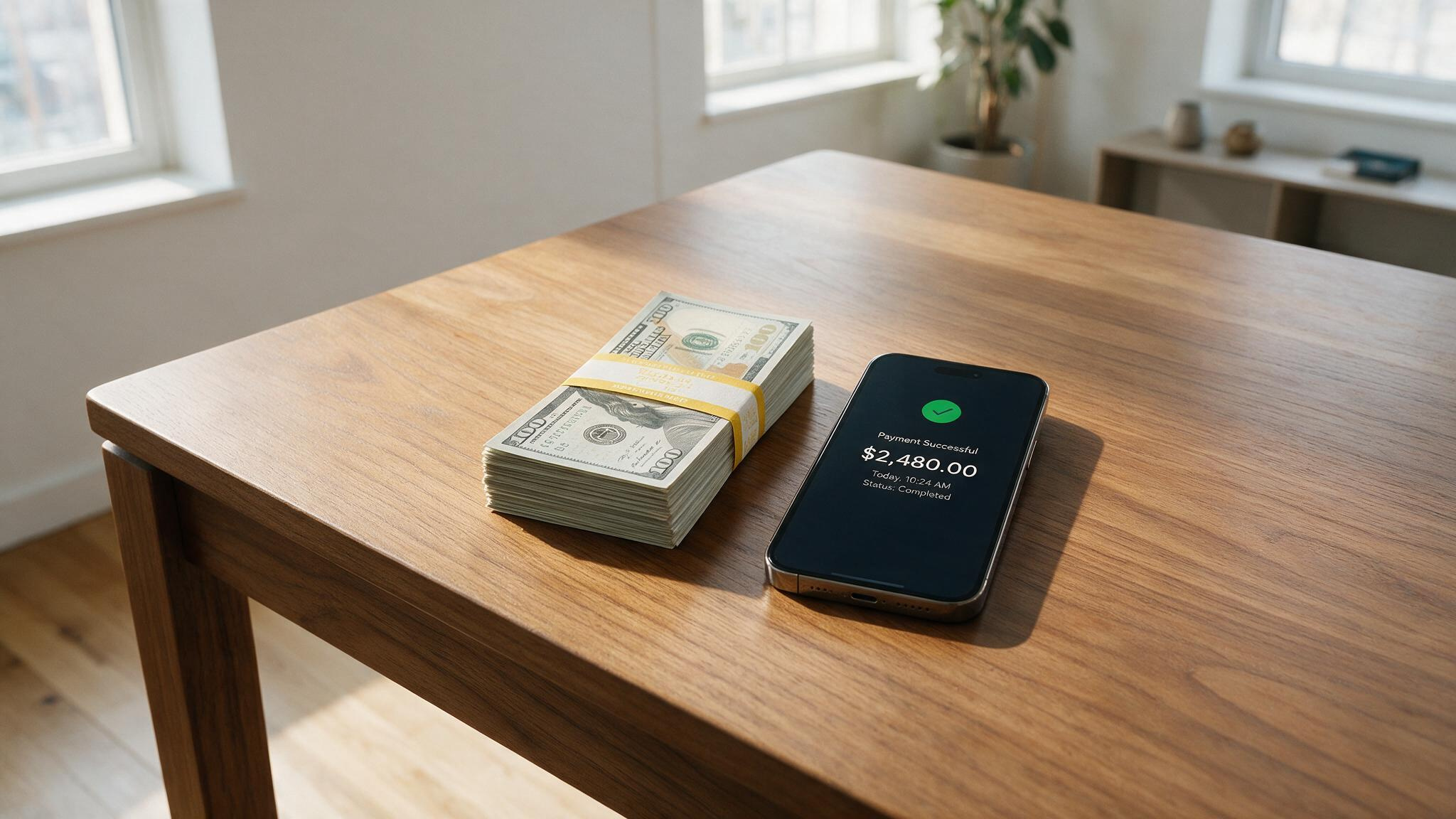
Let’s start with the math because that’s where the hype usually falls apart. $100 a day works out to $3,000 a month if you’re grinding every calendar day, or $2,000 if you only treat weekdays as earn days. Either way, that’s $36,000 a year from a side hustle — enough to cover rent, kill debt, or fund a quit-my-job experiment. That target of $100 per day is the benchmark we’ll measure every method against.
But here’s the reality check: according to recent data, 4 in 10 Americans already have some kind of side income. The average earner pulls in about $530 a month. The median — that’s the number in the middle of the pack, is just $200 a month. So the gap between “I have a side hustle” and “I clear $3,000 a month” is real, and it’s wide.
This article is about bridging that gap. Not by pretending it’s easy — it’s not. And not by selling you a course. It’s by laying out the specific methods, the actual numbers you need to hit $100 a day, and the tradeoffs that nobody puts in the YouTube description.
I’ve been through this grinder myself. My first Google AdSense payout took three months of writing before I saw a single dollar. My first freelance writing gig paid $150 per article, and I remember thinking this is either a fluke or a career. Turns out it was both. The point is: $100 a day is realistic, but the path depends on how fast you need the money, what skills you already have, and whether you’re willing to trade time for cash or build something that keeps paying after you stop.
Key Takeaways
The fastest documented path to your first $100 is user testing: tests on UserTesting.com pay $4–$60 each, take 5–20 minutes, and you can earn $100 in a single weekend if you qualify for multiple tests.
The median side hustler earns $200 a month — you’re aiming for 15× that, so most methods require 60–90 days of consistent effort to reach a reliable $100/day.
Every method falls into one of two buckets: trading time for money (gigs, freelancing) or building an asset that decouples income from hours (blog, app, course). The second bucket has a longer ramp but a higher ceiling.
Table of Contents
The Fastest Paths to Your First $100
If you need money today — or this weekend, the options are surprisingly concrete. Forget the “start a blog” advice for now. You want cash, fast.
User testing
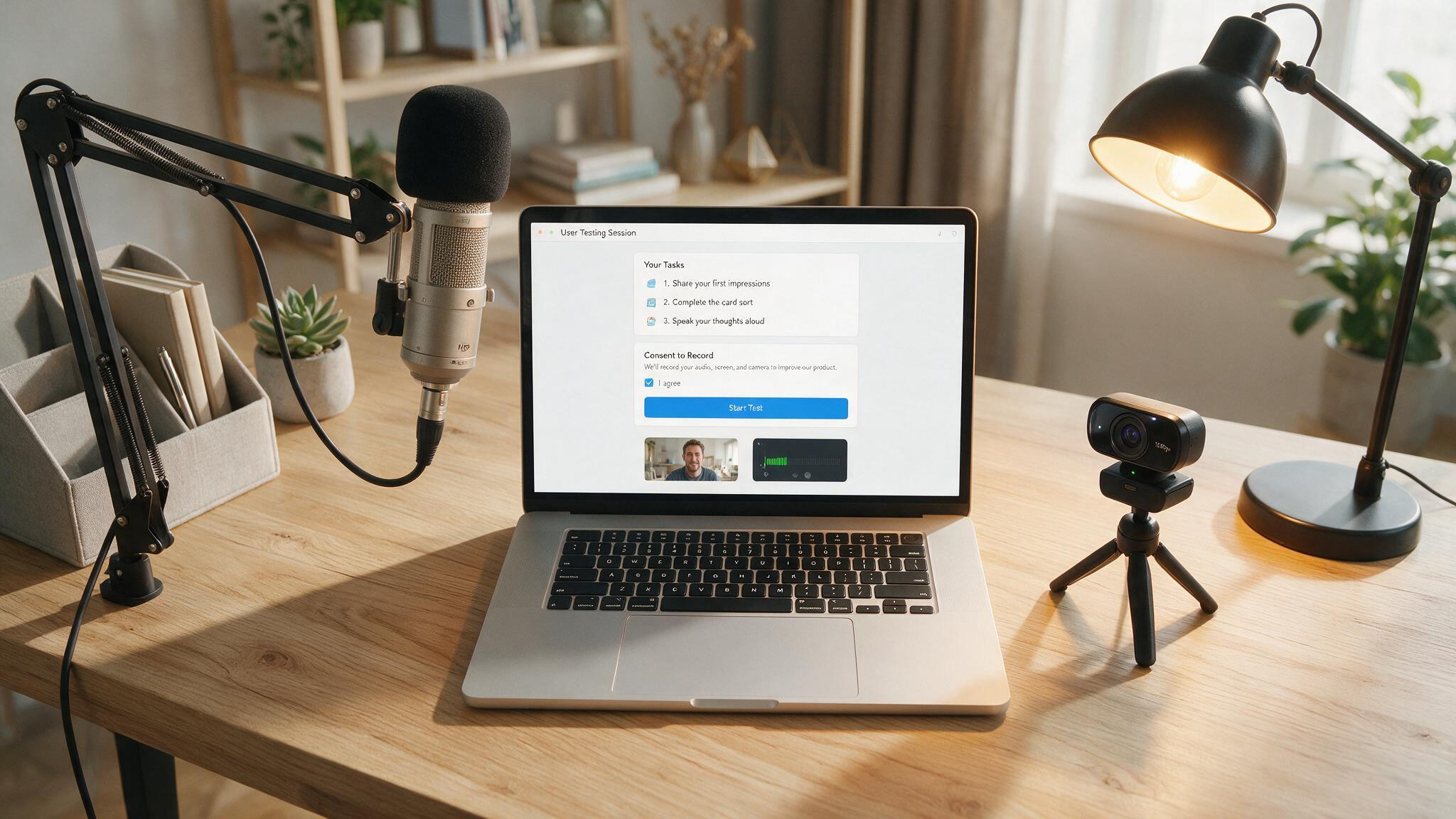
UserTesting.com pays you to record your screen and voice while you test websites and apps. Each test pays between $4 and $60, and most take 5–20 minutes. The catch: you have to qualify for tests, and not everyone gets invited to the high-paying ones. But if you can grab two or three tests over a weekend and hit that $60 sweet spot, you’re looking at $100 in a matter of hours.
Payment hits PayPal 14 days after completion. You just need to be 18+. UserTesting is the single fastest path to your first $100 that I’ve found — it’s not guaranteed income, but the hourly rate blows surveys out of the water.
Freelance writing
Upwork and Fiverr are the standard starting points. Rates range from $15 an hour to well over $150. My first freelance writing payment was $150 for a single article — not a fluke, but also not the starting rate for most people. To hit $100 a day, you need 2–3 short articles at $40–$50 each, or one longer piece from a client who pays better.
First paycheck can land in 48–72 hours if you pitch aggressively. Upwork hourly contracts have a weekly billing cycle with a 10-day hold; fixed-price contracts wait five days after a milestone. It’s not instant, but it’s fast.
Selling used items
Poshmark, Mercari, and eBay can convert your closet into $100 within a week. Clothing, electronics, household items — things you already own. The key is honest condition. ThredUp checks for pilling, fading, stains, and missing buttons, so don’t try to pass off a sweater that’s been through a washing machine war. Price competitively, take good photos, and you’re done.
Micro-Tasks and Quick Cash (Low Ceiling, Fast Start)
These are the methods people search for first: surveys, mystery shopping, gift cards. The honest take is that they’re easy to start but they won’t get you to $100 a day alone.
Online surveys from Swagbucks, Survey Junkie, Prolific, Ipsos iSay, and Branded Surveys pay $0.50 to $5 per survey. The hourly rate typically lands between $3 and $5 — most survey work pays $3-5/hour. You can stack multiple platforms. Prolific and CloudResearch are the Reddit-approved picks for reliability, but you’re never going to hit $100 a day this way. To earn $100 from surveys at $3/hour, you’d need over 33 hours of work, that’s a full workweek for $100. Think of surveys as beer money with a very low cap.
Mystery shopping through BestMark pays monthly and requires you to be 18+ — BestMark age requirement: 18+. Selling unused gift cards on CardCash gets you up to 92% of the card’s value. Selling precious metals (gold, silver) requires knowledge and can have high margins, but it’s not for beginners.
UserTesting is the real outlier in this group — it pays far better and is technically a research platform, not a survey mill. If you can get on it, do it. Everything else in this section is a supplement, not a primary income stream.
The Main Event: Methods That Can Actually Hit $100/Day
Now we’re in the territory where the math works. Each method below has a concrete path to $100 a day, with numbers you can actually plan around. I’ve ordered them roughly from lower-effort entry to higher-leverage assets.
Print-on-Demand (POD)
Design once, sell forever. You upload a design to Printify or Amazon Merch, and the platform handles printing, packing, and shipping. You never touch inventory. To hit $100 a day, you need to sell 5–10 items at $25–$40 with a 30–40% margin — that’s about $200–$400 in revenue with ~$70–$160 profit.
The easiest launchpad is Etsy, with 31.7 million active buyers. Drive traffic from Pinterest and TikTok. The catch: print-on-demand is saturated on Etsy. Reddit’s advice is to lean toward customizable physical goods — personalized jewelry, where margins are better and competition is lower. Still, thousands of merchants make $100+ a day this way.
Freelance Writing
Already covered the fast start, but the long game is where it pays. Rates go from $15/hour to $150+/hour. To hit $100/day, you need 2–3 short articles at $40–$50 each, or one higher-paying piece. Top-tier writers charge $250, $500, even $1,000+ per article.
Holly Johnson of Good Financial Cents earns over $200k a year from freelance writing. That’s outlier territory, but it shows the ceiling.
Graphic Design
Logos, social media posts, website graphics — small businesses need them constantly. Canva is the low-barrier tool; Adobe for pros. Find clients on Fiverr. Two logo projects at $50 each, or an ongoing social media package, gets you to $100. The real win is retainer clients, consistent monthly income without hunting for new gigs every week.
Dropshipping
Think of it as POD without customization: you run an Amazon or Shopify store, and the supplier ships directly to the customer. Target $15–$30 profit per order, so you need 4–7 daily sales. The downside is that paid ads are almost mandatory early on. Organic reach is tough in dropshipping, so budget for it.
Social Media Management
Businesses need content, engagement, and ad management. Offer your services on Upwork or Fiverr. One retainer client at $1,500–$2,000 a month, or 2–3 smaller accounts at $500–$800 each, puts you at $100/day. Retainers are the holy grail.
Affiliate Marketing
Share a link, someone buys, you get a commission. Printify Affiliate and Amazon Associates are the big programs. If your commission is $10–$50 per sale, you need 2–10 conversions a day. That requires either a big audience (blog, YouTube, social) or very targeted traffic. Some high-ticket programs pay up to $100 per conversion. Michelle Schroeder-Gardner of Making Sense of Affiliate Marketing pulls in over $100k a month — an inspiring outlier, not the norm.
Online Tutoring
Teach via Zoom. Tutor.com and Wyzant are the main platforms. Wyzant is Reddit-favored because tutors keep 75% of earnings (the platform takes the rest). Your math: 3–4 sessions at $25–$35 an hour, or 2 SAT-prep sessions. Tutor.com requires a minimum of 5 hours of availability per week. Some subjects may require a bachelor’s degree.
Blogging
Write, build an audience, then monetize with ads, affiliate marketing, and sponsored posts. WordPress is the standard; Medium is an alternative with built-in traffic but less control. To hit $100/day, you need roughly 1,000–3,000 daily visitors, depending on your monetization mix. Most blogs take 6–12 months to reach that level.
AdSense requires your site to be active for at least six months — a hard gate. My own first $100 from AdSense took three months, and I was writing in a high-paying financial niche. It’s slow, but it compounds.
YouTube
Same content grind, different format. You need 1,000 subscribers to join the YouTube Partner Program (ads) and 500 for channel memberships. Brand deals can start when you have 10,000 subscribers in a specific niche. Ad revenue takes at least two months to start.
Payout threshold is $100, issued between the 21st and 26th of the following month. But how many views do you need to make $10,000 a month on YouTube? Combine ads with affiliate links to hit $100/day faster.
Online Courses
Create once, sell repeatedly. Udemy has built-in traffic; Teachable gives you more control. A $30–$100 course needs 1–3 sales daily. Higher-ticket courses ($200–$500) need fewer.
The problem: crowded marketplaces and loss of pricing control. A branded app lets you own the customer relationship and keep all revenue. But is making money online worth your time? Graham Stephan’s courses start at $497 each — a high-ceiling example.
SEO Consulting
Help businesses get more traffic from search engines. Learn from Moz or Ahrefs, then offer services on Fiverr or Upwork. SEO retainers run $500–$2,000 per month per client. Two small business clients get you to $100/day comfortably.
Stock Photography
Upload hundreds of photos to Shutterstock, Adobe Stock, or Pexels. Most photos earn $0.25–$2 per download. To hit $100/day, you need serious volume — think thousands of uploads. It’s a slow build, but once a solid portfolio is up, it keeps earning.
Online Coaching
Guide people in life, business, fitness, or relationships via video calls. Platforms like Clarity.fm and Coach.me. Two hourly sessions at $50/hour, or one premium package client a week, hits $100/day. Rates vary wildly: executive coaches average ~$325/hour, business coaches ~$235/hour, life coaches ~$160/hour. The coaching industry is $5.34 billion with 122,974 practitioners — up 15% since 2023.
Virtual Assistant
Handle emails, scheduling, customer service for busy people. BELAY and Fancy Hands are the main platforms. Rates run $15–$40/hour. Three to four hours of work gets you to $100/day. Good for people who are organized and don’t have a specialized skill.
Voiceover Gigs
Record commercials, audiobooks, or animations from home. Voices.com and Fiverr are the hubs. Gigs start at $50; dedicated clients pay $100–$500+ per project. One or two projects a day hits $100.
Pet Sitting / Dog Walking
Rover is the main platform. Four to five dog walks at $20–$25 each, or 2–3 overnight bookings at $35–$50. Rover requires five to ten business days to approve your profile. Wag takes about two weeks with a background check and pet care quiz. Redditors report $300+ a month with regular clientele.
House Cleaning
TaskRabbit and local Facebook groups. Two to three clients at $40–$60 per clean, or professional rates of $25–$50/hour. Low barrier to entry.
Gardening and Lawn Care
Mowing, trimming, planting. Print flyers, post on Nextdoor. Two standard lawn jobs at $50–$60 each, or one larger property at $50–$250. Seasonal but steady.
Handyman Services
TaskRabbit and Thumbtack. Two hours at $50–$80/hour. Small repairs, furniture assembly, minor home fixes.
Photography
Portraits, pet photography, product shoots. A single 1–2 hour session at $100–$300. Product photography for eCommerce is a high-demand niche with repeat work.
Personal Shopping / Instacart
Instacart: 4–6 orders at $15–$25 each (with tips). Personal styling: $50–$200/hour.
Babysitting
Care.com and word of mouth. A 4–5 hour evening gig at $20–$25/hour = $100. Minimum age 18 on Care.com and Sittercity.
Plant Care
Water and care for houseplants while people are away. Nextdoor and local Facebook groups. Five to eight visits at $15–$20 each; bundle neighboring apartments for efficiency.
Event Planning
Thumbtack and referrals. Small events pay $200–$500 flat. One job every few days averages past $100/day.
Furniture Assembly
TaskRabbit and Facebook Marketplace. Two to three jobs at $40–$60 each.
Decluttering Services
Closets, pantries, garages. Pay over $50/hour. Two hours at $50+ or a half-day job at $150–$300.
Rideshare Driving (Uber/Lyft)
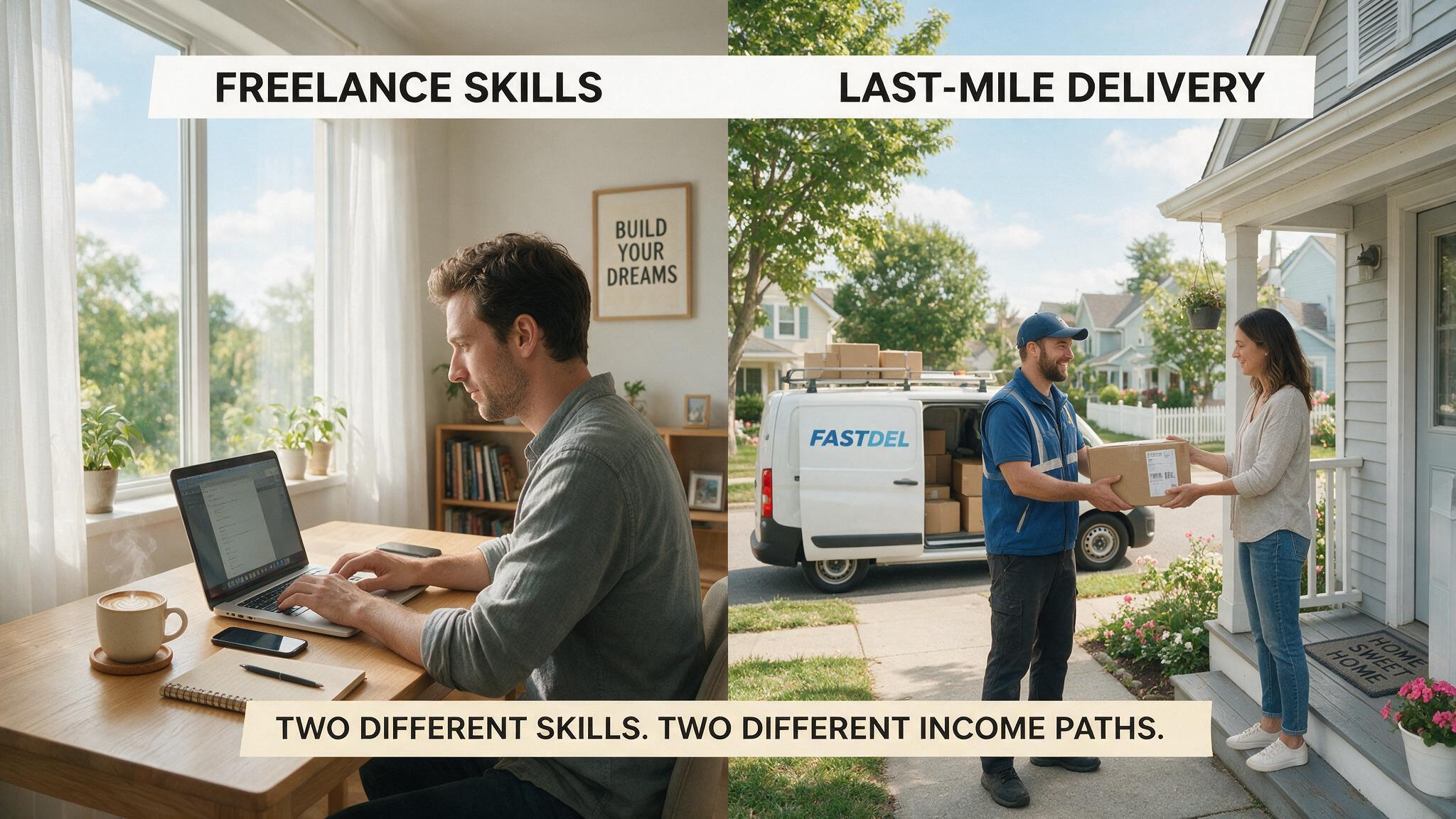
Four to six hours of active driving in a decent market. Need an eligible car, background check, clean driving history. Lyft requires one year of experience (varies by state); Uber requires one year (three if under 25). Instant pay via debit card.
Food Delivery (DoorDash/Uber Eats/Grubhub)
Four to six hours during peak times = $80–$150. DoorDash allows bikes and scooters in some cities.
Package Delivery (Amazon Flex/Roadie/UPS)
Amazon Flex blocks pay $18–$25/hour. A four-hour block covers $72–$100 before expenses.
Car Rental (Turo/Getaround)
Like Airbnb for your car. Daily rates $40–$100+ for standard vehicles. Turo pays within three hours of rental end; Getaround pays daily or monthly. Must be 21+.
Mobile Car Wash
Low startup costs. Spiffy and MobileWash connect you with car owners. Three to four basic washes at $25–$35 each, or 1–2 detailing jobs at $75–$150.
Selling Handmade Items on Etsy
Jewelry, candles, personalized gifts. Five to ten items at $15–$25 each. Etsy SEO and product photos drive organic traffic. Reddit suggests customizable physical goods over print-on-demand.
Commissioned Art
Instagram, DeviantArt, Shopify. One to two commissions at $50–$200.
Music Lessons
Zoom or local music schools charge around $50/hour, so two sessions gets you there.
Makeup Artistry
$50–$200 per session. Wedding season (May–October) is peak.
Custom Cakes / Catering
Instagram for promotion. One to two custom cake orders at $75–$200 each.
Event Decoration
Small packages $150–$500. One job every few days.
Tech Support
Upwork and Fiverr. Two to three remote sessions at $35–$60 each.
Personal Training
With NASM or ACE certification, sessions run $40–$65 each, so two sessions at $50–$65 hits $100.
Translation Services
On ProZ or Upwork, rates average $15–$25/hour, so four to six hours of work gets you to $100.
Mobile Notary Services
Notary Cafe and Facebook groups list appointments at $75–$200 each, with loan signings paying the most.
Resume Writing
LinkedIn, Upwork, Fiverr. $50–$500 per project. Two standard resumes at $50–$75 each, or one executive package at $150–$300.
Tax Preparation
IRS or H&R Block certification. Individual returns $150–$300. Two to three a day during peak season.
Building a Recurring Revenue Asset: The App Path
All the methods above have one thing in common: they trade time for money. Freelancing caps your income because you only have so many hours. A branded app is a machine that runs whether you’re working or not.
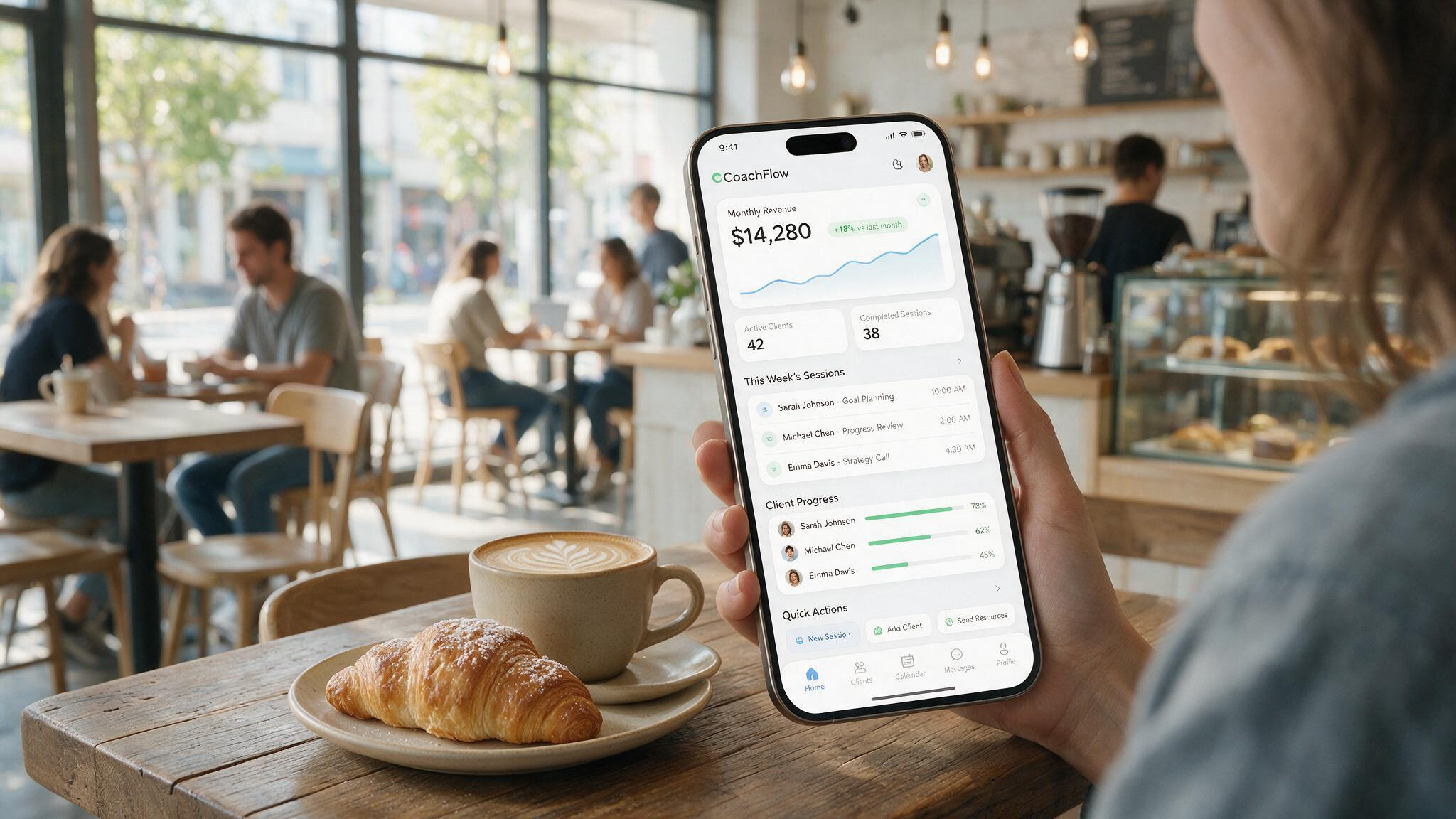
The 90-day timeline: 30 days to build a simple app (using a no-code tool like Passion.io), 60 days to get first sales, 90 days to hit $100/day. The math: 30 members at $100/month or 62 at $49/month = $3,000/month. You need niche coaching, curriculum design, community management, content creation, and no-code app building skills — or a willingness to learn them.
A real creator hit $686 MRR in month 2 (14 members at $49), $2,303 in month 3 (47 members), and $3,000+ in month 4 (62 members). Another fitness creator launched a 30-day mobility challenge and reached $4,200 MRR with 42 members at $99/month.
The 90-day ramp assumes 10–15 hours per week while holding a full-time job. Your first offer should be simple: a 30-day challenge, a 6-week course, or a 90-day coaching cohort. Price it at $49–$99/month or $297–$597 as a one-time fee. Your first 10–20 members come from warm outreach — friends, colleagues, LinkedIn, not paid ads.
Send 3–5 personalized emails a day, post daily on LinkedIn or Instagram. Once you have validation, test small ads at $10–$20/day.
This path isn’t easy. It’s still 10–15 hours a week for 90 days. But it’s the highest-leverage path — after those 90 days, the income keeps flowing whether you’re working or not.
Avoiding Scams and Platform Risks
The biggest red flag is the direction money flows. Legitimate platforms pay you; scams charge you first. If someone asks for an upfront fee, payment for certification, or your Social Security number before you’ve earned a cent, walk away.
Vet opportunities on Reddit forums like r/beermoney and check Better Business Bureau profiles. The Federal Trade Commission’s fraud reporting site is reportfraud.ftc.gov.
Watch for specific platform fees: TaskRabbit charges a $25 fee after profile approval. Platform payment timelines matter — Upwork has a 10-day hold, Fiverr a 14-day hold, UserTesting 14 days. Many platforms have a $100 payout threshold (YouTube, AdSense, KDP, Twitch). Plan your cash flow accordingly.
The Decision Framework: Which Path Is Right for You?
The first question is the fundamental fork: Are you trading time for money, or building an asset? Every method on the list falls into one bucket.
- Need money fast? User testing, freelance writing, or selling used items. You’ll see cash in days.
- Have a skill? Freelance writing, graphic design, tutoring, coaching, web development, translation. Your skill sets your rate.
- Have time but no special skills? Gig work — rideshare, delivery, pet sitting, house cleaning. The barrier is low, but so is the ceiling.
- Want long-term passive income? Blogging, YouTube, online courses, a branded app. Expect 6–12 months to ramp, but the income eventually decouples from your hours.
- Have capital? Investments, P2P lending, real estate crowdfunding — but those come with risk and are outside the scope of $100/day earned income.
The realistic timeline: 60–90 days at 10–15 hours per week for most methods. The median side hustler makes $200 a month. You’re aiming for 15× that. It’s absolutely possible — but it’s a target, not a promise.
Pick one method. Get your first $100. Then figure out where you want to go from there.
Frequently Asked Questions
Which apps really pay $100 daily?
No single app reliably pays $100 daily without significant effort. UserTesting can get you close in a weekend with a few high-paying tests, and platforms like Upwork or Fiverr can hit that mark with consistent freelance work. Most apps that promise easy daily payouts are either scams or require you to build up over time.
How can I quickly earn $100?
User testing is the quickest documented option — tests pay $4–$60 each and take minutes, so you can hit $100 in a weekend. Freelance writing on Upwork or Fiverr can also get you there in 48–72 hours if you pitch aggressively and land a couple of short articles at $40–$50 each.
What’s the difference between trading time for money and building an asset?
Trading time for money means you get paid per hour or per gig — like freelancing, rideshare driving, or pet sitting — and your income caps at the hours you have. Building an asset, like a blog, online course, or branded app, decouples income from your time so it keeps paying after you stop working. The asset path has a longer ramp (6–12 months) but a much higher ceiling.