I’ve spent more time than I’d like to admit digging through Crystal Dynamics’ official Gear Up Guides for Rise of the Tomb Raider (2015). These are the detailed breakdowns that art director Brenoch Adams and his team put together, documenting exactly why every jacket, every strap, every piece of gear looks and works the way it does.
Most coverage of Lara’s movie outfits stops at “she looks cool” or “that matches the game.” Crystal Dynamics didn’t design these as costumes. They designed them as survival systems. Adams put it bluntly: Each piece of clothing and gear tells Lara’s story. That story isn’t about fashion — it’s about what you need to not die on a frozen mountain or in a Trinity ambush.
Key Takeaways
The Expedition Outfit’s red jacket isn’t just iconic — it’s water-resistant goose down with box wall construction, designed for cold-weather survival, and its red color provides visual contrast against snow as a climbing safety feature
Lara’s base clothing forms a modular three-layer system (tank top, henley, leather jacket) for climate adaptation, not separate outfits — a survival strategy that is often overlooked
Stealth outfits like Sparrowhawk use sun-bleached deer hide and blue accents for forest-specific camouflage, while Nightshade uses orange tones for autumn environments — environment-specific concealment, not generic black
Table of Contents
How the Game’s Outfit Logic Applies to the Movies
Adams describes Lara’s jacket as untailored, using ties and overlapping fabric for flexibility. That’s a specific choice. A tailored jacket would restrict movement. An untailored one — held together with ties and overlapping fabric, lets her climb, swing, and scramble without the seams fighting her.
The tank top got altered to a racerback so Lara’s shoulders have full range during climbing. The pants are streamlined for agility, not fitted for appearance. When you watch the movies, that’s exactly what you see — clothes that move with her, not against her.
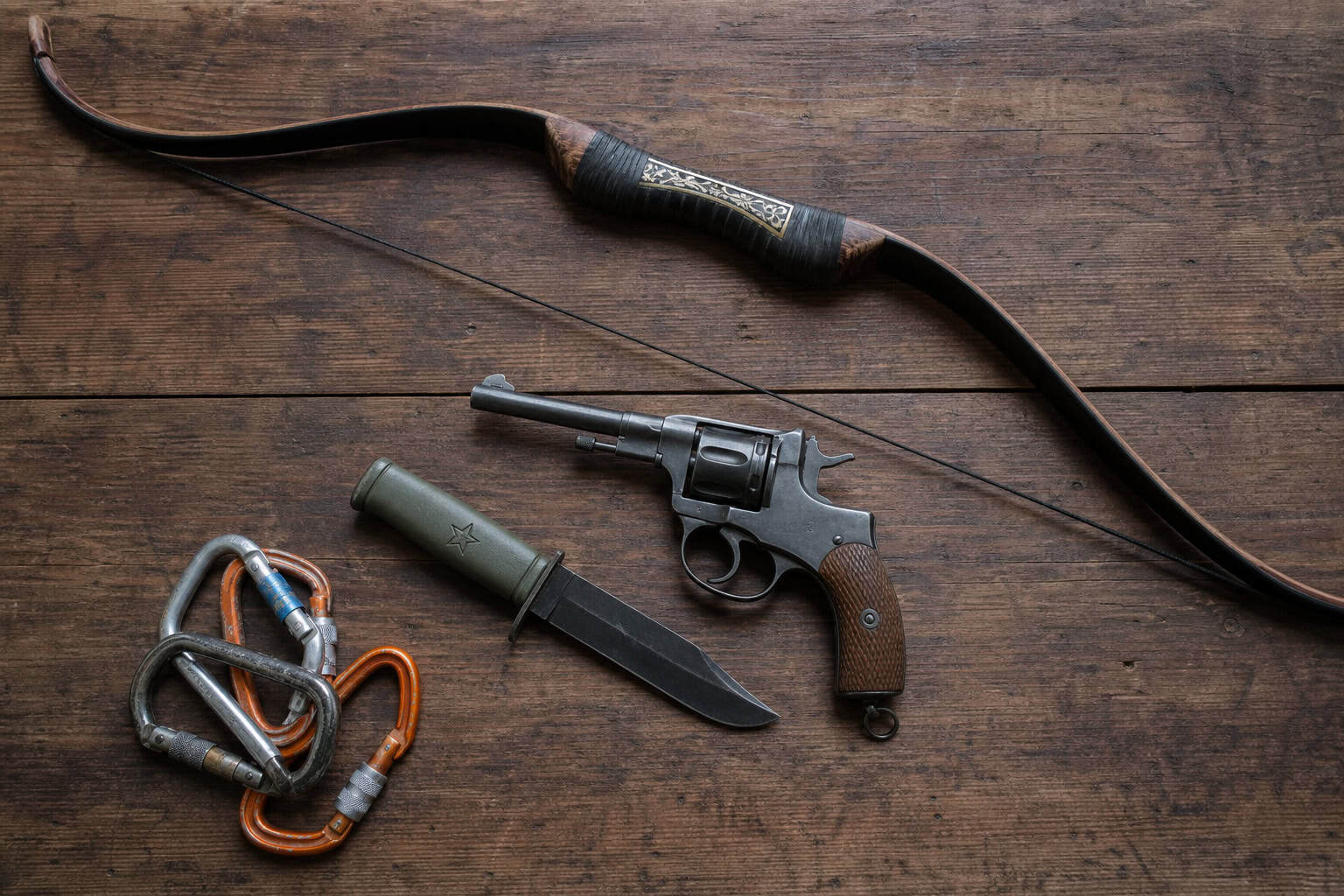
Rise of the Tomb Raider (2015) also introduced specific new gear that tells you something about where Lara’s heading: a Byzantine recurve bow, a Russian Nagant revolver, a Soviet tactical knife, climbing carabiners. Each item has a historical and functional reason for being there. The Gear Up Guide documents two new outfits — an olive military jacket setup and a racerback tank top outfit, that extend this logic into different environments.
Climbing and Mobility Gear: The Expedition and Pioneer Outfits
Lara’s climbing outfits are built around the specific demands of vertical terrain and extreme cold, with each piece serving a mountaineering purpose.
Expedition Outfit — The Red Climbing Kit
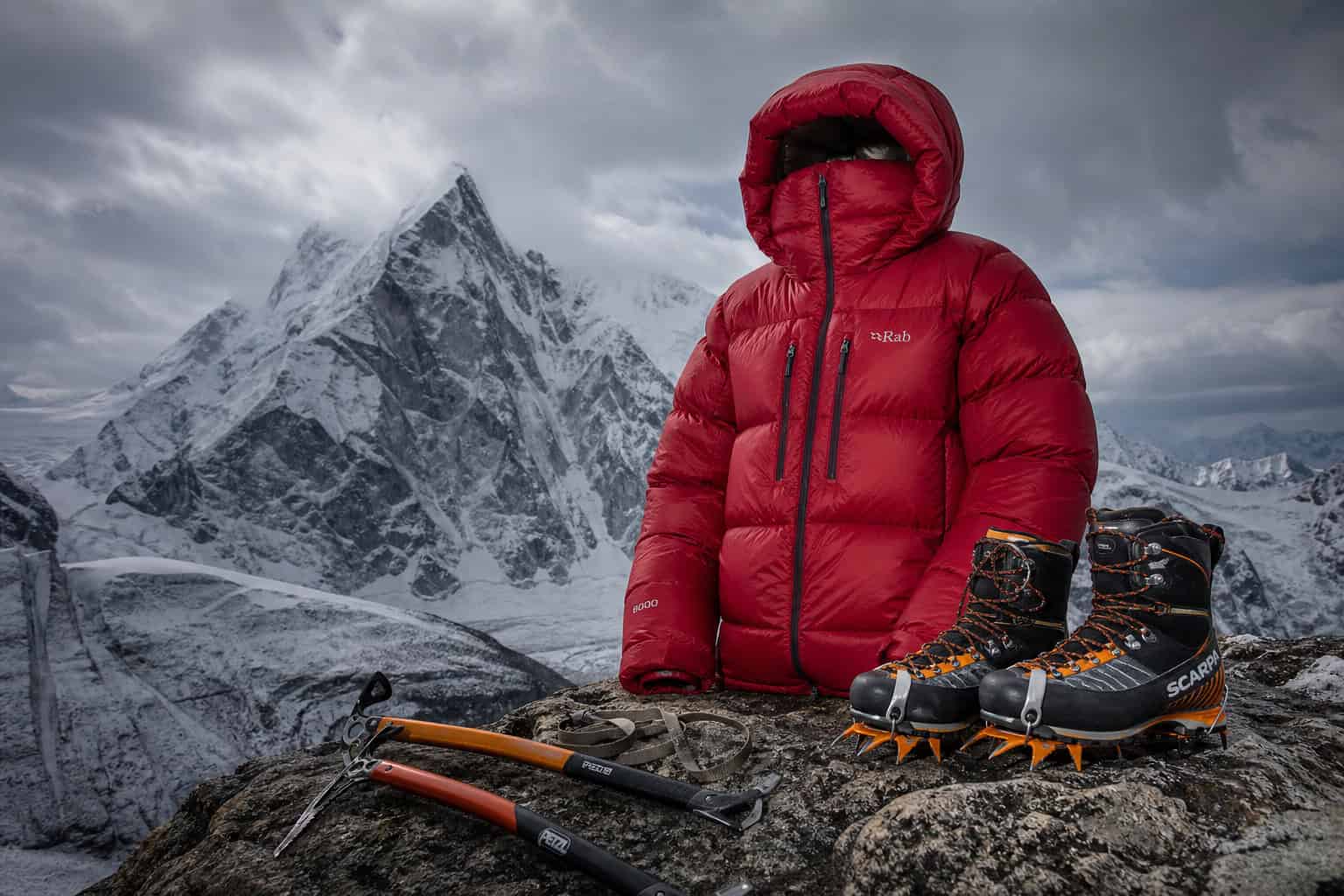
That red jacket is the first thing most people picture when they think Lara Croft. But look past the color and you’ll find a piece of gear that could hold its own on a real mountaineering expedition.
According to the Gear Up Guides, the Expedition jacket is water-resistant, stuffed with goose down, and built with box wall construction — meaning the internal baffles keep the down from shifting and creating cold spots. The circular patch on the left arm is a small character detail, but everything else serves a purpose.
Then there’s the gear list. This outfit doesn’t come with a few accessories — it comes with everything you’d actually need for serious mountaineering:
- Gaiters (boot covers) to keep snow out
- Crampons for ice traction
- A climbing harness and ice screws
- A climbing leash to stay connected to the rope
- A beanie and snow goggles
- Twin ice axes
The red color itself has a function most people miss. Against white snow, red provides high visual contrast. That’s not just about looking recognizable in promotional images — it’s a real climbing safety principle. If Lara falls, her teammates (or rescuers) can spot her against the landscape.
Pioneer Outfit — Vintage Mountaineering
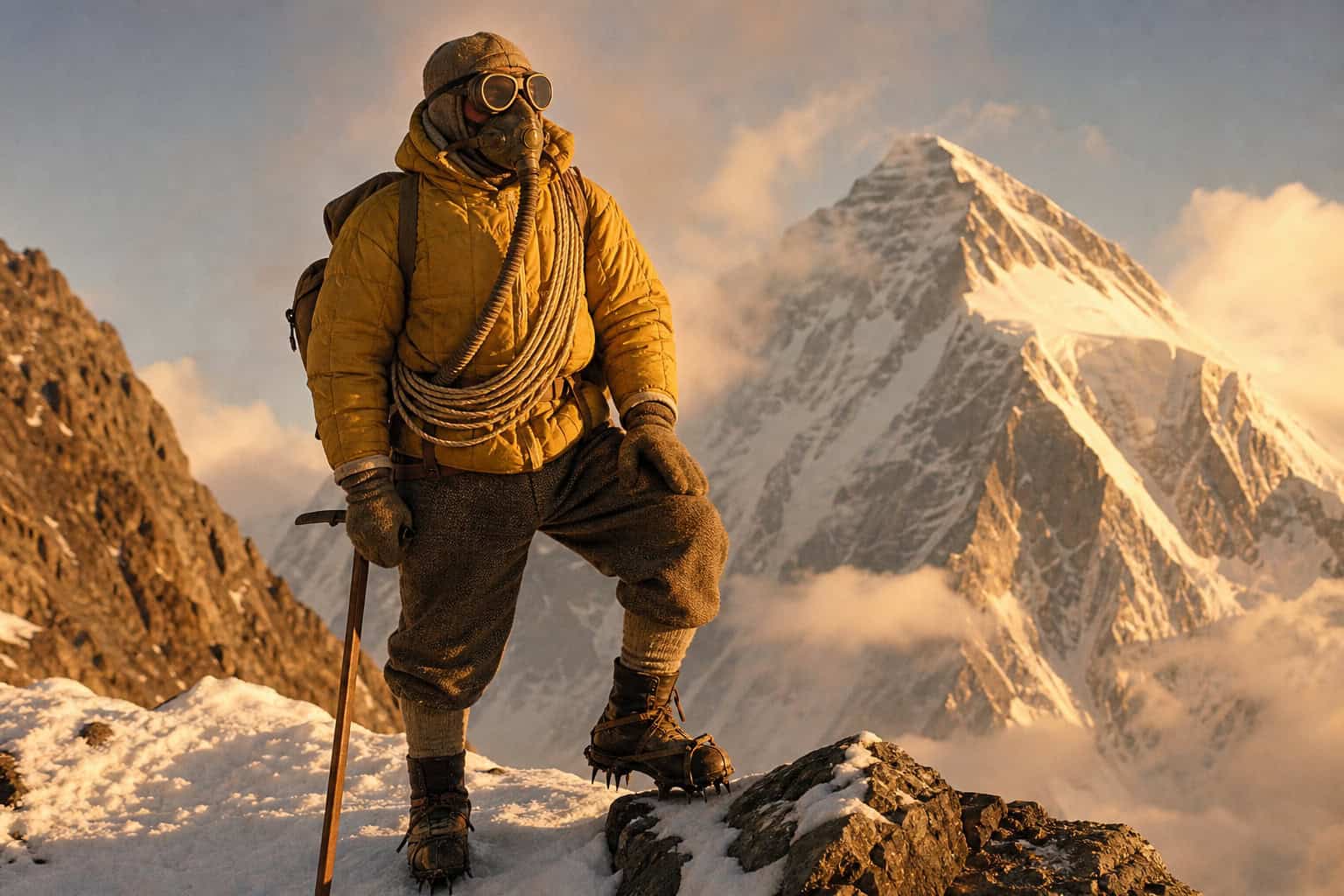
The Pioneer outfit takes a different approach but arrives at the same destination. It’s inspired by Sir Edmund Hillary and the K2 climbers of the 1950s — designed specifically for Rise‘s Endurance Mode, a survival-focused game mode where gear matters.
The Pioneer comes with an oxygen mask for high altitude, vintage crampons that actually work, climbing goggles, and a shoulder harness. The quilted yellow jacket and wool pants are period-accurate gear that real explorers used to survive extreme conditions. The design team researched what actual mountaineers wore in the 1950s and reproduced the functional elements.
Layering for Climate Adaptation: Tank Top, Henley, and Leather Jacket
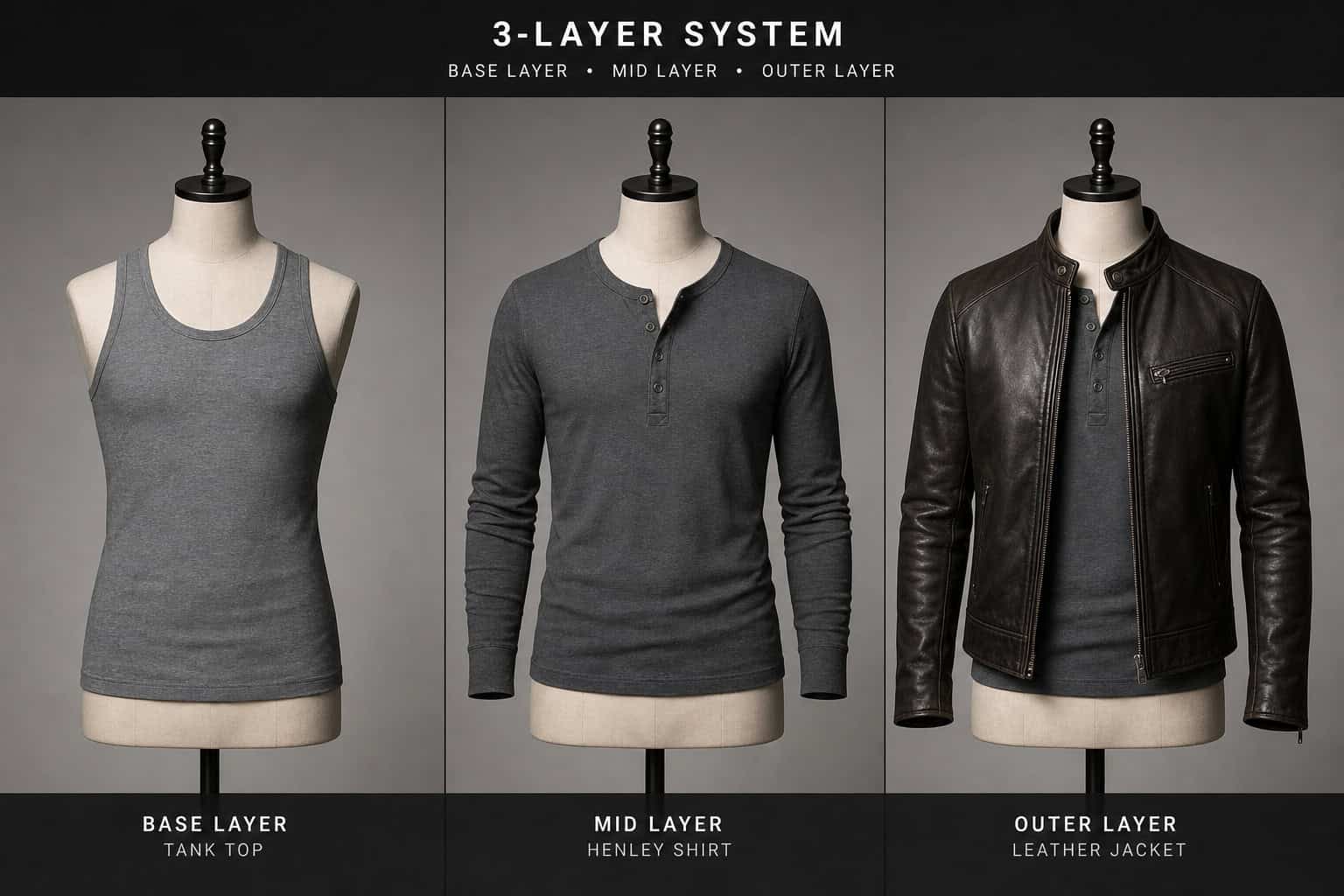
Lara’s base clothing forms a modular three-layer system that lets her adjust to different temperatures without changing her whole outfit.
Desert Tank Top — Base Layer
The Desert Tank Top appears in warmer environments, and it’s built for that specific job. Ribbed grey fabric, built-in support, slim fit. No bulk, no excess fabric to catch on climbing holds. It’s the sort of thing a climber would actually wear in hot conditions — breathable, close-fitting, minimal.
The dark top also does something subtle with the visual field: it balances against lighter pants and the leather holster strap. That’s a functional color choice, not a fashion one. High contrast at the waistline helps Lara quickly locate her gear by peripheral vision. When you’re in a fight and need to draw your pistol, you don’t want to search for the holster.
Gray Henley and Leather Jacket
The gray henley is a three-button ribbed shirt, light but long-sleeved. It’s a mid-layer — enough warmth for transitional climates without the bulk of a heavy jacket. Paired with tan pants and a leather holster at the hip, it’s the kind of setup someone wears when they expect variable conditions.
The leather jacket sits on top as an outer shell. Short cut, rugged leather — protection from scrapes, wind, and light precipitation without restricting the arms. Adams notes it’s worn with a grey hoodie underneath, and that hoodie serves a specific purpose: anonymity. Lara’s not always trying to be visible. Sometimes she needs to blend in, move through a town or camp without every head turning.
This layering system means Lara can adapt to different temperatures without changing her whole outfit. Shed the jacket, you’re in the henley. Shed the henley, you’re in the tank top.
Stealth and Camouflage: Shadowrunner, Sparrowhawk, and Nightshade
Lara’s stealth outfits are designed for specific environments and tactical situations, using materials and colors that help her move unseen.
Shadowrunner — Tactical Stealth
The Shadowrunner outfit is dark, but it’s not just dark. It’s built around tactical equipment placement — a rope rig and climbing carabiners for quiet traversal, a high-density thermoplastic molded leg holster that keeps the weapon accessible without rattling, a mesh vest with ammo pouches for quick access. Every piece is positioned so Lara can move through enemy territory without her gear giving her away.
The black knit hat and dark tones help with shadow blending, but the real stealth advantage comes from materials and construction. When you’re trying to move silently, the last thing you want is metal jangling or fabric swishing. The Shadowrunner’s design minimizes both.
Sparrowhawk and Nightshade — Environmental Camouflage
These two outfits show the designers weren’t thinking about “stealth” as a generic concept. They were thinking about specific environments.
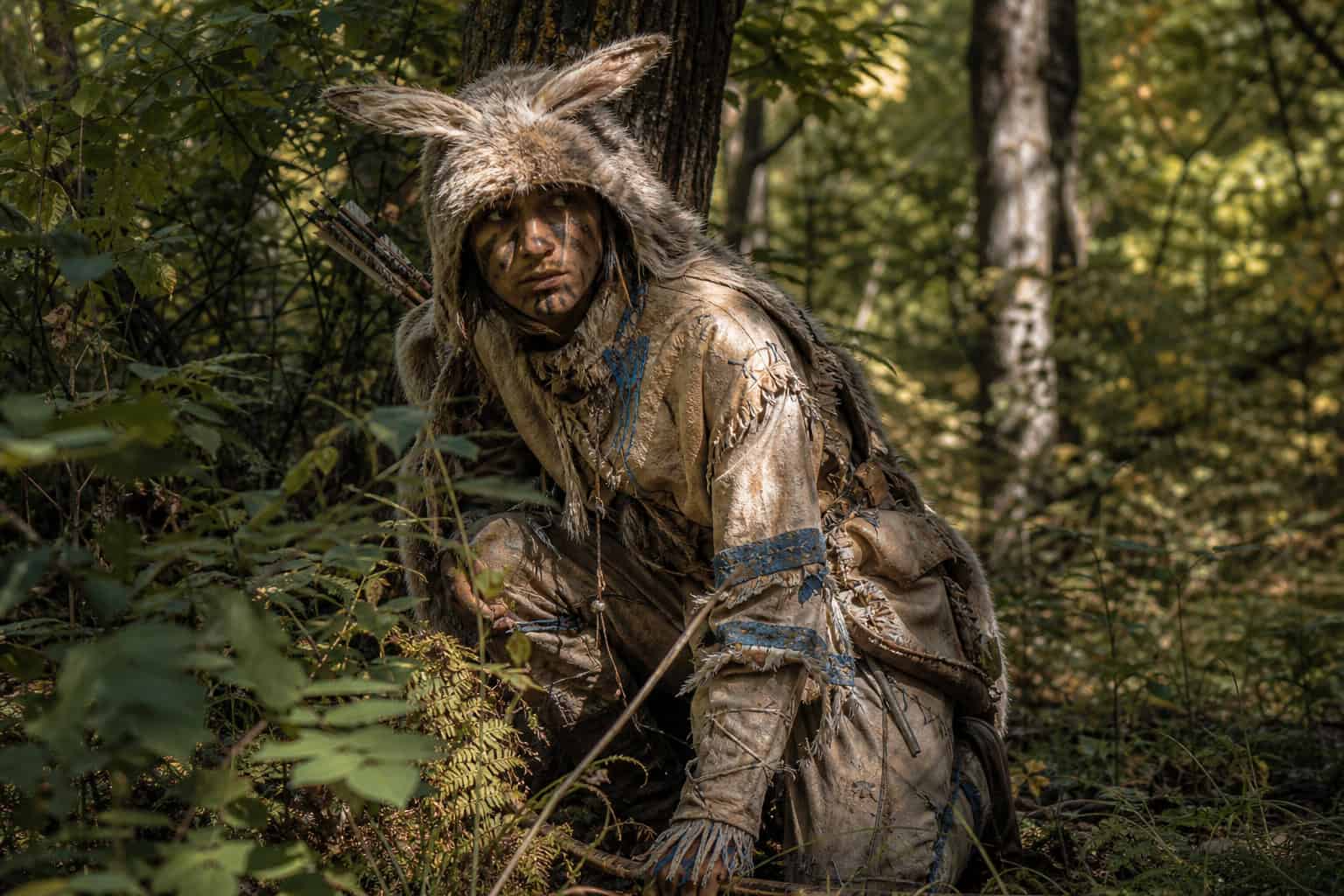
The Sparrowhawk uses sun-bleached deer hide as the base material, with blue accents. That color combination doesn’t look like much in isolation, but put it against a forest landscape — the sun-dappled shadows, the muted browns and greens, and it breaks up the human silhouette effectively. The rabbit fur hat with ear flaps provides insulation and noise reduction. Natural materials don’t rustle like synthetics.
The Nightshade takes the same approach for a different environment. Sun-bleached leather, wolf-fur stole, orange accents. The orange pops against the darker tones, but that’s exactly the point — in autumn terrain, when leaves are turning, orange is camouflage, not a beacon.
Both outfits use animal materials (deer hide, rabbit fur, wolf fur) for a practical reason beyond insulation: they’re quieter than synthetic fabrics. When you need to move through the woods without alerting every animal and enemy within earshot, natural materials give you an edge.
Combat and Tactical Protection: Infiltrator, Commando, and Siberian Ranger
When Lara expects a fight, her outfits shift from survival gear to tactical protection.
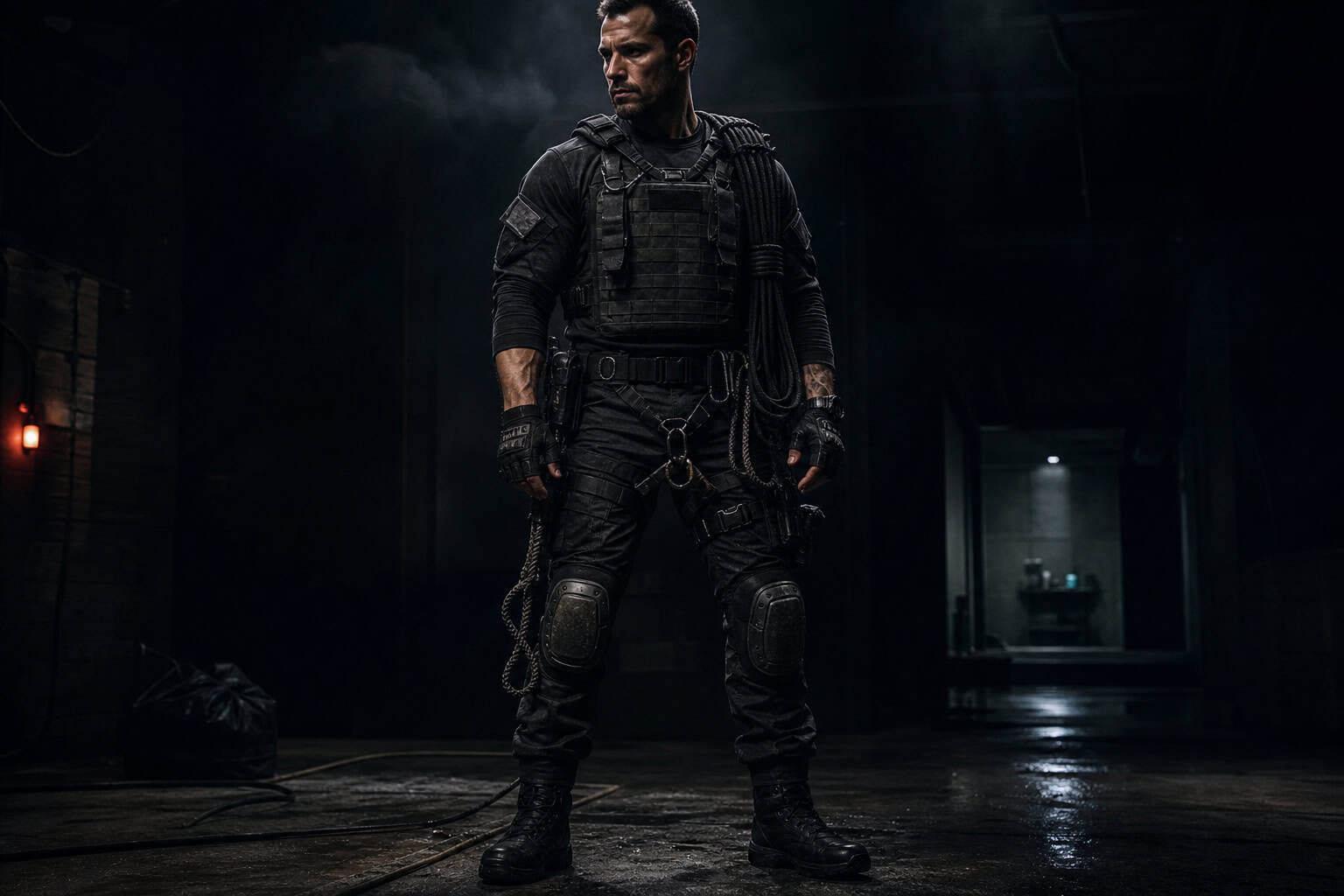
Infiltrator — Trinity Tactical Ensemble
The Infiltrator outfit is interesting because it’s sourced from the enemy. Lara’s wearing Trinity gear — camouflage pants, quilted crewneck, Kevlar vest, knee pads, fingerless gloves. It’s practical for infiltration because it looks like the people she’s infiltrating.
But the real story is the gear integration. The climbing rope and carabiners are built into the outfit, not strapped on as an afterthought. The ballistic nylon holster sits where Lara can draw quickly. The ammo pouches are positioned for access without breaking stride. The Kevlar vest provides real protection, and the knee pads let her drop to the ground for low stances without bruising up, with the entire ensemble’s functionality rooted in the specific Angelina Jolie Tomb Raider outfit size and measurements.
The black and white tasseled scarf is the one element that doesn’t serve a tactical function — it’s a character detail, a bit of personality in an otherwise utilitarian ensemble. But everything else is there because it helps Lara Croft, the fearless tomb raider and role model for young women, survive a combat encounter, a topic explored further by culture writers.
Commando — Snow Combat Gear
The Commando outfit adapts the same tactical approach for cold environments. Snow camo patterned pants for blending, ballistic vest for protection, molded knee pads for scrambling on ice and snow.
The reinforced fingerless gloves deserve special attention. They’ve got hardened knuckles — meaning Lara can punch without breaking her fingers, but she still has the dexterity to climb, grip a weapon, or manipulate gear. That’s a real trade-off in tactical equipment design. Full gloves protect better but reduce fine motor control. Fingerless gloves with reinforced knuckles split the difference.
The tactical leg holster keeps the sidearm accessible even when Lara’s wearing a backpack or climbing gear across her chest. Small detail, but it matters when you need to draw your weapon in a hurry.
Siberian Ranger — Ammo Carrier
The Siberian Ranger outfit solves a specific problem: running out of ammunition in a firefight. It uses ballistic nylon pouches on a Kevlar vest to increase special ammo carrying capacity. For players who favor explosive or poison arrows, this outfit means more time fighting and fewer scavenging runs.
In movie terms, think about the scenes where Lara’s in prolonged combat. Having extra ammo stored where she can reach it without fumbling is the difference between surviving the next wave and scrambling for cover.
Resourcefulness and Survivalist Outfits: Huntress, Apex Predator, and Wraithskin
Lara’s survivalist outfits show her ability to craft gear from local materials and use psychological tactics against predators.
Huntress — Forest Survival Camouflage
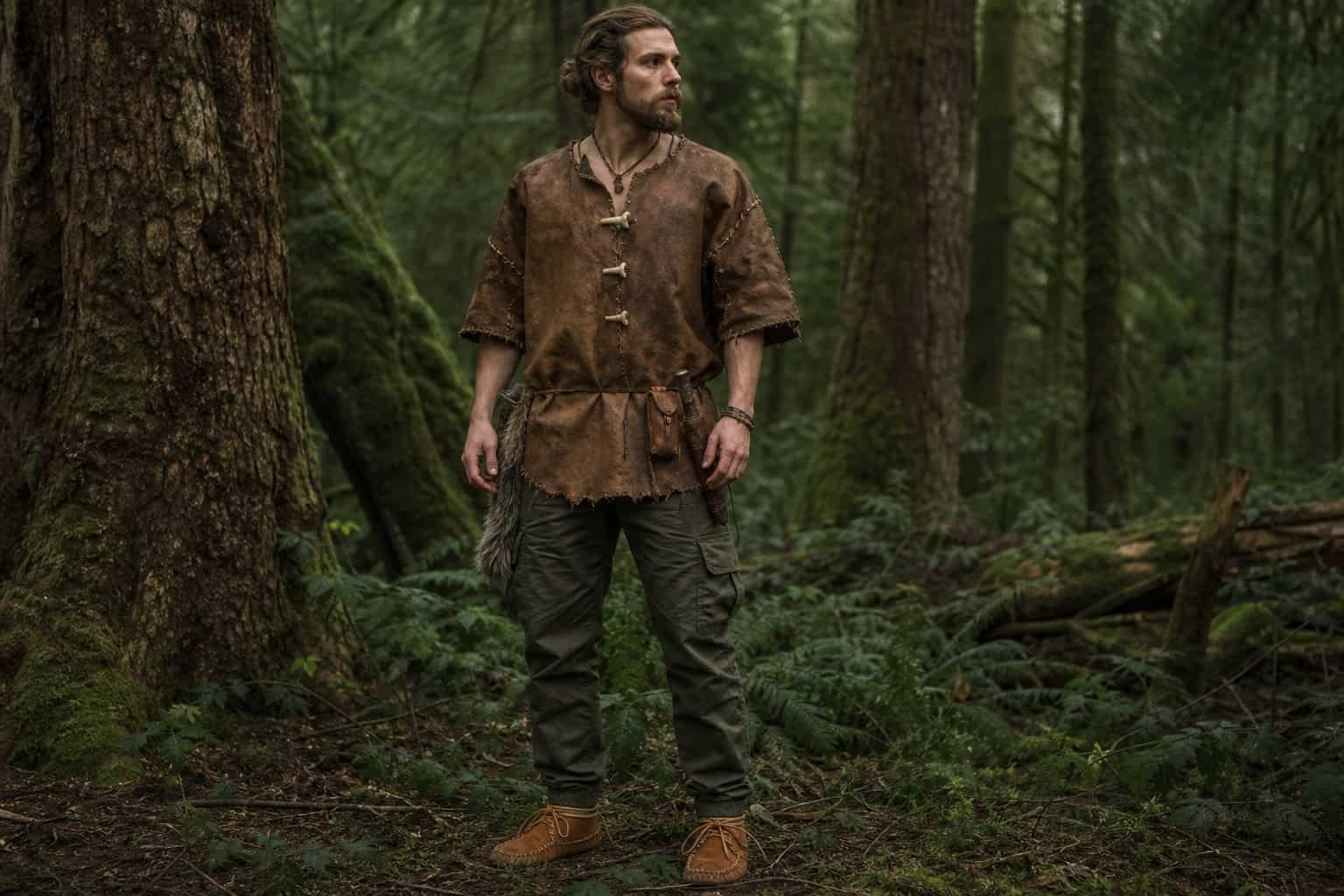
The Huntress outfit is where Lara’s survivalist side really shows. This isn’t purchased gear — it’s made. Hand-stitched red deer hide tunic, moccasins crafted from deer tail fur, bone toggles instead of metal fasteners, and a patterned sash for carrying gear, all of which contrast sharply with the polished Lara Croft Angelina Jolie outfits seen in the films.
The moccasins are a clever detail. They’re designed for deep snow traversal, and they’re significantly lighter than boots. In a survival situation, every ounce matters. The bone toggles work as fasteners without requiring metalworking tools — you can make them from scavenged animal remains.
Dark forest green cargo pants help her blend with undergrowth. Leather fingerless gloves protect her hands without sacrificing grip. The whole outfit screams “I used what I found” — which is exactly the point.
In the game, this outfit gives faster health regeneration. The reasoning maps to real survival logic: when you’re in tune with your environment, you recover faster because you know how to find food, water, and shelter.
Apex Predator and Wraithskin — Intimidation and Symbolism
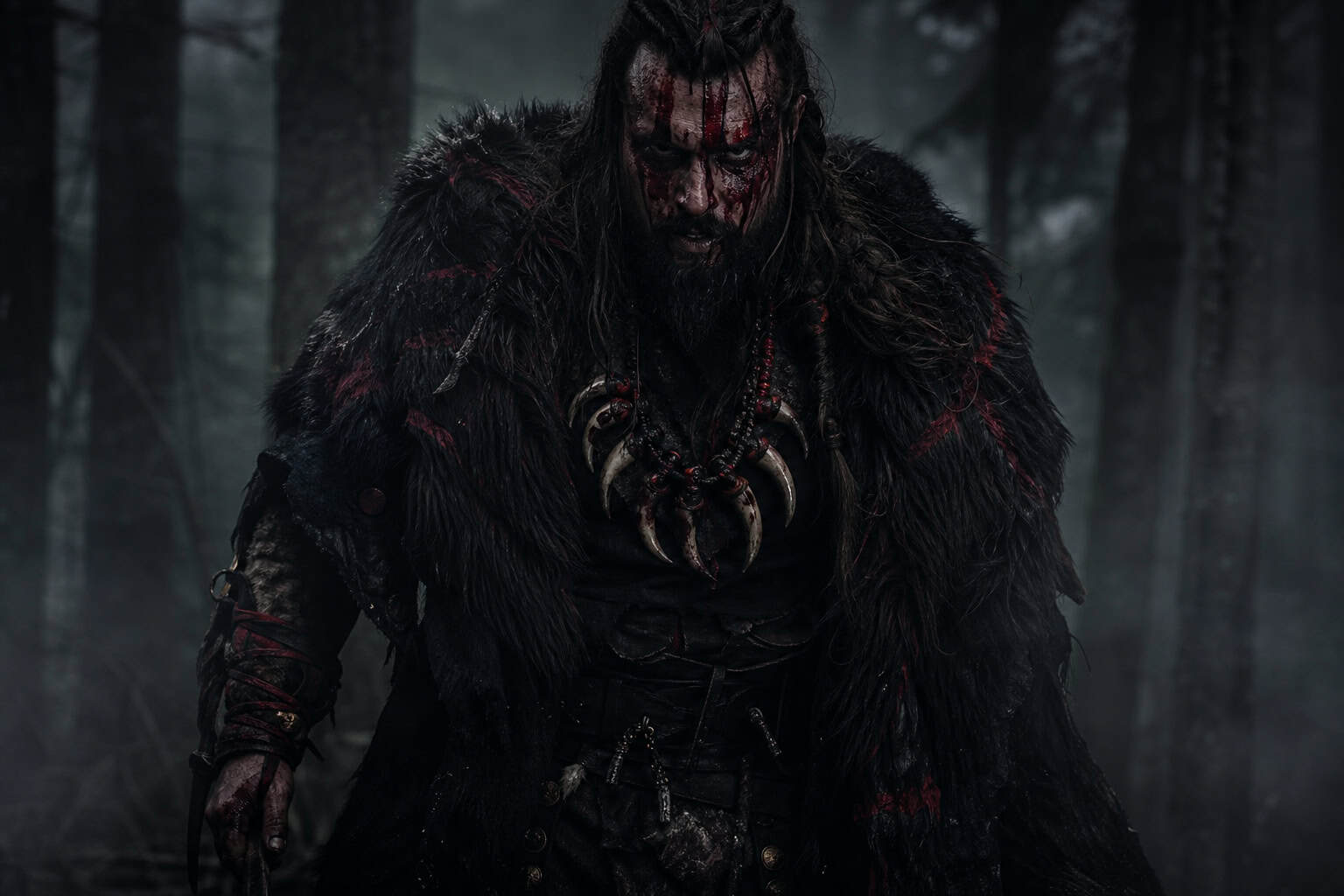
These outfits go beyond practical survival into psychological territory. The Apex Predator uses dark fur, red accents, a bear claw necklace, and blood on the face. It’s meant to look like Lara’s been in a fight — and won.
The bear claw necklace isn’t decorative. In predator territory, wearing the remains of an apex predator sends a signal: I’m not prey. The blood on the face reinforces the message. This is an animal that other animals have learned to avoid.
The Wraithskin takes this further. Bear skull headpiece with sheep horns, bear fur drape, a hooded tunic, asymmetrical arm gauntlets, and — most striking, human skull decorations. The bear claw finger extensions double as improvised weapons.
If you’re in territory where predators patrol, you adopt the appearance of something more dangerous than they are. It’s the same strategy real animals use — mimicry, intimidation displays, the visual language of threat.
Armor and Byzantine-Inspired Protection: Sacra Umbra, Immortal Guardian, and Ancient Vanguard
These outfits provide maximum protection against specific ancient threats, trading mobility for survival in extreme combat situations.
Sacra Umbra — Ancient Byzantine Steel
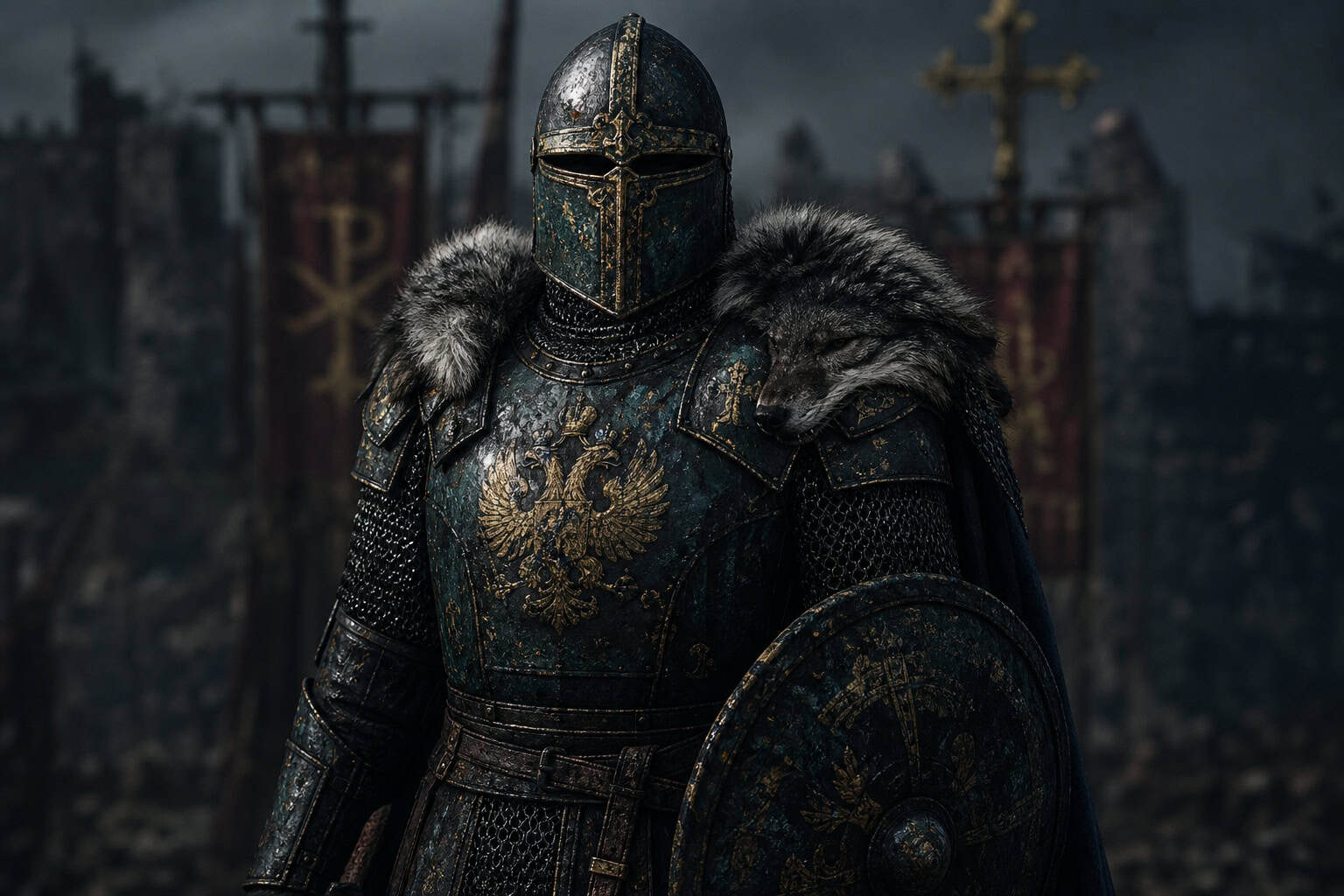
The Sacra Umbra outfit shifts into a different category entirely: actual armor. Dark steel with green patina (the aged look of metal that’s been exposed to the elements), gold Remnant symbols etched into the surface, chain mail over a padded underskirt, wolf fur accents for insulation.
This isn’t something Lara would wear for general exploration. It’s heavy, restrictive, and specialized. But against specific threats — melee attacks, Greek fire, Byzantine-era weaponry, it provides protection that a leather jacket simply can’t match.
The worn leather straps and gold buckles aren’t just historical flavor. They’re functional closures that let Lara adjust the fit. The padded underskirt protects the lower body while allowing more mobility than full leg armor. The designers understood that even plate armor has to accommodate movement.
Immortal Guardian and Ancient Vanguard
The Immortal Guardian doubles down on the Byzantine theme with torn chainmail, Byzantine armor plates, Remnant symbols, a bear pelt tunic, and a skirt over brown leather pants. The combination of metal armor and animal fur is deliberate — in cold climates, bare metal is dangerous. It conducts heat away from the body. The bear pelt provides insulation that lets Lara wear armor without freezing.
The gameplay bonus tells you what this armor is for: reduced damage from Greek fire. It’s threat-specific protection. You wouldn’t wear this for general combat, but against enemies using incendiary weapons, it’s the difference between severe burns and walking away.
The Ancient Vanguard shows a more ornate version of the same concept — knitted shirt, torn chainmail with leather panels, padded underskirt with gold Remnant symbols, gold leaf gauntlets. The gold leaf suggests this might have been ceremonial armor before it was battle-tested. The tears and patches tell you it’s seen combat since.
All three outfits share a trade-off: maximum protection means reduced mobility. But when you’re facing threats that would kill you in lighter gear, that trade-off is worth making.
Historical Inspiration: Valiant Explorer and Pioneer
Lara’s historically inspired outfits draw directly from real exploration gear, adapting proven survival technology for her adventures.
Valiant Explorer — Golden Age of Flight
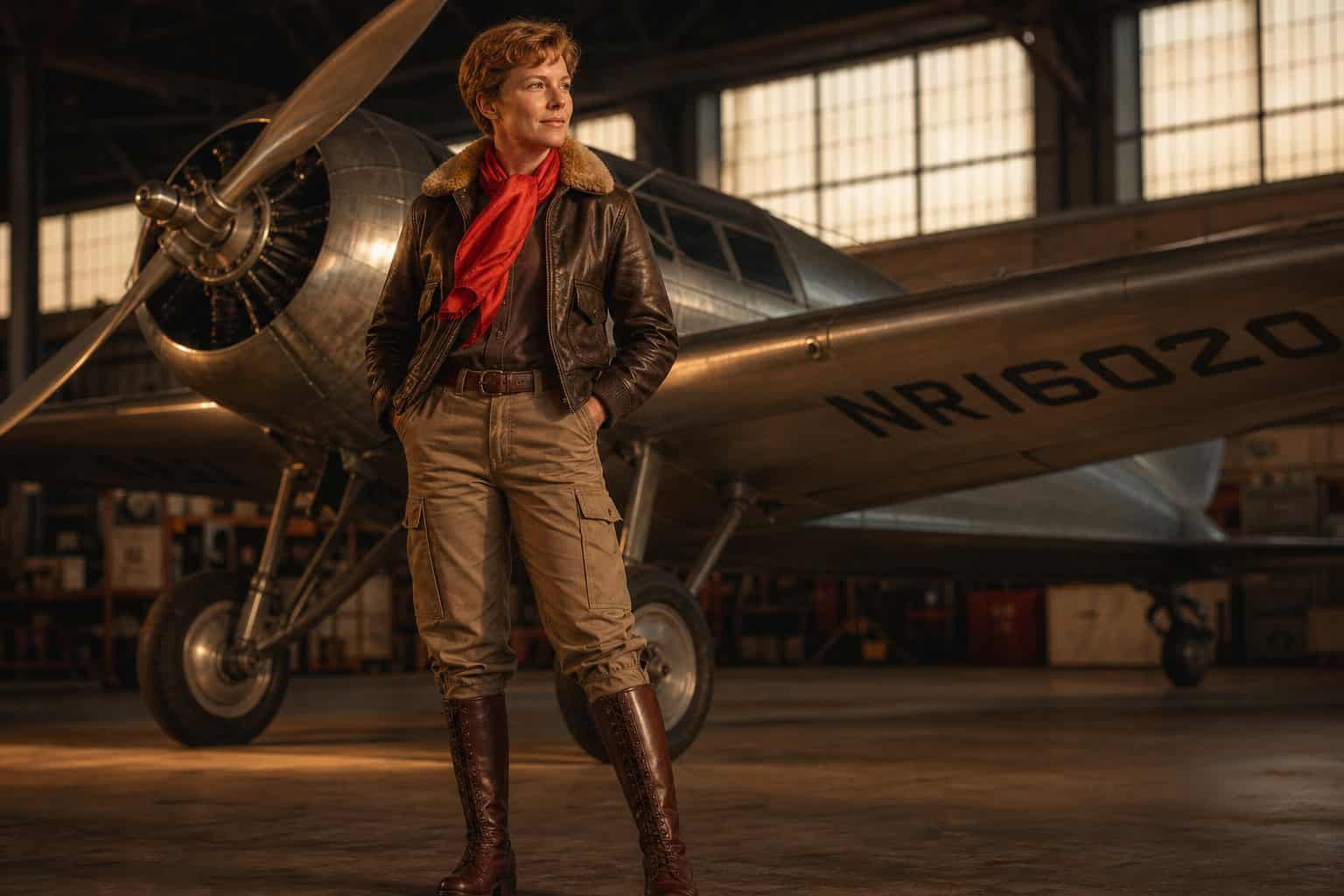
The Valiant Explorer outfit explicitly draws from Amelia Earhart and the Golden Age of Flight. Grey linen undershirt, tan cargo pants, a 1930s leather aviator jacket lined with wool, red silk scarf, brown leather holster, gloves, and 1920s knee-high boots.
The aviator jacket’s wool lining was designed for open-cockpit flying at altitude — exactly the kind of cold-weather protection Lara needs in exposed environments. The red silk scarf wasn’t just stylish; pilots wore them to protect their necks from windburn during long flights. The knee-high boots provide ankle support for rough terrain.
The gameplay bonus — increased explosive arrow radius, connects to the “bigger tools” logic of aviation gear. Aviators used heavier equipment because they had aircraft to carry it. The same thinking applies: Lara’s carrying gear that lets her hit harder.
Pioneer — 1950s Mountaineering
The Pioneer outfit, as discussed earlier, draws from Sir Edmund Hillary and K2 expeditions. The design team didn’t just approximate a vintage look — they included specific gear items that real mountaineers used: the oxygen mask, the vintage crampons, the quilted down jacket.
These were survival tools tested in real extreme conditions. The K2 expeditions of the 1950s pushed the limits of what human beings could survive with the technology available. That’s exactly the context Lara operates in. The design team did their research.
The Functional Legacy of Lara’s Wardrobe
Adams’ central insight — that each piece of clothing and gear tells Lara’s story, is the key that unlocks how we should look at these outfits, in games and movies alike.
Every outfit serves a specific survival purpose. Climbing gear for mountain environments. Layered clothing for climate adaptation. Stealth outfits for specific environments and color palettes.
Combat gear balanced between protection and mobility. Survivalist outfits built from local materials. Armor for specific threats. Historical gear adapted from real exploration equipment.
When you watch a Tomb Raider movie, you’re not seeing costume changes. You’re seeing survival systems. Each outfit answers the same question: what would Lara need to survive this environment, this threat, this situation?
Frequently Asked Questions
Does it matter what outfit you wear in Rise of the Tomb Raider?
Yes, each outfit is designed for specific survival purposes — climbing, stealth, combat, or climate adaptation — and many provide gameplay bonuses like faster health regeneration, increased ammo capacity, or reduced damage from specific threats like Greek fire. The outfits aren’t just cosmetic; they’re functional survival systems tied to the environment and situation.
What does Lara Croft wear in Tomb Raider?
Lara’s wardrobe is a modular three-layer system: a tank top as a base layer for hot climates, a gray henley as a mid-layer for transitional conditions, and a leather jacket as an outer shell for cold and protection. Each piece is designed for mobility, climate adaptation, and survival — not fashion.
Can you change Lara Croft’s outfit in Tomb Raider?
Yes, in the games you can switch outfits to match the environment or threat you’re facing — climbing gear for mountains, stealth outfits with environment-specific camouflage, tactical armor for combat, or survivalist gear crafted from local materials. Each outfit serves a distinct functional purpose with real survival logic behind it.
Why does Lara Croft wear a red jacket in Tomb Raider?
The red jacket is water-resistant goose down with box wall construction for cold-weather survival, and its red color provides high visual contrast against snow — a real climbing safety principle so rescuers can spot her if she falls. It’s a mountaineering tool, not just an iconic look.
What’s the difference between Lara’s stealth outfits in Tomb Raider?
Each stealth outfit is designed for a specific environment: Sparrowhawk uses sun-bleached deer hide with blue accents for forest camouflage, while Nightshade uses orange tones for autumn terrain where orange actually blends in. Both use natural animal materials that are quieter than synthetics, reducing noise when moving through enemy territory.
How does Lara Croft’s clothing help her survive in cold environments?
Her outfits use a three-layer system — tank top, henley, and leather jacket — that she can shed or add depending on temperature. For extreme cold, outfits like the Expedition include goose-down insulation, gaiters, crampons, ice axes, and an oxygen mask, all based on real mountaineering gear from expeditions like those on K2 in the 1950s.
Is Lara Croft’s combat gear actually protective or just for looks?
It’s genuinely protective — outfits like the Infiltrator include Kevlar vests, knee pads, and ballistic nylon holsters positioned for quick access, while the Commando has reinforced fingerless gloves with hardened knuckles for punching without breaking fingers. The trade-off is reduced mobility compared to lighter climbing gear, but that’s intentional for survival in firefights.
