You want the numbers first, so here they are. The original Lara Croft, introduced on October 25, 1996, had a 24-inch waist and a 36DD bust. Angelina Jolie, at 5’7″ with a natural 36C, wore padded prosthetics to increase her breast size from 36C to 36D for the 2001 film. That one cup-size difference—36C to 36D—is the entire story of how Hollywood translated an exaggerated video game character into a live-action costume, and it is hard to find all the details in one place.
Key Takeaways
Lara Croft’s game design (October 25, 1996, Core Design) used a 24-inch waist and 36DD bust as deliberate action-figure proportions, not realistic human anatomy.
Angelina Jolie’s costume used padded prosthetics to go from 36C to 36D; the film’s director, Simon West, later told Entertainment Weekly that the enhanced bust changed how shots were framed.
The 2018 reboot with Alicia Vikander abandoned prosthetics entirely—she trained for four months, gained 12 pounds of muscle, and the love interest was cut from the script.
Table of Contents
The enduring curiosity about Jolie’s Tomb Raider measurements
The reason these numbers still get searched isn’t nostalgia or obsession. It’s a practical question: how do you dress a real actress to match a character who was designed with cartoon physics? Costume replicators need the data. Film fans want to know what was real and what was built. And there’s a genuine engineering problem at the center—the gap between a 24-inch waist/36DD bust and any human body.
Lara Croft debuted on October 25, 1996, as a 21-year-old adventuress. Her waist and bust were part of an exaggerated silhouette—think action figure, not human anatomy. Original creator Toby Gard, working at Core Design in the United Kingdom, originally conceived the character as a male archaeologist, then gender-swapped. That bit of trivia explains a lot: the design was compensating, deliberately hyper-feminine, to make the swap unambiguous, as seen in much fan art that exaggerates these features even further.
Gard later pushed back against the marketing direction. Toby Gard stated he didn’t think the character would ‘get into Maxim-style poses.’ That’s an unusual instance of a creator objecting to how his own creation was used. It sets the baseline: the game proportions were a stylized choice, not a blueprint for realism.
Angelina Jolie’s natural physique and the prosthetic bridge
Jolie’s natural bust is 36C. The game called for 36DD. The film settled on 36D—a practical compromise that used padded prosthetics to increase her breast size from 36C to 36D. That is a straightforward costume decision. The character’s proportions simply didn’t exist on most humans.
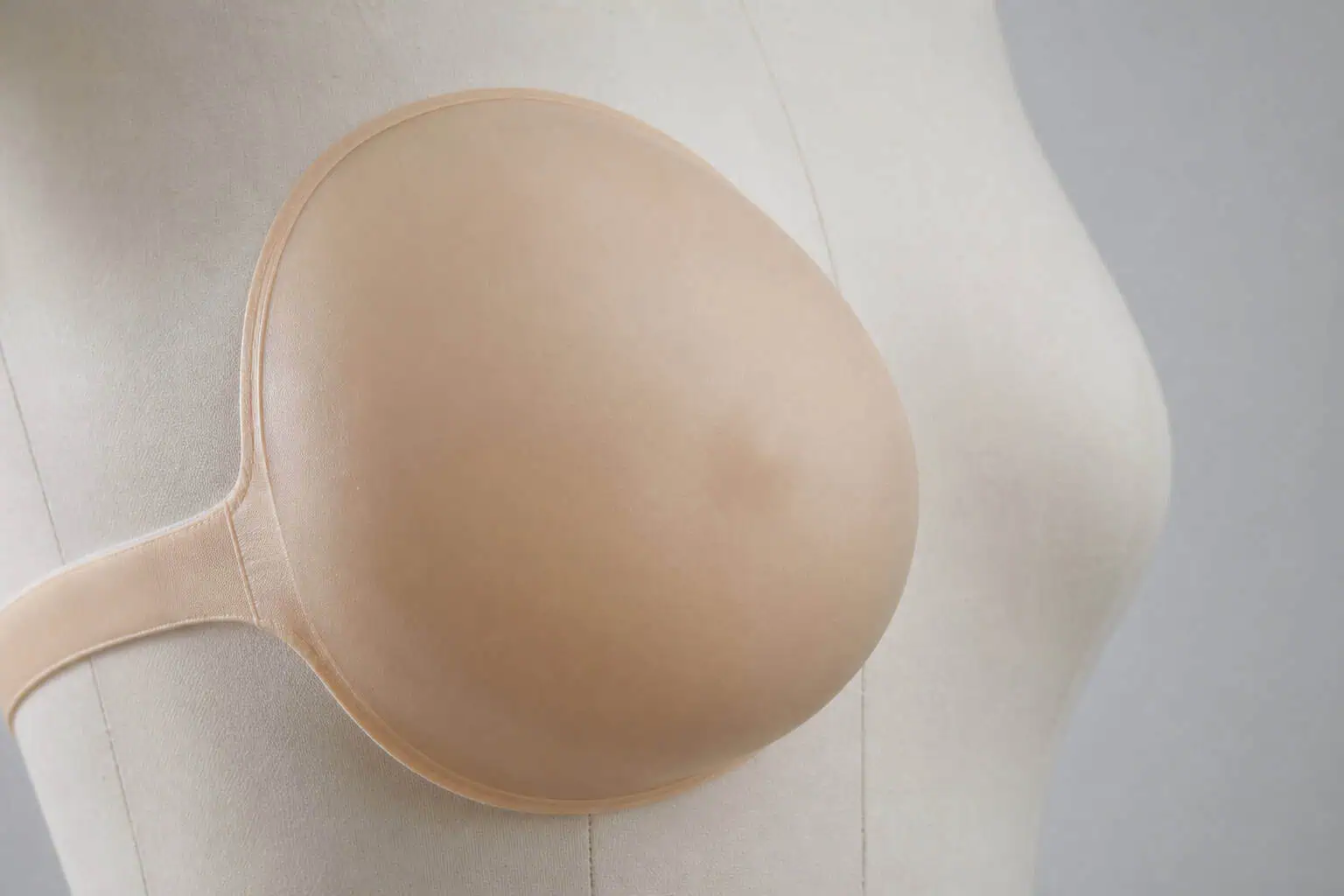
Director Simon West commented that framing shots around Jolie’s augmented breasts was a decision point, quoted from 2001 Entertainment Weekly. The costume had to fit the character’s silhouette, and then the cinematography had to work around the lara croft angelina jolie outfits.
Jolie is 5’7″, tall enough to carry the action-hero look but not unusually so. Her height matters for costume sizing: the satin bomber jacket, utility belt, and boots all had to be proportioned to a real 5’7″ frame with an augmented chest. The prosthetics changed the garment’s drape, and the costume team had to adjust accordingly, considering Lara Croft outfit functionality in Tomb Raider movies.
The satin bomber jacket and the costume’s functional design
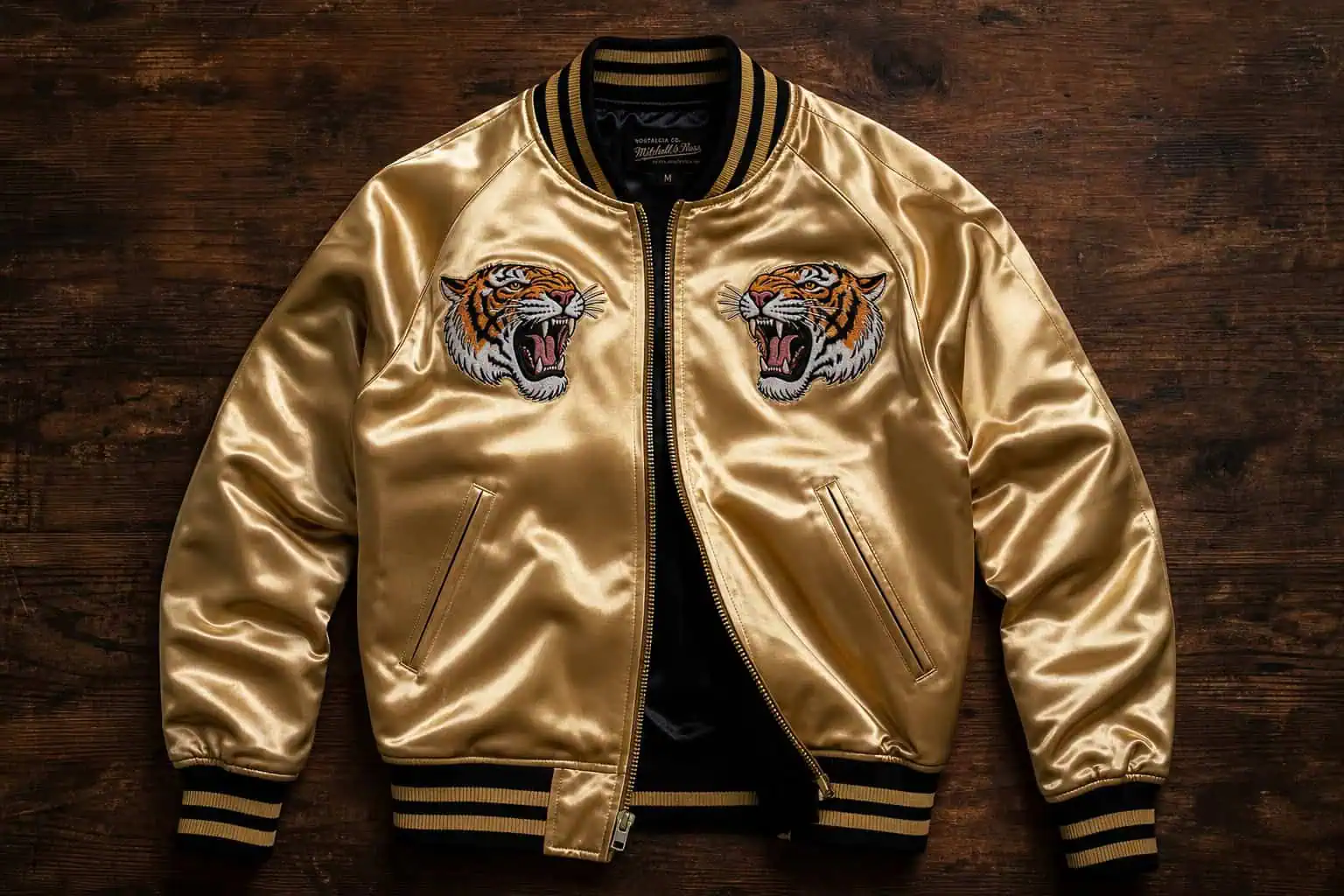
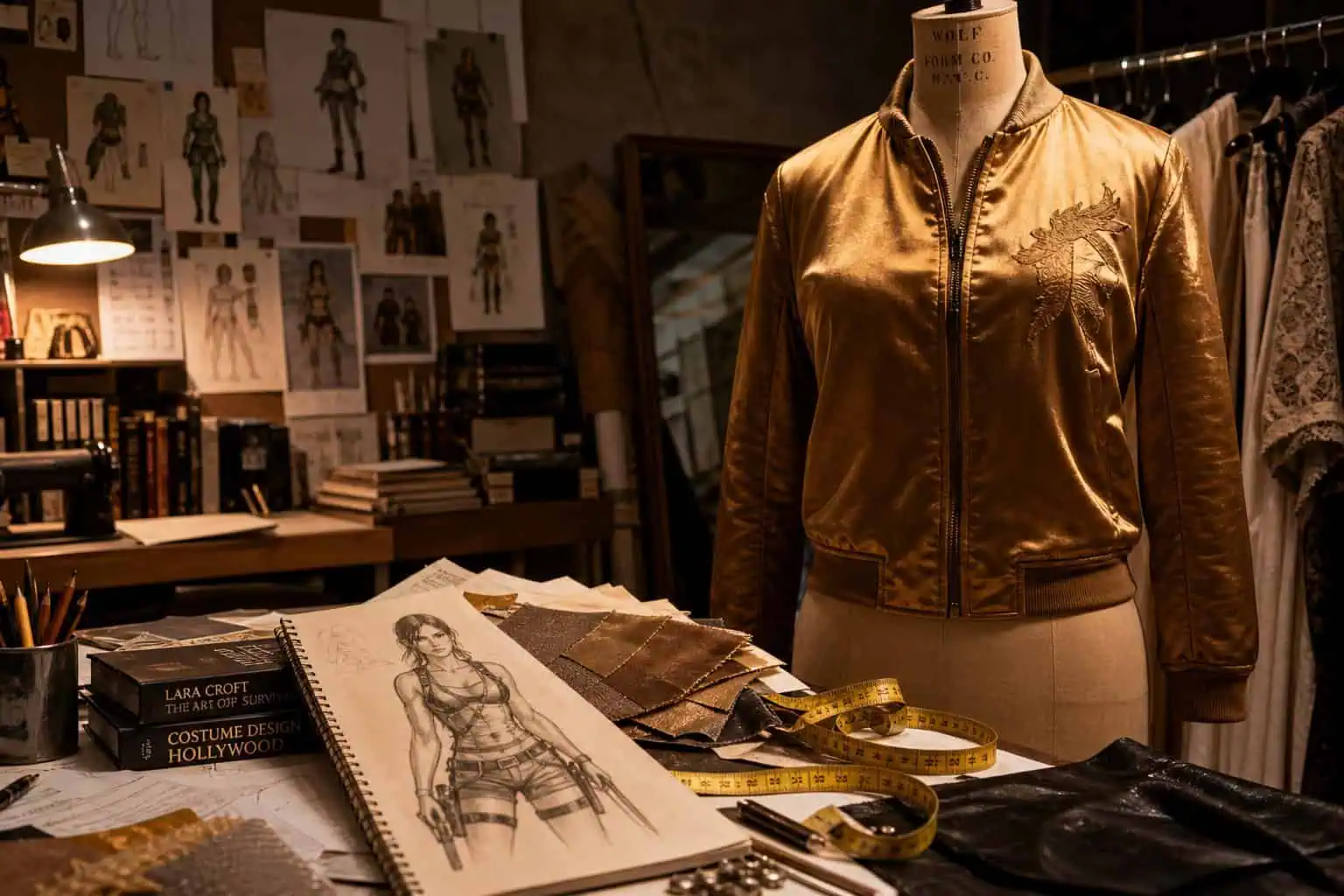
The most iconic piece is the golden satin bomber jacket. It is flashy—pure 2001 Hollywood—but the construction details tell a different story. The jacket has a YKK front zipper, a rib-knitted collar and cuffs, tiger patches on the chest, and a soft viscose inner lining. That YKK zipper is a workhorse component, not a luxury touch. The ribbing suggests durability for movement.
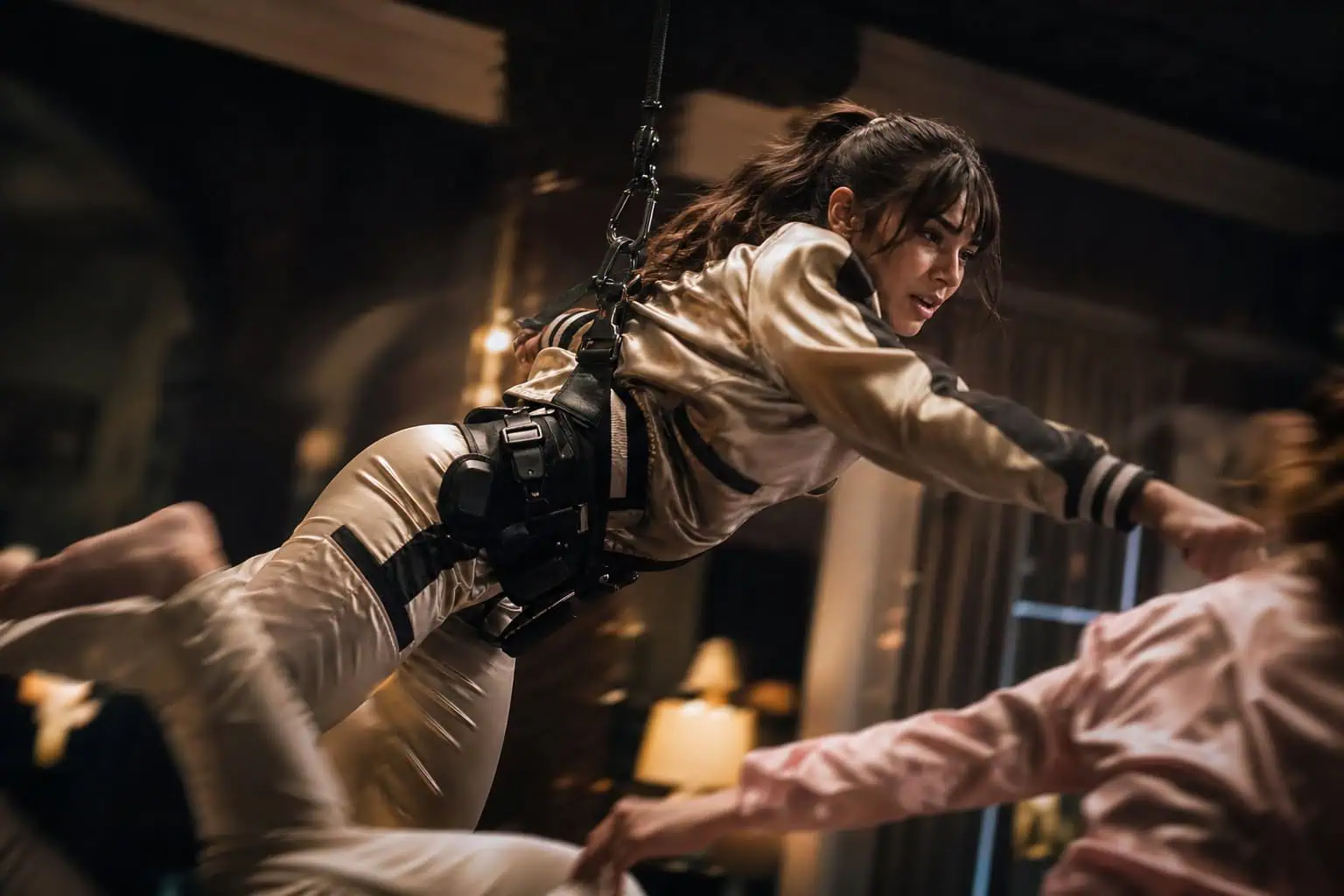
The utility belt and hiking boots reinforce the same balance: the costume had to look like Lara Croft and survive stunt sequences. The silk pajamas fight scene, where Jolie annihilates commandos while hanging in a harness, is the counterpoint. The pajamas are impractical, but the jacket itself was built to work, a detail that encapsulates the broader Angelina Jolie Tomb Raider costume design process.
For anyone trying to replicate the outfit, the details matter. The jacket’s satin catches light on screen, the tiger patches are distinctive, and the YKK zipper is a standard but precise detail that replica makers should note. The waist measurement of the costume itself wasn’t 24 inches—that was the game’s cartoon waist. Jolie’s real measurements, adjusted for the prosthetics, created the actual garment dimensions. When replicating, sizing must account for the prosthetic understructure: a 24-inch waist and 36D bust on a real frame require careful scaling, and the jacket’s rib-knitted collar and cuffs should be adjusted accordingly. Market demand for accurate replicas is high, but no specific sellers are endorsed here.
From prosthetics to muscle—the shift toward practical strength
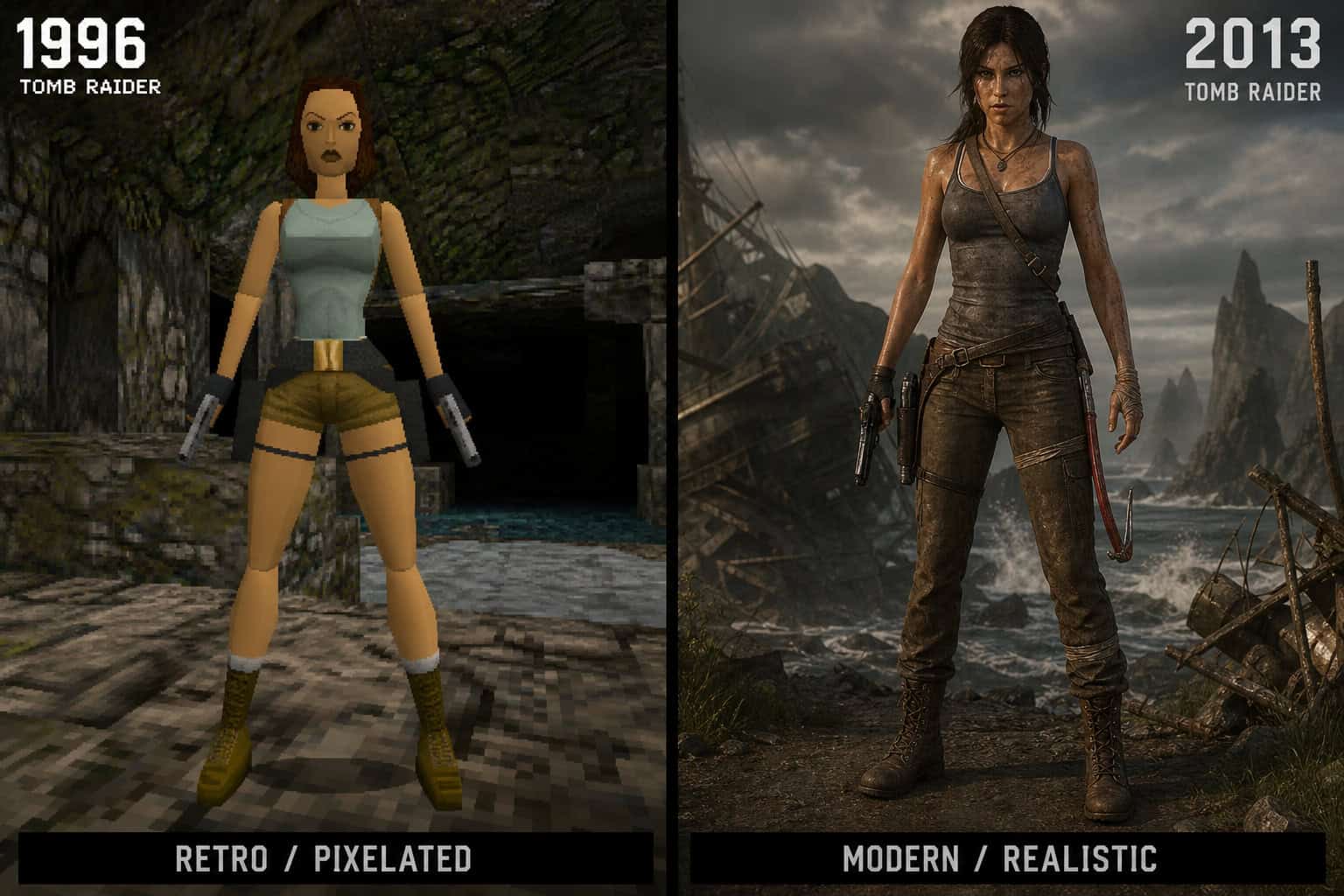
In 2013, Crystal Dynamics rebooted the game, replacing Lara’s shorts with cargo pants. Camilla Luddington voiced the 2013 reboot Lara Croft. The exaggerated proportions were scaled back, a shift that echoed the character design evolution seen in other media such as Grey’s Anatomy.
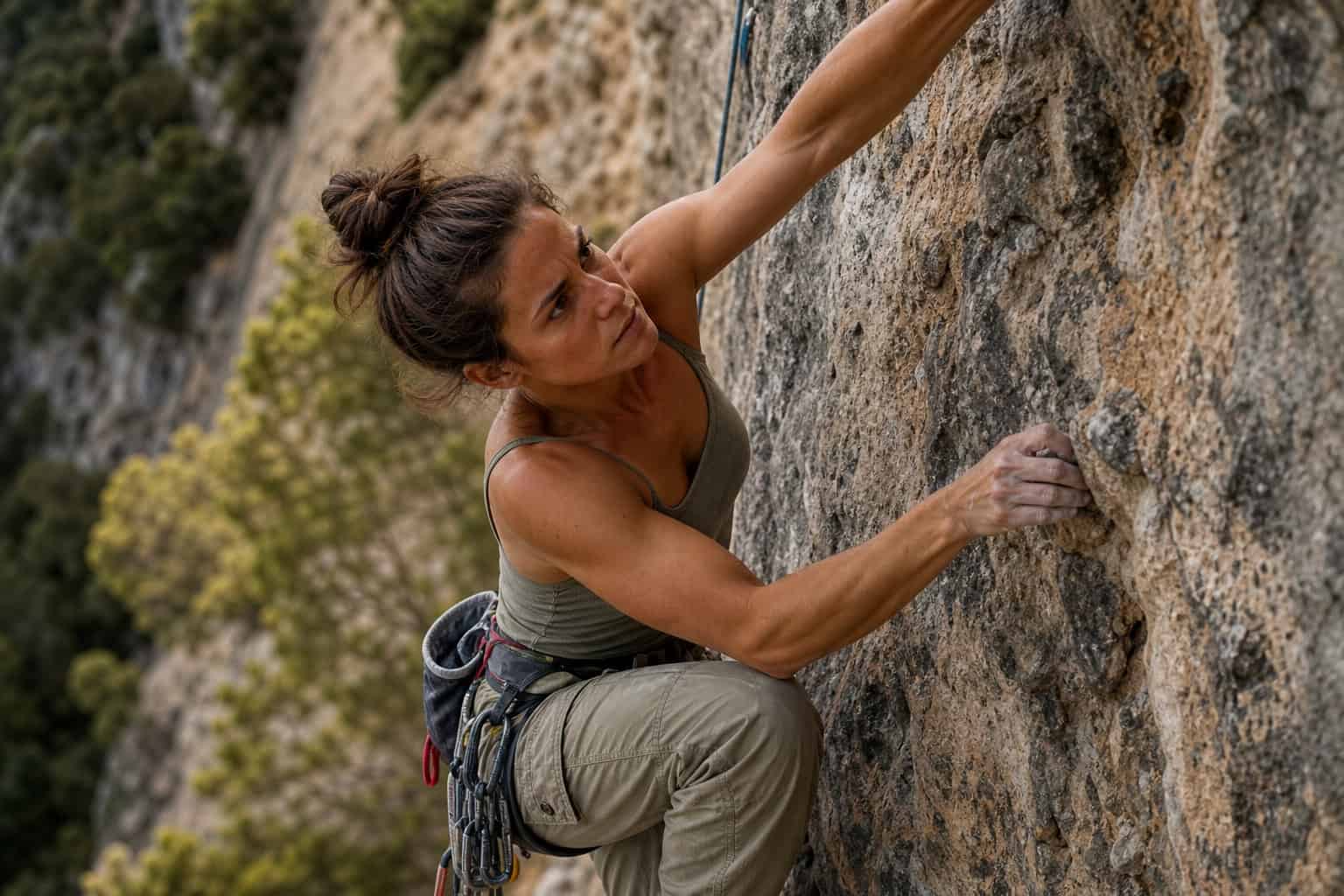
The 2018 film followed suit. Alicia Vikander trained for four months with MMA, rock climbing, and weightlifting, gaining 12 pounds of muscle for the 2018 film. Director Roar Uthaug omitted any love interest from the 2018 film. Alicia Vikander joked on the Graham Norton Show that her character’s chest was less exaggerated than the original Lara’s.
It’s a lighthearted acknowledgment that the design philosophy had inverted: where Jolie’s costume added padding to match a silhouette, Vikander’s training built strength to look capable. The film was released on March 16, 2018.
The 2001 film was working with source material from a different era. The 2018 film had the advantage of a rebranded game franchise and shifting audience expectations. The contrast: prosthetics versus muscle, framed bust versus no love interest, satin bomber jacket versus cargo pants.
What the measurement story tells us about costume design
The numbers document a design evolution that spans 22 years. Anita Sarkeesian, founder of Feminist Frequency, described Lara as ‘a hypersexualized character that reinforces a deep objectification of women’ in a 2016 New York Times interview. That critique hit at the peak of the debate, but it also reflected real industry data: women now make up 41% of all video game users, as reported in a 2016 study. The audience was changing, and the character had to change too.
The 24-inch waist and 36DD bust created a challenge that prosthetics alone could not fully address’t solve. The whole costume had to work around them—the jacket’s construction, the cinematography, the stunt choreography. The functional details (YKK zipper, ribbed collar, utility belt) show that the costume team was balancing iconicity with practicality.
What the measurements really record is a conversation between games, film, and audience. The 1996 game said: exaggerated, fantasy, male gaze. The 2001 film said: let’s make it work on a real actress with padding and careful framing. The 2018 film said: let’s train a real actress to look like she can do the job without any padding at all.
