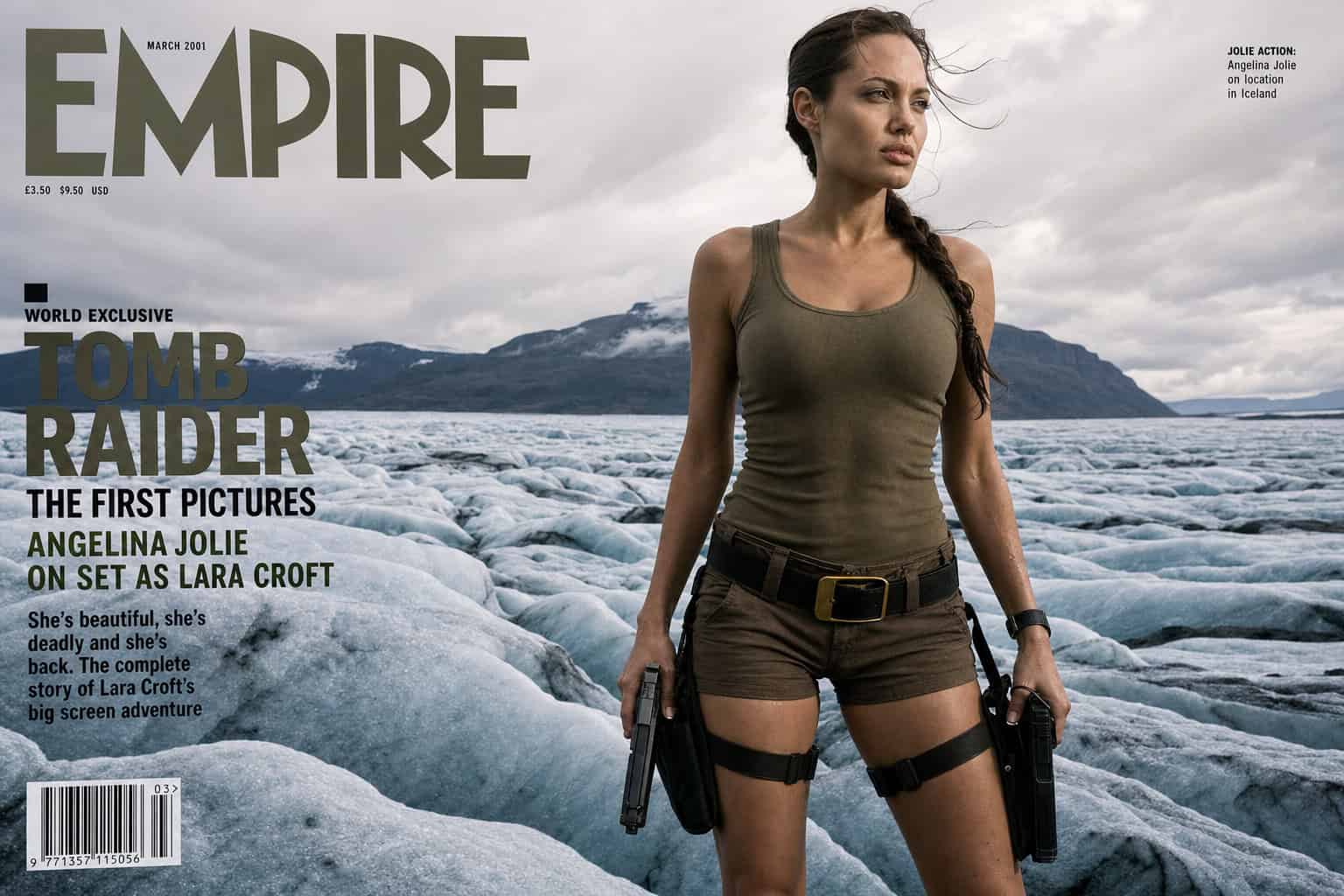
Lara Croft first appeared in 1996 as a polygon woman with a triangle for a chest and a penchant for raiding tombs. By the time Angelina Jolie stepped into her boots in 2001, that digital silhouette carried twenty years of baggage—starting with Toby Gard’s accidental 150% breast enlargement (he’d meant 50%) and a marketing department that knew exactly where to point the camera. The costume design for the live-action film had to honor the game’s iconography while making Lara look like a real person who could run, jump, and shoot without her shorts splitting.
Key Takeaways
Angelina Jolie initially refused to wear Lara’s signature shorts, calling them “very uncomfortable,” and only agreed out of concern for the character’s legacy.
Costume designer Lindy Hemming deliberately chose a monochromatic palette and shape-driven silhouette over color, with Jolie insisting on real boots to ground the character in reality.
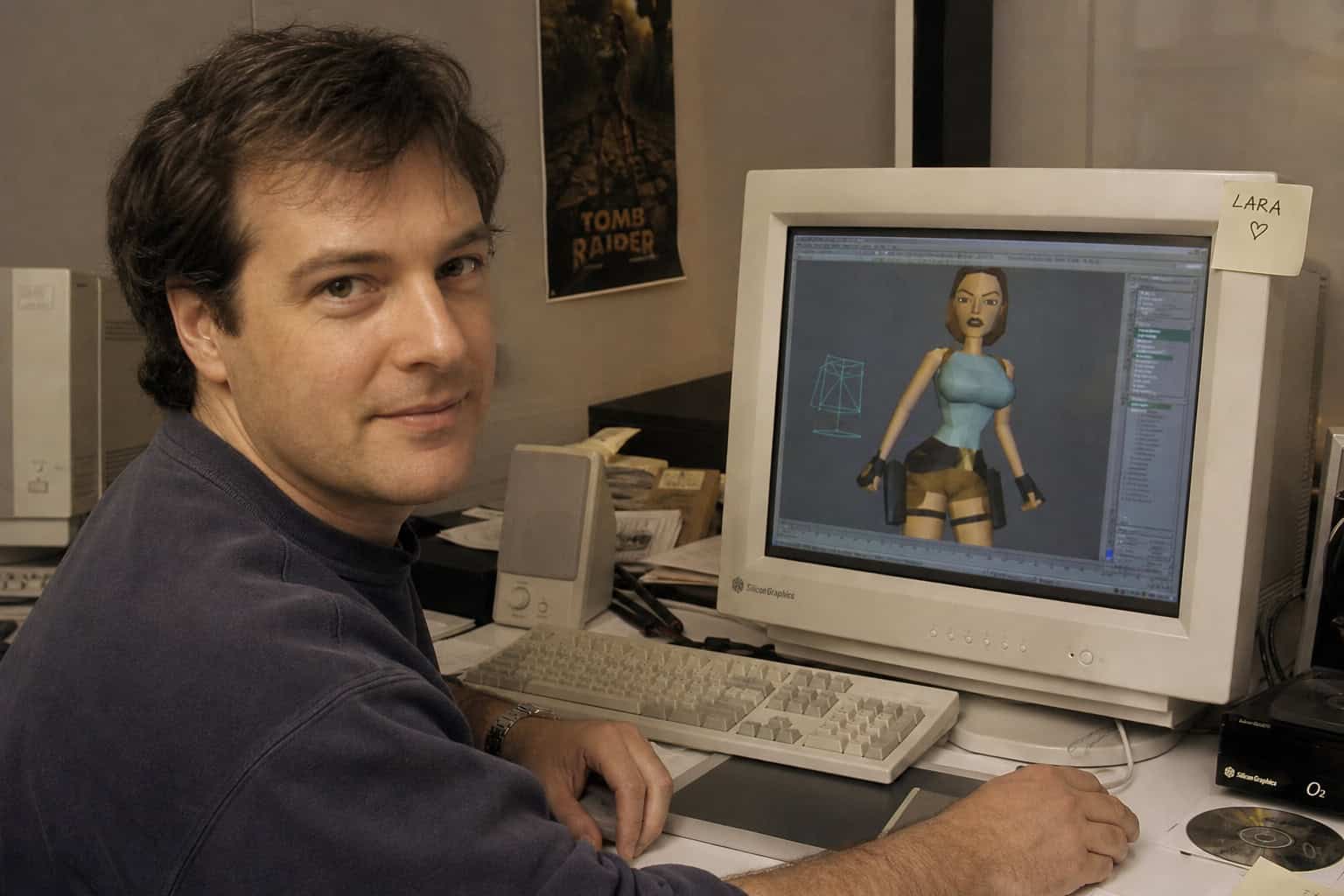
Toby Gard’s 1997 interview with The Croft Times revealed that Lara’s exaggerated proportions were an accident—he intended 50% enlargement but got 150% due to a “slip of the mouse.”
Table of Contents
The costume that carried twenty years of baggage
Before Jolie ever put on the tank top, there was a problem baked into the character’s DNA. Lara Croft was designed by men for a male audience, and Toby Gard was candid about it. In a 1997 Q&A with The Croft Times, he admitted the character’s breast size was a happy accident: he’d set a slider to 150% instead of 50% and never noticed. By the time he did, marketing had already latched on. “It was the easy route,” he said, and it worked.
The games sold over 21 million copies by the time the film entered production. Lara was a phenomenon—across PC, PlayStation, and Sega Saturn, then Tomb Raider II in 1997, The Last Revelation in 1998, Chronicles in 2000. But she was also a punchline. A female action hero who looked like a horny 14-year-old’s idea of a woman. When Paramount greenlit a $100 million live-action adaptation, the costume designers weren’t just making clothes—they were untangling a cultural knot.
Lindy Hemming’s blueprint: mysticism, realism, and monochrome
Hemming brought a distinctive approach to Lara’s look, blending ancient mysticism with practical realism and a deliberately restrained color palette.
Who is Lindy Hemming and why her background matters
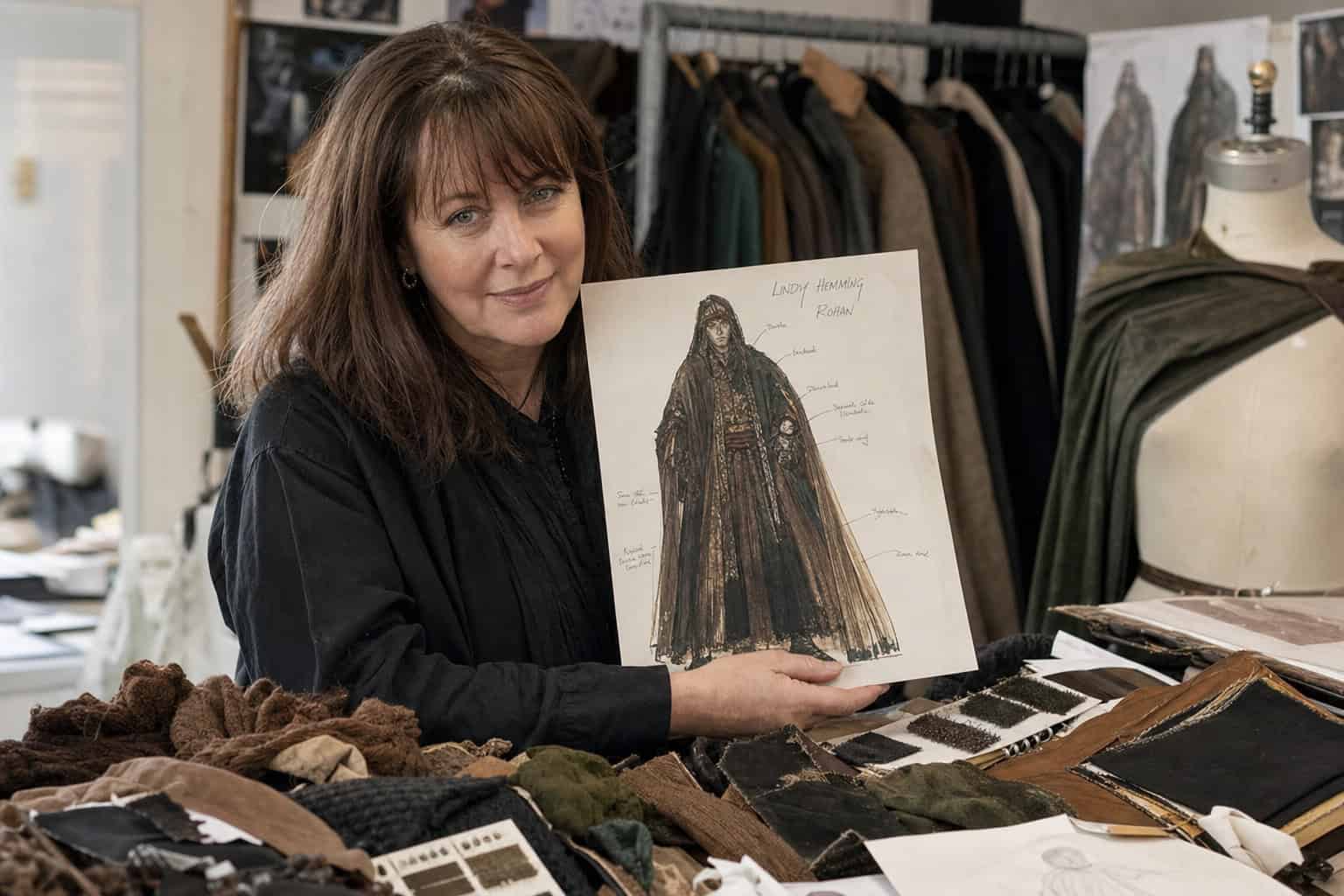
The woman tasked with that knot was Lindy Hemming, an Oscar winner for Topsy-Turvy with a resume that glides from Four Weddings and a Funeral to James Bond to Harry Potter and the Chamber of Secrets to the Dark Knight trilogy. She started in stage management, studied at RADA, designed for the West End, the RSC, and the Royal National Theatre before moving to film.
Hemming once said that designing ordinary clothes for contemporary films is harder than superhero movies, because making a simple jacket look durable and believable under a camera’s eye requires invisible craftsmanship.
The design philosophy that shaped Lara
Hemming wanted a “mystical feeling” for Lara—something that felt ancient and grounded, not cartoonish. She and Jolie collaborated closely, and Jolie was involved in the process. The actress pushed for a look that was “more about shape than colors,” and the result was deliberately monochromatic. “Very solid and monochromatic. Blends into Iceland,” Jolie said.
Real boots were non-negotiable. Jolie insisted on them to anchor the character in reality—a deliberate move away from the pixelated exaggeration of the game. The palette was muted: earthy browns, dark greens, black. The only splash of color came from Lara’s signature tank top and shorts, but even those were subdued, as seen in Alicia Vikander stepping into Angelina Jolie’s shoes.
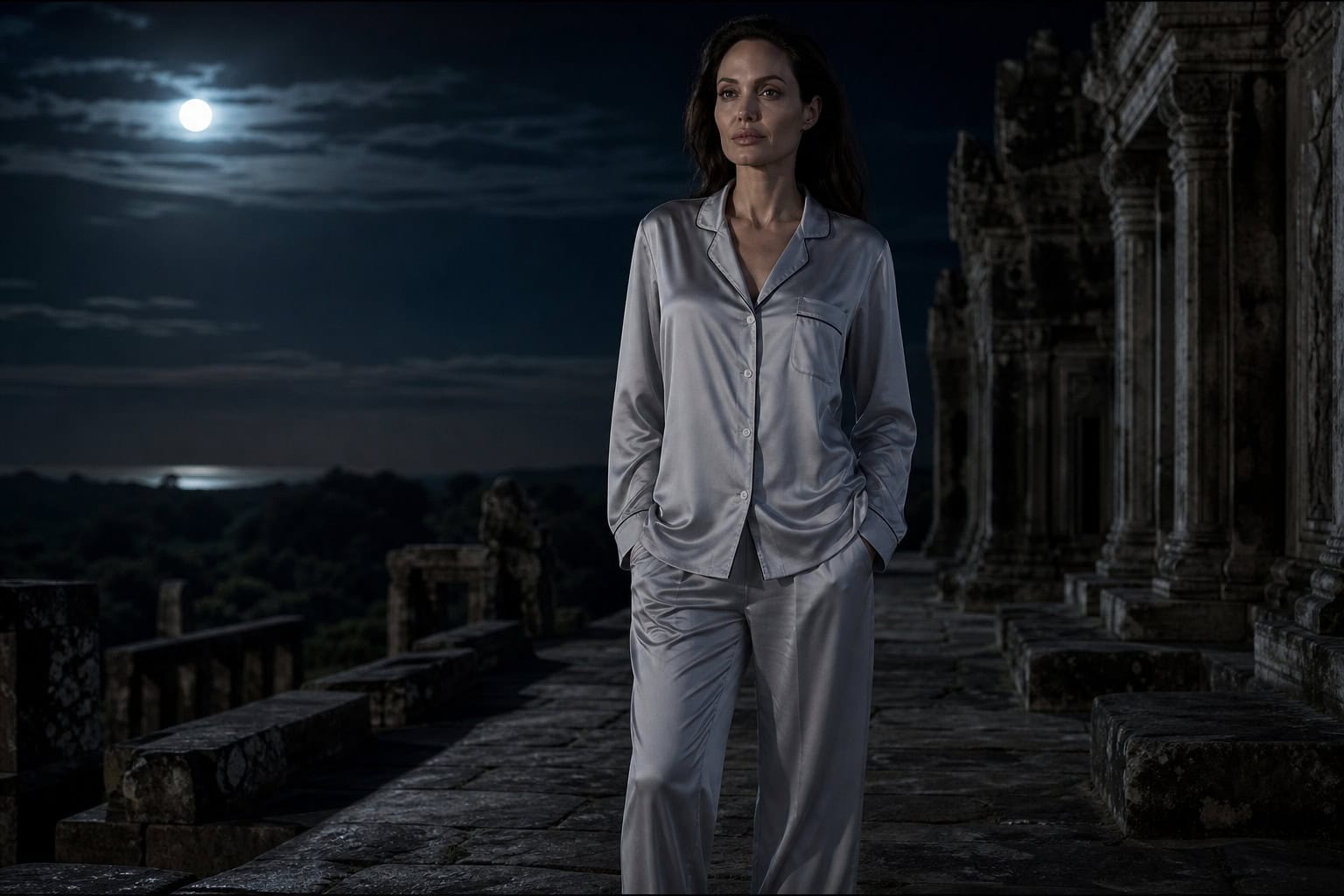
The most telling example of Hemming’s approach is the costume for a hair-raising stunt sequence: silky men’s-style pyjamas. Hemming described them as “alluring,” but the key word is “men’s-style.” Lara wasn’t wearing lingerie; she was wearing comfortable sleepwear that happened to look good.
A negotiated costume: the shorts controversy and Jolie’s agency
The debate over Lara’s shorts became a flashpoint, revealing the tension between Jolie’s personal comfort and the character’s iconic legacy.
Why the shorts mattered and what the compromise reveals
Jolie’s first words to director Simon West: “I would not get in the shorts.” She found them “very uncomfortable.” She’d won her Oscar for Girl, Interrupted just two years earlier. She wasn’t a video game actress scrambling for exposure; she was a serious performer trying to protect her character.
But the shorts are Lara Croft. The iconic look—tank top, cargo shorts, dual holsters—was seared into the cultural brain. A deep dive into the Lara Croft Angelina Jolie outfits reveals exactly how this design was prioritized, as Jolie eventually agreed to wear them because “legacy won out over her autonomy.” That’s a remarkable admission.
She didn’t say she was bullied or forced; she said the character’s identity was bigger than her discomfort. It’s a rare documented moment where an actress tried to push back against hypersexualization on a franchise film and was overruled by iconography.
The shorts stayed. Jolie wanted Lara to be “real—not cartoony.” She got her monochrome palette, her real boots, her functional pyjamas. The shorts were the hill the game’s legacy refused to cede, but the film adaptation introduced a different aesthetic entirely.
Built for action: the costume as stunt equipment
Jolie’s rigorous training and willingness to perform dangerous stunts meant the costume had to function as gear, not just clothing.
Jolie’s physical transformation and commitment to stunts
Jolie didn’t just wear the costume—she earned it. Two and a half months of daily three-hour workouts. The first week, they took away cigarettes, alcohol, and bread. She gained weight, built muscle, and said she “finally felt like a woman.”
This change is reflected in the precise Angelina Jolie Tomb Raider outfit size and measurements, which accommodated her new physique. Meanwhile, she was doing triple back flips and bungee jumps from 50 feet. Director Simon West marveled at her fearlessness.
The most telling detail: her stunt double refused the thin-log surfing scene. Jolie did it herself.
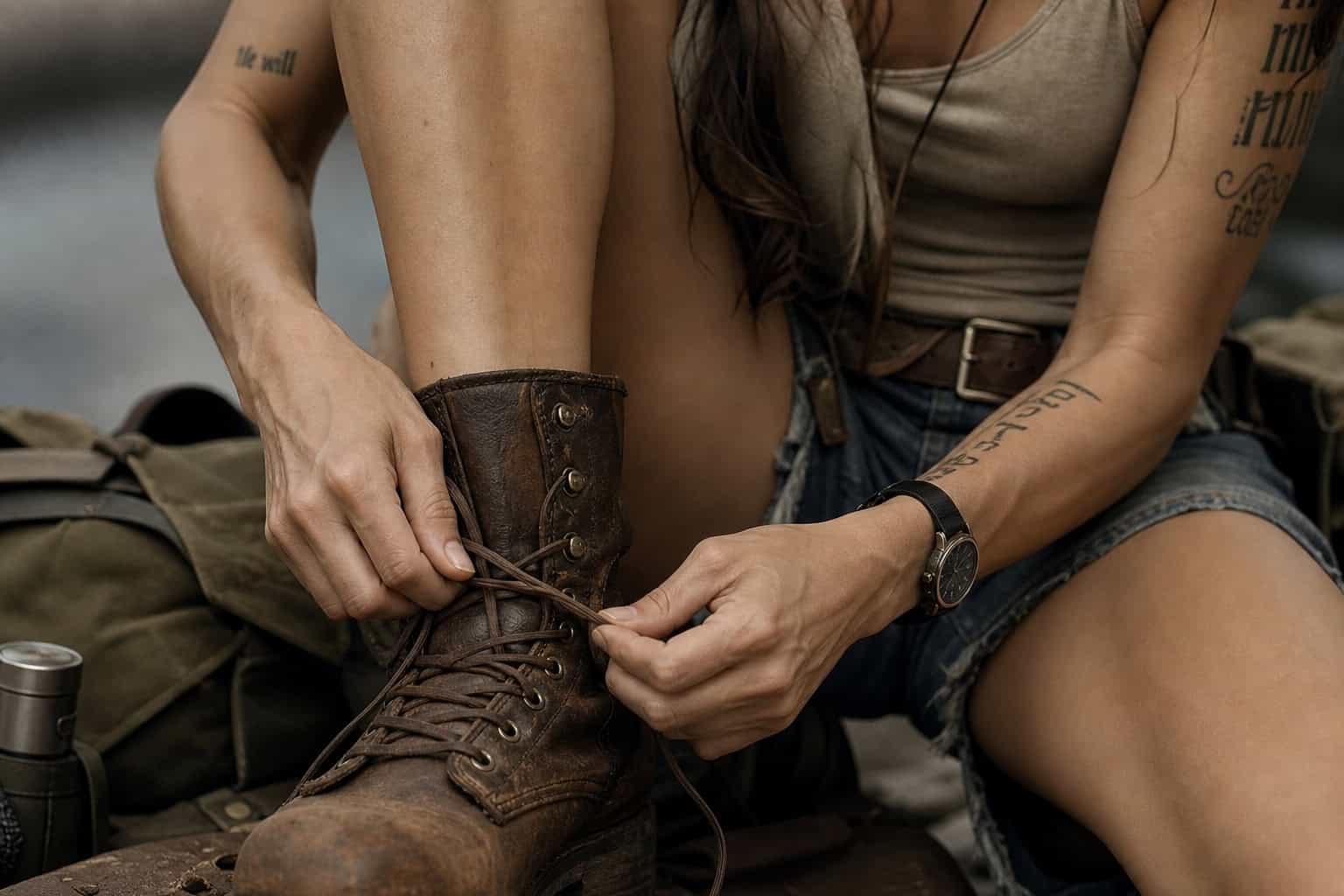
The costume’s unseen durability requirements
Hemming’s team almost certainly made multiple copies of every piece, though exact numbers aren’t public. For Maleficent, Jolie’s fight costume required 25 fireproof copies because the scenes involved real flames. Hemming herself noted that sometimes the beauty of a costume has to be sacrificed for the practicality of an action movie.
Reclaiming Lara: feminist critique meets personal memory
Lara Croft’s legacy is tangled in feminist critique and personal nostalgia.
The character’s problematic origins
The critics were split. Roger Ebert said the film “elevates goofiness to an art form.” Elvis Mitchell of the New York Times linked it to Maxim magazine and the male gaze, noting that Jolie raises a sardonic eyebrow and occasionally fits in a little acting as well. Nathan Rabin called Jolie’s Lara “curiously asexual and predictable”—a surprising take given the character’s hypersexualized origins. Jolie’s performance was too self-aware to be pure object.
The author’s personal reclamation
I was five when the film came out. I didn’t understand any of this. I just wanted to be Lara Croft.
In 2018, I dressed as her for Halloween. The seed was planted by Nicki Minaj’s lyric: “Ayo, I been north; Lara been Croft!” and a horoscope from @astropoets x W Magazine telling Libras to pay homage to an important woman in their life. I took that as a sign.

It wasn’t my first reclamation. In 2015 I was a black Mia Wallace; in 2016, a black Harley Quinn. These are characters designed by and for white audiences, but I claimed them anyway. Lara Croft was the first fictional woman who made me feel powerful. I discovered later that she was a feminist hero built on misogyny and male lust. That stung.
But the film was also a bonding experience with my father. We watched The Matrix, Shaft, Rush Hour together—the 90s/2000s action canon that shaped our relationship. Lara Croft belongs in that list. She’s messy. She’s contradictory. But she’s mine.
The thread that connects Lara, Batman, and Wonder Woman
Hemming didn’t disappear after Tomb Raider. She went on to design for Christopher Nolan’s Dark Knight trilogy, where the same grounded realism drove the costumes. Batman’s suit had to look like military-grade hardware. Bane’s mask was based on a jet engine, designed as a fuel injection system for oxygen. The Joker’s look drew from rock stars like Pete Doherty and Iggy Pop—deliberately contemporary and dangerous.
She also designed for Wonder Woman, another feminist action icon whose costume carries its own baggage of male-gaze design. The throughline is clear: Hemming treats fantastical characters as people who live in the real world. Lara’s monochrome palette, Batman’s tactical armor, Wonder Woman’s sculptured silhouette—they all share a philosophy of making the impossible look practical.
What the costume tells us about action, agency, and adaptation
Jolie wanted something else, but the shorts stayed. Hemming wanted a mystical feel, but grounded it in real boots and a muted palette. The result is a costume that means different things depending on who’s looking.
And for me, walking through a Halloween party with dual holsters and a tank top, it held something else: a five-year-old’s wish to be a big deal. I was.
Frequently Asked Questions
Why did they change Lara Croft’s face?
The film adaptation didn’t change Lara’s face so much as translate a polygon character into a real human being. Angelina Jolie brought her own features and physicality to the role, which naturally differed from the game’s original low-poly model. The shift from a cartoonish, exaggerated design to a grounded, realistic look was intentional, driven by both Jolie’s performance and costume designer Lindy Hemming’s philosophy of making fantastical characters feel like they live in the real world.
What is Lara Croft’s style?
In the 2001 film, Lara Croft’s style is deliberately monochromatic and grounded, built around earthy browns, dark greens, and black. Costume designer Lindy Hemming aimed for a mystical yet practical feel, with real boots anchoring the character in reality and a shape-driven silhouette over flashy colors. The only nod to the game’s iconic look is the tank top and cargo shorts, but even those were subdued compared to the pixelated original.
What size was Angelina Jolie in Tomb Raider?
Angelina Jolie’s measurements for Tomb Raider reflected her intense physical transformation—she trained for two and a half months with daily three-hour workouts, gaining muscle and weight to embody the action hero. While exact numbers aren’t publicly documented, her costume was built to accommodate her new, stronger physique, and she insisted on real boots and functional gear to make the character feel authentic rather than cartoonish.
What was the controversy behind Lara Croft’s original design?
Lara Croft’s exaggerated proportions were essentially a mistake—creator Toby Gard admitted in a 1997 interview that he intended a 50% enlargement but accidentally set a slider to 150% and never noticed until marketing had already latched onto the look. He called it the easy route, and it worked for sales, but it also made Lara a punchline: a female action hero designed by men for a male audience. The film’s costume design had to untangle that cultural knot while honoring the game’s iconography.
How did Lindy Hemming make Lara Croft’s costume practical for stunts?
Costume designer Lindy Hemming built Lara’s costume with action in mind, using durable materials and a monochromatic palette that could withstand rigorous stunt work. Angelina Jolie performed many of her own stunts—including a thin-log surfing scene her stunt double refused—so the costume had to function as gear, not just clothing. Hemming’s philosophy was to sacrifice beauty for practicality when necessary, ensuring every piece could handle the physical demands of the film.