The paradox of trying to stay calm in a highly competitive game—where the stakes frequently feel as high as those on the top sportsbooks and casinos curated by WSN—is that it usually makes you play worse. Well-meaning advice often tells you to “just remember it’s a game” or “try to relax,” but if you’re grinding ranked ladders, forcing a sleepy, detached mindset fundamentally contradicts your drive to improve. Conversely, trying desperately to win often leads to an exhausting cortisol spike, culminating in a rage-fueled losing streak.
When you get tilted, it rarely means you lack willpower or character. More often than not, it means your biological system is hitting a wall. Just like a GPU thermal throttling when pushed beyond its cooling capacity, emotional volatility during an intensive ranked climb is a predictable physiological stress response triggered by cognitive fatigue. To master emotional regulation during competitive sessions, you have to stop treating tilt as a moral failing and start managing your physical state like hardware infrastructure. The goal isn’t reaching a trance-like zen—you’re just systematically transitioning from reactive, ego-driven anger to strict, sustainable analytical focus.
Key Takeaways
Capping your daily practice limit at 3 to 10 games strictly separates your routine from the grueling 12-16 hour grinds of professional esports athletes, directly preventing the glazed-over “autopilot” state.
Logging your post-match metrics (like champion, role, and a single game-impact note) in a dedicated spreadsheet converts emotional losses into sterile statistical lines, mathematically forcing a reset between queues.
Emerging hardware interventions, like the physiological sensors used in games like Champions of the Shengha, map real-world respiratory and heart rate data directly into the game, effectively treating calmness as a trainable user mechanic.
Table of Contents
Redefining calm: Active analytical focus vs. passive relaxation
Most assume a “relaxed” gamer is just disengaged, but peak performance in competitive environments is resource-intensive. Game designer and competitive philosopher David Sirlin highlights that high-level engagement isn’t about passivity at all; it’s an instinctual, highly calculated state.
Staying calm means you’re processing map cues and predicting opponent rotations with clarity, free from the distraction of your own rising frustration. Professionals manage this by recognizing that getting tilted is inefficient. To bridge the gap between professional and amateur mental state management, you have to replace undirected stress agitation with calculated intent. Instead of just sitting at your desk sweating, force your brain to execute a strict 5-10 second minimap check cycle. Actively monitoring data anchors you to the logic of the match, shifting your brain out of reactive stress and back into analytical focus.
Physical conditioning: Securing your cognitive baseline
Many players spend hours tweaking mouse DPI and graphics settings, yet ignore the biological limiters that process the visual data. Sustained cognitive endurance during intensive gaming sessions relies on simple, non-negotiable physical infrastructure.
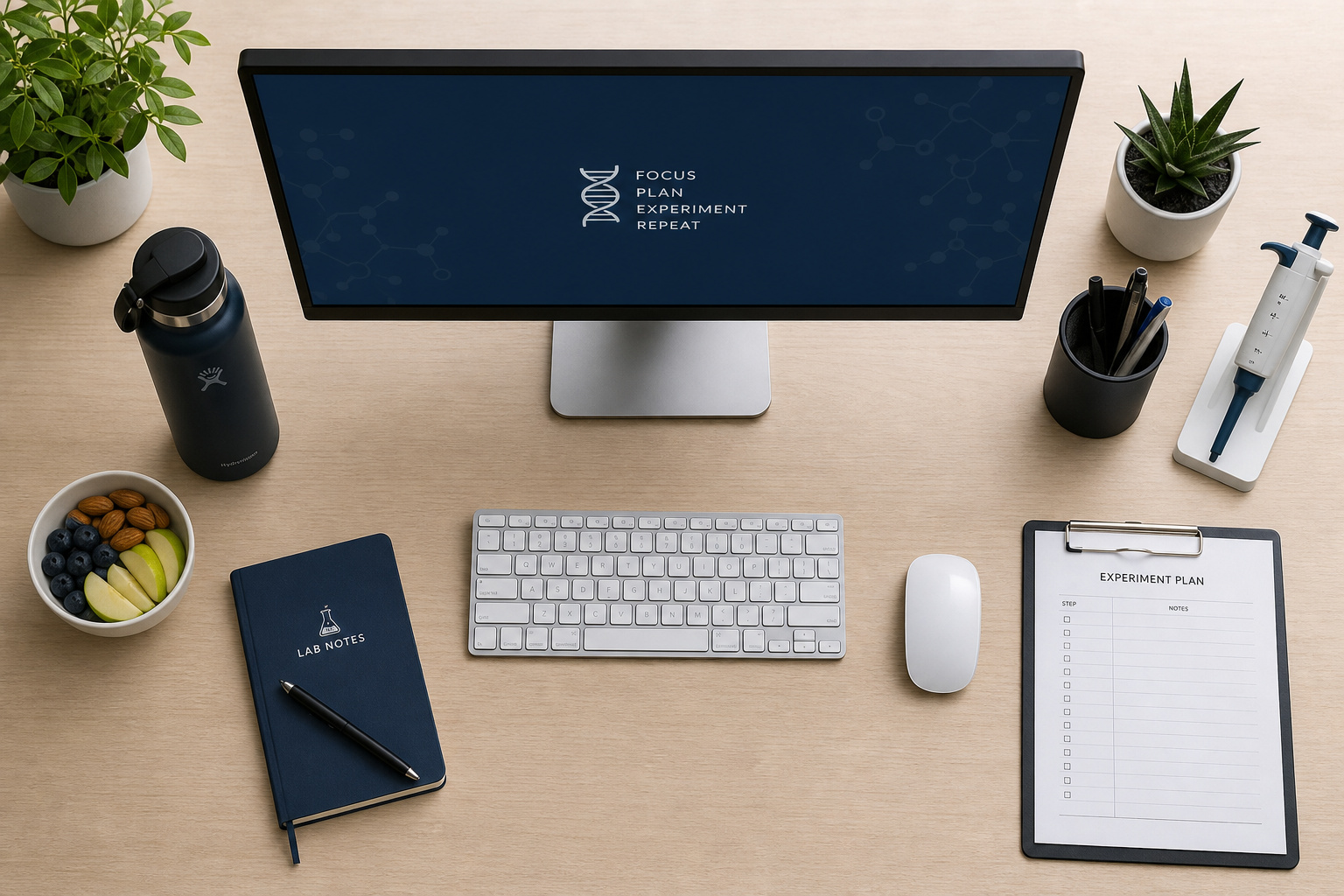
If you try to out-willpower a tired brain, you’re going to rage. Physical condition is a primary driver of how effectively your brain handles complex problem-solving under pressure. To maintain reaction times and critical thinking, sufficient sleep between daily sessions is mandatory. Next comes fuel: eating proper meals prevents the sluggishness that inevitably leads to lazy decision-making, and keep a full water bottle at your desk to stay hydrated during queue blocks. Fixing your physiological maintenance directly secures your cognitive endurance.
Setting sustainable macro limits: The strict 3-to-10 game rule
“Playing through the pain” is one of the most toxic myths in amateur gaming. It’s easy to look at professional players in high-performing regions—like Jankos, who will log 3 scrim block games with a team before hitting solo queue for a daily total measuring 12-16 hours—and think that raw volume is the secret to climbing. But pros operate with coaches, health staffs, and rigid team infrastructure. Mirroring that kind of load without the support system just cooks your brain.
For non-professionals, the recommended range for a sustainable macro load sits at 3 to 10 games per day. If you push past this sustainable volume, you’ll invariably cross into an “autopilot” state. This happens when active processing shuts down, your decisions default entirely to muscle memory, and you stop processing map data altogether. The moment you notice yourself clicking mindlessly, you have hit your ceiling.
Stop playing. Take a break, or grab a quick nap to restore mood and reaction time before you hemorrhage more rank.
Deep breathing: Utilizing micro-resets to regulate heart rate
In-game tactics for stress management, such as preventing sweaty gaming hands, need to be actionable right in the heat of a skirmish. When an unexpected gank happens and you feel your blood pressure spike, your heart rate goes up, your hands tremble slightly, and your back muscles clench. To halt this, you can execute a micro-reset perfectly timed with forced objective downtime.

You’ll spend plenty of time waiting in matches—staring at death timers, waiting for dragon, or walking back to lane. Treat these unplayable windows exclusively as physiological calibration periods. Take a deep breath focused on exhale duration. When you mechanically force yourself to exhale longer than you inhale, you directly instruct the sympathetic nervous system to stand down, tricking the body into a state of physical safety. Mastering this heart rate regulation mid-match ensures you start your next rotation with a clear head instead of a tense grip.
Sensory grounding: The 5-4-3-2-1 technique
Sometimes the digital overwhelm gets too loud, especially if you have had a rough workday before logging in to play. If you find yourself in a losing streak, staring blankly at the screen, you are likely trapped in a destructive autopilot state.
To break this loop, you need to pull your brain entirely out of the virtual world and anchor it back to reality. The 5-4-3-2-1 technique is a hard-reboot for your awareness. Look around your physical space and deliberately name one thing you can see, one thing you can smell, one thing you can touch, one thing you can hear, and one thing you can taste. This sensory grounding exercise yanks your consciousness away from the digital chaos, halting your downward spiral and restoring focus to your immediate, physical surroundings.

Communication filtering: Preserving your mental bandwidth
A common misconception about disabling in-game chat is that it’s just for players with thin skin. In reality, aggressive communication filtering is an elite resource management tactic. Human beings possess finite mental bandwidth, and parsing the toxic complaints of an abrasive teammate hijacks the processing power you desperately need for tracking cooldowns and map states.
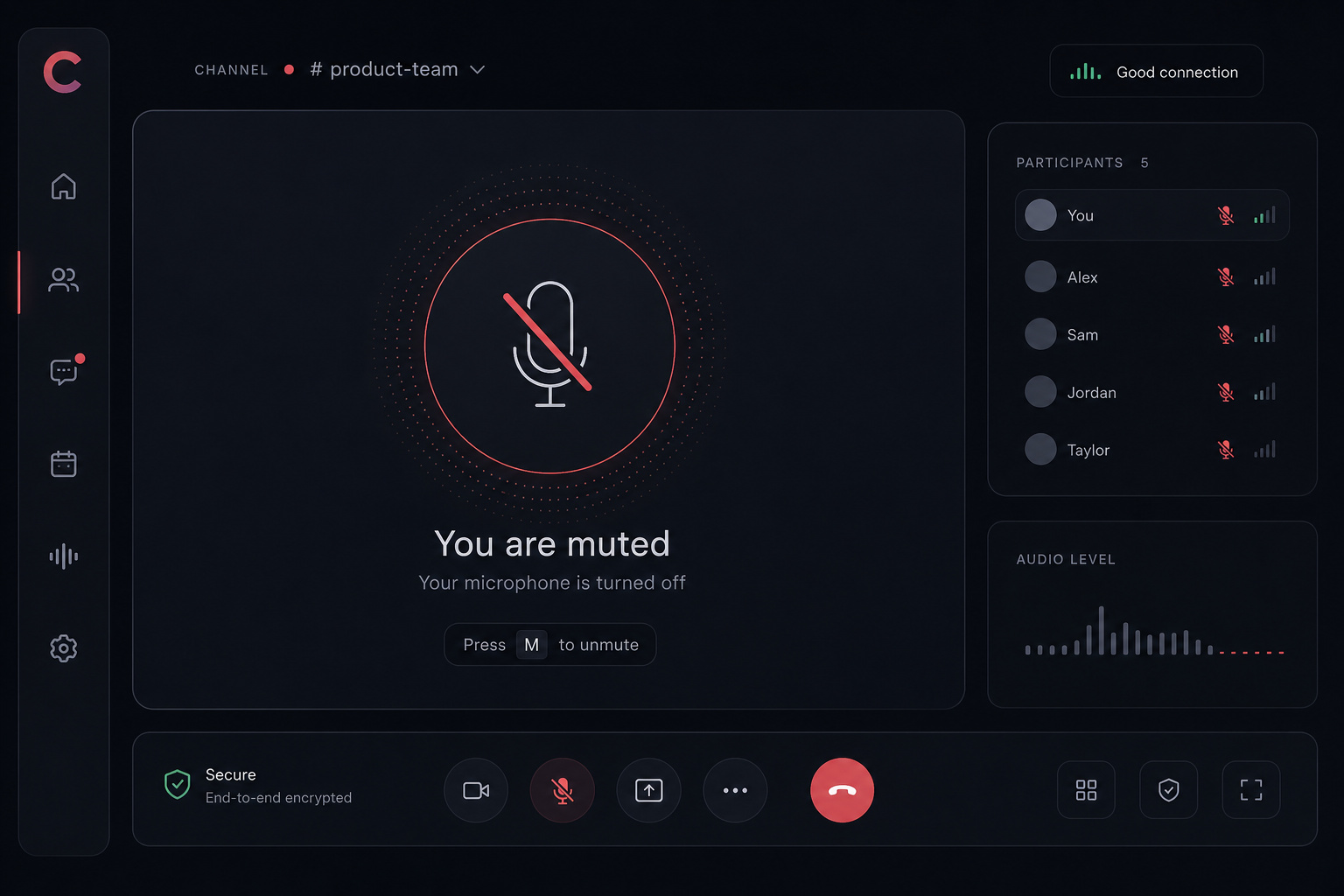
Insta-mute toxic players—including their pings—the second they show aggressive tendencies. Your focus is an athletic resource, and wasting it on chatting with a stranger is bad strategy. Additionally, you need to balance out your competitive schedule with social support. Alongside physical self-regulation habits like breathing techniques for gaming, sharing experiences and playing cooperative modes with friends allows you to offload residual stress. Studies suggest coop gaming lowers stress way more than purely competitive grinds, acting as a psychological buffer against long-term burnout.
Personal mantras: Establishing cognitive anchors
When a match spirals out of your control, the emotional impulse is to abandon your win-condition strategy and play purely to vent frustration. Giving yourself a momentary mental break to realign with analytical gameplay can save the round.
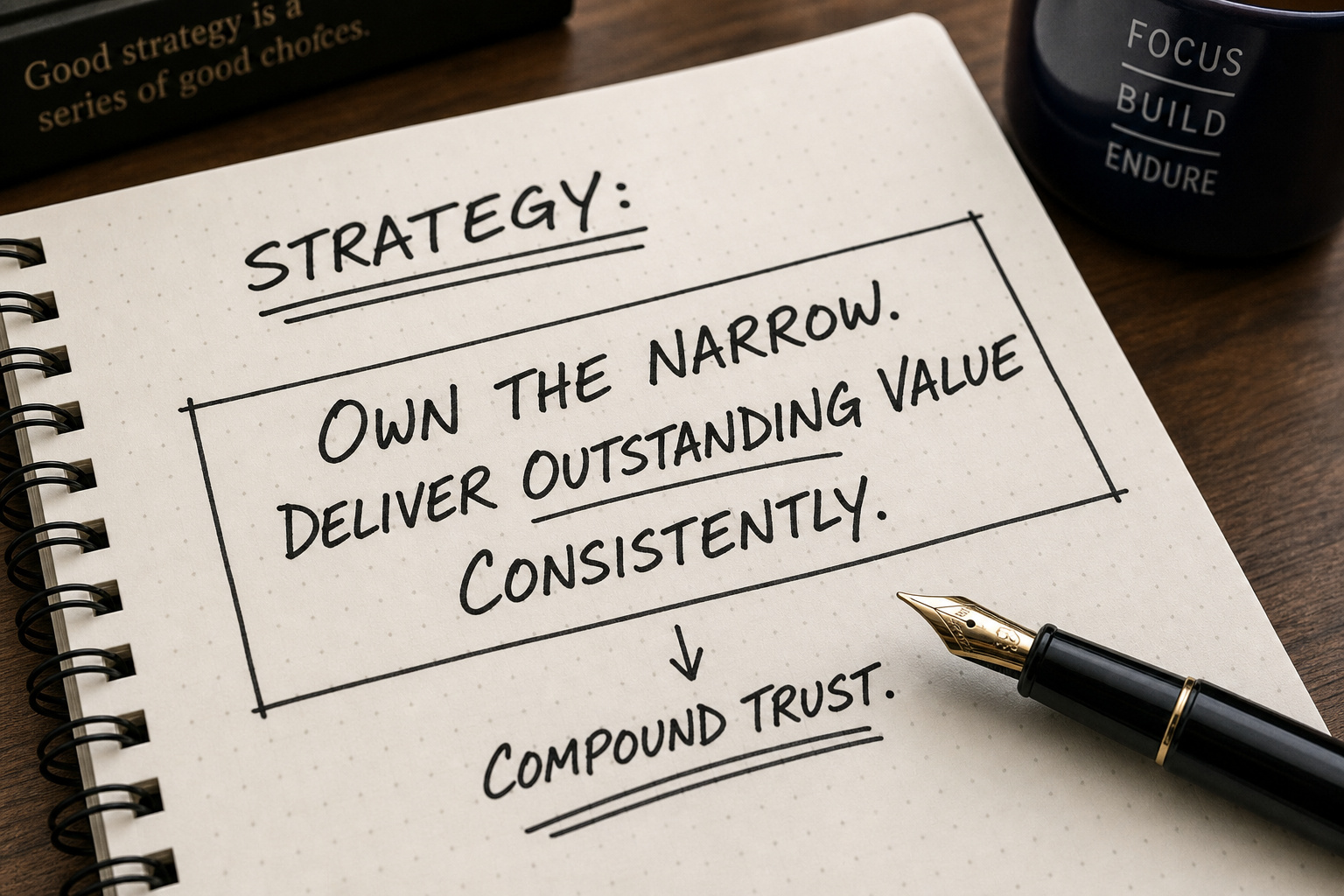
Establishing a personal mantra—a concise, repeatable cognitive anchor—provides exactly that refocus point. Whether it’s a calm mechanical rule you dictate to yourself, a favorite song lyric, or an inspirational quote like “Failure is a detour; not a dead-end street,” reciting this anchor mid-match acts like hitting a clutch pedal, disengaging the emotional engine long enough to switch gears back into strategy.
Humor and reframing: Applying practical stoicism
If you can make a joke or laugh at your own terrible missed skill-shot, you physically shift how your brain is processing the event. Humor is a fast way to break an ego-driven frustration cycle, offering a mental reset comparable to the strategies used in job burnout recovery.
You can also lean on a little practical stoicism tailored to server environments. When the internet lags or a teammate throws a lead, quickly assess the variable: Can you actively control this situation? If the answer is yes, take immediate action. If the answer is no, instantly accept it. Expending physical stress over an outcome you cannot mathematically control is wasted processing power.
Post-match movement intervals: Flushing out physical cortisol
Competitive matches force your body to build up significant physical tension and residual adrenaline, creating a cortisol hangover. If you instantly queue up for another match, all of that pent-up physical energy associated with anger gets dragged straight into the next draft screen.
You cannot let the transition period remain passive. Implement strict 5-minute intervals of physical movement directly between matches to reset your focus. Step entirely away from your keyboard and do jumping jacks, take a brisk walk, or spin on an exercise bike. Moving your body actively releases the physiological tension, mathematically dismantling the stress spike left behind by high-pressure situations.
The spreadsheet method: Creating objective distance from losses
A common failure pattern involves players carrying the frustration of a previous loss into their next match, leading to an immediate autopilot state where they stop monitoring game-state cues. The tell is when a player starts complaining about “bad luck” or “trolls” within the first 3 minutes of a new match, which is a clear symptom that the mental reset button was skipped.
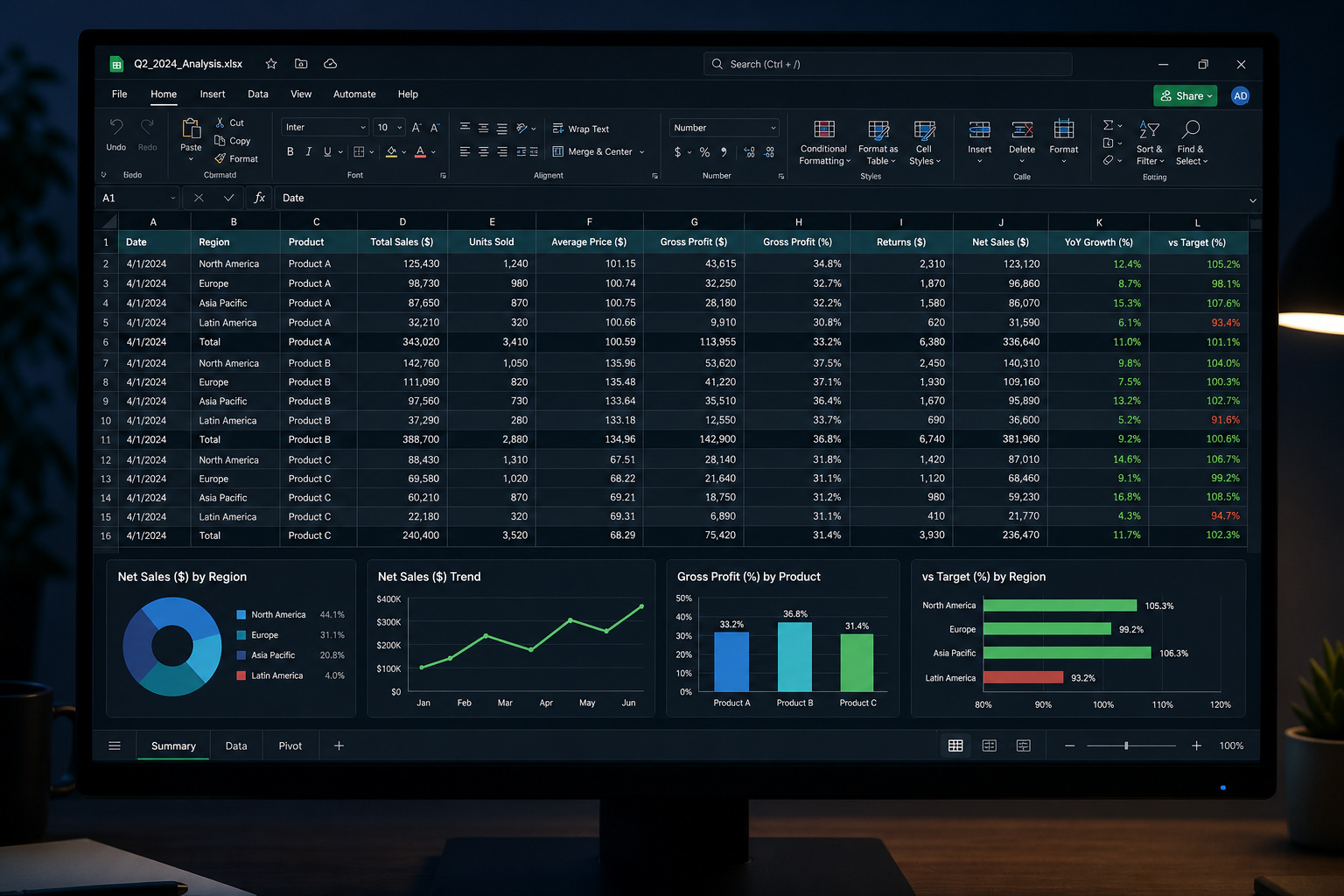
To kill this emotional carryover, lots of folks use some pretty granular performance management tricks. A brilliant approach popularized for long-term climbing is u/YOU CRUMPET’s spreadsheet method in League of Legends. After every game, win or lose, open a structured log and manually input your champion, your role, the win/loss result, and write exactly one concrete comment on your gameplay impact. This data entry acts as a manual circuit breaker. By forcing yourself to convert an emotional defeat into a sterile statistical line item, you mathematically build objective detachment, clearing your mind completely before the next match.
Good sportsmanship as an emotional circuit breaker
Typing “gg” isn’t strictly about respecting the opposing team; it’s an active way to dial back your own internal distress markers. When you actively refuse to post-game trash talk your opponents, you prevent competitive focus from devolving into lingering toxicity.
Congratulating the winners gracefully, drastically reduces the personal sting of a loss. By setting the example of sportsmanship, you consciously separate your personal identity from the outcome of a match. It shifts the entire dynamic, protecting your own mental stability and ensuring that the stress of the loss doesn’t follow you once you close the application.
Mindfulness and meditation: Building long-term interoceptive awareness
While in-game tracking works for immediate triage, true resilience requires off-screen maintenance. Practicing daily meditation or mindfulness establishes a foundational ability to stay present and cope effectively with aggressive scenarios.
This builds what psychologists call interoceptive awareness—the capability to physically feel your own internal states, such as a tightening chest or shallow breathing, well before they explode offensively in-game. Studies highlighted by organizations like the Behavioral Science Institute show that players who manage in-game distress effectively process challenges via active problem-solving rather than reactive venting, an ability built almost entirely on the quiet, off-screen practice of recognizing physical cues.
Biofeedback tools: Treating calmness as a trainable mechanic
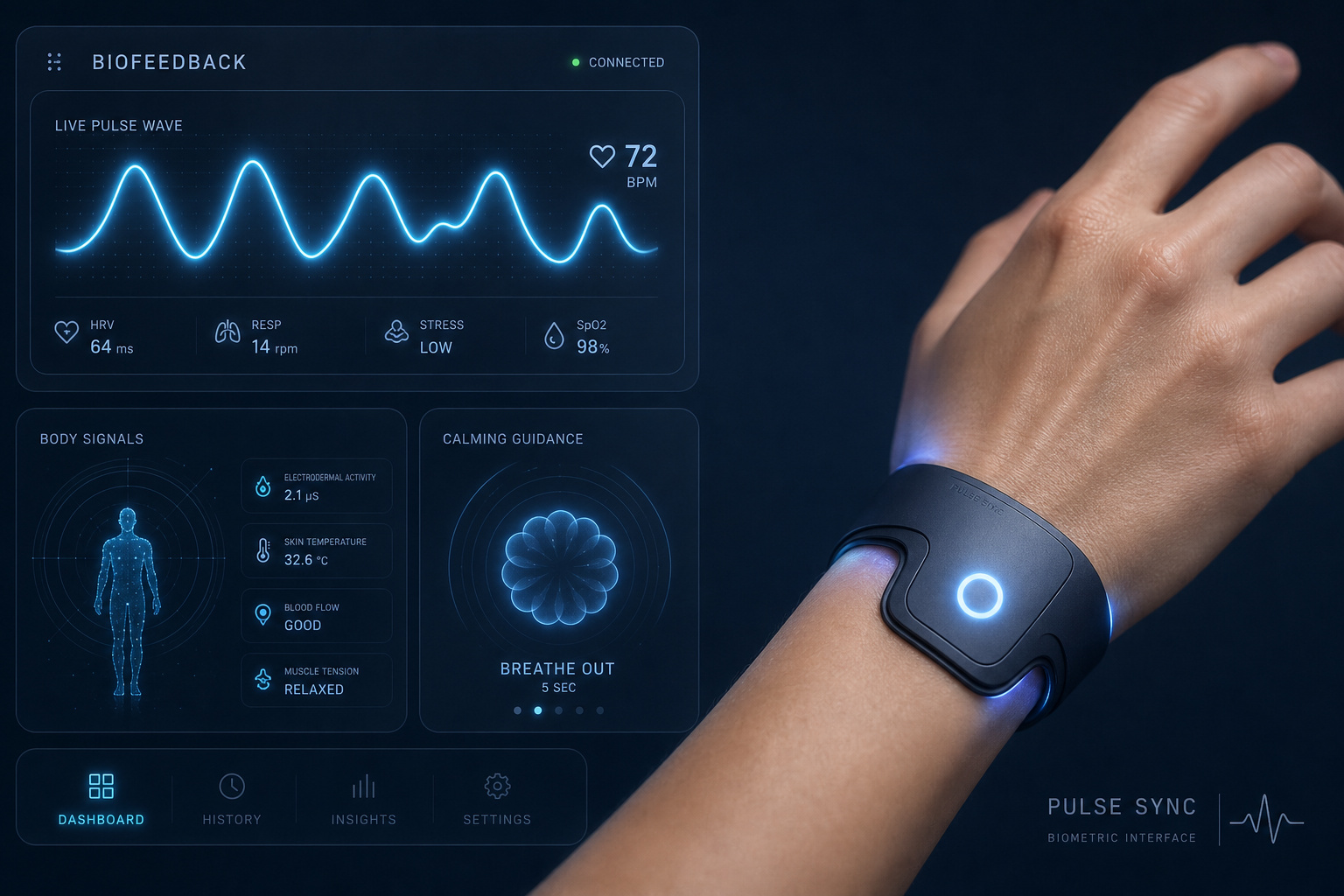
The geekiest, most systems-oriented approach to maintaining competitive calm involves gamifying your biological status. Biofeedback tools map real-world physiological calmness directly to in-game power, blurring the line between software input and physical health.
Using technology equipped with physiological sensors—such as a VR headset measuring heart rate, brain activity, and breathing arrays—treats emotional mastery as an empirical video game mechanic. A prime example is the game Champions of the Shengha, which actively encourages players to master their stress responses by rewarding generated physical calmness with increased casting abilities. When you link interoceptive awareness with tangible biofeedback tools, learning how to lower your heart rate under pressure stops being abstract psychological advice and becomes just another hard skill on your character sheet.
Frequently Asked Questions
What is the 20 20 20 rule for gaming?
This rule is a standard recommendation to reduce eye strain during extended play sessions. Every 20 minutes, you should look at something at least 20 feet away for 20 seconds. It serves as a visual reset to prevent the fatigue that contributes to poor decision-making and cognitive burnout.
How does the 3-to-10 game rule prevent tilt?
By capping your daily volume, you prevent your brain from slipping into an ‘autopilot’ state where you stop actively processing game data. Staying under this limit keeps you from hitting the biological wall of cognitive fatigue, which is the primary cause of rage-fueled decision-making.
Why does my performance drop off when I try to play through a losing streak?
When you lose, your body retains physical tension and a cortisol spike that essentially acts as a ‘hangover’ for your next match. If you queue up immediately, you carry that stress forward, forcing your brain to operate in a reactive, emotional state rather than an analytical one.
What is the difference between passive relaxation and active analytical focus?
Passive relaxation is trying to mentally ‘check out,’ which is ineffective for high-stakes competition. Active analytical focus, however, is a deliberate, resource-intensive state where you constantly monitor data—like minimap checks—to stay connected to the logic of the game.
How much impact does physical movement have between ranked matches?
Physical movement acts as an ’emotional circuit breaker’ that helps flush out lingering adrenaline and cortisol from a previous game. Just five minutes of activity, such as walking or jumping jacks, resets your physiological state so you aren’t carrying the frustration of a loss into your next draft.
Can I use ‘gg’ to help manage my own emotional state after a loss?
Yes, typing ‘gg’ is an effective tool to signal the end of a match and prevent competitive aggression from carrying over. It forces you to acknowledge the result objectively and separate your personal identity from the game’s outcome, protecting your focus for the next session.
Is it worth using biofeedback tools to improve my competitive performance?
Biofeedback tools are highly effective if you want to treat emotional regulation as a trainable skill rather than an abstract concept. By linking your heart rate and breathing patterns directly to game mechanics, these tools turn physical calmness into a measurable, rewarded mechanic.