Mentioning a gaming setup on a dating app can trigger an instant left swipe in certain corners of the internet, yet the real test isn’t a yes-or-no label on the hobby itself, but a behavioral check you can run on your own habits. That diagnostic separates who you are (a gamer) from what you do when a controller is in your hands: neglecting a partner, raging over a lost match, or hiding how many hours just vanished into a screen.
Key Takeaways
Being a gamer isn’t an inherent dating red flag: nearly half of all adults play, and the warning sign attaches to relationship-displacing actions like hiding hours or ignoring a partner rather than the hobby itself.
In a Tawkify survey of 500 single Americans over 40, 50% lost interest after seeing a date’s home and 13% decided within seconds, penalizing visible neglect like dirty dishes (42%) and empty fridges (48%) while rewarding a clean bathroom with a hand towel (60%).
Upfront honesty beats hiding your console because 57% of surveyed singles uncovered a home turnoff that earlier dates missed, and red-flag calls can flip to green once partners communicate context and boundaries.
Table of contents
Table of Contents
Is being a gamer a red flag in dating?
No, being a gamer isn’t inherently a red flag in dating; the flag attaches to behavior rather than identity. Playing video games is a normal, mainstream pastime enjoyed by nearly half of all adults, and it only becomes a relationship problem when specific habits displace a partner’s trust, shared responsibilities, or emotional presence. On the podcast Smosh Reads Reddit Stories, hosts Shayne Topp, Courtney Miller, and Trevor Evarts physically hold up red-flag and green-flag signs while evaluating relationship posts, treating those calls as provisional judgments that can flip once new context appears.
One letter of grammar changes the entire verdict. As the Smosh panel observed, telling someone “you’re being a bitch” calls out a specific action in the moment, whereas “you’re a bitch” condemns the whole person. Internet advice culture routinely collapses that distinction into binary, black-and-white “bad person box” thinking. Shaped by algorithmic apps, commenters love sorting people into permanent acceptable or unacceptable buckets over a single trait or mistake, even though real relationship viability rests on trust rather than moral labeling.
At GeekExtreme, we run whether gaming stays a healthy hobby through a direct behavioral test rather than offering blanket reassurance. The difference comes down to how the habit shows up in the room.
- Healthy unwinding (Green/Neutral): Playing for an hour or two after work to decompress, functioning no differently than watching TV, reading a book, or hitting the gym.
- Shared activity (Green): Cooperative play that lets couples team up, bond, and spend intentional time together.
- Independent space (Green/Neutral): Solo gaming sessions that give a partner a natural, welcome window to enjoy their own hobbies and shows.
- Neglecting responsibilities (Red): Letting sleep, hygiene, or chores slip because gaming consumes every free hour.
- Dismissing a partner (Red): Ignoring attempts to connect, brushing off a partner’s feelings, or refusing to pause a session when real-life communication is needed.
- Escapism and hostility (Red): Hiding play hours, reacting with anger when interrupted, or retreating into virtual worlds to avoid building a life together.
The snap-judgment data behind the gamer stereotype
Daily gaming isn’t the turn-off on dating apps; visible neglect in the living space surrounding the setup is what triggers snap disqualification on early dates. Most daters aren’t penalizing the existence of a PC tower or a console, because the real friction happens when a partner walks through the front door and reads the room as evidence of stalled adulthood. In a survey by the Tawkify matchmaking service of 500 single Americans over 40, reported by Ashley Fike in Vice on October 19, 2026, 50% of respondents lost interest in a potential partner after seeing their home, and 13% formed that opinion within seconds of walking through the door.
- 55% of women vs. 42% of men changed their minds faster after seeing a date’s home.
- 57% discovered a turnoff at a partner’s home that earlier dates had completely missed.
- 62% flagged security cameras pointed directly at the bed, and 59% flagged a missing toilet seat or missing toilet paper.
- 56% were bothered by unpacked moving boxes, 48% by an empty fridge, 42% by dirty dishes, and 36% by zero personal touches.
- 41% considered living with parents a red flag, 21% each flagged living with adult children or roommates, and 41% of these over-40 singles called a one-bedroom, one-bathroom floor plan a turnoff.
How fast daters judge a home visit
Dating profiles are often generous with the truth. As Fike noted, the guy whose bio claims he is “always up for an adventure” might actually live with a floor mattress and a refrigerator holding nothing but mustard and one Coors Light. Reddit anecdotes cited alongside the survey, including via Elite Daily, show how fast that gap kills attraction: one woman ghosted a date after finding his bathroom visibly dirty with no toilet paper, soap, or towels, while another recalled visiting a gorgeous apartment in an expensive neighborhood that was filthy inside.

Why the basement-dweller stereotype has measurable roots
The “gamer in a messy room” trope survives because environmental cues carry massive weight. In the Tawkify sample, 68% viewed a tidy home as a sign that the resident had their life in order, and respondents favored warm/traditional (71%), natural/neutral (69%), and industrial (49%) interiors. When a date visits a gamer’s home for the first time, hiding the hardware does very little compared to cheap maintenance signals: 60% cited a clean bathroom with an actual hand towel as the strongest signal for a second date, right alongside washed dishes and actual food in the fridge.
Red-flag culture and the disqualification economy
Online dating red flags split into two distinct categories: genuine safety and dishonesty threats (like harassment or secretly dating multiple people), everyday home-maintenance dealbreakers (like unwashed dishes, an empty fridge, or a messy bathroom without a clean hand towel), and benign single traits, like a gaming hobby, that get over-indexed when endless app options push daters to treat any single flaw as a reason to drop someone. That safety vigilance has undeniable real-world roots, since harassment affects nearly half of women who use online dating. In 2022, the “Are We Dating the Same Guy?” network launched in NYC for straight women to swap information about shady men, growing by 2024 to over 200 pages globally with 3.5 million members, including nearly 109,000 in the Boston/Cambridge group alone, as Gia Orsino, Emily Schario, and Katie Cole reported in The B-Side on Boston.com on Feb. 11, 2026. The Boston group helped 29-year-old Ashleigh Hammar discover a man she was seeing was dating multiple women at once, though the network has also sparked unflattering Reddit posts, articles, and defamation lawsuits.
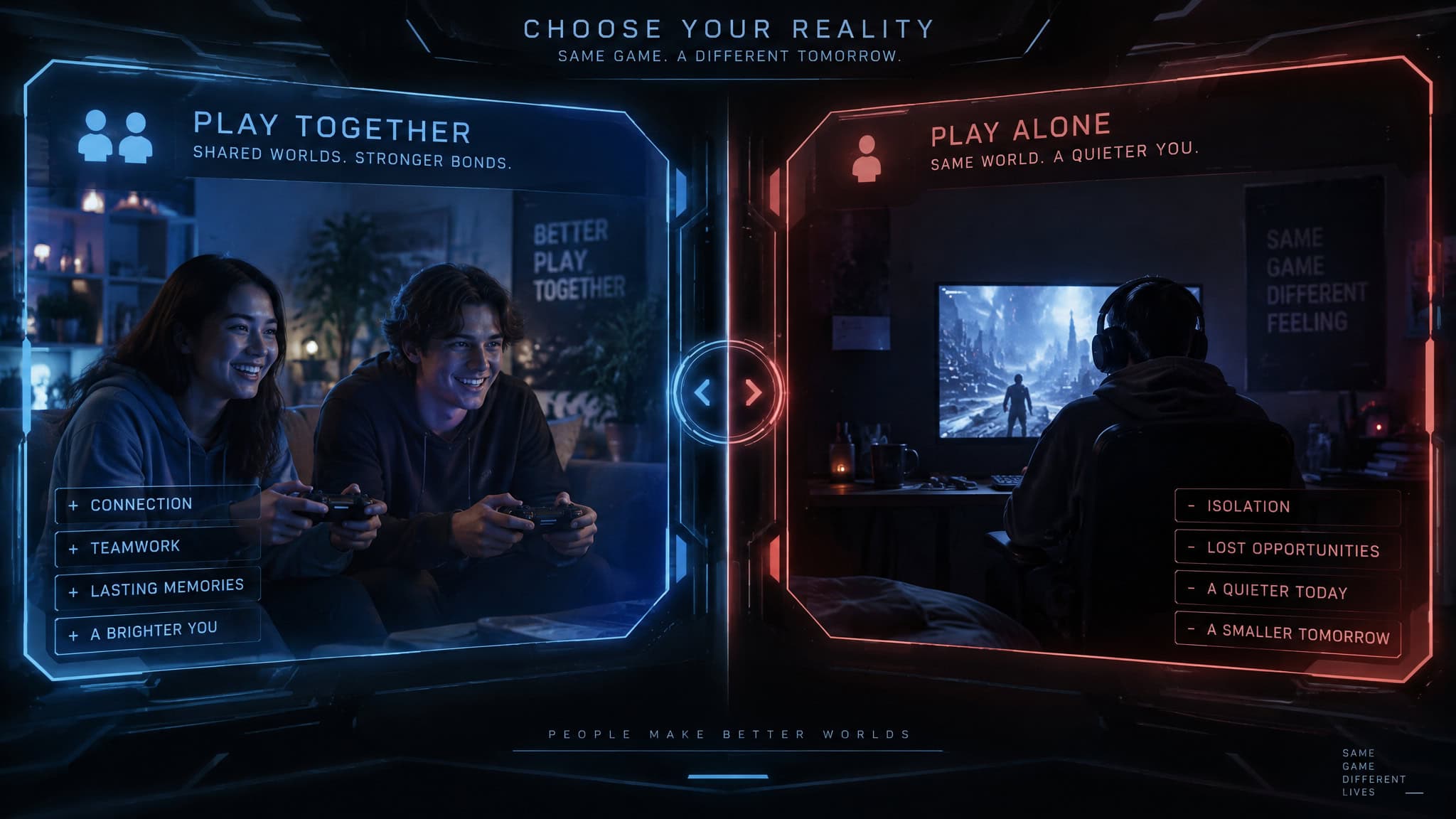
Yet the same protective instincts easily bleed into app-driven scarcity. Adam Cohen-Aslatei, CEO of Three Day Rule Matchmaking, blames the “paradox of choice” on dating apps, arguing that apps encourage daters to discard anyone with a single flaw and keep searching, which treats people like material objects until “We start seeing everything as a red flag.” Boston University professor Kathryn Coduto notes that red-flag definitions depend heavily on unseen context and worries that this mindset makes daters less forgiving of other people’s quirks, leaving little room for growth. Even daters are feeling dealbreaker fatigue: in a B-Side reader poll, 66% refused to let astrology sway their dating decisions, with one reader noting they already had too many dealbreakers to let the stars add more. Safety always comes first, but Cohen-Aslatei advises shifting from scarcity to abundance: find two things you genuinely like about someone before writing them off over a single hobby.
When gaming crosses into red-flag territory
- Treat gaming as recreation, not a red flag by default: Playing video games isn’t an automatic relationship dealbreaker when it’s just a casual evening session, so evaluate how the habit fits into daily life rather than writing someone off over a single hobby.
- Watch for displaced shared time: Treat the habit as a dealbreaker when a partner routinely plays all night instead of spending time together, or lets rescheduled date plans quietly harden into standing game nights.
- Look for neglected household responsibilities: Draw the line when gaming shifts into active neglect and hours pass unnoticed while household chores wait.
- Check for lost emotional presence: Consider gaming a dealbreaker when usage patterns crowd out partner connection, leaving you with half-attentive conversations while a match loads in the background.
The friction points partners actually notice
- Rescheduled date plans that quietly harden into standing game nights.
- Conversations held half-attentively while a match loads in the background.
- Hours passing unnoticed while household chores and partner connection wait.
The behaviors that carry the signal
- Hiding play time, reacting with hostility when interrupted, or using compulsive play to escape deeper relationship friction rather than recreating within the partnership.
The diagnostic question
The sharpest self-check we use to separate a healthy hobby from a genuine red flag is a simple question of awareness: do you notice that drift on your own, or do you only realize how much you’ve checked out after your partner is forced to point it out?
When gaming is neutral or a green flag
Gaming is neutral or actively attractive to women and partners when it coexists with connection, working as normal post-work decompression, cooperative bonding, or a way to create healthy independent space rather than a replacement for the relationship. If you’re looking at where to meet a gamer girlfriend, the old “lonely male basement-dweller” stereotype doesn’t even match the player base anymore. Researcher Nick Yee’s January 20, 2017 industry analysis (“Beyond 50/50: Breaking Down The Percentage of Female Gamers by Genre,” drawing on surveys of over 270,000 gamers and five years of data from over 35,000 MMORPG players) noted traditional female representation on mobile alongside historical male skews on PC and console. Between Q1 and Q4 2019, however, female representation among gamers grew from 44% to 52% on PC (and rose from 33% on console), pushing PC gaming’s female share past the ‘about half of video gamers are women’ statistic quoted in that January 20, 2017 article. Beyond shared co-op sessions, how a gamer treats anonymous strangers and teammates in voice chat, especially right after losing a match, gives a date a clear, real-time green flag of emotional regulation and character.
Flags that flip: disclosure, context, and repair
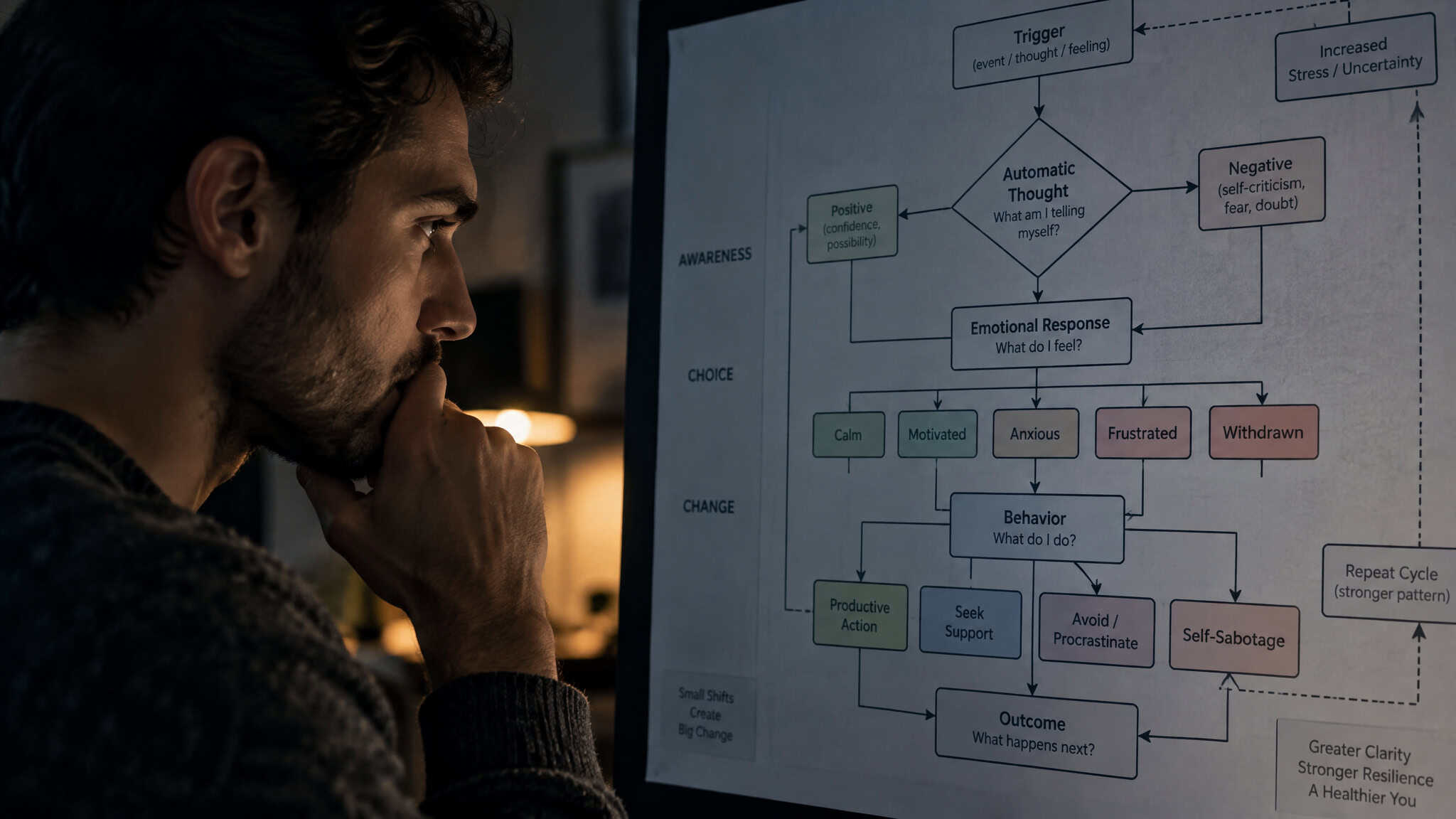
Mentioning gaming openly on a dating profile beats hiding it every time, so frame it right in your profile as normal post-work decompression, cooperative bonding, or healthy independent space instead of concealing it. That upfront honesty lets context work in your favor before a date ever feels misled, whereas waiting four years without discussing dealbreakers or hiding a daily habit only invites insecurity when 57% of Tawkify’s surveyed singles uncovered a turnoff at a partner’s home that earlier dates missed and they eventually see your desk. It’s easy to pin a red flag or a genre gap solely on the visible signal, but as honest disclosure and clear boundaries in couples counseling show, there’s often a lot more going on when you can’t see the underlying context, or even the truth of what’s being judged.
The mozzarella arc: a red flag that turned green
On Smosh Reads Reddit Stories, a 24-year-old woman shared that she and her 25-year-old boyfriend of three years (who ordered three charcuterie boards on their first date and recently moved in together) clashed over her daily snack since college freshman year: BelGioioso ball-shaped mozzarella. He called eating the round cheese “lewd,” said it made him picture infidelity, and floated it as a dealbreaker, even though string or shredded cheese was fine. The hosts initially raised a massive red flag for controlling her food, removing a comfort item, and sexualizing ordinary behavior (joking he might next sexualize cheese puffs, a large blueberry, or hard-boiled eggs), while noting that sudden cheating accusations often reflect the accuser’s own insecurity. In a July 3, 2024 update two days later, the boyfriend disclosed real infidelity trauma: his ex had cheated, and the other man sent him a video of her eating his cheese balls. Once the couple started couples counseling with a firm boundary against future ultimatums (“No, you gotta stop because of my insecurity”), the hosts flipped his honest disclosure and repair work to a green flag.
What this means for presenting a gaming habit
Context and communication separate solvable friction from real toxicity. In a May 2021 Am I The Asshole post, a couple together for about four years had never once discussed infidelity dealbreakers until the woman said cheating wasn’t wrong and countered by asking what it would mean if she were when asked if she was a cheater. In another 2021 post, a 23-year-old woman’s boyfriend of two years got physically imposing, hurled vulgarities, and broke up with her over a chest-up painting gifted by her 23-year-old best friend showing her with actor Sebastian Stan, even though celebrity crushes live in a harmless realm of fiction unless obsessive. Owning your hobby early, explaining how it fits your routine, and respecting boundaries keeps ordinary recreation from looking like a secret vice.
Online persona vs offline character
Reddit advice threads routinely label dating a gamer a red flag because anonymous forums disconnect online personas from real identity and reward binary “bad person box” thinking, possibly shaped by algorithmic apps, that ignores biases in one-sided original posts and condemns a partner’s entire character over a single action rather than criticizing behavior or evaluating trust, even when the commenter telling you to break up could easily be a 13-year-old.
What anonymous behavior reveals
In an October 2021 Relationship Advice post, a 23-year-old woman read her 22-year-old boyfriend’s Reddit comments for two hours (having dated since age 19) and threatened a breakup because his replies constantly told strangers to break up. After arguing that lying about cheating is worse than cheating and asking her twice if she was a cheater, he ended things over text by sending a peace emoji alongside a message saying he was newly single, earning an “everyone sucks” panel verdict. People judge on more than what they can actually verify: a profile promising someone who’s ‘always up for an adventure’ can hide a very different reality, and silence gets read as ‘probably ignoring me’ with nothing to back it up.
Why Reddit over-flags gamers
Shayne Topp pointed out the contrast between one woman who found her sweet husband’s Reddit account packed with misogynistic comments and another commenter whose husband was relieved to find her online tone matched her real-life personality rather than hiding a secret dark persona. On voice comms or when learning how to talk to women on Discord and Reddit, how you treat anonymous people online is a direct character check.
What the evidence can and cannot tell you
No research-backed hour count defines how much gaming is too much in a relationship; the reliable threshold is behavioral rather than chronological. Because work schedules, sleep needs, and partner expectations vary wildly, a specific weekly number that ruins one partnership might be effortless co-op bonding in another, leaving three behavioral checks as the real standard.
- Do work, sleep, personal care, or household responsibilities slip because of screen time?
- Do you catch yourself drifting into marathon sessions, or only hear about it when a partner objects?
- Does gaming work as shared or solo recreation rather than an escape from relationship friction?
How much gaming is too much?
Even basic data on how many gamers are women shifts wildly depending on who is counting and how. Nick Yee’s self-selected genre study found 18.5% female gamers overall compared to the Entertainment Software Association’s 2015 random household-dialing estimate of 41%, which didn’t specify whether playing Solitaire once a year counted, while some designers still assumed only 5% of core gamers were women and intra-genre variation often exceeded inter-genre gaps. Likewise, the Tawkify home-judgment numbers reflect singles over 40 rather than gamers specifically.
If the honest answer is quitting
If running this behavioral self-check confirms that your gaming has crossed into compulsion, hostility, or chronic avoidance, the issue isn’t your partner’s intolerance of a hobby. Recognizing that the habit itself has become destructive is the necessary first step toward stepping away from the screen and seeking real support.
Frequently Asked Questions
Is Being a Gamer a Red Flag in Dating?
No, simply playing video games is not an automatic warning sign, since roughly half of all adults play. The warning sign comes from specific actions rather than the label itself. When someone uses screen time to ignore their partner, skip household chores, or rage at a screen, the behavior is the issue, not the console.
When is gaming a dealbreaker for a partner in a relationship?
Gaming crosses into dealbreaker territory when it consistently crowds out shared time, adult responsibilities, and emotional availability. Warning signs include bumped date nights that quietly become permanent game nights, half-listening to conversations while a match loads, and letting hygiene or chores slide. At GeekExtreme, our sharpest test is whether you catch that drift yourself or only realize you have checked out after your partner complains.
Is playing video games every day a turn-off on dating apps?
Daily play is rarely the actual turn-off; the real dealbreaker is visible neglect in the home surrounding the gaming setup. In a Tawkify survey of 500 single Americans over 40, half lost interest after seeing a date’s home, flagging cues like an empty fridge (48%) or dirty dishes (42%). By contrast, 60% pointed to a clean bathroom with a hand towel as the strongest indicator for a second date.
Is it a red flag if my boyfriend plays video games all night instead of spending time with me?
Yes, routinely choosing all-night sessions over a partner turns a normal pastime into active neglect. An hour or two after work to decompress is just like reading or watching TV, and occasional solo play can give both people welcome independent space. However, when marathon sessions constantly replace quality time, chores, and sleep, the habit is actively harming the relationship.
Is gaming addiction a sign of deeper relationship problems?
Compulsive play can serve as an escape hatch to avoid existing relationship friction, though it can also create that friction on its own. When someone hides their hours, reacts with hostility if interrupted, or retreats into virtual worlds instead of building a life together, the screen time is no longer harmless recreation. If a behavioral self-check shows your habit has crossed into chronic avoidance or compulsion, the next step is stepping away from the screen and getting real support.