Ever look at a new LEGO set and think, “Why is LEGO so expensive?” If you have, you’re in good company. As a lifelong LEGO enthusiast myself, I’ve definitely wondered how a box of plastic bricks can command such a premium price. But it’s not just plastic, is it?
This post will break down all the hidden costs, from the incredibly high-quality materials and massive licensing fees to the company’s major investments in sustainability and research. By the end, you’ll see why these beloved bricks are worth every penny.
Ready to solve the mystery? Let’s get building.
Key Takeaways
LEGO sets are expensive due to a combination of factors: the use of high-quality, precision-molded materials, the size and piece count of sets, hefty licensing fees for franchises like Star Wars and Harry Potter, meticulous design, and significant brand-building efforts.
The high-quality materials, specifically Acrylonitrile Butadiene Styrene (ABS) plastic, ensure durability. Each brick is molded with a tolerance as small as 10 micrometers to guarantee a perfect fit every time. LEGO also invests heavily in research, quality control, and sustainability.
Licensing agreements with massive franchises like Disney, Marvel, and DC Comics add immense appeal to LEGO sets but also contribute significantly to their cost.
LEGO’s commitment to sustainability includes a pledge to make its products from more sustainable materials by 2032 and investments of over $1.4 billion to triple its sustainability efforts. Programs like LEGO Replay also encourage toy donation, adding to the brand’s value.
Table of Contents
Understanding the LEGO Brand
For decades, those colorful interlocking bricks have been a staple of childhood and a symbol of creativity. But LEGO is more than just a toy, it’s a multi-generational icon.
The company has built an empire that includes video games, blockbuster movies, LEGOLAND parks, and high-fashion collaborations. This huge ecosystem creates an immersive world that adds to the brand’s premium feel.
According to a 2025 report from Brand Finance, LEGO isn’t just a popular brand, it’s the most valuable and strongest Danish brand, with a brand value of DKK 74.1 billion. This powerful reputation allows them to charge a premium because you’re not just buying bricks, you’re buying into a trusted universe of play.
At the heart of it all is the “System of Play,” a core principle ensuring that a brick made today will still connect perfectly with one from the 1960s. That commitment to quality and consistency is a huge part of what you pay for.
Key Factors Driving Up LEGO Prices

So, why is LEGO so expensive? The premium price comes from a mix of high-quality materials, complex designs, major licensing deals, intense attention to detail, brand-building, and a real commitment to sustainability and innovation.
High-Quality Materials
LEGO’s obsession with quality starts with the raw material: a durable, high-grade plastic called Acrylonitrile Butadiene Styrene (ABS). This is why a LEGO brick can survive for decades without losing its shape, color, or that satisfying “clutch power.”
But the real cost is in the precision.
- Extreme Precision: Every single brick is manufactured with a tolerance as small as 10 micrometers (0.01mm). For context, a human hair is about 70 micrometers wide. This ensures every brick ever made fits together perfectly.
- Expensive Molds: The steel injection molds that create the bricks are incredibly complex. A single mold can cost up to $200,000 to produce because of the extreme accuracy required.
This commitment means that out of every million elements produced, only about 18 are rejected for failing to meet these high standards.
Size and Complexity of LEGO Sets
It’s simple math: more bricks equal a higher price. Over the years, LEGO has pushed the boundaries of what’s possible, releasing massive and intricate sets targeted at adult fans.
These aren’t your childhood sets. They contain thousands of pieces and offer dozens of hours of challenging fun. This scale naturally drives up the cost.
Take a look at some of the giants of the LEGO world. The LEGO Icons Eiffel Tower (#10307) has 10,001 pieces and retails for $629.99. The LEGO Icons Titanic (#10294) is close behind with 9,090 pieces for $679.99. These aren’t just toys, they’re major construction projects!
The design process for these complex models is also extensive, involving teams of designers and engineers who spend months or even years perfecting every detail. That level of design work is a significant factor in the final price you see on the shelf.
Licensing Fees
Ever wonder why the LEGO Star Wars sets cost more than a similar-sized LEGO City set? A huge driver of the price is licensing fees.
LEGO partners with some of the biggest names in entertainment, including Disney (for Star Wars and Marvel), Warner Bros. (for DC Comics and Harry Potter), and many more. These partnerships allow them to create sets based on beloved characters and stories, which are incredibly popular with fans.
However, getting the rights to use these properties is very expensive. These fees are a significant business cost that is ultimately passed on to the consumer in the final price of the set. While it makes the sets more desirable, it also makes them more expensive.
Attention to Detail
The incredible precision in LEGO bricks is just one part of their commitment to detail. Every aspect of a set is carefully considered, from the design of the minifigures to the clarity of the instruction manuals.

LEGO’s quality control process is legendary. They conduct a whole battery of tests on their bricks, including drop tests, compression tests, and even bite tests to ensure they are safe and durable. Each brick mold has a numbering system for precise identification, so if a defect is found, they can trace it back to the source immediately.
This obsession with perfection, known as the “LEGO molding philosophy,” guarantees that the building experience is smooth and enjoyable. That’s a level of detail you won’t find in cheaper alternatives and a key reason for the higher cost.
Brand Building
Building one of the world’s most recognizable brands isn’t cheap. LEGO invests heavily in marketing, experiences, and community-building to maintain its premium status.
Think about the immersive experiences they create. This includes:
- LEGOLAND Parks: Sprawling theme parks that bring the brick-built world to life.
- LEGO Stores: Retail locations that are more like interactive showrooms than simple toy stores.
- The LEGO House: A massive brand experience center in Billund, Denmark, often called the “Home of the Brick.”
They also cultivate a strong fan community through programs like the LEGO Insiders (formerly LEGO VIP), which offers rewards, early access to sets, and exclusive content to loyal customers. All of these efforts strengthen the brand’s value and justify its premium pricing.
Sustainability Efforts
LEGO is making a serious commitment to reducing its environmental impact, and this innovation comes at a cost. The company has made several ambitious pledges.
For starters, they aim to make all their packaging sustainable by 2025, which has led to the switch from plastic to paper bags inside the boxes. They’ve also invested heavily in finding sustainable materials to replace the oil-based ABS plastic, with a goal to use only environmentally-friendly materials by 2032.
In 2023, LEGO announced it would triple its investment in sustainability to $1.4 billion over three years. This funding supports research into new materials, the use of renewable energy like solar power at its factories, and initiatives to achieve net-zero emissions by 2050. This forward-thinking approach is a key part of the brand’s modern identity, but the research and transition to greener practices add to the overall product cost.
Research and Development Costs
Innovation is at the core of the LEGO Group. They invest heavily in research and development (R&D) to create new elements, develop new building techniques, and integrate digital experiences.
This R&D goes far beyond just designing new sets. It involves material science to find better plastics, engineering new molds for unique pieces, and developing software like the LEGO Builder app, which provides 3D building instructions.
The company employs around 120 designers at its headquarters in Billund alone, with smaller design offices around the world. This constant push for innovation ensures that the LEGO experience is always fresh and exciting, but it requires a significant financial investment that influences the price of the final product.
Is LEGO Worth the Price?
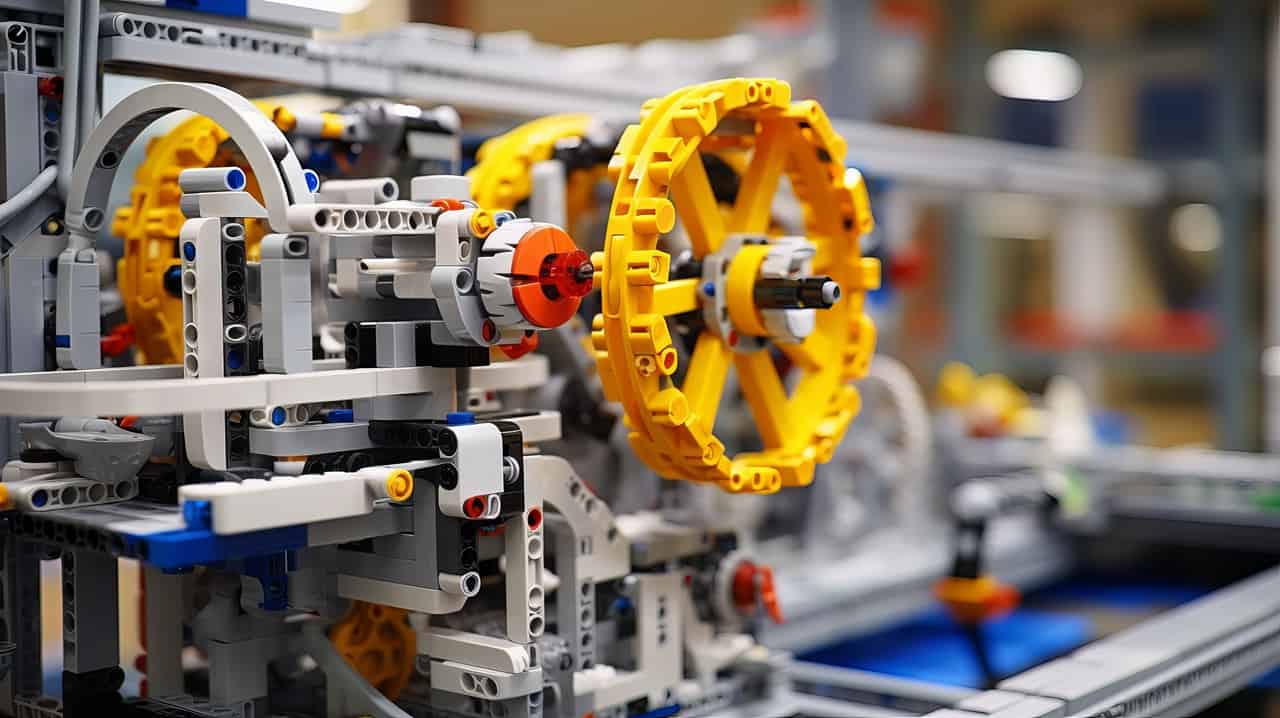
Absolutely. When you buy a LEGO set, you’re investing in more than just a toy. You’re getting incredible durability, powerful developmental benefits, and a product that often holds its value surprisingly well.
Durability and Longevity
LEGO bricks are built to last. Thanks to the high-quality ABS plastic and precision manufacturing, they can withstand decades of play without breaking, warping, or losing their clutch power. A brick from 1975 will still connect perfectly with a brick you buy today.
This incredible durability means that LEGO sets can be passed down through generations, making the initial cost a long-term investment in play. Unlike many other toys that break or become obsolete, LEGO bricks are timeless. Many fans on forums like Reddit even share tips for washing decades-old bricks to make them look brand new.
Plus, LEGO has excellent customer service. If you’re missing a piece or one breaks, they will often send you a replacement, ensuring your sets remain complete for years to come.
Intellectual Development Benefits
Building with LEGO is more than just fun, it’s also great for your brain. For both children and adults, it offers a wide range of developmental benefits.
- Problem-Solving: Following instructions or creating your own designs hones critical thinking and planning skills.
- Spatial Awareness: Understanding how 3D objects fit together is a key skill for STEM fields.
- Fine Motor Skills: Manipulating small bricks improves hand-eye coordination and dexterity.
- Creativity and Imagination: The possibilities are endless, fostering storytelling and imaginative play.
For adults, building with LEGO has also become a popular way to practice mindfulness and relieve stress, providing a relaxing, screen-free hobby.
Resale Value
Here’s something you can’t say about most toys: LEGO sets can be a surprisingly good financial investment. Once a set is retired, its value on the secondary market often increases, sometimes dramatically.
A 2021 study by the Higher School of Economics in Russia found that the market for secondhand LEGO sets grew by 11% annually, a better rate of return than gold, stocks, or bonds. Some rare sets, like the original Ultimate Collector’s Series Millennium Falcon (#10179), have sold for thousands of dollars.
Dedicated marketplaces like BrickLink (which is now owned by The LEGO Group) make it easy for collectors to buy and sell retired sets, individual bricks, and rare minifigures. While not every set will become a goldmine, the strong resale market adds another layer of value to your purchase.
How to Get LEGO Sets for Less
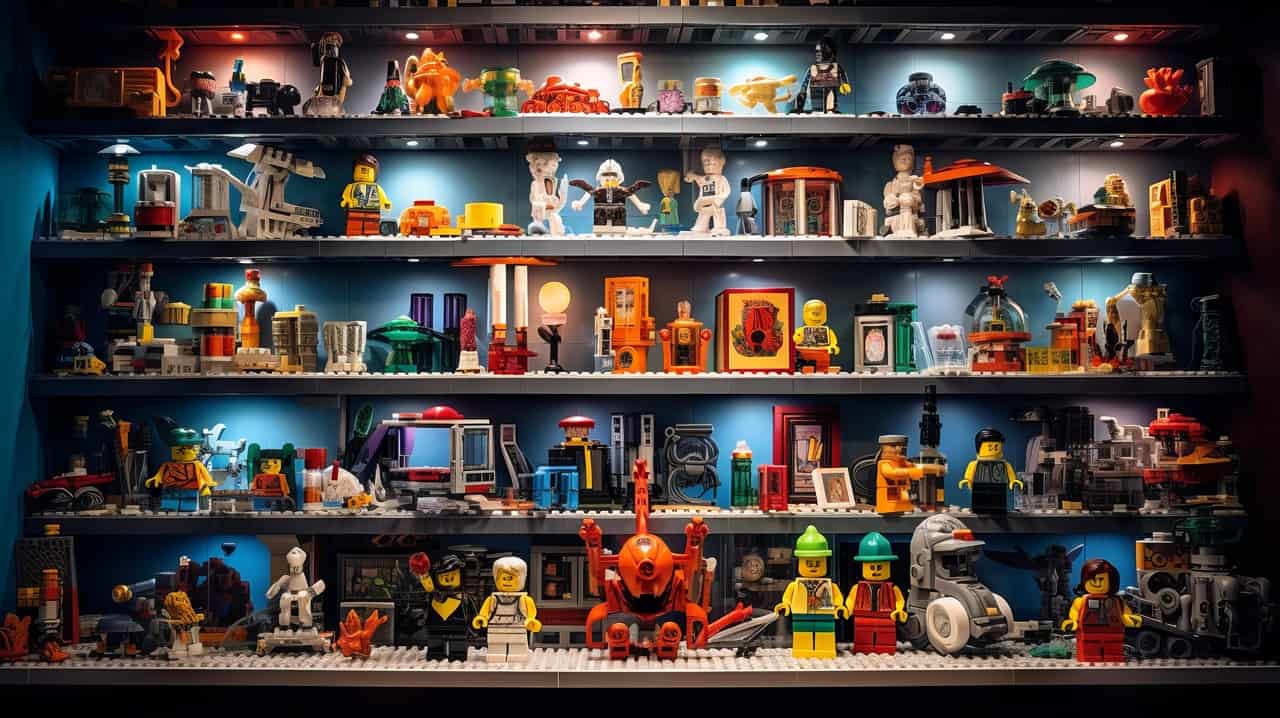
Love LEGO but not the price tag? Don’t worry, there are plenty of ways to build your collection without breaking the bank. You just need to know where to look.
Shopping for Used Sets
Buying used is one of the best ways to get more bricks for your buck. Because LEGO is so durable, a pre-owned set is often just as good as a new one.
You can find great deals on used sets and bulk brick lots on several online platforms:
- BrickLink: The top marketplace for serious collectors, offering everything from individual parts to complete, rare sets.
- eBay: A classic option with a huge selection, but be sure to check seller ratings and descriptions carefully.
- Facebook Marketplace & Craigslist: Great for finding local deals and avoiding shipping costs.
A pro tip when buying used: always check if the minifigures are included. They are often the most valuable part of a set and are sometimes sold separately by sellers.
Looking for Sales and Discounts
If you prefer new sets, a little patience can pay off. Major retailers frequently offer sales and discounts on LEGO products.
Keep an eye on stores like Amazon, Walmart, and Target, especially around major shopping holidays like Black Friday and Cyber Monday. A discount of 20% is fairly common, so anything over 30% is a fantastic deal worth grabbing.
Also, make sure you’re signed up for the free LEGO Insiders program. Members earn points on purchases that can be redeemed for discounts on future sets. They also hold “Double VIP Points” events, which are the perfect time to buy those larger, more expensive sets to maximize your rewards.
Alternatives to LEGO
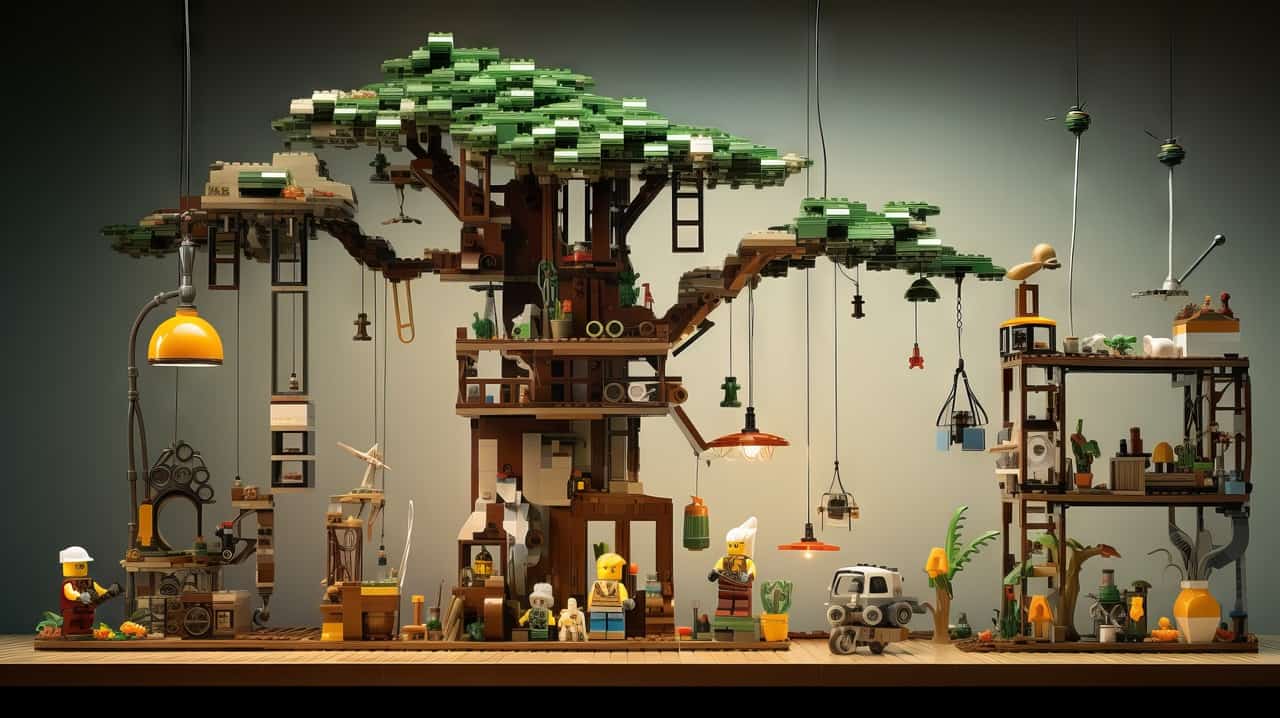
If you’re looking for a similar building experience at a lower price, several alternative brands offer compatible bricks and unique sets. While the quality can vary, some brands have earned a strong reputation among builders.
- Mega Construx (formerly Mega Bloks): Known for its own licenses like Pokémon and Halo, Mega offers high-quality sets and is a major competitor.
- Cobi: A Polish company famous for its detailed and historically accurate military models. Cobi bricks are high-quality and fully compatible with LEGO.
- Mould King: This brand specializes in large, complex technical sets, often featuring remote-control functions. They are known for working with fan designers to release incredible models.
- CaDA Bricks: CaDA focuses on realistic vehicles and architectural sets with functional, mechanical parts, appealing to builders who love intricate designs.
- Sluban: A budget-friendly option that offers a wide variety of themes, including military and city sets, making it accessible for beginners.
While these alternatives can be great, always proceed with caution with “clone” brands like Lepin, which have faced legal action for directly copying LEGO’s designs. Sticking to reputable alternatives ensures you get a quality product while supporting original creators.
People Also Ask
What are the main factors that contribute to the high cost of LEGO sets?
The main factors are the use of high-quality ABS plastic with extremely precise molding (tolerances of 10 micrometers), the high cost of the steel molds (up to $200,000 each), expensive licensing fees for franchises like Star Wars and Marvel, extensive research and development, and significant investments in sustainability.
Are there any alternatives to buying brand-new LEGO sets at full price?
Yes! You can buy used LEGO sets from online marketplaces like BrickLink and eBay, which is often much cheaper. You can also wait for sales at major retailers like Amazon and Walmart, or take advantage of the LEGO Insiders (VIP) program to earn points for discounts.
Does the complexity of a LEGO set affect its price?
Absolutely. Larger and more complex sets with thousands of pieces, like the LEGO Icons Titanic or Eiffel Tower, cost more due to the sheer amount of plastic, the extended design time required, and the more intricate instruction manuals. More parts and more design work equal a higher price.
Is it worth investing in rare or limited-edition LEGO sets as a collector?
It can be. Studies have shown that retired LEGO sets can appreciate in value faster than gold or stocks, with an average annual return of around 11%. However, it’s not a guarantee. Success depends on the set’s popularity, rarity, and condition, so it requires careful research.
