
Even with an active card and sufficient funds, checkout screens often return generic errors, frequently prompting online casino players to consult a list of options for working payment methods. Your card is likely caught in a conflict between the merchant’s checkout software and the bank’s security layer.
We call this the Issuer/Merchant Disconnect, which happens when the merchant explicitly wants to take your money, but the bank’s Real-time Issuer Risk Scoring instantly shoots the authorization down. It is deliberate algorithmic friction.
Key Takeaways
Card networks use automated pattern-matching filters that blanket-block specific high-friction categories—like gaming or digital currency—regardless of your actual account balance.
Upgrading to a digital wallet checkout (like PayPal) bypasses raw card entry filters, collapsing a risky 3-minute manual entry process into a trusted 30-second approval.
To escape 72-hour regulatory payout limits over ancient ACH pipes, operators are actively moving to sub-5-minute stablecoin backend rails.
Table of Contents
The Logic of Payment Rails and Why They Break
On the surface, operators face strict Operational Constraints (Onboarding/Payouts): users must be onboarded in under 15 minutes to prevent attrition, and payouts must be processed within 72 hours to meet compliance. But to meet that 15-minute onboarding limit, sleek modern frontends have to pull funds using interbank clearing pipes that are old enough to collect a pension. This clash between modern expectations and legacy processing is what triggers the majority of silent declines.
Merchant Code Pattern-matching
Every time you swipe or click submit, card networks categorize the transaction using a numerical identifier. Rather than looking at you as an individual, card networks use a Merchant Category Code (MCC) and heavy pattern-matching to automatically evaluate the transaction’s safety. Decline rates reaching 40% occur for gaming, high-ticket electronics exceeding 500 dollars, digital currency on-ramps, and imported hobby retailers. Whether you’re buying expensive hardware or funding an account on PlayUSA, the algorithm often blanket-blocks the code before it ever checks your account balance.
Real-time Issuer Risk Scoring
Even if the card network lets the transaction pass, the issuing bank has its own say. Banks execute their own Real-time issuer risk scoring at the point of sale. Because this happens in milliseconds, the models frequently flag transactions that don’t perfectly align with your typical purchasing velocity. Your merchant dashboard says the card is fine, but the bank’s instantaneous backend review denies the request anyway.
“Even if the card network lets the transaction pass, the issuing bank has its own say.”
API-driven Identity Stack
To try and patch these approval gaps without annoying the user, the industry has built an intricate, invisible layer behind the checkout button. This is the API-driven Identity Stack, which completely replaces traditional step-up authentication. When you try to pay, it triggers a cascade of micro-services guided by experts in the space like Daniel Okafor and Priya Ramaswamy. Plaid handles the bank linking, frameworks like Sardine and Alloy run the device fingerprinting, and Persona executes the ID checks. These APIs are composed to resolve risk within a 3-second latency window at the checkout screen, acting as an automated identity verification layer for processors like Stripe or the Trustly Pay N Play integrations seen at Caesars Palace and Stardust.

VIP Preferred
One of the most persistent legacy workarounds on high-friction cashier screens is VIP Preferred. It’s a system that uses online banking credentials to verify accounts in seconds and effectively eliminates chargeback exposure for the operator. But here is the nerdy reality: while it feels instant, it actually operates over NACHA infrastructure via operator-side risk scoring. The entire VIP Preferred system is essentially wrapping highly vulnerable, 60-year-old ACH and NACHA infrastructure in a modern UI, which creates a huge processing tension when trying to move money instantly.
Modern Workarounds: E-wallets and Prepaid Rails
Because raw debit card entry throws false positives, checkout screens in regulated industries—where you might see 10 to 11 payment options displayed—have pivoted. Let’s look at how alternative rails act as backend identity patches to push your payment through.
PayPal
Merchants gladly pay high card-network-rate fees to companies like PayPal, Venmo, Skrill, and Neteller, despite the funding sources often being bank pulls. By optimizing the e-wallet conversion delta, merchants can drastically reduce the industry-standard 70% abandonment rate. Users with existing accounts complete checkout in 30 seconds, whereas new users struggling with raw entry face a 3-minute process that is twice as likely to result in abandonment.
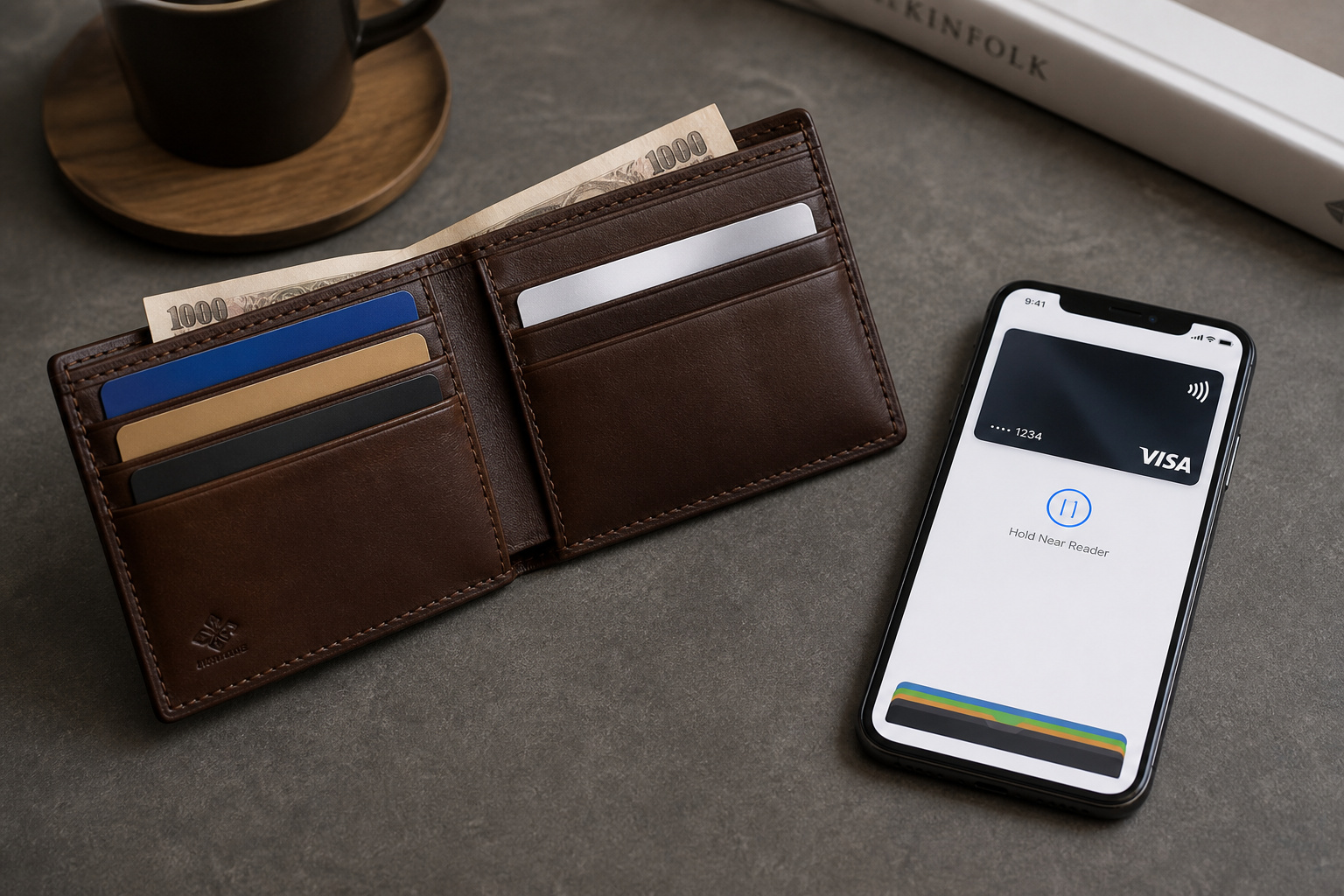
Apple Pay / Google Pay
When you pay with your phone, you aren’t just saving yourself the hassle of typing numbers. You are passing along verified hardware history. Apple Pay and Google Pay act as a “soft” identity signal that lowers your fraud score. By packaging your iCloud or Android device and token history into the request, the application provides much higher trust-scoring for operators compared to bare online transactions. This intersection of hardware-based security and financial compliance is why you see Apple Pay implementation at major operators like FanDuel, DraftKings, and BetMGM.
Play+
Despite the digital wallets, older infrastructure remains essential. Prepaid cards remain industry stalwarts. Brands like Play+, powered by Sightline Payments, or classic Vanilla cards sit right at the center of the cashier screens. These are used at properties including Borg, Harrah’s, Mohegan Sun, Resorts, and digital platforms like PlayStar for transactions originating in New Jersey, Pennsylvania, Michigan, and West Virginia.
Why? Because Play+ offers essential privacy-by-architecture. It works as both a deposit and payout instrument and allows user-controlled limits, keeping transactions off primary bank statements so your bank’s MCC filters can’t block the purchase.
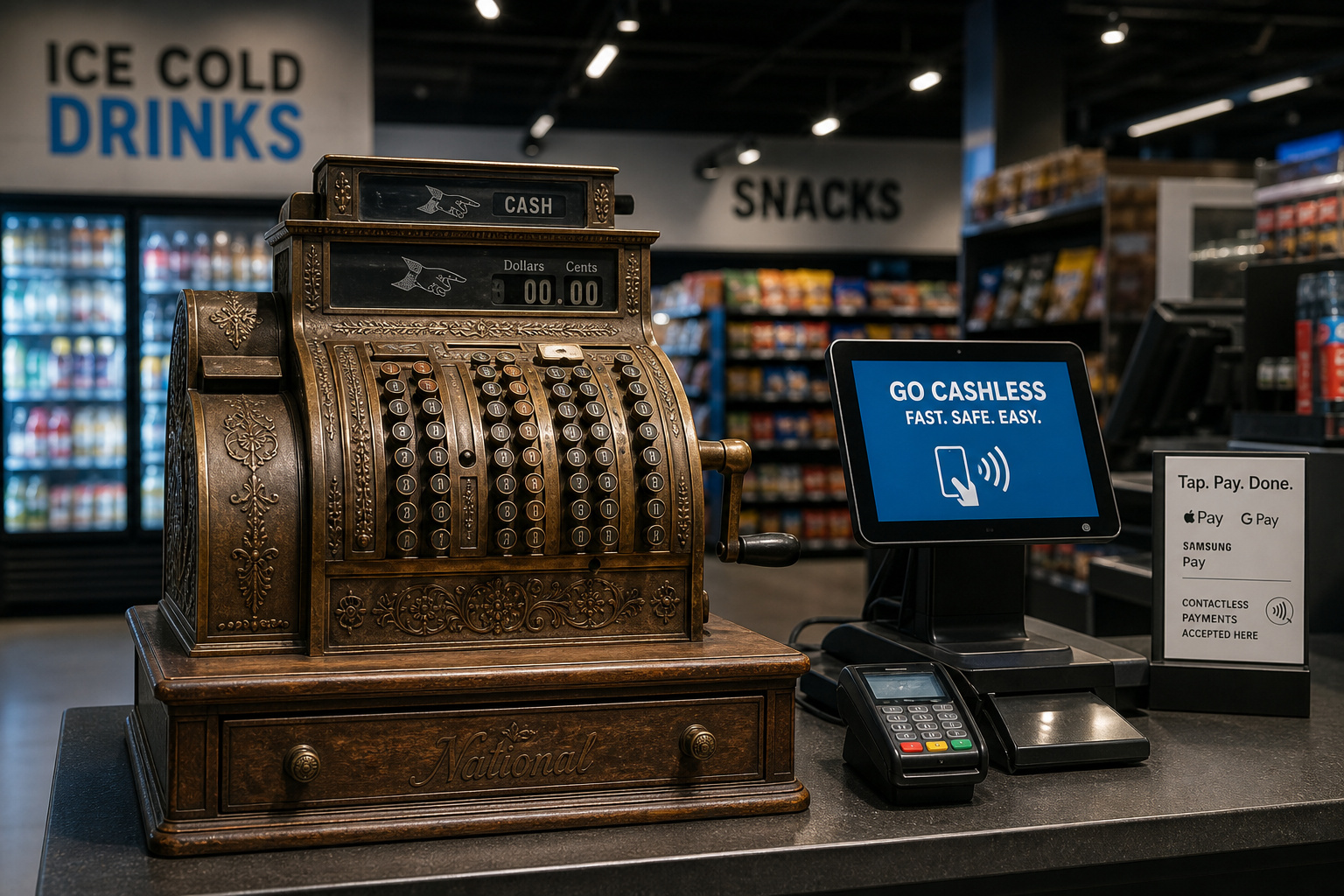
“Prepaid cards remain industry stalwarts.”
Settlement Constraints and Physical Fallbacks
Getting money into the system is half the battle. Moving that liquidity back out to the user when legacy rails move too slowly for compliance standards is the real engineering headache.
USDC/PYUSD Stablecoin Rails
Traditional banking has a speed limit problem. Operators are legally forced to hit a strict 72-hour compliance payout maximum, but interbank wires are agonizingly slow. To fix this, tech giants aren’t waiting on the banks; they are swapping the plumbing entirely. We are seeing a shift toward USDC/PYUSD Stablecoin Rails as the bypass for the slow, 72-hour compliance payout limit. Moving cashouts over stablecoins is the fastest cashout rail available, dropping wait times from days to under 5 minutes.
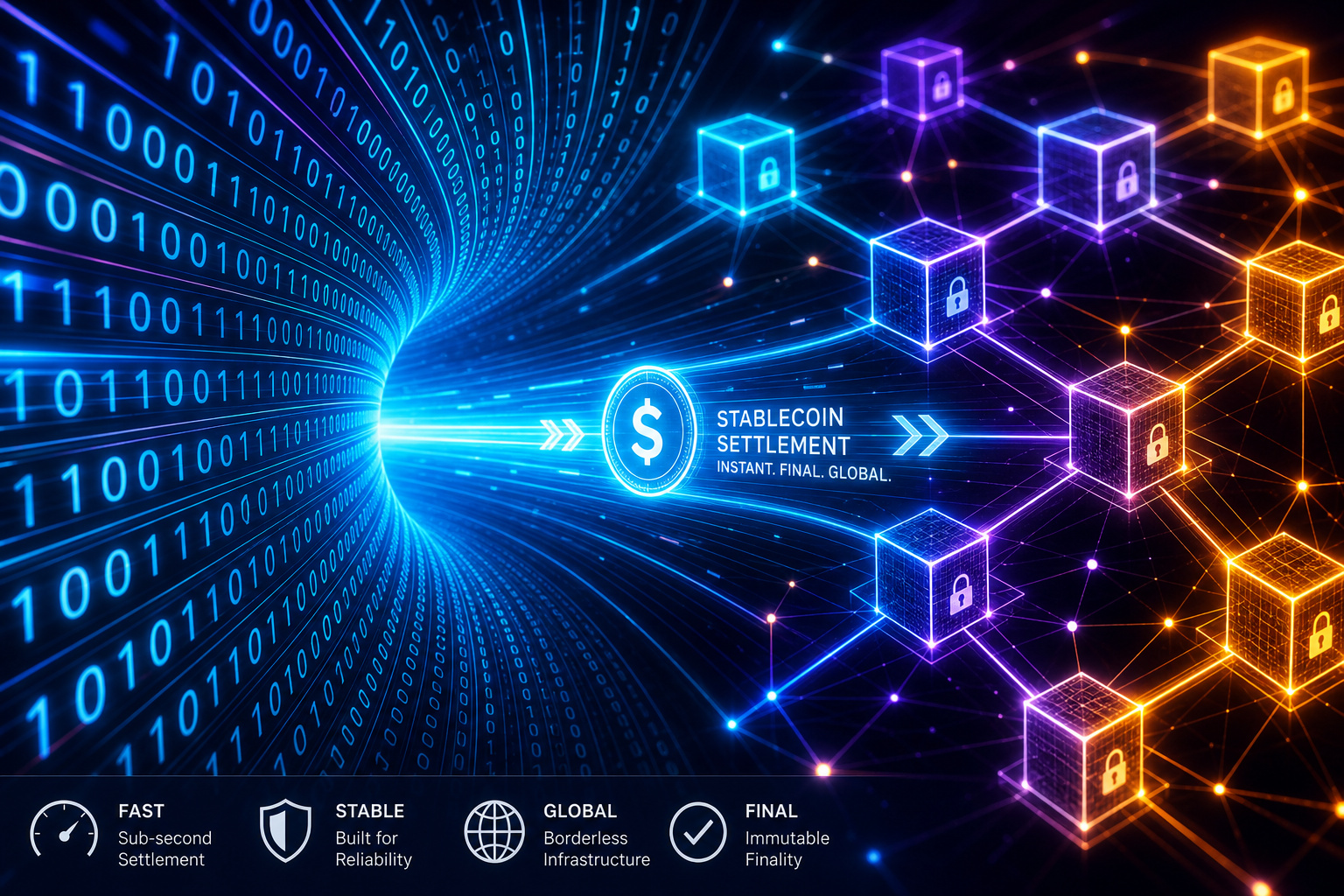
It is a backend revolution that reduces operator working capital and interbank risk. According to CoinDesk, there’s an estimated 18 billion dollars in annualized run rate projected for crypto card spending in 2026. This isn’t speculative retail trading betting on the future of crypto; this is enterprise B2B logic fully enabled by Visa and Mastercard infrastructure programming. It’s exactly why we saw Mastercard’s acquisition of BVNK for 1 billion dollars—securing the technology to integrate stablecoin rails seamlessly.
PayNearMe
When modern APIs misfire, the MCC blocks you, and the device wallets glitch, operators still need a fallback. Enter PayNearMe, an old-school convenience store cash-to-digital deposit method. It’s essentially an analog override used as a fallback for users facing card network blocks. You hand over physical cash at a register, and the digital account is credited, sidestepping the banking routing algorithms completely.
Resolving Checkout Gridlock: Active Steps
Avoid brute-forcing the checkout button; multiple failed manual attempts can trigger permanent network blocking of your account.
If you get hit with an unexplained decline, step away from the raw card entry. Route the exact same payment source through a soft identity gate like Google Pay, use PayPal for verified execution, or shift the liquidity to a structurally isolated prepaid setup. Because the rejection results from processing filters rather than account balances, switching to an alternative payment rail is the most effective solution.
Frequently Asked Questions
Why is my credit card declining if I have money?
Your transaction is likely being blocked by automated security filters rather than a lack of funds. Card networks and banks use pattern-matching algorithms to scrutinize specific merchant category codes—such as those used by online gaming or crypto platforms—and will instantly reject transactions deemed to be high-risk or outside your normal purchasing behavior.
Why do I keep getting declined for credit cards?
If you repeatedly attempt to process a transaction that triggers an automated security block, you risk getting your account permanently flagged by the network. These systems prioritize risk scoring over your individual account balance, and brute-forcing the checkout button often validates the algorithm’s decision to classify your activity as suspicious.
How do I fix my credit card getting declined?
Instead of attempting the raw card entry again, route your payment through a digital wallet like PayPal, Apple Pay, or Google Pay. These services provide ‘soft’ identity signals and verified device history, which act as a layer of trust that helps bypass the standard merchant category code filters that block direct card entry.
What is the difference between raw card entry and using a digital wallet?
Raw card entry is a manual process that exposes your transaction to strict, automated risk scoring by both the merchant and your issuing bank. Digital wallets collapse this process by acting as a trusted identity layer, which reduces the likelihood of being flagged for fraud because they provide additional verification data like your device history.
Is it worth using a prepaid card for online transactions?
Prepaid cards are highly effective because they offer ‘privacy-by-architecture’ that keeps specific transactions off your primary bank statement. Because the money is pre-loaded, it avoids the bank’s merchant category code blocking, making it a reliable way to ensure a payment goes through when standard debit or credit cards fail.
Why does my bank take 72 hours to process payouts?
Many operators are still forced to rely on legacy interbank clearing pipes, known as ACH and NACHA infrastructure, which are fundamentally slow and outdated. This creates a bottleneck between modern user expectations for instant access and the actual time it takes for these ancient banking systems to settle the transfer.
Can I use stablecoins to get money faster?
Yes, stablecoin rails like USDC are increasingly being used as a professional bypass for slow banking infrastructure. By shifting payouts to these digital rails, operators can move funds in under five minutes, successfully avoiding the typical 72-hour regulatory wait times associated with traditional bank transfers.