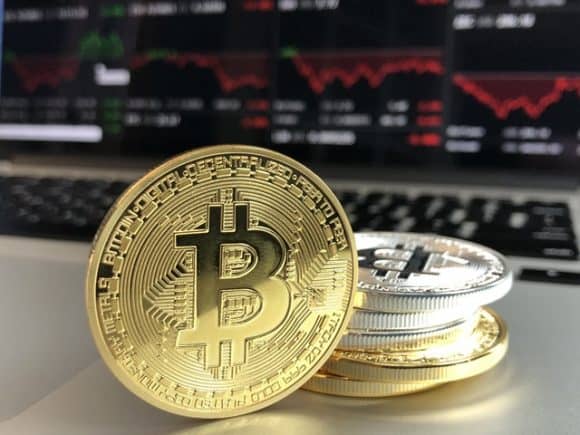
Managing a cryptocurrency wallet is important for storing and interacting with assets. The wallet stores the cryptographic key, which provides the user with access to the coins recorded on the blockchain and enhances password protection through a cryptographic algorithm.
Cryptographic keys are public, which users can share to receive transactions, or private, which are the secret digital signatures used to authorize transactions and prove ownership. Up to this point, the security of the wallet is in the hands of its owner, who is responsible for keeping the private key safe, regardless of the method used to learn how to buy crypto.
However, the type of wallet they use can also affect safety. Usually, cold wallets are best for safeguarding assets, while hot wallets are more convenient and accessible. But what if there was a middle ground between these two technologies? These are warm wallets, and let’s see how they can help crypto users.
What are cold wallets?
Cold wallets are considered the best type of digital wallets for holding and managing cryptocurrency, as they operate without an internet connection. They come as devices, so they’re hardware tools that contain the keys users plug into their computers or laptops to access their assets. The most common types include:
- Hardware wallets, which can look similar to a USB device;
- Paper wallets that contain the public and private keys written on them;
- Air-gapped computers, which operate without being connected to the internet;
Cold wallets are great because they’re immune to online attacks by preventing remote breaches. In addition, they’re ideal for high-value cryptocurrency, and institutional investors and HODLers often use them. On the downside, cold crypto is less accessible, as you need to plug in the device to manage the assets, and you also need a proper backup plan that includes a recovery phrase.
Are hot wallets more efficient?
Hot wallets offer fast access and usability because they’re connected to the internet. Beginners usually leverage them since they don’t have a complex setup and provide efficient management of assets. These software solutions include:
- Mobile wallets that investors can use on their smartphones;
- Browser extensions that integrate efficiently into Web3apps;
- Web wallets are supported by exchanges or platforms that use login technologies;
Hot wallets offer the benefits of speed and convenience, allowing you to make transactions quickly and even interact with decentralized applications on the blockchain. At the same time, the user-friendly design is suitable for beginners, making it easy for them to get into crypto. Unfortunately, hot crypto wallets can expose you to greater risks since the websites or apps you use them from can be vulnerable to phishing or malware. Moreover, hot wallets are better suited for active spending than cold wallets, which are best for long-term holding.
Warm wallets are the middle ground
Warm wallets have recently emerged as a solution for those seeking both strong security and accessibility within a single platform or app. These are hybrid wallets designed to help users manage operational funds safely and efficiently. Therefore, they can connect to the internet without exposing the private keys.
This is possible because warm wallets help automate the request online by sending it to a separate environment, or an “air-gapped” offline system that stores the key. In that space, the transaction is signed, but the private keys don’t enter the online ecosystem. The technology behind warm wallets includes advanced cryptography, such as Multi-Party Computation (MPC), which splits the private key into multiple shards. Each piece of the private key is then stored on different servers across different locations, which eliminates the single point of failure that can trigger attacks.
Some of the other features of a warm wallet include:
- A controlled network access protected by strict firewalls and IP whitelisting;
- Multi-signature and key-sharing capabilities that prevent fraud;
- Spending limits that follow automated policy controls for withdrawals, for example;
Moreover, warm wallets also benefit from DeFi, NFTs, and other applications integrated into Web3, ensuring their availability in Web3. That’s because developers can program them to interact with other applications, making them suitable for extended use cases.
However, warm wallets have their limitations
Warm wallets offer both security and accessibility, but they also come with several disadvantages. For example, their systems are not perfect, meaning a wallet’s policy engine can still be vulnerable if a hacker gains administrative access.
Moreover, you must learn to balance automation with manual work. For example, a high auto-approve limit can lead to large losses in the case of a bug, whereas low settings mean less automation and more manual work. Finally, for institutions offering warm wallet options, proving funds are secure means perfect audit trails.
So, what’s the best digital wallet after all?
Given the different features cryptocurrency wallets offer, choosing one can be difficult, which is why using multiple wallets is doable. For example, using a hardware wallet for long-term cryptocurrency holding is efficient for increasing portfolio value, whereas a software wallet can help you get used to trading.
You can also leverage the benefits of a warm wallet if you’re specialized in automation or are simply curious about how the technology works. However, practicing due diligence is more important when working with cryptocurrencies. This means investing in trustworthy crypto projects, and including Bitcoin and Ethereum in your portfolio. Avoiding risky investments is also necessary, and keeping your private keys and wallets safe from offline or online intruders is a must. Therefore, despite the technology’s efficiency, as a user, you must also be cautious about where you hold the assets and how you manage them.
Final considerations
The most common cryptocurrency wallets people use include cold wallets, which are hardware-based, and hot wallets, which are software-based. While the former are more secure but less user-friendly, the latter are safer but less accessible. Luckily, there is a wallet solution that has benefits from both technologies. Warm wallets offer the convenience of internet access while keeping the private key secure by not exposing it to the internet.
