The post index of one costume retailer reads like a con floor you can scroll. I went digging through miccostumes’ Blogmic archive looking for trending female cosplay outfits right now, and the dated posts tell a story hashtags can’t: a Needy Streamer Overload guide published Jun 30, 2026, German-language swimsuit-cosplay content from April, a princess-dress roundup from November 2025, and a wig tutorial from 2020 that people are apparently still using. A retailer committing blog real estate to a look is a falsifiable demand signal in a way that “this is trending on TikTok” never is. Here’s what the evidence actually shows, and which of these looks I’d bet on lasting.
Key Takeaways
The freshest hard signal is a dedicated Needy Streamer Overload cosplay guide dated Jun 30, 2026, the newest dated item in miccostumes’ Blogmic index.
Demon Slayer‘s Nezuko and Rengoku still show up in women’s shopping-intent data, marking them as persistent demand rather than a fresh spike.
The three-factor staying-power test: franchise longevity, silhouette strength, and retailer investment.
Ready-to-wear works for silhouette-standard characters; wigs and props are the DIY call, and shopping results need a junk filter (PVC figures and earphone cases are not costumes).
Disneybounding, color-blocking a character from everyday clothes, is the documented fallback when budget or venue rules out a full costume.
Table of Contents
What’s actually trending: the female cosplay looks with real demand signals
The looks with real demand signals behind them right now are Needy Streamer Overload, Demon Slayer‘s women’s characters, princess dresses, Celestia Ludenberg, and swimsuit-cosplay fusion. Each one has a dated paper trail, not just vibes. Here’s the list, the way I’d walk you past them on a con floor.
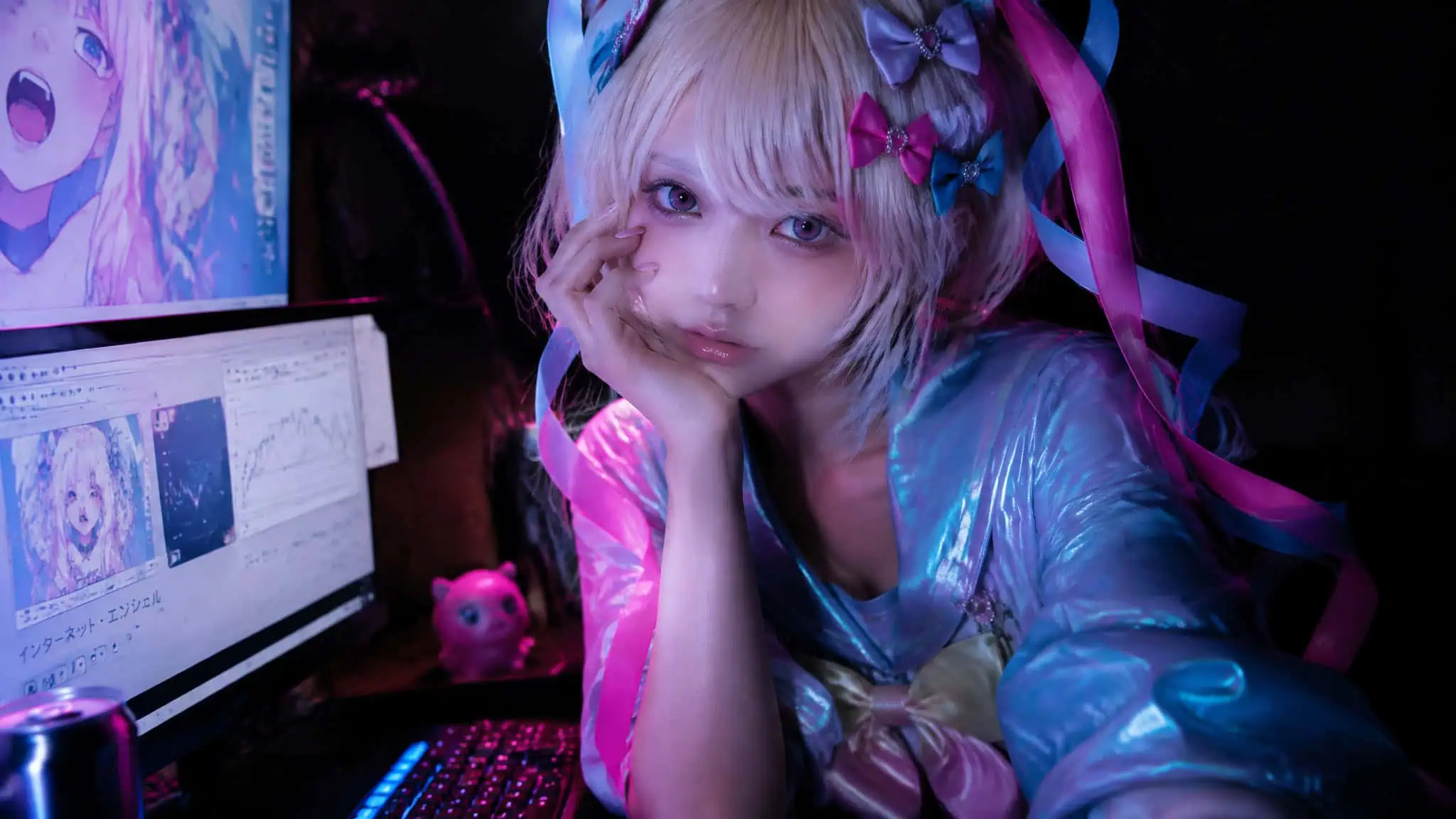
Needy Streamer Overload. It’s an indie game about a streamer’s double life online, and it has a dedicated cosplay scene that punches above the game’s mainstream profile. The discovery find here: miccostumes published a full dedicated cosplay guide on Jun 30, 2026, the newest dated item in their entire post index as of this writing. A retailer writing a complete guide for a niche game is a harder demand signal than a hashtag count. Recreation tier: full costume territory, since the look leans on specific styling.
Demon Slayer women’s looks. Demon Slayer is the mega-popular anime about demon hunters, and Nezuko Kamado and Rengoku both show up by name in women’s shopping-intent data for “anime cosplay costume women.” This isn’t a fresh spike; it’s persistent franchise demand that keeps generating purchases season after season. Full costume works, and closet cosplay is doable for Nezuko especially.
Princess dresses. Two signals here. First, miccostumes’ “Dreamy Princess Moments” roundup from Nov 6, 2025, a curated shortlist of five iconic princess dresses built as your entry point into a fairy-tale moment. Second, a Feb 12, 2026 German-language post on handmade princess dresses, whose tagline boils down to: rely on your own strength to become the most beautiful princess.
That’s maker-empowerment energy, and I love it. Tier: full costume or serious DIY.
Celestia Ludenberg. A Danganronpa character, the gothic-lolita-styled gambler with the twin drills. The evidence is a wig tutorial published Jul 15, 2020, the oldest dated item in the retailer’s index. A character still generating retailer content six years later is the definition of long-tail demand. Tier: the wig is a DIY build; the outfit can go either way.
Swimsuit-cosplay fusion. An Apr 22, 2026 German-language post literally merged swimsuits with cosplay, and honestly, someone blended two wardrobes and it works. Also note what the German-language posts imply: demand beyond the English-language feed, a European-market signal most coverage ignores.
Why characters spike, and which trends have staying power
The decisive difference between a spike and a lasting trend is whether the infrastructure shows up. New anime seasons and game releases drive character spikes; retailer guide investment is what turns a viral moment into sustained demand. That Needy Streamer Overload guide sitting at the top of a dated post index is exactly that shift happening in real time.
Here’s the pattern I see watching con floors, and I’ll own it as community observation rather than market data: a character nobody planned spikes after a season finale, half the attendees have a version by the next con, and it vanishes within two cycles unless the design photographs well. My staying-power test has three factors: franchise longevity, silhouette strength, and retailer investment. Demon Slayer passes all three. A one-season viral character usually passes none.
As for “what’s most popular right now”: I can’t defensibly name a single #1 without current release-calendar data, and neither can anyone else who says otherwise.
How to recreate a trending look: the silhouette-first method
The outcome you want: match the base garment to the character’s silhouette, then build outward in order. Here’s the five-step sequence:
- Pick a base outfit matched to the character’s silhouette.
- Add the matching top or jacket.
- Add belts and props like a sword or fan.
- Finish with makeup and wigs.
- Test the whole thing in natural light.
The silhouette logic generalizes across body types, which is the part that makes the method click. Nezuko calls for a high-waisted base; Rengoku calls for a fitted one. Same method, opposite shapes. Fit means actual measurements: waist, hip, and length. Proper fit serves two goals, comfort and visual accuracy to the character, and you need both.
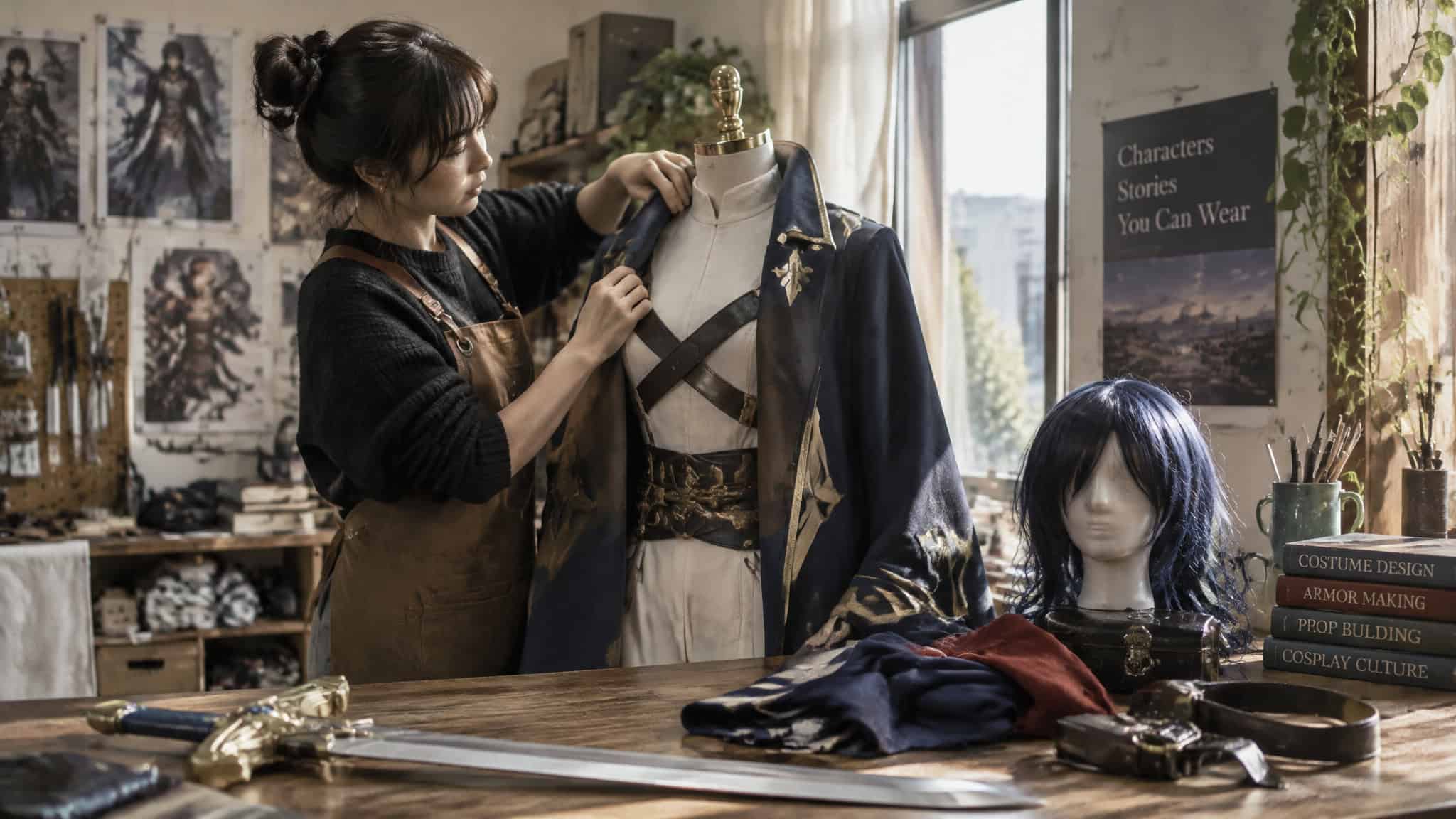
The step most guides skip: marketplace listing photos are shot under studio lighting, so colorways read wrong at the con. This is a common failure pattern I keep hearing about: someone orders a costume that looks screen-accurate in the listing, then discovers in daylight that the colorway is off. Test the finished outfit outside before you’re standing in a convention hall wondering why your red looks pink.
Quick test: Check the finished outfit in natural daylight before con day — studio-lit listing photos hide real colorway drift.
Buying ready-to-wear: where it works, where it fails, and the junk filter
Ready-to-wear works for silhouette-standard characters; DIY wins for hair and props, and the Celestia Ludenberg wig tutorial is exactly that kind of build. It also fits the broader wave of Pinterest cosplay ideas for women, where stylized, photogenic looks favor visual impact over screen accuracy. Everything else is knowing what to filter out.
The buy-vs-DIY fork
Shopping demand for “anime cosplay costume women” signals buyers who want ready-to-wear outfits balancing authenticity, comfort, and affordability. My read on the intent behind that search: people want to embody a character through detailed design, accurate colors, and well-fitted silhouettes, the same thinking behind this guide to cosplay ideas for women, which organizes characters by skill level, budget, and effort. That’s an interpretation, not data, but it tracks. The fork is simple: ready-to-wear wins for standard silhouettes, and wigs and props are the DIY call.
The wearable-vs-junk filter
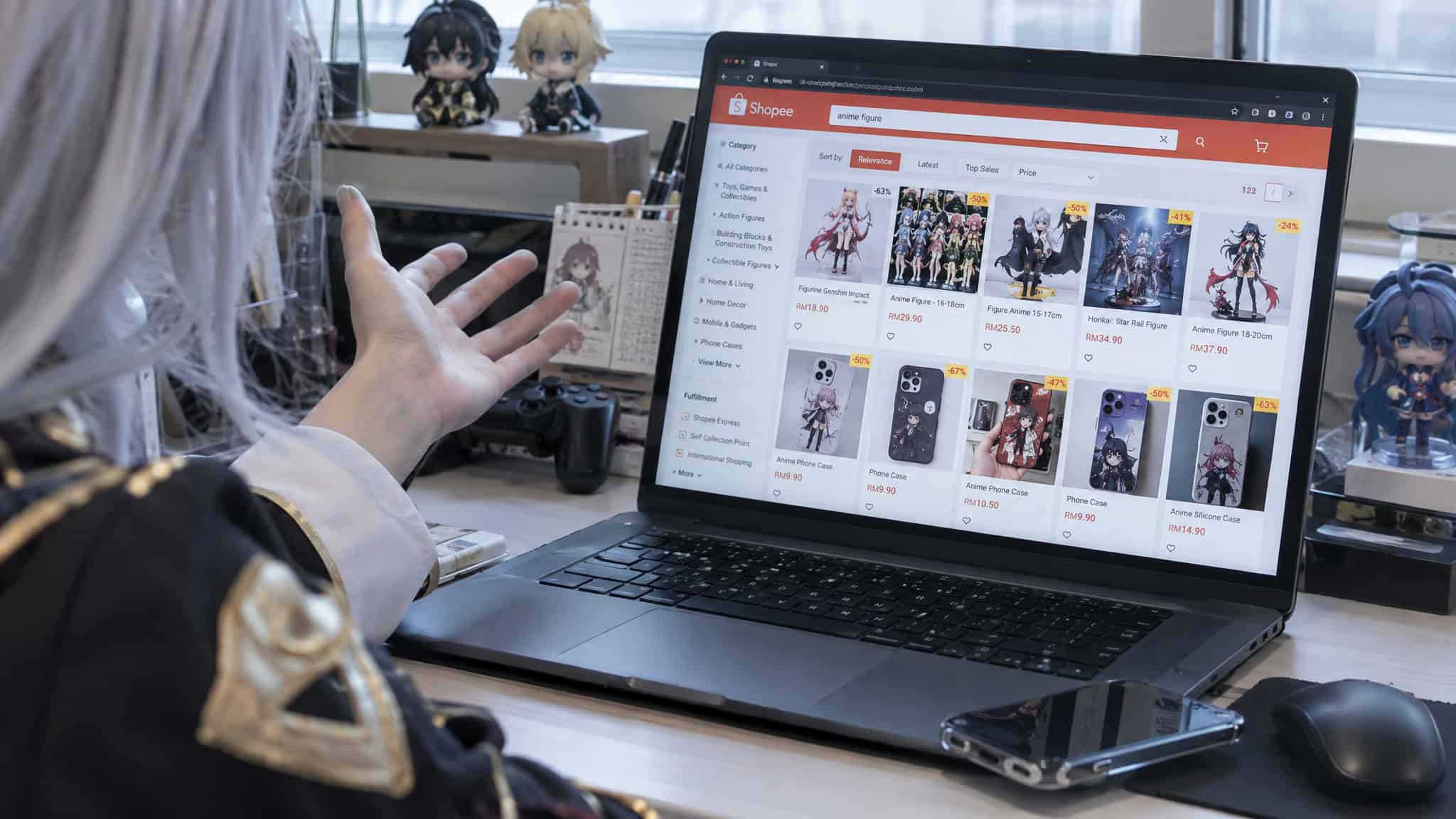
Here’s the sharpest thing I learned digging through shopping results, AliExpress listings included: “cosplay” as a search term surfaces an enormous amount of stuff that is not a costume. A Demon Slayer Q-version PVC figure of Nezuko and Tanjirou is a collectible, full stop. It is not wearable, nothing like the actual cosplay ideas for men you’d expect the term to surface. Its listed colorways (Gojo, Hei Hui, Huzi, Wild Rose) and proportions are useful only as a color-and-proportion reference, and even that framing comes from the listing’s own commercial copy.
Then an earphone case, a Redmi Buds 6 Lite silicone case, showed up under cosplay results too. I wish I were making that up.
LED light-up accessories are the genuinely fun corner: light-up gear and LED harnesses are wild in the best way, real gadget-bench territory, and Neon Cowboys is one of the names that comes up in this space. But the vendor marketing pushing them for festival scenes in Las Vegas, Nashville, and Austin, name-dropping TikTok, Instagram Reels, Comic Con, and EDM outfits, is SEO keyword soup. That’s vendor positioning, not independent trend data. The filter to internalize: ask whether the product goes on your body as a character. If the answer is no, it’s costume-adjacent, not cosplay.
Buyer rule: If it doesn’t go on your body as part of the character, it’s costume-adjacent — PVC figures and earphone cases fail the filter.
Sizing and cost reality
One listing is worth reading like a datasheet. The “Sexy Pure Desire Blue Bodycon Long Skirt” is positioned as a versatile cosplay base: high-waisted bodycon fit cut for slim builds, actual colors Black, Dark Blue, and Gray (trust the spec list over the title’s “Blue”), sizes L, M, S, and XL, with the vendor targeting women aged 30 to 34. The seller’s non-toxic, no-high-concern-chemicals claim is unverified vendor copy, so treat it as a claim.
The related-search demand for “adult trending female cosplay outfits” implies an adult-sizing gap: mass-market ranges mostly stop at S through XL. For inspiration on where those hot female cosplay ideas tend to land, cost is an honest note: current sourcing offers affordability signals but no actual price data, so prices may vary and you should verify before budgeting a build.
Closet cosplay and Disneybounding: the no-costume tier
Disneybounding is emulating Disney characters with everyday clothes through color blocking and accessorizing, and some people call it closet cosplay. It’s the documented fallback tier when budget, skill, or venue rules rule out a full costume, and honestly it’s kind of elegant.
Where it came from
Blogger Leslie Kay coined the term on Tumblr (Disneybound.co) while prepping for a Walt Disney World trip, which is exactly the side-project origin story I love. Her purpose was outfits that work for your body and your wallet, built from your closet or the local mall. The trend surged from 2012 to 2013 as Kay’s Tumblr grew and fans began sharing their own Disneybound looks on Instagram. That’s bottom-up adoption, not a marketing campaign.
Sarah Sterling, a YouTuber and former Disneyland cast member, makes the accessibility case plainly: you don’t need money or craft skills, just love of the characters and clothes you already own. The Disneybounders Unite Facebook group reported over 10,000 members at the time of the explainer I read, a request-to-join group, so treat that as a point-in-time snapshot that has likely changed.
How to do it, and the rule that shaped it
Sterling’s budget tactic: shop inexpensive stores that organize clothing by color, like Ross or Forever 21, which makes color-blocking almost automatic, then finish with necklaces, bags, and shoes. There’s no right or wrong way to do this; the relaxed spirit is the point.
Here’s the causal origin most explainers miss: Disney Parks enforce a strict no-costume rule. No wigs, no props, because guests mistaken for actual characters can get in trouble. Disneybounding exists precisely because of that constraint, and the look lives or dies on clothing alone. Picture the classic first-trip friction: you assemble a perfect color-blocked outfit at home, then realize at the park gate that every accessory you planned is off the table. That constraint is the whole design problem, and it’s why the technique works.
Worth knowing: the original explainer’s news hook was the live-action Beauty and the Beast release, which is why everyone was suddenly thinking about Disney fashion again. And the bigger takeaway: Disneybounding is the blueprint for budget closet cosplay of any character, not just Disney ones. If you can color-block Belle, you can color-block almost anyone.
Where cosplay fashion is heading: off the con floor and into the wardrobe
Yes, princess-dress and character styling are still current in 2026, and the retailer’s own dated arc proves it: a Jul 2020 Celestia wig tutorial, the Nov 2025 five-dress princess roundup, the Feb 2026 handmade-princess post, and the Apr 2026 swimsuit-cosplay fusion post. Those German-language posts also signal something English-language coverage rarely names: cosplay increasingly styled as wearable everyday fashion, with a European market growing alongside it. My recommendation: invest your craft time in looks that pass the staying-power test and work as daily wear, not just convention costume.
Frequently Asked Questions
What is the most popular cosplay right now?
Nobody can defensibly name a single #1 without current release-calendar data, and anyone who claims otherwise is guessing. What the evidence supports is a distinction between spikes and lasting trends: new anime seasons drive character spikes, but retailer guide investment is what turns a viral moment into sustained demand. Demon Slayer passes the staying-power test; a one-season viral character usually doesn’t.
What are some cosplay ideas for 2026?
Princess-dress and character styling are still current in 2026, alongside Needy Streamer Overload, Demon Slayer women’s looks, Celestia Ludenberg, and swimsuit-cosplay fusion. The broader direction is cosplay styled as wearable everyday fashion, with a European market growing alongside it. The smart play is investing craft time in looks that pass the staying-power test — franchise longevity, silhouette strength, and retailer investment — and work as daily wear, not just convention costume.
Full costume vs closet cosplay: which is better for a first convention?
Ready-to-wear full costume wins for silhouette-standard characters, and closet cosplay works when budget, skill, or venue rules rule out a full outfit. For a first convention, the deciding factors are comfort and visual accuracy to the character — you need both, and both come from actual measurements (waist, hip, length). Nezuko is a good example of a character where closet cosplay is doable, while her look leans on a high-waisted base if you go full costume.
How do I match a cosplay base outfit to a character’s silhouette and get the colors right?
Match the base garment to the character’s silhouette first, then build outward: top or jacket, belts and props, makeup and wigs. The silhouette logic generalizes across body types — Nezuko calls for a high-waisted base while Rengoku calls for a fitted one, same method, opposite shapes. For colors, trust the spec list over the listing title (one ‘Blue’ skirt’s actual colors were Black, Dark Blue, and Gray), and test the finished outfit in natural daylight because studio-lit listing photos hide colorway drift.
How do I filter out junk when shopping for cosplay costumes online?
Ask one question: does the product go on your body as part of the character? If not, it’s costume-adjacent — a Demon Slayer Q-version PVC figure is a collectible, not a costume, and even a silicone earphone case showed up under cosplay results. LED light-up accessories and harnesses are a genuinely fun wearable corner, but vendor marketing name-dropping festivals and TikTok is SEO keyword soup, not trend data.