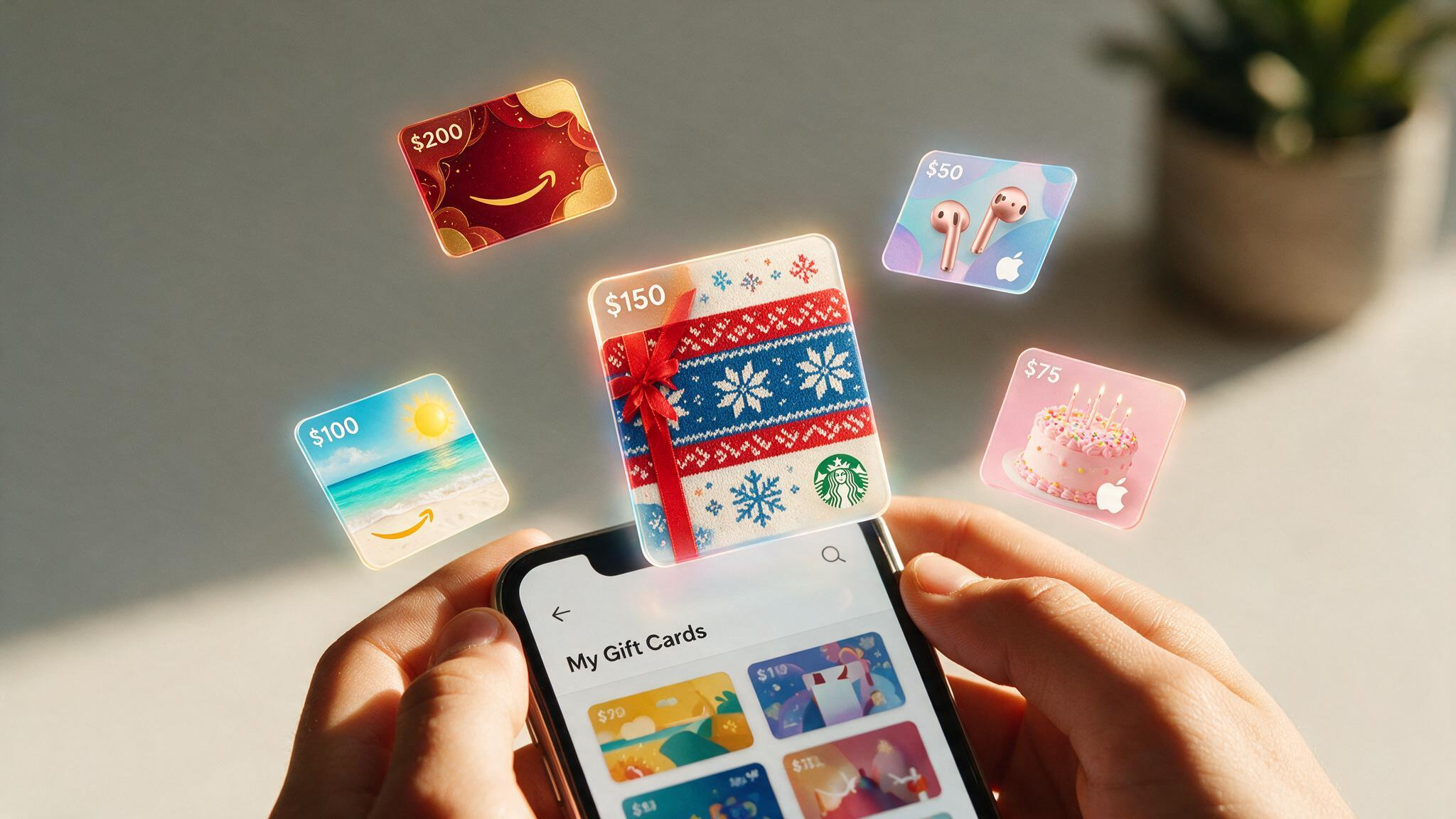
You scroll past another “must be 18+” job listing, click on a promising side hustle, and it asks for your bank account details. That’s the wall every 15-year-old hits. The internet is full of earning opportunities, but most of them assume you’re an adult with a checking account and a decade of experience. That’s not the reality for a teenager who just wants to earn some cash without getting scammed or locked out by age gates.
I’ve taught at high school and college levels, run programs for teens, and fielded the same question over and over: “How do I actually make money online when I’m 15 and don’t have a bank account?” This guide is the answer I wish I could hand to every one of them. It’s filtered for methods that work at your age, pay without requiring a teen bank account, and come from platforms I’ve vetted. No fake promises, no “get rich quick” nonsense — just real, specific ways to earn.
Here’s the good news: about 1 in 25 workers in the U.S. is already a teenager. You’re not trying to break into some impossible market. You just need the right map.
Key Takeaways
Surveys and microtasks (Swagbucks, Survey Junkie, Clickworker, Remotasks) pay $0.50–$5 per survey or a few cents per task, and you can cash out via gift cards — no bank account needed.
Tutoring pays $21.86–$26 an hour for ages 15–18, and you get paid through a parent’s PayPal, Venmo, or Zelle. No formal experience required.
If you earn over $400 in self-employment income (freelance work, app testing, etc.), you’ll need to file taxes — but most teens won’t hit that threshold unless they’re working a lot.
Table of Contents
Quick and Easy — Surveys, Paid Studies, and Microtasks
This is the entry-level tier. Zero experience, zero portfolio, and you can start earning within an hour. The tradeoff is that the pay per task is small, but it adds up when you treat it like a background activity.
Online surveys — fastest payout, lowest barrier
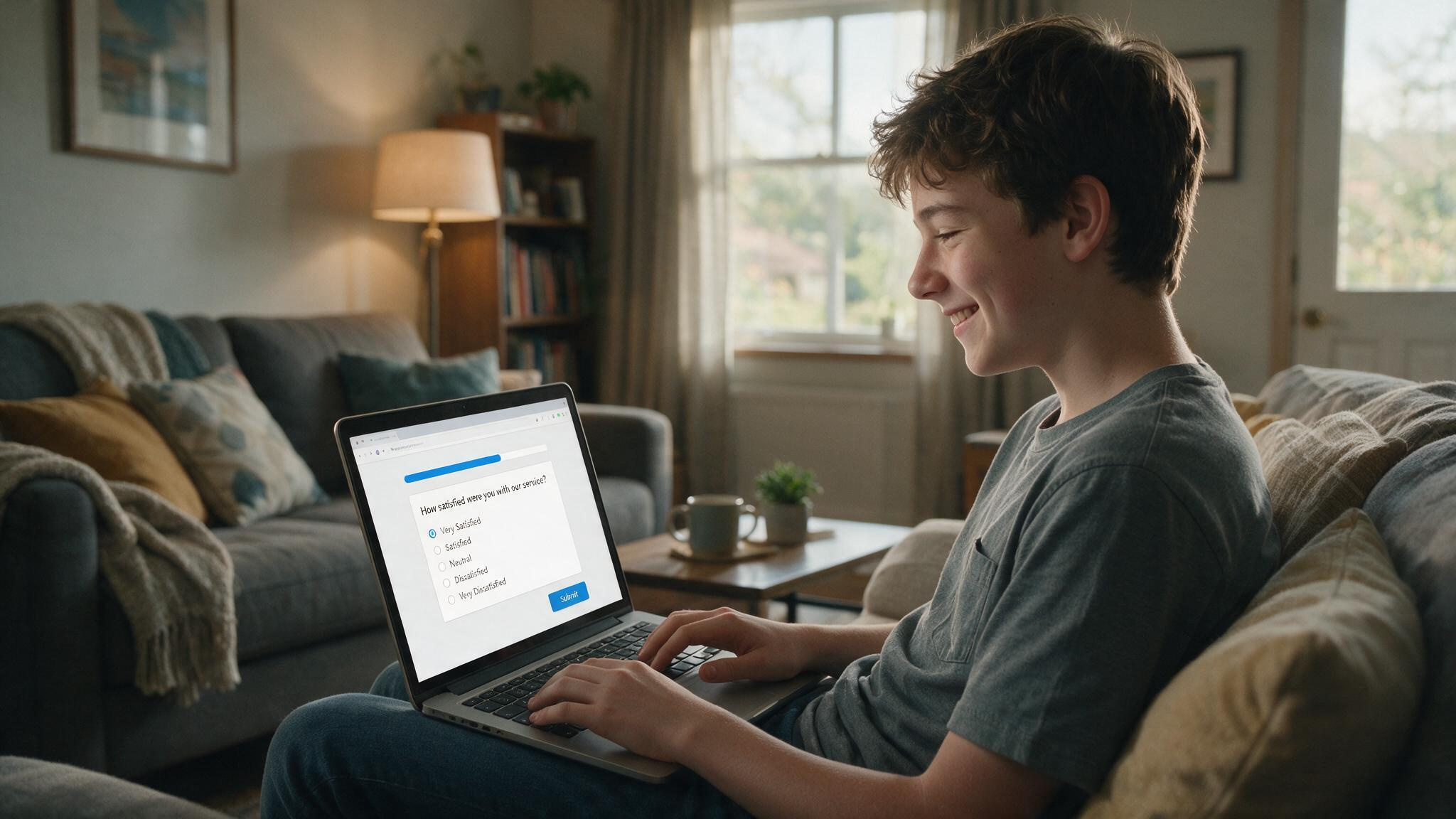
Ever waited for a game to load and thought, I could be making a buck right now? That’s basically the survey grind. You answer questions about your habits — favorite snacks, streaming services, which phone you use, and companies pay you for the data. A typical survey runs 2–30 minutes and pays $0.50 to $5.
The national average works out to $36.59 an hour, but that’s assuming you’re blazing through them. Realistically, you’ll clear $20 to $100 a month if you put in 5–15 hours a week.
The key is sticking with reputable platforms. Swagbucks, Survey Junkie, MyPoints, and Toluna are the big names. They pay out in gift cards (Amazon, Visa, store-specific) or PayPal if you link a parent’s account. My favorite concrete example: a 5-minute survey about your favorite snack for 100 points. That’s not going to buy a gaming rig, but it’s pocket money you can earn while scrolling.
Paid research studies — higher pay, more time
Surveys are the cheap seats. Paid research studies are the VIP section. These are in-depth interviews, discussion boards, or product tests that pay $50 to $200 per study. A 30-minute video call about how you use social media apps?
That’s a study. Getting to try a new snack or gadget and share your thoughts? Also a study.
The catch: you usually need to be 13–17, and you need parental consent. That’s not a barrier — it’s a safety feature. FocusGroups.org is the go-to platform for finding these. They specifically connect teens with legitimate research opportunities. If you’re willing to do a half-hour interview and have a parent sign off, you can make more in one study than you would from a week of surveys.
Field note: Paid studies are the highest-payout entry option for teens — one 30-minute interview can beat a full week of survey grinding.
Microtasks — simple, repetitive, quick
Microtasks are the I have 5 minutes and nothing to do option. You’re tagging photos, verifying product listings for accuracy, reviewing short clips, or classifying content. Each task takes a minute or two, and you get paid per task. Platforms like Clickworker and Remotasks are the best entry points for ages 15–18.
The beauty of microtasks is that they don’t require any thought. You can do them while waiting for a ride, during a commercial break, or in between classes. The time you waste scrolling social media is the same time you could be earning a few cents per task. It’s not glamorous, but it’s consistent.
Sell What You Already Own — Clothes, Books, and Tech
Your closet is a goldmine. Old clothes, books you’ve already read, headphones you replaced, even that mystery bundle of craft supplies you never used — someone will pay for it. The trick is matching the item to the right platform and handling the payment workaround.
Which platform for what?
- Depop for clothes and vintage. It’s basically Instagram meets eBay — great for streetwear, thrift finds, and last year’s style.
- Mercari for books, collectibles, and general stuff. Less fashion-focused, more garage sale energy.
- Facebook Marketplace for electronics and larger items. Local pickup means no shipping hassle.
- Etsy for handmade items or curated mystery bundles. If you’re crafty or can bundle a themed box, this is your spot.
- eBay still works for anything collectible or niche.
Ages 13–18 are fine, but you’ll need a parent-managed account on most platforms. That’s the bottleneck a lot of teens don’t see coming. They start listing, then realize they can’t set up the payment without a parent.
Getting paid without a bank account
Here’s the concrete solution: when you create the account with a parent, select gift card or PayPal as the payout method. Most platforms (Depop, Mercari, eBay) let you link a PayPal account. If you don’t have your own PayPal, have your parent link theirs. Then you can transfer the money to their bank account and they can hand you cash, or you can use PayPal to buy things directly.
The same goes for Etsy and Facebook Marketplace. No teen bank account required — just a parent willing to help set up the payment. It’s a small hurdle, but once you’re over it, you can sell used items for $18–$20 an hour, or up to $500–$1,000 a month if you’re consistent.
Create Content (You Don’t Need Millions of Followers)
The influencer dream is overrated. You don’t need a huge following to make money from content. Brands are desperate for authentic, real-teen perspectives — and they’ll pay for it without you needing to be famous.

Types of content that work for beginners
Think book reviews on TikTok, “day in my life” clips on Instagram Reels, or unboxing videos. A 30-second review of a novel or a game can earn you money if you place it through a user-generated content (UGC) marketplace. These marketplaces connect brands with real teens to create honest product reviews. No special equipment — just your phone and a willingness to talk about something you already use.
You can also try Amazon product reviews through UGC platforms, or create try-on clips for clothing brands. The key is that brands pay for the content, not the audience. You’re selling your perspective, not your follower count.
How brands find teen content
Search for “UGC marketplace” or “teen content creator opportunities” with a parent’s help. Some platforms let you set your own rates. Payment is usually via PayPal or gift cards. The whole model is less known than traditional influencer marketing, which makes it a hidden opportunity for anyone willing to make a few short videos — and it fits well with Ways for females to make money online that emphasize flexibility and safety.
Tutor or Help with Homework
This is one of the highest-paying options for a 15-year-old, and it also looks great on a college application. If you’re good at math, reading, science, or a foreign language, you can charge $21.86 to $26 an hour. That’s more than many adult minimum-wage jobs.
Finding students to tutor
Start with people you know: family friends, neighbors, classmates. Advertise in local Facebook groups or on Nextdoor. The most common scenario I see is a 15-year-old helping a 5th grader with math over Zoom, or teaching reading to early learners. If you’re bilingual, you can charge a premium for language practice.
You don’t need any formal teaching experience. You just need to be patient and know the subject. Set up a recurring weekly session using Zoom (it’s free). Track the hours and subjects you cover.
Setting up sessions and getting paid
Have your parent handle the payment account. They can receive payments via PayPal, Venmo, or Zelle and then give you the cash or transfer it to your own account. Start with a rate of $15–$20 an hour to get your first few clients, then raise it as you get experience. This is straightforward, low-overhead, and can easily become a regular source of income.
Freelance Gigs for Beginners — Writing, Editing, and Testing
You don’t need a portfolio to start freelancing. The fastest entry point is website and app testing.
Website and app testing — fastest entry to freelancing
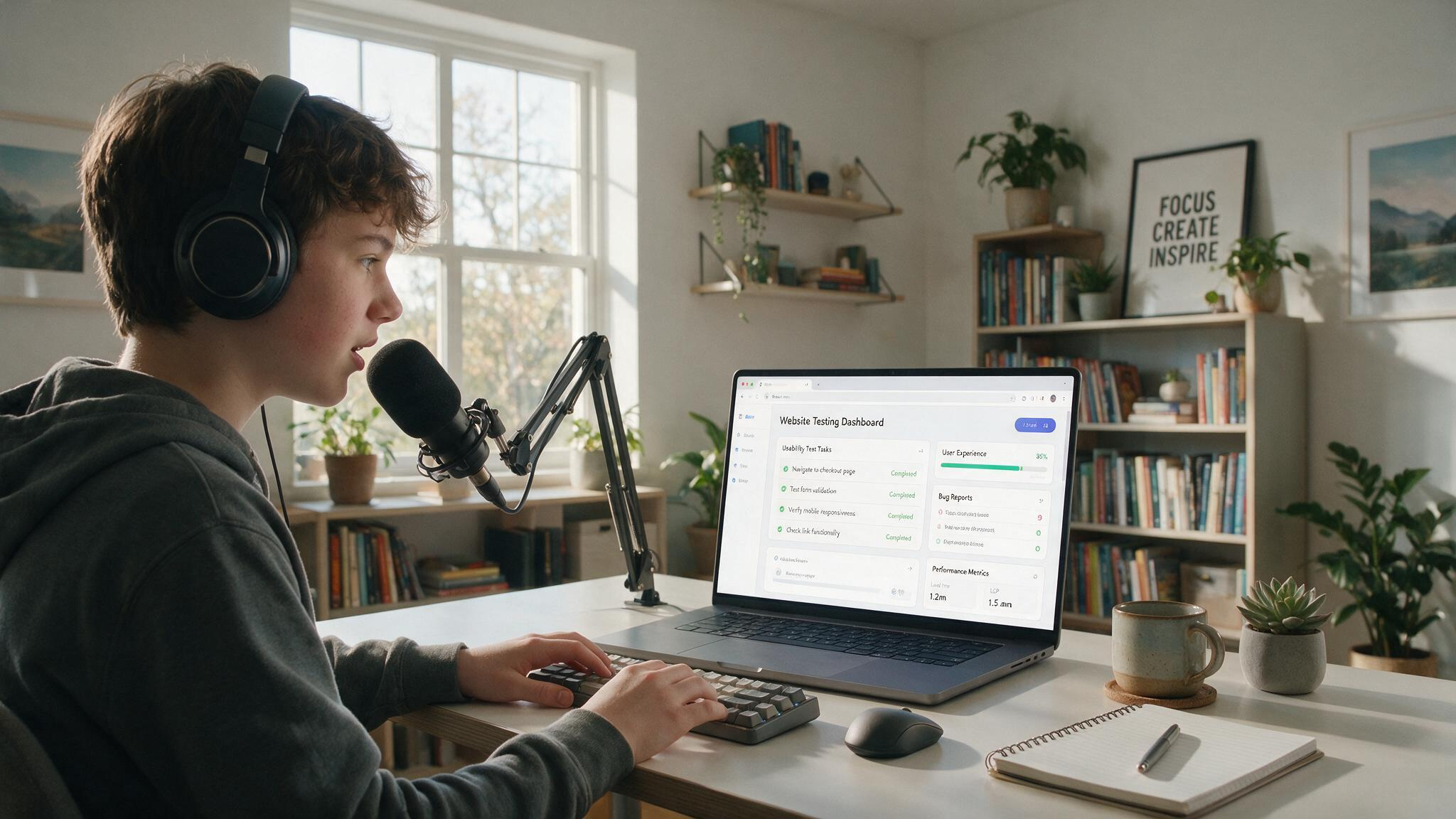
UserTesting.com pays you $3 to $30 per test. You record your screen and describe your experience navigating a website or app — what’s confusing, what works, what you’d change. The national average pays $44.20 an hour, which is absurdly good for a side gig. No portfolio, no experience, just a willingness to speak your mind.
It’s like being a reviewer for websites and apps. You get paid to give feedback on usability. It’s legit, it pays well, and it’s perfect for a tech-savvy teen.
Building a portfolio from school projects
If you want to move into freelance writing, editing, or graphic design, you’ll need a portfolio. But you already have one: your schoolwork. Use your best essays as writing samples, class presentations as design samples, and YouTube projects as video editing examples. Create a free portfolio using Google Docs or WordPress, then find freelance gigs on Upwork or Fiverr. That’s enough to start on platforms like Fiverr, Upwork, Indeed, Snagajob, ZipRecruiter, or FlexJobs.
The bottleneck I see most often is teens trying to get their first gig without any samples. The fix is simple: collect three of your best school assignments relevant to your target skill. Share them when applying. You’ll be surprised how many clients are willing to give a beginner a shot.
Level Up — Higher-Skill Freelancing (Design, Video, Writing)
If you already have a skill — video editing, graphic design, proofreading, social media management, you can earn adult-level rates. The national averages from Payscale are solid: photo/video editing $33–$37 an hour, video editing $31.60–$33, proofreading $27.65–$34, virtual assistant $24.40–$27, graphic design $23–$26.90, freelance writing $22–$24, social media management $23–$31.18.
These are not fantasy numbers. If you can build a portfolio from school projects (see above), you can charge these rates. Platforms like Fiverr, Upwork, and FlexJobs are where you’ll find clients. You’ll need a parent to help set up the account, but once that’s done, the work is yours.
One word of caution: skilled freelancing takes effort. You’re competing with adults who have years of experience. But if you’re genuinely good at something — editing your friends’ gaming clips, designing posters for school events, writing for the school newspaper, you can absolutely start earning real money.
Stay Safe — How to Avoid Scams and Involve Your Parents
Scams target first-time job seekers harder than anyone. The good news is that the red flags are easy to spot.
Scam red flags checklist
If a listing promises hundreds of dollars a day for minimal work, it’s a scam. If it asks for an upfront fee — “pay $50 to unlock job listings”, it’s a scam. If it wants your Social Security number before you’ve earned anything, it’s a scam. Legitimate work never asks you to pay to get paid.
Stick to reputable platforms: Indeed, Fiverr, Upwork, Swagbucks, Survey Junkie, FlexJobs, Snagajob, ZipRecruiter. If you see two or more of the red flags above, walk away. No job is worth losing your identity or your savings.
Red flag: Any gig that asks for an upfront fee or your Social Security number before you’ve earned a cent is a scam. Legitimate work pays you — never the reverse.
How parents can help (and why it is good)
When you ask a parent to help set up accounts on Fiverr, Upwork, or FocusGroups.org, you gain access to more legitimate opportunities. Parental consent is required for a lot of these platforms — paid studies, Etsy, neighborhood services. That’s not a restriction; it’s a safety net. They can also help you spot scams and handle payment logistics.
The best approach is to be upfront: “I want to make money online, here’s the platform I want to use, can you help me set up the account?” Most parents will say yes, especially if you show them this guide.
Getting Paid and Taxes — What Every Teen (and Parent) Should Know
This is the part most teen job guides skip entirely. How do you actually get the money, and do you owe taxes?
Payment options when you don’t have a bank account
Swagbucks specializes in gift card payouts — Amazon, Visa, store-specific cards. You can also use PayPal linked to a parent’s bank account. Venmo and Zelle work the same way: the money goes to your parent’s account, and they can give you cash or transfer it to your own account.
Greenlight is a debit card for teens managed by parents. It’s a great option for learning money management while you earn. You can receive payments directly to your Greenlight card, and your parents can set spending limits and savings goals.
Tax basics — when you need to file
Two thresholds to remember:
- $400 in self-employment income (freelance work, app testing, surveys, etc.) — if you earn more than that, you generally need to file self-employment tax.
- $15,750 in total income from all sources — if you earn more than that, you need to file a regular income tax return.
Most teens working part-time won’t hit either threshold. But if you’re tutoring for $26 an hour and doing 10 hours a week, you could cross $400 in a few months. Keep a simple record of all earnings. If you hit $400, tell a parent and prepare to file. Parental help is needed for tax filing, but it’s not complicated — just a few forms.
Conclusion — Start Small, Stay Safe, Involve Your Parents
You don’t need to try everything at once. Pick one method from this guide — maybe surveys while you figure out selling your old clothes, or a single tutoring session to test the waters. Set it up with a parent’s help, complete your first earning task this week, and see how it feels.
The highest-paying options (tutoring, app testing, skilled freelancing) don’t require a bank account. Getting parents involved helps you access opportunities, it doesn’t restrict them. And the whole point is to start earning, build skills, and learn to manage money — all before you turn 16.
The internet is full of noise, but this guide is the signal — go make something happen.
Frequently Asked Questions
How to make real money at 15?
Real money comes from tutoring, paid research studies, and freelancing in skills like video editing or graphic design. Tutoring pays $21–$26 an hour, research studies pay $50–$200 per session, and website testing on UserTesting.com averages $44 an hour. All these pay through PayPal or gift cards without needing your own bank account.
Do I have to pay taxes on money I make online at 15?
You only need to file taxes if you earn over $400 in self-employment income (like freelancing or surveys) or over $15,750 in total income from all sources. Most teens won’t hit those thresholds, but if you’re tutoring 10 hours a week, you could cross $400 in a few months — keep a record and get a parent’s help to file.