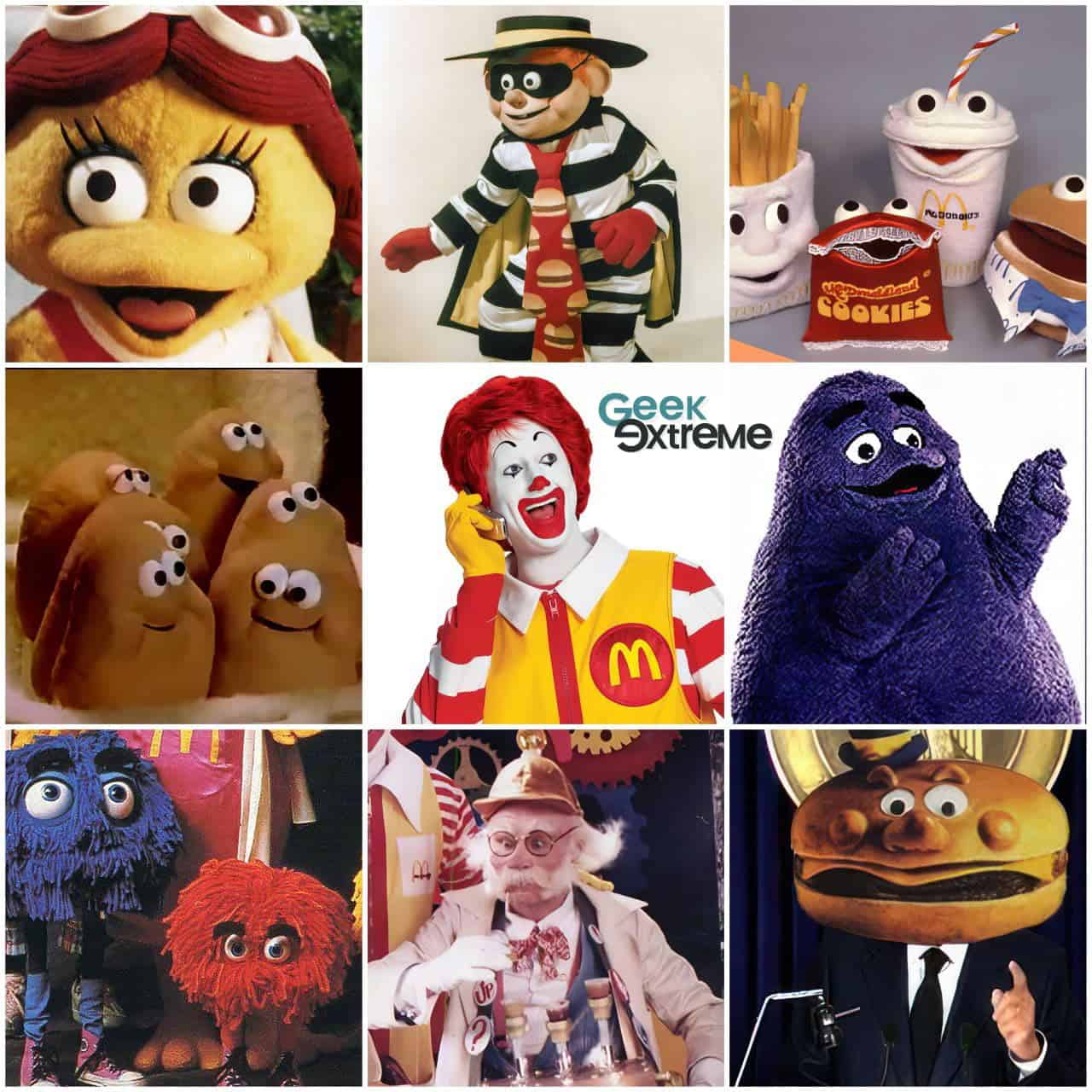
Determining exactly who is included in the original lineup of McDonaldland mascots takes fans back to an era when corporations built dedicated mythological worlds just to sell burgers. The inaugural roster officially featured Ronald McDonald, Mayor McCheese, the Hamburglar, Grimace, and Officer Big Mac, formalizing a scattered roster into an organized universe in 1971. I originally wrote this article on McDonald’s characters years ago, and it quickly became a highly popular retro deep-dive here on GeekExtreme.
For readers who grew up trying to name the full roster of this universe but now rely on fragmented memories, I have completely refreshed and updated this nostalgic guide. While researching the architecture of their early marketing, I realized this timeline acts as a roadmap for understanding how early childhood advertising transformed into enduring pop culture. Readers will verify that the official fictional universe was formally brought to life in 1971, contrasting sharply against the earlier, far messier localized 1960s commercials.
Eventually leading to their massive modern resurgence across platforms like TikTok in 2023 and 2024, the timeline is wild. But the polished franchise icon everyone remembers started as something much messier.
Key Takeaways
The viral June 2023 Grimace Shake trend on TikTok helped drive a 10.3% increase in U.S. same-store sales for the second quarter.
McDonald’s was forced to pay over $1 million in damages after losing a 1973 copyright infringement lawsuit over similarities to the ‘H.R. Pufnstuf’ television show.
The obscure 1980s alien extra CosMc inspired the December 2023 launch of a beverage spin-off restaurant.
Table of Contents
Ronald McDonald and His Messy, Primitive Origins
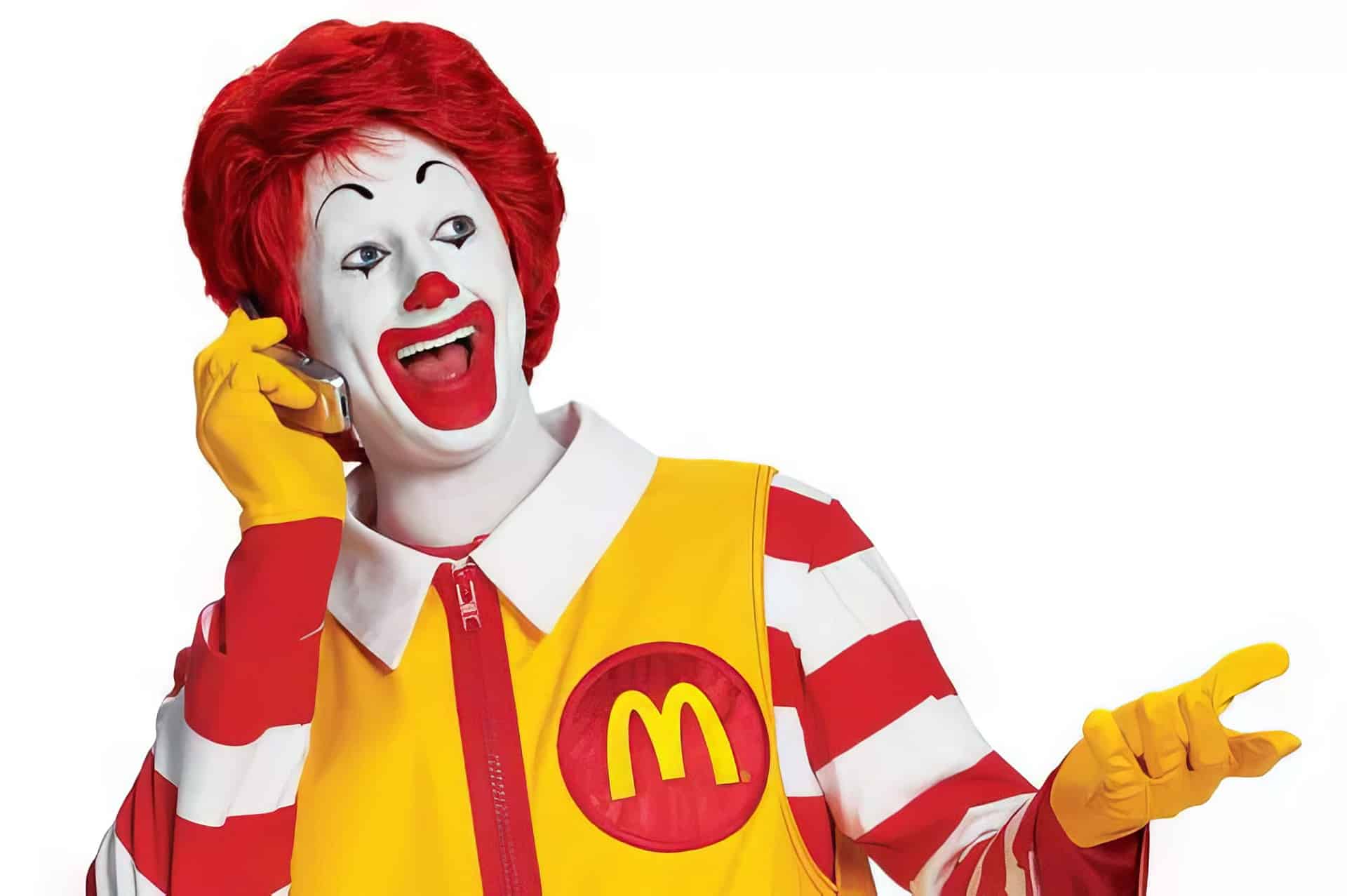
If you are wondering who was the very first mascot for McDonald’s before Ronald was introduced, the answer is Speedee, a winking chef with a hamburger for a head. Once the brand phased Speedee out, the clown we know today took over, though his initial iteration was wildly unrefined. Early archival footage shows a jarringly different design from the modern icon.
Local television weather personality Willard Scott pioneered the character in 1963, long before the ultimate brand standardization that gave us his classic red and yellow jumpsuit. This localized rollout was essentially a bizarre TV stunt requiring heavy visual iteration to make it palatable on a national scale. By examining these early commercials, audiences can vividly visualize a strange aesthetic that lacked modern polish.
Eventually, the overarching marketing infrastructure evolved, shifting Ronald entirely away from aggressively pitching burgers and instead guiding him toward serving as the cheerful face of corporate philanthropy. It took several years of mechanical redesigns before the franchise perfected their global ambassador. Still, Ronald wasn’t the only character whose early days created corporate branding headaches.
The 1963 Localized Rollout
Ronald’s debut costume design was primitive. He wore a giant cardboard food tray as a hat and a paper cup over his nose. The company smoothed out this creepy aesthetic to create an approachable ambassador.
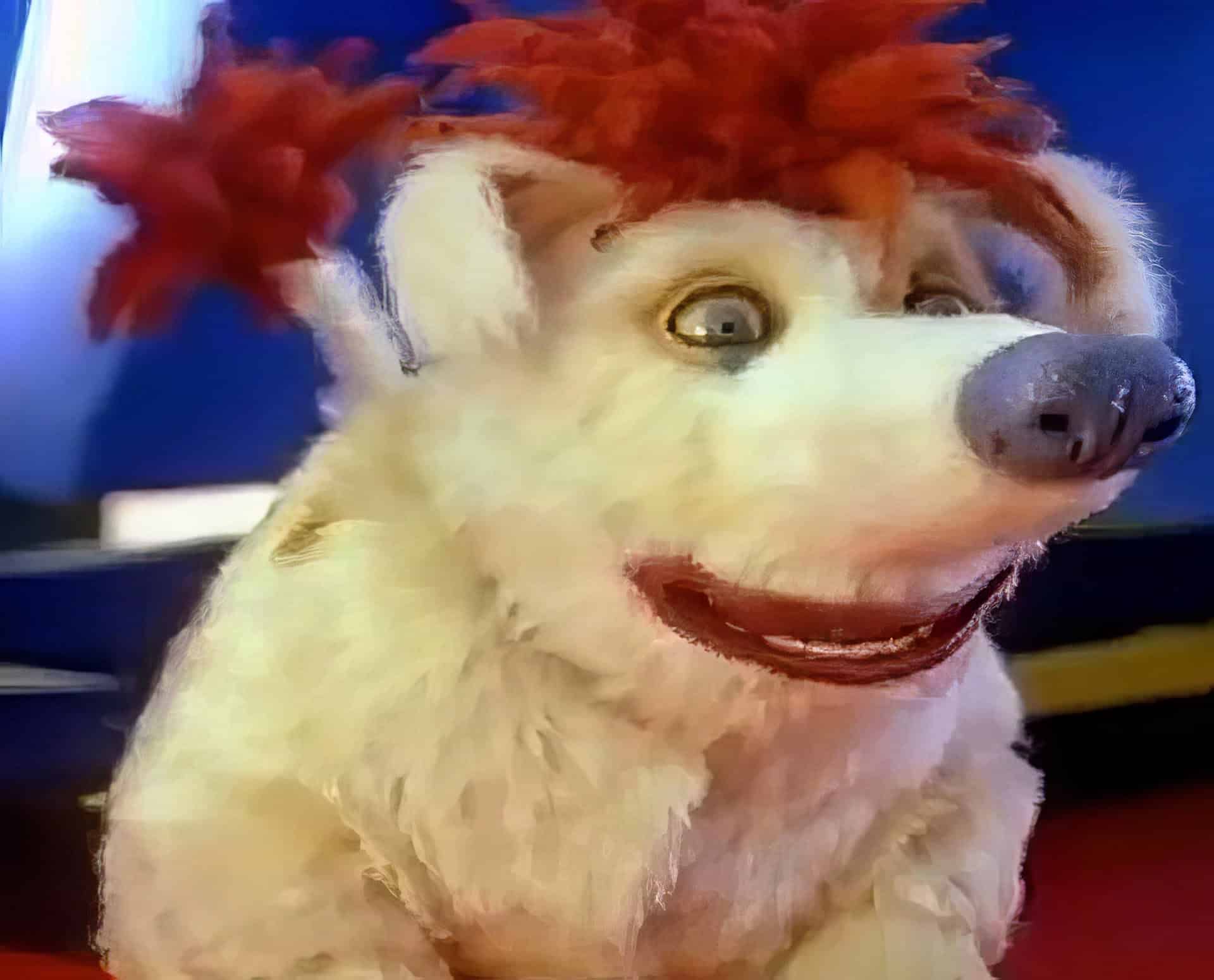
The brand introduced a companion dog, Sundae, to normalize the clown and make his universe feel grounded. By the time he became the official face of Ronald McDonald House Charities, the company had stripped away all traces of the paper-cup origins. They successfully transformed a regional TV stunt into a recognized non-profit icon.
Mayor McCheese and the Million-dollar Copyright Scandal
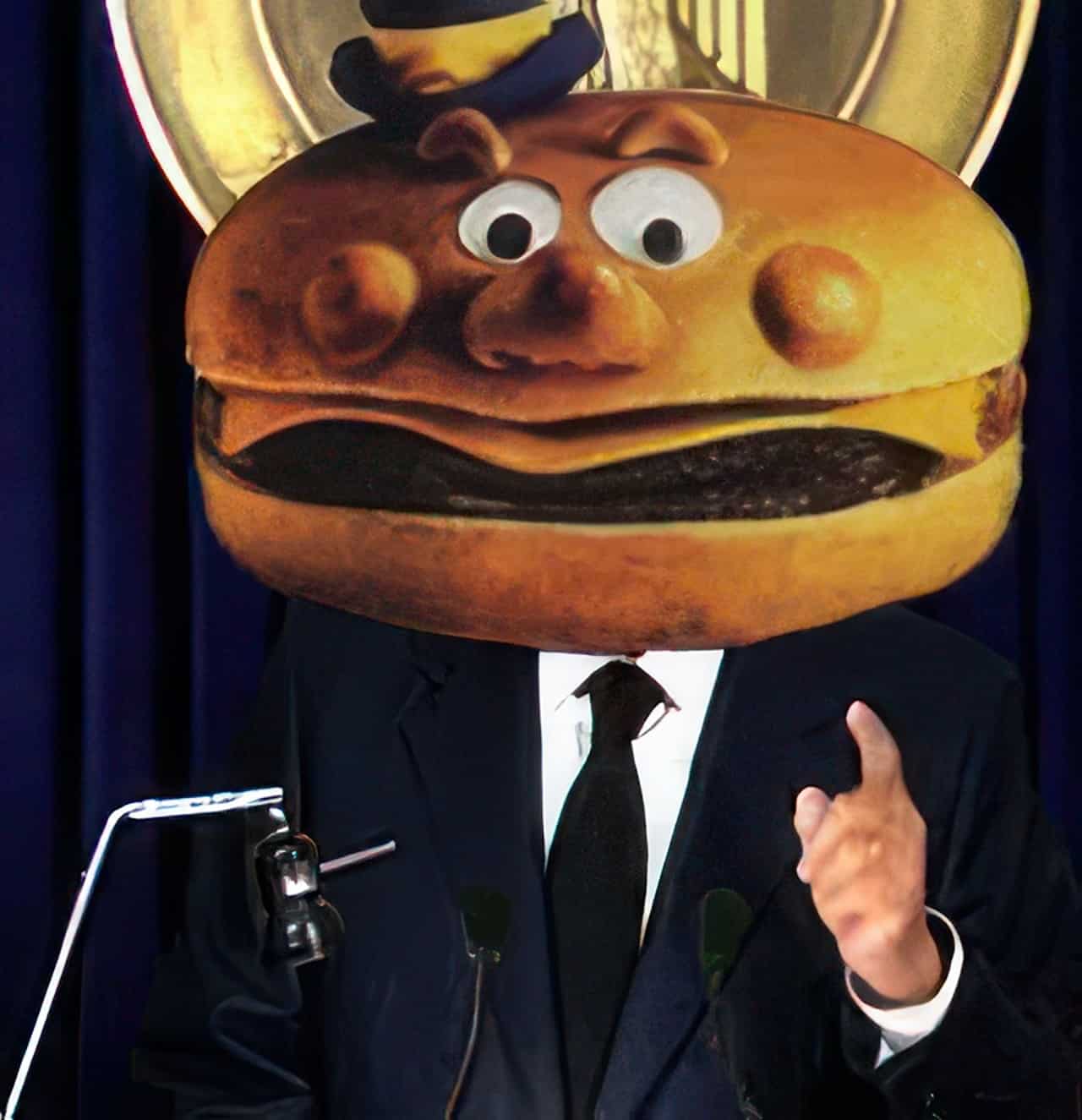
To understand what the famous H.R. Pufnstuf intellectual property lawsuit regarding the McDonaldland universe was explicitly about, you have to look back at the 1971 origins of Mayor McCheese. Introduced as a bumbling politician with a cheeseburger head, he quickly became a fan favorite. Early archival wiki entries show aggressive corporate world-building, introducing the Mayor alongside an enforcer of fast-food law known as Officer Big Mac.
However, this expansive creative vision leaned recklessly on existing television media, leading to a catastrophic copyright clash. The mechanics of the resulting legal action cost McDonald’s over $1 million in damages, irrevocably shifting how their advertising agencies handled media appropriation. Creators Sid and Marty Krofft sued over Mayor McCheese when they recognized the similarities, enforcing a penalty that dealt a devastating financial hit to the fast-food empire.
Following the grueling 1973 legal ruling, the brand was permanently forced to drastically scale back the commercial television presence of these highly specific designs. Surviving brutal legal battles was one thing, but making the surviving characters safe for young audiences became a turning point entirely.
The H.R. Pufnstuf Similarities
Controversy erupted when Sid and Marty Krofft realized the psychedelic aesthetic of McDonaldland closely mirrored their own children’s programming. The ensuing lawsuit proved to be a harsh check on marketing teams lifting concepts from independent creators.
According to legal records from 1973, the court ruled that the physical characteristics of the fast-food mascots were virtually identical to the plaintiff’s work. Ad agencies played loosely before digital tracking made copying so obvious.
Officer Big Mac and the Fallout
The legal consequences were severe. McDonald’s paid $1 million in damages, a huge sum for a copyright penalty in the 1970s. The financial hit forced a total overhaul of the advertising strategy.
The brand drastically pulled back the commercial presence of specific characters like Mayor McCheese and Officer Big Mac. Television appearances dropped instantly. Making the IP legally compliant was just the first hurdle. Cultivating a remaining cast that felt psychologically safe for children posed a different challenge entirely.
Grimace: From Four-armed Monster to TikTok Sensation
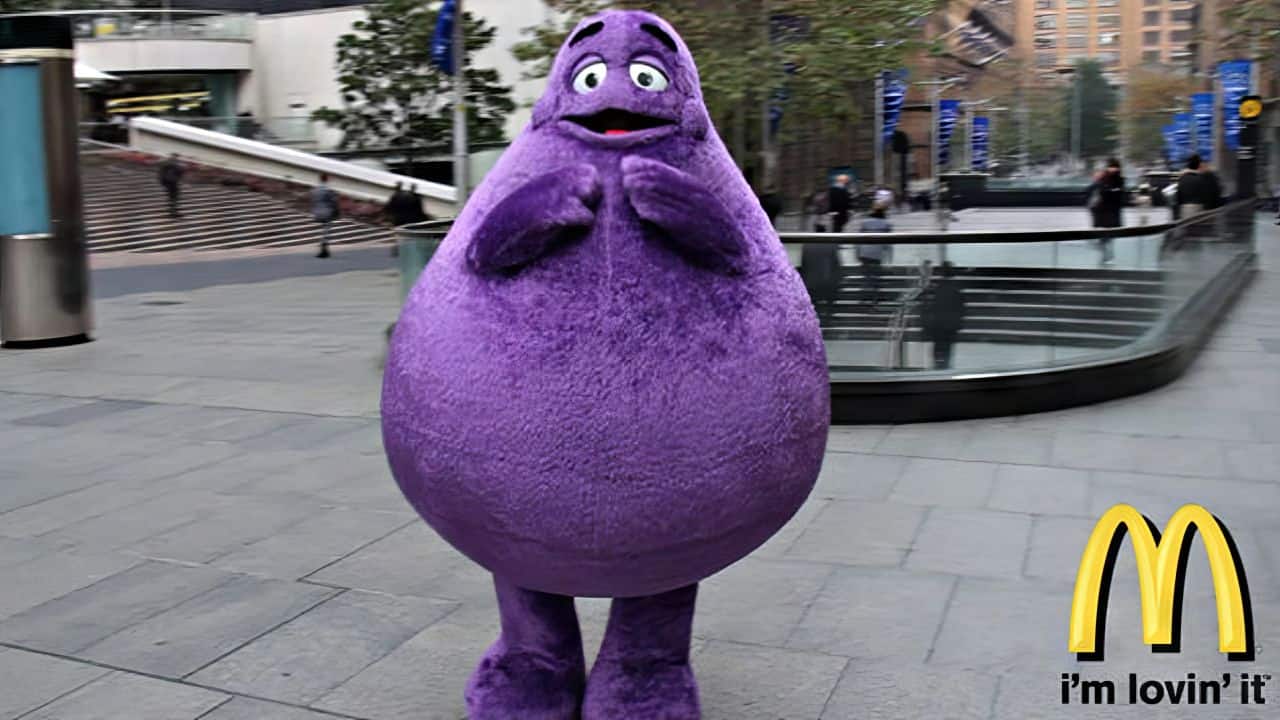
If you ask what exactly is Grimace supposed to represent, the official corporate answer is that he functions as a giant, anthropomorphic taste bud, though he originally debuted as a scaly creature designed entirely to steal milkshakes. The jarring beta designs from 1971 reveal how completely different visual standards were for early children’s advertising. Because his initially menacing original concept was considered genuinely scary by young viewers, the company was heavily forced to drastically rethink their approach.
Shifting from the undeniably unsettling Evil Grimace required rapid character sanitization to successfully transform him into a harmless, lovable purple buddy. By completely removing his problematic extra limbs, the company successfully patched the flawed physical design much like a developer pushing an urgent hotfix to a broken UI. Protecting this multi-million dollar brand identity meant immediately course-correcting any antagonist that caused fear. Long before massive modern internet trends famously resurrected his scary origins, the franchise had to soften several early antagonists to stop scaring away their core demographic.
The Unsettling Villain Phase
The four-armed design first hit screens in 1971, hoarding beverages in a dark cave. Kids hated him. The company realized that using antagonists to generate narrative conflict alienated the exact audience they wanted to attract.
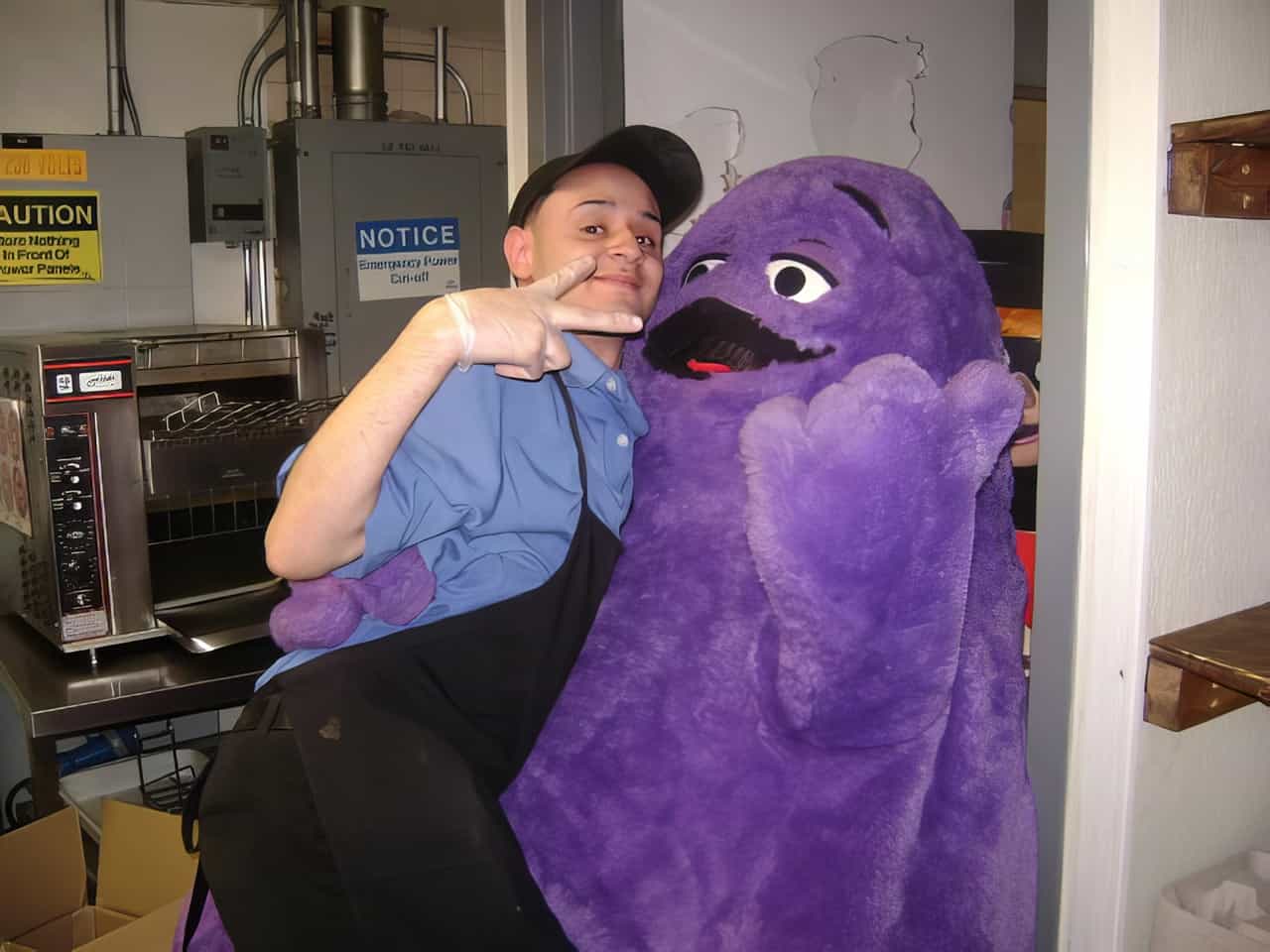
A rapid redesign stripped away his extra limbs and recast him as a slow-witted, harmless friend. Replacing villainy with clumsiness fundamentally changed how kids interacted with the brand. This shift acted as a psychological upgrade to the advertising strategy.
The 2023 Viral Horror Resurgence
The internet repurposed this sanitized character half a century later. The June 2023 launch of a purple menu item triggered the Grimace Shake viral horror trend on TikTok that resurrected the mascot’s terrifying roots.
Users filmed themselves drinking the shake before smash-cutting to mock-horror scenes of themselves passed out in surreal environments. This viral campaign functioned as a financial driver rather than just an internet joke. The trend pushed a 10.3% increase in U.S. same-store sales during that quarter, proving that nostalgia and unhinged humor prints money better than traditional ad buys.
“The trend pushed a 10.3% increase in U.S. same-store sales during that quarter, proving that nostalgia and unhinged humor prints money better than traditional ad buys.”
Hamburglar and the Era of Character Sanitization
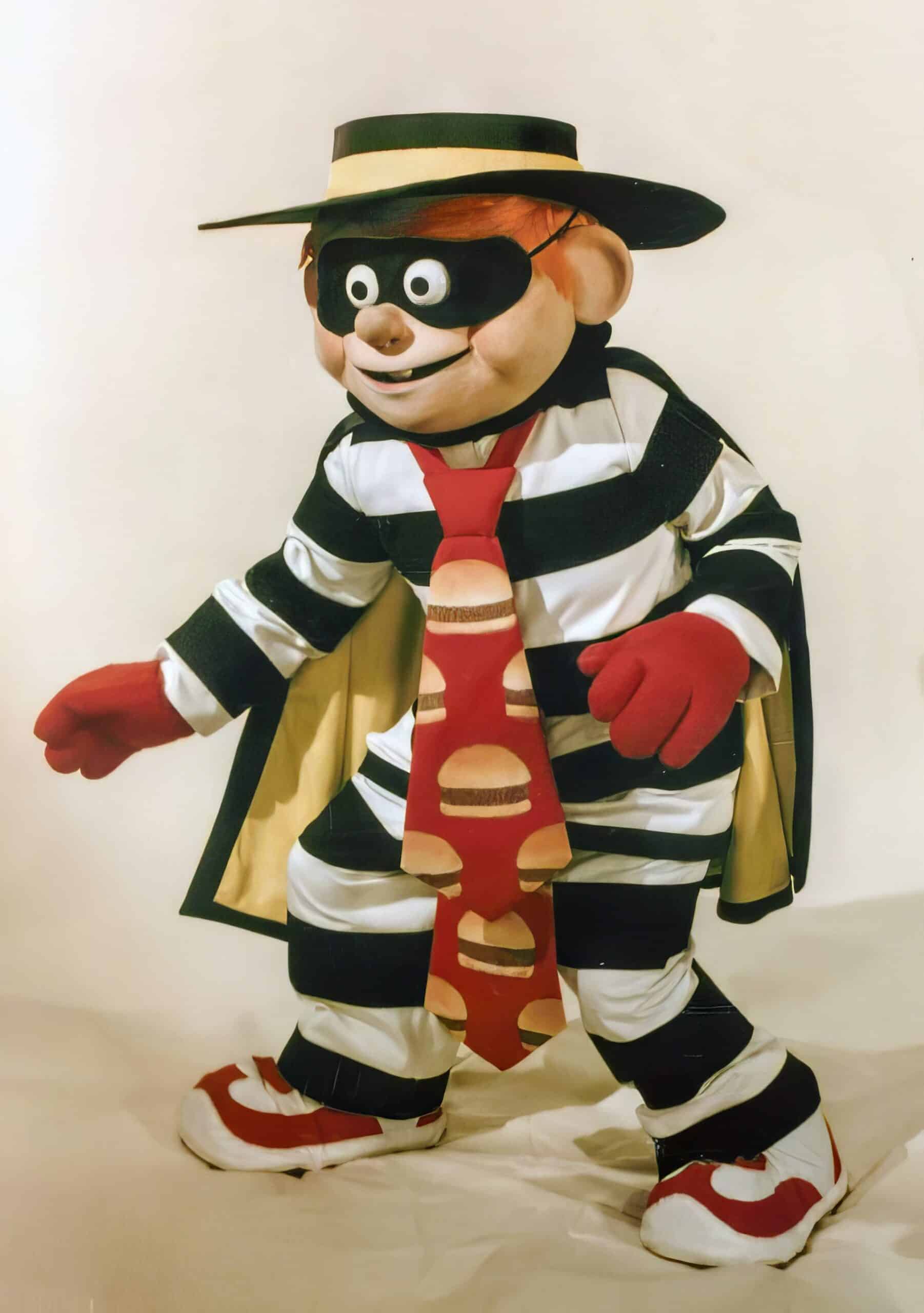
When looking at how the vintage Hamburglar compares to the modern redesigned version, the physical and psychological upgrade reveals a massive corporate shift from menacing villains to playfully safe friends. Introduced in March 1971, the original gibberish-speaking thief wore a creepy mask and looked genuinely threatening. Corporate quickly realized they had a massive branding issue with showcasing literal felons to vulnerable audiences on television.
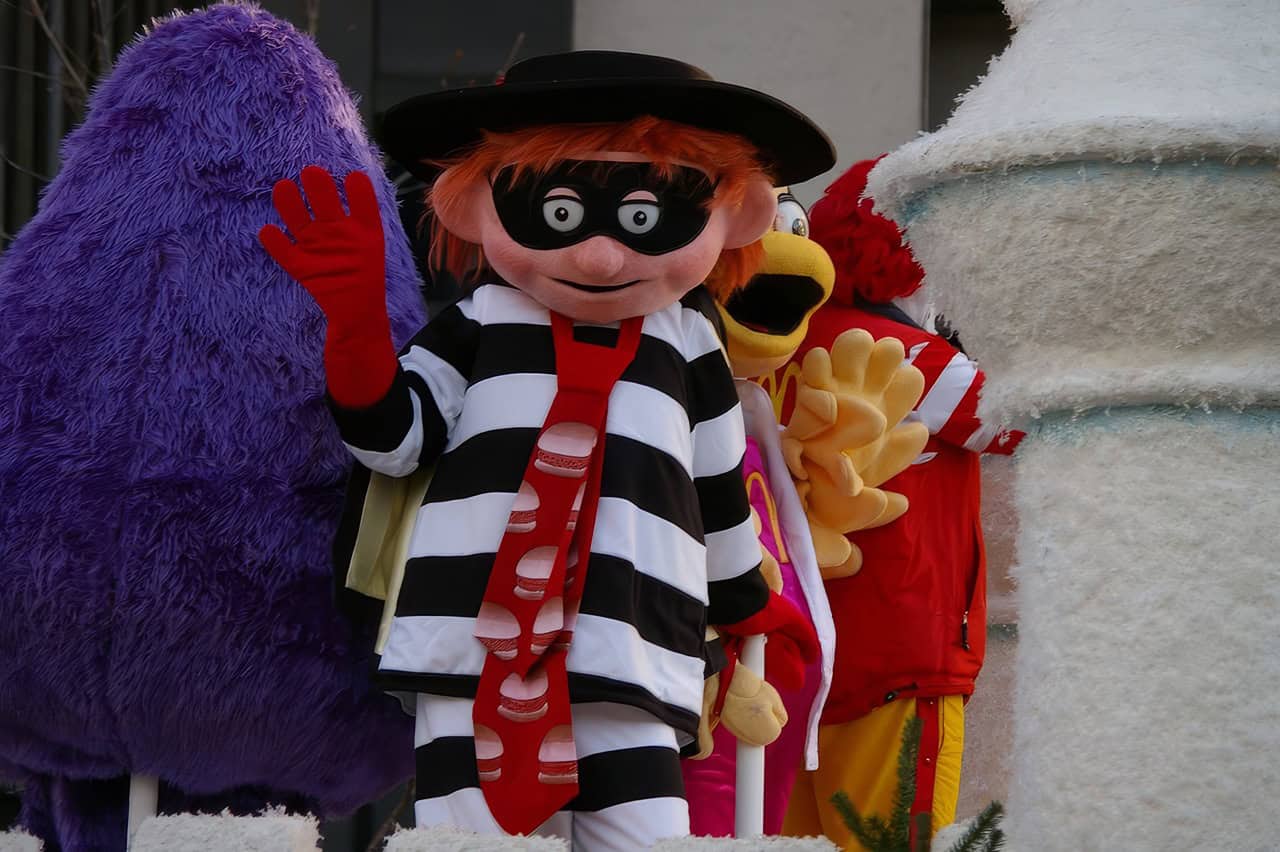
They desperately needed normalized characters who felt innocent and safe enough to act as real McDonald’s toys inside a Happy Meal. Consequently, marketing designers aggressively softened his sharp facial features over the years and firmly established his harmless, iconic “robble robble” catchphrase. Although they briefly experimented with a bizarre 2015 marketing experiment introducing him as a live-action suburban dad, the company mostly stuck to his polished, harmless cartoon iteration. This overarching transition away from conflict and toward friendly companions directly mirrored how the physical restaurant spaces were actively evolving to welcome families.
Retreating From Literal Thieves
The original villain was so unintelligible that he required an associate named Captain Crook to translate his gibberish. As the brand prioritized character sanitization, both thieves were watered down. Captain Crook slowly vanished, and designers recast the surviving thief as a mischievous scamp obsessed with snagging a Double Cheeseburger.
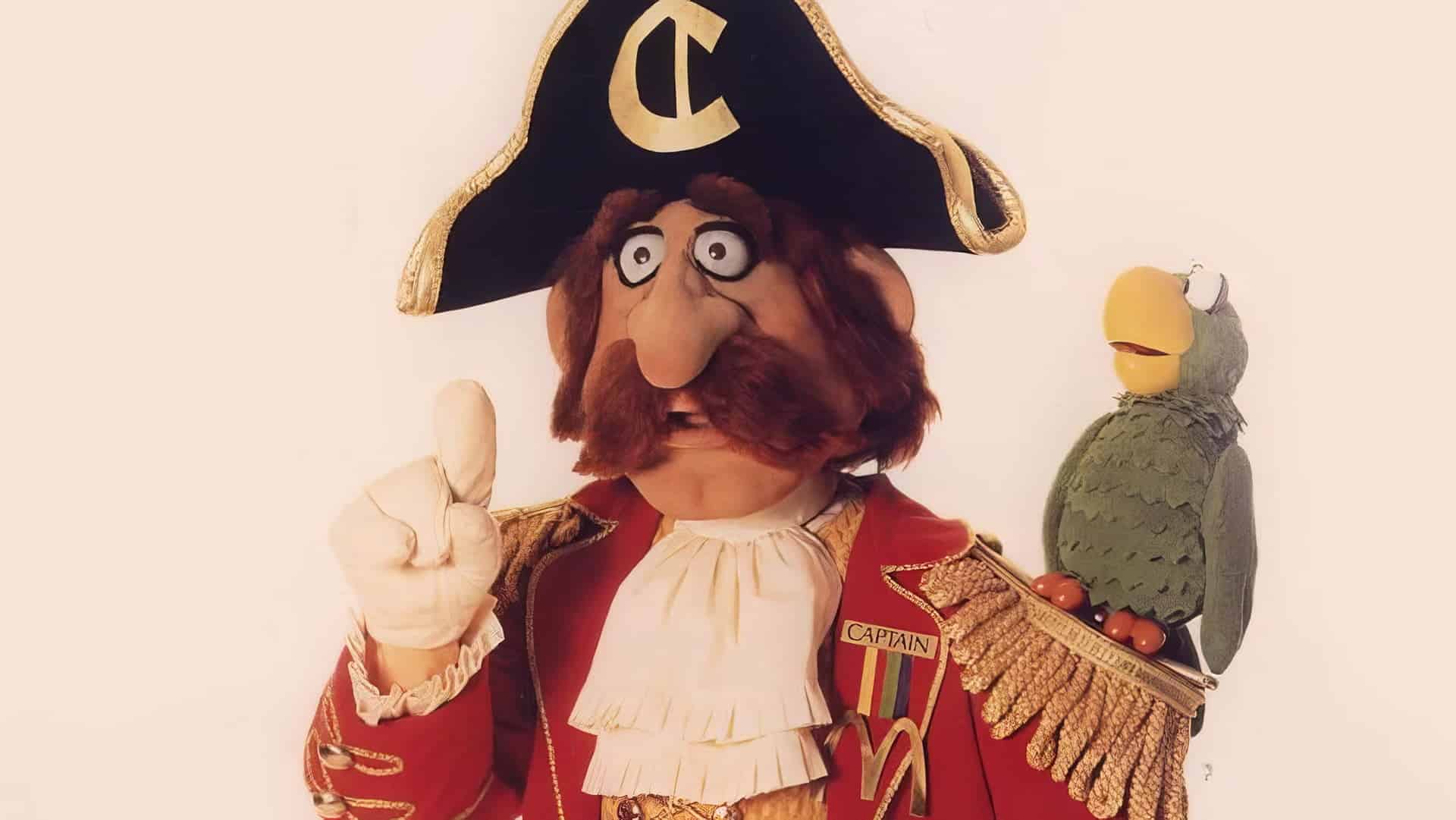
McDonald’s ran a strange experiment in 2015, rebooting the Hamburglar as a live-action suburban dad. Audiences mocked the redesign, and the company quickly sunsetted the campaign. Parents preferred reliable, cartoonish safety over complicated lore.
Fry Kids and the Shift to PlayPlace Entertainment
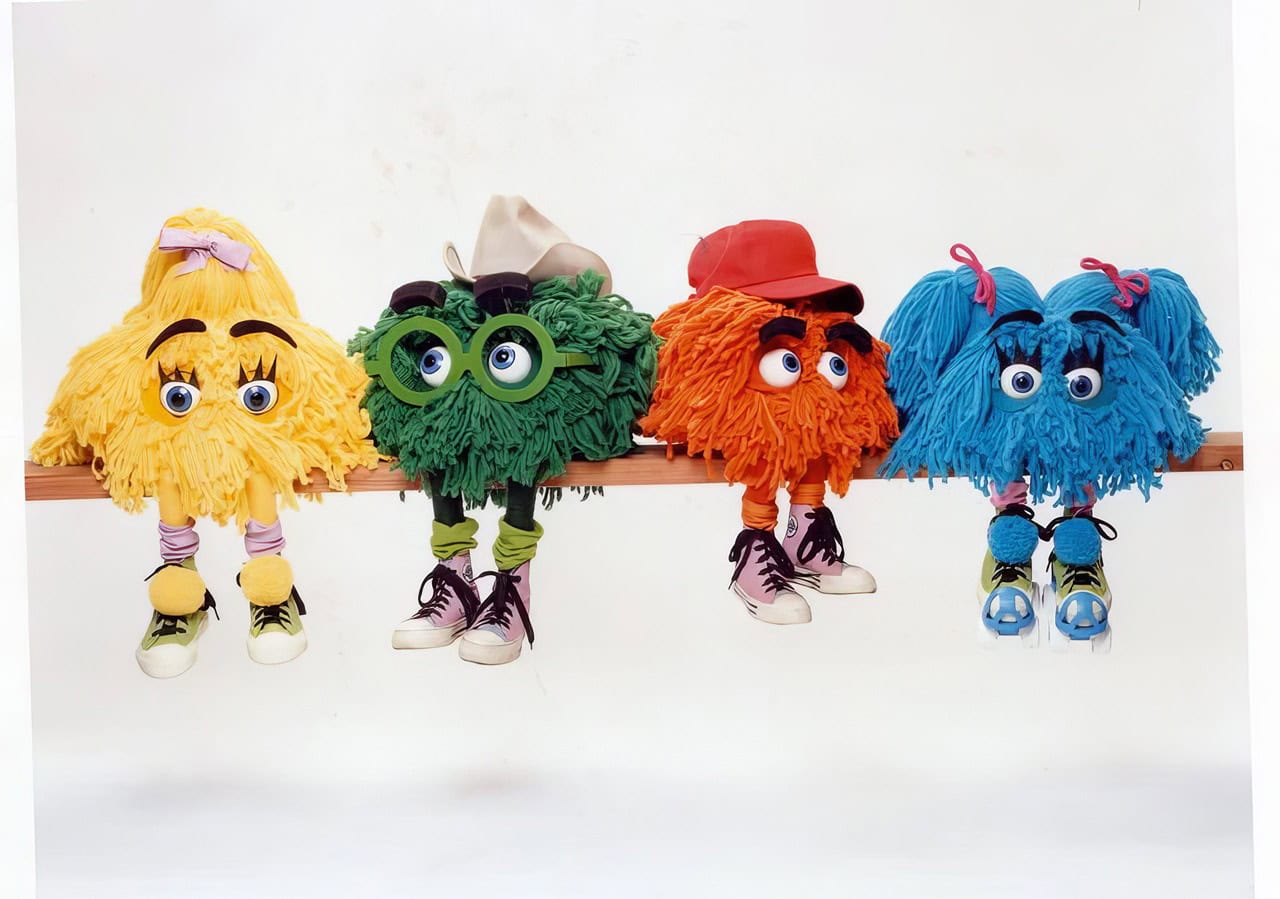
If you are trying to remember the strict chronological naming evolution and exact names of the little fuzzy french fry characters, they originally launched as Gobblins, transitioned into Fry Guys, and ultimately settled as the gender-inclusive Fry Kids in the mid-1980s. These brightly colored walking pom-poms represent some of the most aggressive rebranding in the company’s entire marketing history. Introduced in 1972 as strange early antagonists, they initially existed solely to steal side dishes before corporate soon stopped framing their mascots as literal food thieves.
Designers deliberately normalized the peculiar characters into an inclusive, colorful gang of kids who simply loved eating fries. This psychological softening helped easily bridge the gap between television commercials and the brand’s shift toward physical PlayPlace entertainment architecture. The expansion was heavily complemented by new universe assets like the brilliant, unnamed inventor known as The Professor. With a friendly core group firmly established, the massive franchise began comfortably engineering new characters to push entirely new menu items.
Chronological Naming Evolution
The naming conventions showcase constant corporate tweaking. These mascots launched in 1972 as Gobblins with the sole function of swiping fries. When audiences failed to connect, marketers rebranded them as the French Fry Goblins, and later the friendlier Fry Guys.
By the mid-1980s, the company expanded its demographic reach by introducing female variants called Fry Girls. The entire group was soon consolidated under the umbrella term Fry Kids. This cleanup of legacy rules made the toys highly merchandisable.
Building a Physical Universe
As the company evolved into a family entertainment destination, it needed characters to justify the playground real estate. This era introduced a brilliant inventor known as The Professor.
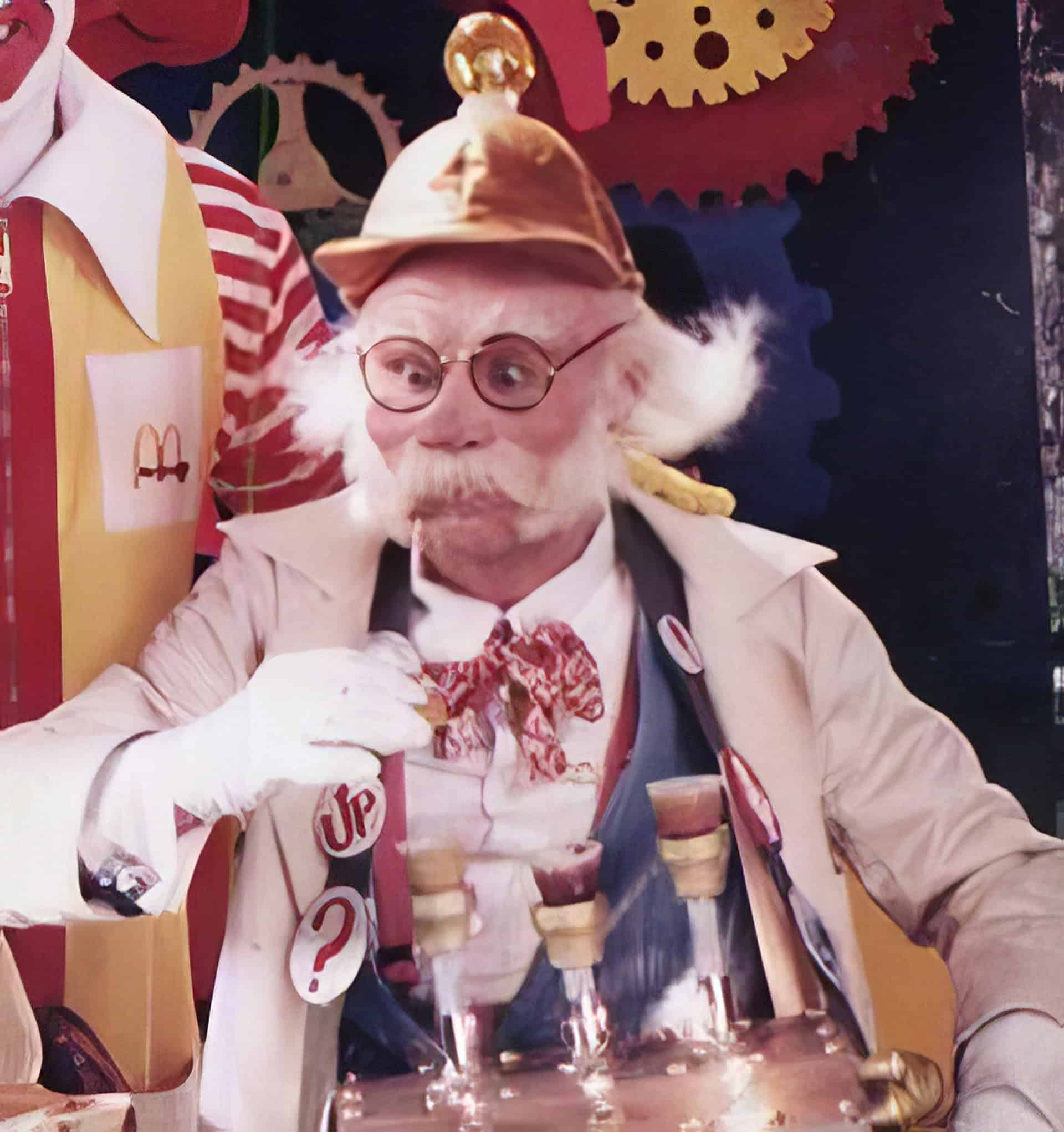
He served as the hardware engineer of McDonaldland, building tech that translated into physical McDonald’s PlayPlaces. When kids climbed through tubes on branded slides, they interacted with machines The Professor theoretically designed. This world-building also allowed the franchise to cross over into digital entertainment, spawning the 1992 NES platformer M.C. Kids. The strategy blurred the line between a Saturday morning cartoon, a playground, and home video games.
Birdie the Early Bird: Engineering Menu Mascots
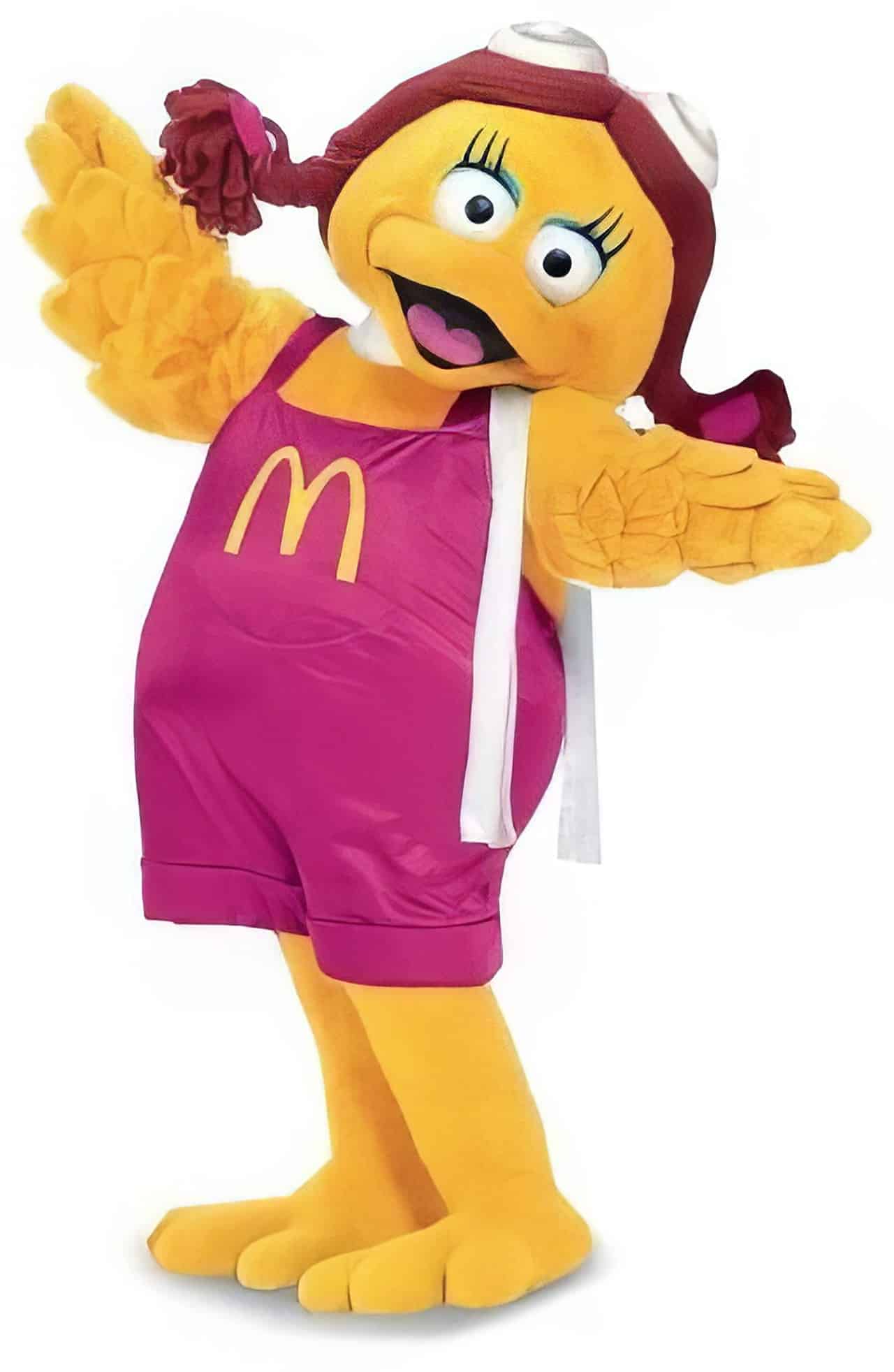
When asking exactly why McDonald’s introduced Birdie the Early Bird to their primary roster, the answer highlights a deliberate mechanical marketing strategy. Officially holding the distinction of being the first female character in the McDonaldland universe, Birdie the Early Bird debuted specifically to support the 1980 breakfast menu expansion. Her initial creation stemmed entirely from mechanical corporate sales needs rather than whimsical lore, functioning strictly as an operational tool.
Because launching new morning menus requires customers to fundamentally change their daily routines, Birdie provided the friendly face purposefully deployed to directly socialize and guide them. The corporate operational strategy was remarkably clear-cut—she intentionally wears heavy aviation gear to physically symbolize the act of getting up early. While Birdie secured a permanent ambassador role, other characters were aggressively engineered strictly as seasonal triggers for specific promotions. But the overarching mascots weren’t exclusively targeting young children on Saturday mornings.
Seasonal Triggers and Operational Launches
Pairing the Birdie character with breakfast expansion served as a direct tactic for behavior modification. She acted as an instructional guide for eating pancakes and Hash browns.
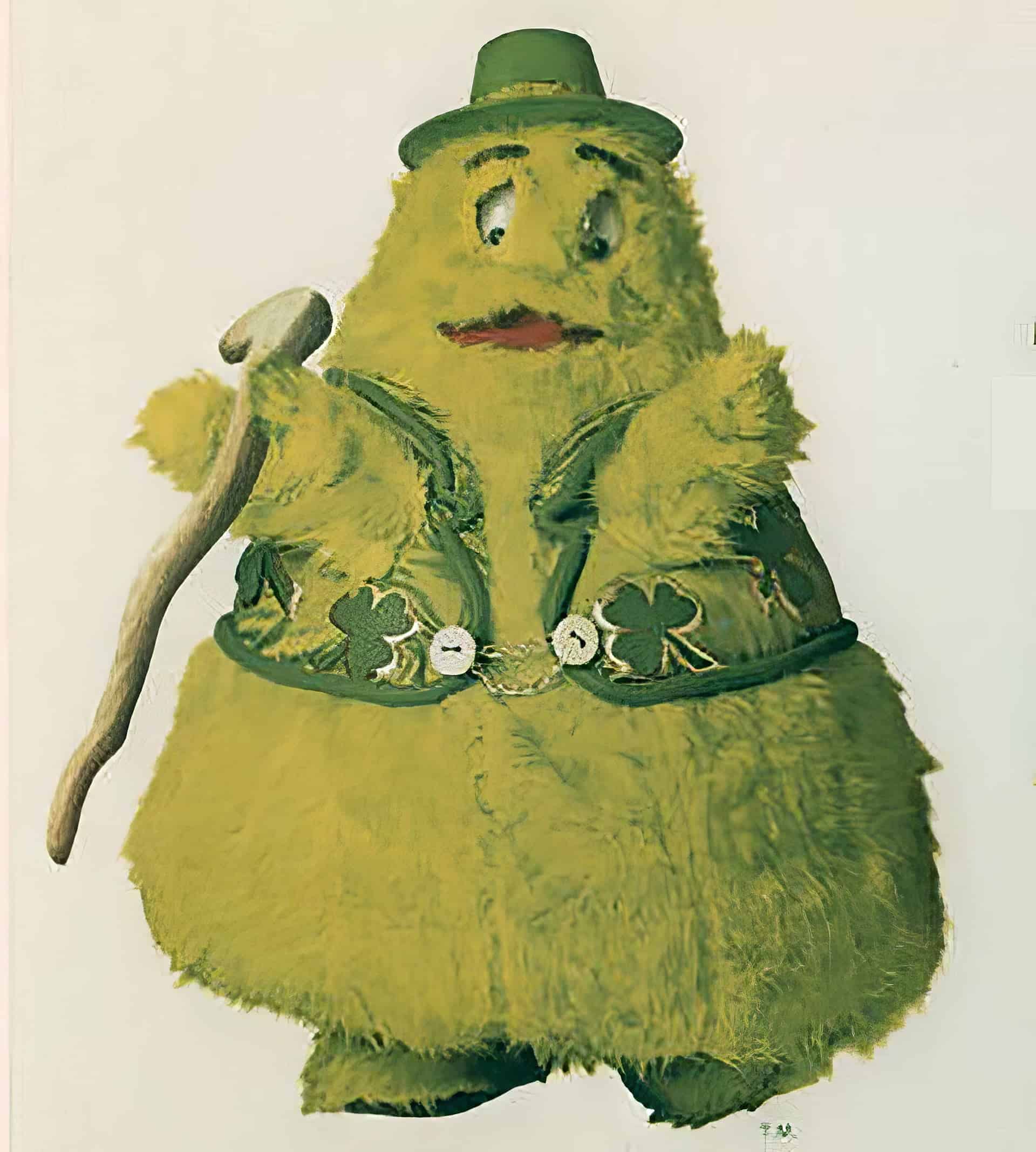
Other specialized mascots acted solely as seasonal triggers. Marketers created Uncle O’Grimacey, Grimace’s Irish relative, for a single purpose: signaling the limited-time release of the St. Patrick’s Day Shamrock Shake. Instead of pushing a permanent McDouble or Hot ‘n Spicy McChicken, the advertising agencies used mascots to enforce seasonal scarcity.
Fringe McDonald’s Characters and Specialized Targeting
If you’re wondering if there are any active mascots left in current McDonald’s promotions or Happy Meals, the core legacy cast sits largely retired from traditional commercials, though the brand heavily mines its obscure lore for demographic marketing today. Because the main legacy characters primarily served the traditional family demographic, the massive corporation eventually started creating bizarre, entirely niche mascots explicitly designed to capture previously ignored dining hours. As McDonaldland fractured as the 1980s and 1990s progressed, the franchise lore unexpectedly featured fringe characters dedicated to everything from specific breakfast sandwiches to exclusively targeting older, cynical teenagers.
These secondary additions were incredibly specific and far removed from the innocent, wholesome interactions of the primary original universe. Ultimately, these specialized mascots gracefully aged alongside the exact children who originally grew up watching them, permanently shifting the company’s financial strategy into new modern territory.
Late Nights and Cynical Teens
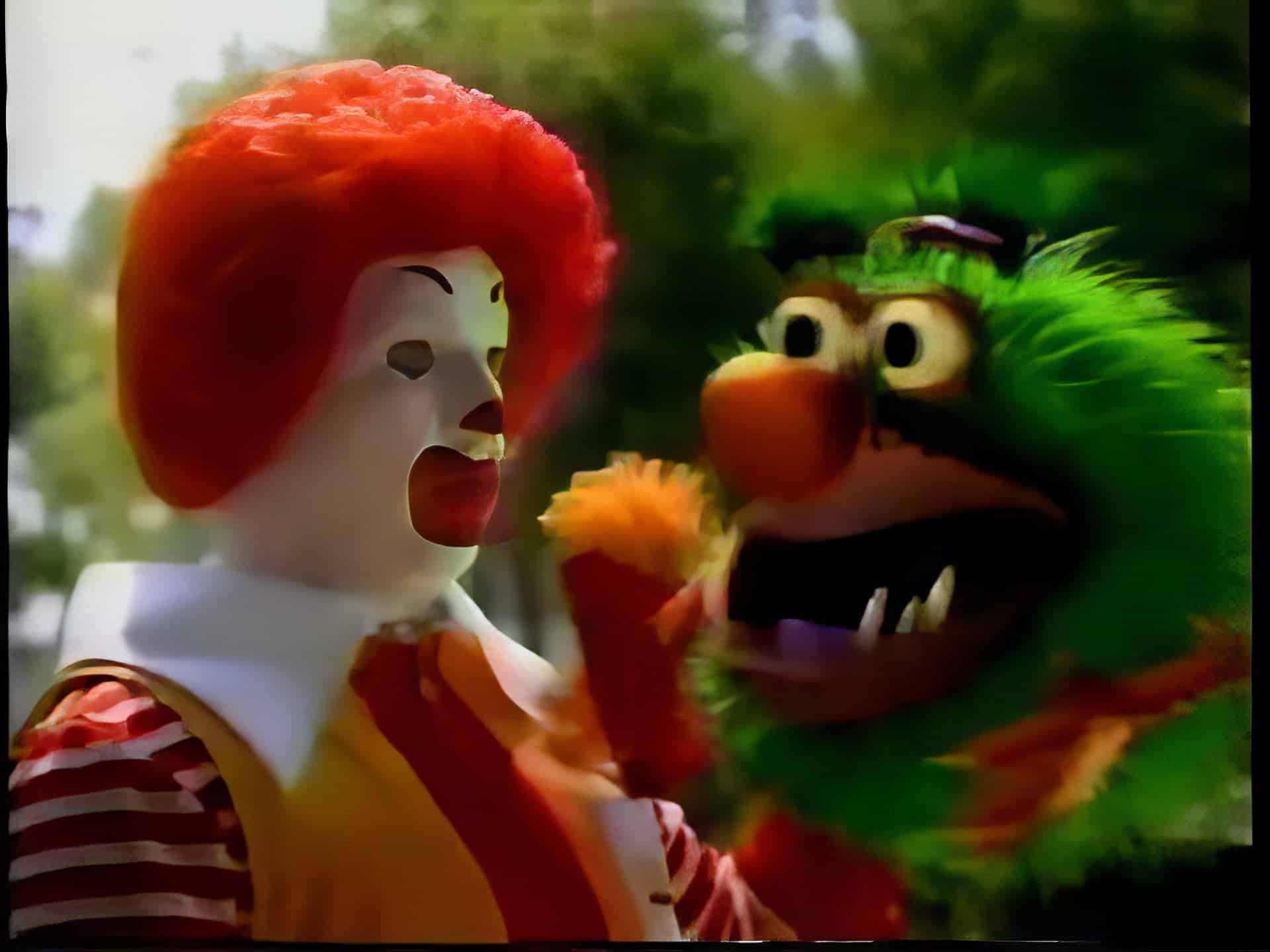
Seeking a 1990s adolescent audience, the company introduced an aggressive floating fuzzball named Iam Hungry. Serving as the self-proclaimed “Vice President of Snacking,” the character was loud and distinct from Ronald’s pristine look.
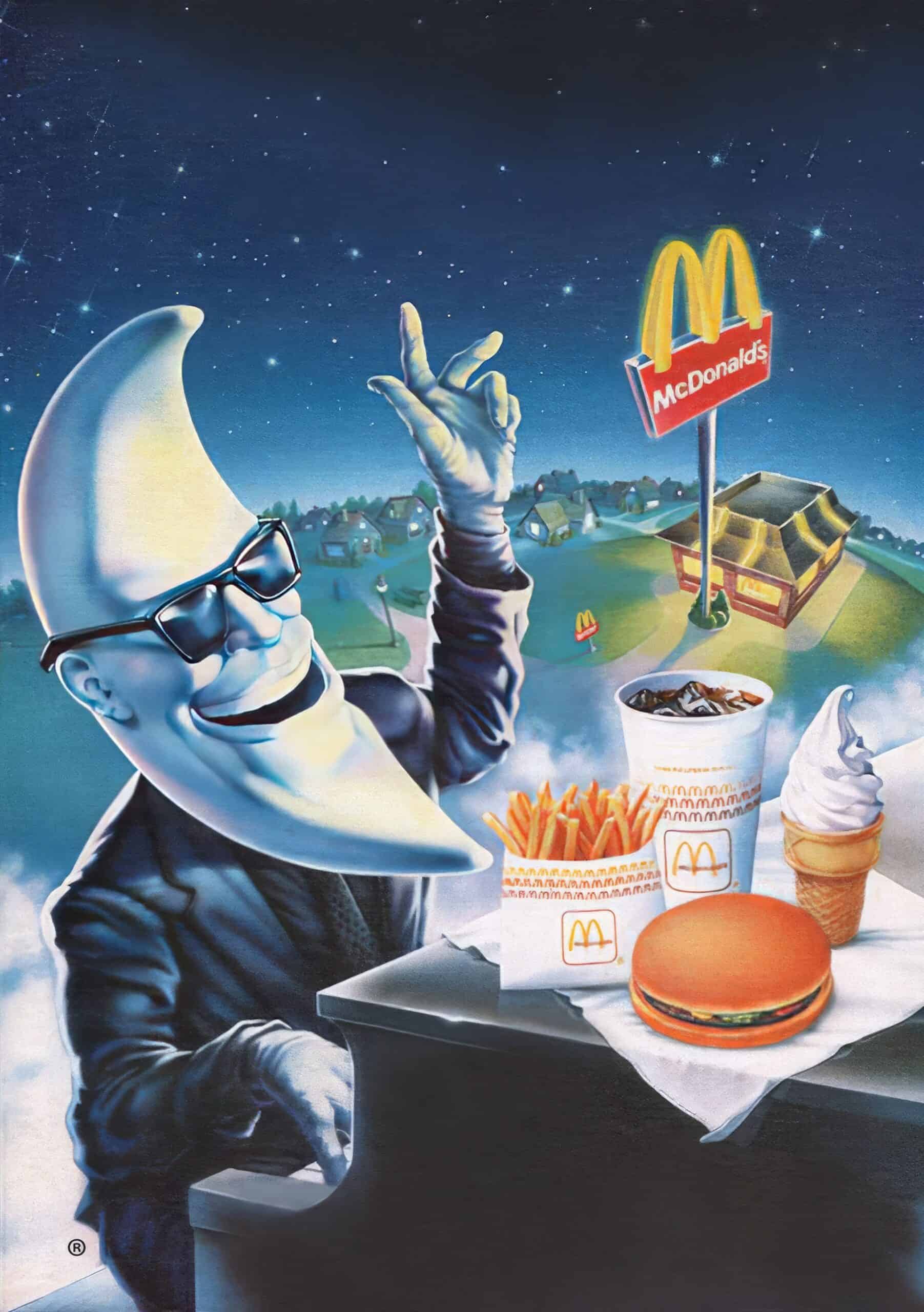
The Mac Tonight campaign targeted the late-night daypart, deploying a moon-headed crooner styled after Bobby Darin to court adult consumers to the drive-thru. Advertisers even generated micro-mascots like the Griddler, whose brief existence centered entirely on building awareness for McGriddles Sandwiches.
Alien Spin-offs
CosMc represents a uniquely strange modern rollout. The character originally debuted as a six-armed alien who appeared briefly in commercials between 1986 and 1992 to trade items with Ronald.
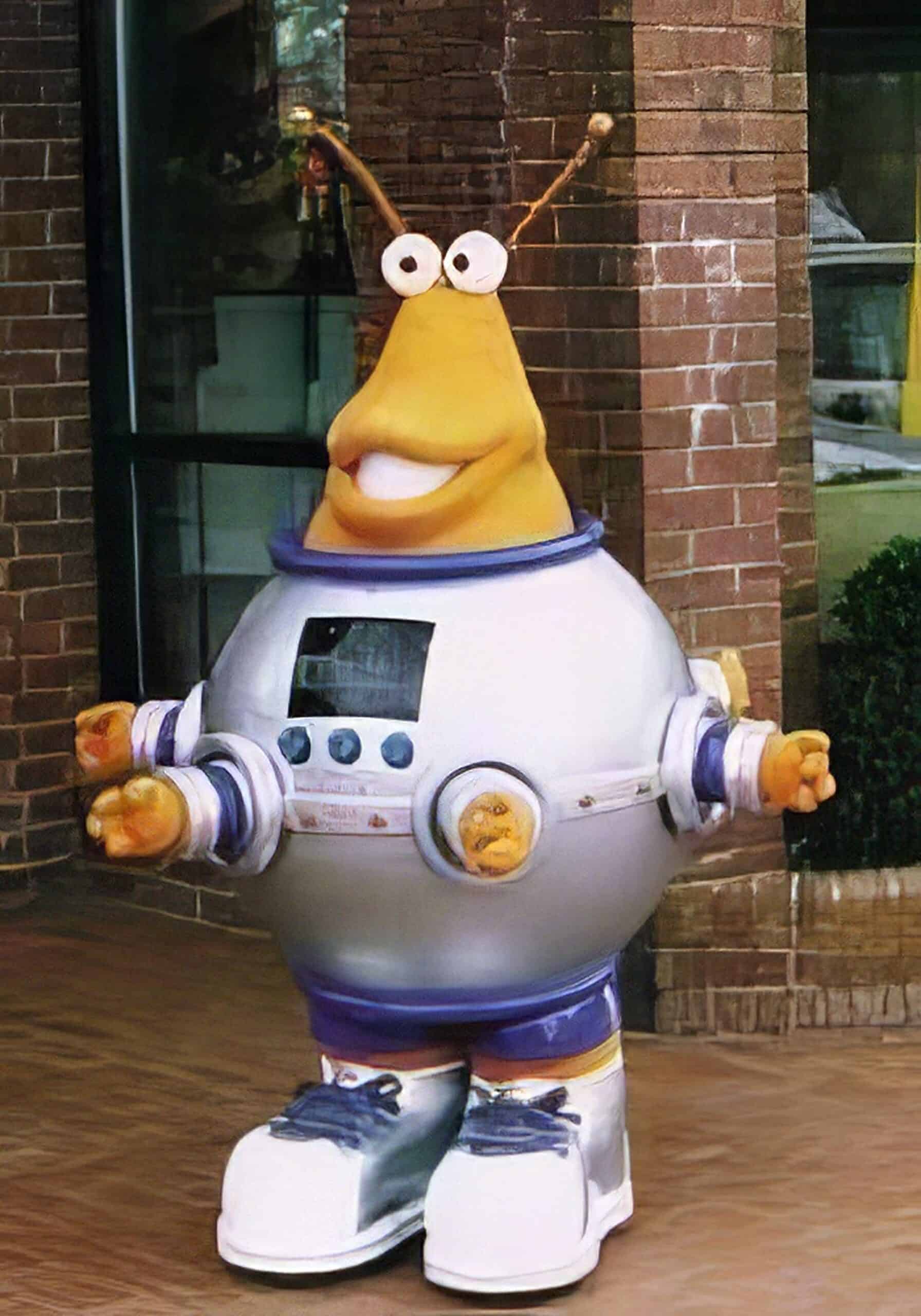
In late 2023, that obscure extra inspired CosMc, serving as the namesake for a beverage-focused spin-off chain competing with Starbucks. The Illinois press release for a CosMc-branded drive-thru highlighted a fascinating retail pivot. The franchise took a discarded 1980s side character and turned him into a physical real estate expansion.
The High-ROI Return of McDonaldland Nostalgia
Modern consumers often ask exactly why McDonald’s stopped using Ronald McDonald and the other legacy mascots in standard commercials. The primary reason was a drastic shift in brand safety regulations, as it became highly controversial to market directly to kids for customer acquisition using literal clowns and monsters. Consequently, the massive corporate franchise completely retired the classic ensemble from broadcasting, opting instead to employ a single standardized character named Happy specifically for their children’s toys.
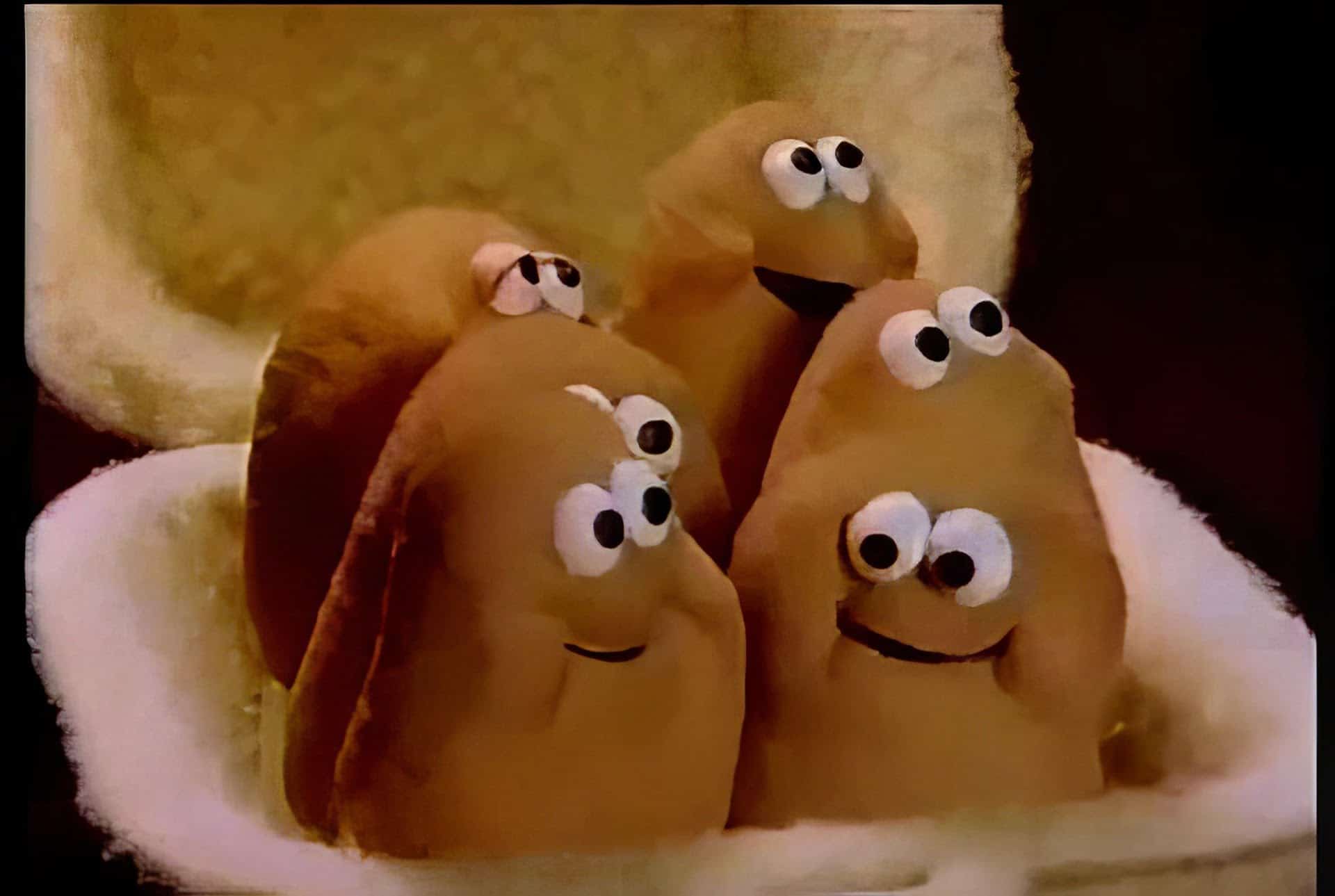
Viewing the old classic cookies from the 90s featuring anthropomorphized food box gangs makes the current advertising landscape feel incredibly jarring by comparison. The legacy ensemble was quietly retired for safety reasons, but the broader cast wasn’t killed off entirely. The current strategy takes the very IP used to manipulate kids decades ago and brilliantly deploys it to firmly monetize and extract premium spending strictly from adults.
Cashing in on Millennial Disposable Income
The Happy Meal Gang anthropomorphized the food boxes, while the McNugget Buddies drove physical toy sales for children. Today, restaurant toys are increasingly tied to movie licenses. The official mascot remains a simple red box named Happy, saving the complex lore for an older audience buying Happy Meals.
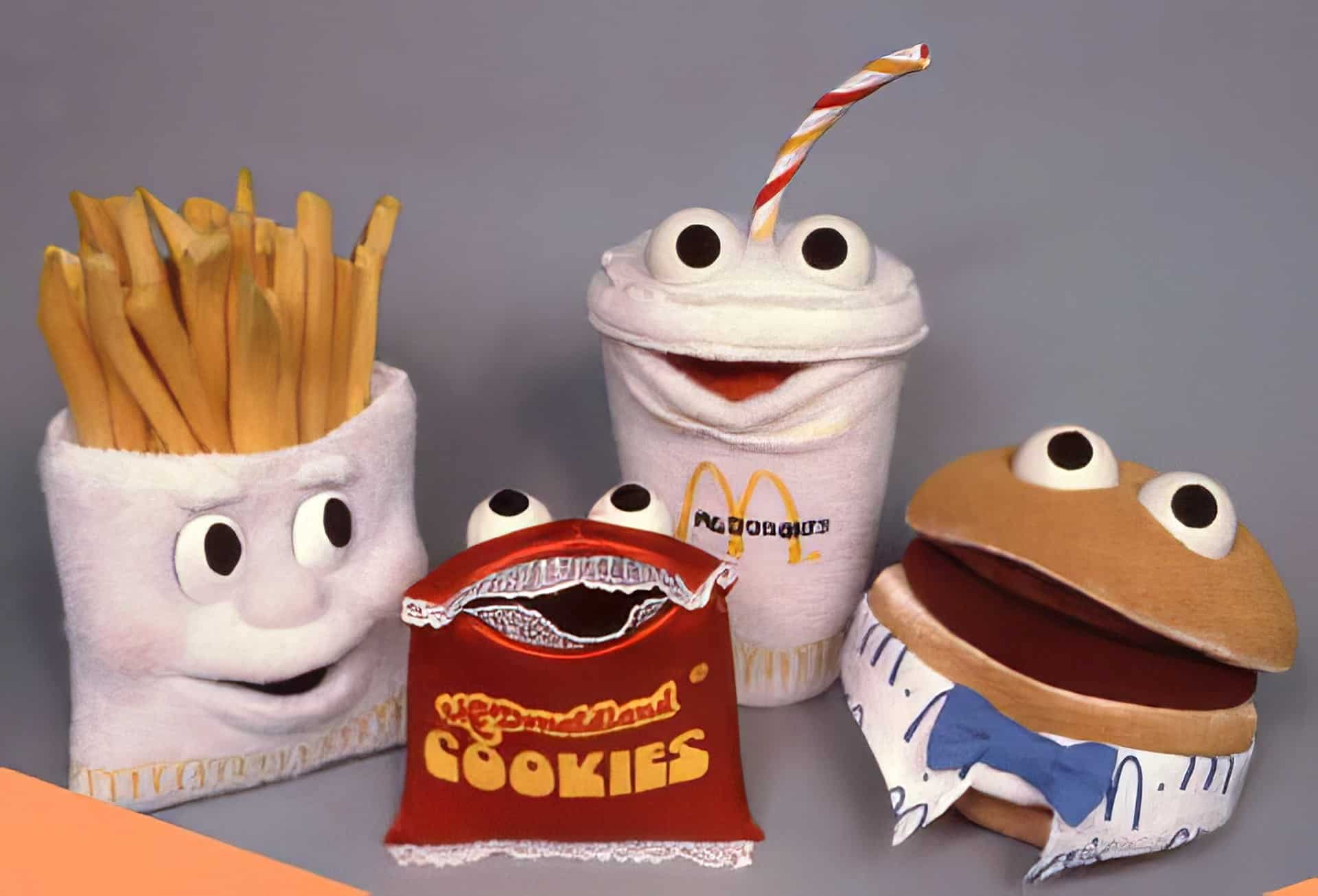
The classic characters eventually returned as premium streetwear. The 2022 Cactus Plant Flea Market streetwear collaboration proved that exclusive drops could command high prices. Pairing the Adult Happy Meal with millennial nostalgia demonstrated that the company no longer needs Ronald to sell a Maharaja Mac or a Big N’ Tasty to kids.
Marketers can repackage a multi-eyed Grimace figurine, place a link on a collectors cup hype page, and watch nostalgic adults shell out cash. This tactic represents the modern endpoint of a system engineered to maximize merchandise revenue.
Frequently Asked Questions
What exactly is Grimace supposed to be?
Officially, Grimace is meant to represent a giant, anthropomorphic taste bud. However, he originally debuted in 1971 as a terrifying, four-armed scaly villain known as Evil Grimace who hoarded milkshakes in a cave. McDonald’s quickly realized he was alienating children and frantically redesigned him into the slow-witted, lovable purple blob we know today.
Why did McDonald’s get sued over Mayor McCheese?
The creators of the children’s show ‘H.R. Pufnstuf’ sued McDonald’s because the mildly psychedelic aesthetic of McDonaldland closely mirrored their own intellectual property. The courts ruled in 1973 that Mayor McCheese and the surrounding world design were virtually identical to the plaintiff’s work. The lawsuit cost McDonald’s over $1 million in damages and forced them to pull specific characters from their television commercials.
How much money did the viral Grimace Shake TikTok trend naturally generate?
While the exact dollar amount isn’t public, the June 2023 Grimace Shake phenomenon single-handedly drove a 10.3% increase in U.S. same-store sales for the second quarter. Users purchased the limited-edition shake just to film mock-horror videos of themselves passed out in surreal environments. The campaign proved that unhinged, user-generated internet humor yields an incredibly high ROI compared to traditional advertising.
What’s the difference between the original Hamburglar and the modern version?
The 1971 vintage Hamburglar was a genuinely threatening, gibberish-speaking goblin who required a pirate named Captain Crook just to translate his words. Realizing parents wanted safe, cartoonish mascots instead of literal felons, the brand softened his features and gave him his iconic u0022robble robbleu0022 catchphrase. They briefly tried rebooting him as a live-action suburban dad in 2015, but it was widely mocked and quickly scrapped.
Why did McDonald’s retire Ronald McDonald and the classic characters from kid commercials?
The company adapted to modern brand safety parameters, deciding it was too risky and less effective to market directly to children using targeting clowns and fuzzy monsters. Their modern kids’ mascot is now just a highly sanitized red box named Happy. However, the legacy characters weren’t killed off entirely—they were strategically repurposed into premium streetwear drops and Adult Happy Meals to extract retail spending from nostalgic millennials.
How does an obscure character like CosMc end up with a real-world restaurant?
McDonald’s realized they could weaponize deep-cut nostalgic lore to create hype and expand their commercial real estate footprint. CosMc was originally just a goofy, six-armed alien appearing in a few commercials between 1986 and 1992 to trade items with Ronald. In late 2023, corporate fully resurrected this discarded side character to anchor a brand-new beverage competitor chain aimed at Starbucks.
Is Birdie the Early Bird just a random lore addition to McDonaldland?
Not at all, as she was engineered as a highly specific operational tool to launch the brand’s expanded breakfast menu in 1980. She literally sports aviation gear to symbolize waking up early. Her entire purpose was to serve as an instructional guide to psychologically train consumers to change their daily routines and start buying fast-food pancakes.