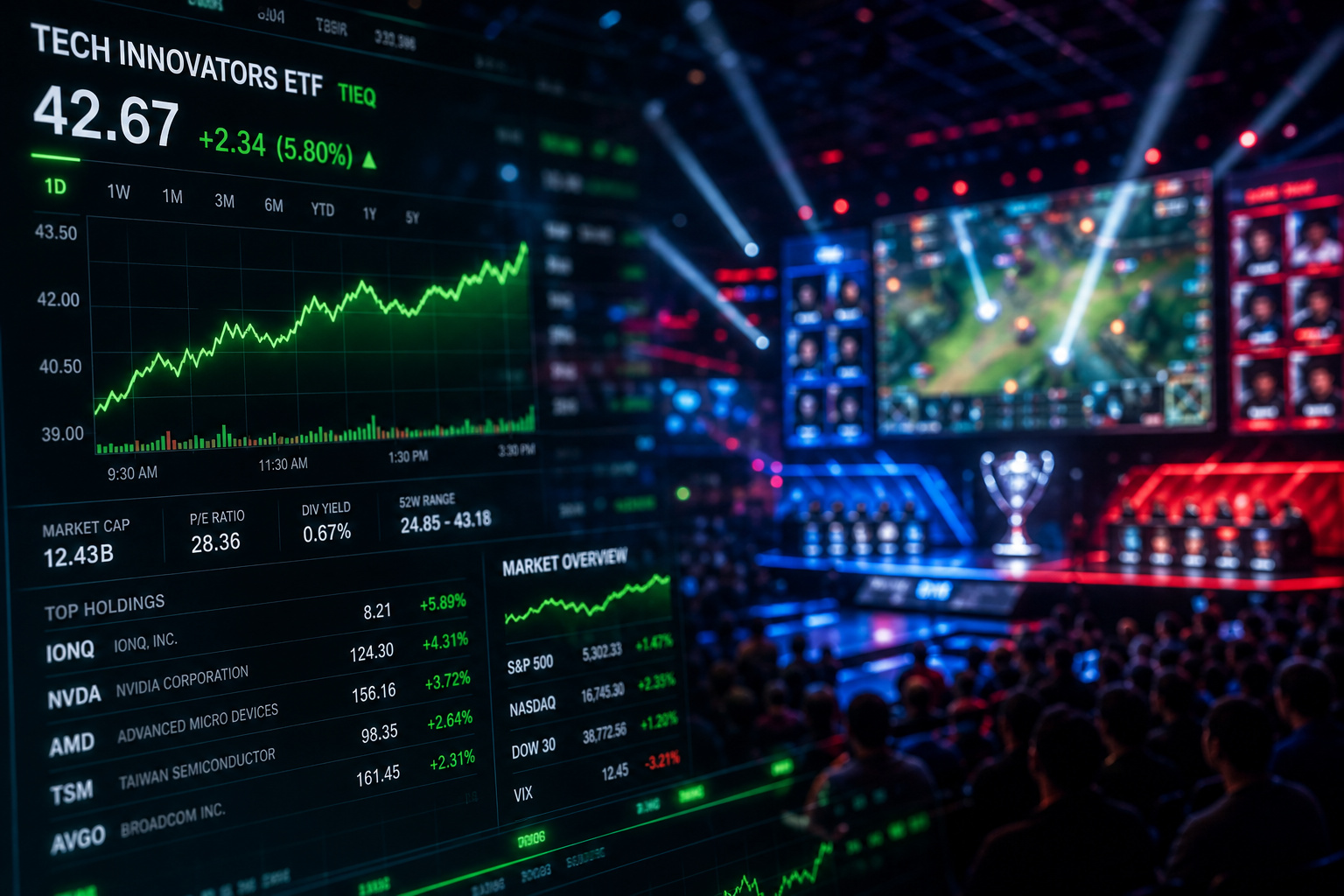
Something interesting kicks in when you stop looking at competitive gaming communities as fanbases and start looking at them as distributed intelligence networks. When players argue in Twitch chat about map deficits, or debate the precise expected value of a new character in a Discord tier list, they are engaging in rigorous meta analysis.
Prediction markets in esports have exploded in popularity because they slap a UI and a liquidity pool onto the exact same logic gamers already use. Instead of fighting a traditional sportsbook and its adversarial “house” setting the odds, prediction markets run on peer-to-peer price discovery. Everything runs on a 0 to 100 cents pricing range for contracts. If you load up a market for the League of Legends World Championship and see a team’s contract priced at 65 cents, that mechanically implies a 65 percent market-believed win probability.
If you think their actual chances are 80 percent based on tournament meta, you buy. If you think they’re choking, you sell. It translates abstract theorycrafting into a structured financial instrument, and the architecture is elegant.
Key Takeaways
Polymarket processes $425 million in daily trading volume, with $9.3 million dedicated to its 232 esports markets, functioning entirely through a crypto-first USDC infrastructure.
Kalshi operates as a federally licensed platform offering 176 active esports contracts alongside traditional sports props, routing transactions through standard fiat payment methods.
Esports prediction markets actively trade on non-match ecosystem variables, including release date predictions for major titles like Grand Theft Auto VI and Game of the Year categories.
Table of Contents
Platform mechanics: Kalshi vs. Polymarket infrastructure
If you approach these prediction platforms like a standard tech hardware teardown, the divide between the two main options becomes clear. At GeekExtreme, we often look at services based on how much friction they put between the user and the desired action. Here, the choice between Kalshi and Polymarket is a difference in backend infrastructure and regulatory compliance.
Kalshi’s federally licensed fiat model
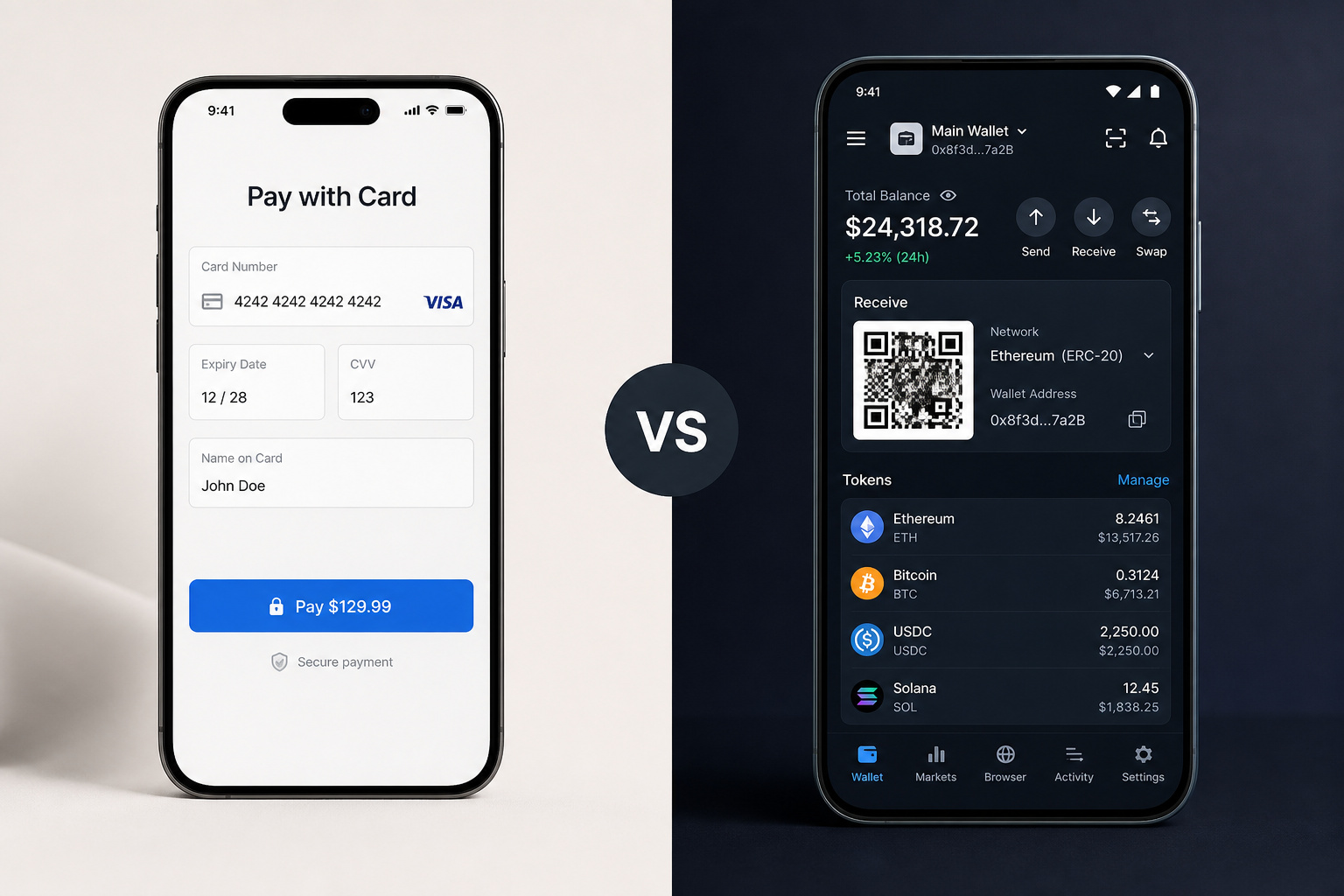
Kalshi operates as a federally licensed Designated Contract Market under active Commodity Futures Trading Commission (CFTC) oversight. Because of this regulatory clearance, it runs on a robust fiat-based infrastructure. You don’t have to fiddle with blockchain wallets; the platform natively accepts debit cards, e-wallets, and classic bank transfers.
For users wanting immediate, low-friction integration, this CFTC-licensed structure is the go-to. Kalshi currently offers 176 active esports markets, running alongside its deep props on traditional sports, like NBA double-doubles, triple-doubles, and second-half winners. Since the fiat onboarding is dead-simple, most folks find their way in via referral codes and get straight to trading without jumping through technical hoops.
Polymarket’s crypto infrastructure and volume
Polymarket is a different beast under the hood. It originally exited the US in January 2022 after finding itself on the wrong side of CFTC enforcement, complete with a $1.4 million penalty. It officially relaunched for US users in late 2025, but it retains a strict crypto-first approach. To fund an account, users have to bridge USDC via MoonPay, which adds a distinct layer of technical friction compared to just typing in a credit card number.
However, the payoff for navigating that setup is liquidity. Polymarket currently handles $425 million in total daily trading volume as of February 28, 2026. Roughly $9.3 million in trading volume is dedicated entirely to esports, covering 232 active esports markets as betting trends increasingly reflect the massive audiences of both esports and sports viewers. If Kalshi is the user-friendly consumer app, Polymarket is the high-bandwidth developer environment where the serious money sloshes around.
Market breadth: Contract scope across esports matches and ecosystems
Prediction markets for esports extend far beyond picking which team will raise a trophy. The platforms treat the entire gaming industry as a web of verifiable data events, creating an environment where finding a Kalshi referral code has become a common first step for users preparing to trade on everything from granular in-game outcomes to corporate software supply chains.

Active match markets
The 15 supported esports titles, including League of Legends and CS2, provide broad market liquidity. You have the dominant top-tier staples driving everyday liquidity, including League of Legends, CS2, Call of Duty, Valorant, and Dota 2. But the markets scale downward into more specialized communities with dedicated viewer bases, offering contracts on Rainbow Six Siege, Rocket League, StarCraft II, Honor of Kings, and Mobile Legends. For analysts who understand the micro-metas of these specific games, the wide coverage creates distinct opportunities to leverage their hyper-niche knowledge.
Non-match ecosystem markets
This is where the platform architecture gets fascinating. Market makers have figured out how to turn deep insider community information into distinct asset classes through non-match gaming markets. The best examples are release date prediction markets for highly anticipated AAA games—most notably, Grand Theft Auto VI.
If you understand software development timelines and can spot the information asymmetry between what a studio’s marketing department claims and what their leaked commit histories suggest, you can trade on that dev delay. Similarly, Game of the Year award markets around The Game Awards cycle create spaces for users to capitalize on industry sentiment shifts long before the envelope is opened.
The feedback loop: Information symmetry in media and fandom
The integration into gaming media has been so rapid that it has effectively killed traditional esports punditry. Gaming journalists and broadcasting analysts at outlets like HLTV, Dot Esports, and The Esports Observer no longer just offer their gut feelings—they actively treat market-implied odds as a baseline data input alongside their own analysis. When Twitch streamers read lines on air to set the stakes for a match, they are using these crowd-sourced probabilities to validate the narrative.
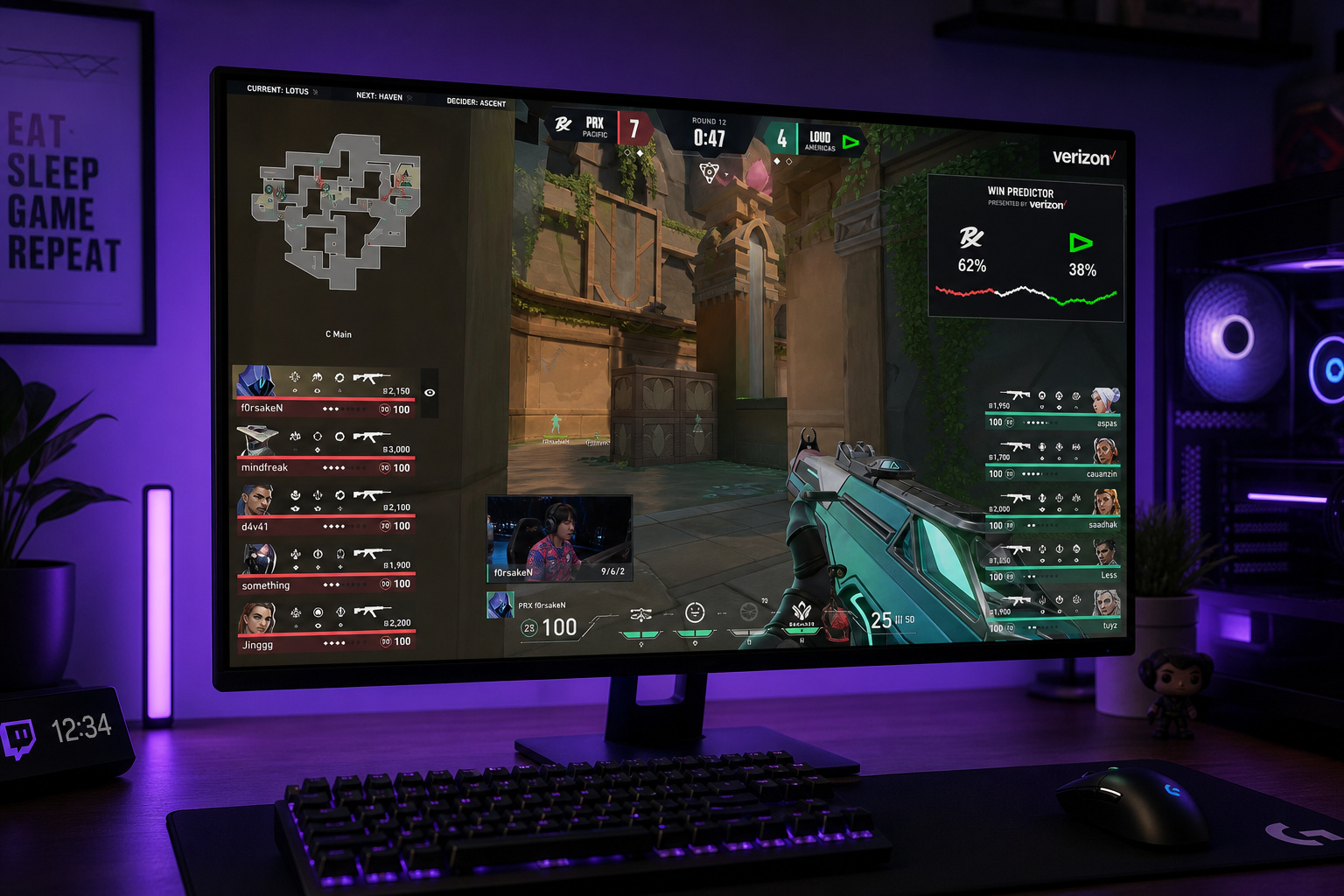
It’s a fast-moving, recursive system. Roster moves or coaching changes leaked on X or Reddit move prices in minutes—that volatility resets team valuations almost as fast as the tweet goes live. We saw this during recent international events where Western upsets caused immediate contract repricing.
The LCK and LPL rosters have long maintained a historical dominance in events like LoL Worlds, but when Western upsets happen, the live contract volatility is high. Polymarket capitalized on this exact viewing behavior by building a draggable video player integration directly into their UI during LoL Worlds knockout stage matches. You don’t have to tab away from the live-stream integration; the trade window sits right next to the team fights.
Field note: Treat esports prediction markets like live-patch notes; they reflect real-time sentiment shifts that often move faster than traditional broadcasting or editorial analysis can process.
Navigating the regulatory patchwork
If you think a federally regulated label means you’re clear to pull out your phone and trade anywhere, you’re in for a frustrating afternoon. State-level resistance has shattered the idea of uniform national availability, resulting in access uncertainty for casual users.
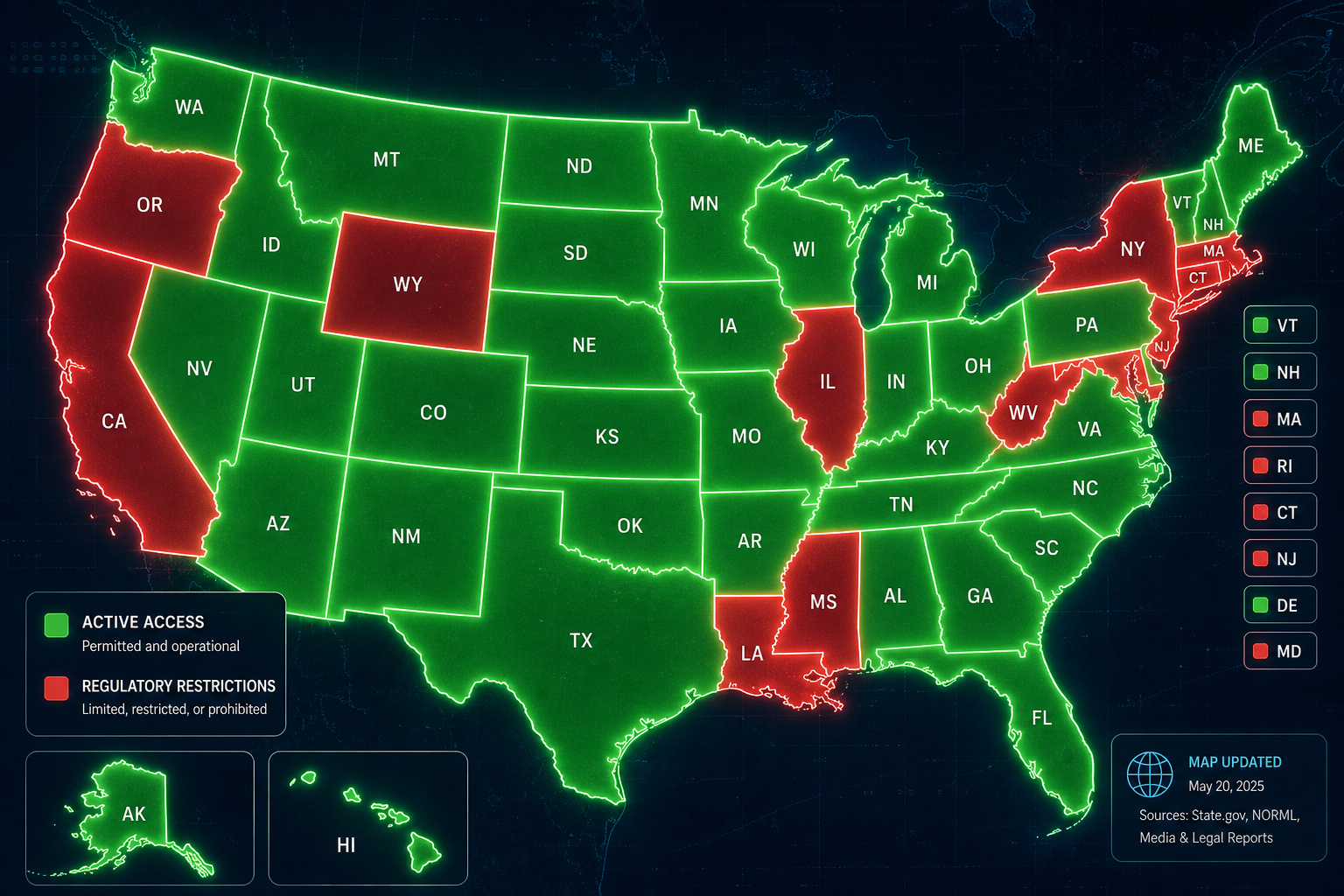
The map of where you can actually use these things is basically a constantly shifting firewall. In March 2026, Nevada implemented a temporary ban on Kalshi, yet intriguingly kept the legal window open for Polymarket. Meanwhile, Arizona specifically accused Kalshi of offering unlicensed gambling. Tennessee issued a cease-and-desist against Polymarket, while Illinois, Connecticut, and Massachusetts enforce state-level regulatory friction that restricts platform access.
Because this landscape shifts weekly, gaming communities have adapted. Users heavily rely on Discord and Reddit servers as informal, real-time regulatory tracking resources, messaging each other to figure out which IPs are geofenced on any given Tuesday before attempting to deposit funds.
Unresolved operational risks: Dispute resolution, taxes, and integrity
Applying these financial tools to the gaming world surfaces a few major, unresolved bugs. First, there is the administrative headache of tax reporting. Generating profit on Kalshi’s fiat-based setup generates documentation for the IRS, whereas pulling undeclared crypto gains out of Polymarket’s USDC liquidity pools creates a much more complicated filing requirement for US citizens.
Then there is the messy reality of dispute resolution. Unlike a presidential election or an enterprise earnings report, esports matches are notoriously fragile. If a match outcome resolves on a market, but tournament administrators overrule the result three hours later due to an obscure in-game bug or a technical pause violation, the smart contracts have to somehow reconcile the conflicting verdicts. Plus, these formal markets bring some real raw risk regarding market manipulation.
When contract prices move violently based on X rumors, the incentive for internal ecosystem insiders—coaches, players, or org staff—to leak roster intel to short a contract is significant. As Polymarket alone processes $425 million in daily volume, resolving disputes over match integrity and insider trading will determine if these markets transition from niche tools to permanent competitive gaming fixtures.
Frequently Asked Questions
What is the primary difference between how Kalshi and Polymarket handle user funds?
Kalshi operates on a fiat-based infrastructure, allowing you to fund your account directly via debit cards, bank transfers, or e-wallets. In contrast, Polymarket requires a crypto-first approach where you must bridge USDC through services like MoonPay, which adds a layer of technical complexity.
How do prediction markets calculate the win probability of an esports team?
These markets use a 0 to 100 cents pricing range for contracts. The current price of a team’s contract directly translates to a percentage of market-believed win probability, allowing you to buy if you think the odds are undervalued or sell if you believe the team is likely to choke.
Can I trade on events outside of actual competitive esports matches?
Yes, these platforms treat the entire gaming industry as an ecosystem. You can trade on non-match events such as release date predictions for AAA games like Grand Theft Auto VI or the outcomes of industry awards like The Game Awards.
Why would someone choose Polymarket over Kalshi despite the extra technical friction?
Polymarket is generally preferred by high-volume traders because it offers significantly higher liquidity, processing hundreds of millions in daily volume. It functions more like a professional-grade developer environment, whereas Kalshi is designed as a more accessible, user-friendly platform for casual participants.
What are the risks of using prediction markets for esports match outcomes?
The biggest risks include potential disputes over match integrity, such as when tournament administrators overturn a result hours later due to in-game bugs or technical violations. Additionally, there is the ongoing concern regarding insider trading, where individuals with private roster information might manipulate contract pricing before public announcements are made.
Is it easy to keep track of which states allow these platforms?
No, the regulatory map is highly fragmented and changes frequently. Many users rely on community-led resources like Discord and Reddit servers to track current geofencing restrictions, as specific states may enforce temporary bans or cease-and-desist orders without much warning.
How do esports prediction markets affect tax reporting?
The platform structure dictates the complexity of your tax filings. Kalshi’s fiat-based system generates standard documentation for the IRS, whereas Polymarket’s use of USDC liquidity pools creates a much more complicated and labor-intensive filing requirement for US citizens.