Modern gaming is a casual pastime not picked up on a whim; it’s a lifestyle with a highly specific forensic, acoustic, and technical footprint. Demographic profile of the average US gamer data reveals that this segment is firmly established; the average U.S. gamer is 35 years old with 17 years of combined experience in the hobby. Here is how to map out the markers of a dedicated enthusiast.
Key Takeaways
The average U.S. gamer is a 35-year-old adult with 17 years of established experience, according to the 2023 Entertainment Software Association report.
Competitive gaming performance is optimized at network pings under 20ms, driving enthusiasts to bypass Wi-Fi entirely with wired Ethernet to prevent lag spikes.
Baseline hardware costs drastically outpace casual app usage, with top-tier graphics cards frequently representing an investment of over $1,200.
Table of Contents
Decode the Acoustic Tells and Involuntary Soundtrack Habits
I love noticing this one because it is a subconscious behavioral marker. If you want to spot an enthusiast, listen to what they hum when they are deeply focused or trying to unwind. You won’t hear Top 40 hits; you’ll hear the involuntary humming or singing of legacy video game soundscapes. We’re talking about specific compositions from legendary orchestrators like Koji Kondo or Nobuo Uematsu.
These tracks build emotional resonance because players have spent over 100 hours of gameplay within these environments, anchoring specific feelings and nostalgic memories to the music. Humming or singing video game soundtracks is a common subconscious habit for those who have spent hundreds of hours immersed in specific virtual soundscapes. Whether it’s an upbeat loop from Super Mario Bros., an ethereal chorale from The Elder Scrolls V: Skyrim, or the catchy lobby music looping while a player arranges a Garena Free Fire top up Diamonds for the hit free mobile game, these soundtracks act as neuro-patterns.
“These tracks build emotional resonance because players have spent over 100 hours of gameplay within these environments, anchoring specific feelings and nostalgic memories.”
Map Out Rigid Social Calendar Blocking
Dedicated players treat their gaming schedules with the same professional rigor as any other vital professional or personal obligation. This predictability serves as a key indicator of their deep-seated involvement in competitive gaming communities.
The Non-negotiable Weekly Commitment
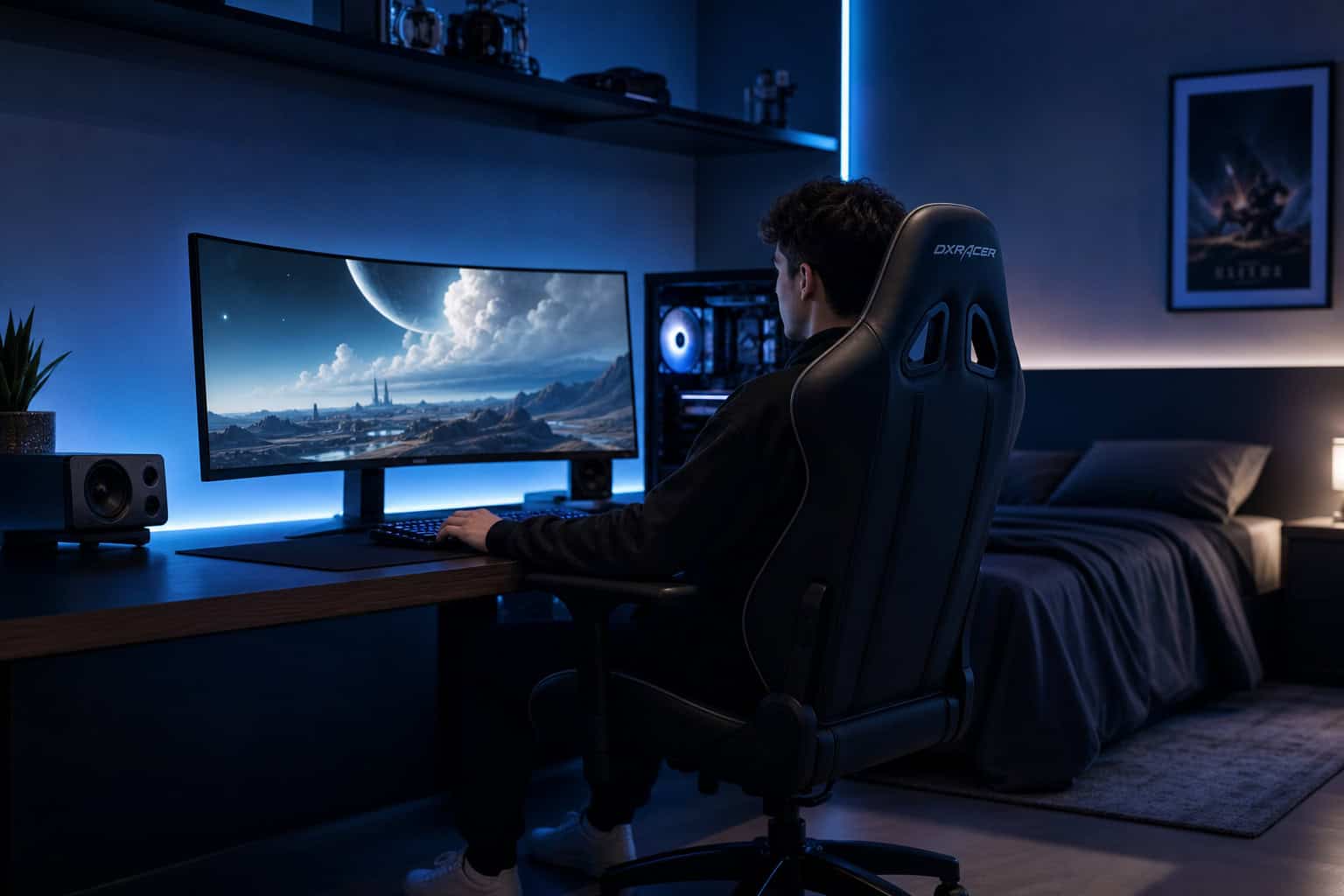
Gaming is a scheduled social commitment, requiring the same time-blocking techniques used for regional sports league match nights. If they treat a Tuesday night as non-negotiable because of a scheduled social gaming commitment, you are looking at a serious player. Whether it’s locking down hours for a competitive match in Valorant or blocking off an entire evening in World of Warcraft for a scheduled raid, this time is sacred.
The Architecture of Digital Teamwork
You also have to look at their communication stack. They use Discord for sub-second, continuous voice and text coordination, replacing standard messaging apps. This scheduled team commitment often causes social friction with family members when game sessions conflict with offline events. Outsiders often misinterpret this calendar management as excessive screen time, failing to recognize that individual absences compromise the performance of the 10-person roster.
Check for Curated Digital Spaces
Enthusiasts demonstrate their dedication through the curation of digital interfaces. Through the personalization of digital spaces, players replace default operating system environment visuals with custom themes. Look at their interfaces for the highly specific use of utility software—like running Wallpaper Engine directly through Steam to broadcast animated, high-fidelity environments. It’s a badge of honor.
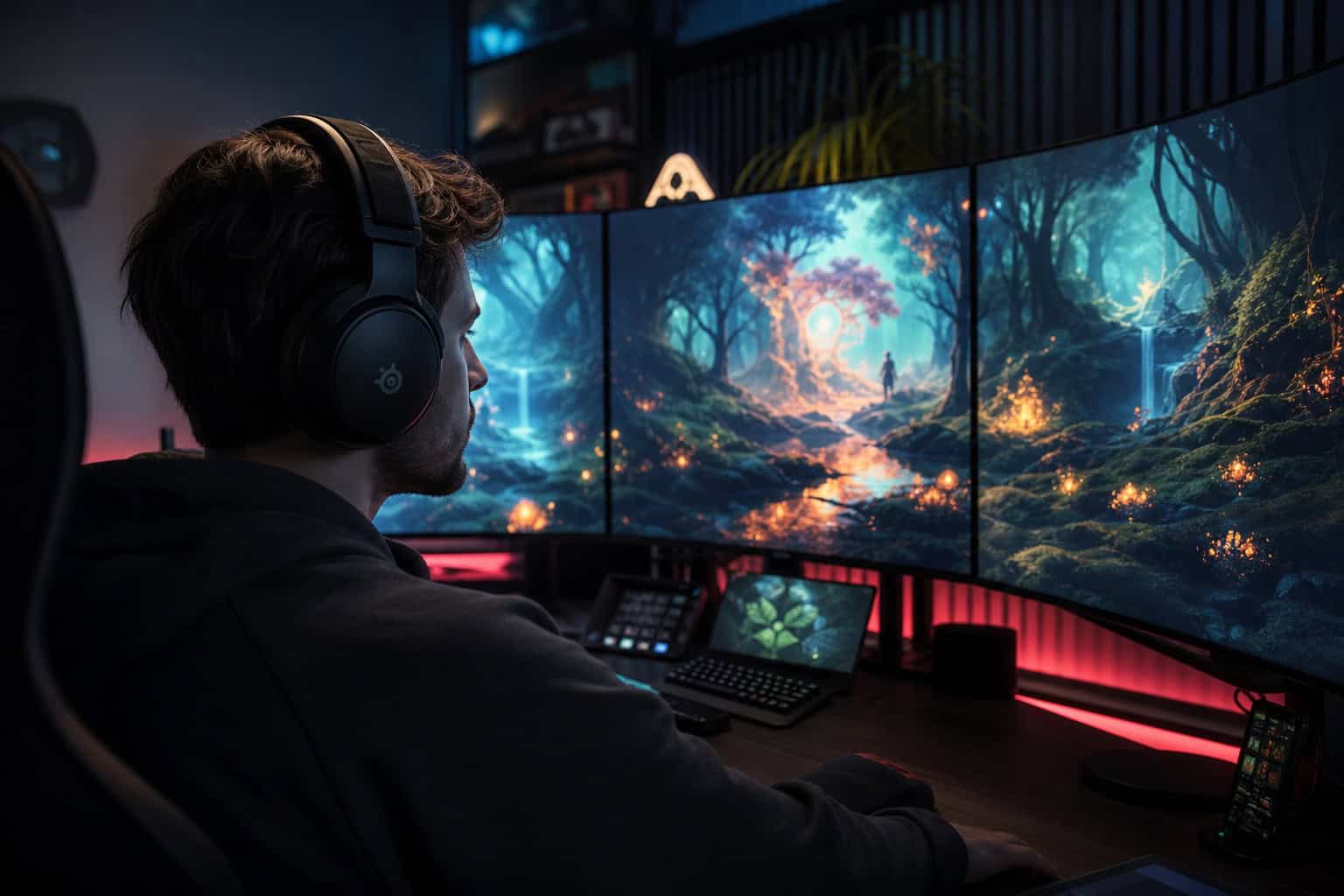
They transform static screens into living, breathing scenes from virtual worlds, displaying custom art from titles like Cyberpunk 2077 or God of War. This curation extends beyond the monitor, encompassing social media avatars, phone cases, and the branded peripheral hardware they grip for so many intense hours that they might eventually need to explore gamer callus treatment options.
Calculate the Hardware and Financial Thresholds
Let’s talk about the gear. You can quickly differentiate a casual mobile swiper from a dedicated rig builder—a crucial step in spotting a fake gamer—by running the numbers on the silicon sitting under their desk.
Cost of Entry
First, baseline access isn’t cheap. Standard new game releases reliably command ~$70 right out of the gate. On top of that, there’s the ongoing operational overhead of monthly subscriptions—like Xbox Game Pass or PlayStation Plus—which keep the digital ecosystem constantly refreshed.
Component Horsepower
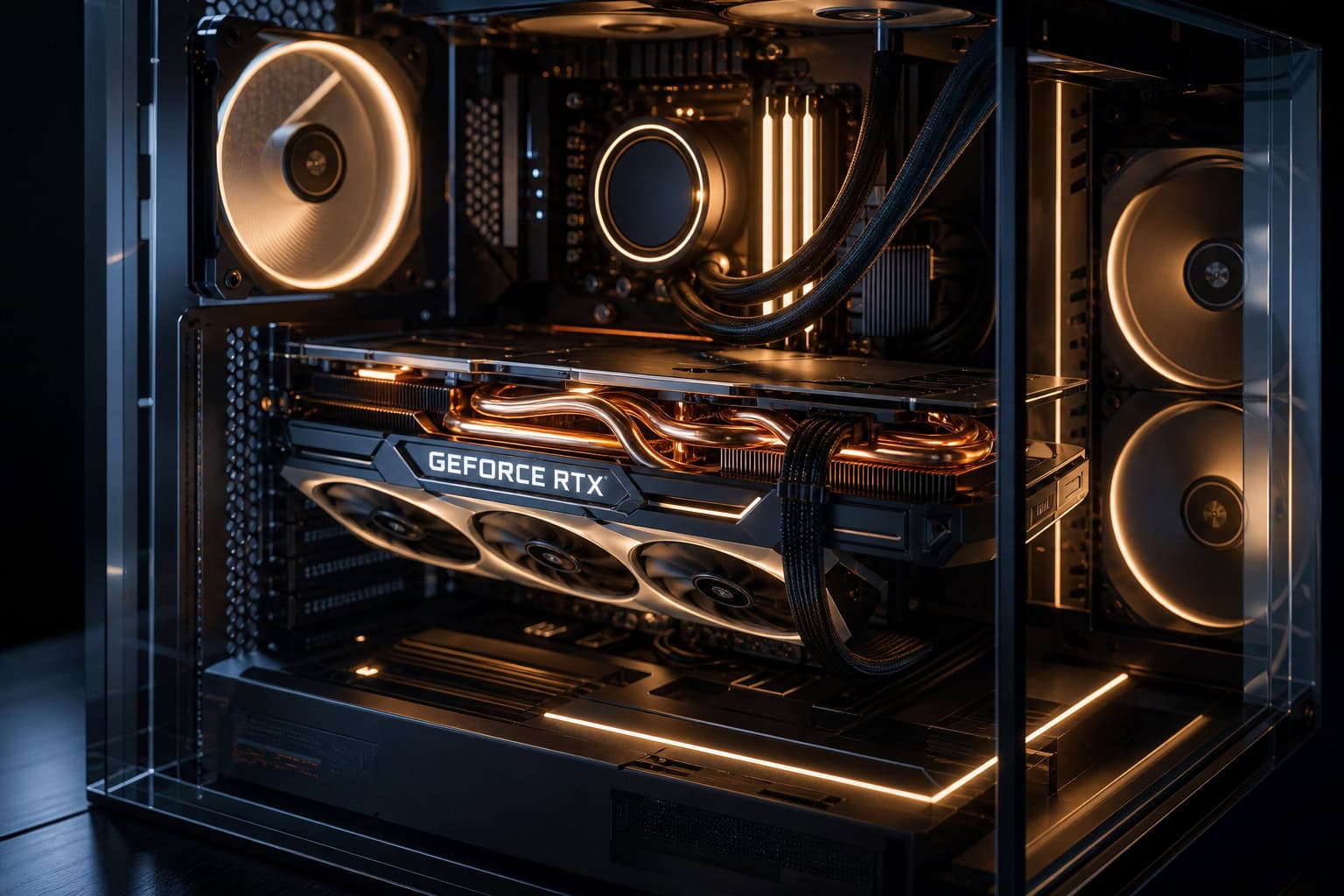
Then there is the sheer digital horsepower required to run modern engines. Rig builders target components to max out their graphical fidelity and frame rates. High-end hardware investment is common, with enthusiasts consistently investing >$1,200 into components like the NVIDIA GeForce RTX 4080 to maintain high frame rates in modern titles. This secondary hardware spend is standard for gamers requiring high compute performance.
“Enthusiasts consistently invest >$1,200 into the NVIDIA GeForce RTX 4080 to maintain high frame rates in modern titles.”
Ergonomic Investments
All that graphical output means nothing if it destroys your spine. Users of high-end hardware frequently invest $500+ in Secretlab ergonomic seating to provide posture support during sessions lasting 4+ hours.
Analyze the Latency Obsession
To evaluate their dedication, ignore their advertised download speeds and look straight at their physical network routing.
The Pursuit of Perfect Ping
Casual internet users care about raw bandwidth, but an enthusiast’s true technical measurement is ping. Technical prioritization of network performance is key here; they ruthlessly measure their connection by the latency threshold required to maintain supreme competitive integrity. For them, a ping under 50ms is merely acceptable, while under 20ms is the gold standard for split-second reflexes. Latency above 20ms increases the frequency of missed inputs in competitive gaming.
Bypassing the Wireless Grid
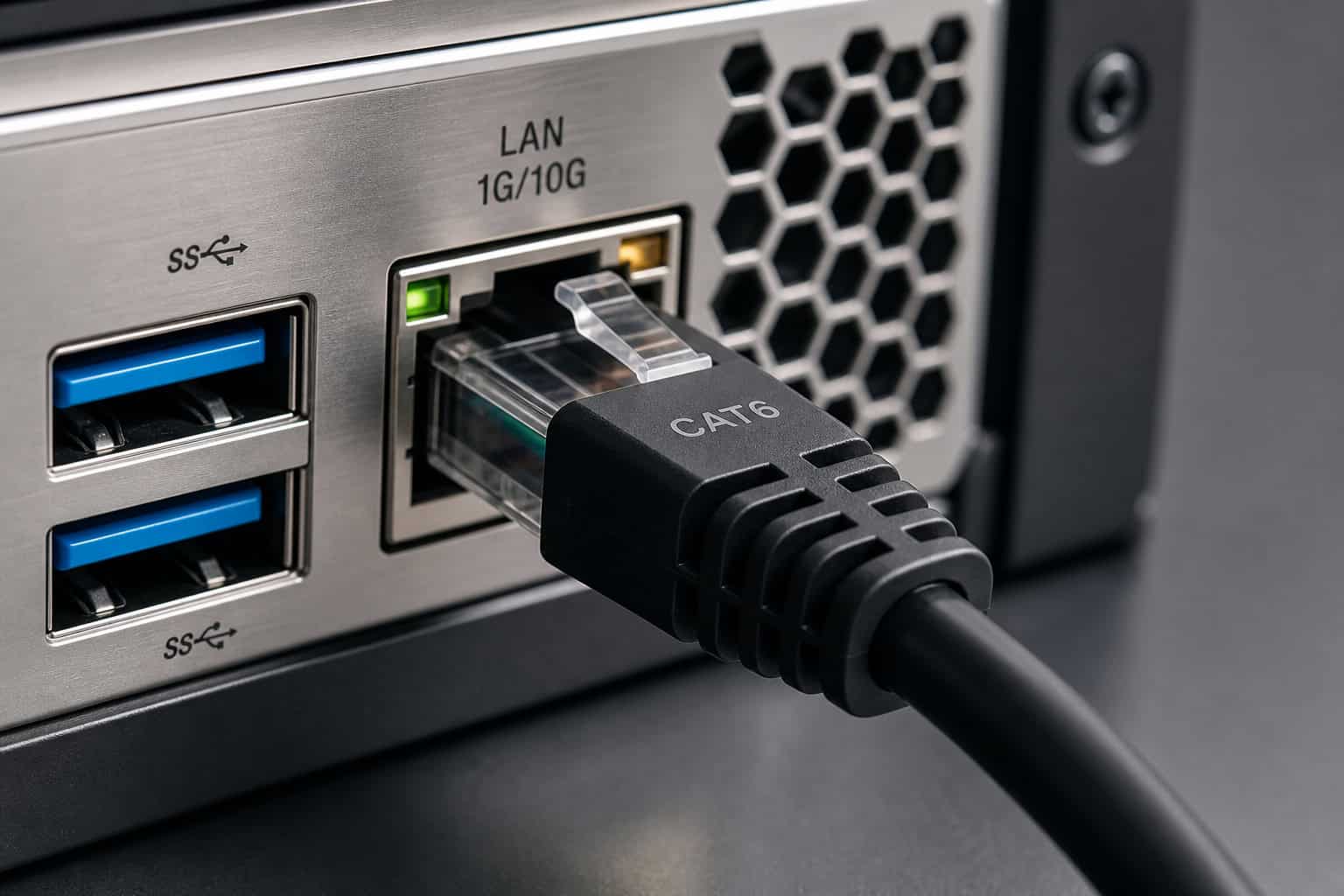
This ping obsession dictates their home infrastructure. A core diagnostic pattern is the decision to bypass Wi-Fi in favor of Cat6 or Cat7 wired Ethernet cables. They prioritize fiber-optic networks and run physical wired Ethernet cables straight to their rigs just to eliminate random lag spikes. To a hardcore competitor, lag is an inconvenience; it is a catastrophic failure of network architecture that ruins the cooperative experience.
Look for Worn WASD Keys
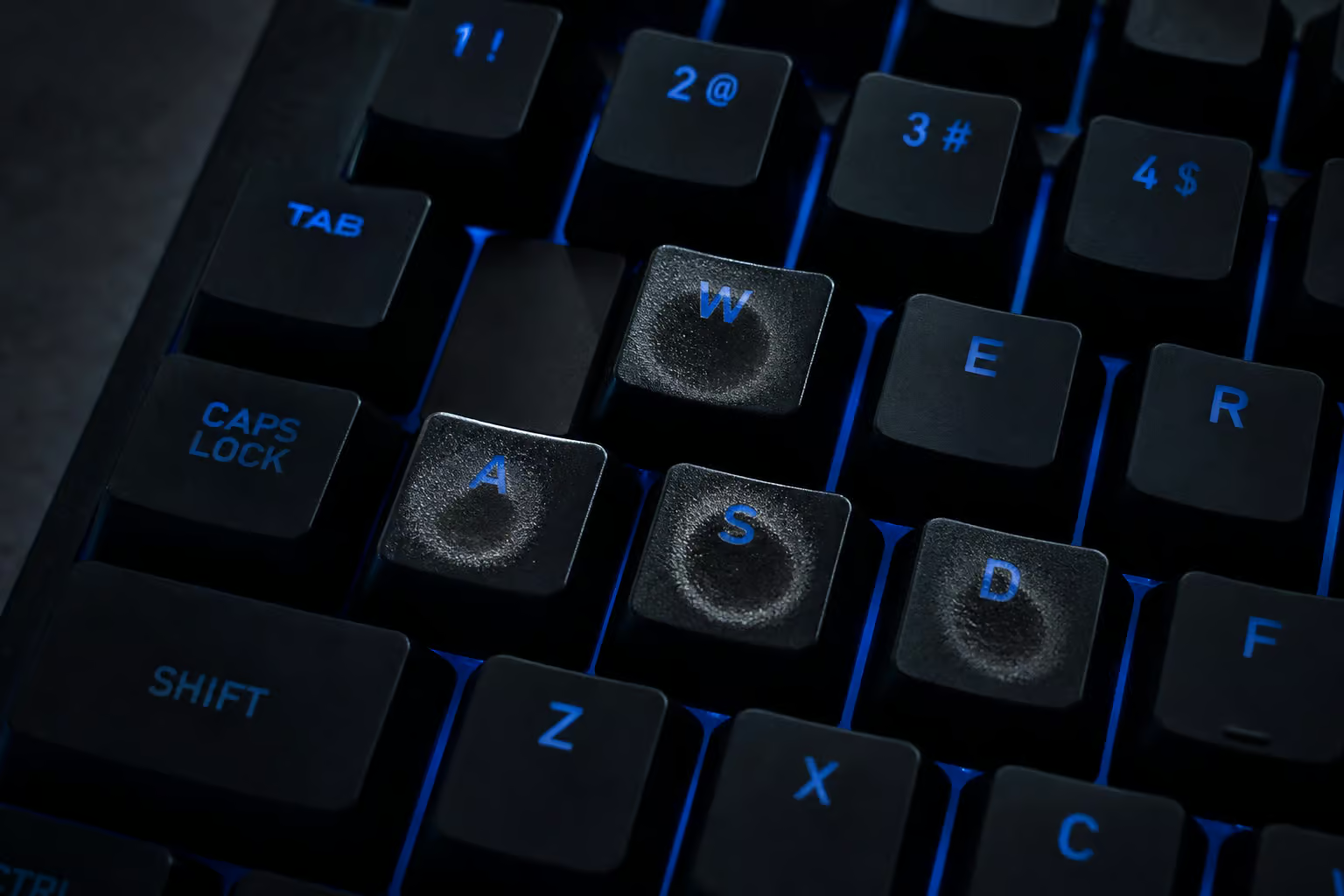
The physical signature sitting right on their desk is asymmetrical friction. Keyboard hygiene as a cultural trope often highlights the accumulation of dust, but the true marker is the worn WASD keys. Thousands of hours navigating 3D PC environments results in smoothed-out keycap wear that you physically cannot replicate without years of legitimate play. So forget analyzing cringe gamer shirts; just look closely at the left side of their keyboard deck.
Recognize the Pursuit of Flow State
Ultimately, these markers serve to facilitate a repeatable flow state, which is vital for the gamer’s long-term mental well-being. By engaging in high-intensity team challenges or narrative discovery, players move past simple escapism into a space of sustained, healthy psychological engagement.
Frequently Asked Questions
How to identify a fake gamer?
A reliable way to spot a poser is to look for the physical indicators of long-term play, such as uneven wear on the WASD keys of their keyboard. Real enthusiasts also exhibit high-level hardware curation, such as using specialized utility software like Wallpaper Engine, rather than simply having the default operating system interface.
What is the gamer mark on the wrist?
Common physical markers for long-term gamers include calluses or repetitive strain symptoms resulting from thousands of hours spent gripping peripherals. These signs are a direct result of ergonomic stress during intense gaming sessions that often last four or more hours.
What are some gamer phrases?
While casual slang changes rapidly, true enthusiasts often use terminology centered around technical performance and coordination, such as ‘ping,’ ‘frame rates,’ ‘latency,’ and ‘raids.’ Their communication is further distinguished by the use of dedicated platforms like Discord for real-time team coordination rather than standard social messaging apps.
Why does a gamer’s internet ping matter more than download speed?
While casual users focus on bandwidth, a serious gamer prioritizes latency because lower ping allows for split-second reactions in competitive titles. Latency over 20ms can cause missed inputs, which is why enthusiasts often avoid Wi-Fi entirely and use wired Ethernet connections to prevent catastrophic lag spikes.
Is a $1,200 graphics card upgrade really necessary?
For dedicated players, this level of investment is the baseline requirement to achieve high frame rates and graphical fidelity in modern, hardware-intensive engines. Without such high-end components, the system cannot maintain the visual and technical consistency required for a competitive experience.
What is the difference between a casual player and a dedicated enthusiast?
The primary difference lies in the rigor they apply to hardware, scheduling, and network infrastructure. A casual player engages as a fleeting pastime, whereas an enthusiast treats gaming as a scheduled social commitment and invests heavily in ergonomic seating, custom digital environments, and wired network setups.
