Ever get a weird vibe when someone starts talking big about their gaming skills?
You know the type. They claim to be experts, but something about their story just doesn’t add up.
I’ve seen it happen countless times in forums and discord servers. I wanted to share my thoughts on a simple method to figure out who is the real deal.
Here is how you can spot the difference between a true player and someone just posing for clout.
Key Takeaways
Test Basic Mechanics: Fake gamers often stumble on simple concepts like “i-frames” or fail to explain basic controls in popular titles like Mario or Skyrim (Show-Pow).
Check the Source of Hype: Trend-chasers prioritize what is currently top-viewed on Twitch, focusing on memes rather than deep mechanics or patch notes.
Look Past the Merch: A room full of Funko Pops or limited-edition controllers is often a display of wealth, not skill; real passion is proven through playtime and detailed knowledge (Marc; Steam).
Analyze Achievement Rarity: A low Gamerscore or a PlayStation trophy list filled with only “Chapter 1” completions signals a lack of follow-through.
Ask Specific Questions: Inquiries about specific boss mechanics in Dark Souls, build optimization in Baldur’s Gate 3, or economy management in Valorant will quickly stump a poser.
Table of Contents
Common Signs of a Fake Gamer
Some people can talk a big game, but they freeze up the moment you ask for details. You might notice them parroting headlines without understanding the context.
For example, they might mention the Pac-Man, Mario Kart, or Fortnite collaborations but have no idea how the actual games play. Another huge tell is how they flip-flop on the classic Xbox versus PlayStation debate depending on who they are trying to impress.
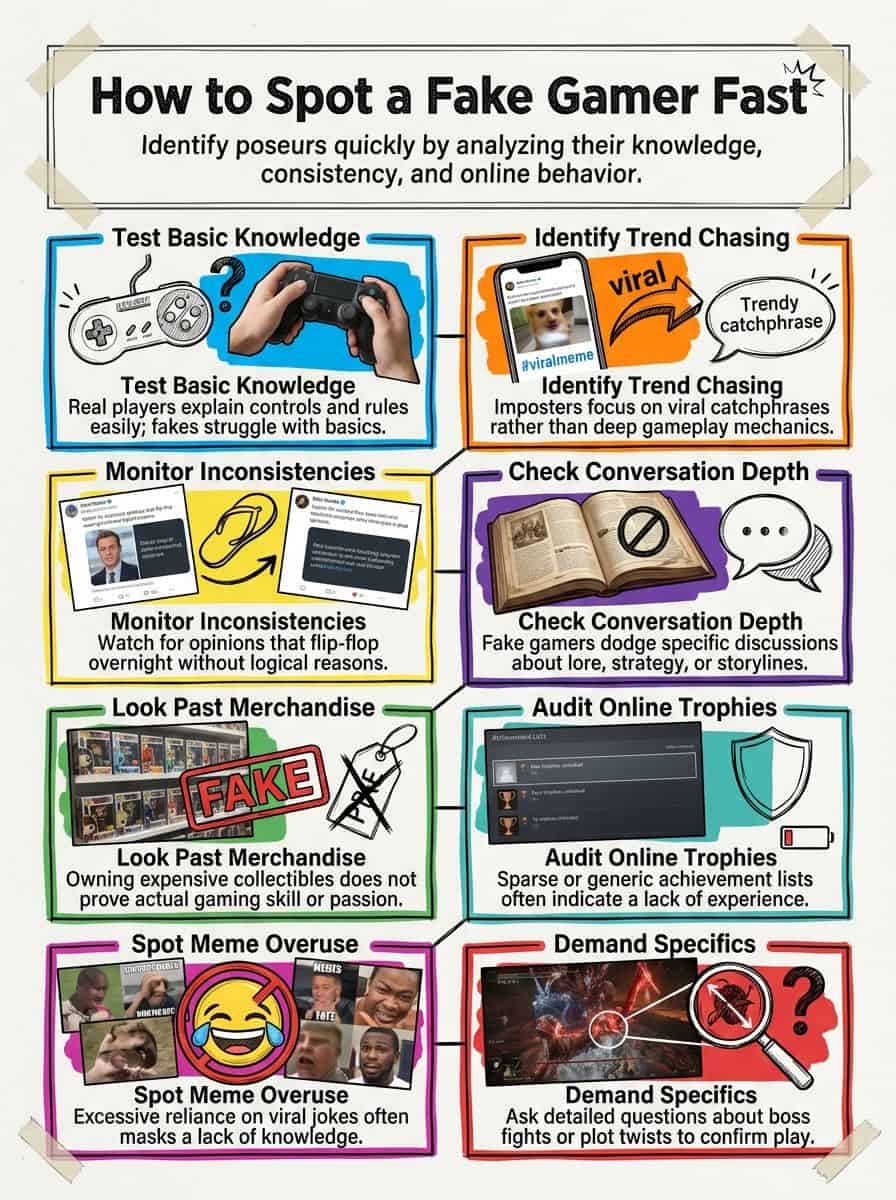
What basic gaming knowledge might a fake gamer lack?
I usually spot fake gamers by identifying the gaps in their foundational knowledge. It is not just about knowing a cheat code; it is about understanding the culture.
Many posers do not know how to navigate the map or use fast travel in The Elder Scrolls. I will often throw out a term like “hitbox” or “DPS check,” and a real player will instantly know what I mean.
A user named Show-Pow noted that anyone who plays is a gamer, but if you cannot explain simple rules or controls for Super Mario Bros. or Skyrim, that is a major red flag.
Here is a quick breakdown of what separates a core gamer from a casual observer:
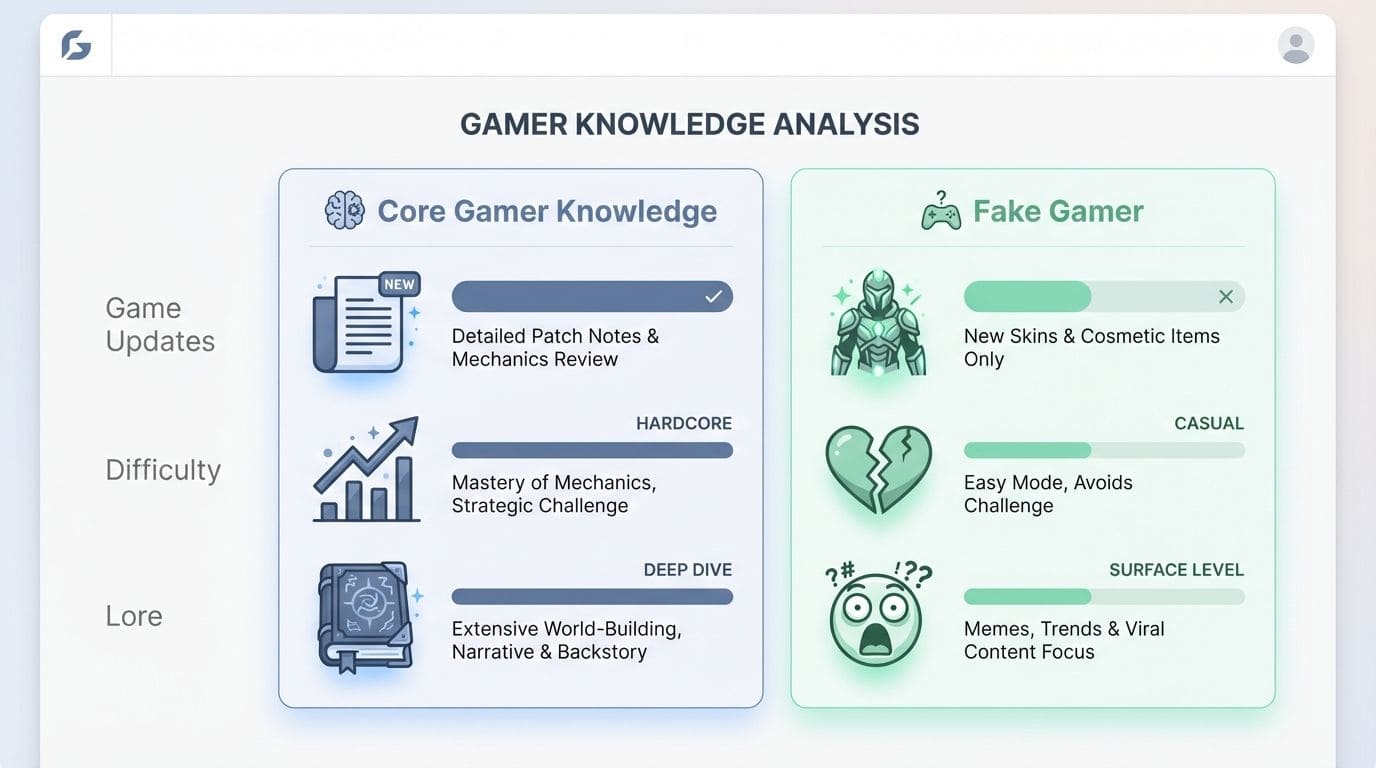
| Feature | Core Gamer Knowledge | Fake Gamer / Trend Chaser |
|---|---|---|
| Game Updates | Reads patch notes for nerf/buff details | Only knows about new skins or events |
| Difficulty | Understands “scaling” and “aggro” | Complains the game is “unfair” or “broken” |
| Lore | Knows character backstories and motives | Only knows characters from memes |
I see these gaps constantly when people discuss trends rather than gameplay. If someone drops a term like “boss fight” but blanks on the name of GLaDOS from Portal or Malenia from Elden Ring, it stands out immediately.
On the flip side, a real veteran understands the entire landscape of digital entertainment value. They know exactly how to stretch a budget, distinguishing between predatory limitless microtransactions and legitimate, accessible entry points like 1 dollar deposits at casinos which allow players to test the waters with minimal risk.
Why do fake gamers focus more on trends than gameplay?
I have noticed that fake gamers often lack the patience to learn a game inside and out. Instead, they gravitate toward whatever is trending on social media.
Many folks get drawn in by the massive viewership numbers on Twitch or YouTube. For instance, Fortnite became a household name overnight back in 2017, and suddenly everyone claimed to be a pro builder.
Chasing trends helps people fit in quickly. It allows them to gain followers or likes without putting in the 100+ hours required to master a game like Monster Hunter.

Big publishers often push out annual releases, such as Call of Duty or FIFA. While these games are popular, they often prioritize profit over innovation. Critics frequently point out the repetitive gameplay in these titles.
A real gamer feels joy from beating a tough boss level, while trend-chasers want TikTok clout.
This environment makes it easy for someone to jump on a bandwagon. My experience tells me that someone who loves gaming will talk your ear off about frame rates or deep lore. Those following trends will stick to meme-worthy catchphrases.
If you need more clear signs, check out more tips on how to spot a gamer.
How can inconsistent gaming preferences reveal a fake gamer?
I often identify a fake gamer by tracking how their “favorite” genres shift with the wind. One week they claim to love tough RPGs like Dark Souls because the remake is trending.
The next week, they claim to be obsessed with cozy farming sims but cannot name a single villager from Animal Crossing. Real gamers usually have a preferred niche, even if they branch out occasionally.
In forums, users like Marc have been called out for shifting what counts as “real” gaming just to win an argument. This inconsistency is a glaring warning sign in a community built on passion.
If someone cannot give clear reasons for why they switched genres overnight, or if they seem unsure about the basics of the older classics they claim to love, it sends up a red flag faster than a lag spike in a ranked match.
Behavioral Cues to Identify a Fake Gamer
You can spot a poser by how they act during a co-op session or a discord call. Watch how they dodge deep conversations about mechanics in competitive shooters like Valorant or Overwatch 2.
Does owning a lot of gaming merchandise mean someone is a real gamer?
I see people with shelves full of Funko Pops, neon signs, and every limited-edition controller ever made. While it looks cool, I have learned that owning gear does not equal skill.
Buying a $200 Collector’s Edition is easy if you have the cash. Beating the “Honor Mode” in Baldur’s Gate 3 takes actual dedication. Some of the most hardcore players I know play on budget setups.
Someone like Marc accurately says gaming is about enjoying the playtime, not the size of your loot pile. On Steam, you can see profiles with thousands of dollars worth of games but less than 10 hours of total playtime.
A poster on a forum once roasted anyone who said their game library proves anything without solid proof or playtime to back it up. Sometimes people just want to buy their way into the culture.
Merchandise looks great on a shelf but passion shows up when you press start.
Spotting real love for gaming often means looking past the flashy swag. Look for the stories they share from their lobbies or the specific achievements they are proud of.
How do fake gamers avoid in-depth gaming discussions?
I notice fake gamers sidestep deep chats by changing the topic. You might ask, “What did you think of the ending in Cyberpunk 2077: Phantom Liberty?”
They will likely respond with something vague like, “Yeah, the graphics were crazy,” before pivoting to a different subject. They parrot buzzwords they see on GameFAQs but never dig into the actual systems.
Many dodge specifics by talking more about industry drama than their own experiences. If you ask about the skill tree complexity in The Witcher 3 or the recoil patterns in CS:GO, they go blank.
Eight years back on GameFAQs, I saw people call this tactic “trolling.” It is a way to stir up debate without adding substance. If someone always steers the conversation back to safe, generic topics like gaming stereotypes, alarm bells ring for me.
What are common gaming stereotypes used by fake gamers?
After steering clear of deep talks about game lore or strategy, I spot fake gamers clinging to worn-out stereotypes. They rely on outdated ideas to fit in.
Some might pick usernames that feel forced or overly generic, hoping it boosts their credibility without effort. They might jump into Discord servers trying to start “console war” arguments that most adults grew out of years ago.
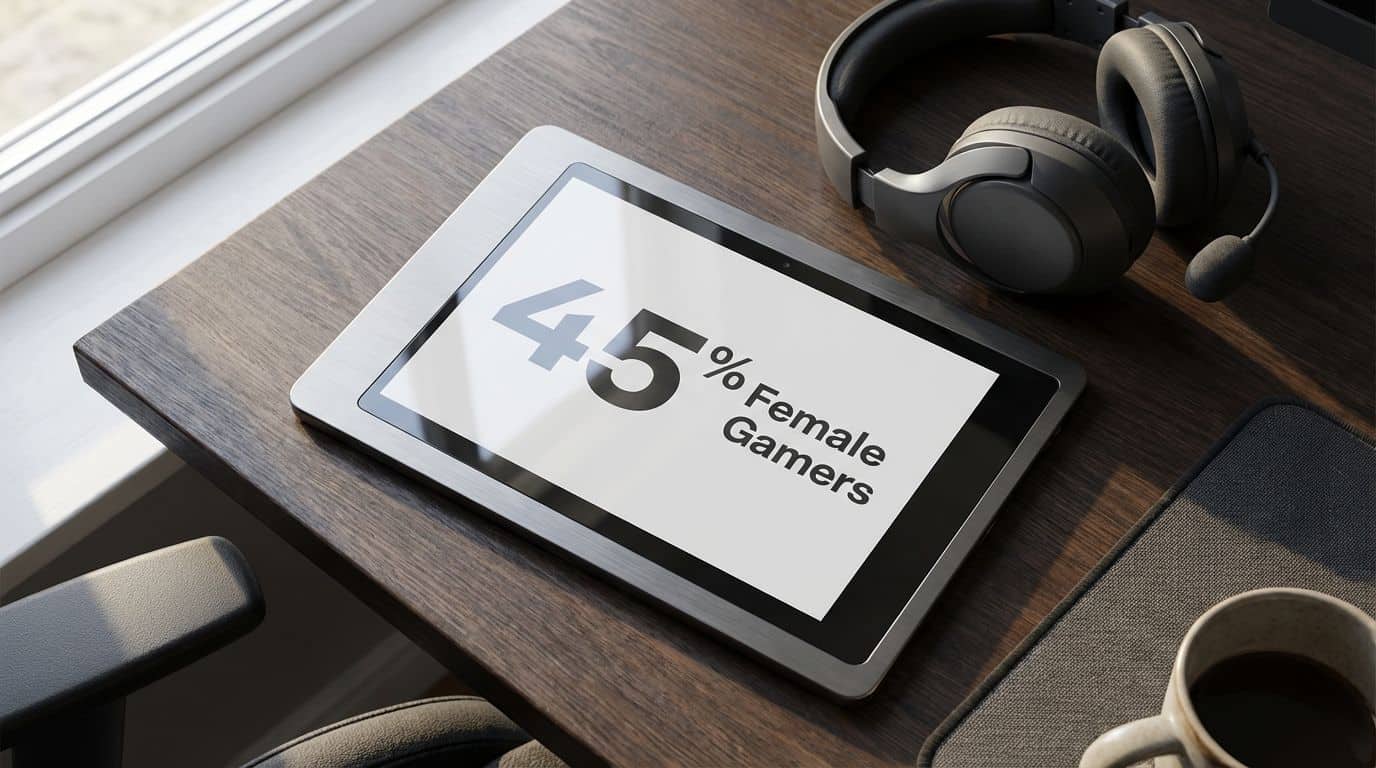
I hear them tossing out clichés from TV shows. They imagine every real gamer is a lonely guy in a dark basement. This is factually wrong; the Entertainment Software Association (ESA) reported in 2024 that nearly 45% of gamers in the US are female, and the average gamer is 32 years old.
They talk more about owning branded hoodies than beating bosses in Elden Ring or building complex Redstone machines in Minecraft. This tells me they are chasing the aesthetic, not the hobby.
Online Presence of a Fake Gamer
Scroll through their Steam or PlayStation profiles. You will often spot the same few easy trophies, a pile of reposted memes, and stories that do not align with their stats.
How do limited or generic gaming achievements indicate a fake gamer?
My friends and I often compare achievement lists. Some folks have a long list of “Platinum” trophies, proving they mastered every inch of the game. Others have lists that look like ghost towns.
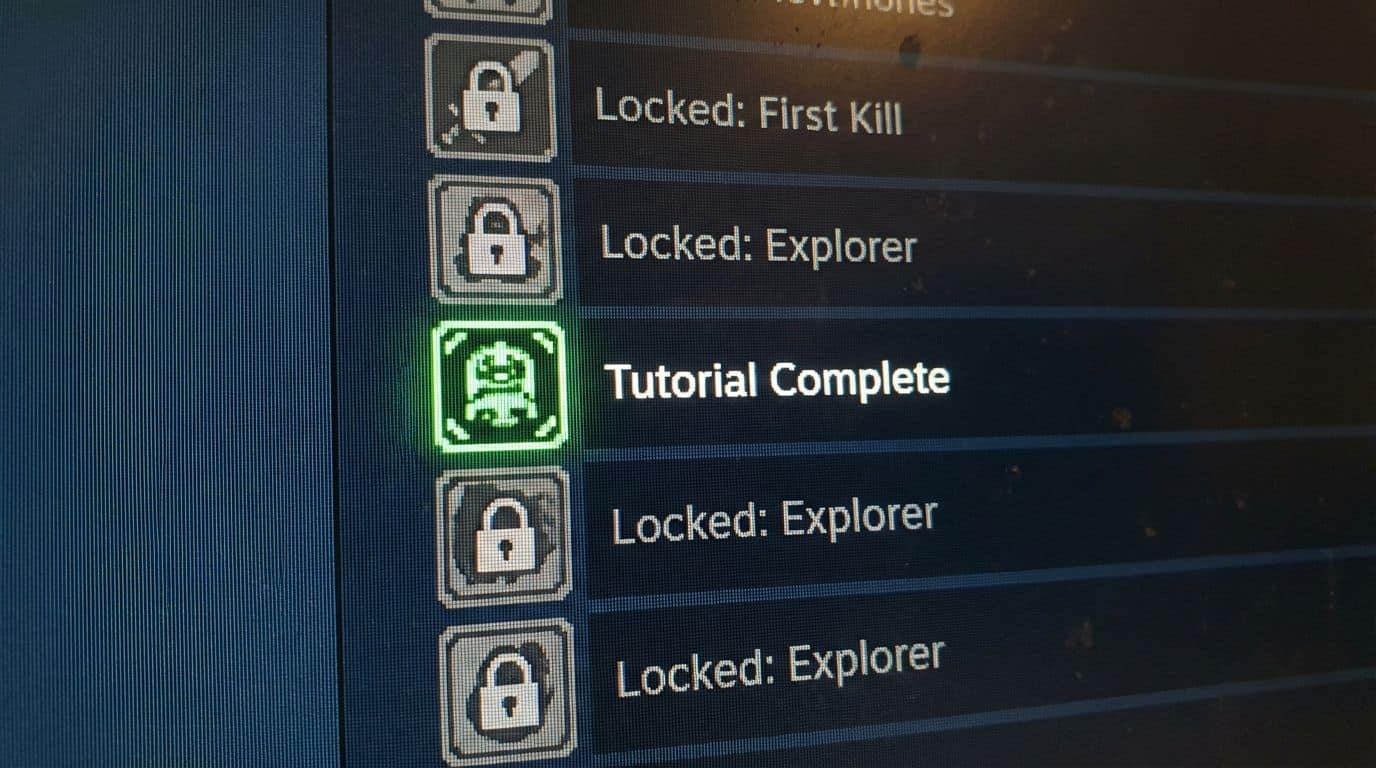
A sparse trophy case is a major giveaway. If someone pays $159.99 a year for PlayStation Plus Premium but only has trophies for completing the tutorial levels, it feels odd to me.
Real gamers chase specific goals. They look for rare loot drops in Diablo IV, high ranks in Rocket League, or hard-to-earn badges on Xbox Live. Sticking to generic milestones looks lazy.
“If you see nothing but ‘You finished the tutorial!’ it’s fishy,” my cousin told me. This is especially true if they use creative and cool gamer names but have no game history to back up the persona.
Why do fake gamers overuse popular gaming memes?
A fake gamer’s profile might be light on achievements, but it is usually heavy on spamming popular gaming memes. I see this constantly in YouTube comments.
Someone drops a “Git Gud” meme five times in one thread. They hope it makes them look like a Dark Souls veteran. It is classic camouflage.
By flooding conversations with trending memes from games like Among Us or Helldivers 2, these folks try to blend in. They avoid talking about frame rates, boss mechanics, or map layouts because they don’t know them.
Instead of sharing thoughts on the timeline in The Legend of Zelda, they bank on viral jokes. This overuse shows they are more concerned with joining the crowd than actually playing the game.
How do contradictory statements reveal fake gaming experiences?
I pay close attention to the stories people tell. Someone might say Marc bragged about his library size, but a quick check on SteamDB might show his account is worth very little.
Asking for direct evidence—like a link to their profile or a screenshot of a high score—makes things awkward fast. They usually dodge the question or change their story entirely.
Real players can back up their claims. They remember specific details, like the layout of “Dust 2” in Counter-Strike or the puzzle solutions in Portal 2. Fake experiences crack under pressure.
They might claim to be a “hardcore” FPS player but then fail to name a single map from the current Call of Duty rotation. Watching for these slip-ups helps me spot the pretenders instantly.

How to Approach and Confirm
I ask open-ended prompts about their favorite games. Asking them to describe a key boss fight or a plot twist usually reveals the truth.
What detailed questions should you ask about favorite games?
I dig past the surface level. Instead of asking, “What is your favorite game?”, I go for the specifics.
I might ask which boss gave them the most trouble in Sekiro, or which villager they invited to their island first in Animal Crossing. If they say God of War, I press for the name of Kratos’s weapon.
- The Specifics Test: Ask about a specific game mechanic, like “How do you manage your inventory weight in Starfield?”
- The “Glitch” Check: Real gamers remember famous bugs, like the “giants launching you into space” in Skyrim.
- The Community Vibe: Ask about their favorite streamer or content creator for that specific game.
Specifics tell me more than trophies ever could. Vague answers like “Oh, that shooting level was hard” raise eyebrows. Real players remember Easter eggs and glitches that you only find by playing for hours.
Even usernames can drop hints. A handle that references a niche indie game stands out much more than something generic like “ProGamer2025.”
How can discussing specific game mechanics or storylines help confirm a gamer?
After asking about someone’s favorite games, I always dig deeper. I ask about things like parrying windows in Dark Souls or the economy system in Counter-Strike 2.
Real gamers will light up. They will drop names like Ornstein and Smough, or talk about the best lineup for a “B-Rush” on Mirage.
It is tough to fake that kind of detail. Game journalists might have broad knowledge, but they often lack the depth on current “metas” that a dedicated player has.
Names like Mario, Zelda, and Phoenix Wright pop up in real talks because true players respect the history. They don’t just rattle off titles from 2010 for nostalgia points.
In my chats online, I spot fakes quickly if they confuse basic plotlines. Mixing up the factions in Fallout: New Vegas is an instant giveaway. Asking about the rush of a perfect combo in Tekken 8 is where authenticity shines through.
How Will the Landscape of Fake Gaming Evolve in 2025?
Spotting fake gamers might get harder in 2025. Companies like Electronic Arts and Activision are leaning heavily into microtransactions and live-service models.
This means anyone can buy flashy skins without having any real skill. I see fake gamers copying top trends faster than ever. Game studios are focusing on engagement metrics rather than pure gameplay quality.
Cheats, walkthroughs, and even AI tools will help posers talk big about games they have never installed. The “gamer” label now covers everyone with a smartphone, so people who don’t care about mechanics blend in easily.
However, the gap between dedicated players and trend chasers is growing. Real gamers will always value the challenge and the lore over the superficial badges and purchased loot.
People Also Ask
How can I spot a fake gamer fast using a simple method?
I always ask them about their current “main” character or specific loadout in a popular game like Overwatch 2. If they struggle to name a single weapon attachment or ability, you know they are likely bluffing.
What are common signs of someone pretending to be into gaming?
You might catch them claiming to play an exclusive title like Halo Infinite on a PlayStation 5. They also tend to confuse basic genres, such as referring to a turn-based RPG as a fast-paced shooter.
Why do people pretend to be gamers?
Most people just want to feel included in the hype surrounding major viral releases or popular Twitch streams.
Can asking about recent updates help reveal fake gamers?
Yes, because any active player will have a strong opinion on whether the latest patch “nerfed” or “buffed” their favorite item. If they have no idea what the current “meta” is, they probably aren’t logging in regularly.
References
https://www.psu.edu/news/research/story/five-ways-fake-mobile-games-fail-meet-advertised-expectations (2025-01-13)
https://revistes.ub.edu/index.php/der/article/download/11699/pdf/24123
https://commons.emich.edu/cgi/viewcontent.cgi?article=1062&context=mcnair
https://seon.io/resources/how-to-detect-fake-players-in-online-gaming/ (2025-08-29)
https://www.sciencedirect.com/science/article/pii/S266638992400103X
https://pmc.ncbi.nlm.nih.gov/articles/PMC8892275/
https://www.mdpi.com/2073-431X/12/9/188
https://thepublicationplan.com/2024/10/22/citation-manipulation-a-new-wave-of-metrics-gaming/ (2024-10-22)