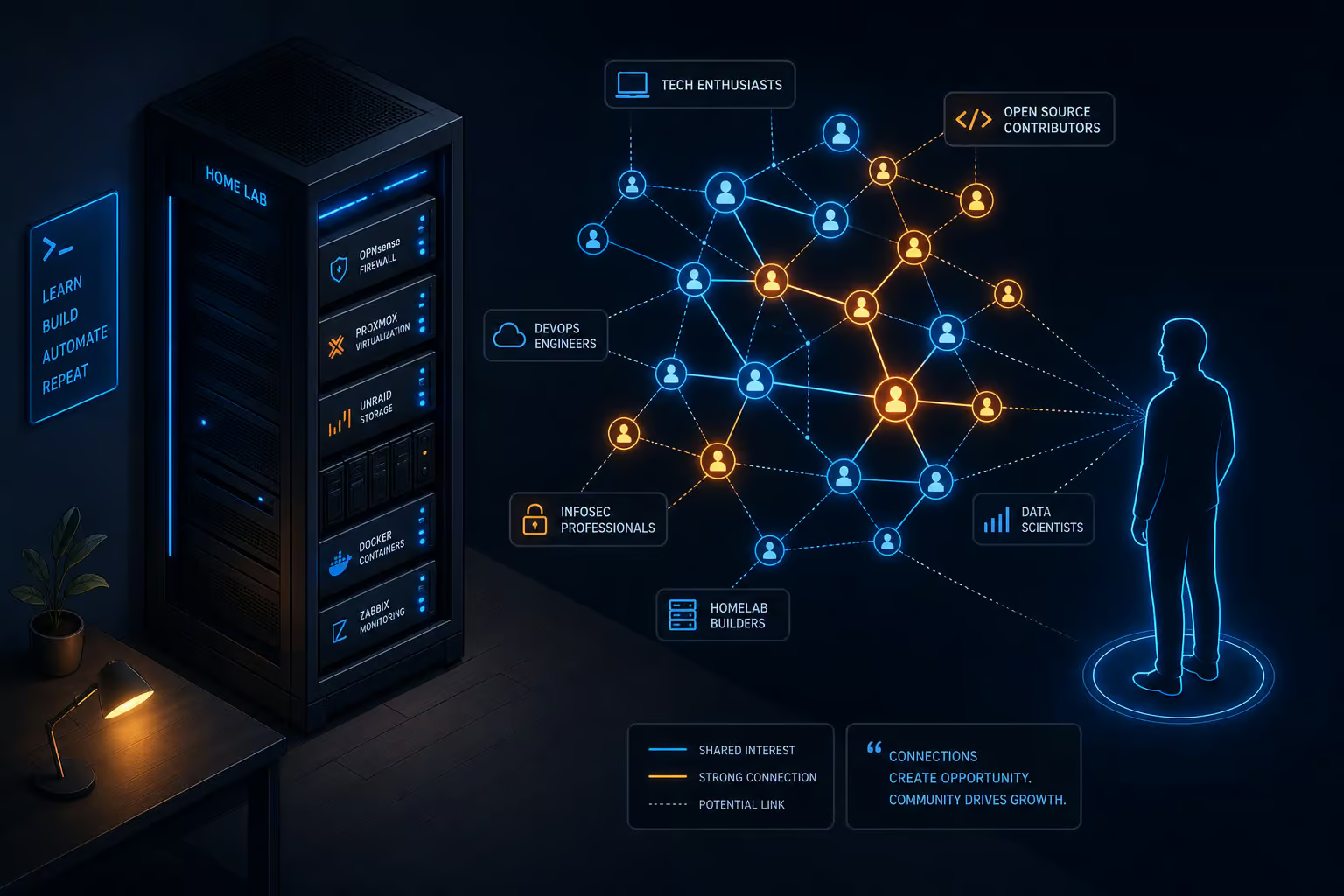
Back in 1998, building a solid nerd friend group didn’t require an architectural blueprint. Friendship was a low-friction byproduct of what we might call “hostage co-presence.” You sat on the same worn-out basement couch playing split-screen multiplayer, shared a cramped college dorm, or hovered around the same CRT monitors in a computer lab. Connection happened because you were physically locked in the same space with the same interests.
Fast forward to adulthood. Your life is likely optimized: you might run an isolated server setup in a home-lab, work a fully remote job, and pull down GitHub repositories in your sleep. But somewhere along the line, your primary social inputs degraded into asynchronous Discord notifications, threads on Reddit, and pull request comments. Adult social isolation is a system architecture flaw; we’ve traded structured physical containers for frictionless digital interfaces. We’ve traded structured physical containers for frictionless digital isolation, and we need to engineer our real-world social circles back into existence.
Key Takeaways
Social connection for analytical minds thrives in “sandboxes”—structured, interest-bound environments where attention is projected outward onto a shared object or task rather than pressurized face-to-face small talk.
Overcome the physiological biological threat response of social anxiety by deploying a 20-second threshold of courage to initiate direct contact swaps, treating rejection as statistical variance.
Establish a reliable connection “heartbeat” by consistently preparing, showing up, and respecting others’ time, then transition those new connections into high-stimulus, activity-centric outings rather than static dinners.
Table of Contents
Sandbox Theory: Why Open Social Environments Fail Analytical Minds
Attempting to meet potential friends at noisy downtown bars or generic professional mixers can drain your battery within one to two hours. Social skills follow the sandbox theory: authentic bonds are most easily formed in interest-based communities rather than high-pressure dating-only environments. By strategically choosing environments to maximize spontaneous interaction, you avoid the waste of mental cycles inherent in unstructured social spaces.
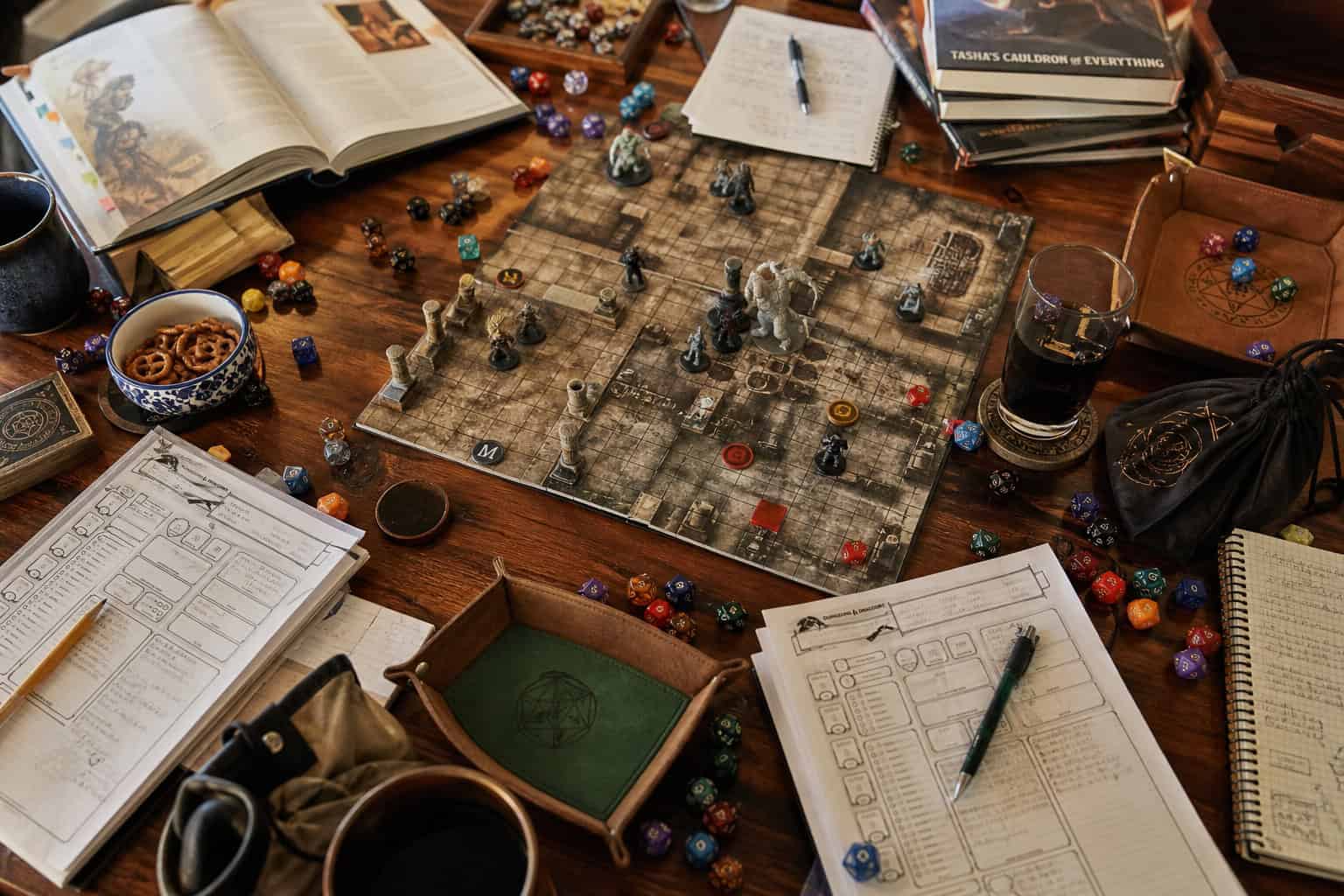
To solve this we use Sandbox Theory, a highly useful sanity-saving heuristic for mapping where and how we interact. In social design, there’s a massive difference between “open” environments and “interest-bound sandboxes”:
- Open Environments: Places like bars, local coffee shops, or generic networking mixers. Everyone is staring at everyone else, and the conversation requires parsing vague social cues with zero structural support. If you struggle with reading subtle social signals, parsing these spaces is like trying to interpret poorly compiled, undocumented code in real time.
- Interest-Bound Sandboxes: Environments designed around a neutral third artifact. Think of a tabletop board game, a technical blueprints workshop, a local code sprint, or a Nerd Fitness meetup.
Analytical minds thrive in interest-bound sandboxes because your eyes aren’t locked in direct-gaze face-to-face pressure. Instead, your focus is projected outward onto a shared mission—a game piece, a specialized camera rig, a code repo, or a 3D-printer nozzle. This visual buffer radically lowers performance anxiety, defuses small talk, and lets you build organic familiarity while doing something you enjoy. If you aren’t having fun in the space itself, you’re playing in the wrong sandbox.
Nervous System Management: Hacking the Biology of Social Panic
When we contemplate introducing ourselves to someone new in a physical space, our internal alarm systems usually go haywire. If you struggle with this, you might wonder: Is it normal to feel social anxiety when trying to make new friends as an adult?

This spike is a legacy biological threat-simulation response where the amygdala triggers a fight-or-flight response equating social rejection to historical tribal exclusion. Fear of rejection is a standard psychological reaction that can be countered by a brief ‘20 seconds of courage‘ moment to bypass the internal hurdle of reaching out to someone.
To bypass this loop, deploy the “20 seconds of courage” hack. 20 seconds is the duration of mental effort required to initiate an uncomfortable social interaction and push through the initial contact exchange.
Think of it as a momentary physiological override:
- Acknowledge the alert: Let the physical sensation rise without fighting it—it’s a legacy biological program checking ports.
- Commit to the 20-second threshold: You don’t need to be charismatic or cool for an hour; you just need 20 seconds of unfiltered initiative to say hello, ask a question about a technical setup, or request a contact swap.
- Process rejection as variance: If the interaction doesn’t compile, it’s not an indictment of your system.
Rejection is simply statistical variance or a minor structural mismatch. You close the socket and move on.
Interest-Bound Sandboxes: Eight Concrete Locations to Meet Peers
To find your people, you have to go to where they naturally spawn, whether you are looking for fun online activities with friends or connecting at a local board game cafe. But you can’t walk into a room, quietly monitor the perimeter for ten minutes, leave, and declare the experiment a failure. To build momentum, show up to a physical or digital location more than twice to establish familiarity before introducing yourself.
When considering where to invest your energy, readers often ask: Should I look for friends through online fandoms, interactive digital spaces like live dealer casinos, or prefer in-person events? While the internet is fantastic for filtering for hyper-specific niches, physical sandboxes possess a natively high density of shared-task interactions that form memories far faster. The ideal setup is using digital discovery to locate physical assembly nodes.
Comic Shop Events: Building Familiarity via Co-Presence
Your local tabletop or game shop is a classic physical spawn point. Look for scheduled events like D&D Adventurer’s Leagues, Magic: The Gathering draft nights, or casual board game meetups.
The “passive observer” trap—attending gaming events, comic shop meetups, or other activities recommended in a nerdy hobbies guide fewer than three times without initiating contact—often leads to misinterpreting a lack of social invitations as rejection. Instead, practice raw “co-presence.” Sit at a casual play table, watch a game setup, or offer to keep score. Over multiple visits, your repeating physical presence lowers the natural threat threshold for everyone in the room, making future introductions effortless.
Independent Book Clubs: Low-Pressure Analytical Spaces
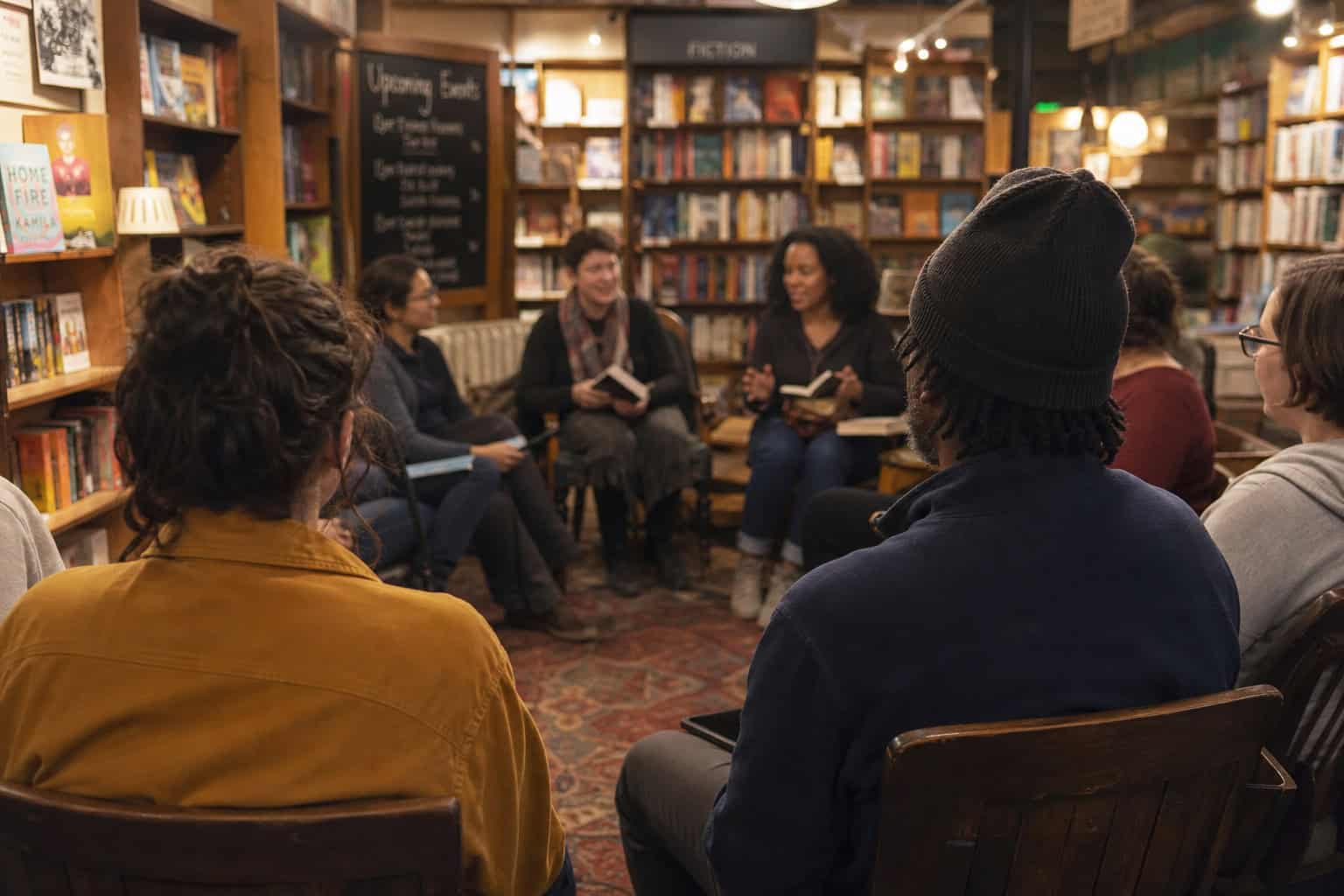
If you’re hunting for analytical minds, head to a local indie bookstore hosting moderated book clubs rather than rely on automated online recommendation algorithms. Weekly or monthly texts coordinate the entire focus of the group. Utilizing independent book clubs creates a structured conversational schema, reducing the mental effort required to initiate interaction during the initial contact phase.
Volunteer Organizations: Demonstrating Value Through Service
Volunteering is a highly effective way to signal that you’re a healthy, constructive node in a community. Find a cause that hits home for you—such as trail building, local food banks, animal shelter assistance, or volunteering with the Special Olympics. Working shoulder-to-shoulder on a physical task bypasses self-conscious networking entirely and displays your utility and empathy in real time.

Community College and Craft Classes: Consistency Breeds Connection
Classes that span multiple weeks—like woodworking, pottery, sewing, or technical community college courses—are incredible gravity wells because repetition is built into the schedule.
If technical groups feel too quiet, enroll in creative classes like partner dance, which maintain a 10:1 female-to-male ratio, to increase your chances of meeting a partner. These environments demand structural cooperation, force you out of your head, and instantly shift you into physical rhythm tasks, giving you the perfect excuse to host a casual after-class backyard gathering where you can serve up some non-alcoholic beverages and keep the conversation going.
GISH: Dynamic Task-Based Team Play
If you crave high-effort, high-creativity chaos, look into GISH (the Greatest International Scavenger Hunt). Joining a team for these bizarre, task-based global competitions forces instant, high-stakes cooperation. When your team is trying to construct a replica of a historical monument out of toast, the weirdness of the task cuts through any remaining social inhibition.
Pop-Culture Conventions: Transitioning from Digital to Real Life
Regional conventions, comic cons, and tech conferences are target-rich environments. But walking the vendor floor endlessly won’t yield deep connections.
To make it work, you have to transition: when you hit it off with someone at a panel or a cosplay build showcase, swap digital handles (like a Discord invite or social page) early so you can coordinate after-parties or upcoming regional meetups.

Linux User Groups and Makerspaces: Technical Task Coordination
For geeks who prefer “doing” over “talking,” Linux User Groups (LUGs), hackerspaces, and makerspaces are the ultimate physical playgrounds. Working on configuring a home server, debugging a firmware build, or calibrating a 3D printer channels your nervous energy outward. You aren’t trying to navigate small talk; you’re collaborating on hands-on physical engineering.
Online Fandom Communities: Avoiding Bad Platforms and Bots
If you want to make friends as a geek online, you have to filter out the high-noise, unmoderated areas of the web. Avoid uncurated, open classified boards like Craigslist, where an estimated 99% of activity is bot or scammer-driven, which will quickly burn through your mental cycles.
Instead, seek out tightly moderated Discord servers, specialized forums, sub-folders of niche wikis, and local subreddits. Be generous with targeted comments and constructive direct messages on other people’s builds or projects—it’s a safe, low-stakes way to kickstart digital alignment.
Direct Communication: Cutting the Filter to Signal Intent
Direct communication is necessary to mitigate social anxiety and signal intent clearly, as implicit social signals are often misinterpreted by technical, logic-oriented brains. Because implicit signals are often missed, clearly state your intent to get to know someone or exchange contact information to bridge the gap between desire and action in social settings.
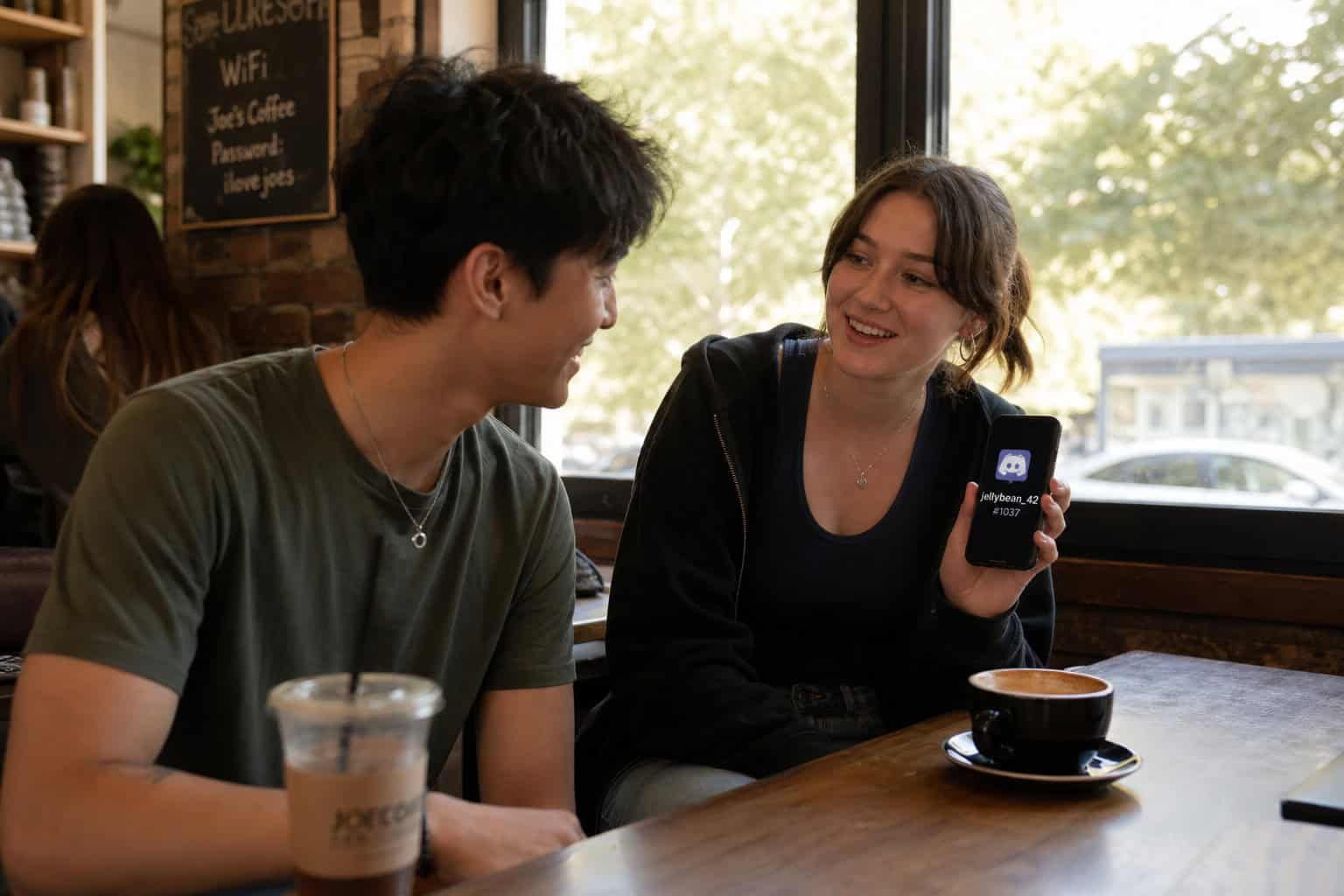
Instead, drop the filter and state your intent cleanly. Use ‘Do the thing’ framing to distance yourself from the awkwardness of the request, abstracting away any potential social friction.
“I’m working on being direct about exchanging contact details to build local friendships. Let’s trade contact details/Discord handles.”
If you openly meta-communicate the weirdness of making friends as an adult, it immediately transforms the tension into a shared, disarming joke. It shows confidence, cuts out guessing games, and establishes instant clarity.

Proactive Consideration: Establishing Mutual Respect Early
Converting an acquaintance to a friend requires Proactive Consideration to demonstrate appreciation for the other person’s time. Specific behaviors include being punctual, silencing your cell phone, holding doors, and engaging in reciprocal interest-based activity planning.
Burning someone’s time is the highest possible “cost of doing business” in adult relationships. You signal you care by showing up precisely when you say you will, keeping your phone tucked away during hangouts, and acting as an active co-planner. Showing up consistently to the same board game nights or LUG meetings establishes your social “keep-alive heartbeat” and proves your reliability as a peer.
Task-Centric Bonding: Replacing Passive Dates with High-Stimulus Events
The classic adult friendship pitfall is choosing passive dates like dinner or movies, which lack the novelty required to accelerate the formation of emotional bonds. Using activity-centric dating to replace passive dates with novelty or adrenaline-inducing activities fosters quicker emotional bonds than sitting face-to-face trading canned resumes.
Instead, swap passive dates for high-novelty, task-centric, or adrenaline-boosting activities. If you want to maintain a friendship once you move past the initial meeting stage, skip the movie and suggest:
- A complex local escape room or puzzle challenge
- A collaborative tabletop campaign
- A trip to a target shoot or shooting range
- A highly tactical, optimized grocery store run to prep for a shared cooking project
High-speed, task-oriented collaboration builds rapport significantly more effectively than static hanging out ever will. It gives you a shared win, a concrete memory, and immediate conversational runway for the next meetup.
Late-Adulthood Social Friction: Breaking Insular Local Loops
Socializing in your 40s and beyond comes with distinct architectural friction. Adult schedules are rigid, and many regions feature insular groups like Midwestern high school friend circles, which often remain closed to outsiders for over two decades.
If you find yourself stuck in a region with locked social loops, you must shift your role from a passive consumer to an active community builder. If the sandbox you want to play in doesn’t exist, you have to build the box yourself.
Taking on the moderator or hosting responsibilities for a recurring, low-stakes event—like a bi-weekly board game night, a retro gaming tournament, or a backyard makerspace evening—naturally draws people directly to you. It transforms your position from a petitioner asking for entry into an active system operator, creating a brand-new hub where other local geeks can finally find their own home-ports.
Frequently Asked Questions
What is the 11 3 6 rule for friendships?
This framework suggests that to build a lasting friendship, you need to invest time in a specific, recurring manner. It emphasizes moving past initial contact by showing up consistently—at least three times—to an interest-bound sandbox before expecting a bond to form, and respecting the “heartbeat” of the relationship through reliable planning and punctuality.
How to make friends as a nerd?
Focus on “sandbox” environments where attention is directed outward toward a shared task, such as board games, makerspaces, or technical workshops. By engaging in a collective mission, you remove the pressure of direct eye contact and small talk, allowing connections to form organically through collaboration rather than social maneuvering.
Is it normal to feel social anxiety when trying to make new friends as an adult?
Yes, it is a standard biological reaction triggered by your amygdala, which views potential social rejection as a threat to survival. You can bypass this “fight-or-flight” response by using a 20-second threshold of courage to initiate contact, treating any resulting rejection as mere statistical variance rather than a personal failure.
Why do interest-bound sandboxes work better than bars for making friends?
Open environments like bars lack structure and force you to parse vague social cues, which often leads to mental exhaustion. Interest-bound sandboxes provide a neutral third artifact—such as a game piece, a circuit board, or a book—that acts as a visual buffer, reducing performance anxiety and giving you a concrete topic to work on together.
What is the best way to move from meeting someone to actually becoming friends?
Transition quickly from the initial meeting spot to high-stimulus, activity-centric outings like escape rooms, collaborative gaming, or shared projects. Passive dates like dinner or movies often fail to generate the novelty needed to accelerate emotional bonding; doing something “high-stakes” or task-oriented together builds rapport much faster.
Can I build my own social circle if the one I want doesn’t exist yet?
Instead of waiting for an invitation to an established group, you should pivot to becoming the host or moderator of a recurring, low-stakes event. By taking the lead on a bi-weekly board game night or makerspace meetup, you transform yourself from a social petitioner into a system operator who attracts like-minded peers directly to your own hub.
How do you handle social anxiety when approaching strangers in public?
Acknowledge that your physical spike of panic is just a legacy biological program and commit to a brief 20-second burst of unfiltered initiative. By stating your intent clearly—such as simply asking to exchange contact info to build a local connection—you cut through the guessing games and turn the interaction into a straightforward, manageable task.
