I’ve been digging into why it’s so hard to find cool game clothes for women. Not the “geek chic” stuff that’s just a Marvel movie poster printed on a cheap tee — I mean clothes that say I’m a gamer right now, not someone who played Mario once at a friend’s house in 1998. The complaint I kept hearing, from real people in forums and conversations, goes something like this: you walk into any department store or geek shop, and the women’s section is a wall of Marvel, DC, Harry Potter, Star Wars, Wonder Woman, the same IP rotation tied to whatever movie just dropped. Meanwhile, the guys’ section has Mario and Zelda tees, current game designs, stuff that feels like it’s for people who play games today.
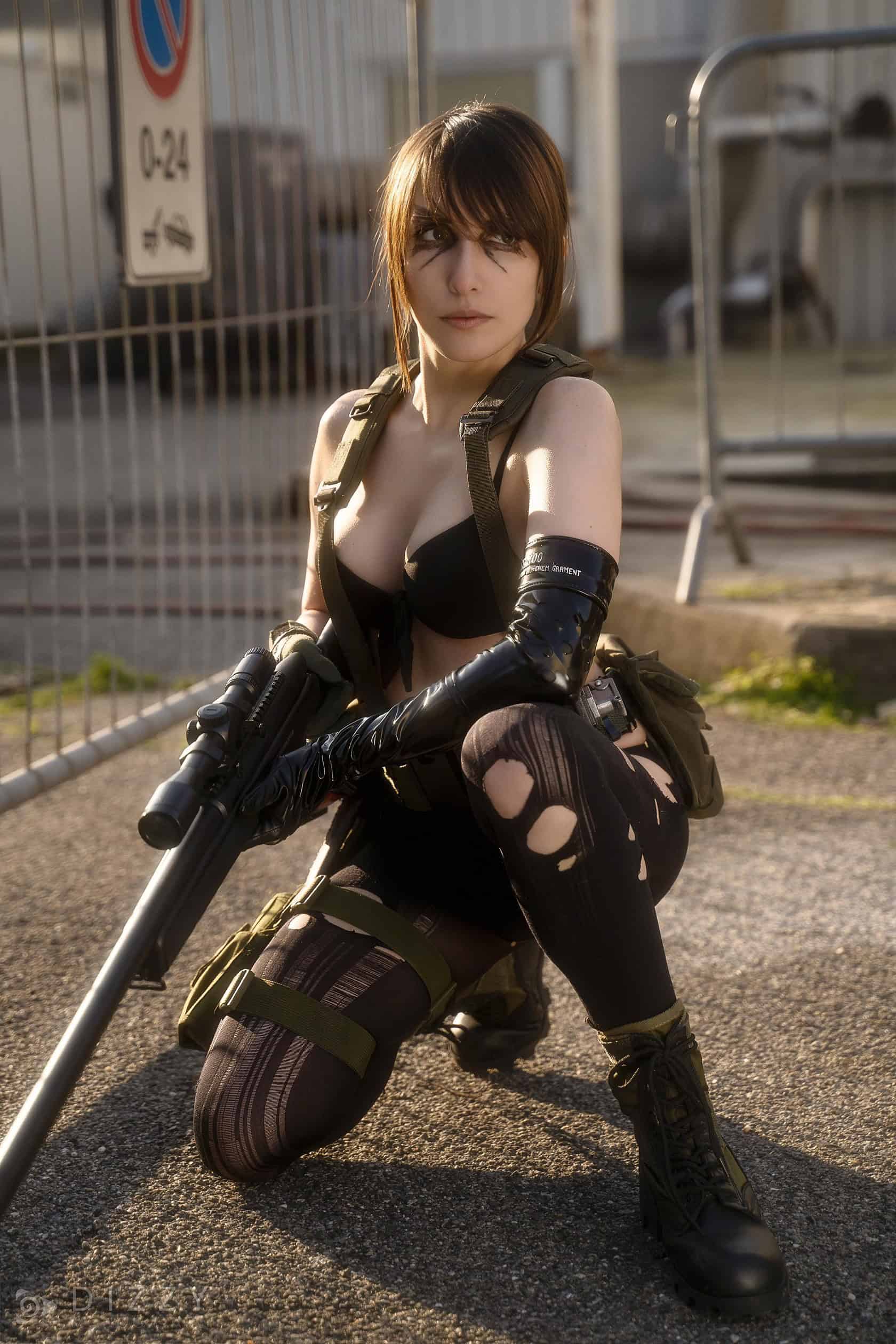
Women get Fanta, #VIBES, Looney Tunes. And when Forever 21 bothers to stock a game tee — say, a Mega Man shirt, it’s plain white, uninspired, and framed like “remember that game you played when you were six?” Nostalgic and dismissive in one shirt. That’s why it’s so refreshing to see profiles like these hot nerdy girls who are actively redefining what it means to be a gamer woman today.
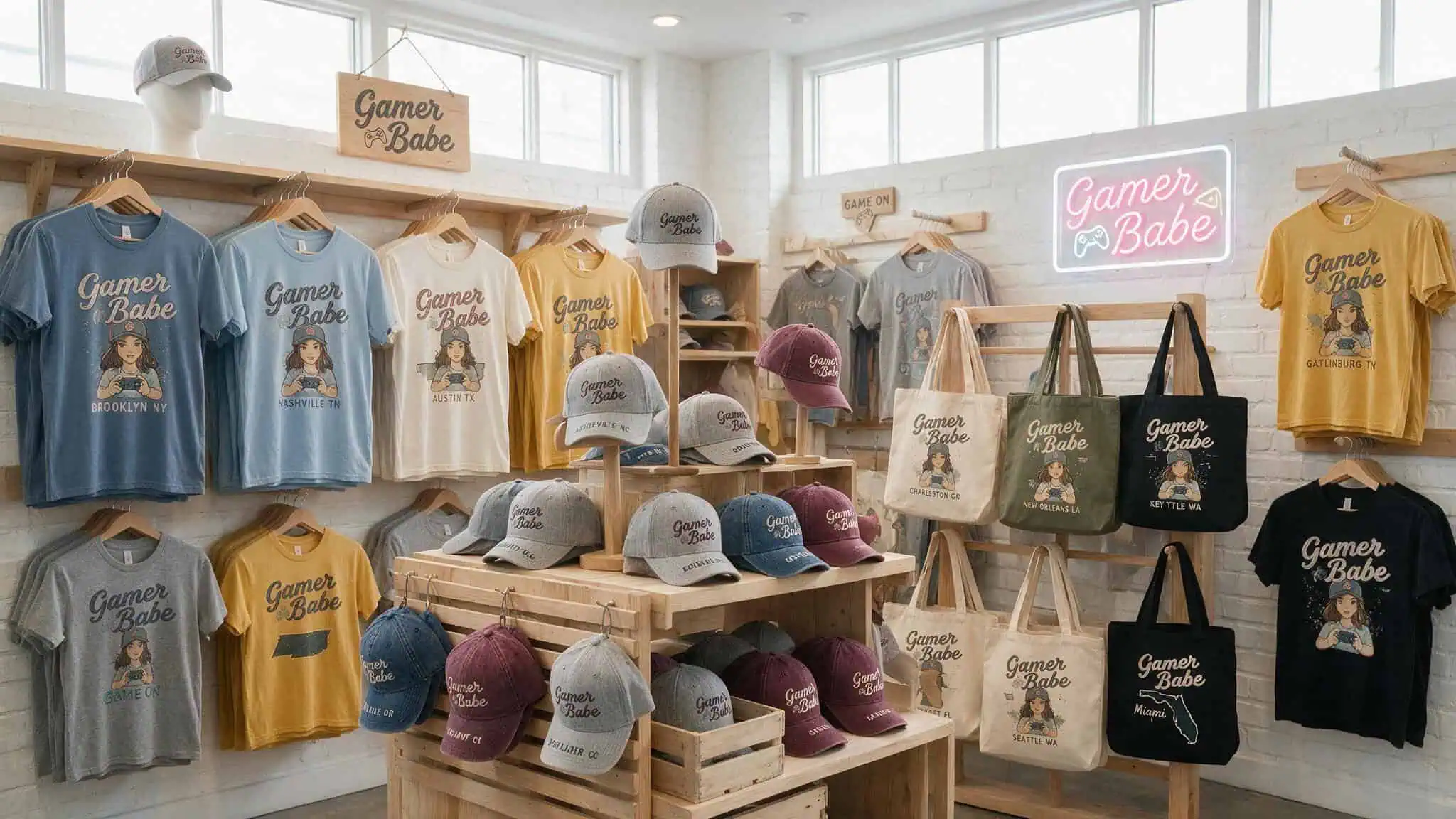
But as I dug deeper, I found something that’s been quietly solving it since 2010: an online store called Gamer Babe “Your Town” Apparel, an online store operated by Grapeleaf Graphics Company in Napa, California. The owner — a lifelong SF Giants fan for over 50 years, began creating Gamer Babe and Gamer Dude apparel in 2010, way before the indie merch boom. The store’s whole model is built around customization: you can personalize the Classic Gamer Babe or Gamer Dude Logo with your town or nickname, and suddenly the shirt isn’t about a label, it’s about you. No nostalgia framing, no movie tie-in cycle. Just clothes for people who play games.
Key Takeaways
Women’s gaming merch is treated as generic pop culture or nostalgia, not a current interest, while men’s sections get current game IPs like Mario and Zelda. The core problem isn’t selection — it’s design philosophy.
Customization is the biggest signal of ethical design. When you control what goes on the shirt (like a town or nickname), the product centers your identity as a player, not a decoration.
The best options often come from small businesses that have been at this for over a decade. Gamer Babe “Your Town” Apparel has been making personalized gear since 2010, with a focus on handcrafted products and custom requests via karen@grapeleafgraphics.com.
Table of Contents
Why Finding Cool Game Clothes for Women Feels Impossible
Let’s get specific. A customer I talked to described walking into a typical geek/nerd store. The girls’ section: Marvel, DC, Harry Potter, Star Wars, Wonder Woman — the same lineup, every time, because there’s always a movie or show coming out.
Guys and little boys? Mario and Zelda graphic tees. Actual game characters, not just franchise logos. Department stores are worse: women get Fanta, #VIBES, Looney Tunes. That’s not gaming — that’s the clearance rack of a branding meeting where nobody asked what women players want.
Forever 21 sometimes dips a toe in. You’ll find a Mega Man shirt, but it’s always plain white, never creative, and the vibe is “remember that game you played when you were six?” It’s nostalgia marketed as a throwback, not a current interest. Compare that to the guys’ section where the Mario tee is bright, current, and treated like a valid hobby. The message is clear: women’s gaming isn’t taken seriously as a present-tense identity. It’s either movie IP or a childhood memory.
What “Gamer Babe” Means — Empowerment vs. Objectification
The term “gamer babe” can go either way. It can be a reclaimed identity — a way of saying yeah, I’m a woman and I game, deal with it. Or it can be a label that reduces women to decorations on a streamer’s channel or a booth model at a convention. The difference isn’t the words, a direct comparison of gamer babe vs gamer girl reveals how it’s who controls the design.
Here’s where the indie store’s decade-long approach becomes a useful case study. They have been making Gamer Babe and Gamer Dude apparel since 2010 — not as a one-off, but as their core product line. And the key feature is that almost every item accepts customization: you add your town or nickname right onto the Classic Gamer Babe or Gamer Dude logo. That option changes everything.
How Personalization Shifts the Dynamic
When you can put your own town or nickname on the shirt, the design becomes about your identity, not a generic label. You’re not wearing a shirt that says “I am a gamer babe” in the abstract — you’re wearing a shirt that says “I’m a gamer babe from [Your Town].” That’s a real difference. It centers you as the player, not as a passive object of the label.
The Classic Gamer Babe and Gamer Dude logos are designed specifically to accept personalization — it’s part of the visual layout. The store has been doing this since 2010, before the “indie merch customization” trend exploded. They saw the gap early and stuck with it.
The Dual Branding Approach
They offer both Gamer Babe and Gamer Dude versions of the same design. That normalizes the term for all genders, rather than making “gamer babe” feel like a niche, women-only category. It signals that gaming identity isn’t gendered — it’s for everyone. If you’re a guy who wants a Gamer Dude shirt with his town, you can get it.
If you’re a woman who prefers Gamer Dude, that works too. The parallel lines avoid singling out women or making the label feel like a special section for “the girls.”
What to Look For When Shopping for Gamer Babe Merchandise
So how do you tell the good stuff from the generic movie tie-in or the nostalgia trap? I’ve been using three criteria, and they work whether you’re browsing an indie store or scrounging through Amazon listings.
Size Inclusivity as a Requirement
Most brands only go up to XL. That’s a hard stop for a lot of women. Plus-size women are often excluded from game-themed apparel — it’s a gap within a gap. And even when a brand offers extended sizes, they often just scale up a design that was laid out for a thin body. That doesn’t work. The art needs to be re-laid-out for larger sizes so it doesn’t end up distorted or awkwardly placed.
True size inclusivity means 2X–5X with proper fit (actual women’s cuts, not scaled-down men’s cuts), and proportional art scaling (the design is re-composed for each size range). Ask those three questions before you buy. The indie store doesn’t have a full size range on every item, but they’re open to custom requests — more on that in a minute.
Original Designs vs. Licensed IPs
Mainstream shelves are dominated by licensed IPs: Marvel, DC, Star Wars, Harry Potter. Those are movie tie-ins, not game designs. Original game-themed designs — the kind that aren’t tied to a release date, give creators creative freedom. They can make something that feels like it’s for players, not for fans of the latest blockbuster.
Forever 21’s nostalgia framing is an example of what not to do. A Mega Man shirt that feels like “remember that game?” isn’t for current players. Genuine game-themed merch treats you as a current, active player. Look for designs that could stand on their own without a franchise logo.
Why Customization Signals Ethical Design
When you can personalize the item, you’re in control. The store I found offers customization on most of its products: T-shirts, sweatshirts, ballcaps, bags, jewelry, jackets. You add your town or nickname to the Classic Gamer Babe or Gamer Dude logo. That’s the kind of design thinking that treats women as players, not decorations.
Customization reduces the chance of objectifying imagery because the buyer drives the design. You’re not stuck with whatever a brand manager thought was edgy or sexy. You get to decide what goes on your clothes. It’s a quick heuristic: if a brand offers genuine customization — not just “choose your size and color”, they respect their customers as individuals.
Where to Buy — Indie Stores vs. Big Retailers
Big retailers are a dead end — we’ve established that. Amazon has the widest selection, but quality is inconsistent, and many listings are generic print-on-demand with no design intent. Etsy has unique finds, but you have to vet each seller: check for original artwork, read reviews on print and fabric quality, and make sure the seller has been around for more than a year.
Then there’s the indie store that’s been doing this since before it was cool.
Gamer Babe “Your Town” Apparel — A Decade of Custom Design
This is the online store I kept circling back to. It’s a subsidiary of Grapeleaf Graphics, based in Napa, California. The owner’s been a lifelong Giants fan for over 50 years — a small detail, but it tells you this is a real person, not a faceless storefront. She started creating Gamer Babe and Gamer Dude apparel back in 2010, when the idea of women-specific game merch was barely a whisper.
The product lineup is solid: custom T-shirts, sweatshirts, ballcaps, bags, jewelry, jackets. Most items accept the town or nickname customization. And they’re open to special orders — you can email karen@grapeleafgraphics.com directly for custom requests. That’s the kind of small-shop advantage you don’t get from a department store.
Amazon, Etsy, and the Convenience Trap
The search term “gamer babe merchandise” on Amazon returns a mix of genuine indie designs and low-effort stuff. Etsy is better for originality, but you need to vet: look for original artwork, positive reviews on print quality, and a seller who’s been around for at least a year. Avoid sellers whose only photos are mockups on a generic model — that often means they’re just a print-on-demand reseller.
What Mainstream Retailers Get Wrong
The customer complaint I mentioned earlier names Forever 21, Target, and department stores. The gap is structural: women’s sections get non-gaming brands, men’s sections get current game IPs.
Beyond T-Shirts — Candles, Jewelry, and Lifestyle Merch
The gamer babe market is expanding beyond apparel. The same indie store sells a handcrafted 23-ounce blood orange soy candle called “Orange Friday,” described as a ‘must have’ and well received by many customers. Yes, a candle. Someone made this by hand — it’s not a mass-produced widget.
Customers have described it as a ‘must have’ and it has been well received. Jewelry, bags, and ballcaps offer lower-cost entry points for self-expression, and candles and home goods let you carry that identity into your living space.
If you’re tired of the same old tees, look for small sellers who treat gaming merch as a full lifestyle category, not just a T-shirt with a logo slapped on it.
How to Find Size-Inclusive Gamer Babe Options
Let’s be blunt: plus-size women are often excluded from game-themed apparel. Most brands only go up to XL, and the rare XL is often just a men’s cut scaled down, which fits terribly. True size inclusivity requires rethinking fit, proportion, and design placement — not just adding larger sizes.
When you’re shopping, ask three things: Does the brand offer extended sizes (2X–5X)? Are the women’s cuts designed for women, not just smaller men’s cuts? Is the design scaled proportionally for larger sizes, or does it just get blown up? The indie store I mentioned doesn’t advertise a full size run, but they’re open to custom requests via karen@grapeleafgraphics.com — that’s the kind of flexibility that can solve the gap.
The Bottom Line — What Female Gamers Actually Want
One customer put it as clearly as I’ve ever heard: I can’t find nice game-related clothes for myself and I’m jealous that guys always get the coolest stuff. That frustration is the reason this gap exists — and the reason indie stores like Gamer Babe “Your Town” Apparel keep going. They’ve been at it since 2010, making gear that lets you put your own stamp on it. That’s what ethical, player-centric design looks like.
If you’re in the hunt for gamer babe merchandise, start with that question: does the design center you as a player, or as a decoration? The best options — the ones that feel like they were made for you, not just thrown on a shelf, will answer that question the right way.
Frequently Asked Questions
What’s the difference between ‘gamer babe’ and ‘gamer girl’?
The difference isn’t the words — it’s who controls the design. ‘Gamer babe’ can be a reclaimed identity that says you’re a woman who games, or it can reduce women to decorations. The key is whether the product centers your identity as a player, which customization does by letting you add your town or nickname.
What should I look for when shopping for gamer babe merchandise?
Look for size inclusivity with actual women’s cuts up to 5X, original designs that aren’t tied to movie release dates, and genuine customization options. If a brand offers personalization beyond just choosing size and color, it’s a sign they respect their customers as players, not decorations.
Where can I find size-inclusive gamer babe clothing?
Most brands only go up to XL, often in scaled-down men’s cuts that fit poorly. True size inclusivity means 2X–5X with women’s cuts and proportional art scaling. Some indie stores like Gamer Babe ‘Your Town’ Apparel accept custom requests for extended sizes via email.
Is Gamer Babe ‘Your Town’ Apparel a legit store?
Yes, it’s an online store operated by Grapeleaf Graphics Company in Napa, California, run by a lifelong Giants fan who started creating Gamer Babe and Gamer Dude apparel in 2010. They offer custom T-shirts, sweatshirts, ballcaps, bags, jewelry, and even handcrafted candles, with most items accepting town or nickname personalization.
What’s wrong with Forever 21’s gaming shirts for women?
When Forever 21 stocks a game tee like Mega Man, it’s usually plain white and framed as nostalgia — ‘remember that game you played when you were six?’ — rather than treating gaming as a current hobby. Compare that to the men’s section, where Mario tees are bright and treated like a valid interest.