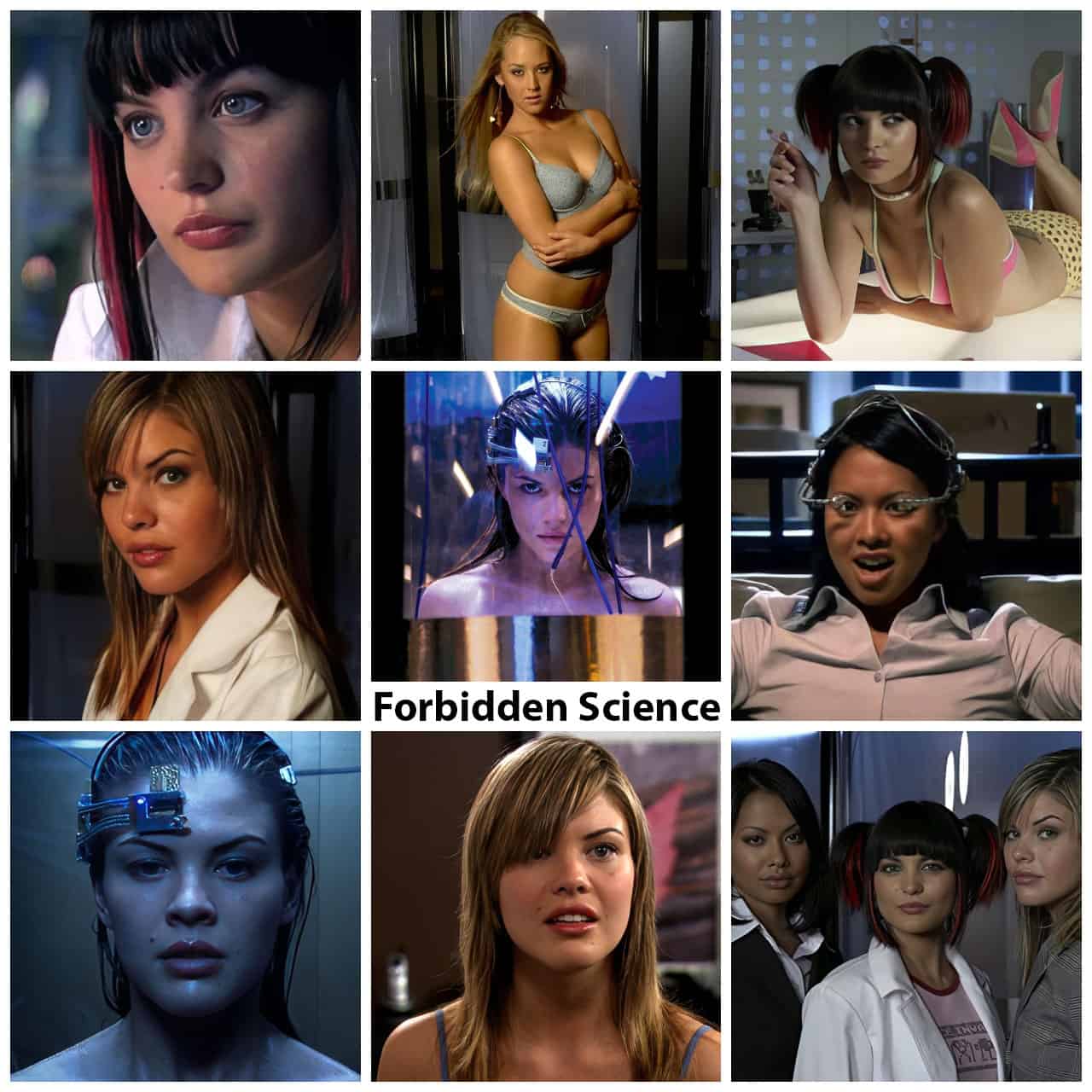
As a huge fan of speculative fiction, I’ve always been drawn to the edges of scientific discovery. Have you ever heard of a field called “Forbidden Science“? It’s a fascinating area where brilliant ideas often clash with societal norms. This article is your personal guide through its mysterious corridors, and I’ll show you why some of the most groundbreaking topics are kept in the shadows.
I think you’re going to find this exploration thrilling.
Key Takeaways
Forbidden science delves into real-world controversial topics like human cloning and gene editing, pushing the boundaries of ethics and technology.
These areas spark intense debate, with public opinion often divided. For example, a Pew Research Center poll found 60% of U.S. adults feel using gene editing to enhance a baby’s intelligence is taking technology too far.
The TV series “Forbidden Science” uses fictional characters to explore these real-life moral dilemmas and futuristic technologies.
Theories that were once considered fringe, like quantum entanglement, challenge our understanding of reality and sometimes move from “forbidden” to mainstream science.
Public reception of the show was mixed, reflected in its 6.0/10 IMDb rating, but it continues to fuel dialogue on the future of science and technology.
Table of Contents
Examination of Forbidden Science
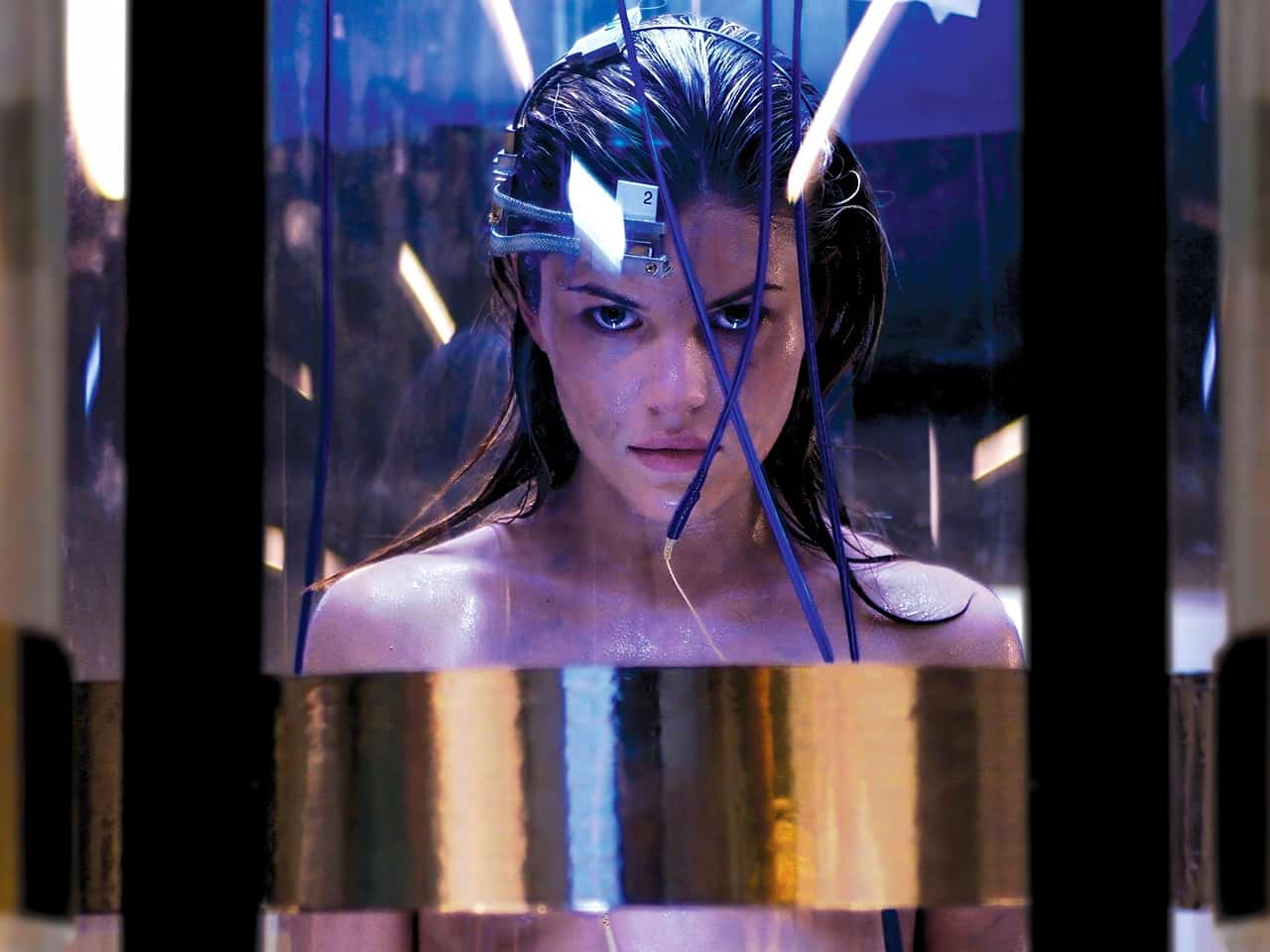
Diving into forbidden science feels like unlocking a secret level in a video game. It’s where you find the ideas that push way past our normal limits, covering real-world topics from human cloning to the strange mysteries of dark matter.
Defining Forbidden Science
So what exactly is forbidden science? It’s research that steps into the unknown, often breaking rules or crossing ethical lines. It explores areas like human cloning and advanced virtual reality technology that sound like they’re straight out of a movie.
This isn’t just fiction. The cloning of Dolly the sheep back in 1996 proved that creating a genetic copy of a mammal was possible, sparking a global ethical firestorm. More recently, in 2018, Chinese scientist He Jiankui announced he had created the first gene-edited babies, an act widely condemned by the scientific community. These real events show that the “forbidden” is closer than we think.

This kind of exploration is what makes shows like “Forbidden Science” so compelling. They give us a peek into these wild possibilities with stories of memory transplants and androids living among humans.
It’s where theoretical knowledge from minds like Einstein meets the untamed curiosity that drives scientists to blend quantum theory, consciousness, and even dark matter in ways that make mainstream science a little nervous.
The Controversy Surrounding Forbidden Science

Once you start talking about these topics, you step right into a major controversy. This field sparks heated debates among scientists, ethicists, and the public. The core of the argument is often about the ethics of projects like human cloning or creating advanced AI.
Public opinion clearly reflects this tension. A 2021 survey from the Pew Research Center found that while many people support gene editing for therapeutic reasons, 60% of U.S. adults believe using it to enhance a baby’s intelligence is taking medical science too far. This shows a clear line many people are unwilling to cross.
The concern isn’t just public fear. Way back in 1975, scientists held the Asilomar Conference on Recombinant DNA to pause and create their own ethical guidelines, showing the scientific community takes these risks seriously.
The TV series “Forbidden Science” highlights these dilemmas perfectly. It presents a future where people use incredible new tech to fulfill their desires, but they always face the moral consequences.
Cloning and spy gadgets are just the beginning in this show’s near-future world. The series sparked real conversations about what should, and shouldn’t, be off-limits in our own research labs.
Notable Figures and Characters in Forbidden Science
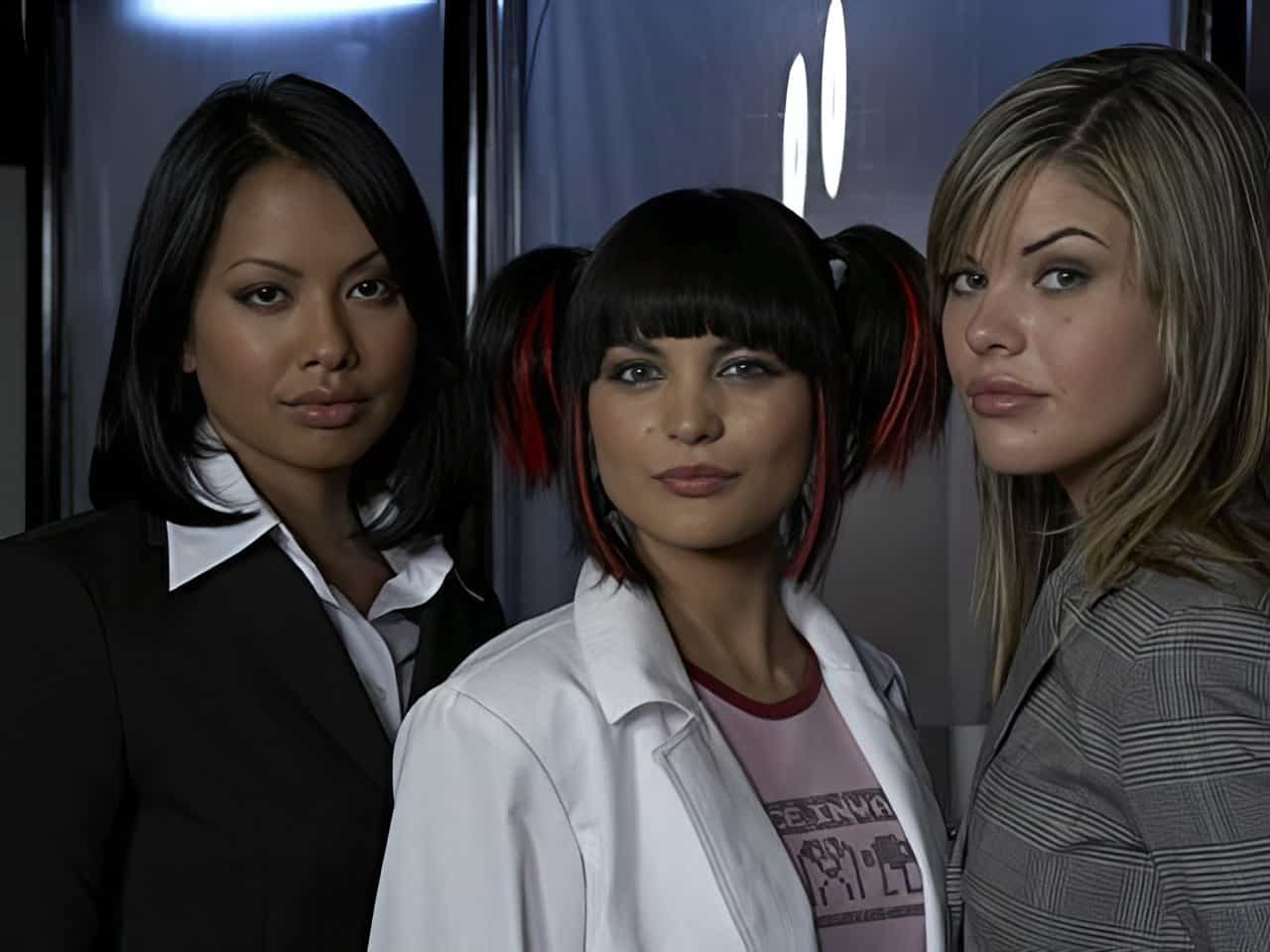
The show “Forbidden Science” takes us on a wild, 13-episode ride where science breaks all the rules. It introduces us to a memorable cast of characters who dare to explore what lies beyond our current understanding. I found that they represent archetypes we often see in these kinds of stories.
- Vanessa Broze plays a key scientist at 4Ever Innovations. Her character dives headfirst into the mysteries of human cloning and advanced tech.
- Levi Freeman brings the suspense with his expertise in industrial spying, showing how far corporations might go to steal or control forbidden knowledge.
- Joanne Alderson is another risk-taker in the series, representing the brilliant mind willing to explore ethically questionable science.
- Noelle DuBois‘s character is deeply involved in examining what makes us human, and how technology could change that definition forever.
- Austin Ball plays a character who highlights the constant tension between scientific ambition and personal morality.
- Mary LeGault portrays someone caught in this web of innovation and ethics, trying to navigate the consequences of her company’s actions.

These characters guide us through thrilling stories about cloning and espionage, forcing us to think about where we draw the line between right and wrong.
Key Discoveries and Theories in Forbidden Science
Beyond the drama, the most exciting part for me is the real science that inspires these stories. Some theories in physics are so strange they sound like they belong in the “forbidden” category, even though they are part of active research.
Take the idea of a fourth dimension. This isn’t just sci-fi; theories like M-theory propose the existence of extra dimensions to explain the fundamental forces of the universe. It’s a concept that completely challenges how we see reality.
If you think you understand quantum mechanics, you don’t understand quantum mechanics. – Richard Feynman
In this shadowy realm of science, real researchers are exploring ideas that feel like pure fiction.
- Teleportation: It’s not just for Star Trek. In 2022, researchers at Delft University of Technology successfully teleported quantum information between two separate computer chips. It’s not a person, but it’s a huge step.
- Parallel Universes: The “Many-Worlds Interpretation” of quantum mechanics, first proposed by physicist Hugh Everett III, suggests that every quantum measurement creates branching universes. It’s a mind-bending but mathematically consistent idea.
- Faster-Than-Light Travel: While Einstein’s theories seem to forbid it, theoretical physicists still explore concepts like the “Alcubierre drive,” which proposes a way to bend spacetime to travel faster than light.
These explorations push against our basic understanding of reality, opening doors to possibilities that mainstream science is still trying to wrap its head around.
The Impact of Forbidden Science on Conventional Research

After exploring the wild ideas of forbidden science, it’s interesting to see how they can actually influence conventional research. History shows that today’s fringe theory can become tomorrow’s accepted fact.
For example, Alfred Wegener’s theory of continental drift was ridiculed by the scientific community for decades. Today, it’s the foundation of plate tectonics, a core concept in geology. This shows how important it is to keep an open mind.
This merging of mainstream and unconventional science sparks important debates. The Search for Extraterrestrial Intelligence (SETI) was once considered highly speculative. Now, projects like the Allen Telescope Array scan the skies, and the topic of extraterrestrial life is discussed seriously by leading astronomers.
When scientists from different worlds of thought collaborate, they can explore mysteries like electromagnetic energy or atomic fusion with a broader perspective. They challenge each other to think differently, which can lead to breakthroughs that were once considered impossible.
Public Perception and Critic Reviews of Forbidden Science
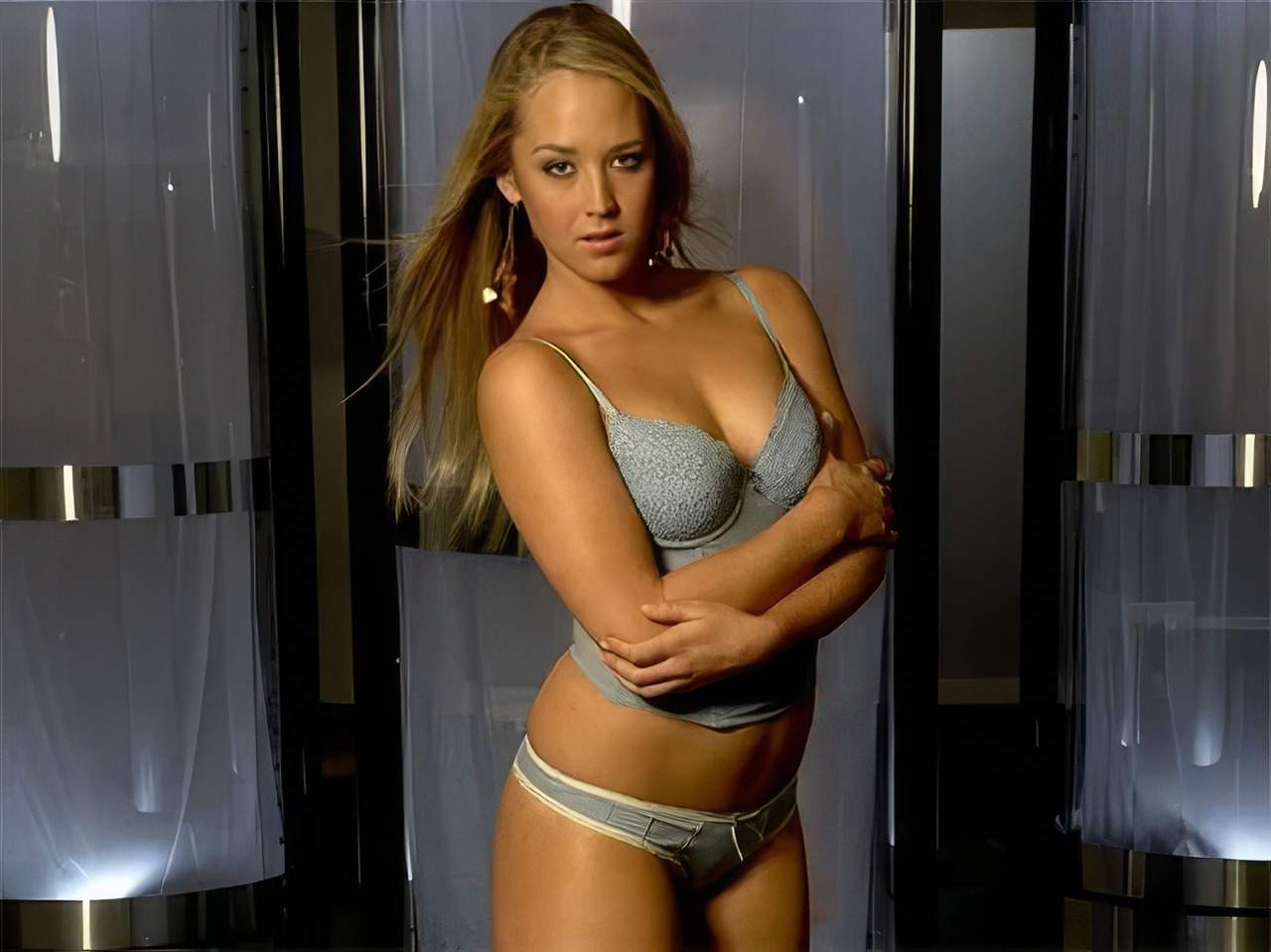
So, what did people think of the show “Forbidden Science” itself? The reactions were definitely mixed. Its IMDb rating sits at a 6.0 out of 10, which perfectly captures the divided opinion. Some viewers, like me, loved its bold mix of film noir and steamy thriller vibes. We were hooked on the stories of human cloning and high-tech intrigue.
Others just didn’t get it. For some, the blend of serious science fiction with adult themes felt a bit out of place or even campy. Many user reviews on forums describe it as a “guilty pleasure,” enjoying the high-concept ideas but acknowledging the low-budget, late-night cable aesthetic.
Critics were also split. A few praised it for daring to explore the taboo scientific quests and moral questions that most shows wouldn’t touch. They appreciated its ambition, packing complex ideas into short, 23-minute episodes.
However, others criticized it for not diving deep enough into these complex issues, arguing it sometimes favored shock value over substance. The show originally aired on Cinemax for a brief run from January to March 2009, but it clearly left an impression that still sparks debate among fans of unconventional sci-fi.
Future Implications and Predictions in the Field of Forbidden Science
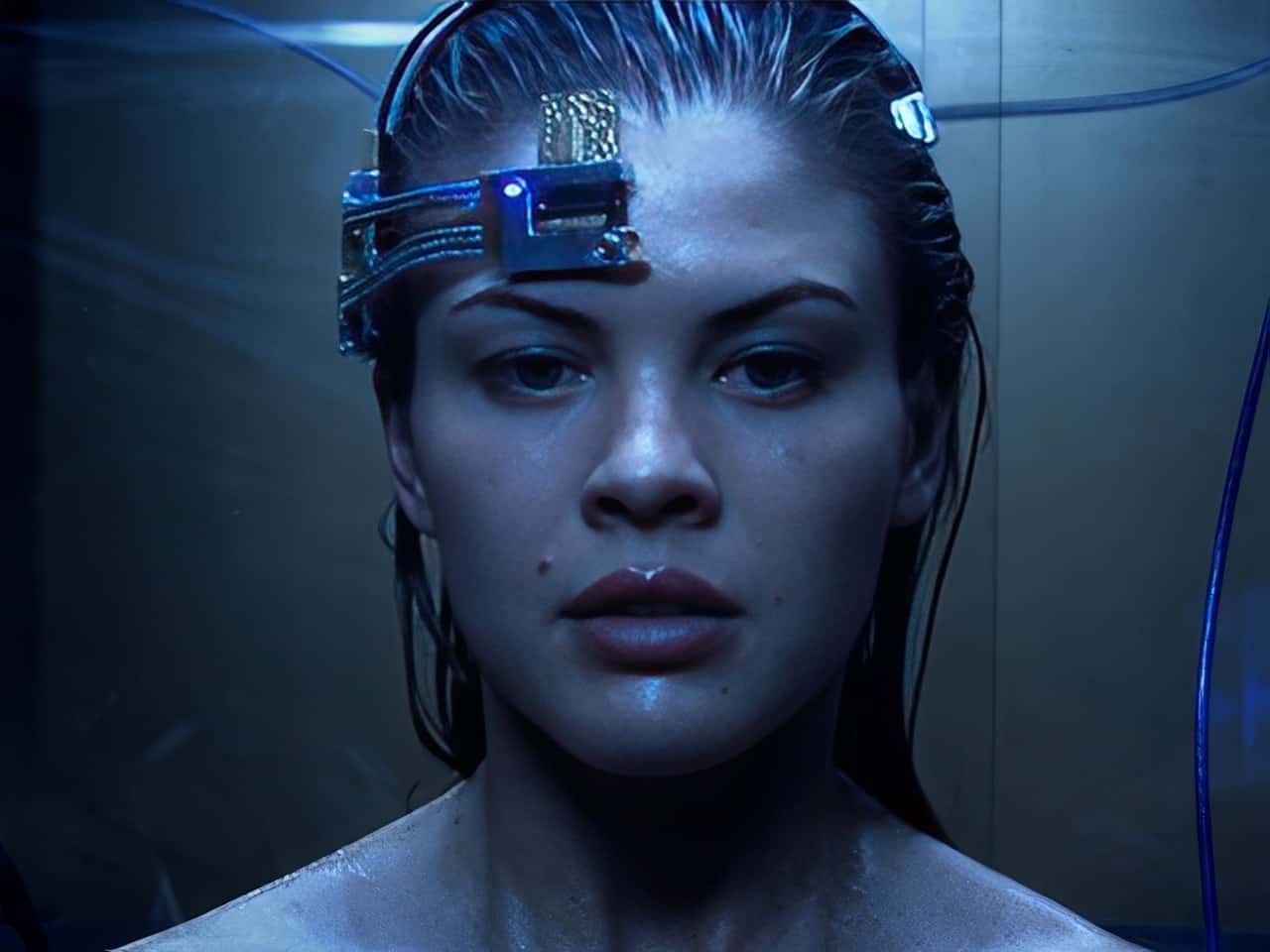
Exploring forbidden science isn’t just a fun thought experiment, it’s a glimpse into our potential future. Imagine a world where cloning brings back loved ones or memory transplants are as common as getting a tattoo.
This isn’t just fantasy talk. Companies like Elon Musk’s Neuralink are actively developing brain-computer interfaces, which are the first step toward the kind of memory swapping seen in the show. The goal is to merge human consciousness with AI.
And what about advanced VR technology? The concept of the metaverse, which companies like Meta are pouring billions of dollars into, could one day blur the lines between what’s real and what’s digital until we can’t tell them apart.
As we get closer to these realities, huge ethical questions come up. What does it mean to be human if we can edit our genes or download skills into our brains?
Forbidden Science, both the concept and the show, doesn’t just push boundaries. It completely redraws them, inviting us into a future that was pure science fiction yesterday but could easily become our reality tomorrow.
People Also Ask
What’s the big deal with forbidden science?
Forbidden science is like the hidden menu of the science world. It dives into stuff some folks think we shouldn’t mess with, from UFOs to homeopathy and even wild ideas about time travel. Imagine cooking up a storm in a lab where the recipes are secret!
Can you really study UFOs scientifically?
You bet! Studying UFOs isn’t just for sci-fi fans. Scientists like Dr. J. Allen Hynek have turned their telescopes and notepads towards the stars, trying to crack the code on these unidentified aerial phenomena. It’s like being a cosmic detective.
What’s so taboo about exploring light speed or nuclear fusion?
Well, when you talk about breaking past the speed limit set by light or smashing atoms together for power, it makes people nervous! It’s like saying you want to race cheetahs on foot or bake cookies that never cool down – exciting but a bit out there.
Why do some scientists look at things like homeopathy or remote viewing?
Curiosity didn’t just bother the cat; it got scientists wondering too! Even if something seems as odd as wearing socks with sandals, there’s always a question worth asking: u0022What if?u0022 That’s why they peek into every nook and cranny of knowledge.
Is there any place off-limits for this kind of research?
Places like Mauna Kea and Mauna Loa aren’t just beautiful spots in Hawaii; they’re also hotbeds for stargazing and pondering over questions about our universe that might seem off-limits elsewhere – sort of like having VIP access to nature’s secrets.
How does all this u0022forbiddenu0022 exploration help us?
Diving into these mysteries can sometimes feel like trying to read underwater without goggles – blurry and confusing! But every once in a while, we find clues that help us understand everything from how galaxies form to what makes up an atom’s nucleus better than ever before.