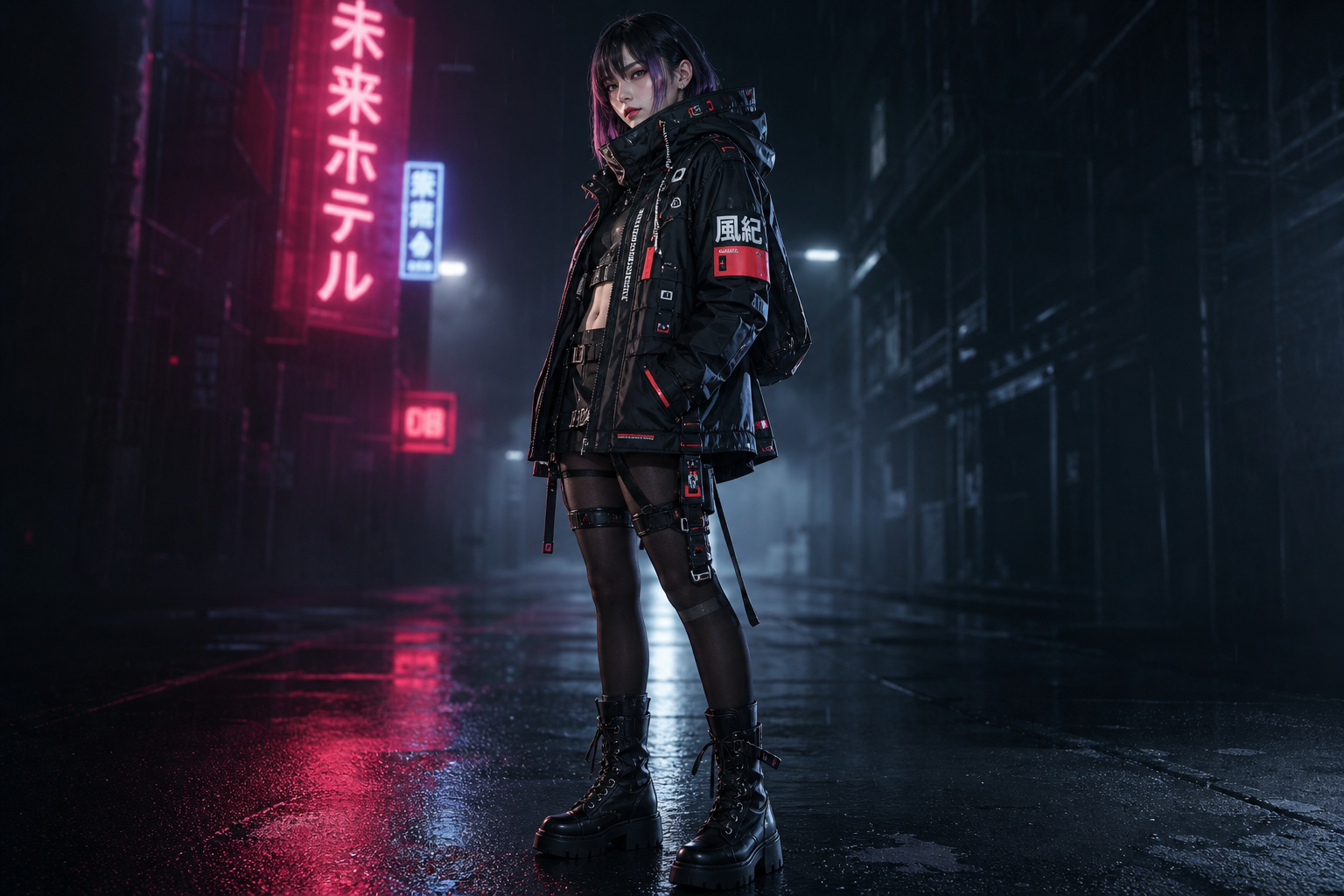
Okay, so let’s start with the classic developer problem: scope creep. Achieving an authentic dystopian look often feels gatekept by 1,000+ hours of fabrication and specialized materials like high-density foam or 3D-printed resins. It’s easy to look at a fully wired rig layered over a sleek latex dress and assume you need a professional electronics lab to get started.
But there’s an entire spectrum to this hobby. It ranges from high-fidelity crafting—where makers chase 1:1 hardware accuracy—down to the brilliant, adaptive world of closet cosplay that perfectly captures the grime of a street kid or the high-roller glamour expected at a Cyberpunk casino. So, instead of a standard fashion roundup, we’re building a hardware spec breakdown for cyberpunk cosplay.
Identify your technical load and figure out where you fall on the time-vs-budget axis before you commit. We’ll blend professional styling advice—perfect for anyone learning what a Cyberpunk corpo is—sourced from a comprehensive 4-minute read in Creative Cosplays Magazine with gritty, real-world survival hacks we found in a clever 6-upvote thread over on r/LowSodiumCyberpunk. A budget under $100 builds a recognizable, entry-level sci-fi kit.
Key Takeaways
Classifying character builds by “Ease of Entry” lets you bypass overwhelming technical load; an intricate SHODAN rig requires complex fiber optics, while a Motoko Kusanagi loadout relies entirely on accessible tactical apparel.
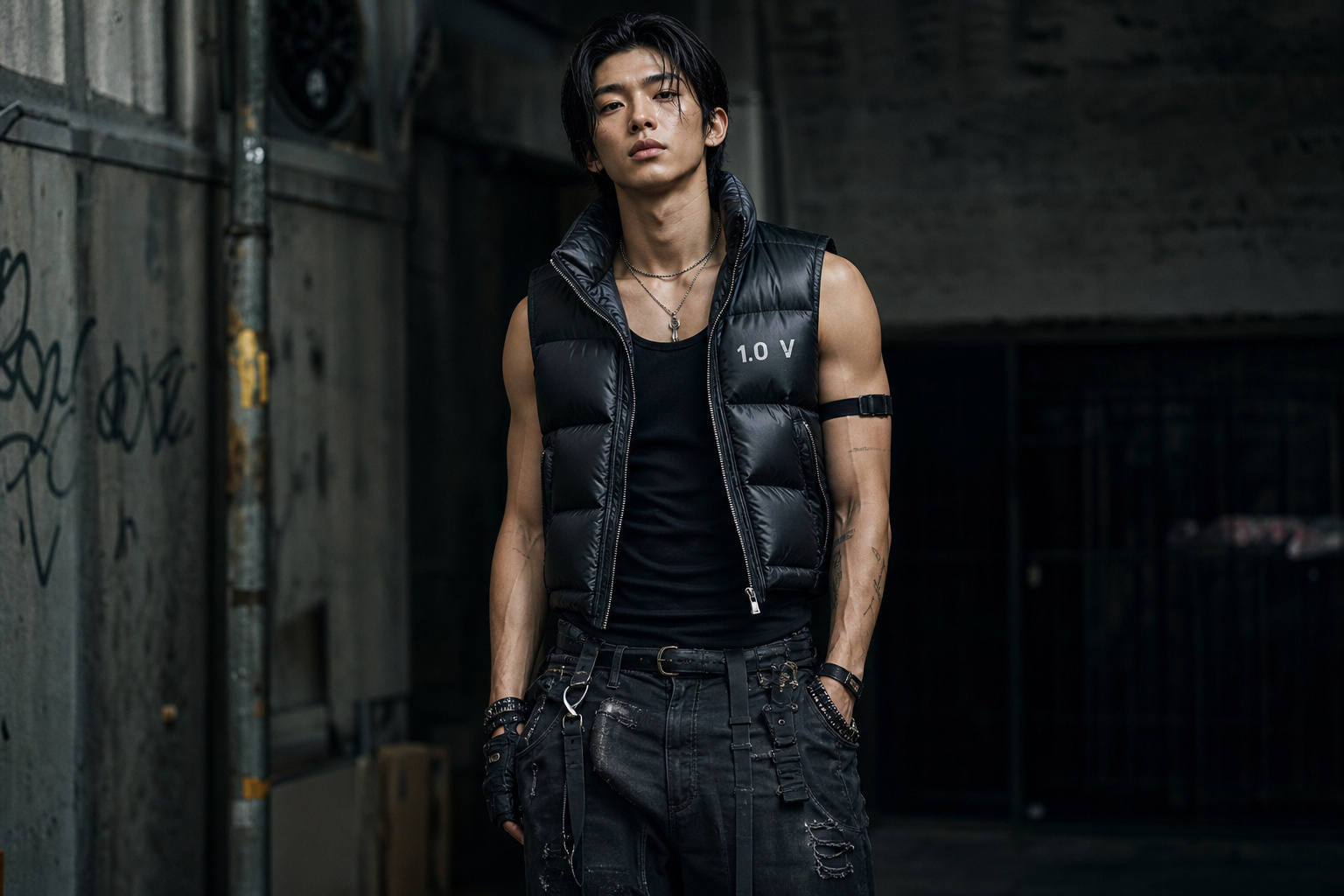
High-stakes cosplay project failures can be salvaged by pivoting to a modular base, such as stripping a look down to the Cyberpunk 2077 1.0 V setup using just a puffy vest, tank top, and combat boots.
Visual anchors matter more than perfect materials; low-budget household material hacks, like using aluminum foil for a Lizzy Wizzy costume or modifying a clown nose for Ozob, trigger immediate character recognition.
Table of Contents
Cyberpunk cosplay: From closet staples to cinematic DIY props
For those starting out, remember that the most effective looks often rely on modular layers. You can achieve a professional aesthetic by combining standard thrift-store tech-wear foundations with simple DIY modifications. Prioritize identifying your character’s primary visual anchor early on, as this allows you to allocate your budget effectively between high-cost prosthetics and accessible fabric alternatives. When building props, lean into lightweight materials like EVA foam or repurposed household plastic to maintain mobility, so your kit stays comfortable for long days at busy events.
Notable Genre Figures
Pick a character based on their “Ease of Entry.” Determine whether you’ll need heavy electrical FX or just items like a latex dress and standard gear you can easily source. When selecting a character, assess the amount of specialized fabrication required, as iconic looks like those of Johnny Silverhand and Motoko Kusanagi demonstrate that strong silhouette work often carries a design better than complex mechanical parts alone.
Johnny Silverhand
This iconic rockerboy from Cyberpunk 2077 anchors his highly recognizable, edgy style almost entirely on his left arm. You can replicate this core asset signature by treating it as a hardware swap: either meticulously painting a prosthesis or using a foil-wrapped arm for a scrappy, localized hack.
Alita
Pulling off the Battle Angel—whether leaning into the manga or the film version—requires simulating advanced cyborg features. To embody her specific cyberpunk aesthetic, you’ll need to combine metal prosthetics with sleek, black latex fabrics for a high-tech finish.
Lucy
If you’re looking into Cyberpunk cosplay Lucy builds, the execution is surprisingly streamlined. Her wildly popular and stylish look from Edgerunners relies heavily on a highly recognizable bodysuit and jacket combination, stripping away the need for heavy external armor.
Ana (Shrike Skin)
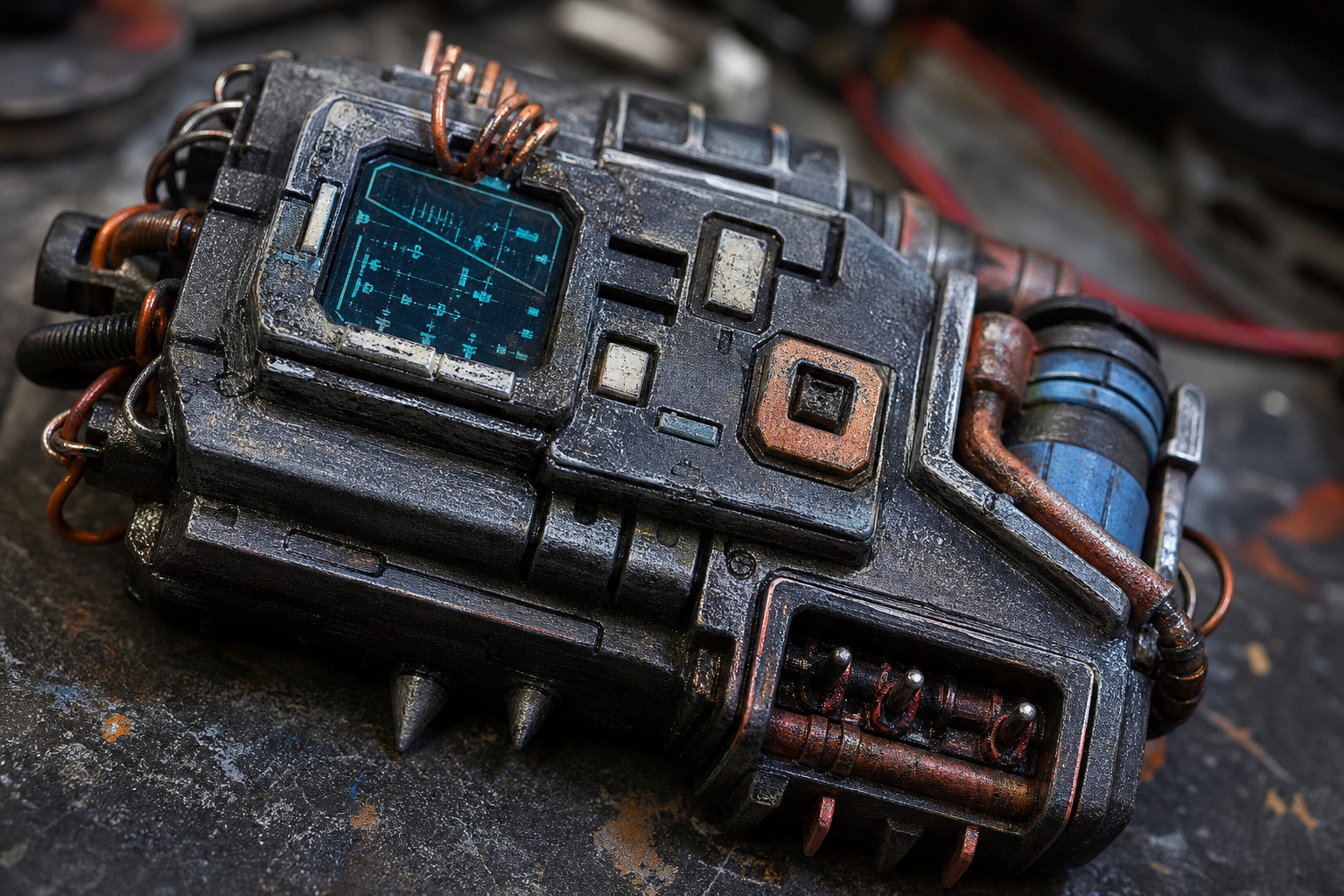
For makers wanting to level up their fabrication skills, Ana’s Shrike Skin from Overwatch is a fun crafting and FX project. Hitting the visual requirements means fabricating a precise tactical mask and wiring up active LEDs to bring the sniper’s visor to life.
Motoko Kusanagi
Major Motoko Kusanagi from Ghost in the Shell is the blueprint for the sleek tactical infiltration look. Because there are so many media iterations of her character, you have four distinct media iterations, allowing for flexible configuration with standard tactical gear.
SHODAN
This rogue AI from System Shock is the ultimate boss fight for makers. Tackling SHODAN is a challenge because it demands flawless LED integration alongside FX challenges. You’ll spend most of your time routing lights and fiber optics through complex green circuitry.
Adam Jensen
Deus Ex’s Adam Jensen provides a masterclass in tactical, high-tech stealth design. His asset signatures are dominated by sleek black clothing integrated directly with angular, mechanical augmentations, resulting in a dark, structured silhouette.
Quorra
If you prefer elegant UI logic over heavy armor, Tron: Legacy’s Quorra is an amazing template. Her minimalist design removes bulky textures entirely, focusing the build on clean, glowing lines and integrated circuitry routed through form-fitting black fabric.
Closet and accessibly-designed characters
Many iconic figures in the genre are achievable through clever repurposing of existing garments rather than specialized fabrication. By focusing on fundamental silhouettes and visual shortcuts, you can capture the essence of these characters without an advanced wardrobe. Using standard streetwear lets you iterate on these looks quickly, while keeping you comfortable and nailing the details with well-placed props or accessories.
V
V is the primary candidate for closet cosplay due to character customization variety. Salvage a stalled project by adopting the “1.0 V look”—a forgiving modular base utilizing a puffy vest, tank top, and combat boots. It perfectly hits the utilitarian rebel vibe without any advanced fabrication.
David Martinez
A Cyberpunk cosplay David setup can bypass accuracy fatigue by relying heavily on one vital piece: his signature yellow coat. Because the jacket does all the heavy lifting for character recognition, it’s also easy to execute as a gender-flipped variant.
Brendan
If your budget is zero, hit the convention floor with this low-budget comedic option. Just paint a cardboard box to look like the sentient vending machine. It gets laughs, costs nothing, and is surprisingly recognizable.
Lizzy Wizzy
Metallic-finish PVC suits often cost over $300 and limit breathability during 8-hour convention shifts. Instead of dropping major cash, you can creatively deploy standard household material hacks—like using aluminum foil—for a striking, metallic silver finish that tricks the eye.
Ozob
You can nail Ozob’s primary asset signature simply by taking a standard red clown nose and modifying it to mimic his volatile grenade facial cyberware. This 2-inch modified clown nose component provides instant character recognition.
Garry the Prophet
For a humorous, last-minute desperation option, bypass textiles entirely. Wear a garbage bag and rant about techno-necromancers from Alpha Centauri.
Judy Alvarez
Skip the tactical gear and rely on ink. Judy’s aesthetic works beautifully as a low-cost closet build because her recognition relies almost entirely on specific fake tattoos and hair dye.
River Ward
If you want to pull heavily from your everyday wardrobe, River offers low difficulty of assembly. His standard detective-style streetwear is grounded and entirely accessible without ordering custom parts.
Claire Russell
Claire is slightly less immediately recognizable out of context, but her bartender/mechanic look is effortlessly easy to assemble from a casual, everyday wardrobe.
Sandra Dorsett
If you want to emulate a minimalist character, target Sandra Dorsett from the game’s opening mission. It requires zero clothing, though you’ll need the confidence to pull off the tub-rescue aesthetic.
Victor Vektor
Vic’s look only requires a button-down shirt, a dark jacket, and some custom retro glasses to pass as the friendly Ripperdoc.
The Peralezs
Another great community-sourced option for couples. Emulating the Peralezs just requires sharp, high-end corporate formalwear, proving that elite dystopian politicians bypass the street-grime look entirely.
The Monk
This community pick relies on simple draping. A monastic robe modified with two 5mm LED strips provide a distinct aesthetic angle on the genre’s world-building.
Samurai (Band member)
Want the ultimate low-effort, high-authenticity hack? Go as an unnamed Samurai band member or mega-fan. Grab a band tee, a distressed leather jacket, and pin some custom buttons to the lapel.
Adam Smasher
While usually a complex armor build, the community-sourced joke implies you could cobble together a boxy Smasher frame consisting of 10 measured cardboard panels if you’re leaning directly into the meme.
Original DIY Character
Bypass franchise accuracy fatigue entirely. Build your own design using current cyberpunk fashion trends. You bypass the pressure of 1:1 replication by creating your own street kid mercenary using whatever assets you have on hand.
Cyberpunk styling and construction guide
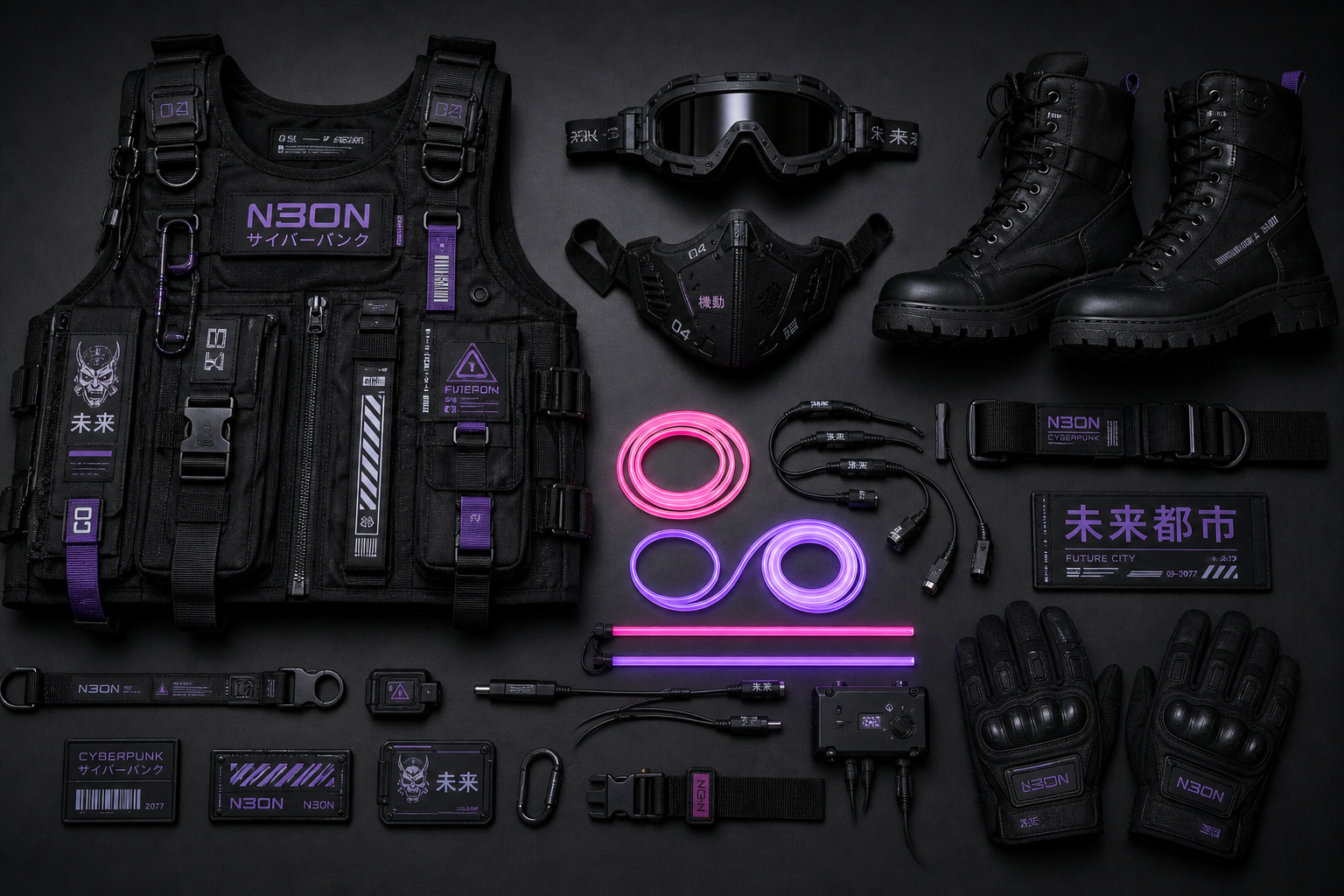
Cyberpunk fashion relies on dark tonal bases accented by neon highlights and asymmetric shapes. Think of it less as sewing and more as tactical layering. Always plan for proper equipment ventilation, especially when working with synthetic resins or sealed fabrics, to make sure you stay comfortable. Focus on consistent weathering techniques, such as adding intentional scuffs or dust, to ground your costume in the harsh reality of the genre.
Key fashion elements and materials
You want to blend faux tech-fabrics with heavy PVC aesthetics. The baseline elements are leather, reflective synthetics, and tactical silhouettes. If you layer asymmetrical tactical gear and functional jackets over a dark base, and cap it off with combat boots, you’ve already built the chassis. Accessories serve as the primary genre signifiers—slapping basic LEDs or a pair of modified goggles onto a standard jacket immediately pushes the look across the boundary into dystopian tech-wear.
Makeup for cyberware markings
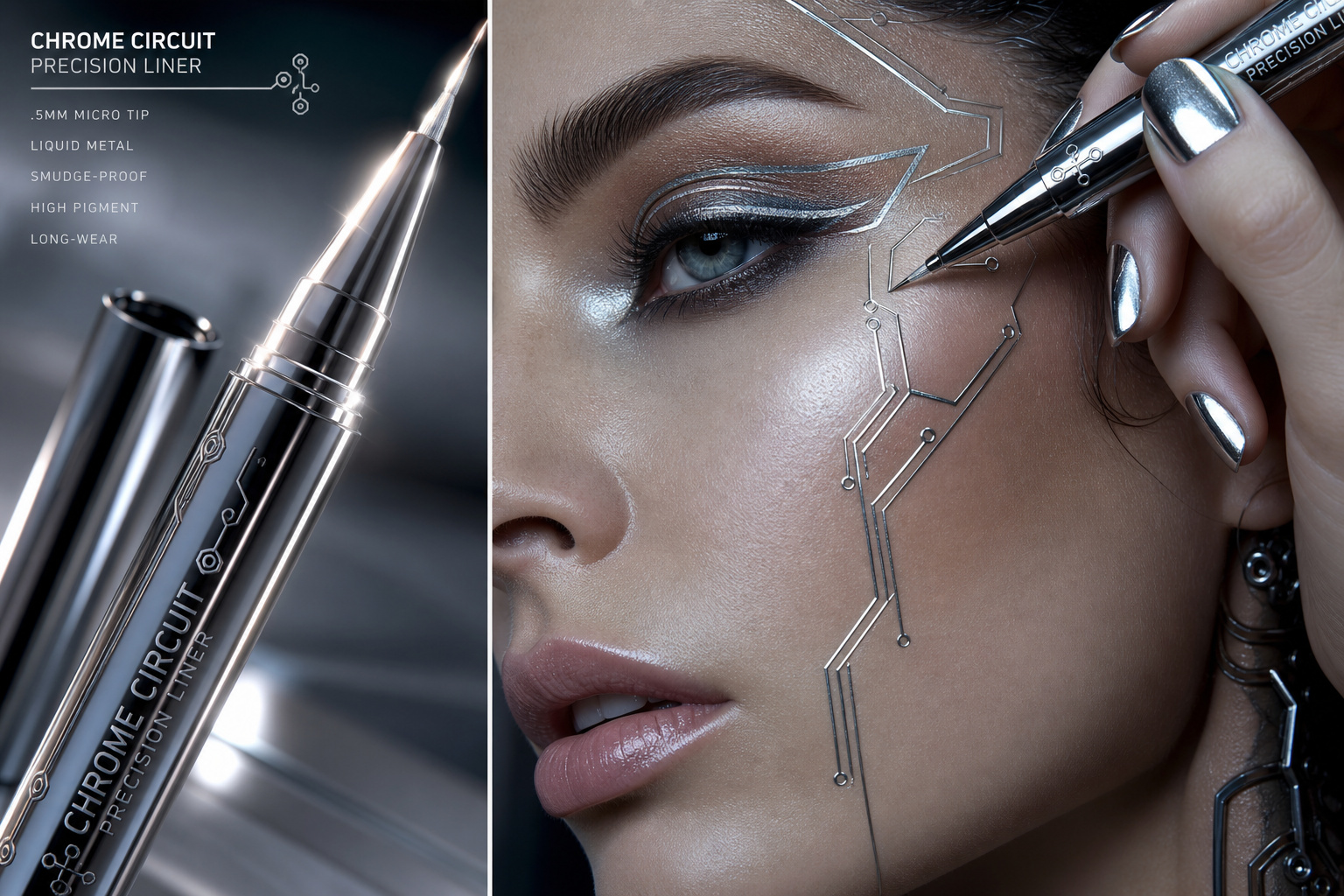
You don’t need to purchase or cast expensive, rigid silicone hardware to look augmented. Instead of gluing heavy pieces to your face, use cyberware markings as makeup prosthetics. Drawing chrome faceplate lines and cyber-implants directly onto the skin with metallic eyeliner is an effective, easy alternative to prosthetic hardware. It looks authentic to the universe and won’t detach when you sweat.
Frequently Asked Questions
How can I achieve a convincing cyberpunk look on a very tight budget?
Focus on identified visual anchors rather than expensive full-body fabrication. You can use household materials like aluminum foil for metallic finishes or modify a standard red clown nose to replicate specific character cyberware for immediate recognition.
What is the best way to simulate cyberware on the face without using heavy prosthetics?
Avoid the hassle of gluing on rigid silicone pieces, which often detach when you sweat at long events. Instead, use metallic eyeliner to draw chrome faceplate lines and cyber-implant patterns directly onto your skin for a look that is both authentic and comfortable.
How do I choose between a closet cosplay and a high-fidelity fabrication build?
Evaluate your build based on the time-vs-budget axis. Closet cosplays rely on existing everyday clothing and simple modifications to capture a specific silhouette, while high-fidelity builds demand specialized skills like LED wiring, fiber optics, and complex resin casting.
Can I save a costume that has become too complicated to finish?
Yes, pivot to a modular base by stripping the design down to its most essential elements. For example, you can shift to a basic V-style look using just a puffy vest, a simple tank top, and combat boots to maintain the character’s aesthetic without needing further advanced fabrication.
What are the most important elements for creating a believable cyberpunk silhouette?
Prioritize tactical layering with a dark tonal base, accented by asymmetric shapes and reflective synthetic fabrics. Accessories are the primary genre signifiers, so adding simple LEDs or modified goggles to a standard jacket will instantly ground your costume in dystopian tech-wear.
Why is ‘visual anchor’ identification important for cyberpunk cosplay?
A visual anchor is the specific hero prop, accessory, or feature that makes a character instantly recognizable, such as Johnny Silverhand’s arm or David Martinez’s yellow jacket. Identifying this early allows you to allocate your budget effectively so you don’t waste funds on unnecessary details that don’t contribute to character recognition.
Is it worth trying to make a full-armor suit for a first-time cyberpunk build?
Full armor is often physically restrictive and expensive, which can lead to rapid fatigue during long convention days. It is often smarter to start with a modular approach, using lightweight materials like EVA foam or repurposed plastic, to ensure you can stay mobile and comfortable.