
The video game market is a $282.30 billion behemoth. That’s not a typo. With that kind of money sloshing around, you’d think every publisher would just throw cash at flashy trailers and call it a day. But the campaigns that actually stick with us—the ones we still talk about years later—do something different.
They don’t feel like ads. They feel like an extension of the game world itself.
Over the years, a few patterns have emerged that separate the legendary campaigns from the forgettable ones. After digging through a mountain of data—costs, sales, view counts, player numbers, and a few wild stunts—three principles keep surfacing: emotional specificity, audience trust, and creative coherence. The best promotions nail all three. The rest? They’re just noise.
Let’s walk through the campaigns that rewrote the playbook, grouped by the strategies that made them work. Marketers, developers, and fans who love seeing the sausage get made will all find something here to steal.
Key Takeaways
Halo 3‘s “Believe” campaign cost roughly $10 million to build a 1,200-square-foot diorama with scanned actor faces and an interactive online tour—and it drove $170 million in day-one US sales.
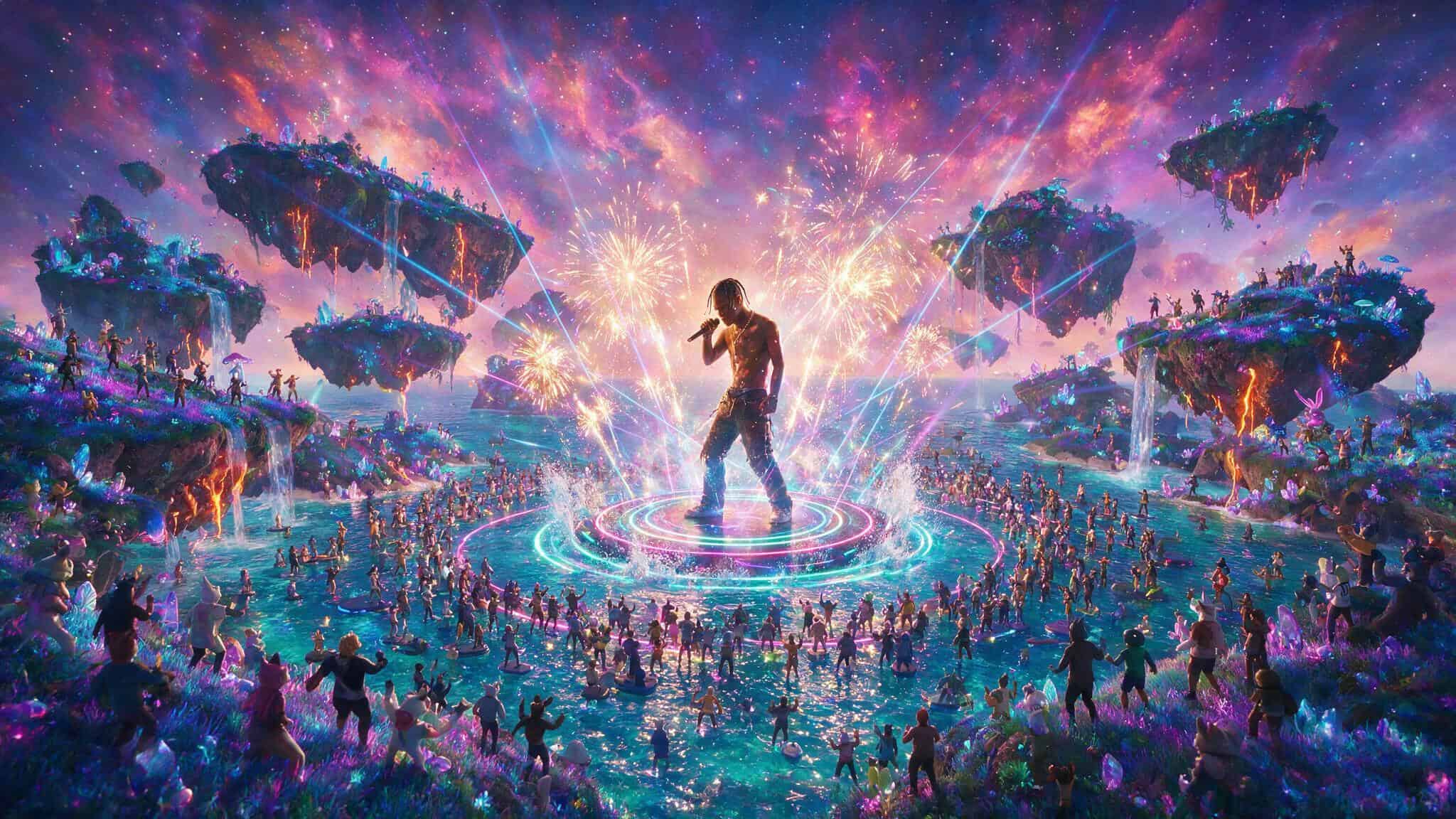
Fortnite‘s Travis Scott “Astronomical” virtual concert drew over 12 million concurrent live players in 2020, proving that in-game events can function as cultural moments, not just marketing stunts.
Apex Legends launched on February 4, 2019, with zero traditional advertising—only paid influencer partnerships with Ninja and Shroud—and still hit 25 million players at launch with 63.7+ million hours watched on Twitch.
Table of Contents
The Emotional Storytellers
These campaigns broke genre clichés and used tone to hook players before they ever touched a controller. They understood that the right feeling is more powerful than the right explosion.
Halo 3: Believe
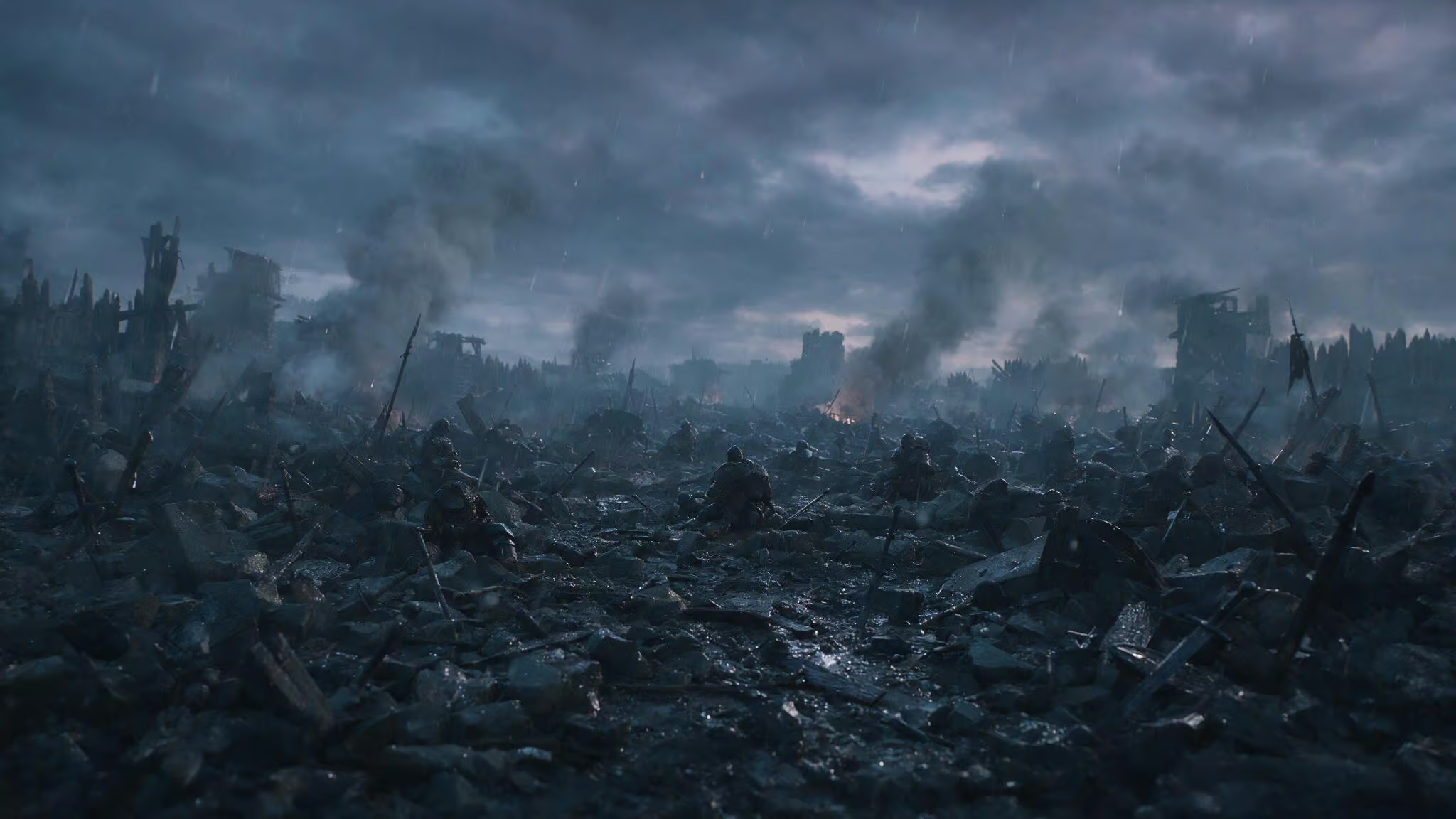
Let’s start with the gold standard. Microsoft and Bungie didn’t just release a trailer for Halo 3—they built a 1,200-square-foot physical diorama depicting a pivotal battle from the game’s lore. Handcrafted figures, scanned real actor faces, the whole nine yards. Then they turned it into an interactive online tour with voice clips from “UNSC veterans,” letting fans explore the scene from home like they were walking through a museum exhibit.
This wasn’t a CGI render pretending to be real. It was a physical model that looked like a movie set, and the sheer scale is still wild to think about. The campaign cost around $10 million—a massive bet, sure, but it paid off: $170 million in day-one US sales. That’s the kind of ROI that makes you realize the campaign wasn’t just art; it was a financial juggernaut.
Gears of War: Mad World
When Gears of War hit in 2006, it was a hyper-violent, chainsaw-gun shooter. So what did the marketing team do? They released a trailer set to a slow, haunting cover of “Mad World” with nothing but piano notes and introspective slow motion. No explosions.
No macho one-liners. Just soldiers looking tired and broken.
It was a genre-defying choice, and it went viral in an era when “viral” meant spreading through forums and word-of-mouth rather than algorithms. The trailer showed the human cost of war instead of the action-movie version, and it set a new bar for emotional tone in shooter trailers. It’s the kind of thing you show someone who says game marketing is just flashy explosions.
The Sims (2000)
The original Sims TV commercial launched in 2000, back when “life simulation” was a completely alien concept to most people. So they used real actors acting like Sims—speaking Simlish, doing the predictable routines, the absurd humor. It made the game’s concept clickable. You didn’t need a tutorial; you just watched the ad and got it. That’s the power of conceptual clarity.
Hogwarts Legacy
Released in 2023, Hogwarts Legacy was a masterclass in nostalgia-plus-freshness. Set in the 1800s, before Harry Potter’s time, the cinematic trailers showcased an open-world Hogwarts that fans had dreamed of for decades. But they didn’t just rehash the same story—they gave players something new to explore. The marketing focused on gameplay and world-building, letting the game speak for itself. It worked because it respected the brand and the player’s intelligence.
The Participatory Experiences
These campaigns turned fans into active participants. They weren’t watching an ad; they were living inside the marketing.
Fortnite x Travis Scott: Astronomical
In 2020, Fortnite hosted a virtual concert with Travis Scott that redefined what in-game marketing could look like. Over 12 million live players experienced the same thing at the same time—shifting landscapes, underwater sequences, outer space, each song with its own mini-world. It wasn’t just a crossover; it was a cultural event inside the game. This wasn’t an ad; it was a thing people did together.
Halo 2: I Love Bees
Long before Fortnite, Bungie launched the “I Love Bees” alternate reality game in 2004. An enigmatic site resembling a compromised beekeeping blog directed fans to real-world scavenger hunts: GPS coordinates, answering payphones at specific times, decoding audio logs. It was so obscure that only the most dedicated fans would find it, but the payoff—revealing Halo 2‘s story—was large. The community became the marketing department.
BioShock 2: Something in the Sea
In 2009, 2K launched “Something in the Sea,” an ARG with an emotional core: you followed Mark Meltzer, a father searching for his missing daughter. On August 8, 2009, bottles from a Rapture vineyard washed up at ten beaches worldwide, containing posters and items from the game. It blurred the line between the digital and physical worlds in a way that still feels novel.
Hitman (2016)
After the misstep of Hitman: Absolution, developer IO Interactive needed to win back fans. So they partnered with Realm Pictures to recreate one of the game’s levels in real life—a full-scale, real-world Hitman level. They had influencers (including the Chuckle Brothers) instruct an actor playing Agent 47. The video accrued almost six million YouTube views and sparked two subsequent sequels, eventually rebranding the series into World of Assassination. The campaign literally saved the franchise.
The Influencer & Community-Driven Launches
You don’t need a multi-million-dollar TV campaign. Sometimes authentic trust and community engagement are your biggest marketing assets.
Apex Legends
On February 4, 2019, Respawn dropped Apex Legends with zero traditional advertising. No billboards, no TV spots. Instead, they bet everything on paid influencer partnerships with Ninja and Shroud, a strategy that mirrors the smart gaming budgeting of taking advantage of seasonal sales and subscription services. The result: 25 million players at launch, and it became the most-watched game by live hours on Twitch and YouTube Gaming, racking up 63.7+ million hours of live viewership.
Many paid influencers continued to create content for free because the game was so popular. That’s the dream scenario.
Stardew Valley
One developer, Eric Barone (ConcernedApe), reached more than 20 million players across platforms. How? He was an active, transparent member of the game’s Reddit community, answering questions, sharing content, and blogging about his development process. No billboards, no TV ads—just genuine connection. Unlike companies relying on a Vulkan Bet promo code to attract users, he didn’t “market” to the community; he was one of them. That’s the blueprint for zero-budget marketing, and gaming fosters meaningful social spaces as a result.
Animal Well
A game full of secrets, Animal Well had a 91 on Metacritic. Publisher BIGMODE created an exclusive pre-release Discord server where press and critics could uncover those secrets together. It turned reviewing into a shared experience, perfectly matching the game’s design. The tactic contributed directly to its critical success.
The Data-Driven & Indie Innovators
Small-budget teams can punch above their weight with cheap data tests and creative personalization.
Omega Strikers
Odyssey Interactive used Google Surveys and Google Ads to test genre names for their game. They found that “footbrawler” had 2x to 5x better click rates than other terms and was 10x more effective than “MOBA.” A made-up word that resonated with players—and it saved them a ton of ad spend by letting the data guide their messaging how to promote your website instead of guessing.
Boyfriend Dungeon
The email list for Boyfriend Dungeon didn’t get standard marketing emails. Instead, subscribers received “love letters” from in-game characters. It drove thousands more signups than expected. Character-driven marketing outperformed standard emails because the narrative hook made the copy feel personal rather than promotional.
The Stunt & Publicity Marketers
Sometimes audacity is the best strategy. These campaigns generated massive media coverage through bold, culturally relevant, or absurd stunts.
PlayStation 4’s 21-Second Video
At E3 2013, Sony created a 21-second video showing one simple step: passing a game disc from one person to another. That’s it. It was a direct response to Xbox One’s restrictive policies, and it featured then-Sony president Shuhei Yoshida. The video generated over 18 million views and cemented the PS4 as the console “for the players,” proving that using demos as marketing tools can boost sales and get gamers excited about upcoming titles. The simplest message won an entire console generation.
Clash of Clans’ Super Bowl Ad
In 2015, Super Bowl XLIX, Clash of Clans aired “Revenge,” starring Liam Neeson parodying his Taken persona. He sought revenge on an in-game rival. It became one of the most-viewed Super Bowl commercials on YouTube that year, and it highlighted the rising influence of mobile games in popular culture.
Angry Birds x McDonald’s
In 2016, Angry Birds teamed up with McDonald’s for a Happy Meal ad where the box acted as the sling to launch Angry Birds characters. Carrots were the “weapons.” It blended the game’s mechanics with the physical product—a tactile, memorable experience for kids.
Diablo IV: Lilith & Co
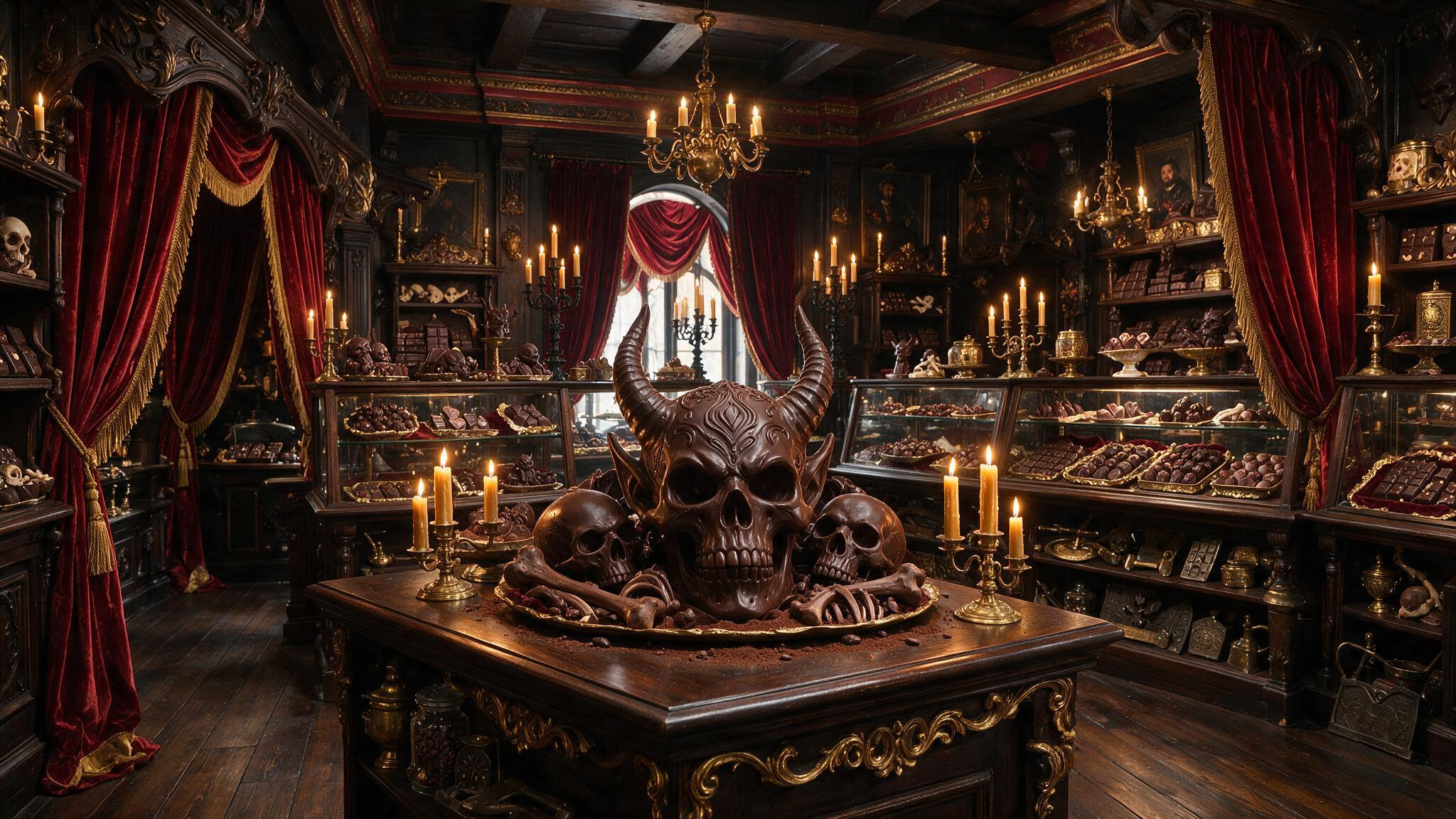
Blizzard opened an over-18s-only “goremet” pop-up chocolate shop in Soho, London, called Lilith & Co. They sold demon-themed chocolate creations—skulls, bones, a Loot Goblin corpse—with prices starting at £6.66. All proceeds went to the SpecialEffect charity, so you could buy demon chocolate and feel good about it. It caught press attention from PCGames, TechRadar, NME. A marketing event hidden as a chocolate shop.
Saints Row IV’s $1 Million Edition
Deep Silver released the “Super Dangerous Wad Wad Edition” of Saints Row IV for $1 million, sold only at UK retailer GAME. It included a full-sized replica Dubstep Gun, spy training, a trip to space with Virgin Galactic, a Lamborghini Gallardo, plastic surgery, a shopping spree, a hostage rescue experience, and a Toyota Prius. It was a joke—a parody of over-the-top game bundles—but it earned coverage from The Verge, GameRant, Rock Paper Shotgun. The absurdity itself was the marketing.
The Hype Machines & The Mystery Box
These campaigns built years of anticipation by showing very little and letting the community fill the void with speculation.
GTA VI
Rockstar’s hype machine is a masterclass in controlled information. Teasers and small clips, countdowns, hidden clues in GTA Online and real-world locations—it’s an ARG without calling it one. Cinematic trailers reveal just enough to show the vibe without giving away the plot. The silence itself is a marketing asset when you’ve earned that trust over decades.
Elden Ring
At E3 2019, FromSoftware revealed a single cinematic trailer with cryptic visuals and the collaboration with George R.R. Martin. No gameplay. Then they went silent for two years. The community—YouTubers, lore theorists, streamers—dissected every frame and did the marketing for FromSoftware. A single trailer turned into years of excitement.
P.T.
At Sony’s Gamescom 2014, a mysterious trailer appeared. It turned out to be “P.T.”—a free interactive teaser on the PlayStation Store where players explored a creepy repeating hallway haunted by a ghost. Hidden sequences revealed it was a teaser for a new Silent Hill game. Then Konami and Hideo Kojima reportedly fell out, and Silent Hills was canceled. P.T. was pulled from the store, and PS4s with P.T. installed resold for up to $1,800. Mystery plus scarcity plus tragedy equals legend.
The Hype, The Fall, and The Redemption
Few game marketing stories capture the full arc of hype, disaster, and recovery quite like this one.
Cyberpunk 2077
Cyberpunk 2077‘s marketing was a masterpiece—cinematic trailers, gameplay demos, Keanu Reeves at E3. The hype was real. But the launch in 2020 was a disaster: bugs, performance issues, graphic downgrades on last-gen consoles. It’s a textbook cautionary tale about over-promising.
But CD Projekt Red didn’t walk away. They rolled out years of patches, a free next-gen update, and released Cyberpunk: Edgerunners, an anime that rebuilt goodwill and drove sales. The redemption arc is the valuable part of the story: marketing must align with product readiness, but good-faith effort can recover trust.
The Feature-as-Marketing
Sometimes the best marketing is no marketing at all—just a feature so compelling it sells itself.
Fortnite AI Darth Vader NPC
In 2025, Epic Games introduced an AI-powered Darth Vader NPC in Fortnite, voiced by James Earl Jones and powered by a language model. He roams the island, responds to player taunts, sometimes curses—he’s unpredictable. Epic didn’t run a traditional ad for this. The feature was the marketing.
Fans created all the buzz through clips and debates about the bugs and the tech. That’s the dream scenario: a genuinely novel feature that generates organic UGC without a single paid impression.
Cross-Industry & LiveOps
When games extend their reach beyond the screen, they tap into entirely new audiences and revenue streams.
Animal Crossing: New Horizons
Released in March 2020, Animal Crossing: New Horizons sold 11.77 million copies in 12 days. It became the perfect pandemic game, and luxury brand integrations with Gucci, Valentino, Marc Jacobs, and Cath Kidston felt natural because the game is about customization and lifestyle. The sales numbers (lifetime over 43 million) prove that cross-industry collaborations work when they align with the game’s core identity.
Sims 4: Lovestruck
For the Lovestruck expansion in 2024, EA put Bella Goth on Tinder. In her signature red dress with a flirty description. Swiping right opened a chat with her starting with “sul sul” in Simlish. It’s a small, delightful detail that makes the campaign feel personal.
The Tinder profile linked directly to the expansion landing page. Smart platform alignment.
Seasonal Events
More than 90% of the top-grossing 100 iOS mobile games use seasonal events—Christmas, Halloween, Pride Month, Lunar New Year. It’s not a trend; it’s a baseline expectation. Brand crossovers boost DAU by over 11%. But the real edge comes from creative coherence: a Marvel Contest of Champions Valentine’s quest called “Till Deathless Do Us Part” fits the game’s lore. A generic holiday reskin does not.
Practical Framework: Choosing Your Campaign Type
So you want to market your game. Where do you even start? Based on the data, here’s a rough decision tree:
- Budget: Indie (thousands to $50,000) ? Community-driven (Stardew Valley), Data-driven (Omega Strikers). AAA (tens of millions) ? Cinematic (Halo 3), Stunt (Saints Row IV).
- Genre: Narrative single-player ? Mystery (Elden Ring). Multiplayer/Live Service ? In-game events (Fortnite), Influencers (Apex).
- Risk tolerance: High risk ? Hype machine (Cyberpunk). Low risk ? Surprise launch (Apex).
None of these are rigid formulas. The best campaigns adapt the strategy to the game’s strengths and the team’s resources.
Bottom line: Choose your campaign type by matching your budget, genre, and risk tolerance—the best promotions adapt the strategy to the game’s own strengths, not the other way around.
What We Learned and What’s Next
The thesis holds: the best marketing doesn’t feel like marketing. It feels like an invitation to play. Whether it’s a $10 million diorama, a free demo that became a collector’s item, or a one-developer indie on Reddit, the common thread is emotional specificity, audience trust, and creative coherence.
Now we’re seeing new frontiers: AI-driven NPCs that generate their own buzz (Fortnite‘s Darth Vader), data-driven indie marketing that punches above its weight (Omega Strikers), and cross-media discovery where players find games through TV shows (The Last of Us HBO series, Arcane, Cyberpunk: Edgerunners). The playbook is always evolving.
But the core lesson is timeless: treat your players like collaborators, not targets. The rest follows.
Frequently Asked Questions
What are good promotional ideas?
The most effective promotions don’t feel like ads—they feel like part of the game. Examples include in-game virtual concerts like Fortnite’s Travis Scott event, alternate reality games like Halo 2’s I Love Bees, or surprise launches with influencer partnerships like Apex Legends. The key is emotional specificity, audience trust, and creative coherence.
How did Halo 3’s Believe campaign drive $170 million in day-one sales?
Microsoft and Bungie built a 1,200-square-foot physical diorama depicting a battle from the game’s lore, complete with scanned actor faces and an interactive online tour. The campaign cost around $10 million but created a museum-like experience that made fans feel like they were exploring the game’s history, not watching a commercial.