
If you dig through any “best financial APIs Reddit” thread, you’ll usually find developers running headlong into the same brutal realization: the true cost of financial data is rarely the monthly subscription fee. We see it constantly here at GeekExtreme. A developer starts a weekend side project tracking their portfolio, finds a generic list of “free” data sources, and suddenly spends 40 hours standardizing messy dates and writing custom error handling just to get a single stock chart to render properly.
Evaluating the best financial APIs requires looking past surface-level marketing and understanding the hidden engineering tax of each endpoint limit, missing corporate actions, and brittle data structures. Before you even generate an API key, you have to nail down your core architecture—whether you need real-time execution data, end-of-day historical batches, or honestly, no custom code at all.
Key Takeaways
The popular Yahoo Finance library operates as an unofficial scraper rather than a supported API, meaning front-end site updates will instantly break automated data pipelines.
Leveraging the free SEC Edgar database for fundamental analysis requires immense developer labor to parse complex, unstructured XBRL filings.
TD Ameritrade’s legacy developer tier offers extensive free access but mandates strict application architecture to comply with its hard-coded 120 queries/min throttling limit.
Table of Contents
Yahoo Finance (yfinance)
The core flaw of the Yahoo Finance library is that it operates as an unofficial wrapper rather than an officially supported API, meaning yfinance is effectively a sophisticated screen scraper. Despite this architectural risk, it remains the most common gateway tool for financial data science when developers first start fetching stock prices in Python—or even when they’re prototyping broader fintech ideas, like internal dashboards or lightweight tools that let users open an online bank account.
It offers frictionless setup—you run a simple pip install, write three lines of code, and you’re immediately printing trading volume and historical close prices to your terminal. This provides instantaneous gratification for testing out pandas dataframes or running quick technical indicator math.
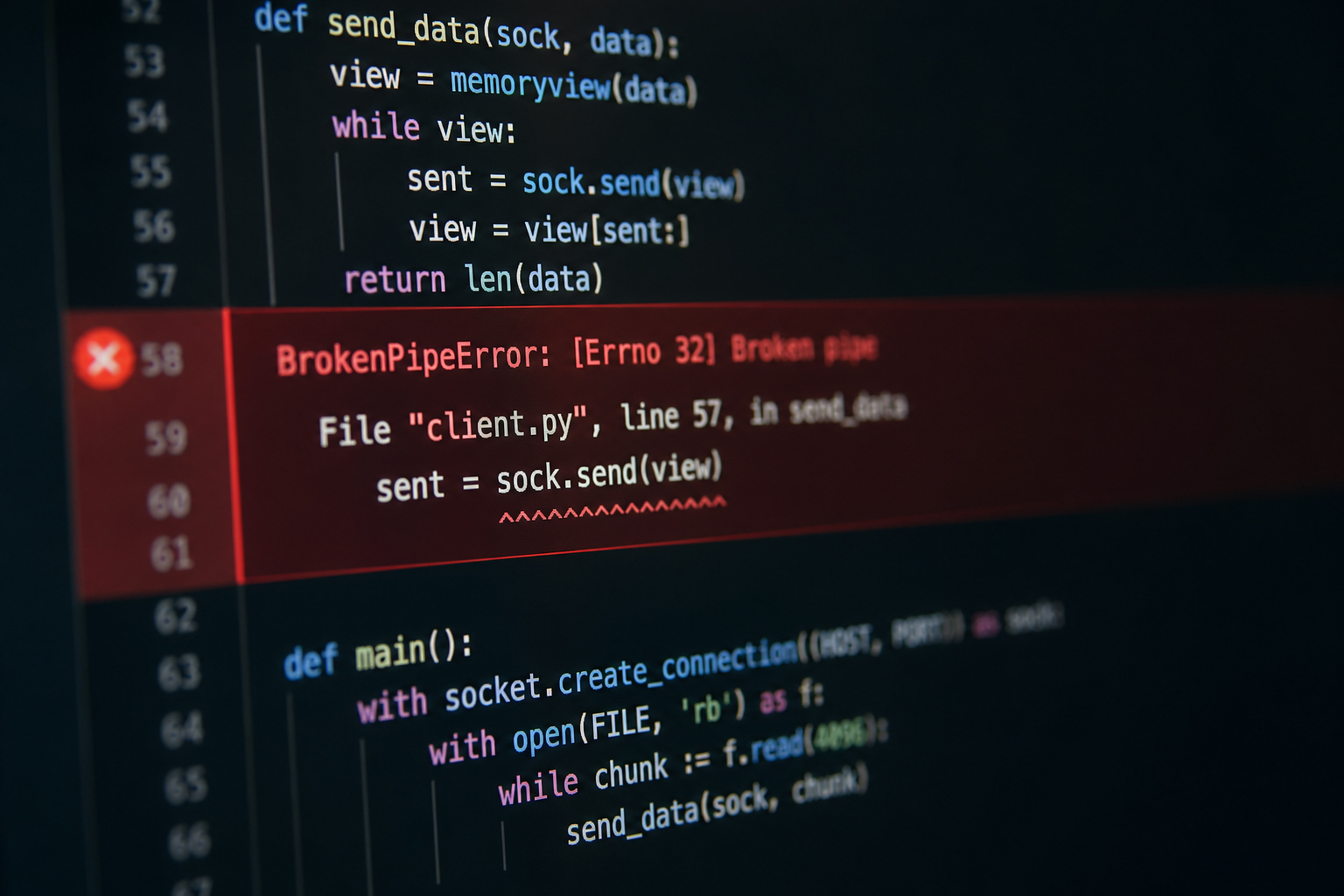
When Yahoo Finance inevitably changes its front-end web layout or alters an underlying HTML div tag, your automated Python pipeline will immediately fail without warning or a deprecation notice. You should treat unofficial library wrappers strictly as sandboxes for prototyping; avoid deploying them in any automated pipeline where uninterrupted uptime is critical.
SEC Edgar
The Free Data Illusion
If you want to pull corporate metrics, comprehensive financial statements, and foundational market data without spending a dime, the US government has you covered. The developer portal for the SEC database serves as the definitive source of truth for public company health. It’s free to query, which makes it look appealing to developers focused on fundamental research, precise company valuation, and long-term portfolio modeling. There are no monthly subscription fees, and no third-party platforms acting as middlemen to gatekeep the raw data. However, figuring out how to handle rate limits when fetching large datasets from financial web services is a crucial first step, as government servers actively throttle unpaced bulk requests.

The Cleanup Required
The illusion of a free lunch shatters the moment you attempt to actually process the government’s output. Relying on SEC Edgar introduces engineering overhead due to the XBRL parsing required to extract clean variables from verbose markup files. Normalizing these financial reports involves untangling bizarre edge cases, standardizing reporting periods, and handling shifting accounting metrics. Opt for a pre-parsed premium fundamental data service if your goal is building a fast dashboard rather than spending days writing custom parsing logic to normalize government-formatted financial reports.
While everyday investors might manage their money using basic ChatGPT prompts for personal finance, relying on SEC Edgar for institutional data introduces significant engineering overhead due to the XBRL parsing required to extract clean variables from verbose markup files. You can see a successful hybrid architecture in action on decodeinvesting.com/leaderboard, where developers extract their fundamental metrics directly from raw SEC reports, but rely entirely on separate commercial APIs for their real-time price quotes.
IEX Cloud
When a project evolves beyond basic daily summaries and requires genuine real-time streaming, the architecture must switch to dedicated, production-grade endpoints. Developers choose this platform for its granular tick data and stable intraday pricing, effectively managing the step up to a trusted institutional source like IEX Cloud which starts at $49/mo. Providers in this tier cater strictly to users prioritizing low-latency plug-and-play architecture—delivering clean, professionally maintained live US market endpoints.

Understanding what kind of data you’re actually paying for is critical here, whether you’re managing a personal portfolio or developing the technical acumen needed for competitive finance jobs without a degree. At this tier, engineers must know the difference between standard REST APIs, which deliver a single static snapshot of a price upon request, and WebSocket streams, which maintain an open connection to broadcast continuous intraday pricing ticks directly to your server. If you’re merging these pristine, continuous data streams with actual live trading environments—like piping strategy triggers directly into paper trading environments on a brokerage platform like Alpaca—you absolutely need this level of WebSocket-driven data purity. However, you should subscribe to real-time streaming endpoints only if your application relies on intraday technical triggers; otherwise, avoid the latency complexity and premium costs by sticking to batch historical REST downloads.
Federal Reserve Economic Data (FRED)
Generic market APIs focus exclusively on equity pricing—they will tell you Apple’s moving average, but they offer zero context about the broader economy overarching the market. For quantitative researchers who need a holistic view, the St. Louis Fed maintains an online database offering hundreds of thousands of foundational economic time-series datasets free of charge. This is the bedrock data—inflation rates, employment figures, gross domestic product expansion, and retail sales—that actually drives institutional market movement.
You won’t use this tool to build a live day-trading portfolio tracker. Its database is strictly suited for big-picture macroeconomic modeling. The distinction is clear: casual dashboard builders look at stock tickers, but serious quants building predictive factor models treat FRED as the mandatory foundational layer for isolating actual economic trends. Integrate macroeconomic time series into your architecture if you’re developing advanced predictive models, keeping it structurally isolated from high-frequency pricing feeds.
EODHD API
It’s a persistent architectural mistake in fintech development to overpay for real-time sub-second streams when a trading strategy only evaluates data once the market closes. This platform targets the middle ground of developers who require vast historical breadth over split-second execution. With premium tiers starting around $17.99/mo, it handles the heavy lifting of backtesting, fundamental records, and massive batch end-of-day market summaries.
A major advantage here is accurate historical adjustment. If you roll your own database, you’re responsible for mathematically adjusting years of stock prices every time a company announces a stock split or issues a dividend. Paying a dedicated provider drastically reduces your developer overhead by providing meticulously corporate-action-adjusted, pre-structured feeds directly to your server. Choose a bulk end-of-day provider for strategy backtesting to save significant subscription costs compared to overpaying for real-time streaming connections.
TD Ameritrade
Historically, this platform was the gold standard for retail automated trading. It offered highly capable developer documentation and deep integrations—supporting everything from standard equity trading to complex Options chains—without requiring a premium subscription from sources like yfinance. However, relying on this integration requires confronting both the complex reality of its post-Schwab-acquisition deprecation status and the strict server-side rules hard-coded into its access limits.
Because it was a free brokerage tier, the system used forced pacing mechanisms to prevent retail users from overwhelming the servers. Operating under this legacy throttling meant developers had to manually pace their Python loops so they never breached the ceiling of 120 queries/min. If your code ran too hot, you didn’t just get an error code; your IP could easily be banned. Implement rigorous manual script pacing and query throttling when extracting data from free, legacy brokerage tiers to prevent strict IP bans and connection timeouts.
Google Sheets and Spreadsheet Extensions
Rethinking the Developer Pipeline
Many builders start off eager to extract data from the Alpha Vantage API or pull technical indicators from Finnhub via custom Python scripts, only to realize they’re building a fragile, over-engineered application just to calculate a few daily percentage changes.
The Flat-fee Alternative
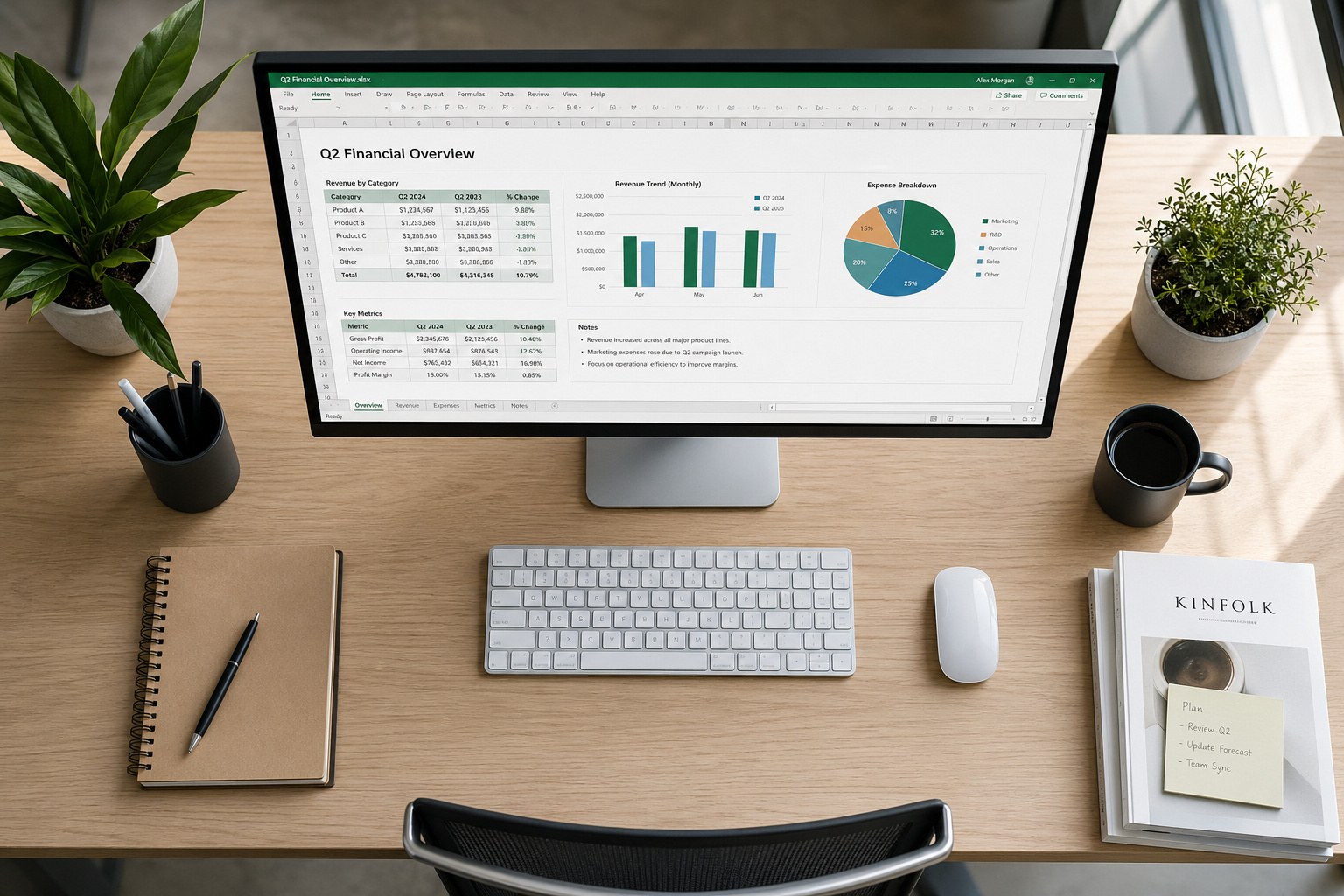
For casual hobbyists and passive investors, the smartest architectural pivot is often abandoning server-side programming entirely. Modern spreadsheet platforms have robust built-in stock functions that fetch pricing data natively. When that’s not enough, paid spreadsheet extensions offer an elegant bypass. Rebuilding a complete extraction wrapper is pointless when a purpose-built no-code dashboard extension like Wisesheets can pull 10 years of pre-calculated financial ratios directly into your cells for a flat $60 yearly fee. Replace a fragile, custom Python extraction pipeline with a simple spreadsheet formula extension if your core requirement is just a static, daily-updated fundamental dashboard.
Frequently Asked Questions
Is the yfinance library reliable enough for a trading app?
No. Because yfinance is an unofficial scraper rather than a supported API, any change to the Yahoo Finance website layout will break your pipeline instantly, making it unsuitable for production environments.
Why is SEC Edgar data so difficult to use in custom applications?
While the data is free, it is provided in complex, unstructured XBRL filings. Extracting usable financial metrics requires significant developer labor to build custom parsing logic to normalize reporting periods and accounting variables.
What is the difference between IEX Cloud and end-of-day data providers?
IEX Cloud provides premium, low-latency, real-time streaming data intended for intraday trading triggers. In contrast, end-of-day providers like EODHD specialize in historical batch data, which is more cost-effective if you only need to evaluate strategies after market hours.
How do I avoid getting banned when using the TD Ameritrade API?
The platform enforces strict server-side throttling, typically capped at 120 queries per minute. You must implement rigorous manual script pacing in your code to ensure you never exceed this limit, as high-frequency requests will trigger an IP ban.
When should I choose a spreadsheet extension over building a custom API pipeline?
You should switch to a spreadsheet-based solution if your goal is a static, daily-updated dashboard rather than a complex application. Skipping custom Python extraction in favor of no-code tools like Wisesheets can eliminate the ‘engineering tax’ of maintaining brittle, self-built data pipelines.
How does FRED differ from stock market data APIs?
Generic stock APIs focus on equity pricing like tickers and moving averages, whereas FRED provides foundational macroeconomic time-series data such as GDP, inflation, and retail sales. Serious quantitative researchers integrate FRED into their architecture to gain a holistic view of the forces driving market movement.
Is it worth paying for historical data if I can scrape it for free?
Paying a dedicated provider for historical data is often worth the cost because they handle the complex math of adjusting prices for corporate actions like stock splits and dividends. Doing this manually for years of historical records creates significant engineering overhead that can easily outweigh the cost of a subscription.