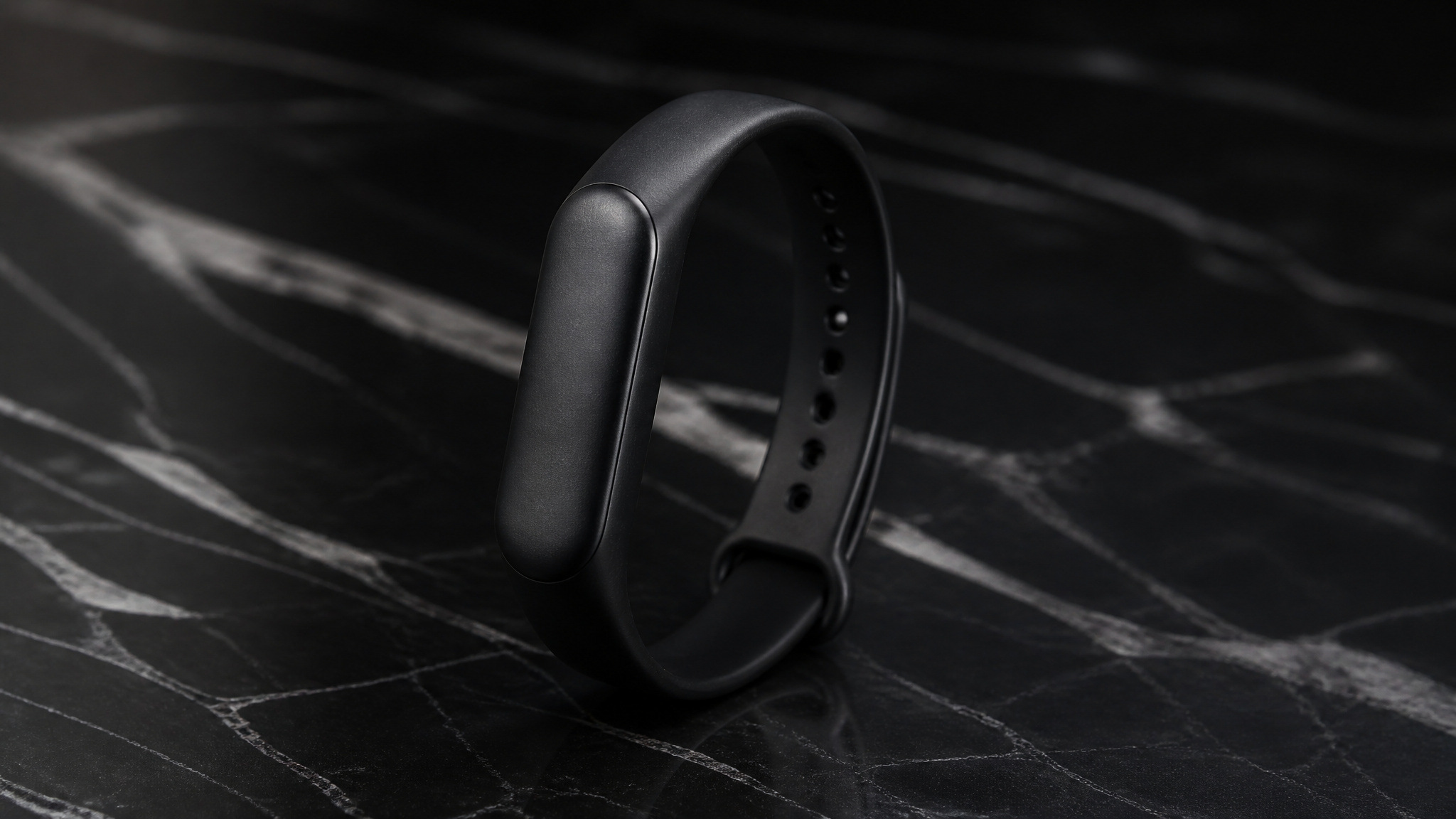
Let me save you some scrolling: no, Apple is not building a screenless fitness tracker called the “Apple Watch Neo.” That name is pure fan fiction, cooked up in forums and parroted around the internet until it took on a life of its own.
Bloomberg‘s Mark Gurman reported on August 10, 2026, that Apple’s industrial design team has spent about a year exploring a screenless fitness band—as part of a much bigger rethink of the entire Watch lineup. No product is confirmed. Nobody’s shipping anything soon. But Apple is kicking the tires on a device that looks nothing like the tiny iPhone you’ve been wearing on your wrist for the last decade.
This matters because the category Apple would be entering isn’t a retro fad. The non-display band market just grew 122% year-over-year. That’s not a blip. That’s a shift in what people want from a wearable, and right now Whoop, Fitbit, and Garmin are having a field day while Apple watches from the sidelines.
Let’s unpack what’s going on.
Key Takeaways
Bloomberg‘s Mark Gurman reports Apple’s design team has explored a screenless fitness band for about a year as part of a broader Watch lineup rethink, but no product is imminent and the “Apple Watch Neo” name is a fan concept, not a leak
The non-display band market grew 122% year-over-year in Q2 2026 and is projected to hit 6 million units in 2026 and 8.8 million by 2027, with Whoop holding 54% market share
Current competitors include Fitbit Air ($99.99, 12g, 7-day battery), Garmin Cirqa (10-day battery), plus Amazfit (21% share), Polar (14%), and Fitbit (9%).rformance/recovery tools
Table of Contents
The Screenless Comeback Nobody Saw Coming
Screenless fitness trackers aren’t new. The Fitbit Flex was doing this years ago, and for a while, it felt like the category was relegated to the “remember when?” pile. But Whoop repositioned the format from a basic step counter to an elite performance and recovery tool. Suddenly, Cristiano Ronaldo, LeBron James, and Michael Phelps are wearing these things. Some argue screenless bands never really went away—they merely repositioned—and that Apple’s entry would be validation of a thriving niche rather than a revival of a dead one.
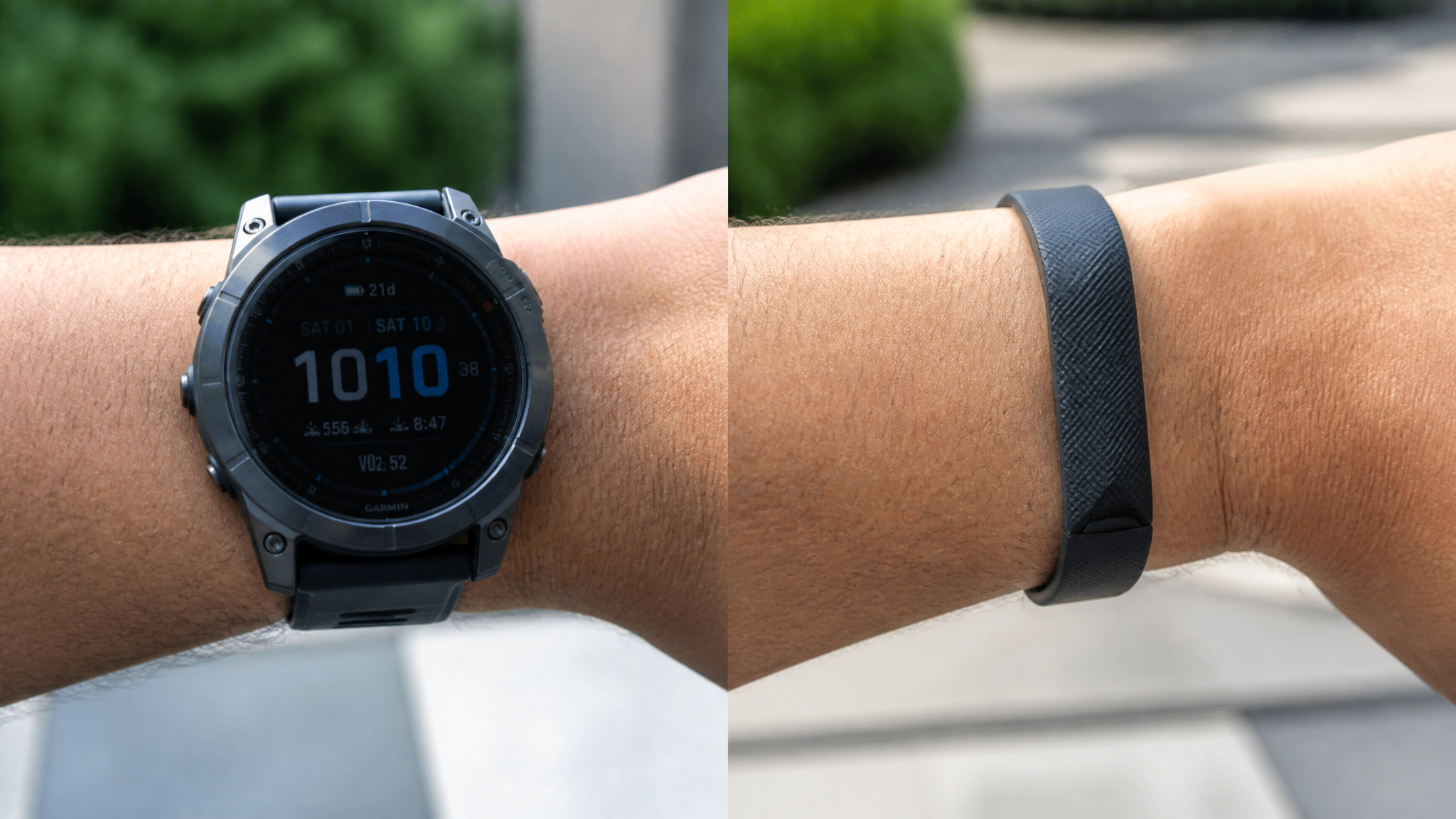
Scuderia Ferrari HP Formula One team uses them.
The numbers back it up. According to Smart Analytics Global, the non-display band market grew 122% year-over-year in Q2 2026. The category is on track to ship 6 million units this year and 8.8 million by 2027. Meanwhile, overall wearable band shipments dropped 2% in the same period, per Omdia. So the smartwatch market is cooling, but screenless devices are surging within it—they now account for more than 15% of basic band shipments.
What’s driving it? A 2025 Omdia survey found that 43% of people who don’t own a wearable band cite discomfort and frequent charging as the main reasons. Screenless designs solve both problems: no bulky display digging into your wrist, and no screen draining the battery every 18 hours.
This isn’t a nostalgia trip. It’s a market that’s been reborn with a clearer purpose.
Who’s Winning Right Now?
If Apple does enter this space, they’ll be walking into a battlefield that’s already been carved up. Unlike Fitbit Air and Whoop, which work across platforms, an Apple band would require an iPhone—a key limitation that shrinks its addressable market from the start. Here’s the landscape as of mid-2026:
Whoop (54% Market Share)
The 800-pound gorilla. Whoop owns 54% of the category, and it’s not hard to see why. They’ve built a subscription model that keeps serious athletes locked in, and the celebrity endorsements—Cristiano Ronaldo, LeBron James, Michael Phelps, the Scuderia Ferrari HP Formula One partnership—make it feel like a performance tool rather than a toy. The device itself is minimal: no screen, just sensors and haptics.
All the data lives in the app.
Amazfit (21%)
The value player. Amazfit launched the Helio Strap back in June 2025, giving them a solid head start in the budget-conscious segment. Their Zepp app handles the data visualization, and the hardware is surprisingly capable for the price. They’re the second-largest player with 21% market share.
Polar (14%)
The niche favorite for serious athletes. Polar has been in the fitness tracking game forever, and their screenless band appeals to people who want reliable heart rate and training data without paying Whoop’s subscription fees. Smaller player with 14% market share, loyal following.
Fitbit (9%) — Now Fighting Back with the Air
This is the one to watch. Fitbit’s market share in the screenless category is small, but they just launched the Fitbit Air globally in May 2026, and it’s a serious contender. Here’s the spec sheet:
- Price: $99.99
- Weight: 12 grams with the band (you forget it’s there)
- Battery: Up to 7 days
- Features: Activity tracking, exercise modes, readiness score, cardio load, heart rate (including irregularities), stress, skin temperature
The magic is in the Google Health app on your phone. The band is just a sensor—the analytics happen on the device you already look at all day.
Garmin Cirqa
Garmin’s entry is all about endurance. Claimed battery life: up to 10 days, the longest in the category. It’s designed for background data collection—wear it, forget it, check the Garmin Connect app when you want to see the story. If you hate charging things, this is your band.
The $150 Hole in Apple’s Lineup
Let’s talk about why Apple would even bother. The company dominates smartwatches with roughly 21-23% of the global market, and that business is still growing—up 21% year-over-year in Q1 2026. So why mess with a formula that’s working, especially when Apple Pay makes paying quick and easy by just tapping your iPhone or Apple Watch at over 85% of U.S. retailers? Beyond hardware, Apple could bundle Apple Fitness+ or Health+ subscriptions with the band, creating a unique software advantage similar to Whoop’s subscription model but leveraging services it already offers. That would give the band a recurring revenue stream and a stickier ecosystem play.
Two words: price gap.
The Apple Watch SE starts at $249. That’s the cheapest way into the ecosystem, and it still requires daily charging. The Fitbit Air costs $99.99 and runs for a week. That’s a $150 chasm between Apple’s entry point and a device that solves the two biggest complaints about wearables: cost and battery anxiety.
A screenless Apple band could slot in somewhere around $129-$149, filling a gap Apple hasn’t touched since—well, ever. And here’s the crucial part: it wouldn’t cannibalize Watch sales. A screenless band can’t do music playback through AirPods, can’t show Maps, can’t mirror your iMessages, and can’t give you notifications. It’s a completely different product for a different use case. If anything, it’s a gateway device—get people into the ecosystem with a cheap band, and they might upgrade to a full Watch later.
Cost check: A $129-$149 Apple band undercuts the SE by $100 while still leveraging the iPhone as its display—no new charging habits required.
What an Apple Fitness Band Would Actually Look Like
Here’s where the speculation gets fun, but we have to stay grounded in what Apple already does well.
The sensor tech is already there. Current Apple Watches monitor heart rate, activity, sleep, HRV, skin temperature, and with the Ultra 4’s upcoming eight-sensor array, blood pressure monitoring is on the horizon. Strip out the screen, and you’ve got the same core hardware in a lighter, cheaper, longer-lasting package.
The design philosophy would be different from the Watch. No glanceable complications, no watch faces, no notifications. Instead, you’d get haptic feedback for discreet alerts, maybe a few minimal LEDs for basic status. The data lives on your iPhone’s Health and Fitness apps, which Apple already uses to aggregate information from third-party devices and accessories. A screenless band would slot right into that existing ecosystem.
The killer feature is battery life. Without a bright display constantly lighting up, a screenless band could easily hit 7-10 days. That’s not just a spec sheet win—it changes how you use the device. You wear it to sleep.
You don’t carry a charger when you travel. You stop thinking about power management entirely.
There was also an uncorroborated leak from Kosutami about Apple experimenting with health sensors built into a future Watch band.
The Bigger Rethink: This Isn’t Just About One Band
Here’s what makes this more than a rumor. The screenless band is one piece of a larger industrial design reset that Apple’s team has been working on for about a year. According to Gurman, they’ve also explored:
- A round Watch display — though Gurman says it’s unlikely to reach production, since Apple has long maintained that rectangular screens are better suited for text and app interfaces
- A return of the ceramic case, possibly on the Ultra line later this year or in 2027 (Apple previously offered ceramic on the Series 5, costing nearly three times the base model)
- New price tiers beyond the current SE / Series / Ultra structure
The full redesign isn’t coming soon. This year’s Series 12 and Ultra 4 are evolutionary updates—the Ultra 4 gets a 15% slimmer titanium case, possible Touch ID, and that blood pressure monitoring feature via the expanded eight-sensor array. The real hardware revolution is targeting 2027 or 2028.
The T8320 chip is the most interesting near-term change. It ends a three-generation performance freeze in Apple Watch silicon and exists primarily to power Apple Intelligence features through watchOS 27—smarter Siri, on-device AI processing, improved health algorithms. That’s the foundation everything else builds on.
Battery Life Is the Silent Killer of Smartwatch Ownership
Every Apple Watch owner knows the dance. You take it off before bed to charge. Or you wear it to sleep to track your rest, then scramble to top it up during your morning shower. It’s a ritual of managed inconvenience.
Screenless competitors have already solved this: Fitbit Air claims seven days and Garmin Cirqa claims ten. That’s the difference between “where’s my charger?” and I haven’t thought about power in a week.
The Omdia survey data makes this concrete: 43% of non-owners cite discomfort and frequent charging as barriers. Those are the exact problems a screenless design addresses. No display means you can make the band smaller, lighter, and more comfortable for 24/7 wear. No display means the battery isn’t fighting a constant brightness battle.
This is the core value proposition of the entire category. It’s not about what you lose by removing the screen—it’s about what you gain by not having to manage it.
Should You Buy Now or Wait?
Let’s be direct: you’re not getting a screenless Apple band in 2026. It’s under active exploration, but the supply chain is quiet, neither Gurman nor Kuo suggest it’s on the roadmap, and the broader redesign is 1-2 years out minimum.
If you want a screenless tracker right now, the Fitbit Air and Garmin Cirqa are mature, well-reviewed products available today. The Air costs $99.99, weighs practically nothing, and runs for a week. The Cirqa stretches to ten days if you need maximum battery life. Whoop is the premium option with the subscription model and the athlete credibility.
If you’re holding out for Apple’s take, you’re looking at 12-18 months at the earliest. That said, if Apple does enter this space, it would validate the entire category and put serious pressure on incumbents. An Apple screenless band with the Health app integration, seamless iPhone pairing, and Apple’s sensor ecosystem would be tough to match on the software side.
Here’s my honest take: if you’re frustrated with daily charging and want better sleep tracking, the current options are good. Don’t wait for a product that might not happen. But if you’re happy with your Apple Watch and just curious about where this is headed, the screenless band story is worth watching—because it’s part of a much bigger rethink of what a wearable can be, and Apple is thinking about it.
Frequently Asked Questions
Is there an Apple fitness tracker with no screen?
No, Apple does not currently sell a screenless fitness tracker. The company has explored the concept internally, but no product is on the roadmap for the near future. The ‘Apple Watch Neo’ name circulating online is a fan-made concept, not a real leak.
Is there a fitness tracker without a screen?
Yes, the non-display fitness band market is growing rapidly — up 122% year-over-year in Q2 2026. Current options include the Fitbit Air ($99.99, 7-day battery), Garmin Cirqa (10-day battery), Whoop (subscription-based, 54% market share), Amazfit Helio Strap, and Polar’s screenless band.
Why would Apple make a screenless fitness band when the Apple Watch already exists?
The main reason is the $150 price gap between the Apple Watch SE ($249) and screenless competitors like the Fitbit Air ($99.99). A screenless band around $129-$149 would fill that hole without cannibalizing Watch sales — it can’t do music, maps, or notifications, so it’s a gateway device for different users.
How long would an Apple screenless fitness band’s battery last?
Without a bright display draining power, a screenless Apple band could easily hit 7-10 days of battery life. That’s in line with competitors like the Fitbit Air (7 days) and Garmin Cirqa (10 days), and it would solve the biggest complaint about current Apple Watches: needing to charge every 18 hours.