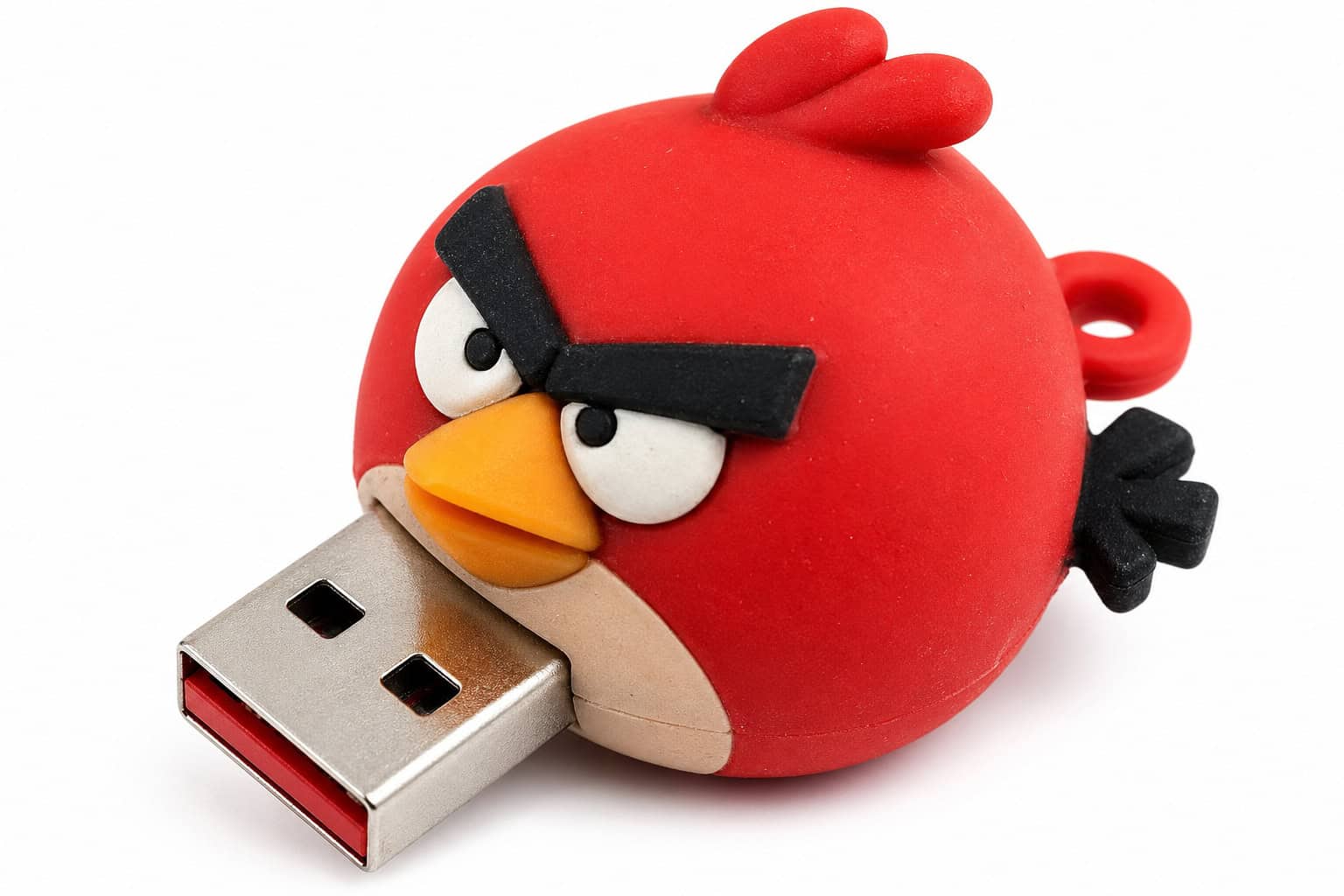
I was digging through a box of old cables recently and found a red rubber bird staring back at me. It was a preserved EMTEC flash drive, a piece of licensed consumer storage representing the peak of Angry Birds IP saturation and the dawn of frantic omnichannel merchandising. We at GeekExtreme spend a lot of time tearing apart modern electronics,
The development pipeline moved Angry Birds from native iOS code to Kinect ports, spawning everything from an Angry Birds mohawk to a playable Angry Birds cake to showcase total IP saturation.
Key Takeaways
EMTEC manufactured these specifically licensed desktop novelty drives with a 4 gigabyte capacity built on standard USB 2.0 architecture.
The $26 hardware retail price carried a licensing premium compared to standard, non-branded storage devices of the exact same era.
The mocked “bottom entry” connector was an intentional, superior sliding actuator design that protected the fragile internal circuitry without relying on easily lost removable caps.
Table of Contents
Memory Limitations Under the Plastic Shell
The underlying hardware driving these colorful desktop birds was average, shipping with a standard 4 gigabyte capacity built on slow USB 2.0 architecture.
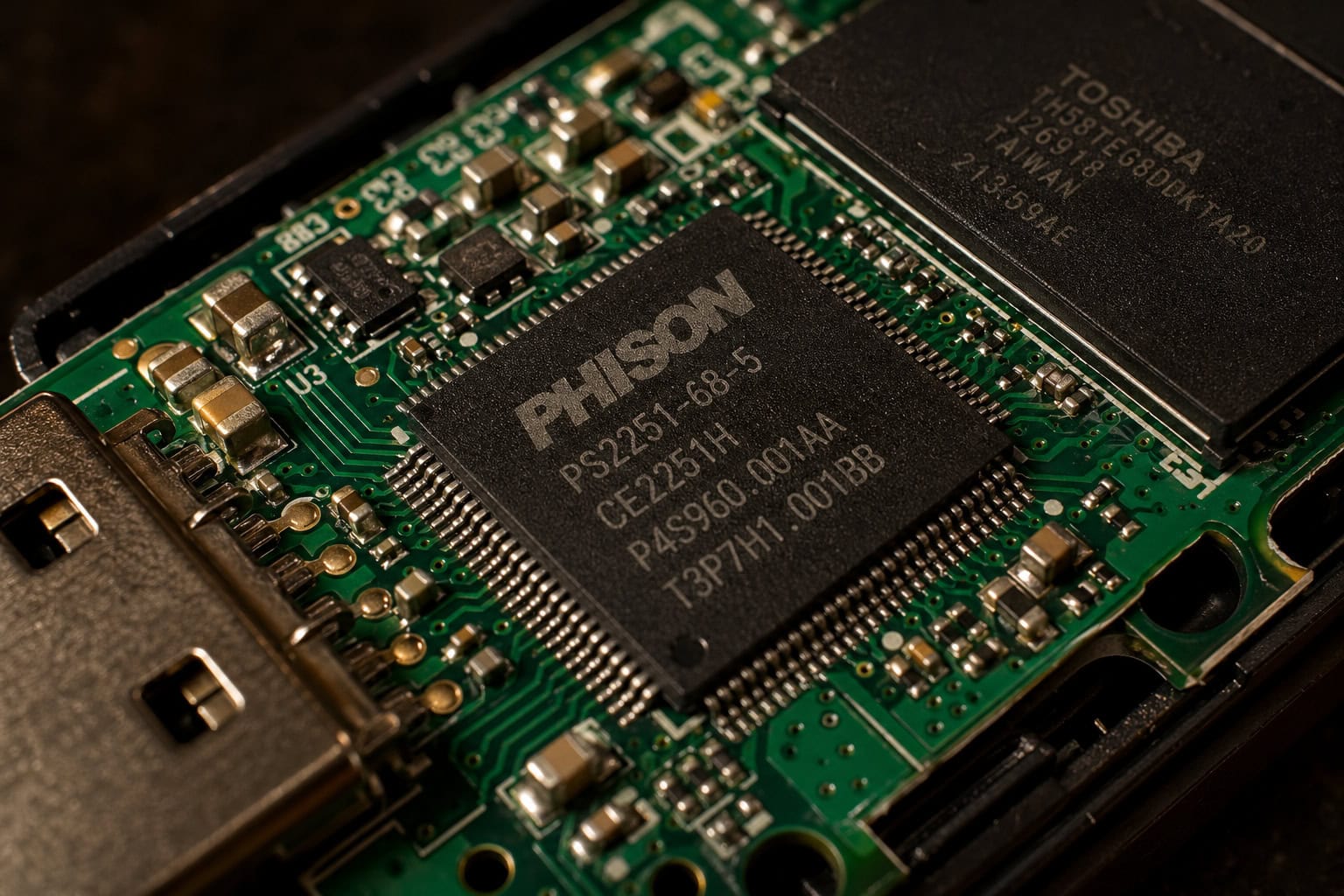
The PCB used a commodity controller prioritizing branding over the 480 Mbps limit of USB 2.0, resulting in slow transfer speeds for files over 1 gigabyte, a limitation that makes the hardware far better suited for storing the small data footprints typical of good casual games rather than heavy multimedia.
Engineering the Capless Character Mechanics
The mocked “bottom entry” connector was a mechanical solution that protected the drive components without relying on a separate, easily lost cap.
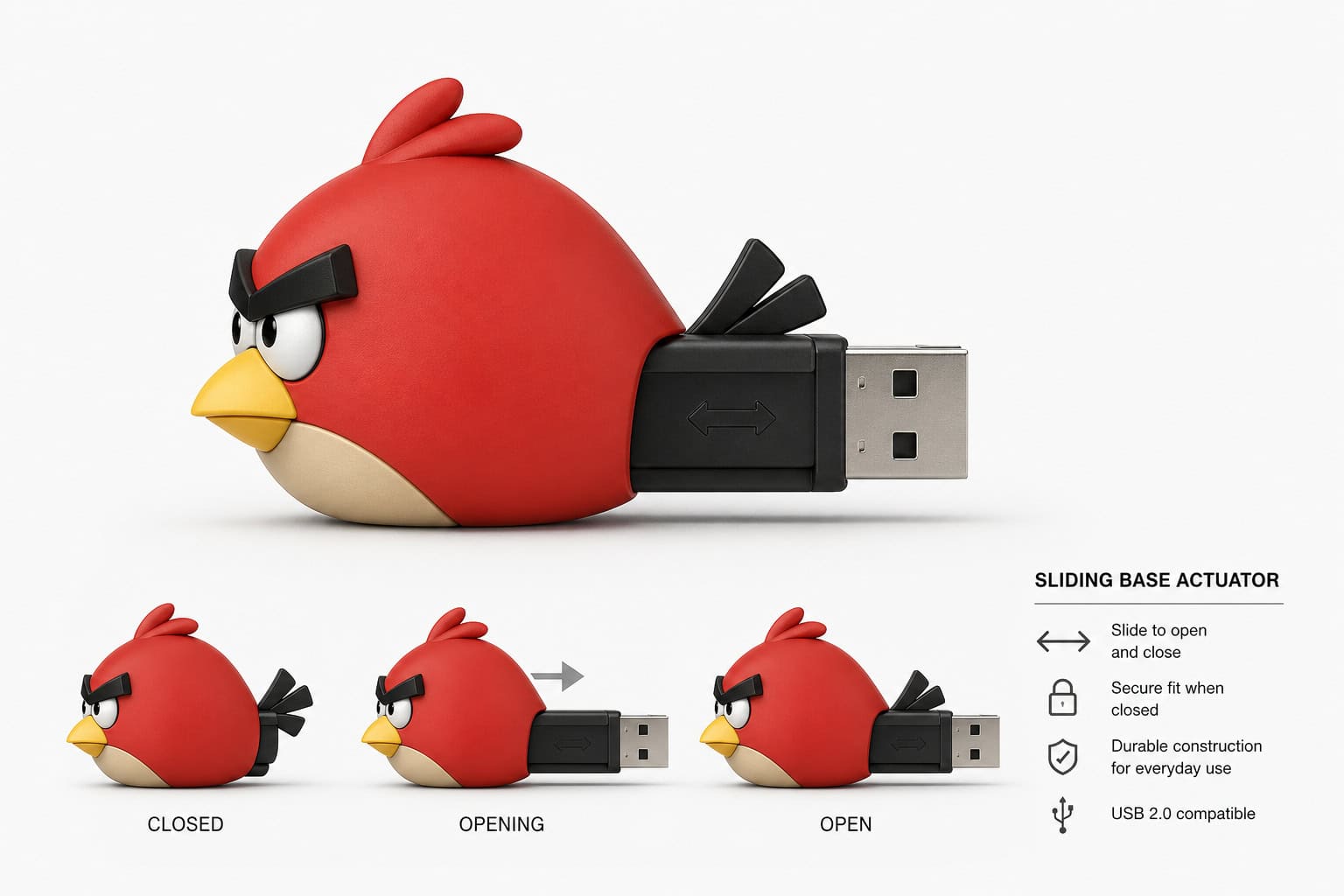
The Sliding Base Actuator
Pushing the connector straight through the base of the bird utilized a sliding actuator to create a highly durable capless enclosure, successfully translating a 2D digital sprite into a functional 3D chassis. Early tech journalism endlessly mocked how the USB stick slid right out of the base of the birds and pigs.
Older novelty drives relied on removable caps that users instantly lost, leaving the delicate metal connector permanently exposed to lint and physical damage inside a backpack. The slide-out tray safely sidestepped that inherent flaw.
Port Clearance and Spacing Hurdles
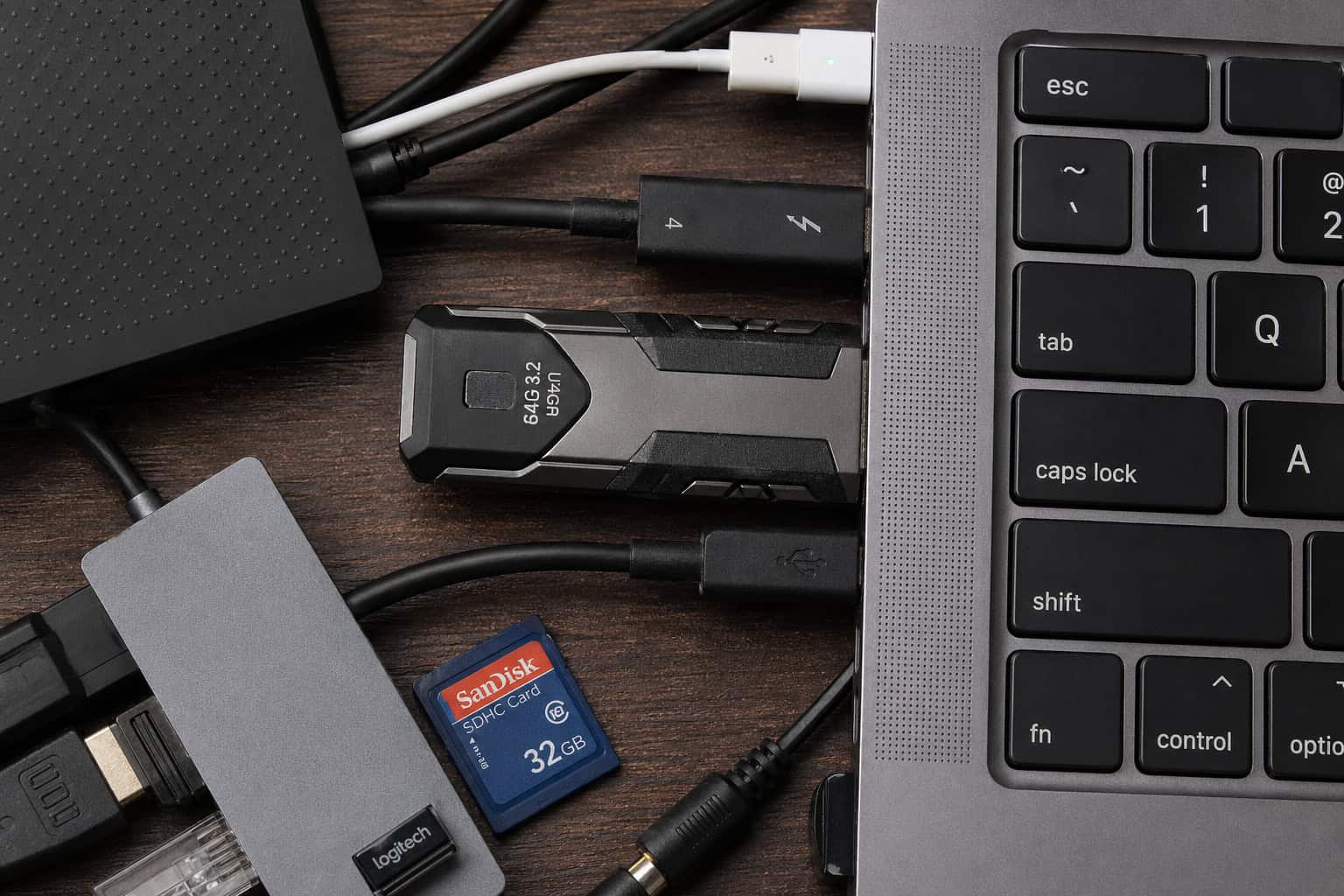
The bulbous form factor routinely hampered port clearance, preventing the use of a second USB stick in the neighboring slot. If you plugged the round red bird into the left side of a traditional laptop, you could write off using the input slot next to it.
Their wide form factor required sacrificing adjacent I/O ports, forcing users to remove other peripherals to plug in the USB stick.
The Premium Retail Cost of Licensed Novelty
Buying one of these basic storage blocks cost exactly $26 at peak retail, meaning consumers paid a per-gigabyte financial premium for the aesthetic.
If you look at the raw numbers, paying twenty-six bucks for four gigabytes was a novelty markup compared to the hardware parity of standard flash memory, though the era’s licensed peripheral glut eventually triggered widespread brand fatigue among consumers.
Modern Reliability and Neo-vintage Preservation
The rubberized plastic casing of EMTEC’s Angry Birds flash drives degrades into a sticky compound after 10 years, destroying their viability as reliable electronics. Collectors should assess the material condition carefully before plugging units into a modern rig.
As functional storage, they are obsolete due to slow USB 2.0 speeds, yet these examples of neo-vintage tech remain highly sought after on the secondary collector market. Just keep a close eye on that deteriorating rubber shell.
Is the Angry Birds game gone?
While the original classic game was delisted from app stores years ago, the Angry Birds franchise continues to evolve through new iterations. The physical manifestations of the brand, like the EMTEC novelty flash drives, are now considered neo-vintage collectibles rather than functional software carriers.
How to play USB drive on computer?
To access the data on an EMTEC Angry Birds drive, simply push the sliding actuator at the base to expose the connector and insert it into a standard USB 2.0 port. Note that due to their wide, bulbous design, these drives often block adjacent ports, requiring you to unplug other peripherals for a proper fit.
Why does the rubber casing on these drives feel sticky?
The rubberized plastic used on these units undergoes a chemical breakdown after about a decade of storage. This creates a degraded, tacky residue on the surface, which indicates that the material is failing and could potentially leave debris inside your computer’s ports.
How much did these novelty flash drives cost at retail?
At the peak of their release, these drives retailed for $26. This price included a significant licensing premium, as consumers were effectively paying much more per gigabyte than they would have for standard, non-branded storage hardware of that era.
Is the EMTEC Angry Birds drive fast enough for modern file transfers?
No, it is technically obsolete. While the drive is built on USB 2.0 architecture, it uses commodity controllers that prioritize branding over performance, making it painfully slow for transferring files larger than 1 gigabyte.
Why did EMTEC use a bottom-entry sliding connector instead of a cap?
The sliding base actuator was an intentional design choice to eliminate the need for removable caps, which were easily lost on earlier novelty drives. By retracting the connector into the body, the internal circuitry remained protected from lint and physical damage while inside a backpack or pocket.