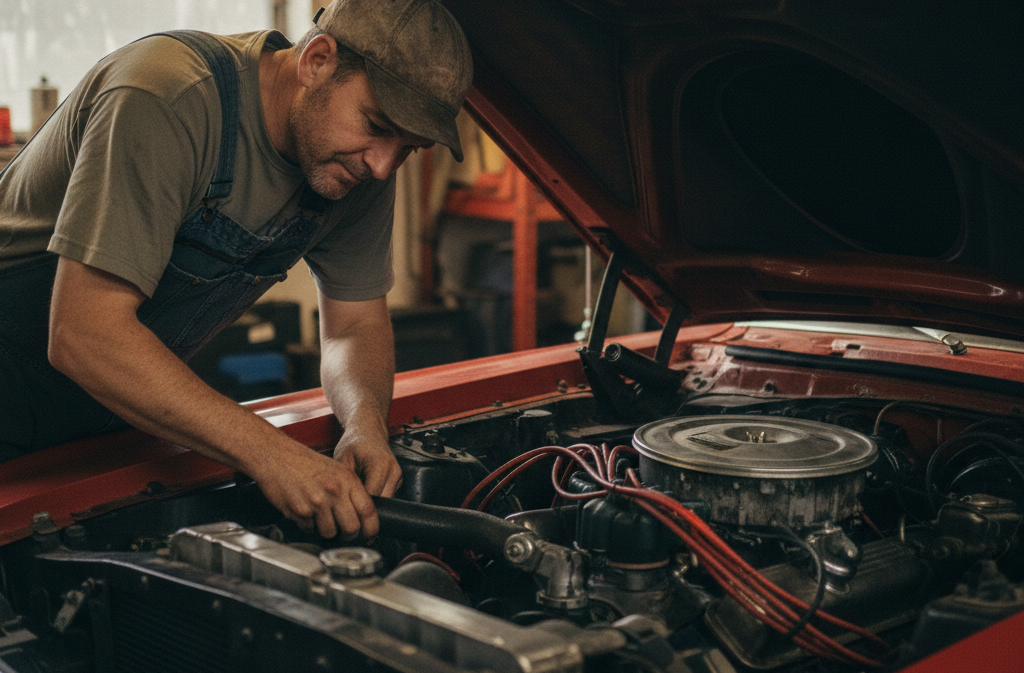
A dependable car is more than a way to get around. It is a machine you trust on cold mornings, long trips, and tight schedules. That kind of confidence does not always come from a showroom. Many enthusiasts discover it in the garage, where careful rebuilding turns a good platform into a long-lived partner with fewer surprises and clearer maintenance plans. Rebuilding is not just about power. It is about control, predictability, and a plan you can follow for years.
Why Rebuilders Chase Reliability
Reliability is not a single part or a single number. It is the sum of known components, documented work, and repeatable procedures. When you rebuild, you remove guesswork and replace it with measurements, torque specs, and service records.
Plenty of owners want a rig that works hard without drama. Many diesel fans look to Cummins 6.7L rebuilt engines as a blueprint for trusted longevity, and they pair the right hard parts with updated calibrations to keep wear in check. The goal is simple, and it is not flashy: predictable starts, clean power, and maintenance you can plan months ahead.
Rebuilding also gives you a fresh baseline for every major system. You know the condition of bearings, seals, sensors, and wiring because you have seen them on the bench. That knowledge pays you back the first time a warning light tries to ruin a road trip, and you can trace it quickly.
The Price of New vs. the Value of a Rebuild
Sticker shock nudges people toward rebuilding. Recent reporting from AP News put the average new-vehicle transaction price a bit above $45,000, which makes even modest models feel like luxury buys. That same money can fund a thorough engine and drivetrain refresh, suspension work, and the supporting tools that keep a car healthy after the rebuild.
A second data point explains why owners keep older vehicles on the road. S&P Global noted in 2024 that the average vehicle on U.S. roads is 12.6 years old, reflecting how long people hold onto cars. If you plan to keep a vehicle that long, a scheduled rebuild can reset the clock and reduce random failures.
Hidden Costs of New Ownership
New vehicles often bring higher insurance, taxes, and steep depreciation in the first 3 years. Features are locked behind subscriptions or proprietary tools. If you enjoy working on your own car, you may find the latest model harder to service at home, which adds cost and removes control.
Where Rebuild Dollars Go
Rebuild spending maps for reliability. Money goes to machine work, quality internals, a refreshed fuel system, and a clean cooling stack. You also budget for sensors, mounts, and the small hardware that stops squeaks, leaks, and intermittent faults. The result is a car that feels new in the ways that matter every day.
What Reliability Means to Enthusiasts
Reliability is practical and personal. It shows up in small details you feel every day. It is the quiet confidence that the vehicle will act the same way tomorrow as it did yesterday.
- Cold starts that sound the same in January and July
- Oil analysis that trends stably over thousands of miles
- Temperatures that stay in range on long grades
- No warning lights lurking after a road trip
- Steering and braking that remain consistent under load
- A car that feels the same on mile 5 and mile 500
Consistency is not an accident. It comes from tight clearances, clean electrical grounds, and parts that play well together. A rebuild lets you tune those details instead of living with factory compromises or age-related drift.
Control, Craft, and Confidence
A rebuild gives the driver control. You choose tolerances, bearing sizes, and fasteners, not a lowest-bid supplier. You can replace known weak points and keep proven originals that test within spec.
Craft matters because it compounds over time. Blueprinted clearances reduce hot-oil pressure swings. Balanced rotating assemblies protect main bearings. Clean grounds prevent sensor noise that can masquerade as random misfires. Confidence is the result, and it shows up when you stop thinking about the car and just drive.
Documentation is part of the craft. Build sheets, torque logs, and parts lists, turn your memory into a maintenance map. When a small issue appears years later, you are not guessing. You already know the part numbers, torque values, and service intervals that keep the system stable.
Engines, Transmissions, and the Heart of Trust
Engines and transmissions set the reliability tone. Fresh rings and honed cylinders restore compression, but the real win is even compression across all holes. That balance keeps fueling consistently and lowers stress on the after treatment and ignition systems.
The same logic applies to gearboxes. New friction materials, refreshed valve bodies, and recalibrated line pressure reduce heat and slippage. Paired with a clean cooler and fresh fluid schedule, a rebuilt transmission stops the cascade of small problems that lead to big ones.
Cooling and Lubrication Basics
Heat is the enemy of reliability. A rebuild is the time to clean radiators, replace clogged coolers, and add shrouds that improve airflow. Oil choice and filter quality matter too. When oil pressure is steady, and coolant temps are boring, everything downstream lives longer.
Costs, Emissions, and the Case for Remanufacturing
The economics of remanufacturing strengthen the reliability case. A 2024 summary from BORG Automotive Group reported that remanufactured components can cut greenhouse gas emissions by about 60 percent and reduce resource use by roughly 70 percent compared with new production. Lower impact pairs with lower parts cost, and both support the long-term ownership that many enthusiasts already choose.
Reliability also benefits because remanufacturers work to repeatable standards. Core inspection, precision machining, and 100 percent testing shrink the variance that causes premature wear. When components start life closer to the target spec, the whole system lasts longer. Add clean installation practices, and you get a vehicle that is easy to service and slow to surprise you.
A rebuilt car is not magic. It is careful measurement, quality parts, and patient work, done once and documented. Do that, and the result is a machine you trust, not because it is new, but because you know it inside and out.
