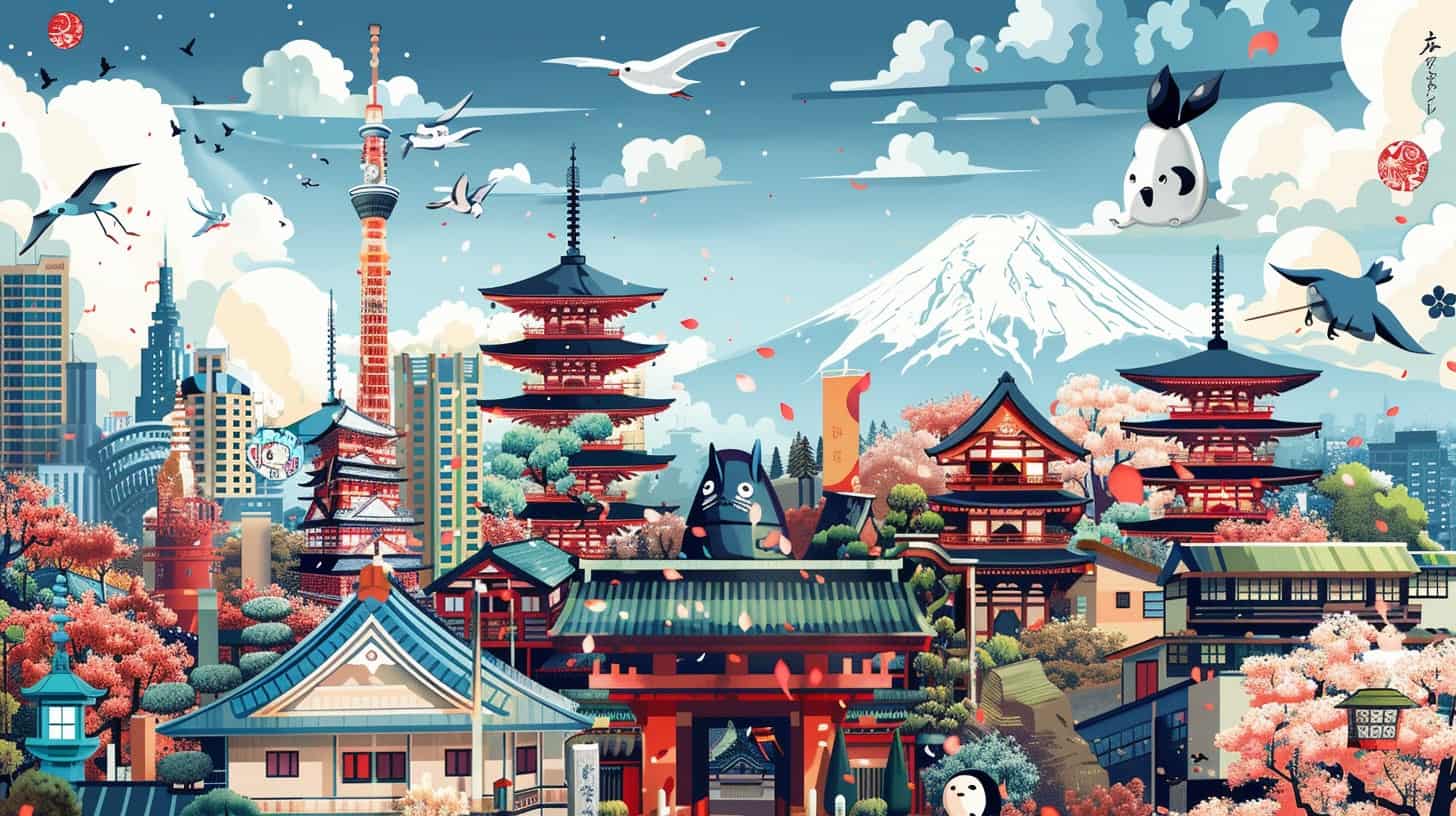
Have you ever wondered why Japanese culture has such a magnetic pull on people worldwide? It’s a fascinating mix of ancient arts, futuristic pop culture, and culinary traditions that feel both timeless and incredibly modern. This article explores nine powerful reasons for its global appeal, taking you on a journey through this unique blend of old and new.
Get ready to see why this culture continues to capture our imagination.
Key Takeaways
Japanese traditional arts, like the iconic ukiyo-e woodblock prints, offer a beautiful window into Japan’s rich history and aesthetic values.
Anime and manga are global powerhouses, with the anime market expected to reach over $31 billion in 2025, driven by platforms like Crunchyroll and Netflix.
The global love for Japanese food comes from its focus on fresh, seasonal ingredients and the savory fifth taste, umami.
Video games from creators like Shigeru Miyamoto and companies like Nintendo and Sony have fundamentally shaped the global entertainment landscape.
Japan’s e-sports scene is rapidly growing, with the market projected to expand at a compound annual growth rate of over 17% between 2025 and 2033.
Table of Contents
Distinctive Elements of Japanese Culture
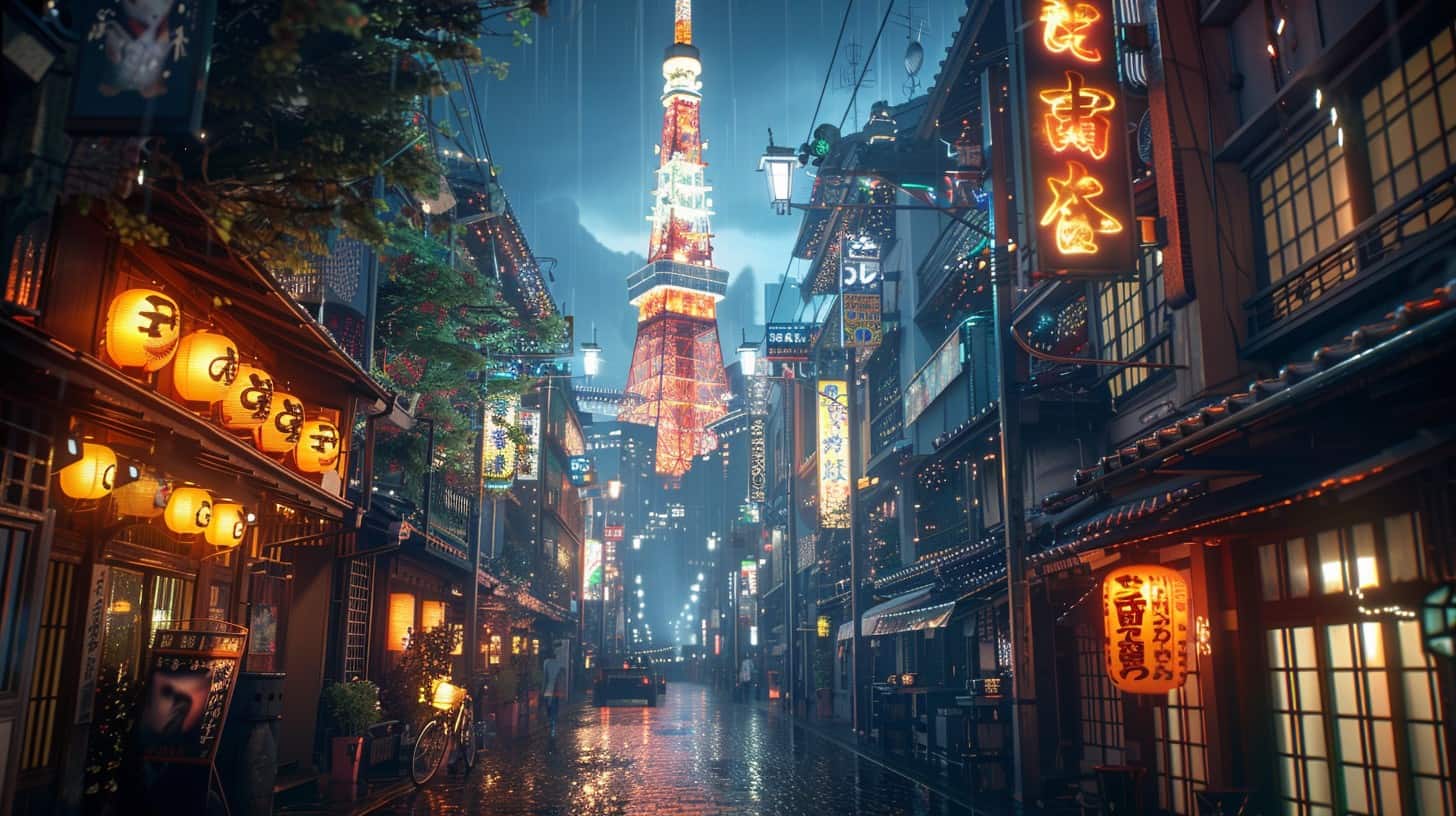
Japanese culture is a beautiful paradox. It carefully preserves ancient arts while simultaneously pushing the boundaries of modern pop culture. This unique balance is a key reason why Japanese culture is so popular.
It’s a world where serene temples and intricate tea ceremonies coexist with the vibrant energy of anime and video games, capturing global attention from every angle.
Mastery of Traditional Arts and Crafts
Woodblock prints, known as ukiyo-e, and calligraphy stand as pillars of traditional Japanese arts. These aren’t just decorative items; they are stories carved in wood and painted on scrolls.
Artists like Katsushika Hokusai, famous for “The Great Wave off Kanagawa,” spent their lives perfecting their craft, capturing scenes of nature, history, and daily life that still resonate today.

The dedication to craftsmanship extends to Samurai swords and antique porcelain. A swordsmith will heat, hammer, and fold the steel up to 16 times to purify it and create a blade that is both incredibly sharp and durable. This meticulous process, combining hard, high-carbon steel for the edge with a tougher, low-carbon steel core, reflects the samurai spirit.
It’s this deep commitment to perfection that makes these traditional crafts so admired and sought after worldwide.
Influence of Japanese Pop Culture
While traditional arts show Japan’s soul, its pop culture shouts its energy to the world. A 2020 report noted the anime industry alone was worth over $18 billion, and that doesn’t even count the massive economic impact of manga and J-pop. This cultural export has become a powerful economic force.
From the global phenomenon of Pokémon to the unique sounds of bands like BABYMETAL, which blends metal with J-pop, Japanese entertainment has a knack for creating things you can’t find anywhere else.
This influence isn’t accidental. It’s powered by clever marketing and a deep understanding of what connects with fans. You see it everywhere, from sushi restaurants in major cities to the millions of tourists who visit Tokyo’s Akihabara district, the heart of otaku culture, each year.
Anime, manga, and video games aren’t just hobbies; they’re gateways to understanding a rich and vibrant culture.
Worldwide Influence of Japanese Culture

From captivating animation to unforgettable food, Japanese culture has a massive global footprint. Its influence is so widespread that it has become a part of our daily lives, often in ways we don’t even realize.
Global Fascination with Anime and Manga
Anime and manga offer a different kind of storytelling. Unlike many Western comics focused on superheroes, these Japanese narratives pull from a vast universe of original manga and light novels, exploring complex themes and character development.
This unique approach has fueled a global boom. The worldwide anime market is projected to grow from $31.51 billion in 2025 to over $46 billion by 2029. This explosive growth is driven by streaming giants like Crunchyroll and Netflix, which make hit series such as Demon Slayer and Jujutsu Kaisen instantly accessible to a global audience.

The success is staggering. The film Demon Slayer: Mugen Train became one of the highest-grossing films worldwide in 2020, proving that anime isn’t a niche interest anymore, it’s a mainstream cultural force.
Japanese Cuisine: A Culinary Exploration
Beyond the screen, Japanese cuisine offers another rich cultural experience. Dishes like sushi, tempura, and ramen are loved worldwide for their delicate balance of flavors, textures, and beautiful presentation.
At the heart of Japanese cooking are two key principles:
- Shun (?): This is the concept of seasonality, where ingredients are used only at their peak freshness and flavor. This is why the menu at an authentic Japanese restaurant changes throughout the year to reflect what nature provides.
- Umami (???): Often called the “fifth taste,” umami is a savory flavor discovered in 1908 by Japanese scientist Kikunae Ikeda. It’s the satisfying, broth-like taste found in ingredients like kombu seaweed, shiitake mushrooms, and Parmesan cheese, and it adds incredible depth to dishes.
This culinary philosophy is so respected that Tokyo consistently holds more Michelin stars than any other city in the world. This commitment to quality is part of a broader cultural concept of omotenashi, or selfless hospitality, where every detail is considered to provide the best experience for a guest.
The Role of Gaming and Gambling in Popularizing Japanese Culture
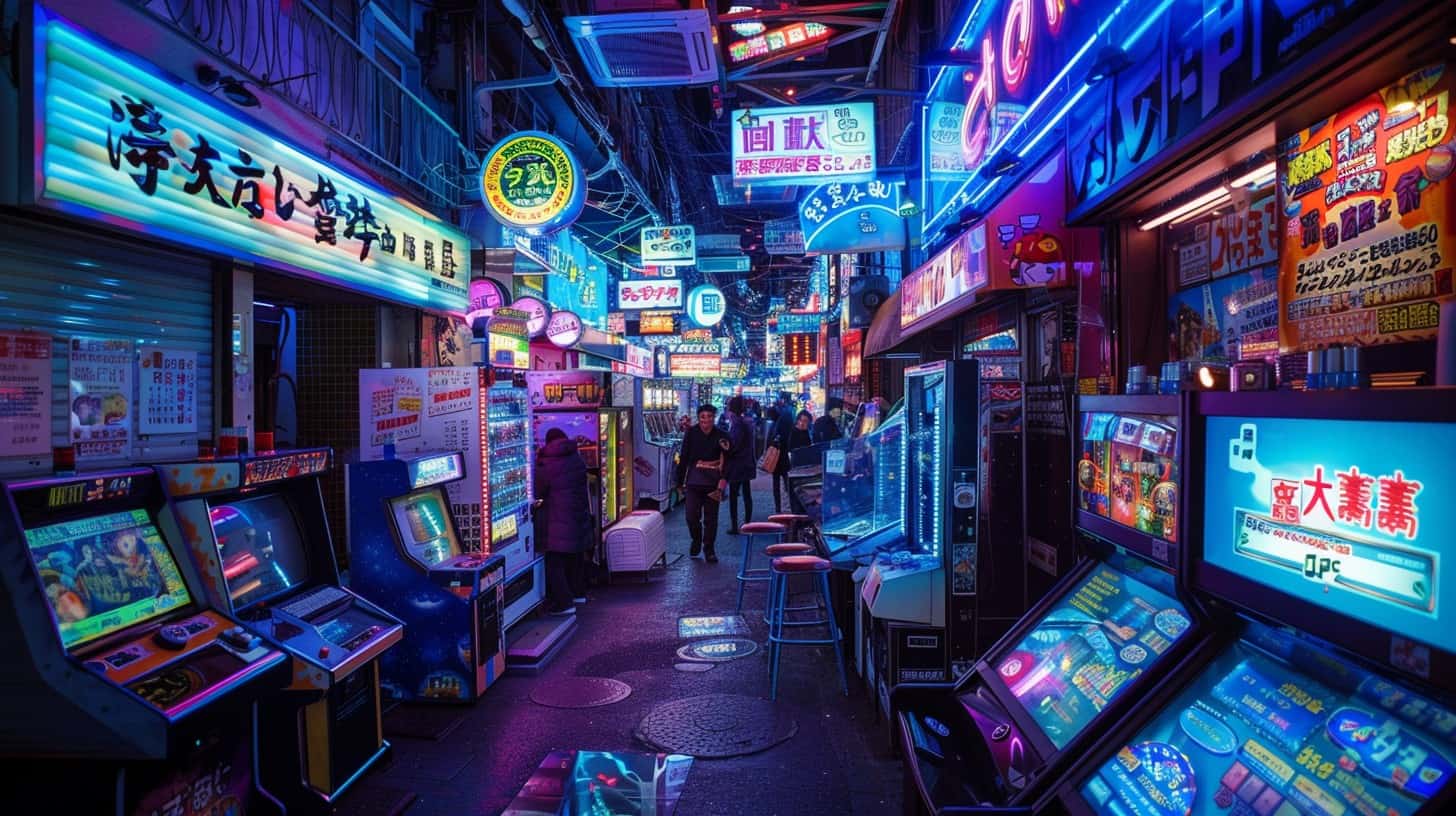
Video games from Japan have completely transformed the global entertainment scene. They blend compelling stories with innovative gameplay, making them a huge factor in the worldwide popularity of Japanese culture.
The Pioneering Influence of Japanese Video Games
Japanese video games have long been a gateway to the country’s culture for millions of people. Companies like Nintendo and Sony (PlayStation) are titans of the industry, shaping how the world plays.
Legendary game designers like Shigeru Miyamoto (the creator of Mario and The Legend of Zelda) and Hideo Kojima (of Metal Gear Solid fame) are celebrated for their creative vision and cinematic storytelling. Their creations aren’t just games, they are immersive worlds that introduce players to Japanese aesthetics and narratives, influencing everything from weeb interests to mainstream entertainment.

This fusion of technology and culture is so powerful that it’s created a global community. Fans attend cosplay events dressed as their favorite characters, drawing direct inspiration from anime tropes and Harajuku fashion, making Japan an irreplaceable pillar of the gaming world.
The Cultural Impact of Japanese Game Design
Japanese game design often acts as a form of “virtual tourism.” Games like the Yakuza and Persona series are set in meticulously recreated Japanese cities, allowing players to explore the streets of Tokyo and experience a slice of modern Japanese life.
This digital exploration has a real-world impact. Fans are often inspired to travel to Japan to visit the locations they’ve seen in their favorite games, a phenomenon known as “anime pilgrimage” that significantly boosts local tourism.
The design philosophy often emphasizes story and emotional depth, creating immersive experiences that resonate with players on a personal level. Iconic franchises like Final Fantasy and Pokémon have become global cultural touchstones, demonstrating the profound and lasting impact of Japanese creativity on the world of gaming.
Japan’s Influence in the Gambling Sector
Japan’s influence also extends to the world of gambling, primarily through traditional games like pachinko and mahjong. Pachinko is a massive industry in Japan, with its market size valued in the tens of billions of dollars.
While casinos have historically been illegal, the passage of the Integrated Resort (IR) Implementation Act in 2018 paved the way for the development of casino resorts in specific locations. The first of these, a project in Osaka led by MGM Resorts, is expected to attract 20 million visitors a year. This move signals a major shift in Japan’s approach to gambling and tourism.
Furthermore, Japanese pop culture themes are increasingly popular in online gaming. Many platforms, like the online slots at BETMGM, feature games inspired by anime and Japanese folklore, blending traditional aesthetics with modern entertainment for a global audience.
Japanese pop culture extends its reach into the gaming world, blending traditional themes with modern gameplay to create a unique form of entertainment.
The Fusion of Gaming and Traditional Culture
Many of the most popular Japanese video games masterfully blend modern gameplay with deep-rooted traditions. They bring stories of samurai, ninja, and mythical creatures from folklore to a global audience in an interactive way.
- Historical Settings: Games like Ghost of Tsushima, which sold over 9.73 million copies by July 2022, immerse players in feudal Japan, exploring the samurai code of honor.
- Mythological Creatures: The Nioh series is famous for featuring yokai, which are spirits and demons from Japanese folklore, turning ancient myths into challenging gameplay.
- Cultural Philosophies: Many games subtly incorporate concepts like wabi-sabi, the appreciation of beauty in imperfection, into their world design and storytelling.
This fusion allows players to learn about Japanese history and culture not through a textbook, but by experiencing it. It makes the rich tapestry of Japan’s past accessible and exciting for a new generation, bridging the gap between otaku culture and mainstream entertainment.
E-sports and Competitive Gaming in Japan
While Japan was a bit slower to embrace PC-based e-sports compared to its neighbors, its competitive gaming scene is now growing at an incredible pace. The Japanese e-sports market is projected to grow at a CAGR of 27.39% between 2025 and 2035, with its value expected to reach nearly $980 million.
Tokyo is quickly becoming a major hub for international tournaments, attracting top players and fans from all over the world. Japan has always had a legendary fighting game community, with players dominatingglobal competitions in series like Street Fighter and Tekken.
Now, with professional teams like ZETA DIVISION gaining international fame in tactical shooters, the country is proving its versatility. This rapid growth, supported by major corporations and a passionate fanbase, firmly establishes Japan as a rising power in the global e-sports arena.
People Also Ask
Why do people love Japanese food so much?
Japanese cuisine is loved for its emphasis on fresh, seasonal ingredients and its unique flavor profile, including the savory fifth taste known as umami. The careful presentation and balance of dishes, from sushi to ramen, create a memorable dining experience.
What makes Japanese fashion unique?
Japanese fashion is incredibly diverse, ranging from the traditional elegance of the kimono to the bold, expressive street styles of Harajuku, like gothic lolita and kawaii. It’s known for its innovation, high-quality craftsmanship, and influence on global trends.
How does Japanese entertainment stand out?
Anime and manga stand out due to their complex storytelling, mature themes, and distinct art styles that appeal to all ages. In gaming, Japan is a pioneer, creating iconic franchises like Mario, Zelda, and Final Fantasy that have defined genres.
Why are Japanese traditions so fascinating?
Japanese traditions, such as the tea ceremony (sado) and cherry blossom viewing (hanami), are fascinating because they reflect a deep respect for nature, discipline, and mindfulness. These practices often embody philosophical concepts like wabi-sabi (finding beauty in imperfection).
Can you explain the appeal of Japanese technology?
Japanese technology is appealing because of its reputation for innovation, quality, and efficiency. From the Shinkansen (bullet train) to robotics and cutting-edge electronics from companies like Sony, Japan is known for creating reliable and advanced products.
What role does language play in spreading Japanese culture?
As more people learn Japanese, often inspired by anime and manga, it opens a direct gateway to the culture. Understanding the language allows for a deeper appreciation of its literature, films, and the nuances of communication, further boosting its global popularity.