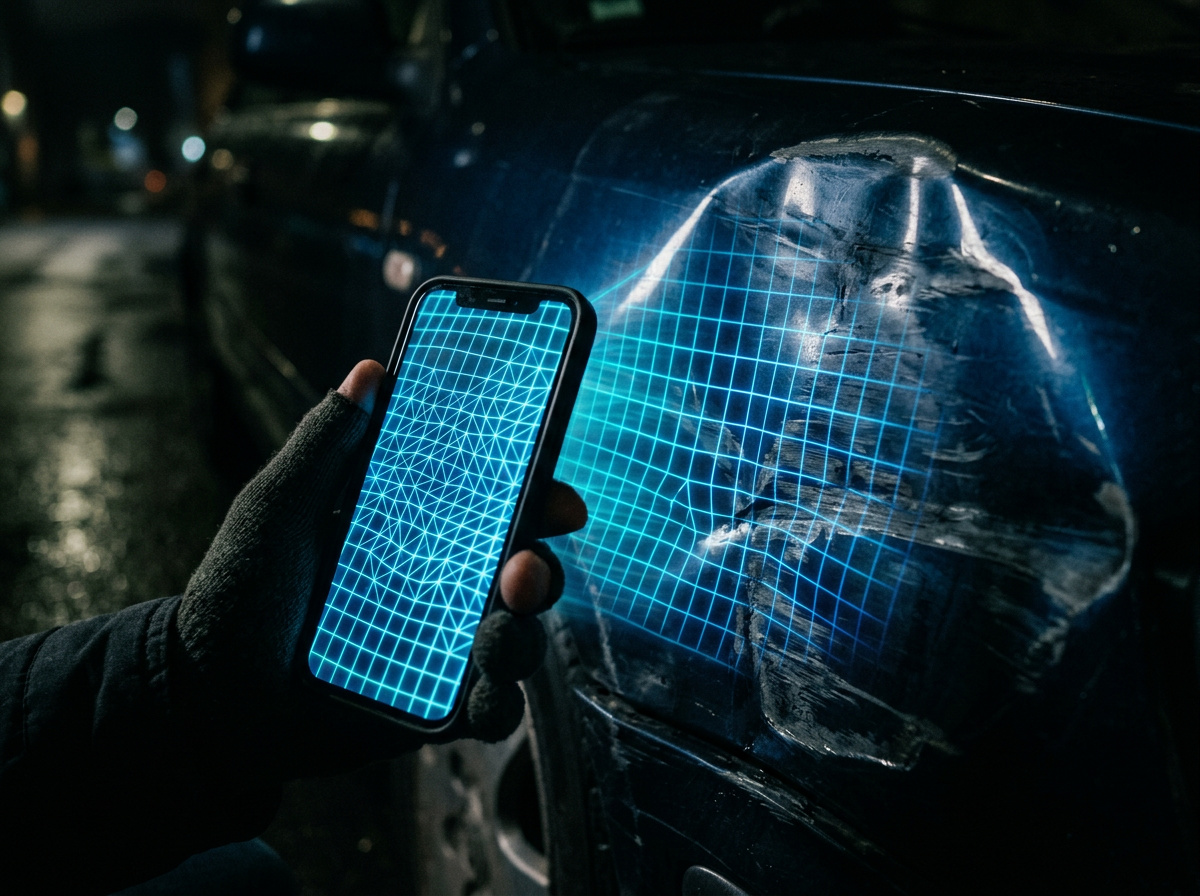
If you have recently uploaded photos of a fender-bender to a mobile insurance app only to be offered a settlement that barely covers the deductible, you are not imagining things. AI auto insurance algorithms are increasingly structured to minimize overall settlement costs—even as policy premiums rise—by relying on rapid, surface-level visual estimates. I was recently in a rideshare and the driver mentioned how insurance carriers were quietly using AI to cut down payouts.
Running a tech blog here at GeekExtreme, I had to dig into the system architecture to see if that was true. I found a complex algorithmic gauntlet designed entirely to protect the bottom line. Rather than spending their budgets on sprawling, tailored advertising or human assessors—the kind of traditional advertising that embeds a tracking Cookie in your browser to follow you across the web for relentless online marketing campaigns—insurers have shifted investment into backend computer vision models. As one personal injury lawyer noted, these automated smartphone tools consistently lowball the true repair costs of modern vehicles.
Key Takeaways
Insurers deploy systems utilizing structured Rapid Impact Analysis to generate instant evaluations, purposefully filtering and capping payouts before human intervention occurs.
Research by S&P Global Mobility indicates commercial robotaxis and autonomous vehicle platforms log massive mileage—up to 52,000 miles per year—heavily skewing the underlying AI models away from consumer realities.
Overcoming a denied estimate requires pulling direct EDR logs from the vehicle’s onboard computer to bypass the computer vision algorithms entirely.
Table of Contents
Why AI Auto Insurance Apps Shrinking Payouts Became the New Reality
AI car insurance apps offer lower claim settlements than expected because they have transitioned from backend administrative tools into strict, customer-facing AI agents that use computer vision to aggressively filter and cap claims before a human can intervene.
The industry wide shift is practically invisible to the user. You open the application, take a few exterior shots, and the underlying code executes a first-pass incident analysis to calculate the surface damage. This initial photo-estimation workflow looks directly for cracked plastics and dented steel, entirely ignoring the underlying complexities of the chassis.
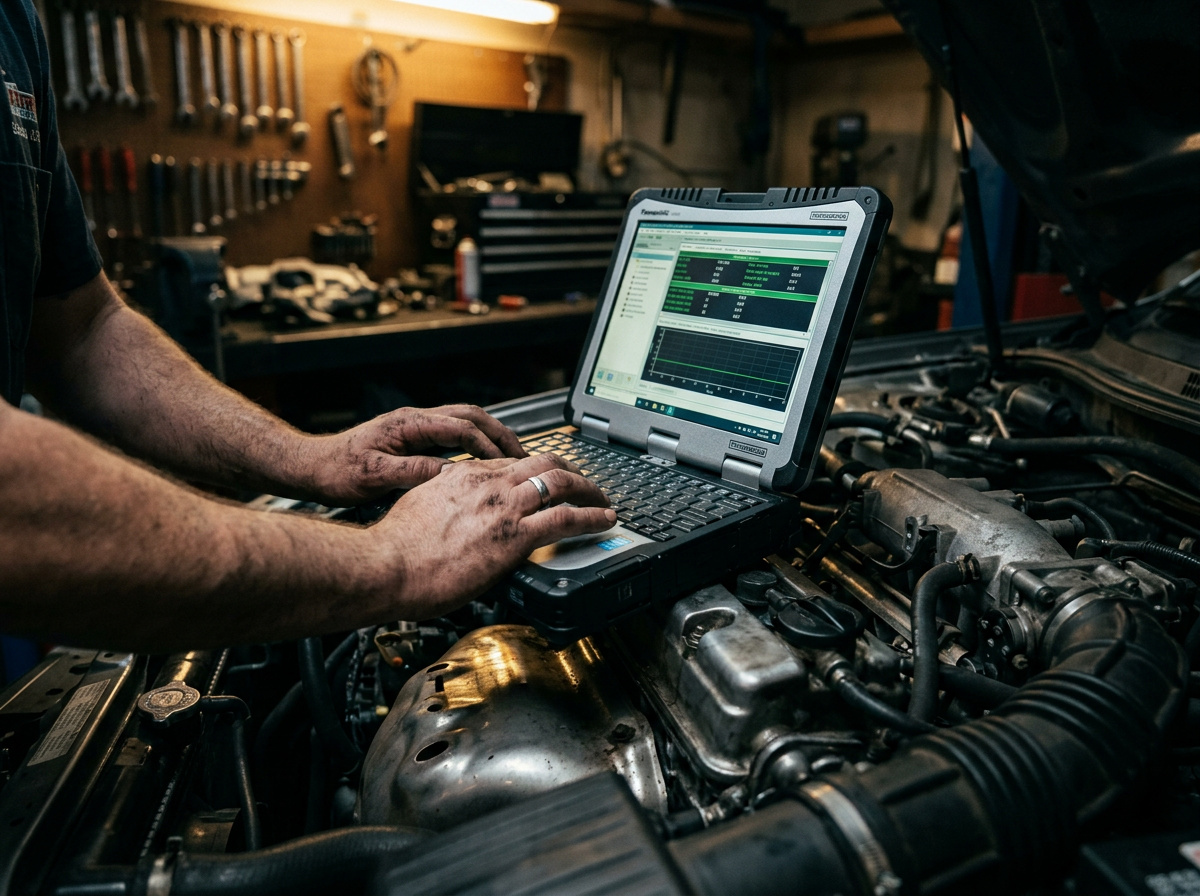
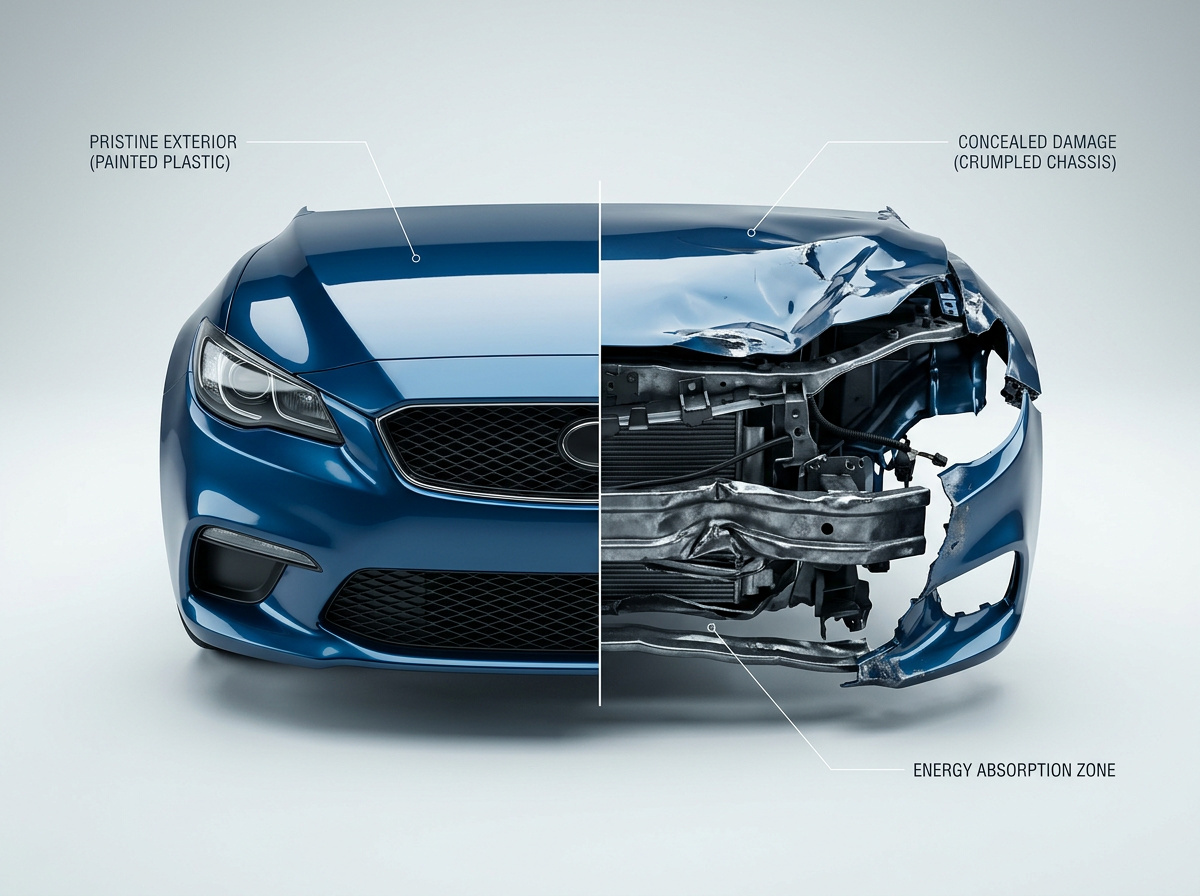
Instead of scheduling a seasoned mechanic, the carrier relies entirely on structured Rapid Impact Analysis workflows to instantly authorize a low-tier payment threshold. These isolated algorithms are wildly prone to visual hallucinations, effectively “seeing” a structurally sound chassis underneath purely because the topcoat of paint remains intact.
“These isolated algorithms are wildly prone to visual hallucinations, effectively “seeing” a structurally sound chassis underneath purely because the topcoat of paint remains intact.”
According to tracking data from S&P Global Mobility, this algorithmic checkpoint has effectively become the primary consumer interface. The convenience of a five-minute upload masks the reality that the visual AI is fundamentally optimized to process basic cosmetic damage, routinely spitting out initial offers that fall spectacularly short of a modern body shop’s invoice.
Actionable takeaway: Verify whether the insurer has categorized your uploaded photos under an automated Rapid Impact Analysis workflow before accepting the initial settlement sum.
The Physical Blindspot: How AI Fails to Price Modern Vehicle Hardware
AI photo estimating in car insurance evaluates vehicle damage by analyzing 2D smartphone photos to price surface scratches and panel replacements, but it structurally fails to calculate the immense cost of hidden 3D hardware recalibrations. This physical blindspot creates a massive discrepancy between what the software sees and what the mechanic charges.
Why 2D Computer Vision Misses 3D Calibration Costs
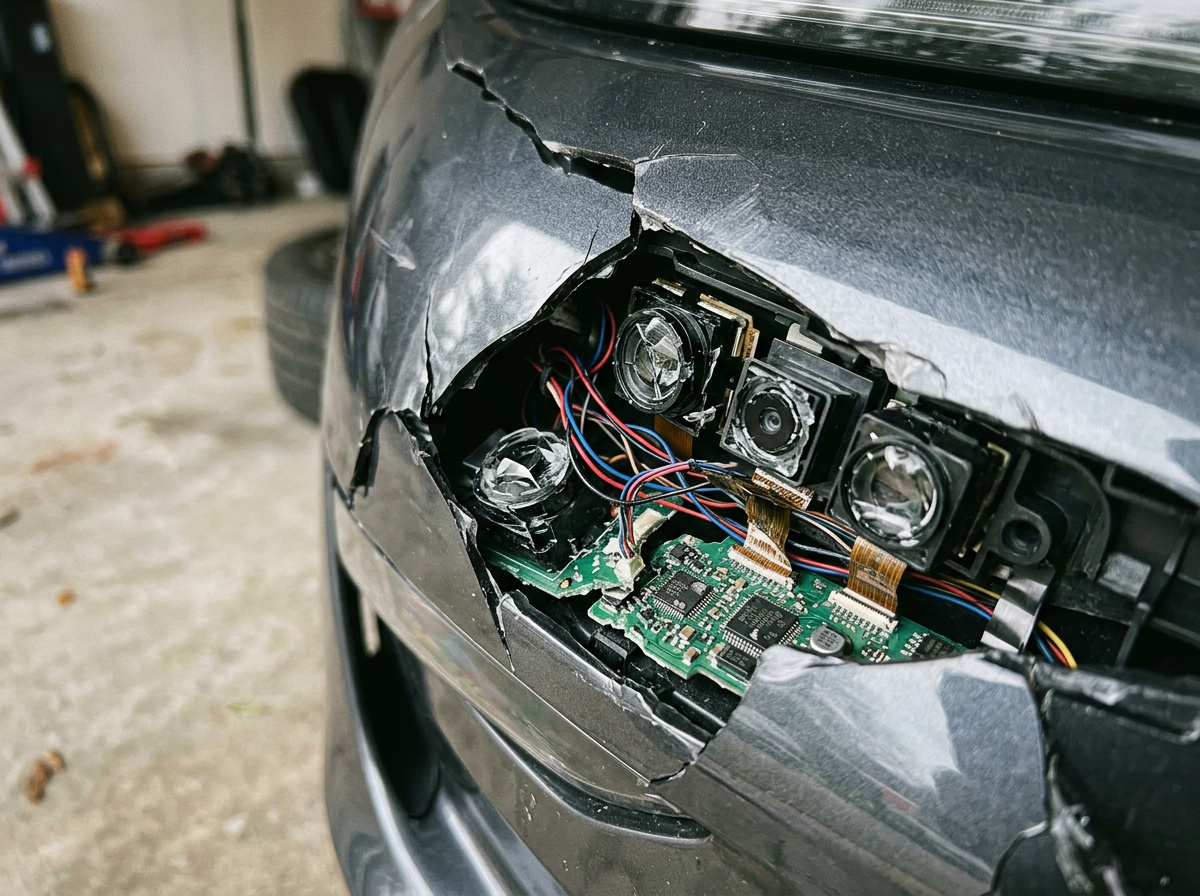
Computer vision is genuinely incredible at isolated categorization. Unlike the generative AI text models built by companies like OpenAI, which attempt to parse and output complex context, automotive visual bots are rigidly literal. If a bumper cover is torn, the app successfully tags the plastic component and prices it. But it misses the vast network of external sensors—the hidden camera, radar, and lidar clusters—mounted directly behind that bumper.
When a standard rear-end collision crushes those clusters, the digital interface only registers a $500 external cover replacement. It entirely misses the complex system-on-chip (SoC) microprocessors that have been physically destroyed, severely underrepresenting actual repair costs. The software assumes structural integrity where none exists because its optical boundaries stop at the vehicle’s paint. This exact dynamic is why EVs and highly automated models frequently trigger out-of-pocket nightmares for drivers relying on purely visual algorithms, a problem guaranteed to worsen as widespread vehicle automation becomes the industry standard.
How Digital Estimates Compare to Real Mechanic Software
The disconnect deepens when you trace how these machine learning models pull their pricing curves. The algorithms pull from macroscopic industry data frameworks, noting that total build costs of automated hardware components are dropping dramatically at global scale, which prompts the software to aggressive tighten local payout thresholds.
Tools like S&P Capital IQ Pro help insurers track these massive macroeconomic supply trends, convincing the AI that parts are getting cheaper over time. What the models fail to calculate is the skyrocketing local labor required to physically recalibrate a new lane-assist sensor in a suburban garage. The AI defaults to broad hardware deflation curves while refusing to pay the hyper-local specialized labor rates actually charged by mechanics.
Actionable takeaway: Force the adjuster to manually itemize invisible internal sensor damage, pointing out that broad macroeconomic data models (like those tracked by S&P Capital IQ Pro) cannot dictate local mechanic repair rates.
The Data Access War Behind AI Auto Insurance Apps Shrinking Payouts
It is functionally legal for auto insurers to use automated algorithms to reduce claim payments, largely because these AI systems operate in a regulatory gray area where software guesswork is used to fill voids left by highly restricted vehicle diagnostic databases. Automakers simply refuse to give insurers the code.
Why Car Manufacturers Lock Away Diagnostic Telemetry
The reason your payout is low is deeply tied to a shadow data standoff. Original equipment manufacturers (OEMs) aggressively lock down software configurations and diagnostic telemetry, frequently weaponizing user Privacy concerns and the threat of catastrophic data leaks to keep insurers locked out.
Insurers desperate to know what hardware broke internally need native EDR logs, but automakers maintain strict data access barriers to protect their proprietary software ecosystems. Navigating The AI Governance Challenge means confronting this reality head-on. Without direct access to a vehicle’s internal self-diagnostic reports, the insurance carrier’s algorithm is quite literally guessing the extent of the damage based on external cosmetic deformation alone.
Algorithmic Guesswork and the Default to Aftermarket Parts
When software is forced into a corner without data, it defaults to defensive behavior. Because the AI lacks granular feature-level detail about the vehicle’s internal state or the exact software versioning running its driver-assistance systems, it applies a generalized risk model instead. If it cannot definitively prove a high-end OEM part was destroyed, it authorizes the cheapest probabilistic alternative.
This leads directly to the system rejecting a personal injury compensation calculator estimate or a mechanic’s OEM-mandated hardware replacement, substituting cut-rate aftermarket parts that may not sync with your car’s complex computing cluster.
Actionable takeaway: Demand the insurer pull native event telemetry directly from the manufacturer rather than relying on computer vision guesswork, citing industry-wide regulatory pressure surrounding The AI Governance Challenge.
Do Traditional Human Claims Adjusters Authorize Higher Payouts?
Traditional human claims adjusters authorize consistently higher payouts than AI insurance algorithms because human operators are capable of evaluating real-world context and local mechanic negotiations rather than rigidly adhering to backend macro depreciation code. Getting a human on the phone immediately shifts the financial boundaries of your settlement.
Why System-centric Policies Punish Human Drivers
The insurance industry is pivoting away from protecting human error and is quickly treating the car as a programmable software platform. These new system-centric policies introduce aggressive liability shifts that assume modern physical hardware is highly fault-tolerant unless proven otherwise.
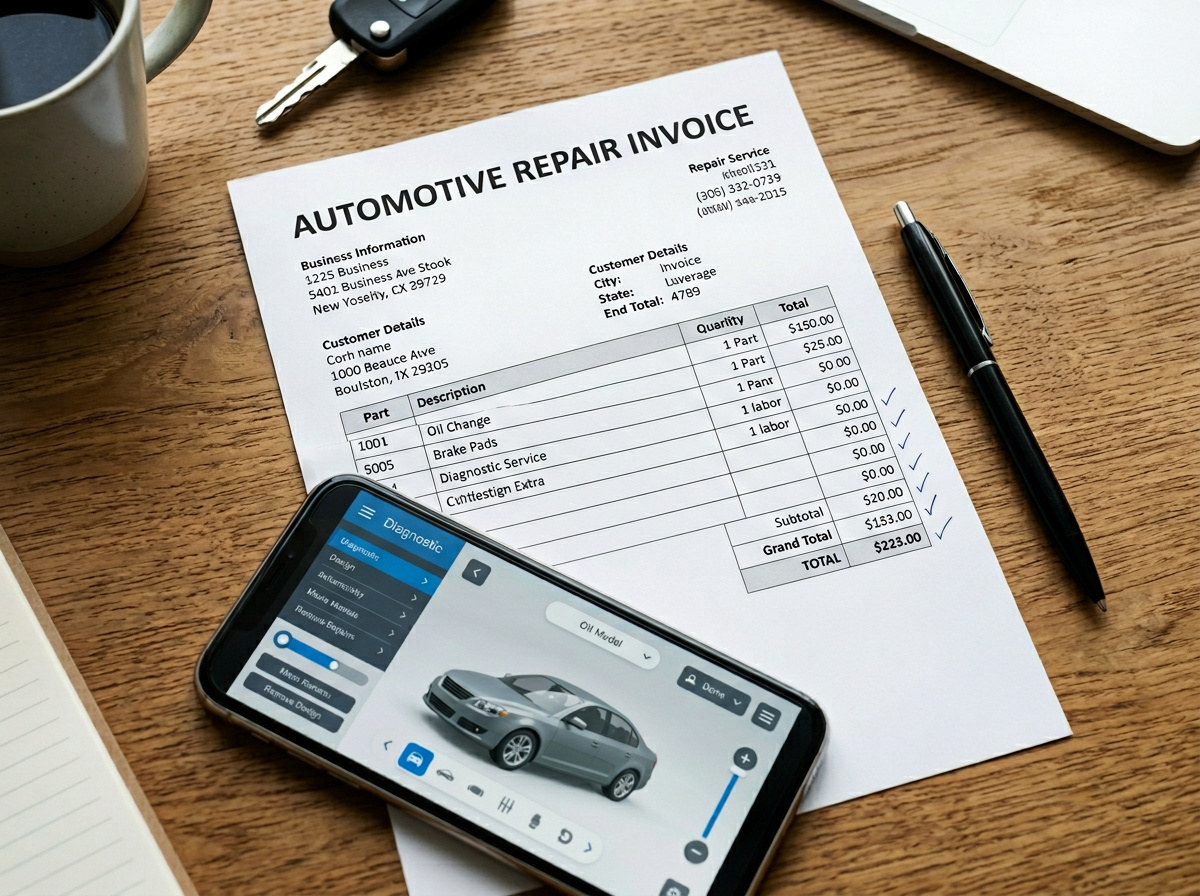
While a human adjuster will listen to a body shop explain why an alignment is completely ruined, the AI algorithm adheres strictly to supply chain logistics. They reference reports like Look Forward: Supply Chain 2024 to validate strict depreciation schedules across the market, utilizing risk products like Ratings360 to model corporate financial boundaries. If the car technically powers on and the camera isn’t reporting a massive error, the software denies the labor request.
The Risk of Models Trained on Commercial Fleets
I was digging into how insurers train these predictive models, and the scope of the data pipeline is honestly wild. Insurers ingest risk variables using corporate intelligence from S&P Global Market Intelligence and S&P Global Ratings. They evaluate hardware risk using S&P Global Commodity Insights, S&P Global Energy Core, and Platts Connect.
At scale, they track financial indices from S&P Dow Jones Indices and sustainability metrics from S&P Global Sustainable1, using SPICE: The Index Source for ESG Data and S&P Global ESG Scores. These trends are debated at massive events like CERAWeek and compiled into sweeping prediction reports—including Look Forward: Multidimensional Transition, The Return of Energy Security, India’s Future: The Quest for High and Stable Growth, and AI in Banking: AI Will Be An Incremental Game Changer.
Ultimately, insurers test these models on commercial logistics. The resulting routine deployment insights gleaned from fleet robotaxis—monitored via platforms like AutoCreditInsight—create twisted consumer coverage frameworks. Your AI estimate is literally being cross-referenced against wear-and-tear models built for commercial vehicles driving 52,000 miles a year, a baseline completely inappropriate for everyday human driving realities.
Actionable takeaway: Cross-reference initially denied labor costs against local mechanics to prove that generalized supply and transit models (typically seen in macroeconomic metrics like AutoCreditInsight) do not accurately reflect your actual repair reality.
How to Dispute an AI Claim Denial and Demand a Manual Review
To dispute an auto insurance claim undervalued by an AI system, you must halt the automated workflow by officially rejecting the digital estimate in writing and providing hard, physical mechanic readouts to trigger a mandatory escalation loop. You cannot fight code with complaints; you must fight it with better telemetry.
Evidence Required to Combat Computer Vision
You have to prove unequivocally that the 2D visual analysis failed your 3D reality. Start by collecting physical body shop quotes, deep diagnostic readouts from the car’s onboard computer, and pre-teardown structural photos.
As highlighted by S&P Global research into the Future of Mobility, modern accidents are technological failures as much as physical ones. If the app missed a failing radar module or an internal wiring glitch, a certified mechanic’s diagnostic printout is the only format that a backend enterprise system recognizes as a legitimate error trigger. You are building a technical dossier to crash the algorithm’s confidence threshold.
Activating Human Escalation Paths
Once your documentation is collected, you have to formally Opt Out of the mobile app ecosystem. Send a written rejection of the initial settlement offer, stating explicitly that the computer vision model failed to capture the full scope of internal system damage.
By overwhelming the software with highly complex edge cases, you force the system to unassign the automated bot and bring in human specialists. A human adjuster has the override credentials required to discard the generalized AI cap and authorize real negotiation with your local repair facility.
Actionable takeaway: Officially decline the app-generated estimate in writing and formally request a manual adjustment, utilizing a licensed mechanic’s exact diagnostic readouts to force an escalation.
Frequently Asked Questions
Why does my auto insurance app’s damage estimate seem so low?
Insurers are using frontend workflows like Rapid Impact Analysis to aggressively filter and cap payouts before a human adjuster ever intervenes. These strictly literal computer vision models only evaluate superficial 2D damage like scratched paint or dented steel. They completely overlook the phenomenally expensive 3D internal hardware, like radar and lidar clusters, assuming structural integrity simply because the topcoat survived.
What is Rapid Impact Analysis in car insurance?
It is a backend automated tool that insurance carriers use to generate instant, low-tier settlement offers based purely on smartphone photos. Instead of sending a seasoned mechanic to assess the chassis, the software executes a first-pass incident analysis to calculate surface damage. Unfortunately, these systems routinely hallucinate a perfectly sound vehicle underneath the cosmetic dents, securing a cheaper payout for the carrier.
What’s the difference between an AI photo estimate and a real body shop quote?
The AI app assesses damage through a 2D lens and prices hardware based on broad macroeconomic data sets that incorrectly assume parts and labor are getting cheaper. Your local mechanic relies on native diagnostic software to find physically destroyed microprocessors the camera couldn’t see. Consequently, the body shop’s quote reflects the skyrocketing, hyper-local specialized labor rates required to recalibrate complex automated sensors, which the AI blatantly ignores.
Why do automakers block insurance companies from seeing vehicle diagnostic data?
Automakers aggressively lock down diagnostic telemetry to protect their proprietary software ecosystems, often weaponizing user privacy to keep insurers completely locked out. This creates a massive shadow data standoff where the insurance AI is functionally guessing the extent of your internal damage. Because the algorithm lacks direct Event Data Recorder (EDR) logs to verify broken OEM hardware, it defaults defensively to authorizing cheap aftermarket parts.
How does commercial robotaxi data ruin my personal car insurance claim?
Insurers ingestion massive risk and supply chain variables to train their predictive models, heavily relying on routine deployment insights gleaned from commercial logistics handling 52,000 miles a year. Your digital payout estimate is quietly cross-referenced against depreciation and wear-and-tear models built for these heavy-duty fleet robotaxis. Applying that punishing commercial baseline to a consumer vehicle creates a warped coverage framework completely disconnected from human driving realities.
Can I force a human claims adjuster to override an AI settlement?
Absolutely, and it is the only reliable way to secure a payout that reflects true repair costs. You must formally reject the digital estimate in writing to step out of the automated mobile app ecosystem. By attacking the AI’s confidence threshold with physical body shop quotes and deep diagnostic EDR readouts, you force the carrier to mandate human escalation and actually negotiate.