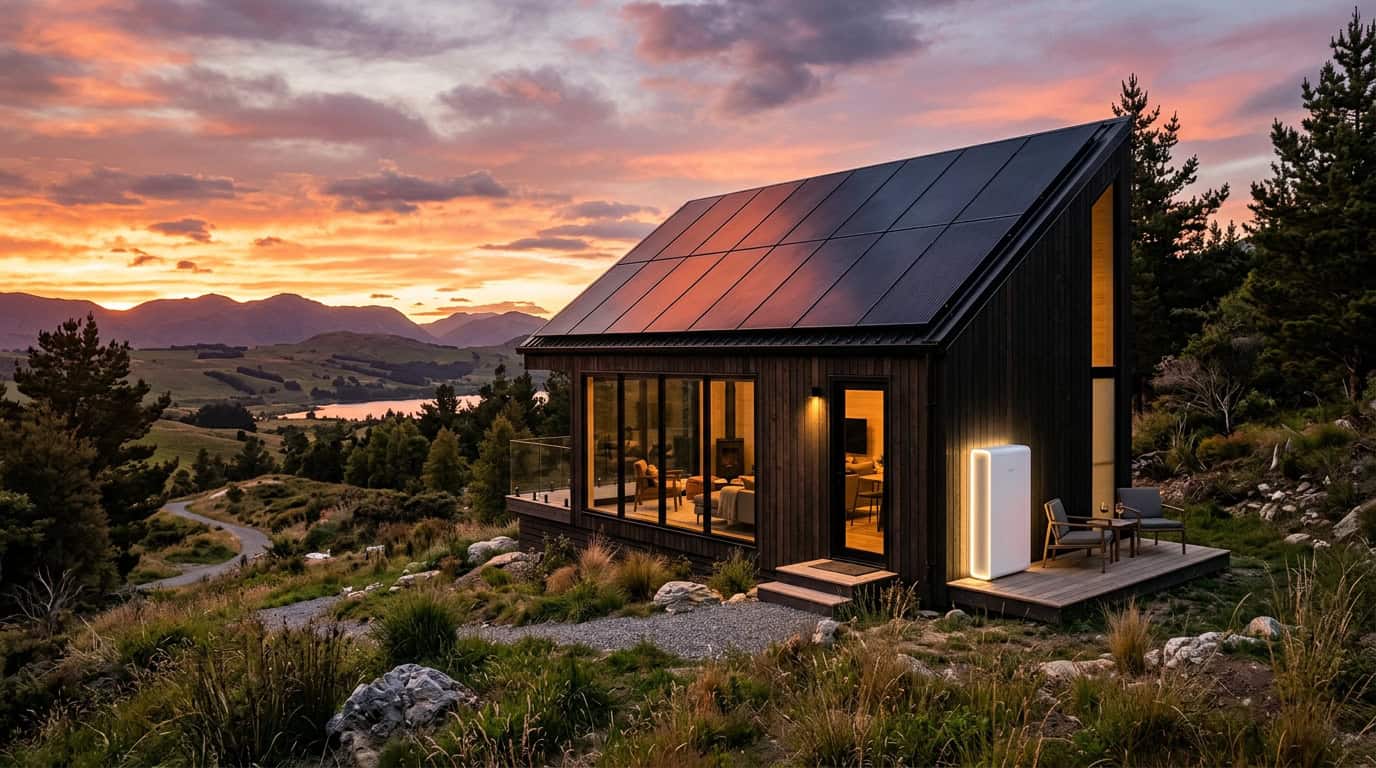
If you are trying to find where to buy the viral $50,000 Tesla Tiny House, I have bad news and good news. The bad news is that Tesla does not manufacture or sell prefabricated houses. We see internet rumors spinning out of control every week here at GeekExtreme, with people seriously contemplating selling their properties to companies that buy houses for cash just to fund the dream of sustainable living with an off-grid lifestyle in a fictional product.
The good news is that the underlying tech is very real. What people are actually looking at isn’t a structural chassis built by an automaker, but a sophisticated energy ecosystem wrapped in third-party walls. You cannot click a button and buy a pre-built home from Tesla, but you absolutely can build one yourself using their power products.
Key Takeaways
The Tesla Tiny House is not commercially available; the viral internet rumor actually stems from Elon Musk temporarily renting a third-party prefabricated home in Texas.
Creating a true self-sufficient sanctuary relies on integrating the Tesla Powerwall, a high-capacity energy system, for storing energy harvested by solar panels—effectively eliminating the need for traditional utility connections.
Installing a 250-pound residential battery system inside a 400-square-foot footprint requires strict engineering compliance with thermal performance standards and local zoning codes.
Table of Contents
The Reality of Tesla Homes: Separating Myth From Fact
For the past year, my feeds have been jammed with renders of sleek, futuristic habitats labeled as the official Tesla Tiny House. The rumors suggest you can configure a flat-packed, $50,000 off-grid shelter and have it dropped onto your driveway in an afternoon. Let me establish this definitively right now: you cannot buy a prefabricated tiny house manufactured by Tesla. The company is fundamentally focused on electric vehicles and energy infrastructure, not residential home building or drywall installation.
While the internet gets swept up in finding preorder links that do not exist, they are completely missing the actual architectural revolution happening right in front of us. An authentic Tesla-powered home is much more interesting than a branded box. It is about taking any physical structure and turning it into an entirely self-sufficient power plant.
By integrating high-density residential battery storage with advanced solar collection, you are basically hacking the electric grid. Instead of hoping a tech billionaire ships you a tiny house, the reality is that any eco-friendly structure can become the ultimate tech-driven sanctuary. When paired with sustainable technology, even a basic cabin transforms into a modern marvel of clean energy, provided you wire the hardware correctly.
Tracing the Root of the Viral Tesla Homes Rumor
Are the Rumored Elon Musk Tiny Houses Actually Real and Currently in Production?
No, the rumored tiny houses associated with Elon Musk are not in production by Tesla, because the unit he famously rented was built by an entirely different startup. The entire internet obsession started with reports detailing where Elon Musk actually lives near the SpaceX launch facility in Boca Chica, Texas. Drone pilots spotted a minimalistic, fast-assembly shelter on his property, and the internet immediately branded it as a secret beta test for a new Tesla housing wing.
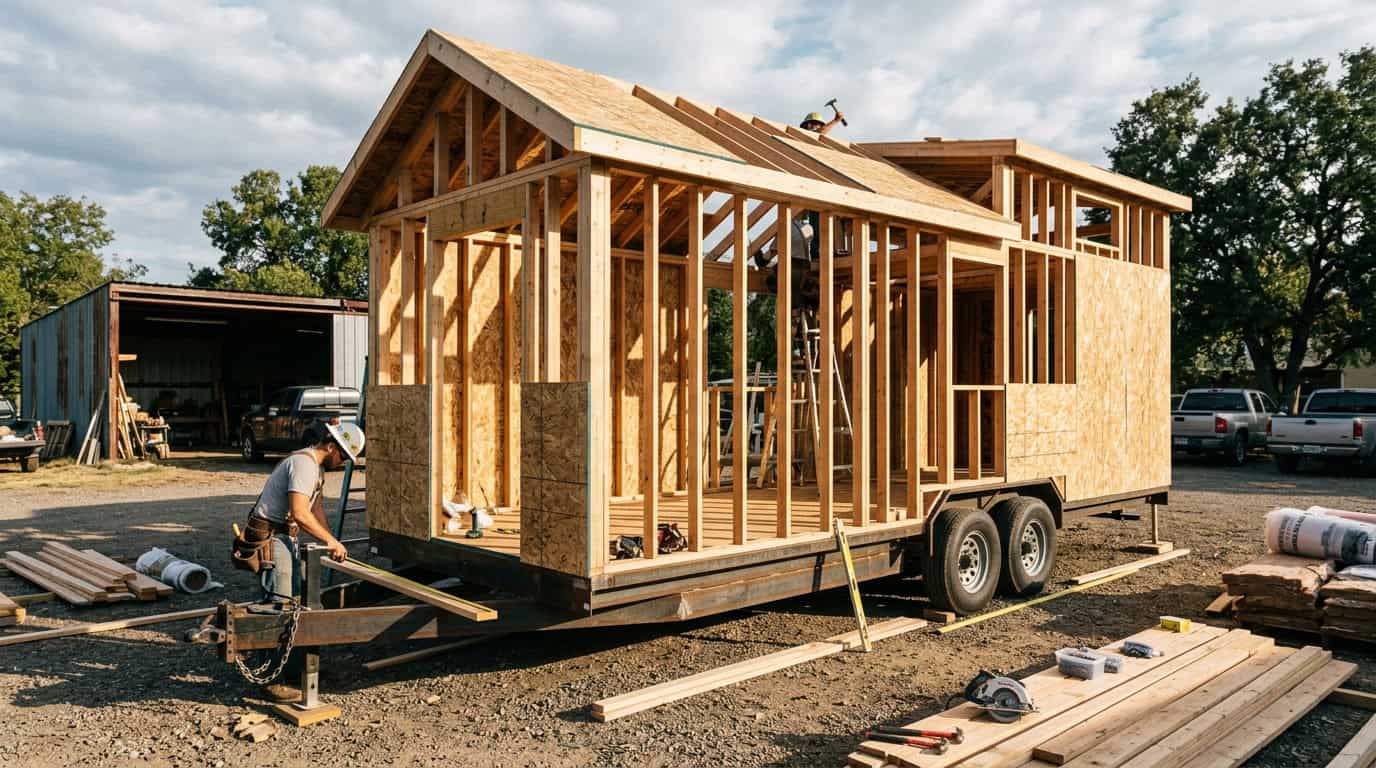
This is a classic case of social media conflating separate entities into a unified myth about modular homes. The specific unit spotted was a Boxabl Casita, a 375-square-foot modular room famously placed near Starbase to serve as convenient housing. Because Musk’s personal brand generates what some affectionately call Elon derangement syndrome, the hype cycle decided Tesla must be secretly manufacturing low-cost, sustainable housing. Musk was simply renting a product from a third-party company that specializes in towable, unfolding rooms. Tesla only gets involved when you start wiring the building’s roof to capture solar energy.
Decoding the Real Ecosystem of a Tesla Home
How Does a Tesla Smart House Compare to a Boxabl Casita?
A Boxabl Casita is a physical, prefabricated shelter made of steel and concrete panels, whereas a true Tesla smart house is a proprietary energy ecosystem retrofitted onto an existing blueprint. When you talk about sustainable living using Tesla hardware, you are investing in the central nervous system of the property rather than the walls themselves.
The brain of this operation is the Tesla Powerwall, which functions as an advanced Energy Storage System (ESS) designed to manage intense electrical loads. An ESS does not just sit there waiting for a blackout like a noisy gas generator. It actively monitors your solar input, routes electricity to your appliances seamlessly, and banks the surplus for nighttime use.
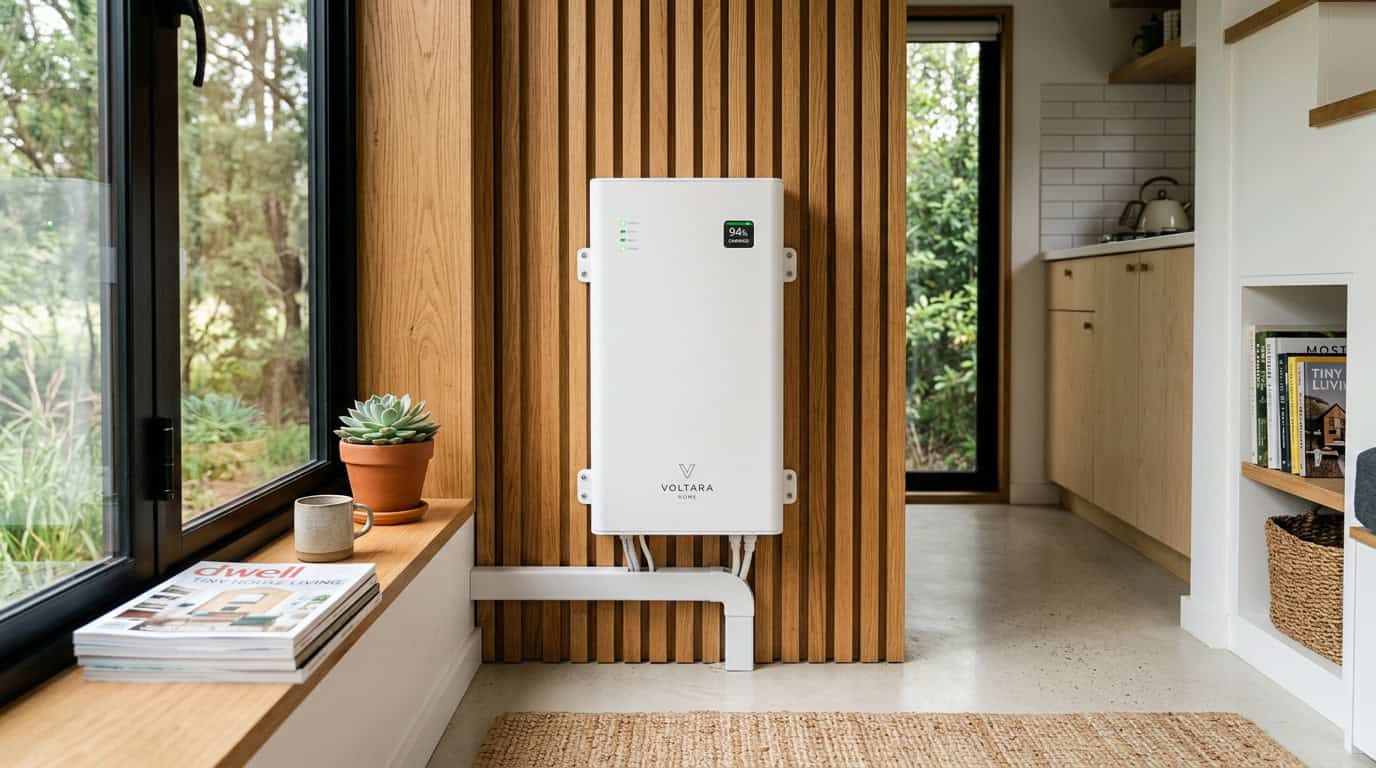
You bolt this technology onto whatever chassis you want—whether that is a custom A-frame, a converted shipping container, or a traditional foundation. Unpacking these components reveals how software and high-density chemistry replace the need for physical grid hookups, completely changing the math on remote property development and sustainable architecture.
Decentralized Power Generation
To properly utilize this tech stack, you have to fundamentally change your perspective on what a house is. We are talking about converting a standard building into an independent microgrid, ensuring that your shelter acts as a completely self-sustaining sanctuary.
Instead of drawing power from centralized coal or natural gas plants miles away, your roof acts as the generator, relying entirely on clean energy. When you integrate a sleek solar array with smart load management, the house actively decides when to run the washing machine based on the battery’s current physical capacity. It is honestly kind of elegant.
You bypass the utility company entirely, achieving a self-contained power loop mimicking the zero-waste principles of a circular economy. In this setup, your daily carbon footprint and overall greenhouse gas emissions drop to effectively Net Zero. The hidden catch is that shoving all this industrial-grade electrical equipment into incredibly tight quarters introduces a whole new set of architectural headaches to solve.
“You bypass the utility company entirely, achieving a self-contained power loop mimicking the zero-waste principles of a circular economy.”
Building an Off-grid Tiny House With Tesla Tech
Does the 2025 Micro-home Model Come With a Built-in Solar Roof and Powerwall?
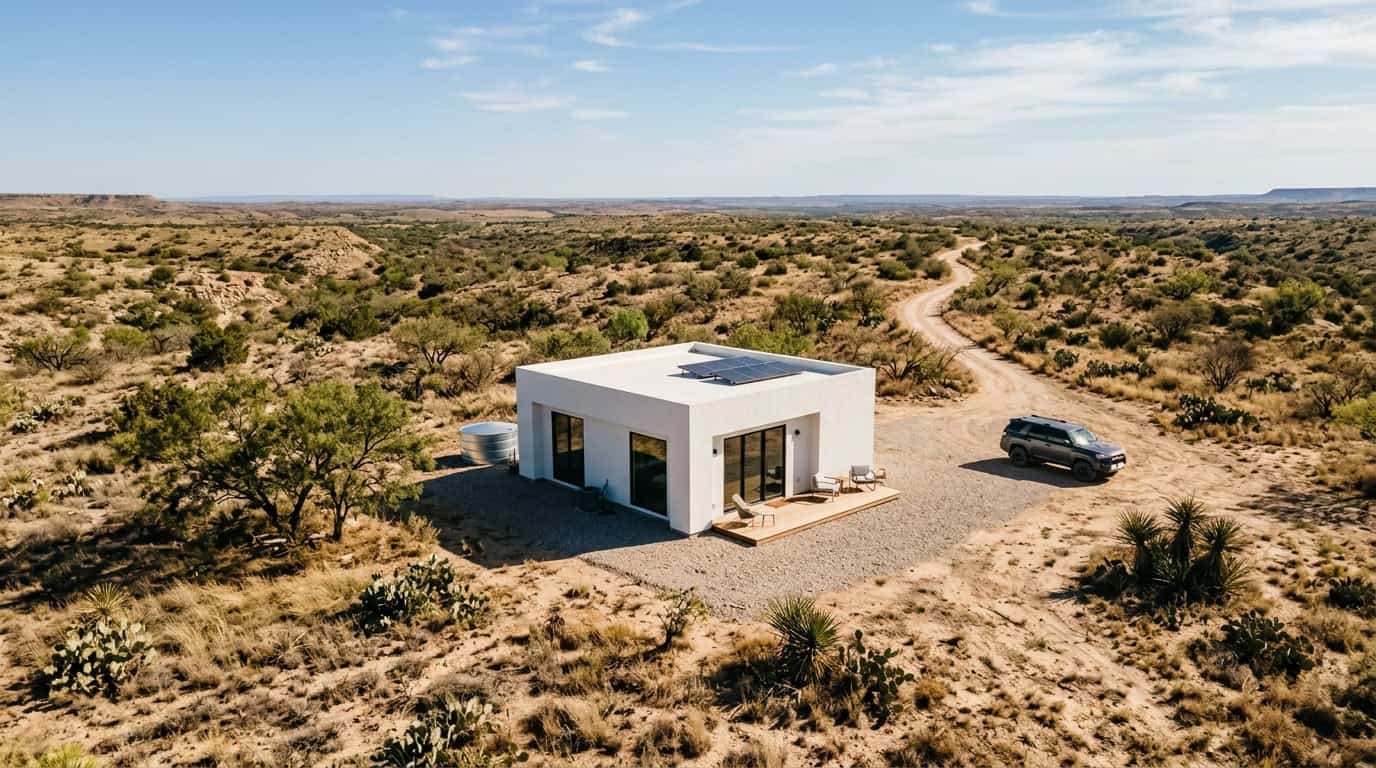
There is no official 2025 micro-home model on the market, meaning any built-in Solar Roof and Powerwall setup must be retrofitted by DIY builders or specialized contractors. Cramming heavy tech into a minimalistic footprint is where most internet theories completely fail to understand the laws of physics. A single residential battery unit weighs roughly 250 pounds and requires significant structural reinforcement before mounting.
If you are utilizing modular construction, your supplier must calculate these exact weight tolerances during the prefabrication phase long before the house arrives on site. Things get even more complex when building a mobile home on wheels. You have to balance the intense energy density of modern lithium batteries against the strict spatial footprint of a trailer chassis.
If you mount heavy electrical gear incorrectly, you ruin the weight distribution of the towable structure. Builders literally have to sacrifice precious square footage to house the electronics safely, proving that true energy independence demands major spatial compromises that directly impact everyday livability.
Insulation and Climate Control
Going completely off the grid forces you to respect the brutal realities of thermodynamics. If you want your battery array to last through the night, aggressive thermal performance is an absolute requirement, serving as the primary method for intense HVAC load reduction.
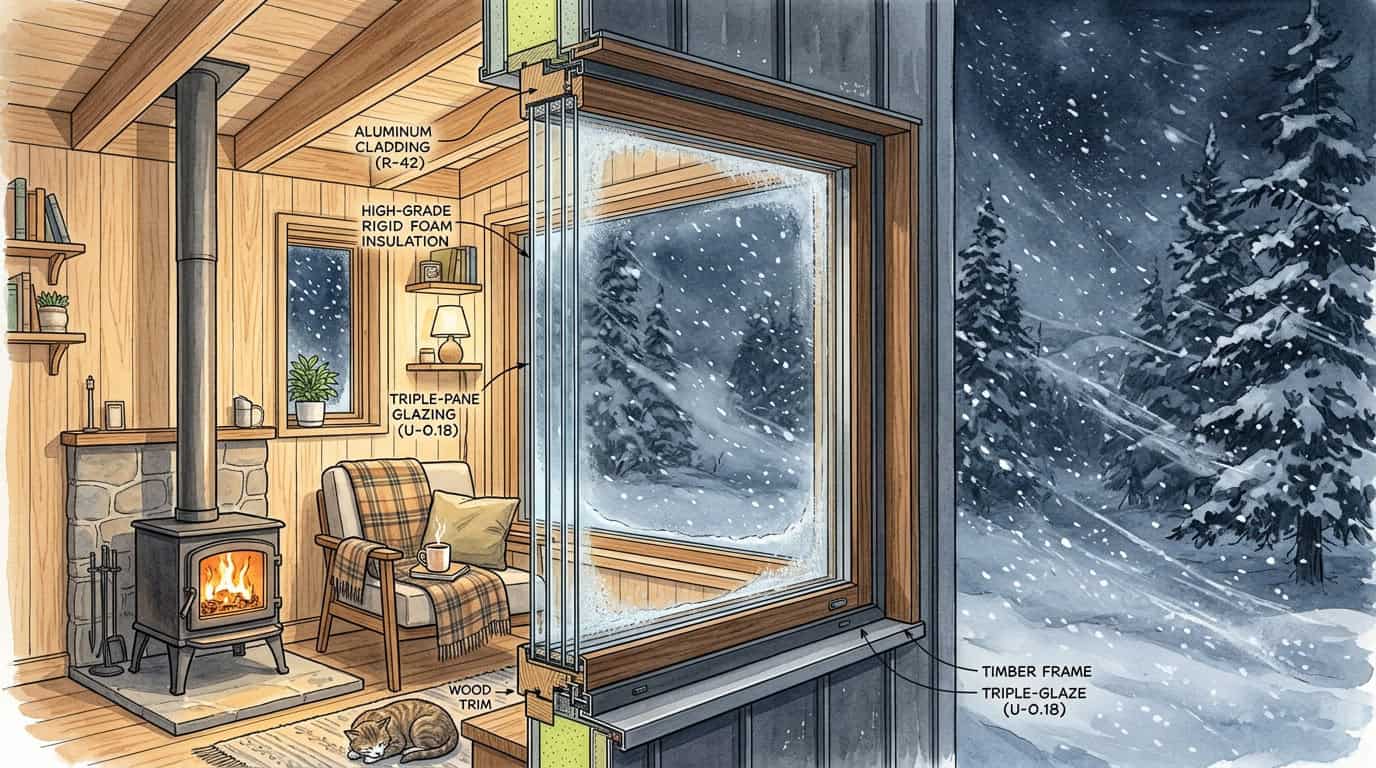
You cannot rely strictly on solar constraints to power an energy-efficient home if your roof is leaking heat like a sieve. Pre-built housing manufacturers must alter their fundamental designs, often utilizing weather-sealed doors, triple-pane windows, and ultra-high-grade foam insulation to trap conditioned air efficiently. This tight thermal envelope drastically reduces energy consumption; the rough rule of thumb is that every dollar you spend on better insulation saves you three dollars in required battery capacity over the lifetime of the build.
If your tiny house is poorly sealed, your heating and cooling systems will drain the battery stack long before the morning sun can recharge it. Sustainable housing is an engineering discipline rather than just an aesthetic—your wall thickness directly dictates the size of the electrical system you have to purchase.
Achieving Energy Independence and Breaking Even
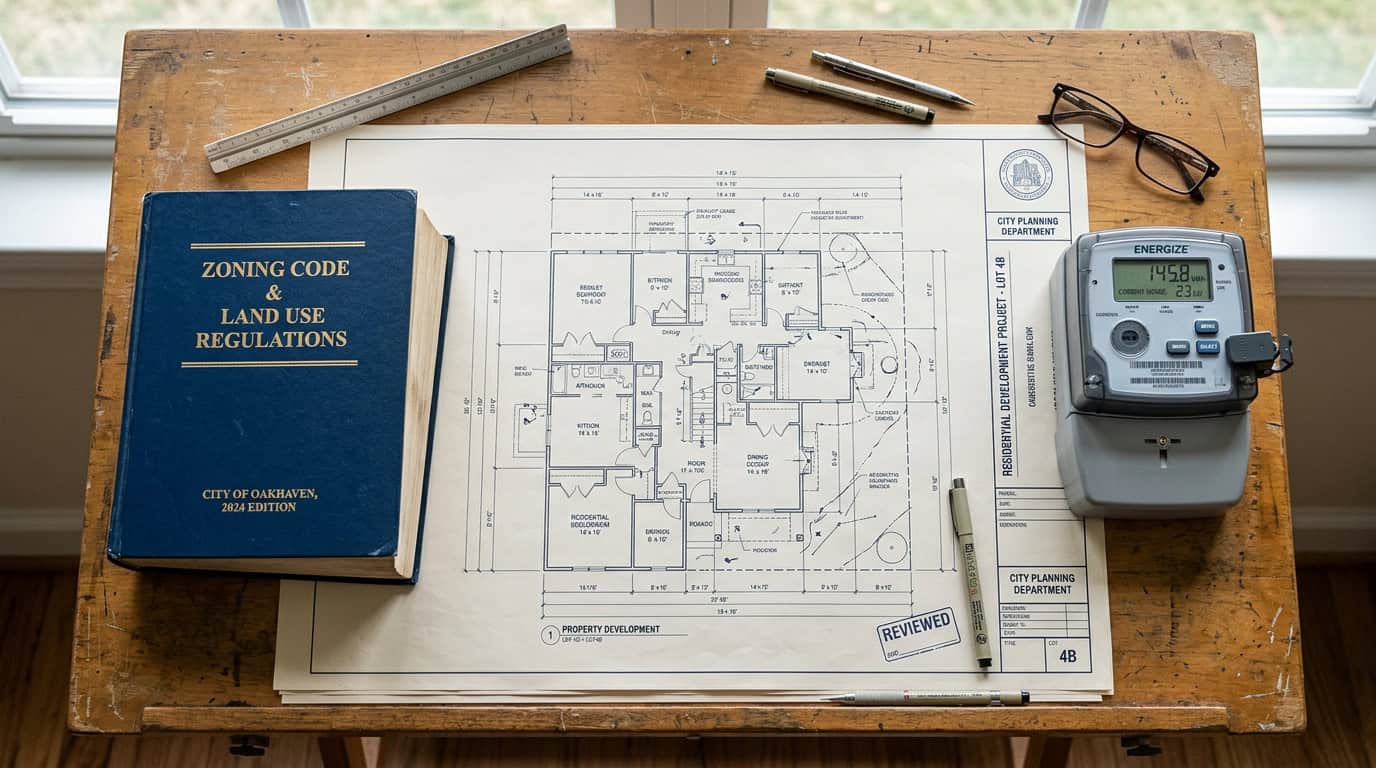
So, how much does a fully equipped off-grid house by Tesla cost? Setting up a high-end energy ecosystem typically ranges from $15,000 to $30,000 in hardware alone, completely replacing traditional public utility infrastructure. According to Sustainable Business Magazine, the initial capital required for true off-grid capabilities feels steep, but the long-term return on investment fundamentally rewrites household economics.
When you outfit a tiny home with a premium solar battery array, you execute a financial mechanic designed to slash lifetime operational expenses. The core strategy is breaking your grid reliance by utilizing aggressive peak shaving during the most expensive billing hours of the day. Instead of paying premium utility rates on a hot summer afternoon, your home detects the surge pricing and smoothly discharges stored power collected earlier in the morning.
Even if you maintain a backup utility connection for emergencies, relying on stored electricity during peak hours rapidly accelerates the system’s payoff period. Furthermore, when extreme weather triggers rolling blackouts across your region, your localized system functions as an isolated asset perfectly insulated from volatile power grids.
Navigating Availability and Off-grid Legalities
How do I pre-order or reserve one of the new sustainable housing units? You can order individual energy products directly through the Tesla website right now, but you must independently hire an architect or contractor to design the actual physical structure itself. Getting the hardware dropped off in your driveway is honestly the easiest part of the entire project.
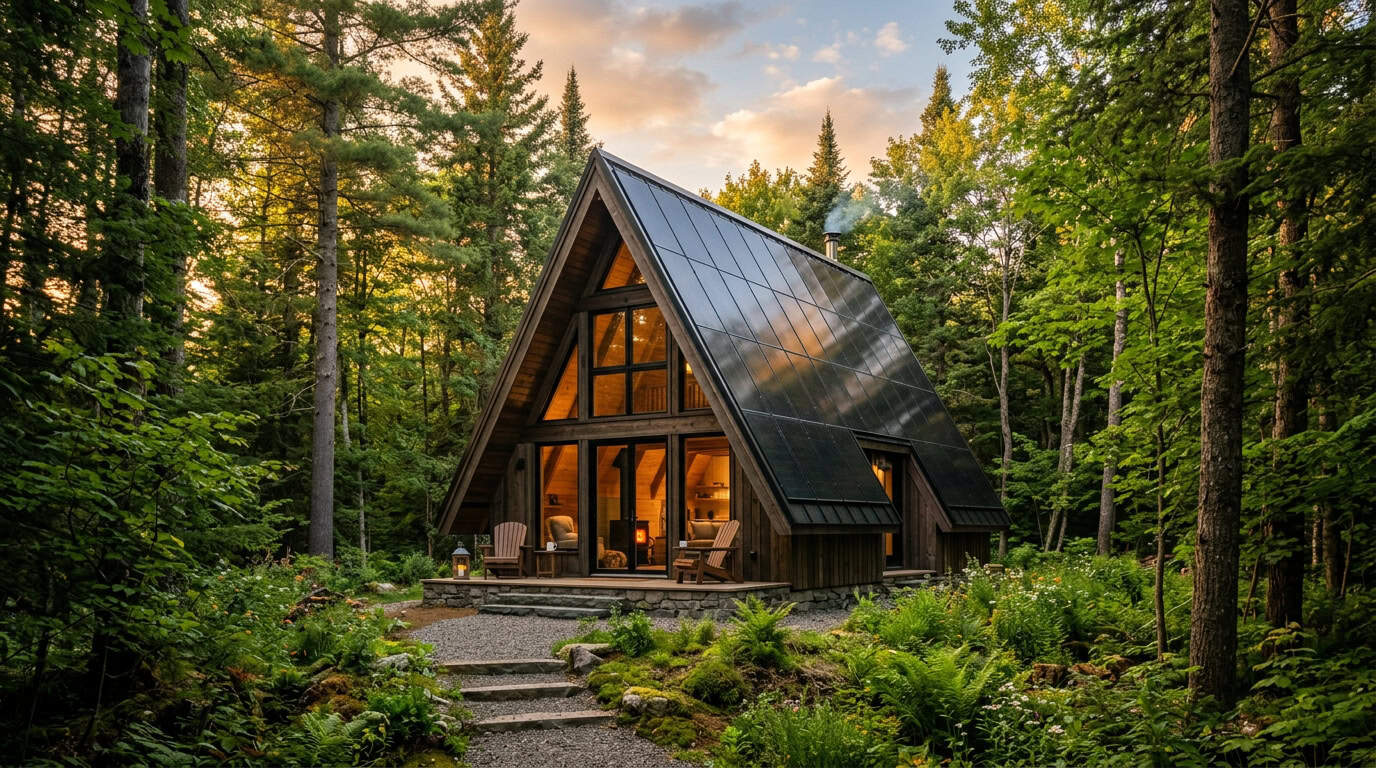
The hardest part is cutting through the bureaucratic nightmare of local municipalities. Setting up an off-grid Accessory Dwelling Unit (ADU) requires navigating highly specific zoning ordinances that often outright ban habitability without traditional utility hookups. Many townships legally mandate that a residential property must be connected to the public sewer, water, and electrical grid before they will even issue a certificate of occupancy.
You have to prove to building inspectors that your sophisticated solar array meets or exceeds rigid municipal safety codes. The residential market is slowly shifting toward decentralized energy sources, but local laws are stubbornly slow to catch up. Building the ultimate high-tech sanctuary means you need to be just as competent at reading legal codes as you are at wiring electrical panels.
Can I actually buy the $50,000 Tesla tiny house?
No, because it doesn’t exist. The viral internet rumor started when Elon Musk rented a prefabricated shelter from an entirely different startup called Boxabl. Tesla focuses on electric vehicles and energy infrastructure, not manufacturing residential homes.
What’s the difference between a Boxabl Casita and a Tesla smart house?
A Boxabl Casita is a physical, prefabricated modular shelter built with steel and concrete panels. A Tesla smart house isn’t a standalone physical structure, but rather a proprietary energy ecosystem of solar arrays and batteries retrofitted onto an existing blueprint.
How much does an off-grid Tesla energy system cost for a tiny home?
Outfitting a tiny house with a premium Tesla energy ecosystem typically ranges from $15,000 to $30,000 for the hardware alone. While the initial capital is steep, it slashes lifetime operational expenses by utilizing peak shaving to smoothly bypass expensive utility rates.
Why does installing a Tesla Powerwall in a tiny house cause architectural headaches?
A single residential battery unit weighs roughly 250 pounds, which introduces severe physical constraints for modular or mobile foundations. Pre-fab builders have to calculate exact baseline weight tolerances and sacrifice highly coveted square footage just to mount the electrical hardware safely.
Does my tiny home’s insulation change how many Tesla batteries I need?
Absolutely, as off-grid living forces you to respect the brutal laws of thermodynamics. If your home isn’t sealed with triple-pane windows and high-grade foam, your HVAC system will drain the battery stack long before sunrise. The general rule is that every dollar spent on better insulation saves three dollars in required battery capacity.
Can I legally place a fully off-grid Tesla housing unit in my backyard?
Navigating the legalities is honestly much harder than buying the hardware. Many local municipalities have incredibly stubborn zoning ordinances for Accessory Dwelling Units (ADUs) that mandate traditional connections to public sewer, water, and electrical grids before they’ll issue a certificate of occupancy.
How do I reserve the 2025 Tesla micro-home model?
There is no 2025 micro-home model to reserve. You can purchase the individual solar and energy storage products directly from Tesla right now, but you must independently hire an architect or contractor to completely design and build the physical house itself.

I would be interested in designs available. Prefer one level. What would be earliest availability? What is largest square footage available? Thank you.
I love the price! I’m 71. I have property to set this home in Ohio on my 88 acres. There is no septic system. How do you sustain a septic
Since you are still in the R&D arena, let me know if my property could possibly be used for one of your Tesla tiny homes
Thank you.
Vicki Todd
740-975-1827
Vatishere@gmail.com
acre at Lakeaire,Temple, Tx.
been on a list.