
Finding an eco-friendly house that doesn’t drain your savings can feel like a huge challenge. But what if the same company known for electric cars offered a solution? While Tesla doesn’t build houses from the ground up, the idea of “Tesla Homes” is very real, thanks to a fascinating partnership set to expand in 2025.
The core of this concept involves smart, sustainable houses packed with Tesla’s clean energy tech. We’re talking built-in solar panels, powerful Powerwall batteries, and hyper-efficient systems designed to cut your energy bills dramatically. Ready to see how this is changing the future of housing?
Key Takeaways
Tesla doesn’t manufacture homes, but partners with modular builder Boxabl to integrate its energy technology into 361-square-foot tiny homes.
The base price for a Boxabl Casita is around $60,000, not including taxes, shipping, or site preparation, which can add $20,000 to $60,000.
With a Tesla Powerwall and solar panels, homeowners can drastically reduce or eliminate utility bills, with some users reporting savings of over $1,000 annually.
Key features include a Tesla Powerwall 3 battery, which stores 13.5 kWh of energy, and durable, fire-resistant building materials like steel, concrete, and EPS foam.
Demand is extremely high, with a reported waitlist of over 160,000 people for a Boxabl home, requiring patience and planning to purchase one.
Table of Contents
Is Tesla Making Homes?
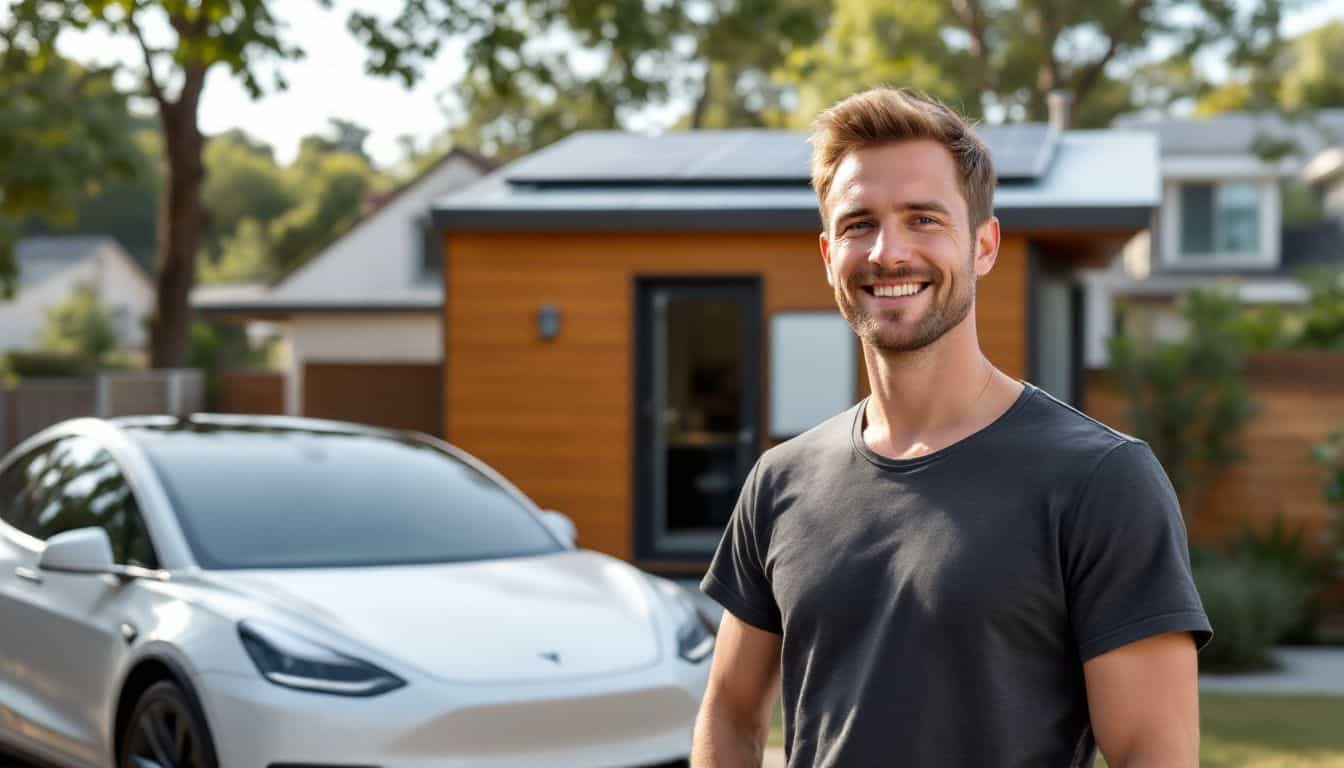
While Tesla has expanded from electric cars into energy, it’s not actually building houses itself. Instead, the concept of a “Tesla Home” comes from a partnership with Boxabl, a construction technology company that creates innovative, sustainable tiny homes.
The connection gained huge attention when Elon Musk revealed he lives in a Boxabl “Casita” model, a 361-square-foot unit, which he rents from SpaceX in Boca Chica, Texas. This personal endorsement skyrocketed public interest.
Tesla homes aren’t built by Tesla, but they are powered by Tesla. They combine Boxabl’s fast, modular construction with Tesla’s world-class solar and battery technology.
These homes are designed to fully integrate Tesla’s energy ecosystem. Each unit is built to easily accommodate Tesla solar panels and Powerwall batteries. This creates a self-sufficient home that can generate, store, and manage its own clean energy, with a starting price that makes sustainable living more accessible.
Elon Musk’s choice to live in one of these homes shows his commitment to sustainable innovation. It’s a powerful statement about the future of housing, and you can learn more about where Elon Musk lives and his minimalist lifestyle.
Are Tesla Homes Real or Fake?

Tesla homes are very real, but it’s crucial to understand what they are. The physical structure is a prefabricated home manufactured by Boxabl, most famously their “Casita” model. The “Tesla” part refers to the energy technology integrated into it.
So, you can’t buy a home directly from a Tesla showroom. You buy a home from Boxabl that is designed to be the perfect vessel for Tesla’s energy products. Some critics, sometimes referred to as suffering from Elon Derangement Syndrome, often miss this distinction, but the partnership is straightforward.

The current reality is a powerful collaboration. Boxabl focuses on mass-producing affordable, high-quality housing in its Las Vegas factory, and Tesla provides the tech to make them energy independent. This combination is a game-changer for anyone wanting to live off-grid or simply slash their utility bills using renewable power sources.
Key Features of Tesla Homes

A Tesla-powered Boxabl home is more than just four walls, it’s a complete living system. The magic comes from combining smart energy tech with a durable, efficient structure. Let’s break down what makes these homes stand out.
Solar Panels and Powerwall Integration
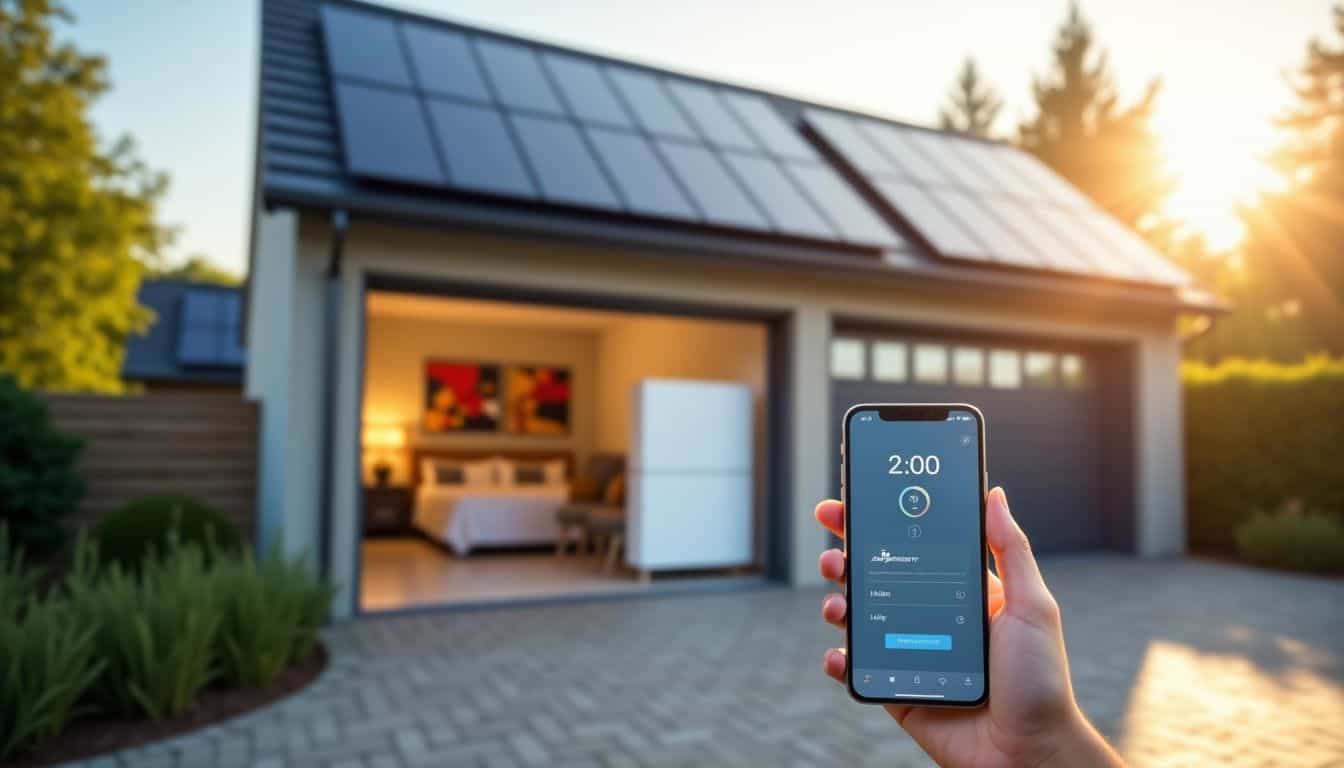
The heart of a Tesla home is the energy system. Solar panels capture sunlight, and the Tesla Powerwall stores that energy for you to use anytime, day or night. It’s like having your own personal power plant.
The latest Powerwall 3 is a beast, holding 13.5 kWh of usable energy. That’s enough to keep your essential appliances running for hours during a power outage. It also delivers up to 11.5 kW of continuous power, which is strong enough to start heavy-duty appliances like an air conditioner.

This setup isn’t just for blackouts. The Tesla app lets you manage your energy use, track savings in real-time, and decide when to use stored power. For example, you can use your stored solar energy during peak evening hours when electricity from the grid is most expensive, leading to significant savings on your monthly bills.
A recent case study showed a UK homeowner with solar panels and a Powerwall 3 slashed their annual electricity bill from £2,040 to just £171.
This level of energy independence moves us toward the next key aspect, the home’s physical design.
Sustainable and Energy-Efficient Design
Boxabl homes are built to be incredibly durable and efficient. They are constructed in a factory using a laminated panel system made of steel, concrete, and EPS foam. This method produces far less waste than traditional home construction.
These materials offer some amazing benefits.
- Durability: The steel and concrete structure is resistant to fire, floods, and mold, making it safer and longer-lasting than typical wood-frame houses.
- Insulation: The EPS foam provides excellent insulation, which helps maintain a stable temperature inside. This means your heating and cooling systems don’t have to work as hard, saving you even more energy.
- Efficiency: All appliances that come with the Boxabl Casita, like the fridge, dishwasher, and washer/dryer combo, are energy-efficient models designed to minimize power consumption.
These green design choices, combined with smart ventilation and optional upgrades like geothermal heat pumps, create a home that is truly sustainable from the ground up.
Compact and Modern Living Spaces
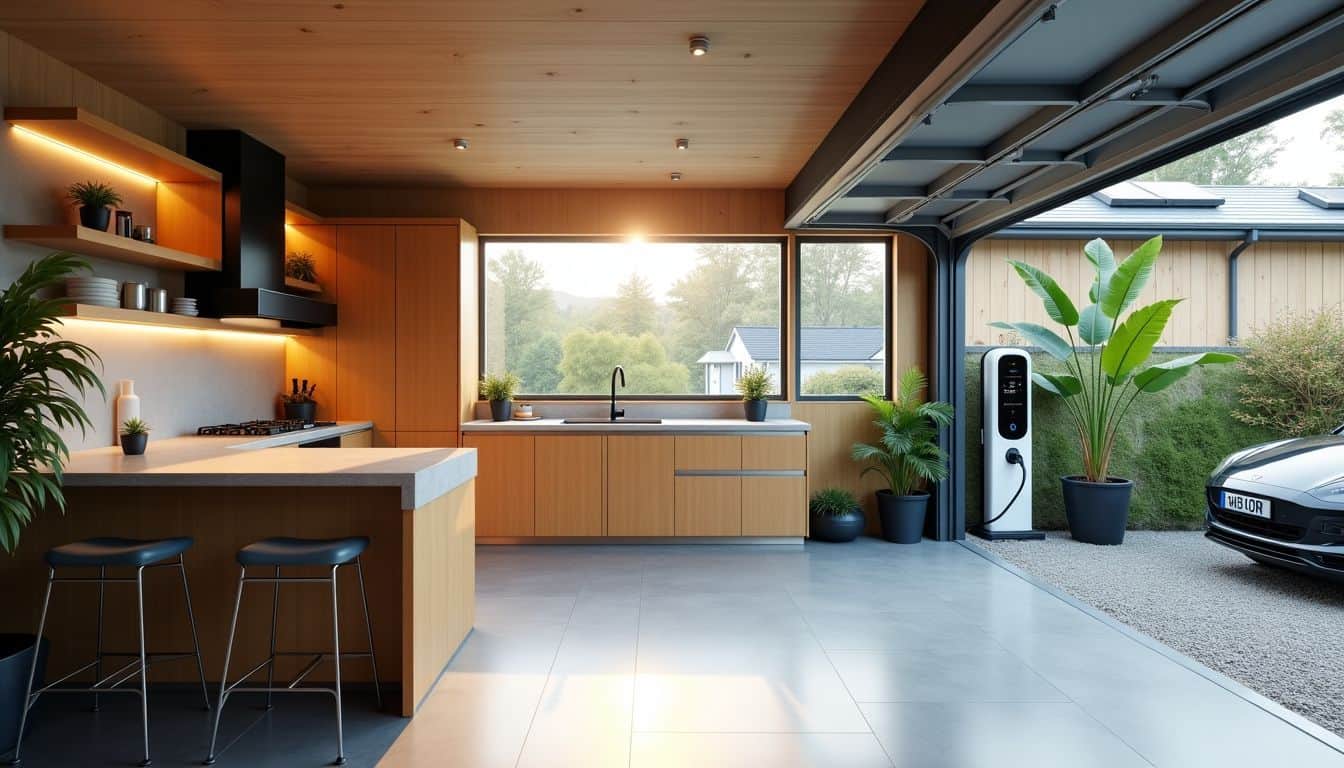
The Boxabl Casita offers a 361-square-foot living space, but clever design makes it feel much larger. It’s essentially a studio apartment that unfolds on-site in about an hour.
The interior layout is a full-size kitchen, a bathroom with a tub shower, a living area, and a sleeping area. Large windows and a 9.5-foot ceiling help create an open, airy feel while maximizing natural light, which reduces the need for electric lighting during the day.
Because these are modular, you can even connect multiple Boxabl units to create a larger home. This flexibility proves you don’t need a massive footprint to live a comfortable and modern lifestyle.
Are Tesla Tiny Homes for Sale?
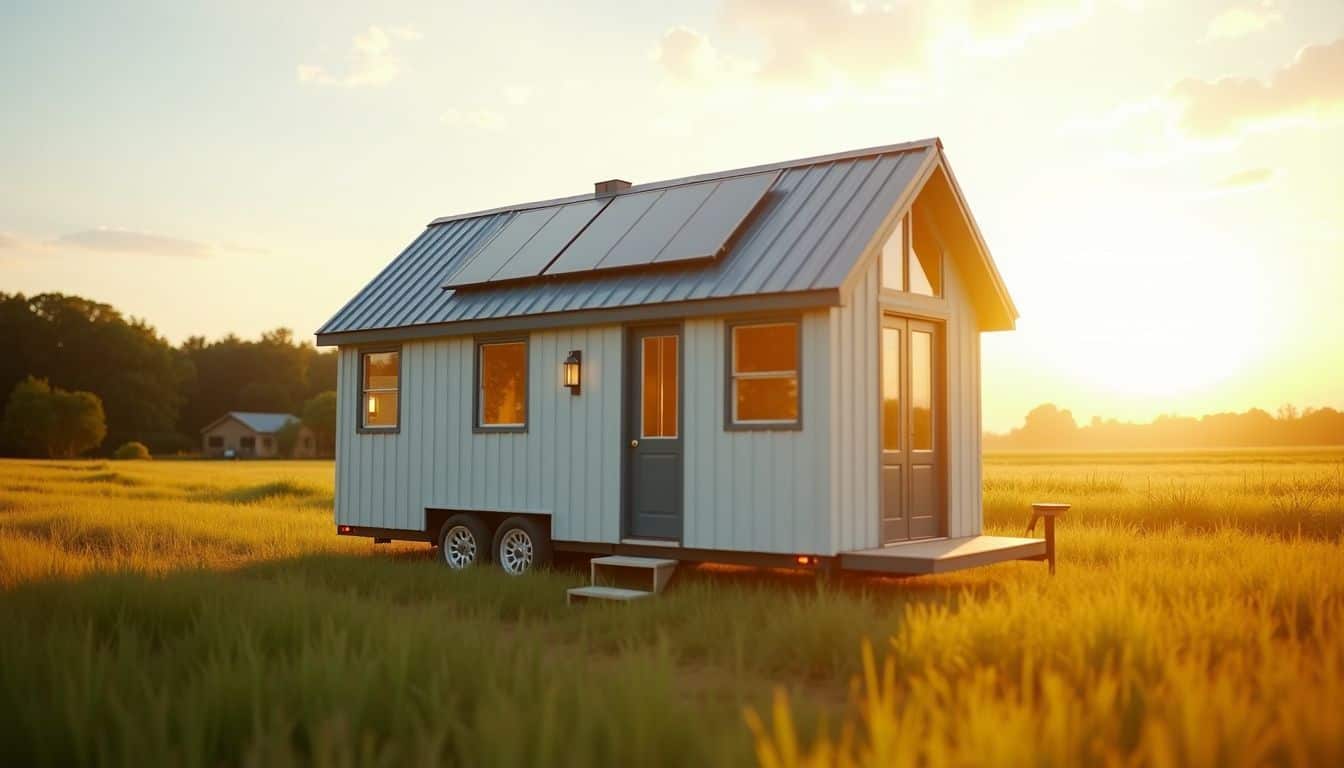
Yes, the Boxabl Casita, which forms the basis of the “Tesla Home” concept, is available for purchase. The base price for the 361-square-foot unit is around $60,000, which is an incredible value for a move-in-ready home.
The choice by a tech leader like Elon Musk, known for his high IQ and focus on efficiency, to partner with Boxabl speaks volumes about the product’s potential.
However, getting one isn’t as simple as walking into a store. The demand is massive. According to some reports, the waitlist for a Boxabl has grown to over 160,000 people. This means you need to plan ahead and get your name on the list if you’re serious about buying one.
The next section breaks down the full cost you can expect to pay.
How Much Are Tesla Smart Homes?

The idea of a home powered by renewable energy is now more affordable than ever. But it’s important to understand the full picture. Here’s a detailed breakdown of the costs for a Boxabl Casita equipped with Tesla technology.
| Item | Estimated Cost | Key Features & Notes |
|---|---|---|
| Boxabl Casita (Base Unit) | $60,000 | 361 sq ft factory-built home with kitchen, bathroom, and full-size appliances included. |
| Site Prep, Foundation & Utilities | $20,000 – $60,000+ | This is a major variable. It includes foundation, permits, and connecting to water, sewer, and electric grids. |
| Shipping | $3 – $10 per mile | Calculated from the Boxabl factory in Las Vegas, Nevada. This can add thousands depending on your location. |
| Tesla Powerwall 3 & Solar Panels | $15,000 – $25,000+ | Cost varies based on the size of the solar array and local installation fees. A Powerwall alone is typically $10,000 – $15,000 installed. |
| Estimated All-In Total | $95,000 – $155,000+ | Your final cost will depend heavily on your location and specific site requirements. |
While the total cost is higher than the initial $60,000 sticker price, it’s still highly competitive for a new, energy-independent home. Plus, with the potential to eliminate your monthly electric bill, most owners find the investment pays for itself over time through utility savings.
How to Buy Tesla Homes

Buying a Boxabl home equipped with Tesla energy takes a few more steps than a traditional home purchase, but the process is straightforward. Here’s what you need to do.
- Join the Waitlist: The first step is to visit the Boxabl website and put down a deposit to get on their waitlist. Due to extremely high demand, this is essential.
- Secure Your Land: You need to own or have access to apiece of land where the home will be placed. Ensure local zoning laws permit accessory dwelling units (ADUs) or modular homes.
- Plan for Site Prep: While on the waitlist, work with a local contractor to prepare the site. This includes laying a foundation and running utility lines for water, sewer, and electricity.
- Consult with a Tesla Energy Advisor: Separately, you’ll need to contact Tesla or a certified installer to design your solar and Powerwall system. They will assess your property for sun exposure and recommend the right system size.
- Arrange Financing: You can pay with cash or secure financing. Many lenders now offer loans for modular homes and ADUs.
- Schedule Delivery and Installation: Once your name comes up on the list, Boxabl will coordinate delivery. Your local contractor will then “unfold” the home and connect it to the prepared utilities, a process that can take less than a day.
- Install the Tesla System: After the house is set up, the Tesla-certified team will install the solar panels and Powerwall system, connecting it to your home’s electrical panel.
- Look for Incentives: Don’t forget to apply for the federal solar tax credit and any state or local green energy incentives. These can significantly reduce the final cost of your energy system.
The Future Impact of Tesla Homes on the Housing Industry

The partnership between Boxabl and Tesla is more than just a cool product, it’s a signal of a major shift in the housing market. By combining affordable, factory-built homes with self-sufficient energy systems, they are directly addressing two of the biggest challenges facing homeowners today: cost and sustainability.
This trend is perfectly timed with the explosive growth of the Accessory Dwelling Unit (ADU) market. The global ADU market is projected to reach nearly $19.7 billion in 2025 and is expected to grow at a compound annual growth rate (CAGR) of over 9% through 2034. This shows a clear demand for smaller, more flexible housing solutions.
Major homebuilders are taking notice. Lennar, one of the largest builders in the U.S., has already invested in Boxabl, signaling that the industry sees modular construction as a serious part of the future. This pressure will likely force traditional builders to adopt greener, more efficient construction methods and integrate smart energy solutions to stay competitive.
Ultimately, this shift benefits you. It means more choices, more affordable options, and a future where homes are not just shelters, but active parts of a sustainable energy ecosystem.
People Also Ask
What makes a Tesla home different from regular homes?
A Tesla home combines Powerwall technology, solar plants, and smart wiring to create an energy efficient living space. It uses photovoltaic technology and rechargeable systems to store energy from renewable sources. The home links to power grids but can work on its own during outages.
How much will a Tesla home cost in 2025?
While exact costs vary by size and features, a basic Tesla home with Powerwall 3, solar roof, and basic infrastructure may start at $350,000. Bigger homes with more bathrooms, advanced air conditioners, and hot water systems will cost more.
Can I charge my Model S, Model X, Model Y, or Cybertruck at a Tesla home?
Yes! Tesla homes come with built-in charging stations similar to Superchargers. The NACS system works with all Tesla vehicles, including the upcoming Roadster. Your home becomes your personal power station.
How does a Tesla home help the environment?
Tesla homes cut natural gas use and tap into the cleanest energy sources. They’re often LEED certified, using eco-friendly concrete and smart design. The system tracks energy consumption and helps create a sustainable lifestyle.
What risks come with owning a Tesla home?
Main risks include higher upfront costs and new technology growing pains. The Megapack and power supply systems need proper maintenance. But the long-term energy savings and resilience make up for these challenges.
How does a Tesla home handle power during bad weather?
The Powerwall system stores extra energy for cloudy days or storms. Your home can keep running even when the main power grid fails. The smart system manages energy flow to keep essential items like water heaters and air conditioners working.

I would be interested in designs available. Prefer one level. What would be earliest availability? What is largest square footage available? Thank you.
I love the price! I’m 71. I have property to set this home in Ohio on my 88 acres. There is no septic system. How do you sustain a septic
Since you are still in the R&D arena, let me know if my property could possibly be used for one of your Tesla tiny homes
Thank you.
Vicki Todd
740-975-1827
Vatishere@gmail.com
acre at Lakeaire,Temple, Tx.
been on a list.