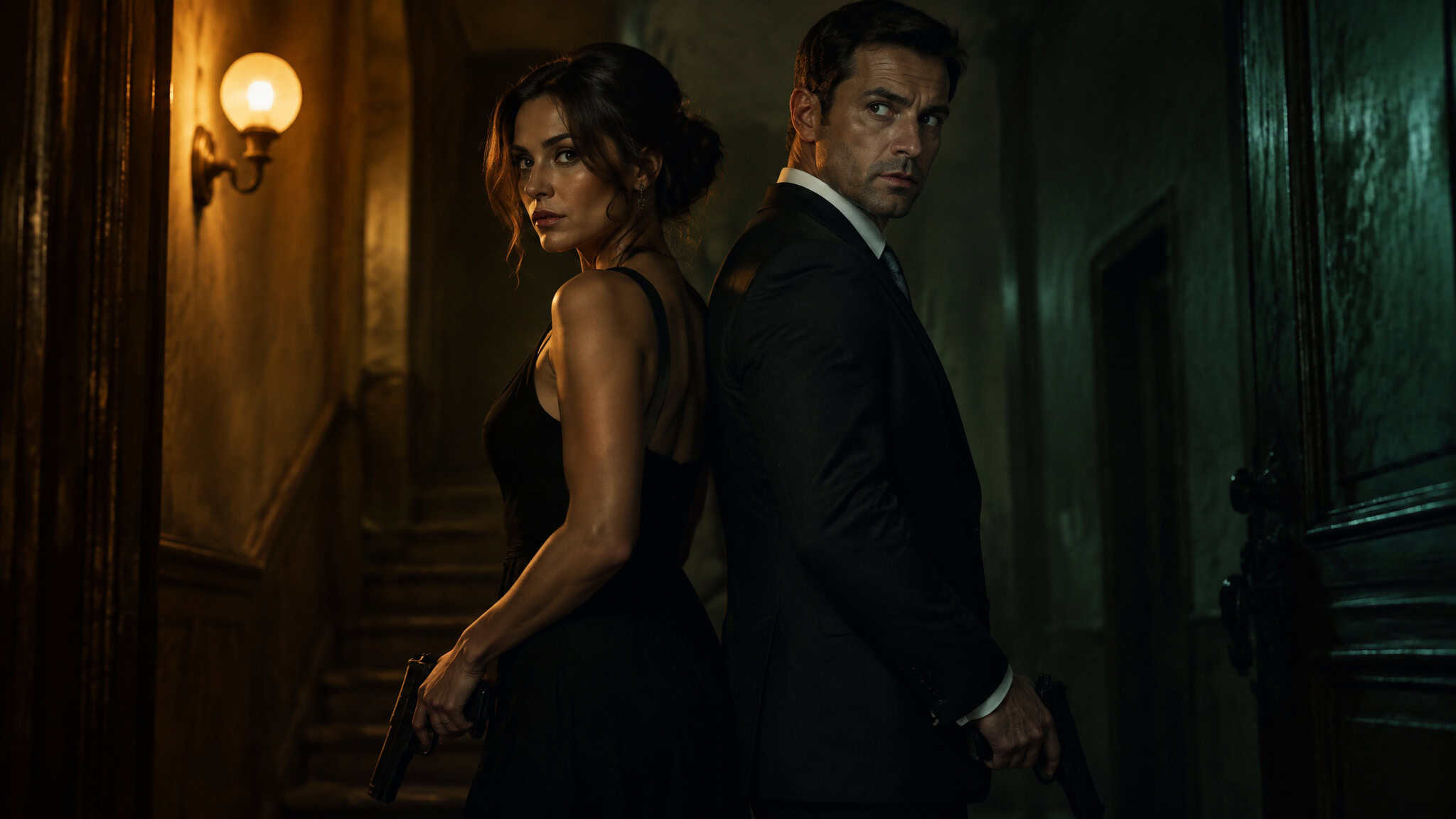
Spoiler warning: this article covers all eight episodes of Mr. & Mrs. Smith season 1, including the ending. If you haven’t finished it, come back later. If you have, buckle up, because the finale still lives rent-free in our head and we’re going to show you exactly why.
Mr. & Mrs. Smith season 1 follows John (Donald Glover) and Jane (Maya Erskine), two people the CIA rejected, matched as complete strangers by a spy service called HiHi and married off under new identities to run covert missions. That’s the whole premise, and it premiered February 1, 2024 on Prime Video with eight episodes, ending in a finale titled “A Breakup” that Glover himself directed (Francesca Sloane co-created the series with him). Over the season the pair accidentally bombs a party while delivering a package, burns down their therapist’s house after finding out she secretly recorded their sessions, kills real estate mogul Eric Shane (John Turturro) with a double dose of truth serum because of a miscommunication, and gets progressively more distrusted and manipulated by HiHi. Their third failed mission, a botched hit on target Bev (Michaela Coel), trips the termination protocol and pushes everything into the finale.
Most recaps stop at the cliffhanger: Jane opens the panic room door and we hear gunshots. Fine. But here’s the thing that kept nagging at us: the evidence on screen forms a constrained problem, not just an ambiguity. Jane has exactly one bullet.
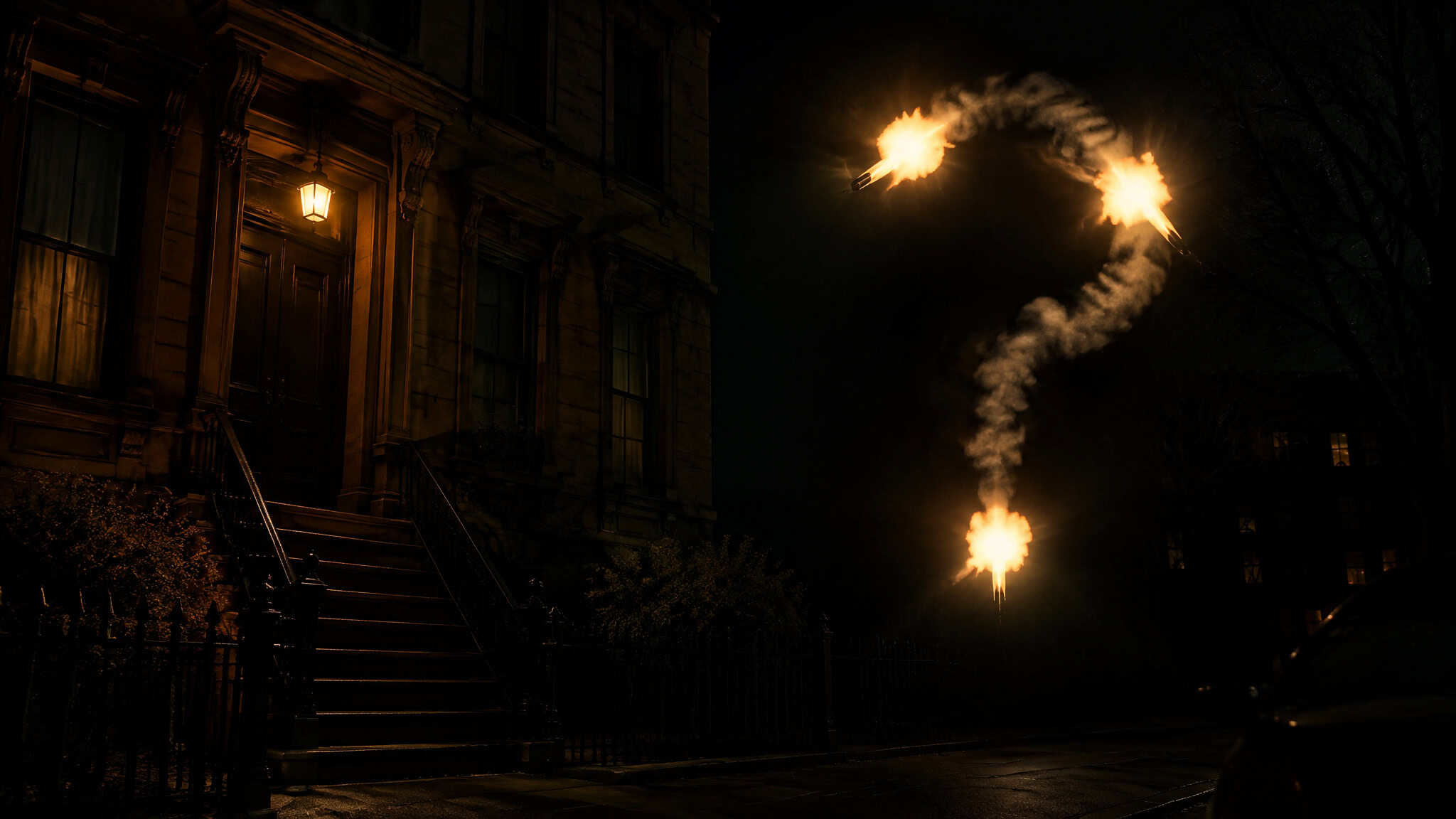
We hear three shots with three light flashes, two rapid and then one a second later. There’s no shootout. One bullet cannot produce three shots, so the shot pattern itself tells you what must have happened, and it rules out the sloppy reading a lot of quick writeups hand-wave past. We’ll walk through what each survival interpretation actually requires, using only what’s on screen. Every who-lived conclusion here stays labeled as interpretation, because the show genuinely refuses to confirm anything. That’s not a cop-out; it’s the design.
Key Takeaways
The 2024 series swaps the 2005 film‘s married rival assassins for two CIA rejects: Jane failed her psych exam for psychopathic tendencies, John was discharged from the Marines for asthma, and HiHi matched them as strangers.
The finale’s cliffhanger is countable evidence: Jane exits the panic room with one bullet; we then hear three shots with three light flashes, two rapid and one a second later, and no shootout.
Other John and Other Jane (Wagner Moura and Parker Posey) are “Extremely High-Risk” finalizers sent to kill Smiths who want out, and the finale announces them three separate times, starting in the cold open.
Paul Dano’s neighbor Harris isn’t a spy at all; he’s a real estate analyst investigating how two “software engineers” afford two combined brownstones, and the mid-credits scene has him declaring the Smiths “might be ready to sell.”
Table of Contents
How the series diverges from the 2005 movie
The 2024 series swaps the film’s already-married rival assassins for two broken strangers matched by an algorithm. In 2005, Brad Pitt and Angelina Jolie played a married couple who discover each other’s secret careers, fight, and escape happily together. The series resets everything: Jane flunked her CIA psych exam for psychopathic tendencies, John got medically discharged from the Marines for asthma, and HiHi, a matchmaking chatbot of sorts, paired them and put them in a house. The missions generally don’t involve killing, which matters, because it’s what makes the accidental kills land so hard later.
The psych exam and the asthma are the joke, and they’re the thesis too. The film’s happy ending was possible because its couple started whole. A couple assembled from two rejects couldn’t honestly end that way, and the show knows it. That’s our read, clearly, but the structural logic holds: the movie is the blueprint, and the series is what happens when the lore gets room to breathe.
The season-1 arc: eight episodes of eroding trust
The season plays as a designed trust-erosion arc, not a sitcom spy with occasional drama. The early disasters stack fast: they bomb a party while just delivering a package, then in episode 2, “Second Date,” they overdose Eric Shane on truth serum after a double-dose miscommunication. A fatal off-by-one error, really.
Mid-season beats
The therapist arc is the strangest escalation. Sarah Paulson plays a marriage counselor the couple sees about their power-dynamic problems, and when they discover she’s been secretly recording their sessions, they burn her house down. Not their brownstone, her house. Some recaps get that wrong, so to be precise: it’s the therapist’s place that torched.
Unhinged? Yes. Understandable? Honestly kind of.
How HiHi pitted them against each other
Meanwhile HiHi is working both sides. It privately asked Jane whether she’d swap John out, and then ratted her out to John when she went after target Bev on her own. Bev escapes, that’s mission failure number three, and HiHi sends the order: TERMINATE, take out your Smith. Only Jane’s kill order is shown on screen, a one-sided view the show frames deliberately.
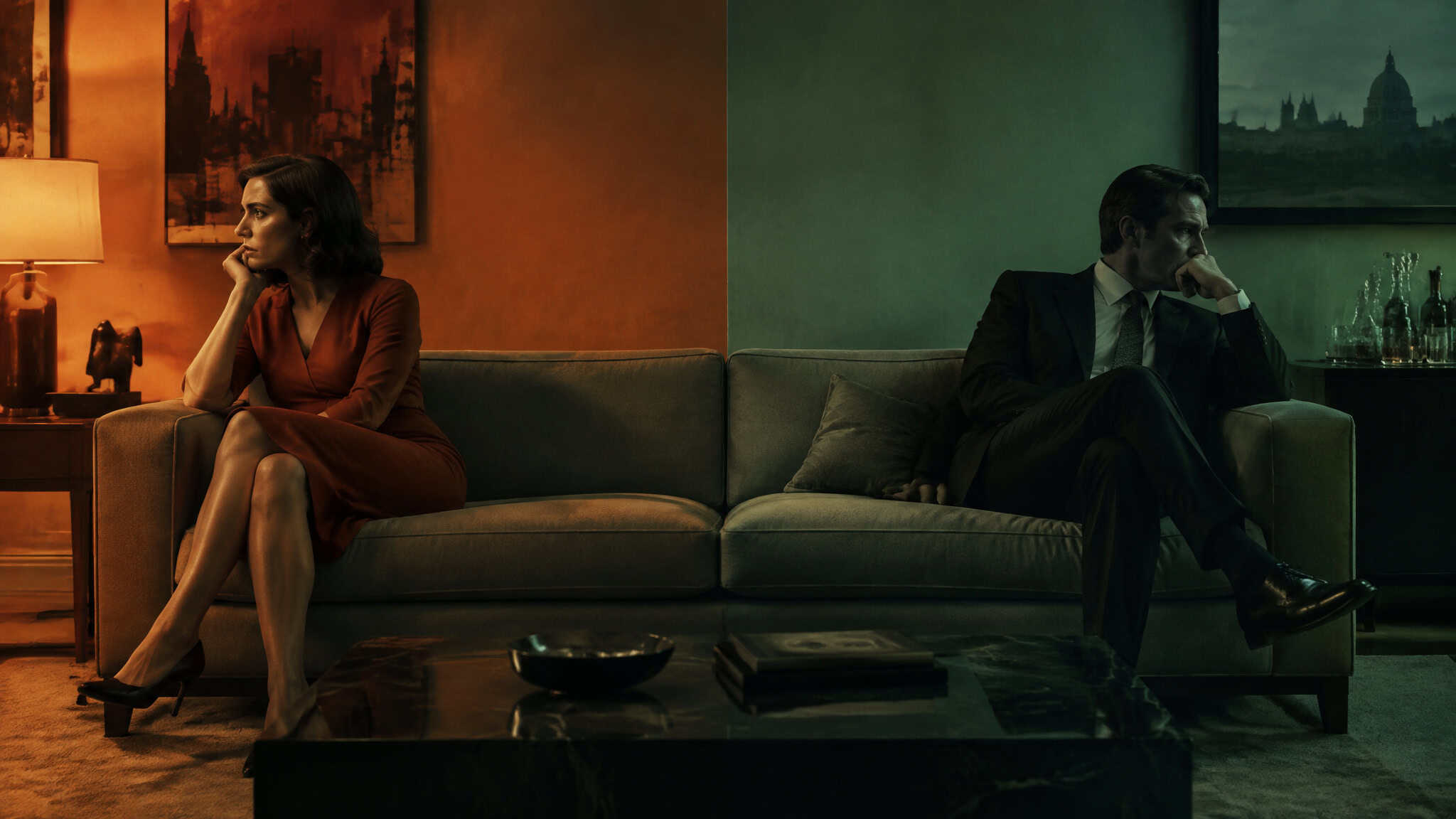
Episode 6’s color grading shifts from a warm sofa scene to green-tinted shots framing the couple at opposite ends of the screen. The marriage falling apart, told entirely in color. Episode 7 ends with them fleeing the fire; episode 8 opens with them living apart. Time-skip whiplash, and it works.
The finale’s manipulation chain: Max, the bomb, and the Whitney chase
The core thing to understand about the finale: Jane never actually deduces anything, and John doesn’t either. HiHi engineers every piece of evidence. The killer’s stroke is that two highly trained operatives never ask each other one clarifying question. That’s the thesis of the whole back half.
Who killed Max
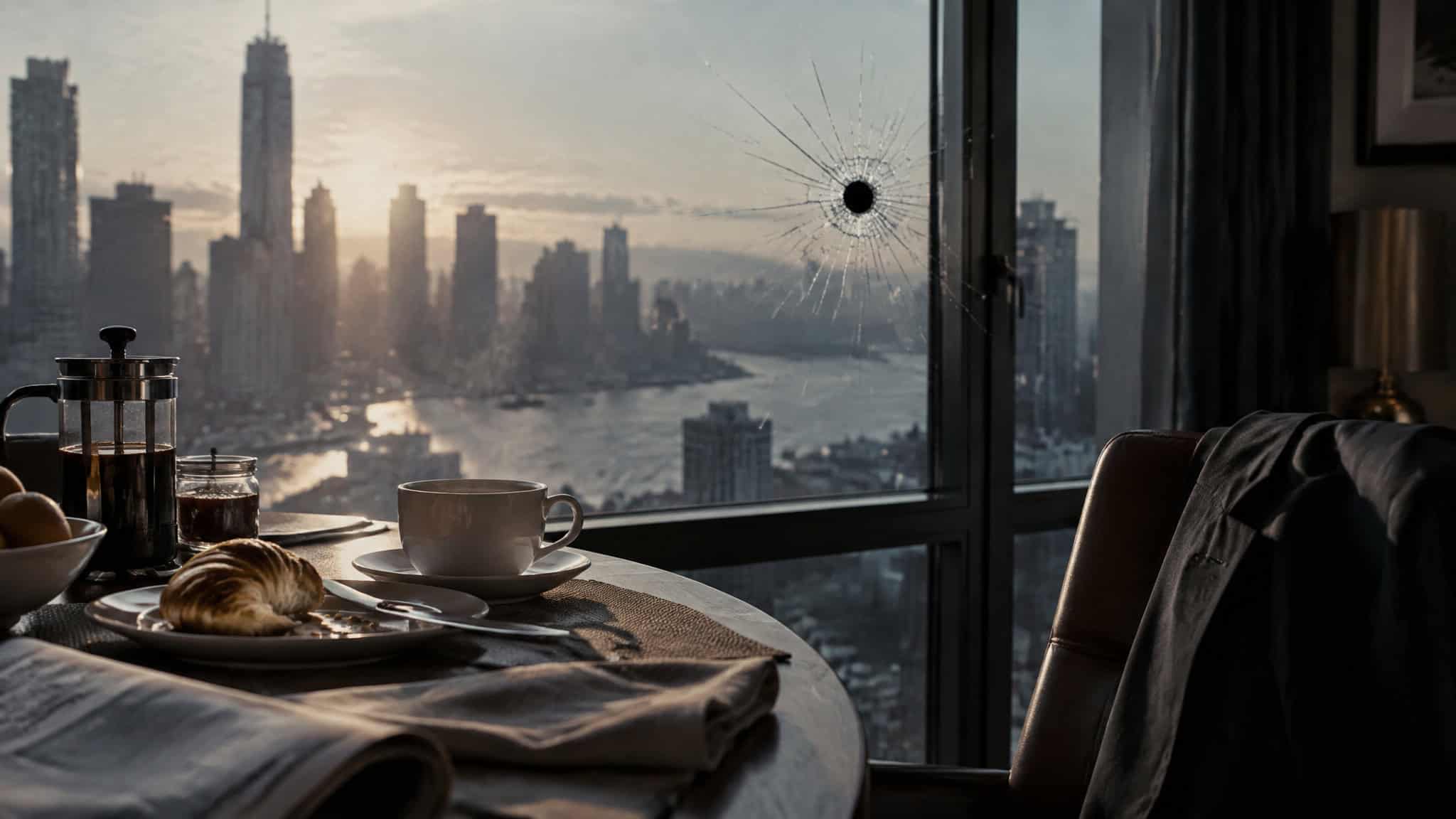
A sniper kills Jane’s cat Max with a bullet through the window while she’s eating breakfast. The mundane-meets-lethal contrast is the point: breakfast, then a gunshot. The shooter was not John. The rival Smiths are the likely culprits, with Parker Posey’s Jane the top suspect, but the show never confirms it on screen, so hold that at “likely.” The whole thing is a manipulation designed to frame John and goad the couple into killing each other. It’s cheap, and it works.
The bomb at Denise’s apartment
Next escalation: John finds his mother Denise’s apartment rigged with a bomb. The bomb itself is consistent across accounts; the defusal details aren’t, with one version hinging on a raised toilet seat and luck, and another on a near-miss for John and Denise. Accounts differ, so we’ll leave it there. The panic trigger for everything after is John’s text to Jane: “we need to talk now.” The worst possible version of that text.
Whitney Museum to the brownstone
They rendezvous at the Whitney, each fully convinced the other tried to kill them. Jane calls him “the cruelest man I’ve ever met,” and it lands because she believes it. Jane traps John in a revolving door with a bomb (peak spy-setpiece energy, and yes, it feels like a movie prop). Bystanders stop Jane mid-strangling attempt, then the couple ends up fighting the bystanders together, which is the tell: they’re a team again.
John gets hit by a taxi, Jane pauses a beat before bolting, and the foot chase loops all the way back to their own brownstone. Home as the final arena.
Denise’s kitchen scene and the real-name thread
Jane learns John’s real name is Michael, and she learns it from his mother Denise, played by Beverly Glover, Donald Glover’s actual mother. Yes, really. Denise lets herself in with the spare key, mom energy overriding spy-op security, which is funny and also kind of the heart of the scene, and tells Jane to reconsider the breakup. Her whole argument comes down to one idea: Michael needs to know he’s loved and safe, so before ending things, be certain which Michael you’re actually breaking up with. She also reveals Michael moved her to New York two months before the finale, which quietly reframes how seriously he was building a real life.
Our read, and label this as interpretation: the poignancy isn’t the trivia of the names, it’s watching old identities get discarded. The scene also functions as the emotional palate cleanser before the finale turns violent. It recontextualizes John completely, and it’s the human core of episode 8.
The rival Smiths: finalizer foreshadowing you may have missed
Other John and Other Jane, played by Wagner Moura and Parker Posey, are “Extremely High-Risk” Smiths, and their job title is finalizers: the people HiHi sends to kill Smiths who want out. They genuinely like our leads but explicitly won’t let that interfere with business, and they describe HiHi as basically a god that can find anyone. Jane-2 has roughly 15 years of agent experience, which is exactly why the panic room standoff later is terrifying. The finale announces these three times, and the couple ignores nearly all of them.
- The cold open. A Smith pair played by Alexander Skarsgård and Eiza González refuses to keep running and gets sniped in a tearful display of marital loyalty. The finale reveals the finalizers were the shooters, and on rewatch you can spot a male and female figure behind the guns. Smiths die; that’s the rule the scene establishes.
- The episode 4 double date. Other John and Other Jane drag the couple into a deadly mission they barely survive, chat casually about their “pottery business,” and casually confess to killing another Smith couple over dinner. All with small-talk energy. And that farmer’s-market moment where John met John? Not a coincidence.
- El Salvador. Per the rival Smiths’ own account, the captain John macheted in El Salvador was a Smith awaiting finalizing. Single source, medium confidence, so hold it loosely.
Plenty of viewers skip the middle episodes and miss whether a trailer has dropped yet, or that the finale was announced three separate times before it arrives.
The truth serum scene: the season’s only honest conversation
John injects both of them with truth serum, meaning the couple’s first fully honest conversation happens under a drug. That’s the cruel joke of the season: honesty requires a chemical intervention. It’s also the finale’s evidence inventory, because the confessions clear out every lie the manipulation chain was built on.
John’s confessions
John wants kids “more than anything.” His Marines discharge for asthma still stings and makes him feel less of a man. He judged Jane for the silence around her dad. And the big one: he had clear shots at Jane and didn’t take them.
He hated Max, but he didn’t kill him. Connected, these aren’t a list; they’re a picture of a guy who was never the threat the evidence implied.
Jane’s confessions
Jane genuinely loves John. She keeps a jar with 78 marbles, one blue marble per psychopathic act, which is the oddly specific detail we can’t stop thinking about. She lied about sleeping with two targets. She didn’t plant the bomb.
She was hurt by John’s closeness with Bev. And mid-confession there’s an upside-down Spider-Man-style kiss, because apparently even honest-time has time for that.
One fair counterpoint: some critics think the truth-clearing scene runs long. Fair, though the scene is doing double duty as the season’s emotional payoff and the finale’s evidence log, so some length makes sense.
The ending explained: the panic room and the three gunshots decoded
The ending is deliberately ambiguous: Jane exits the panic room with one bullet, the camera cuts outside the brownstone, and we hear three gunshots with three light flashes, two rapid then one a second later, and no shootout. The grounding details before that: John is gut-shot and fading, Jane-2 is punching passcodes, and the couple spends their last minutes negotiating two kids, mountains, and John’s mom nearby. The escape only happened because John-2 sneezes in threes and Jane timed her shot, shooting his eye out. Jane reveals her real name is Alana (one source spells it Ilana), John’s is Michael, and each says they like “Jane” and “John” anyway. Then the door opens, and the cut outside is the whole trick.
The Harris thread and the mid-credits scene
The mid-credits scene shows Harris delivering The Prophet, Jane’s favorite book,, surveying the wrecked brownstone, and calling a colleague to say the Smiths “might be ready to sell.” It offers zero clues about anyone’s fate. What it does is open a real-estate thread pointed straight at a second season.
The reveal reorders everything: Harris isn’t a spy. He’s a real estate analyst, Sotheby’s-affiliated in one account, obsessed with how two “software engineers” afford two combined historic brownstones. He calls the house his “Moby Dick,” and John finds his basement wall: surveillance photos, listings, floor plans, the whole conspiracy-board aesthetic, run by an accountant of houses.
The casting is the trick. Paul Dano’s résumé (The Batman‘s Riddler, Cowboys & Aliens, 12 Years a Slave) primes you for a villain, and instead his material is pure comic relief, including him recommending The Prophet to John at gunpoint. The least threatening book recommendation ever delivered under duress. Our read: Harris is the one surveillance operation the spies never detected, a marriage under observation by the most mundane observer imaginable.
Is the Mr. and Mrs. Smith ending happy or sad?
It’s both at once: emotionally the couple’s most loving hour, narratively their most lethal. The 2005 film ends with escape and happily-ever-after; the series trades that for a bittersweet openness some reviewers read as poetic, even merciful. Ground it in what the finale actually contains: the truth-serum reconciliation, the real-name exchange, the panic-room dream of two kids and mountains with John’s mom. John is left shot and bleeding heavily, HiHi’s true purpose stays unanswered, and there’s even a hint Jane might be pregnant. Whatever the gunfire decides, the ending is romantic because the couple chose to build something.
One spicy counterpoint worth surfacing: one reviewer argues the ambiguity works best with no season two at all, that the preserved fantasy is itself the ending. We won’t referee that one; both readings are defensible.
What season 2 must resolve (and what’s actually confirmed)
Plainly first: no season 2 renewal status can be confirmed from available sources, and we won’t speculate about greenlights, dates, or casting beyond that. What we can do is inventory exactly what the season leaves open, all of it derived from on-screen events rather than insider knowledge:
- Whether John and Jane survived the three shots. The show cuts away by design. The cliffhanger is a built renewal hook, and whether it pays off depends on viewership numbers, that’s the mechanism, stated simply.
- HiHi’s true identity and purpose. The finalizers describe it as a godlike entity that can locate anyone. Whether the couple was set up from the start, and whether the terminate order was ever formally executed on John’s side, is unresolved; we only saw Jane’s order on screen.
- Who actually killed Max. The rival Smiths are the suspected but never confirmed culprits. The show left the sniper anonymous.
- Harris’s “ready to sell” investigation. The mid-credits call opens a real-estate thread that could go anywhere, including being the most mundane second-season plot imaginable.
- The identity question. Michael and Alana are the real names, but the couple chose to keep John and Jane. Plus there’s the hint that Jane might be pregnant, which changes the calculus for everything.
Most coverage stops at “we’ll find out in season 2,” which is exactly the vague version of this list. The specificity matters because each thread has different stakes: the survival question decides whether the show continues at all, the HiHi mystery decides what kind of show it is, and the Harris thread decides whether it stays a comedy. For where things stand on the follow-up itself, our Mr. & Mrs. Smith season 2 tracker keeps the renewal status current, and we have a separate piece on whether Donald Glover returns on screen versus staying behind the camera.
Closing Thoughts
The couple chose their fictions. “I like Jane,” “I like John.” The show cuts away so viewers have to live in the fantasy with them, and the ambiguity is a design choice about chosen identity, not a plot hole. Whatever actually happened behind that door, the ending made sure the names they picked are the ones that matter.
People Also ask
Why did John and Jane burn the house down?
They torched their therapist’s house — not their own brownstone — after discovering she had been secretly recording their marriage counseling sessions. Sarah Paulson plays the counselor, and the arson is the season’s strangest escalation: unhinged on its face, but arguably understandable given the betrayal.
What are John and Jane’s real names in Mr. and Mrs. Smith?
John’s real name is Michael, which Jane learns from his mother Denise in the kitchen scene, and Jane’s real name is Alana (spelled Ilana in one account). In the finale, each says they like ‘Jane’ and ‘John’ anyway — the couple chose their fictions, and the ending frames that as the point rather than a loose thread.
Who killed Max the cat in Mr. and Mrs. Smith?
A sniper shoots Max through the window while Jane eats breakfast, and John didn’t do it — he confesses under truth serum that he hated the cat but didn’t kill him. The rival Smiths are the likely culprits, with Parker Posey’s Jane the top suspect, since the whole thing was a manipulation designed to frame John and goad the couple into killing each other. The show never confirms the shooter on screen.
