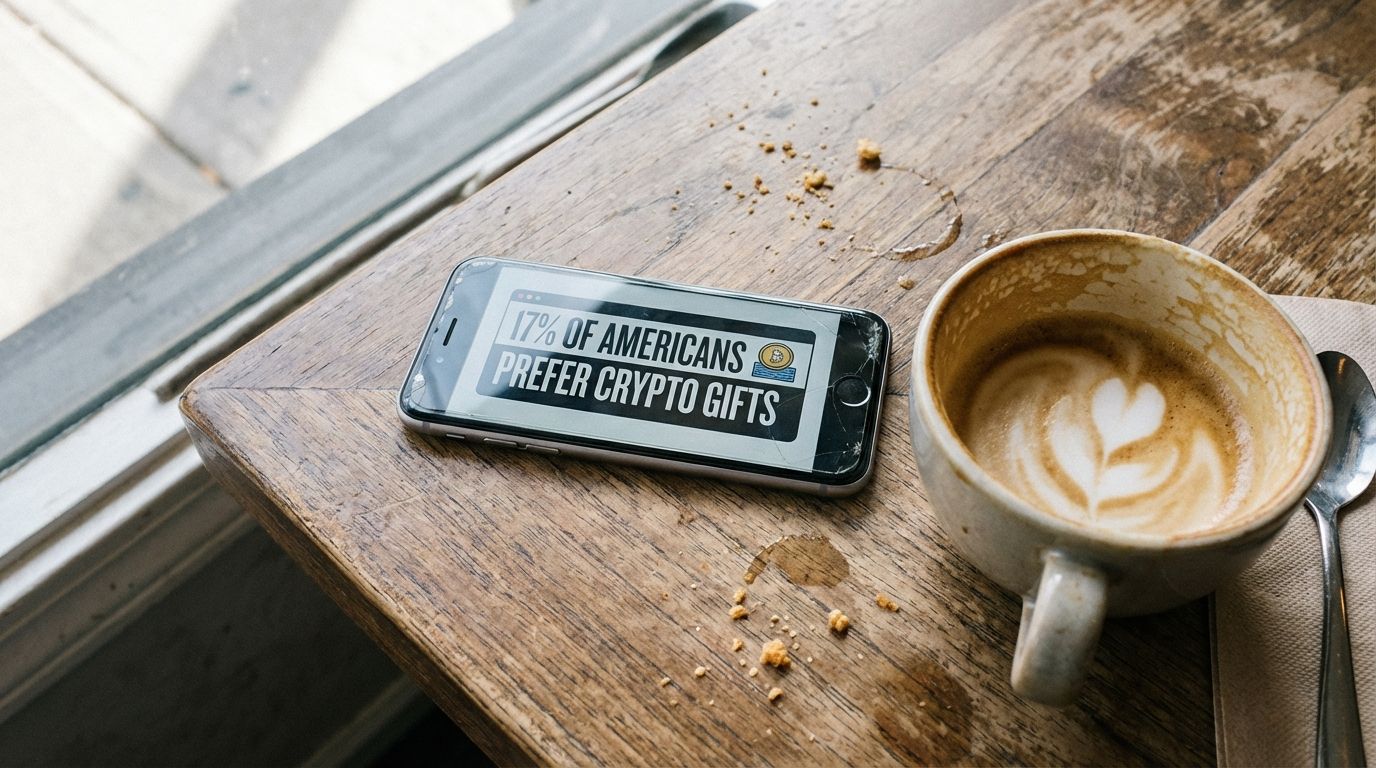
Ever look at your hardware wallet and think, “I wish I could turn these sats into a steamy latte right now”? You aren’t the only one. A 2025 survey from PayPal and the National Cryptocurrency Association found that 17% of Americans would actually prefer receiving crypto over a traditional gift card. It’s a massive shift. We are moving from “HODL” to “Spend,” and using digital currencies to snap up prepaid cards on sites like CoinsBee is the bridge making it happen.
But is it smart to trade your potential future millions for an Amazon purchase today?
I’ve spent years tracking every satoshi, and I’m going to walk you through exactly how this works. We’ll look at the math, the speed, and the security so you can decide if it’s right for your stack.
Let’s get into the details.
Key Takeaways
Speed is the killer feature: Platforms using the Bitcoin Lightning Network (like Bitrefill) can settle transactions in seconds, costing a fraction of a penny—way faster than waiting for on-chain confirmations.
Taxes are the hidden “fee”: In the U.S., spending crypto is a taxable event. If your Bitcoin went up in value since you bought it, buying a $50 gift card triggers a capital gains tax calculation.
Scams are aggressive: The FTC reported that consumers lost $1.4 billion to crypto scams in 2024 alone. Fake “clone” marketplaces are the biggest threat to your funds.
Privacy is a major perk: Buying a gift card with crypto leaves no “Amazon” or “Target” line item on your bank statement, offering a layer of financial privacy banks can’t match.
Hardware wallets are your safety net: Using a dedicated “spending wallet” separate from your main cold storage (like a Ledger or Trezor) limits your risk if a transaction goes wrong.
Table of Contents
Benefits of Buying Gift Cards With Crypto
Why swap sound money for store credit? For most geeks, it comes down to two things: privacy and speed. When you use a crypto wallet or hardware wallet to checkout on CoinsBee or Bitrefill, you bypass the traditional banking surveillance grid.
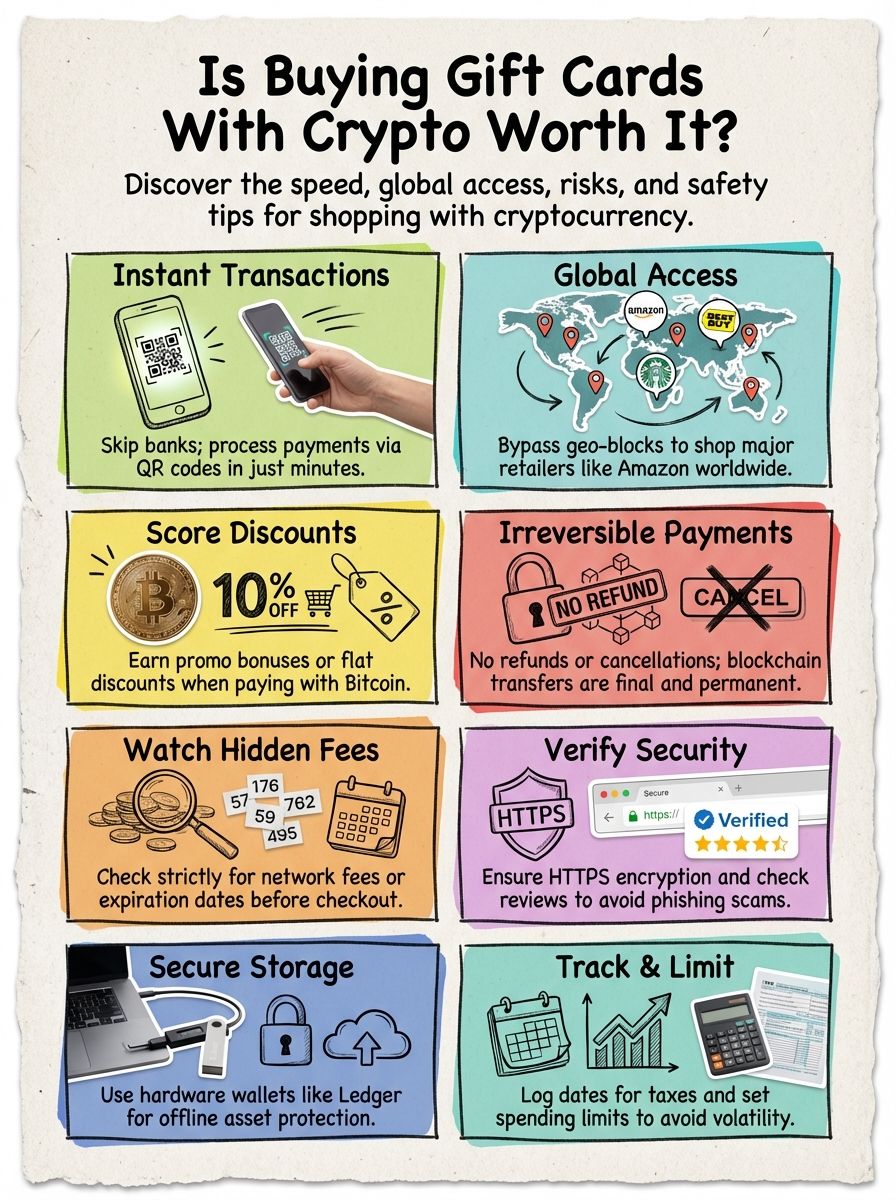
There is no credit card company selling your purchase data to advertisers. There is no bank declining your transaction because they think you’ve spent too much on gaming this month. It is just you, your keys, and the product.
How fast and convenient is it to buy gift cards with crypto?
If you haven’t moved crypto since 2020, you might remember waiting 20 minutes for a Bitcoin block confirmation. That era is over. Thanks to Layer 2 solutions like the Lightning Network, transactions on platforms like Bitrefill are now instant.
We are talking about settling a payment in under 5 seconds. Fees are often less than a penny (roughly 0.0029% on average).
Compare that to the old way. No typing in 16-digit card numbers. No billing address verification errors. You scan a QR code, sign the transaction, and the code hits your inbox. For coins like Solana or Litecoin, the on-chain speeds are nearly as fast. It makes the “checkout friction” of web2 commerce feel painfully slow.
Can I use crypto to shop in global marketplaces?
This is the ultimate hack for bypassing geo-restrictions. Many US-based streaming services or digital stores block credit cards issued in other countries. Crypto doesn’t have a “billing address” in the traditional sense.
You can trade your crypto for gift cards and snag stuff from almost anywhere. Bitcoin works as a payment method on sites like CoinsBee, making it easier for people worldwide to buy gift cards with bitcoin and shop at major global marketplaces.

In 2025, this is a lifeline for remote workers paid in USDC or USDT. Instead of waiting days to off-ramp to a local bank account, they can instantly convert earnings into Uber credits, Amazon balances, or grocery store vouchers. It turns “internet money” into “groceries” without a bank middleman.
Pro Tip: Always check the “Region” tag on the gift card before buying. A US Amazon card will not work on Amazon.de (Germany) or Amazon.co.jp (Japan). Crypto is borderless, but gift card codes are not.
Are there discounts or rewards for buying gift cards with crypto?
Yes, and they beat most credit card rewards programs. Platforms like Bitrefill and CoinsBee often run “crypto-back” incentives. For example, you might earn 1% to 5% back in Sats (Satoshis) on every purchase. That is effectively a discount that can appreciate in value over time.
I once grabbed a 3% discount on an Amazon card during a flash promo just because I paid with crypto. Compare that to your bank’s 1% cash back, which loses value to inflation every year.
Keep your eyes peeled for “Flash Deals” on these platforms. They often pop up during market dips to encourage spending. If you time it right, you are effectively buying dollars for 95 cents.
Risks of Buying Gift Cards With Crypto
We have to be real here. Being your own bank means you are also your own security team. If you mess up, there is no 1-800 number to call. The FTC reports that investment and imposter scams drained $1.4 billion from crypto users in 2024, and fake gift card sites are a growing slice of that pie.
What does it mean that crypto transactions are irreversible?
Crypto transactions stick like superglue. Once you send Bitcoin or Ethereum from your digital wallet, there is no “cancel” button and no customer service to call for help. Every payment sits forever on the blockchain, a public ledger open for all to see.
If you send money to “Co1nsBee.com” instead of “CoinsBee.com,” that money is gone. The receiver is an anonymous wallet address, not a registered corporation you can sue.
This finality is a feature, not a bug, but it demands respect. Always double-check payment details before hitting “send,” especially on platforms such as CoinsBee or major cryptocurrency exchanges like Coinbase and Cash App.
How common are scams and fraud when buying gift cards with crypto?
Scams tied to buying gift cards with crypto have shot up fast. The most common tactic in 2026 isn’t a complex hack; it’s a simple clone site.
Fraudsters buy ads on search engines for terms like “Buy Amazon Card with Bitcoin.” These ads lead to sites that look exactly like the real marketplace. You scan the QR code, send your crypto, and… nothing happens. The site refreshes, and your funds are in a hacker’s wallet.
Another massive risk is the “Pig Butchering” scam, where an online “friend” teaches you how to invest. They eventually ask you to buy gift cards as a way to “unlock” your profits. Never buy a gift card because an investment manager told you to. That is always a scam.
What hidden fees or expiration policies should I watch out for?
The biggest fee isn’t charged by the platform—it’s charged by the IRS. In the United States, spending crypto is a taxable event. If you bought $50 worth of Bitcoin years ago for $5, and you spend that $50 on a gift card today, you owe capital gains tax on the $45 profit.
New IRS rules for 2025 mean brokers will start issuing 1099-DA forms in 2026, making it harder to hide these transactions. You need to track the “cost basis” of every Satoshi you spend.
Beyond taxes, watch out for these platform-specific gotchas:
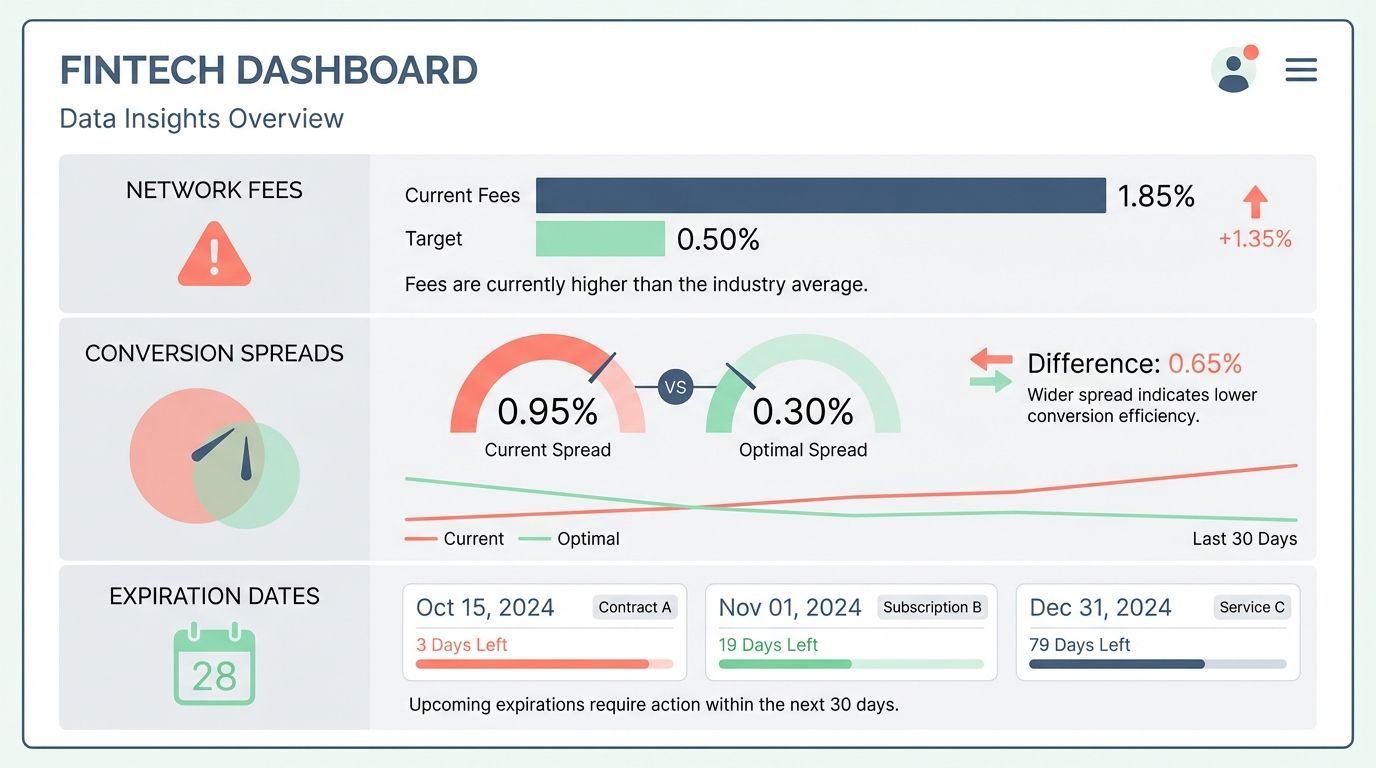
| Fee Type | What to Watch For |
|---|---|
| Network Fees | Sending ETH or ERC-20 tokens can cost $5-$10 during high traffic. Always use low-fee networks like Litecoin, Tron, or Lightning. |
| Conversion Spreads | Some sites claim “0% fees” but give you a bad exchange rate. If Bitcoin is $100k, they might value yours at $98k. |
| Expiration Dates | I’ve had balances vanish after only twelve months with one global merchant. Crypto gift codes are often subject to stricter expiry rules than physical cards. |
How to Avoid Scams When Using Crypto for Gift Cards
Dodging scams requires a “Zero Trust” mindset. You need to verify everything. Double-check CoinsBee’s reviews and watch for solid security features before spending—click to see exactly what keeps your funds safe.
How do I research the reputation of a crypto gift card marketplace?
Don’t rely on the site’s own testimonials. Scan Reddit communities like r/Bitcoin or r/EthFinance for recent user experiences. Real users are quick to complain if a code doesn’t work.
Check Trustpilot for recent reviews—specifically look for complaints about “invalid codes” or “stalled delivery.” If a site only accepts cryptocurrency and pushes you hard to buy now with huge promises, treat it as a big red flag.
Legit platforms like CoinsBee and Bitrefill have years of history and thousands of verified reviews. If a site was registered last week (you can check this on Whois.com), run away.
What security features should I verify before buying gift cards?
A quick check for HTTPS encryption on CoinsBee’s website can stop you from falling into the wrong hands. But for a geek, that’s just the basics. You want to look for WalletConnect integration.
Legitimate sites often use standard connection protocols like WalletConnect that let you connect your wallet securely. If a site asks you to enter your seed phrase or private key directly into a web form to “connect,” close the tab immediately. That is 100% a phishing attack.
Dig deep into CoinsBee’s background, search for stories about hacks or fraud, and read real user reviews. Biometric authentication adds another lock on your door, so swipe that finger or show that face with confidence when spending crypto investments.
Which wallets and payment gateways are trusted for crypto purchases?
For spending, you want a “Hot Wallet” that isolates risk. Rabby Wallet and Phantom are excellent choices because they simulate the transaction before you sign it. They will pop up a warning like, “You are about to send $50 to a known scam address,” which can save your life.
For storage, wallets like Ledger and Trezor store your crypto offline. The new Ledger Stax or Ledger Flex even have E Ink screens that let you verify the exact address on the device itself, preventing malware from swapping the address on your computer screen.
Payment gateways with good old-fashioned reputation—think CoinsBee—value security by using role-based access to private keys. Stick with providers that have proven safety records from 2020 through today.
Tips for Safe and Smart Crypto Spending
Treat your “spending stack” differently than your “savings stack.” Keep an eye on your CoinsBee transaction history, just like you’d watch your favorite streamer’s chat for surprises.
How can I monitor my crypto gift card transactions effectively?
Use a block explorer like Etherscan or Mempool.space. Bookmark your own spending address so you can see exactly when funds leave and where they go. It cuts through the “pending” uncertainty.
Set up real-time tracking for all your crypto gift card transactions. Use services like CoinsBee that offer live notifications and alerts right to your device. Advanced analytics tools make it easier to spot odd patterns, so anything fishy stands out fast.
Why should I set spending limits on crypto purchases?
After tracking your crypto gift card activity, it makes sense to talk about limits. With wild price swings in Bitcoin and Ethereum, you can go from feeling rich to broke faster than a roller coaster drops.
I recommend keeping a specific “Shopping Wallet” loaded with only $200-$500 worth of crypto. Never connect your main “Vault” wallet (where you keep your life savings) to a shopping site. If a malicious smart contract drains your wallet, they only get the shopping money, not the retirement fund.
Limits also stop you from going too deep when FOMO strikes during a bull run or Black Friday deals hit global stores like Amazon, Target, and Apple Gift Cards. For those geeks who want to read more about the value and point of crypto itself before diving in head-first, check out this value and point of crypto.
How do I keep proper records of my crypto gift card purchases?
This is where the new 2025 IRS rules bite. You need to log every trade.
Start with crypto tax software like Koinly, CoinLedger, or CryptoTrader.Tax. These tools sync with your wallet and automatically tag outgoing transactions as “Spend” or “Gift.” They will calculate the capital gain or loss for you instantly.
Keep your receipts from platforms like CoinsBee and grab exchange statements too. The IRS views crypto as property since 2014; missing even one key detail could lead to headaches during tax season. If you organize this data now, it makes reporting much easier later.
How Will Buying Gift Cards With Crypto Evolve in 2026?
We are seeing the early signs of “direct acceptance” that might eventually replace gift cards. In 2025, chains like Steak ‘n Shake began accepting Lightning Network payments directly at the register, cutting their processing fees by 50% compared to credit cards.
Expect more geeks, teens, and young adults to buy gift cards with cryptocurrency in 2026. Reports show the number of crypto users will climb fast, pushing demand through platforms like CoinsBee. But the real shift will be integrated payments.
Many companies are already working on digital gift cards for Bitcoin and other cryptocurrencies. U.S. shoppers are showing a strong interest in giving Bitcoin as gifts too, hinting at a shift in how people see its long-term worth.
Until direct crypto payments are everywhere, gift cards remain the best bridge between the decentralized world and the stuff you need to buy today.
People Also Ask
Why do people buy gift cards with crypto instead of cash or credit?
Privacy-focused users often turn to platforms like Bitrefill to spend their assets without triggering bank surveillance or intrusive KYC checks. It also serves as a direct off-ramp to spend crypto gains at major retailers like Amazon that still don’t natively accept Bitcoin.
Are there risks when buying gift cards with crypto?
Since blockchain transactions are immutable, sending funds to a scam site means your money is gone forever with no central authority to reverse the charge. The FTC reported over $228 million in gift card fraud losses in 2023, so you must be vigilant against phishing sites that mimic legitimate vendors to steal your keys.
Do I save money by using crypto to get gift cards?
Services like Fold and Bitrefill frequently offer 1% to 10% back in Bitcoin rewards, effectively giving you a discount on every purchase you make.
What should I check before buying a gift card with cryptocurrency?
Always verify the card’s region lock because a US code will fail if your account is registered in the UK or elsewhere. You should also check if the vendor supports Layer 2 solutions like the Lightning Network to ensure network gas fees don’t eat up your purchase value.