
Gaming slang, terms, and words are shorthand expressions used by players to communicate quickly during gameplay. The expressions allow fast coordination, reaction sharing, and strategic updates during competitive or cooperative sessions. Gaming communities develop shared language to reduce typing time and improve clarity in high-pressure situations. And learning common expressions helps readers understand in-game chat, forums, and live discussions more accurately. Familiarity with shared vocabulary strengthens interaction across multiplayer environments. Gaming language evolves with new genres, mechanics, and player behavior. Each term carries meaning shaped by repeated use within specific contexts. And structured learning improves interpretation of tone, urgency, and intent during matches. And recognition of common phrases supports teamwork and situational awareness. Consistent exposure builds confidence in communication during group play. Shared vocabulary functions as gamer lingo across platforms and genres. The competitive play relies on clear gaming terms for coordination and balance discussion. A community conversations become clearer through shared gaming words. And effective interaction strengthens engagement through established gamer slang.
The gaming, slang, terms, and words are listed below.
- Noob: A term used to describe a new or inexperienced player. The word reflects limited familiarity with game mechanics or strategies.
- GGs: A phrase meaning good games (GGs). Players use it at the end of matches to show sportsmanship and respect.
- PvP: A term that stands for player versus player (PvP). It describes gameplay modes where players compete directly against each other.
- Grind: A word that refers to repetitive gameplay performed to gain experience, currency, or rewards. The activity focuses on long-term progression.
- AFK: A status term meaning away from the keyboard (AFK). It indicates a temporary absence during an active game session.
1. Noob
Noob represents a phonetic variation of the word newbie. Terminology identifies an inexperienced player within a specific gaming community. New participants lack the skills or knowledge required for advanced gameplay. Experience levels vary across different online platforms. Expert players use the word to describe someone struggling with basic mechanics. Competence grows as individuals spend more time practicing the game. Learning curves differ depending on the complexity of the software. Mistakes happen during the initial stages of a digital hobby. Mastery takes time and dedication from the individual. Sentence usage involves identifying a person new to the environment. The player is a total noob at the strategy game. Skill development requires patience and focus. Novices benefit from watching veterans perform tasks correctly. The only way to learn about game systems is through trial and error. Practice sessions build the muscle memory needed for success. Every expert started as a beginner at some point. Community members appreciate players who try to improve. Negative connotations exist, but many use the term in a lighthearted manner. Growth occurs as the person masters the controls. Understanding the basics is the first step toward high-level play. Proficiency is the result of long-term engagement.
2. GGs
GGs is an abbreviation for the phrase good games. Participants use the letters to show sportsmanship after a match concludes. Respect between opponents fosters a positive environment for everyone involved. Competitive play benefits from polite interactions among the participants. Matches end with a brief exchange of the characters in the chat window. Winners and losers acknowledge the effort of the other side. Short abbreviations save time during fast-paced gaming sessions. Communication remains essential for building a healthy online community. Friendships form when players treat each other with dignity. Positive reinforcement encourages individuals to keep playing. Sentence usage shows appreciation for a competitive round. Team members typed GGs after the final round ended. Sportsmanship matters in every form of competition. High-level players value the respect shown by their peers. Virtual matches reach a satisfying conclusion with the use of the phrase. Community health depends on the behavior of every member. Gratitude for a fun experience is the primary meaning. Simple messages convey a lot of meaning to others. Players find the exchange rewarding after an intense struggle. Honor is a key component of the competitive scene. Final scores matter less than the quality of the interaction.
3. PvP
PvP stands for player versus player in the context of interactive entertainment. Combat occurs between human-controlled characters rather than computer-generated enemies. Skills are tested against real people in various digital arenas. Competition drives the development of new strategies and fast reflexes. Matches provide a dynamic experience that changes every time. Environments for the battles range from small rooms to massive open worlds. Cooperative play sits alongside the competitive modes. Participants seek high rankings in global leaderboards through victory. Balancing remains a priority for developers to ensure fair fights. Tensions rise during intense moments of direct conflict. Sentence usage defines the mode of a specific game. Most modern shooters focus on PvP combat. Strategic depth increases when fighting a human opponent. Unpredictable behavior makes every round unique. Practice against real people is the best way to improve. Victory feels more rewarding when earned against a peer. Tournaments feature the best competitors in the world. Equipment choices influence the outcome of the fight. Teamwork is essential in team-based versions of the mode. Strategy evolves as the meta changes over time. Combat styles vary depending on the chosen character class.
4. Grind
Grind describes the act of performing repetitive tasks to achieve a specific goal. Players engage in the actions to gain experience points or rare items. Progression requires long hours of focused effort on similar activities. Rewards provide a sense of accomplishment for the dedicated individual. Games include the mechanics to extend the life of the product. Boredom is a challenge for players seeking the highest levels. Efficiency matters when trying to optimize the acquisition of resources. Repetitive motions become second nature over time. Hard work leads to significant power increases for the character. Virtual worlds offer many paths for gamers willing to put in the time. Sentence usage explains the process of leveling up. Character development involves a long grind for gold. Dedication pays off when the final goal is reached. Repetitive gameplay defines the experience for some genres. Patience is a requirement for anyone seeking the best gear. Progression systems rely on the steady effort of the user. Rewards come to gamers who stick with the task. Focus remains the key to finishing a long session. Leveling up feels better after the effort is put in. Success is a product of consistent work. Commitment transforms a character into a powerful force.
5. AFK
AFK is an acronym for the phrase away from keyboard. Users type the letters to signal a temporary absence from the computer. Notification prevents confusion among teammates during active sessions. Reasons for leaving vary from personal breaks to technical issues. Communication ensures that the group knows the status of every member. Idle characters remain vulnerable to attack in many online worlds. Return to the game happens once the person finishes the task. Courtesy dictates that players inform others before stepping away. Safety zones provide a place for characters to wait without risk. Fast messages keep the flow of the game moving for everyone. Sentence usage indicates a person is not present. The teammate is currently AFK during the boss fight. Group coordination suffers when a member leaves unexpectedly. Players wait for the return of the missing person before starting. Breaks are necessary for physical health during long sessions. Awareness of the group status is vital for success. Information sharing prevents frustration among the team. Short absences are common in every online community. Preparation is better than leaving without a word. Teamwork depends on the presence of every individual. Silence from a teammate suggests an emergency or a break.
How are Gamer Terms used in Online Multiplayer Games?
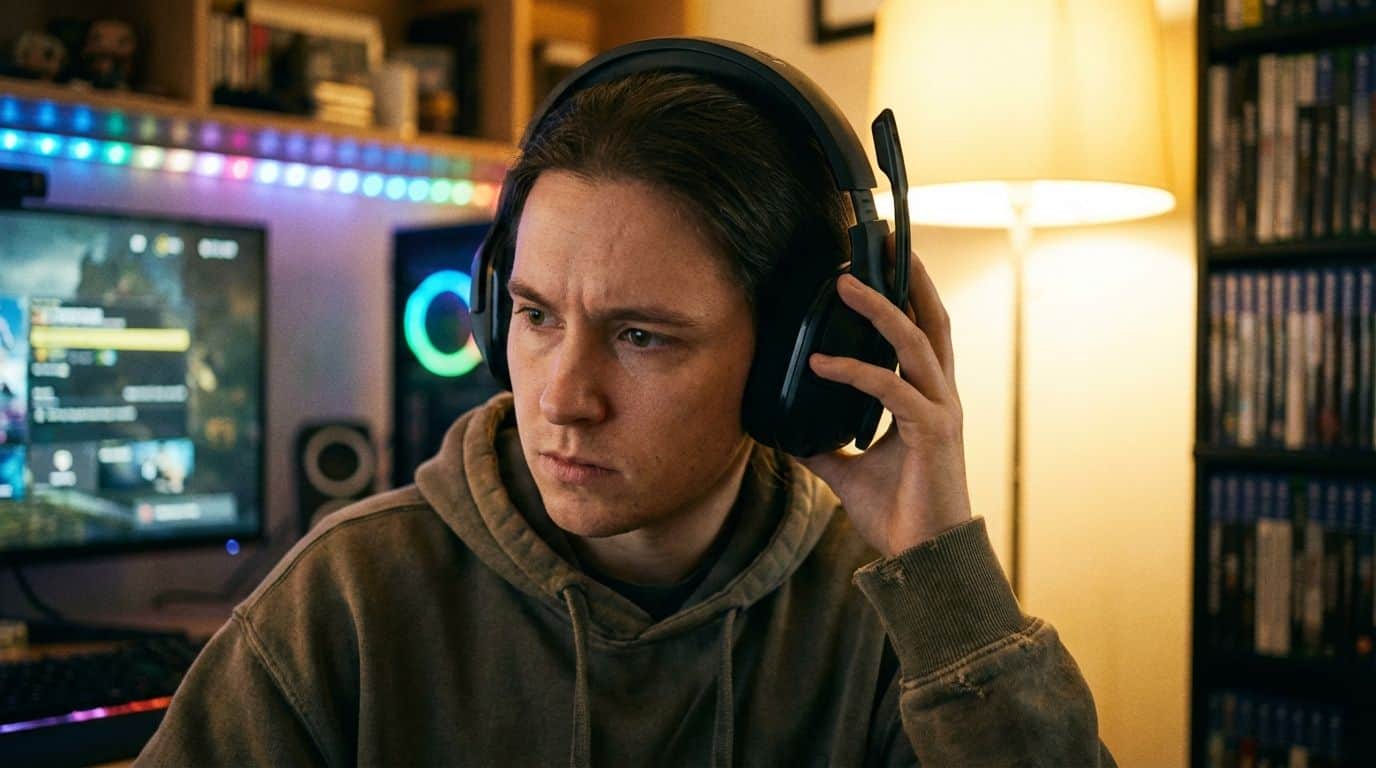
Gamer terms used in Online multiplayer games by the terms enable fast and efficient communication during live matches because players must exchange information in seconds. Short abbreviations reduce the time spent typing on a keyboard or controller. Coordination improves when teammates use a common language for specific actions. Tactical advantages come from the rapid delivery of instructions. Learning common slang allows players to respond quickly and coordinate better with the group. Strategy depends on every member understanding the current plan. Live combat leaves no room for long sentences or complex explanations. Symbols and jargon convey massive amounts of data in a single word. Competitive environments demand high levels of linguistic efficiency. Successful teams master the use of specialized vocabulary. Newcomers find the jargon helpful once the basic meanings are clear. Shared terminology builds a sense of belonging within the community. Information flows smoothly when participants use established shorthand. Fast reactions depend on clear and concise messages. Experience levels grow as players adopt the local dialect of the game. Professional matches feature the highest density of coded messages. Efficiency defines the use of gaming terms.
How can Gamer Slang be Understood by Beginners?
Gamer Slang can be understood by beginners through observation and practice while engaging with more experienced participants. New players reference guides and community forums when encountering unfamiliar terms to gain a deeper understanding. Reading chat logs provides examples of how words fit into common conversations. Context clues help clarify the meaning of specific acronyms during a match. Watching tutorials online offers a visual guide to the actions associated with the jargon. Immersion remains the most effective way to pick up a new language. Veteran players offer explanations to other gamers who ask polite questions. Reference materials catalog the history and usage of various phrases. Repetition reinforces the memory of important labels and commands. Familiarity develops over weeks of consistent participation in the digital hobby. Dictionaries for specific genres exist to assist the confused novice. Learning happens naturally as the brain associates sounds with specific game events. Persistence leads to a full understanding of the complex social landscape. Mastery of the language improves the enjoyment of the experience. Communication becomes easier as the vocabulary grows. Every session provides a chance to hear new terms in action. Beginners find success through active listening and participation. Confidence increases as the meanings become clear.
Can UnscrambleX Explain Gamer Slang?
Yes, UnscrambleX can explain gamer slang. UnscambleX explain the tool identifies definitions for unfamiliar gaming words and abbreviations. Users input slang terms to understand the meaning and context within the interface. Searching for the terms provides immediate clarity for the person seeking answers. Information regarding the origin of a word accompanies the search result. The database contains many common phrases used in the online world. Beginners find the tool useful for catching up with veteran players. Clarity improves as individuals learn the definitions of confusing jargon. Accurate results ensure that the person stays informed during a session. Reliability is a key feature of the search system for all users. Understanding grows through the use of UnscrambleX words.