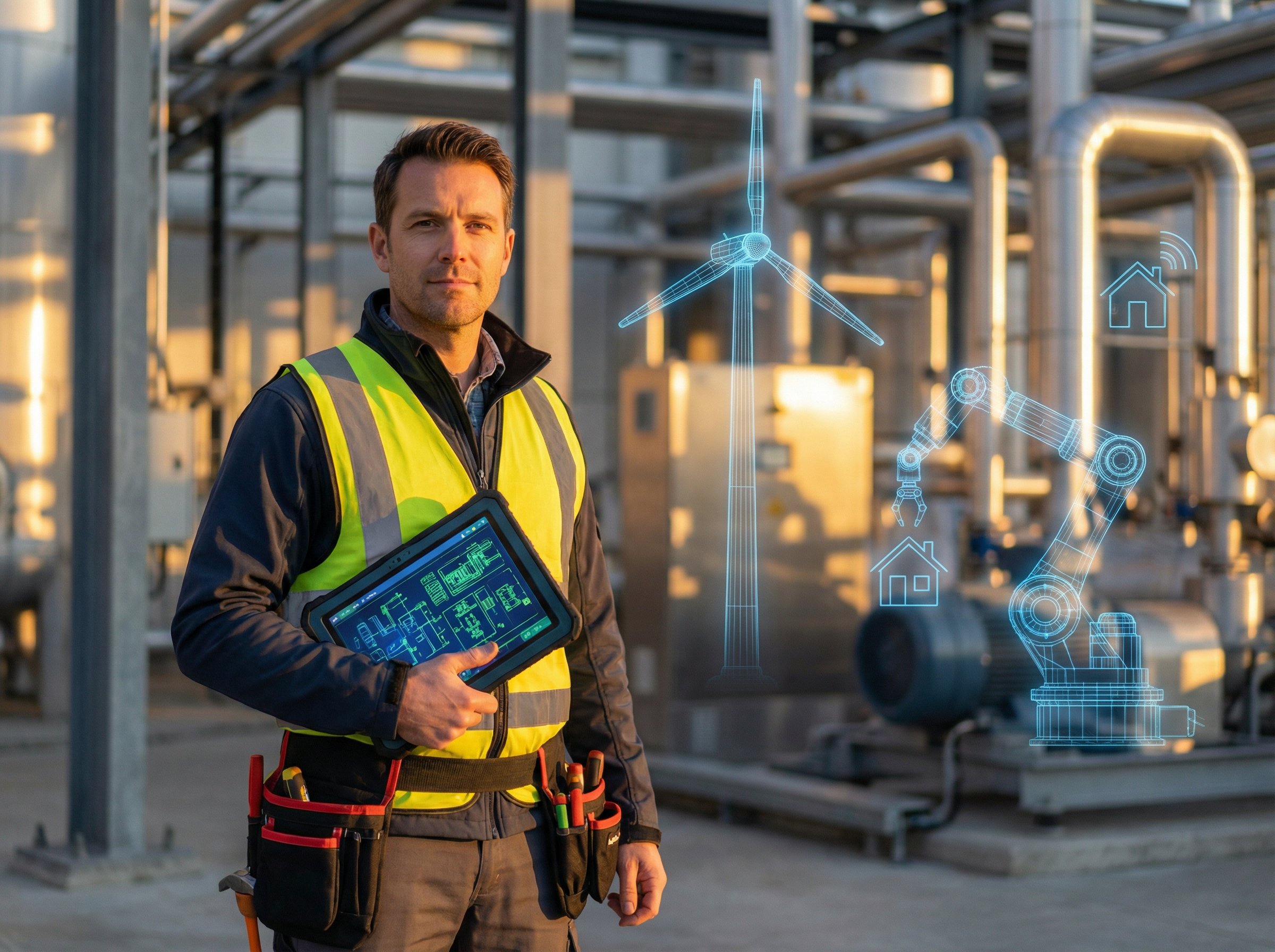
The field tech world is heading into a period of confident growth grounded in real, practical needs. While many jobs face uncertainty from automation, this corner of the workforce is doing the opposite: it’s expanding and getting smarter. According to projections, overall employment in installation, maintenance, and repair occupations is set to grow faster than the average for all occupations through 2034. Companies need people who can connect high-tech systems with real-world problem-solving, which is exactly where the future of field tech roles is thriving.
This is the kind of work that keeps pace with innovation without losing the human judgment that makes everything click. That unique blend is why the next decade looks so promising and why businesses are investing in stronger training to support it.
Key Takeaways
Job Growth is Outpacing the Average: Unlike many sectors threatened by automation, field service employment is projected to grow faster than the average for all occupations through 2034, driven by a reliable need for human problem-solving.
The Skill Set is Hybridizing: The modern technician requires a blend of traditional hardware mechanics, digital fluency for diagnostic software, and essential soft skills like critical thinking and customer communication.
Tech is an Enabler, Not a Replacement: Advanced tools like Augmented Reality (AR) and Field Service Management (FSM) apps are being adopted to increase safety and first-time fix rates, helping technicians move from reactive “fire-fighting” into predictive maintenance.
New Sectors Are Driving Demand: Innovation is opening distinct career paths in emerging industries, with wind turbine technicians and solar installers projected to be among the fastest-growing roles alongside jobs in 3D-printed housing and robotics.
Human Intuition Remains Critical: Despite advances in AI, companies are recognizing that human judgment and improvisation are irreplaceable, leading to renewed investment in training, safety, and upskilling to improve worker retention.
Table of Contents
The New Skill Mix Behind Tomorrow’s Field Techs
What makes future field techs stand out is the shift from routine repairs to a broader, more connected skill set. Systems that once ran independently are now woven together, so fixing one part requires understanding the entire digital ecosystem. This doesn’t mean the work gets heavier; it just changes shape.
Technicians who understand both physical hardware and digital diagnostics will feel right at home. Beyond technical know-how, employers are increasingly looking for strong soft skills. The ability to communicate clearly with customers, solve problems under pressure, and adapt to unexpected challenges are no longer optional extras but core competencies.
- Technical Aptitude: Comfort with mobile apps, diagnostic software, and network connectivity is essential.
- Problem-Solving: Technicians need critical thinking skills to identify the root cause of an issue and implement a fast, effective solution.
- Customer Service: The ability to explain a complex problem in simple terms and manage client expectations is crucial for building trust.
Companies see the long-term value in people who can read data, use predictive tools, and still climb a ladder when needed. This makes the job more interesting and a lot less repetitive, which helps people build lasting careers without burning out.
How Smarter Tools Are Supporting Technicians
The boost in digital tools is a key reason the field feels so energized right now. These tools don’t replace techs; they support them, cutting down on frustration and speeding up the entire service process. More than half of field service businesses now use dedicated software to manage their operations.
Many teams rely on a field technician app to log work in real time and coordinate everything from parts ordering to dispatch updates. This technology often folds into comprehensive field service management (FSM) platforms like ServiceMax or Salesforce Field Service. These systems reduce paperwork and help teams stay organized.
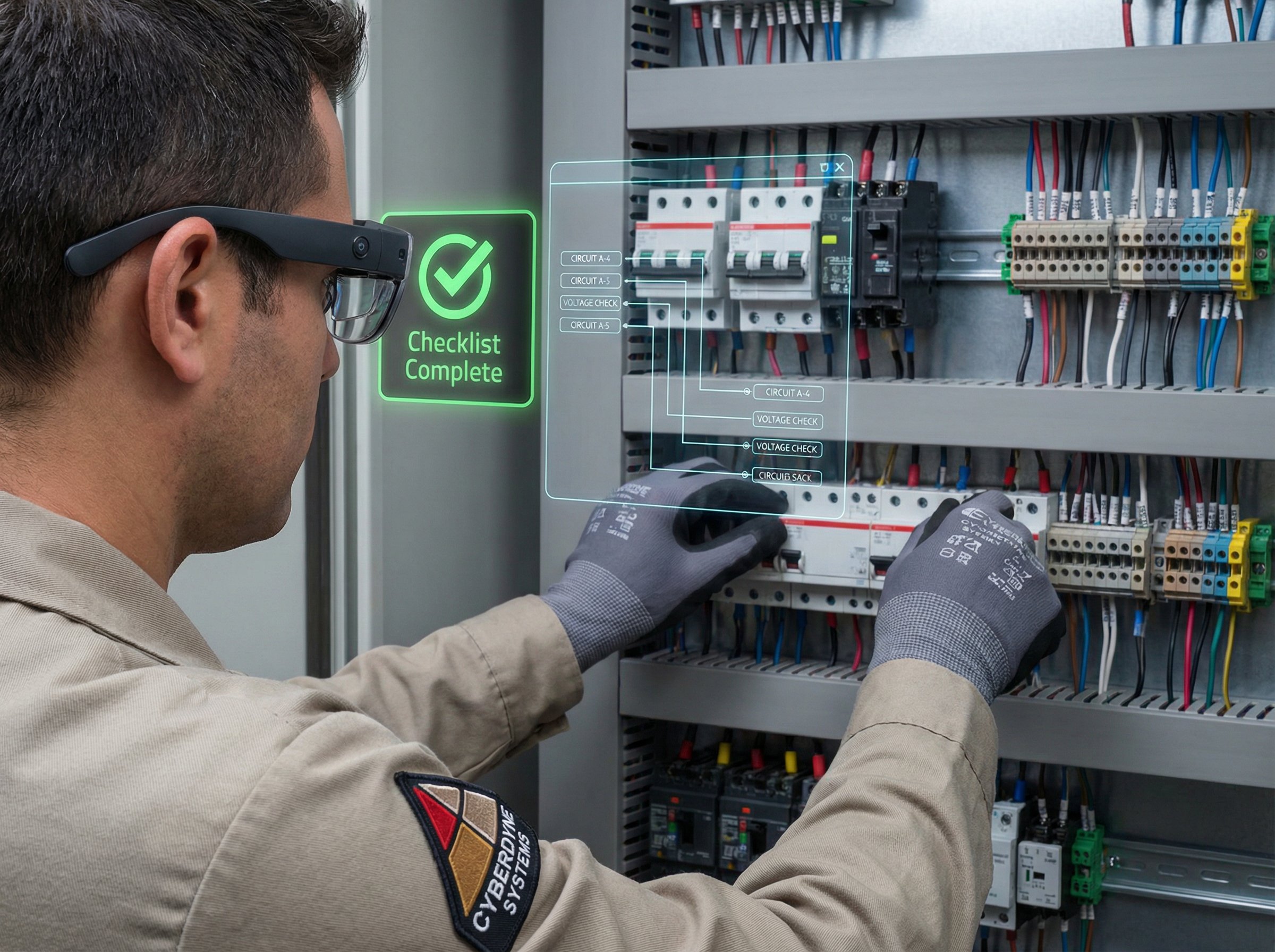
By 2025, Gartner predicts that over 50% of field service management deployments will include mobile augmented reality (AR) tools for collaboration and knowledge sharing, a huge jump from less than 10% in 2019.
This technology gives technicians smoother ways to do their work. For instance, AR headsets allow an on-site tech to share their point of view with a remote expert, who can then guide them through a complex repair. This improves first-time fix rates and worker safety. When these tools sync with predictive analytics, companies can spot patterns before small issues become expensive failures. Instead of jumping from crisis to crisis, field techs get a more balanced workload built around planned maintenance.
Where Innovation Is Opening Totally New Paths

While people often think of field service as fixing boilers or network systems, the future is much wider. Entire industries are being rebuilt around technologies that require skilled hands on-site.
Sustainable Construction and Energy
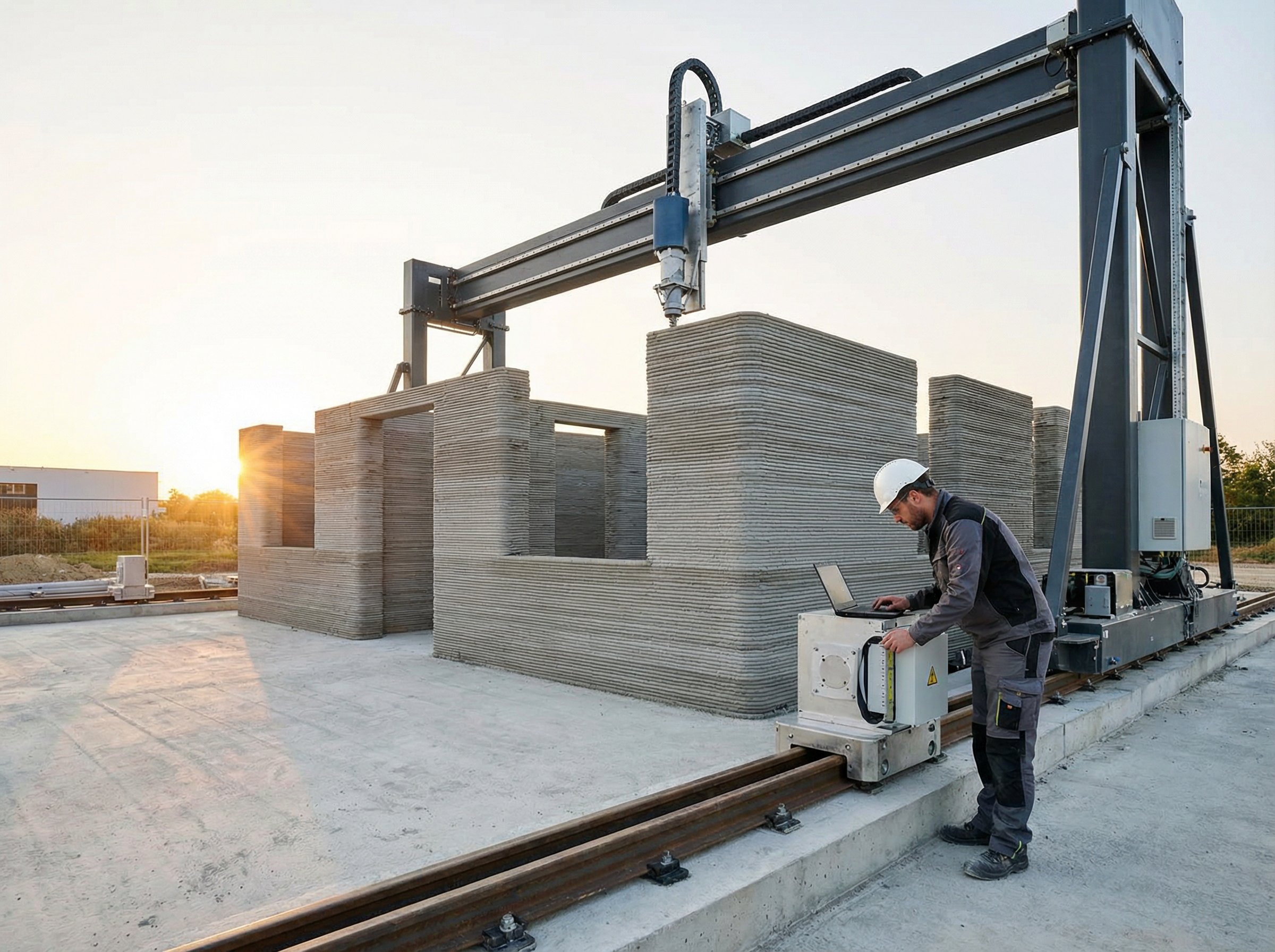
Housing is one of the clearest examples. Companies like ICON and SQ4D are pioneering the use of 3D-printed homes, creating structures with machines that produce full walls in hours. Those machines don’t run themselves. Field technicians maintain them, calibrate them, and troubleshoot when the software hiccups. This creates a role that merges construction experience with digital awareness.
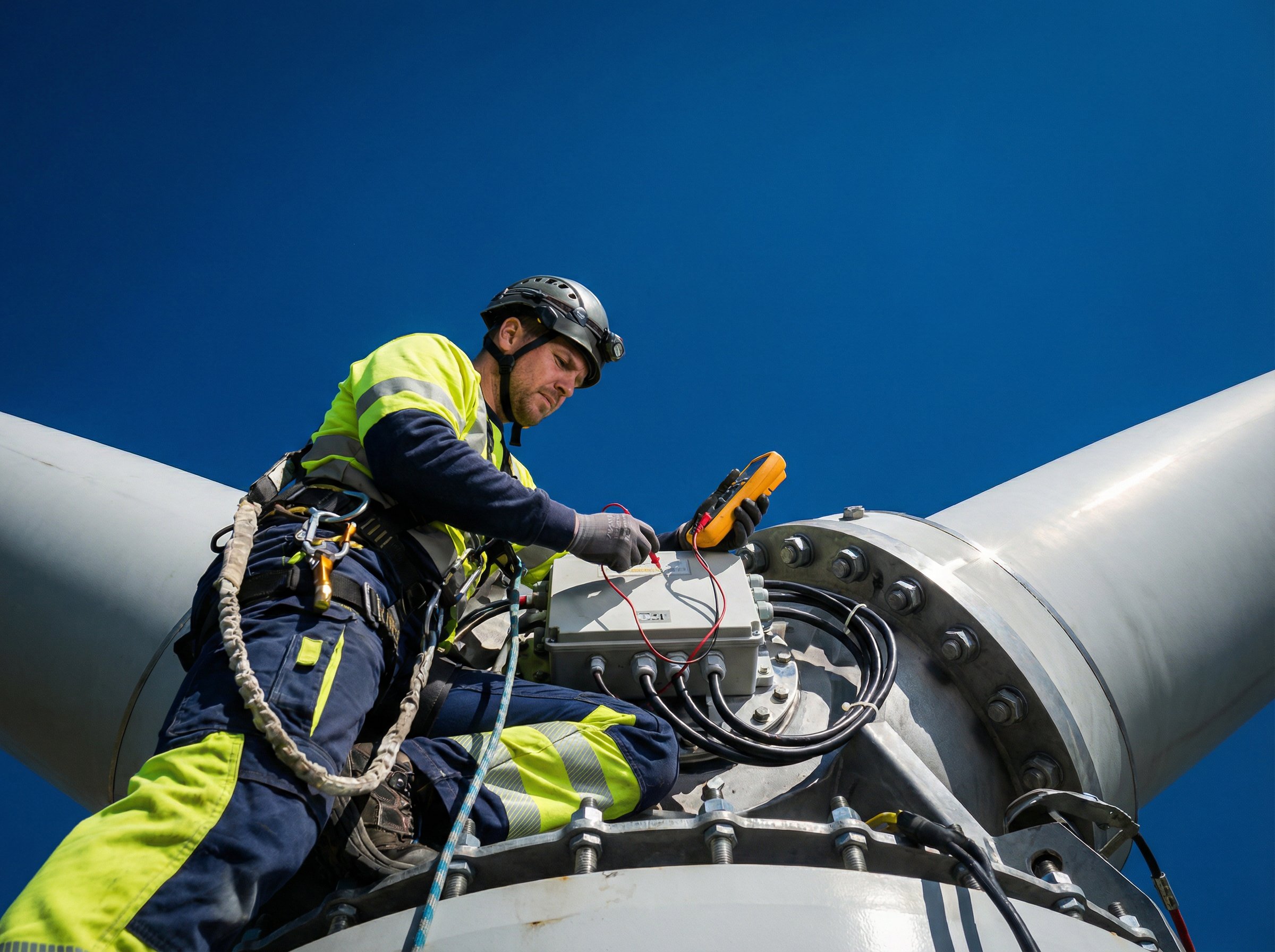
The energy sector is going through a similar shift. The U.S. Bureau of Labor Statistics projects that wind turbine service technician will be the fastest-growing job over the next decade, with solar panel installers not far behind. These roles require people who can mix electrical know-how with digital monitoring systems to maintain solar arrays, battery storage sites, and microgrids.
Advanced Manufacturing and Robotics
Manufacturing plants are adopting robotics at a stunning pace. The International Federation of Robotics reported that a record 553,052 new industrial robots were installed in factories worldwide in 2022. This technology can’t stay online without workers who understand how to run diagnostics, swap components, and keep calibration tight. The growth in these sectors means field tech roles will not only increase but also diversify, allowing people to find work in the industries that interest them most.
Why Companies Are Betting On Human Expertise
Even with incredible automation tools, companies realize that people remain the core of operational uptime. Machines assist, but they don’t improvise when something breaks in an unexpected way. They also can’t reassure customers or interpret the subtle signs of failing equipment that sensors sometimes miss.
Human intuition stays valuable, especially in complex environments. Because of this, businesses are designing better support systems to keep techs safe, including sensor-guided equipment checks and simpler communication channels for quick answers in the field. This investment is feeding into retention. A 2024 report from the Service Council noted that only 42% of field technicians expect to stay in their roles for their entire careers, highlighting the need for better engagement.
When companies treat technicians as long-term contributors, the whole industry stabilizes. Apprenticeships, upskilling programs, and internal certifications are expanding, giving workers real opportunities for upward mobility. As long as companies continue treating these roles as part of their long-term strategy, the field will stay resilient.
Final Thoughts
There is something refreshing about an industry that grows by building on human capability instead of replacing it.
The future of field tech roles is bright, with technicians stepping into a career path where the work feels both modern and grounded. It is supported by smart tools without being overshadowed by them.
The mix of steady job security, evolving skills, and meaningful contribution puts this path in a strong position. It’s a career built on real-world impact, and that’s why its momentum isn’t slowing down anytime soon.