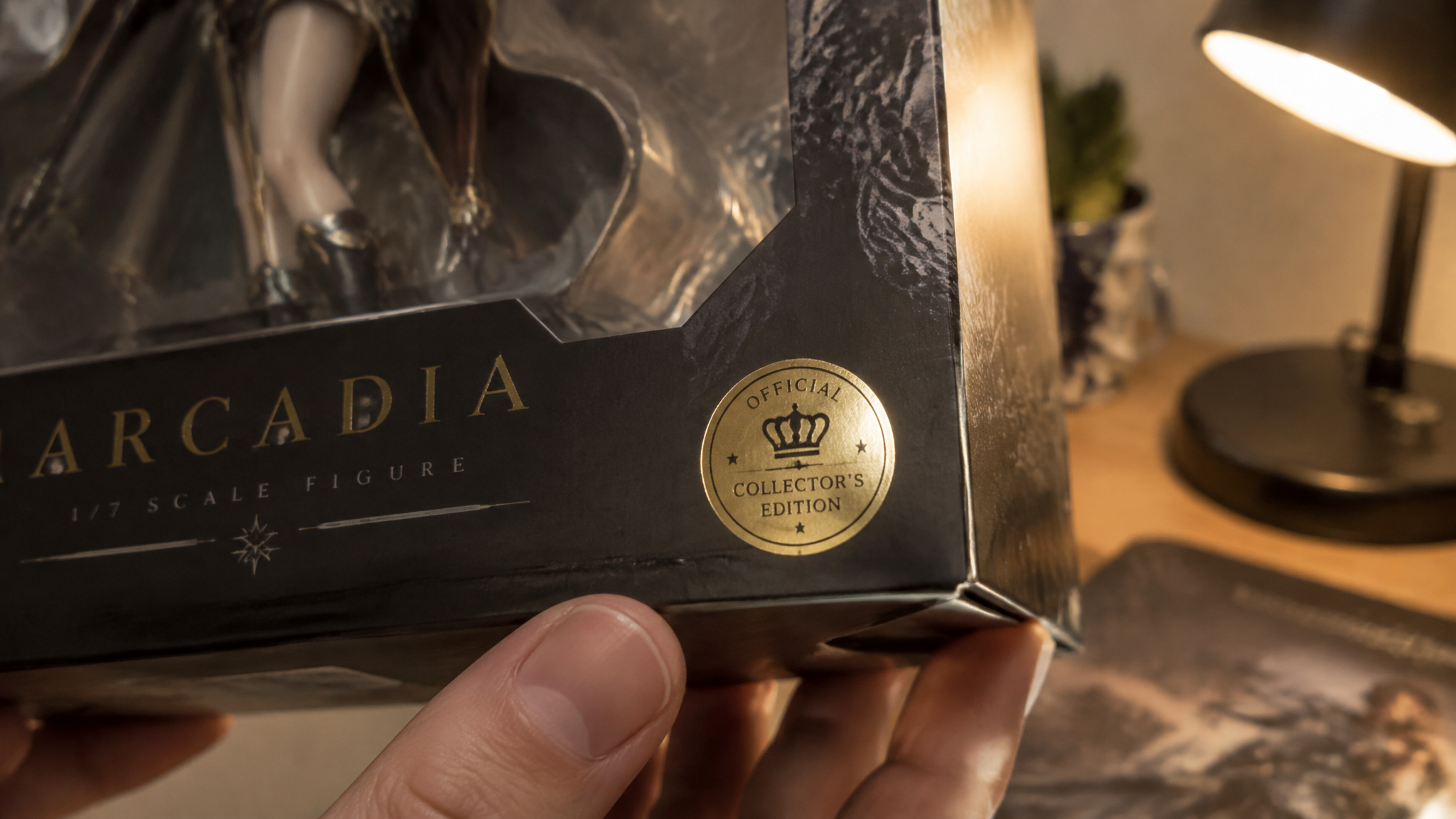
So someone handed you a Funko Pop. Maybe it came wrapped in birthday paper, maybe it surfaced in a box of stuff from a relative’s attic, and now you’re standing there with a big-headed vinyl stranger and no receipt, no context, and no idea if it’s a $5 desk toy or a $450 grail. The good news: value comes from identification, condition, and real sale data, not from the word “rare” anywhere on the packaging. The five-minute check starts on the box.
Key Takeaways
A Chase variant is identified by the Chase sticker in the box’s bottom-right corner, with production runs ranging from as few as 48 to over 1,000 pieces.
Pop Price Guide on Hobby DB monitors every eBay sale, filters junk transactions, and prices each figure per grade (New, In Box, Out of Box), so its number is a filtered estimate, not a guaranteed sale price.
Demand, not rarity, sets price: a Wednesday Pop limited to 9,500 pieces sat unsold on Amazon, while Super Shadow #285 averages $454 against Sonic with Emerald #284’s $28.
Table of Contents
Step 1: Identify the exact Funko Pop before pricing it
A Chase variant is identified by the Chase sticker, which lives in the box’s bottom-right corner. That’s the two-second check: rotate the box, look low and right. If the sticker’s there, you’re holding a Chase, the variant run collectors chase hardest. And there’s no single “Chase rarity” to memorize: production runs range from as few as 48 pieces all the way past 1,000+. A 48-piece Chase and a 1,000-piece Chase are not the same animal, even though both wear the same sticker.
Before you even get to variants, find the number and series. Every Pop has a figure number stamped on the box, and that number is what price databases actually key on. This is where people burn themselves: search “Sonic Funko Pop worth” and you’ll price the wrong variant, because the Sonic franchise alone spans a 16x price gap. Sonic with Emerald #284 averages about $28.
Super Shadow #285 averages about $454. Same franchise, adjacent numbers, wildly different money, and a character-name-only search cannot tell them apart. The number is the API key here. Use it.
Variants themselves come in recognizable flavors. Flocked means fuzzy texture (literally, the figure is coated in fibers). Metallic and platinum finishes exist. Glow-in-the-dark exists. Variants can differ by costume, colors, finish, even the mold itself or an added icon, so two Pops with the same name on the box can be genuinely different products.
Exclusive stickers matter too: SDCC (San Diego Comic-Con), Hot Topic, Entertainment Earth, and other retailer marks. Convention exclusives carry Comic-Con stickers and come in limited quantities, and that sticker is often the single strongest hint that the thing might be worth something later.
Authentication, honestly, is mostly box forensics. The tells live in the box art, the stickers, the fonts, the barcode, the factory codes, and the figure design itself. There’s no serial-number lookup system in the hobby’s public record; what’s documented is box-detail checking, plus services: Pop Price Guide offers an authentication service, and Whatnot checks every item for condition and authentication before it sells. If someone sells you a “serial number checker” for Pops, that’s not a documented tool. The barcode and the sticker placement are.
Step 2: How Funko price guides calculate values (and why they differ from eBay)
A guide number and a raw eBay sold price differ because the guide is filtered and the raw feed isn’t. Pop Price Guide, which lives on Hobby DB, does the unglamorous plumbing first: it monitors every eBay sale of Funko Pops, automatically matches each sale to the correct figure, tosses the junk sales (the scalper listings, the mispriced noise), and records each sale’s grade. Then a pricing algorithm produces values per figure per grade, New, In Box, and Out of Box, along with historic prices.
So when your number doesn’t match the sold listing you found yourself, that’s usually the junk filtering and the grade tagging at work, not a bug. The honest frame: the guide number is a filtered estimate of the market, not a guaranteed sale price. It’s what the market actually transacts at, cleaned up.
Quick test: If your price doesn’t match a sold listing, check the grade tag and junk-sale filtering before assuming the guide is wrong.
What happened to Pop Price Guide, and is it still free?
Pop Price Guide stopped being free after its Funko app connection ended and Hobby DB’s version of PPG became a paid tier, and usage dropped along the way. That account comes from a Gastlecast YouTube recollection, so treat it as community memory rather than verified corporate history, but it’s a clean little infrastructure story: the tool was free and wired directly into the Funko app, which fed it a big audience. Cut the connection, put it behind a paywall, and people drifted.
The nostalgia is real, by the way. People used to track and share their top-10 collections through it, and that social bit is what they miss most. Community members have pushed for Funko and Thrilljoy to partner with Hobby DB on a revival, and collector databases like these remain the easiest way to find your Funko Pop’s birthday. There’s even a concrete detail: Christian, head of Hobby DB, visited the Mischief Toys booth at NYCC 2025 to discuss how PPG could come back. Credit where due, too: Mischief Toys’ items on Hobby DB were largely uploaded by volunteer Craig Matthews, which is exactly how these databases get built. One person, cataloging.
Tools compared: what to use today
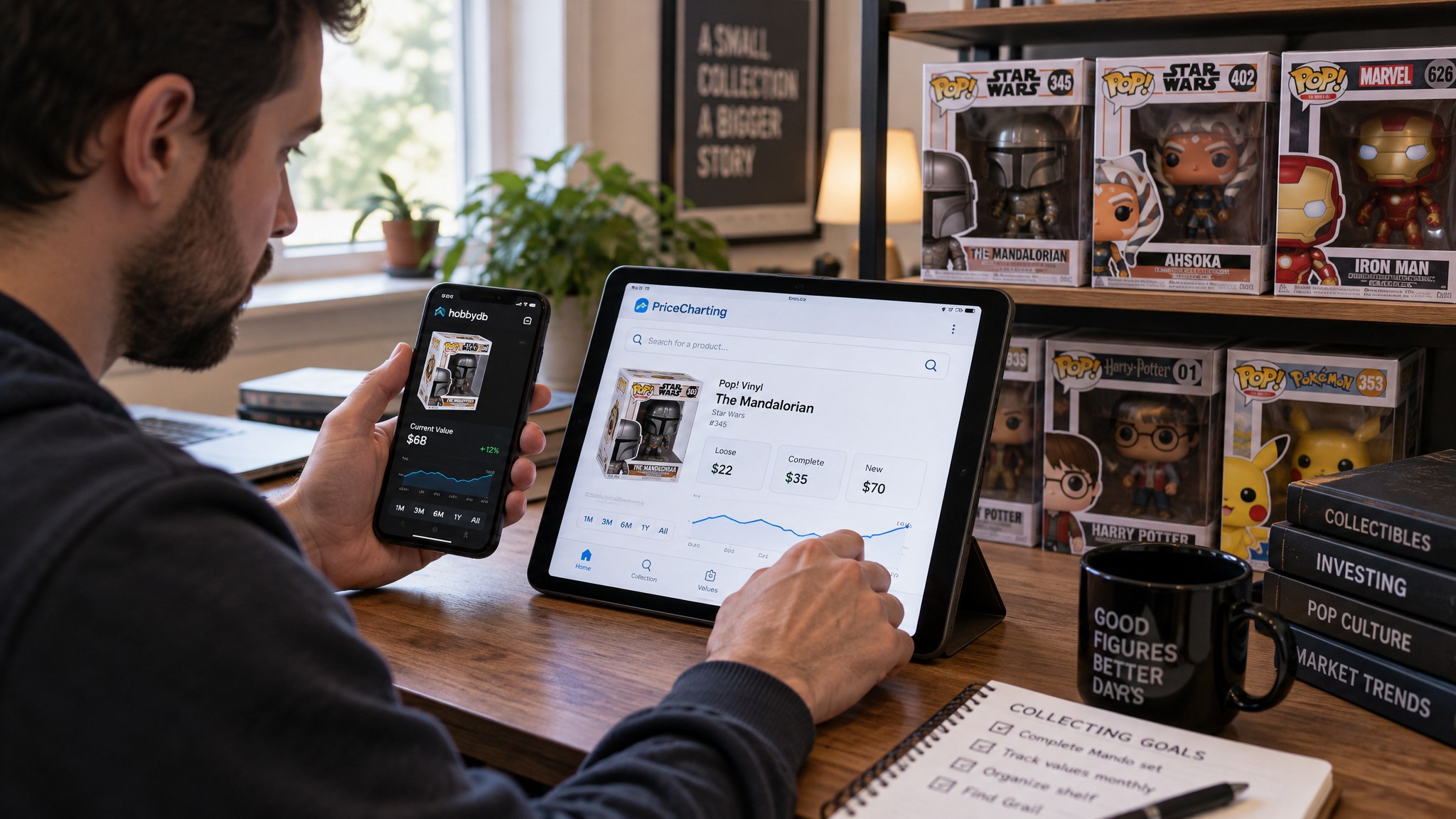
Pop Price Guide on Hobby DB is the best all-in-one price guide for current and historical values, figure detail pages break prices out per grade (New, In Box, Out of Box) with historic prices alongside the current ones, and the hobbydb app is the best pick for value checks plus collection tracking, with the caveat that PPG is now a paid tier. If you only learn one tool, learn this one. The spec rundown, gadget-style:
- Massive figure database, with average prices pulled from completed eBay sales
- Per-grade pricing for New, In Box, and Out of Box, from real graded sales
- Real-time and historic tracking, so you can watch a figure climb or crater
- A running total for your whole shelf: plug in your collection, get a value (an estimate, not cash)
- Multi-currency support: USD, AUD, GBP, EUR and more. Small trick worth sharing: the flag icon in the top menu converts prices, which is genuinely handy if you’re not pricing in dollars
- QUICK JUMP / Browse popular series: search a set name, pull up checklists and values, save figures to your collection list or wishlist. Top categories are Animation, Movies, Television, Disney, and Marvel
- Trending Pops section for a live pulse of the market, plus hand-picked hot deals from a retailer supplier network, worth a peek before paying full price
The other tools, in context:
- The Funko app once pulled pricing straight from PPG with a barcode scanner, which was excellent, until that connection ended (see above).
- PriceCharting gives out-of-box, damaged-box, and new value breakdowns, a decent second opinion.
- eBay sold listings are the raw, unfiltered feed. Use them to cross-check a grail before you actually sell.
- Whatnot is an authenticated marketplace that checks every item’s condition and authenticity, which matters more the higher the value.
- POP’s Today publishes daily-updated values.
My working method, treating the Pop like any other collectible hardware: specs before hype. And remember, a room full of Pops can be a display of wealth, not skill spotting a fake gamer matters too. The guide gives you per-grade estimates; the raw sold listings verify whether a specific high-value figure actually transacts near those numbers. Both, always.
Reading price data like an appraiser: averages, highs, and history
The realistic selling price is the average, the ceiling is the high sale, and the direction comes from the trend line. That’s the whole reading skill. Worked example: Super Shadow #285 averages $454 with a high sale of $1,350, and Tails #07 averages $310 with a high of $700. In practice, sellers anchor to that peak number and end up disappointed when offers land near the average.
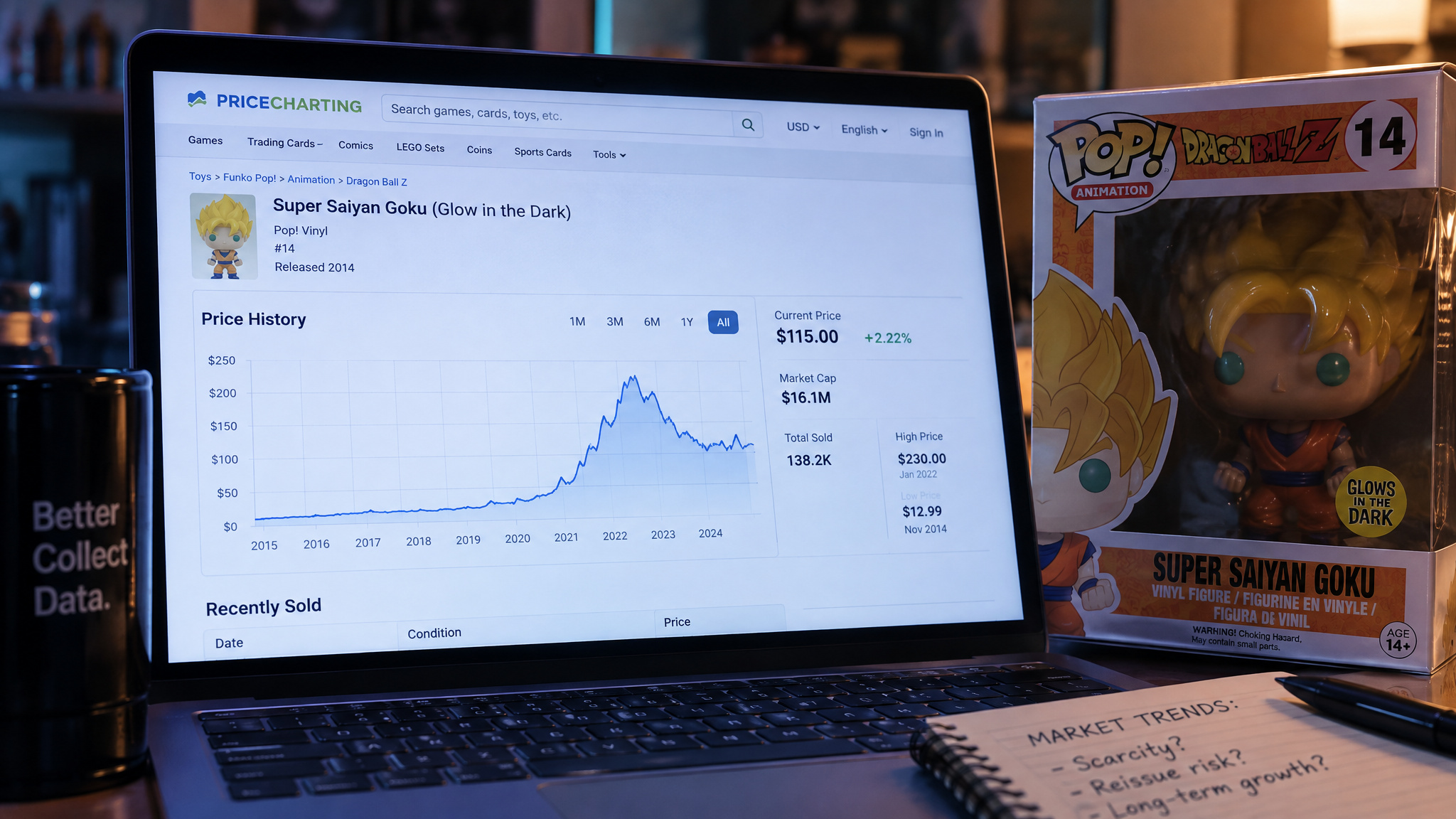
It’s a genuinely common pattern, so don’t feel bad if it happened to you. The high is one exceptional transaction; the average is what the market actually does.
For direction, the historic trend is your friend, and it does not only go up: Sonic Pop prices dipped in April 2023, per Popfolios (Nick L., May 3, 2023), which even framed it as a decent buying window. Scroll the chart before you sell anything. It’s the fun part, honestly, like checking a stock you own purely for entertainment.
Condition and grading: is an unboxed Pop still worth anything?
Yes, an unboxed Funko Pop keeps value, but it loses most of what the sealed version commands. Collectors want unopened boxes; pop it open and most of the premium evaporates. I know. If someone gave you that gift to display and enjoy, maybe even to mark one of the character’s Funko Pop birthdays, enjoy it; a figure you love on a shelf beats a number in a database.
Here’s the useful reframe: price guides publish three grades, New, In Box, and Out of Box, so the honest answer to “how much did I lose?” is to figure out which grade tier your figure falls into and look up that grade’s price rather than the headline sealed number. It’s the same logic as graded cards or a used GPU: condition changes the number, predictably. What to do going forward: keep the figure pristine, keep the packaging even if the Pop is out, sell duplicates rather than cracking them open, and don’t chase invented percentage discounts. Nobody documented a fixed unboxing penalty, because it varies figure by figure.
Demand beats rarity: what actually makes a Pop worth money
A Funko Pop is worth money when collector demand exists, and scarcity alone doesn’t set the price. That’s the contrarian spine of this whole guide, and two examples prove it. First: the Wednesday Funko Pop, limited to 9,500 pieces on Amazon, just sat there unsold, despite everyone expecting the usual limited-edition FOMO. Limited doesn’t mean sold out. A scarce Pop with no audience behind it is just a scarce Pop, the same logic that explains the most expensive Funko Pop ever sold, where six-figure prices came down to demand, not rarity alone.
Second: vaulted Pops don’t automatically spike. Vaulting, in plain terms, is Funko retiring the mold; the figure is decommissioned and no longer produced. Some collectors buy vaulted Pops expecting the price to climb, but plenty sell at discounts for a while first. Vaulted doesn’t mean instantly valuable; it means possibly valuable, eventually, if demand shows up.
So the working list of value factors is rarity, condition, age, popularity, and exclusivity, but demand is the one that’s decisive. And you can’t predict any of this at release. Buy what you enjoy; luck is genuinely part of the deal.
Sonic Funko Pops as a case study: same franchise, 16x price gap
Yes, Sonic Pops are worth real money on the secondary market, from about $20 averages up to a $1,350 high sale, depending entirely on which figure you’re holding. Sonic Pops landed in 2013 and over 600 models exist now, per Popfolios (Nick L., May 3, 2023). And with roughly 1 billion Funko Pops sold around the globe since 2011, it makes sense that a price database exists at all. Here’s the spread within one franchise:
| Figure | Avg price | High sale | Why it’s priced that way |
|---|---|---|---|
| Super Shadow #285 | $454 | $1,350 | LE 1,500 pieces, from a three-pack; cited as a collector’s gem |
| Tails #07 | $310 | $700 | Flocked, vaulted, 2016 SDCC exclusive |
| Shadow with Chao #288 | $90 | $500 | Hot Topic exclusive |
| Dr. Eggman #286 | $46 | $65 | Metallic, supply still available |
| Sonic with Ring #283 | $44 | $60 | Metallic, 2019, among the most sought-after |
| Knuckles Flocked #854 | $28 | $185 | Flocked exclusive, demand rising |
| Sonic with Emerald #284 | $28 | $69 | Flocked Entertainment Earth exclusive, 2020, a Chaos Emeralds homage (the glowing power gems, for the non-Sonic folks) |
| Super Sonic (MEFCC) #287 | $20 | $170 | Glow Chase, limited 2018 SDCC exclusive |
The variables that moved these numbers: edition size, variant texture (flocked and glow carry premiums), vault status, and exclusive source. Same franchise. Sixteen times the price from one row to another.
The most valuable Funko Pops: estimates vs. actual sales
The Golden Ticket 2-Pack sits on top with an estimate of at least $71,000 and one actual recorded sale at $100,000, and that estimate-versus-sale distinction is exactly where most “rarest Pops” lists blur the line. Only 10 sets were made in 2016, of the Willy Wonka and golden Oompa Loompa pair. Four went to Golden Ticket winners who found tickets in Funko chocolate bars, complete with a factory tour, very Willy Wonka of them. The remaining 6 reportedly ended up with Funko employees, per rumor, and that “rumored” is part of the fun. This is wild, and it’s documented.
After that:
- Clockwork Orange: 24 made, 12 of them Chase; one glow-in-the-dark copy brought $60,000 in 2022, the second-highest Pop price ever.
- Freddy Funko Metallic Iron Man: $43,000 actual sale in 2022, bought by a collector whose shelves also hold a Golden Ticket set. Only two Marvel Freddy Funko 12-piece sets exist.
- Freddy Funko Metallic Ghost Rider: estimated just over $23,000, with no recent sales to corroborate it. That’s an educated guess, not a price.
- Freddy Funko Buzz Lightyear: roughly 25 known to exist, glow-in-the-dark, handed out at SDCC from 2011 to 2013; estimated around $24,000.
- Boo Berry: the original 2011 SDCC glow-in-the-dark version is the valuable one; over $20,000.
- Freddy Funko (Bloody) as Jaime Lannister: 12 regular plus 12 glow copies exist; valued at $19,000+, and the community calls it a Game of Thrones holy grail.
- Freddy Funko as Venom: 2019, 24 made, with an “SE” marking in the box corner; just under $19,000.
- Freddy Funko as The Joker: valued above $13,000, with the glow copy the one collectors want most.
- Dumbo clown face variant: valued above $8,400, and yes, it’s exactly as unsettling as it sounds.
- Ken Griffey, Jr. Gold: the autographed version, estimated around $8,100.
- Freddy Funko Stan Lee (Blue Shirt): estimated just under $4,700. The metallic and platinum Stan Lee Pops were limited to 10 pieces apiece, each designed by Stan Lee himself, and some collectors argue they’re the rarest of all.
The honest takeaway: only the top few entries here have recorded transactions. Most grail “values” are estimates without corroborating sales. Prices are historical records and may vary. For more on the record-setting side of the hobby, see our rundown of the most expensive Funko Pop ever sold.
Building, tracking, and selling a collection
To see what a whole collection is worth, add your figures to a tracker like Pop Price Guide’s collection tool, series by series, and it totals your worth at per-grade prices while flagging which figures are rising and which are dropping. It’s the fun side-project version of a portfolio dashboard: log the shelf, watch the total. Just remember the total is an estimate, not cash in hand. When selling, the three things to avoid are unauthenticated sales, grade mismatches, and shady buyers: use the box-detail checks, PPG’s authentication service, or Whatnot (which checks condition and authentication on every item), match your listing to your actual grade tier, and vet sellers and check the warranty on any big purchase. There’s no documented serial-number checker for Pops, so don’t go looking for one.
Where do the valuable ones even come from? You can buy direct from Funko online or at its stores: Hollywood CA, Funko HQ in Everett WA (the pilgrimage site), San Diego CA, Chatsworth CA, and London UK. Retailers like GameStop, Target, and Big Apple Collectibles handle pre-orders. Convention exclusives carry Comic-Con stickers in limited quantities, and Funko Fundays at SDCC tosses assorted boxes and door prizes into the mix. From there it’s the light-touch loop: keep things pristine, watch the trends, sell duplicates, and remember prices move with franchise popularity. And a brief, clearly separate aside: if you want fractional investing generally, platforms like Fundrise (real estate, $10 minimum), Arrived ($100 minimum), and Ark7 ($20 minimum) exist. That’s a different hobby.
Price the Pop you actually have
Identify the number, check the sticker, read the average-to-high spread: that workflow works for one birthday gift or a whole shelf. One market note as a community read, not settled fact: LE releases and Thrilljoy’s tear boxes and mystery figures look like deliberate attempts to recreate scarcity-driven excitement, so values will stay unpredictable at release. A friend missed the Stariller Pop at launch and is now priced out entirely, while the glow-in-the-dark Dumpster Fire Return of the Living Dead edition from 100% Soft (my favorite piece of 2025, community-sourced taste) sold out on the site. Buy what you love. Check the corner of the box first.
Frequently Asked Questions
How do I find out how much my Funko Pops are worth?
Find the figure number stamped on the box, check for a Chase sticker in the bottom-right corner, then look the figure up on Pop Price Guide on Hobby DB, which prices each figure per grade (New, In Box, Out of Box) from completed eBay sales. Cross-check any high-value figure against raw eBay sold listings before you actually sell. Remember the average is the realistic selling price; the high sale is the ceiling, not the expectation.
How do you know if a Funko Pop will be worth money?
You genuinely can’t predict it at release, but the strongest hints are a small edition size, a Chase or convention sticker (SDCC, Hot Topic, Entertainment Earth), flocked or glow-in-the-dark finishes, and vault status — with the caveat that demand has to show up. A Wednesday Pop limited to 9,500 pieces sat unsold on Amazon, and vaulted Pops often sell at discounts before rising. Buy what you enjoy; luck is part of the deal.
How do I tell if my Funko Pop is rare or a Chase variant?
Check the box’s bottom-right corner for the Chase sticker — that’s the two-second test. Note that Chase runs vary enormously, from as few as 48 pieces to over 1,000, so the sticker alone doesn’t tell you how rare yours is. Other rarity markers include exclusive retailer stickers, flocked/metallic/glow finishes, and vault status.
How do I tell if my Funko Pop is rare?
Look at the box: the Chase sticker placement, exclusive retailer or Comic-Con stickers, the fonts, barcode, factory codes, and the figure design itself are the documented tells. There’s no public serial-number lookup system for Pops — anyone selling a ‘serial number checker’ isn’t offering a documented tool. Price it by figure number on a database to see whether scarcity actually translates into demand.