I first tumbled down the rabbit hole of transcranial direct current stimulation (tDCS) years ago. I was reading an article on Conquer Mortality about how this tech was improving firearms shooting accuracy. The premise was wild: zap your brain with a low-voltage current, heighten your focus and hit the target.
It sounded like cyberpunk fiction or a biohacker’s pipe dream. But today, December 11, 2025, the U.S. Food and Drug Administration stopped treating it like sci-fi and started treating it like medicine.
Flow Neuroscience just received FDA approval for its FL-100 device. This isn’t for sniping targets; it’s for treating major depressive disorder (MDD) at home. And judging by the numbers, it might just be the death knell for the “pill-first” approach to mental health.
The End of the Pill Era?
Let’s be honest: the current standard for depression care often feels like a gamble. You try a pill, wait six weeks, gain weight, lose your libido, feel emotionally blunted and maybe—just maybe—feel less sad.
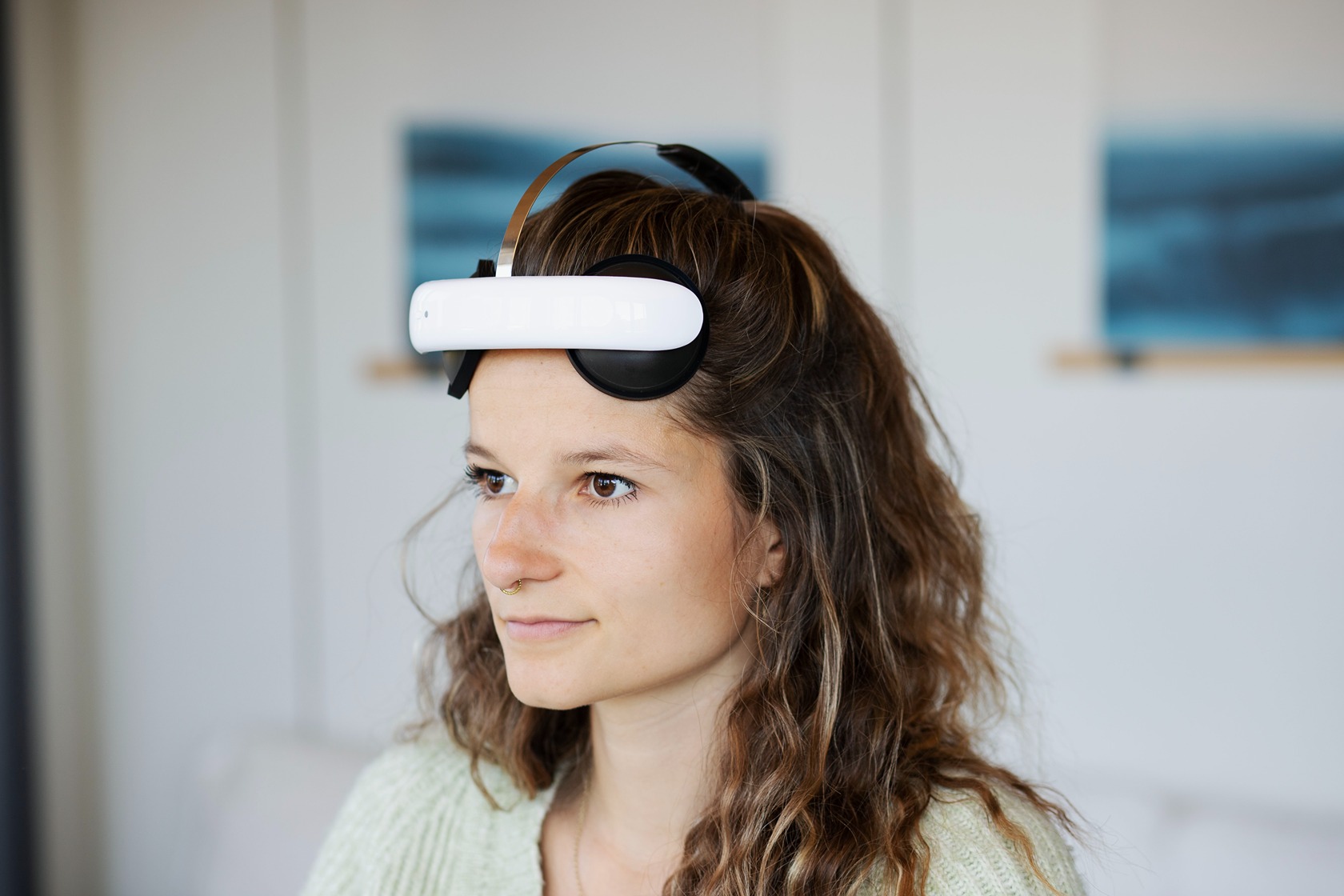
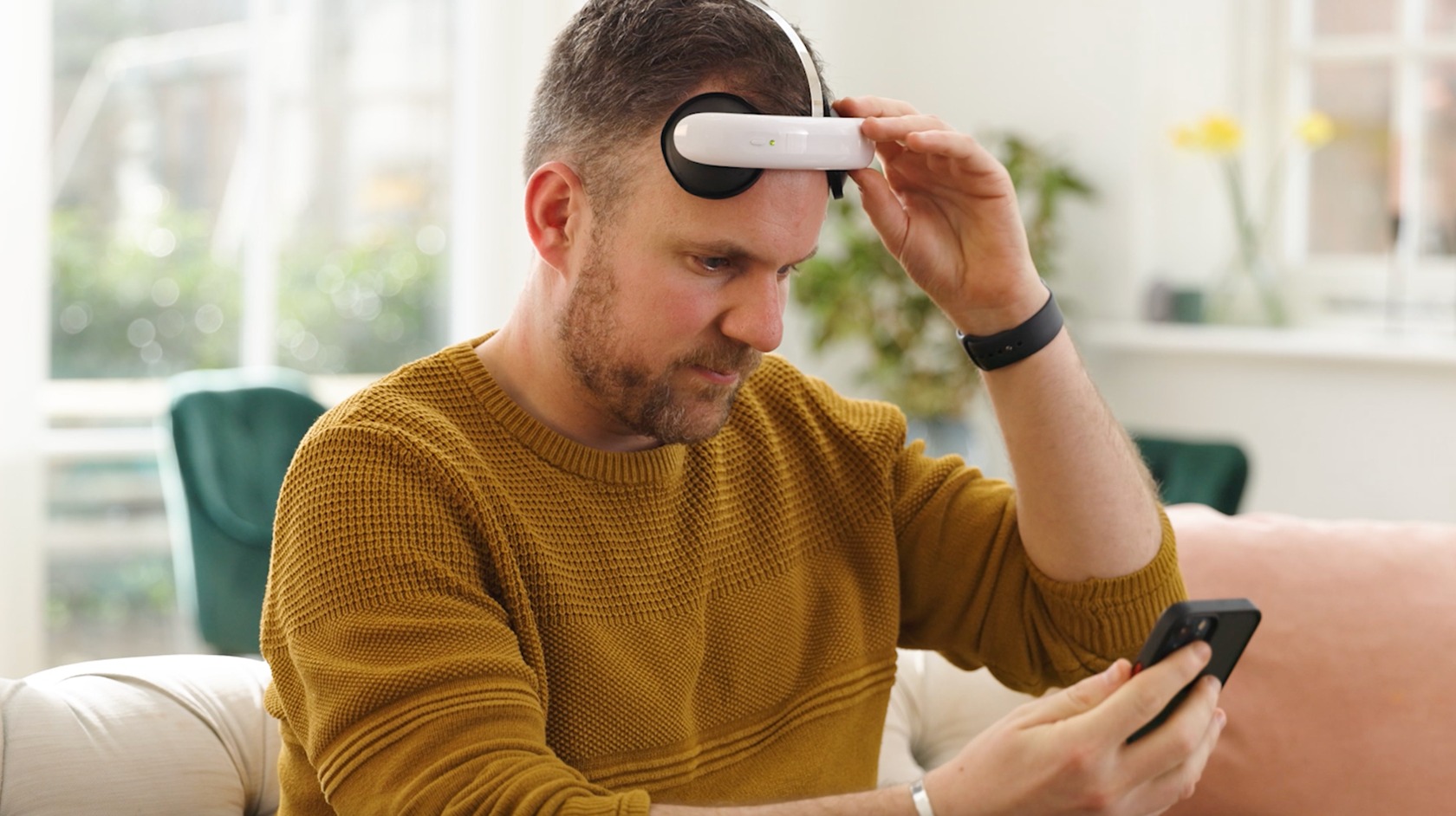
Flow is offering something radically different. The device, which looks like a sleek pair of headphones worn on the forehead, sends a gentle electrical current to the prefrontal cortex. This is the part of the brain responsible for mood regulation, which often goes dark in people with depression.
The results are staggering. In a study published in Nature Medicine, 58 percent of patients achieved remission within 10 weeks.
“We’re on a mission to make effective, affordable non-drug treatment available to the millions of Americans suffering from depression,” said Erin Lee, CEO of Flow Neuroscience.
While 58 percent is a specific, hard number, the human impact is harder to quantify. We are talking about relief for the 20 million adults in the U.S. currently navigating depression, a figure that has spiked 60 percent in the last decade.
How It Actually Feels (It’s Not Magic)
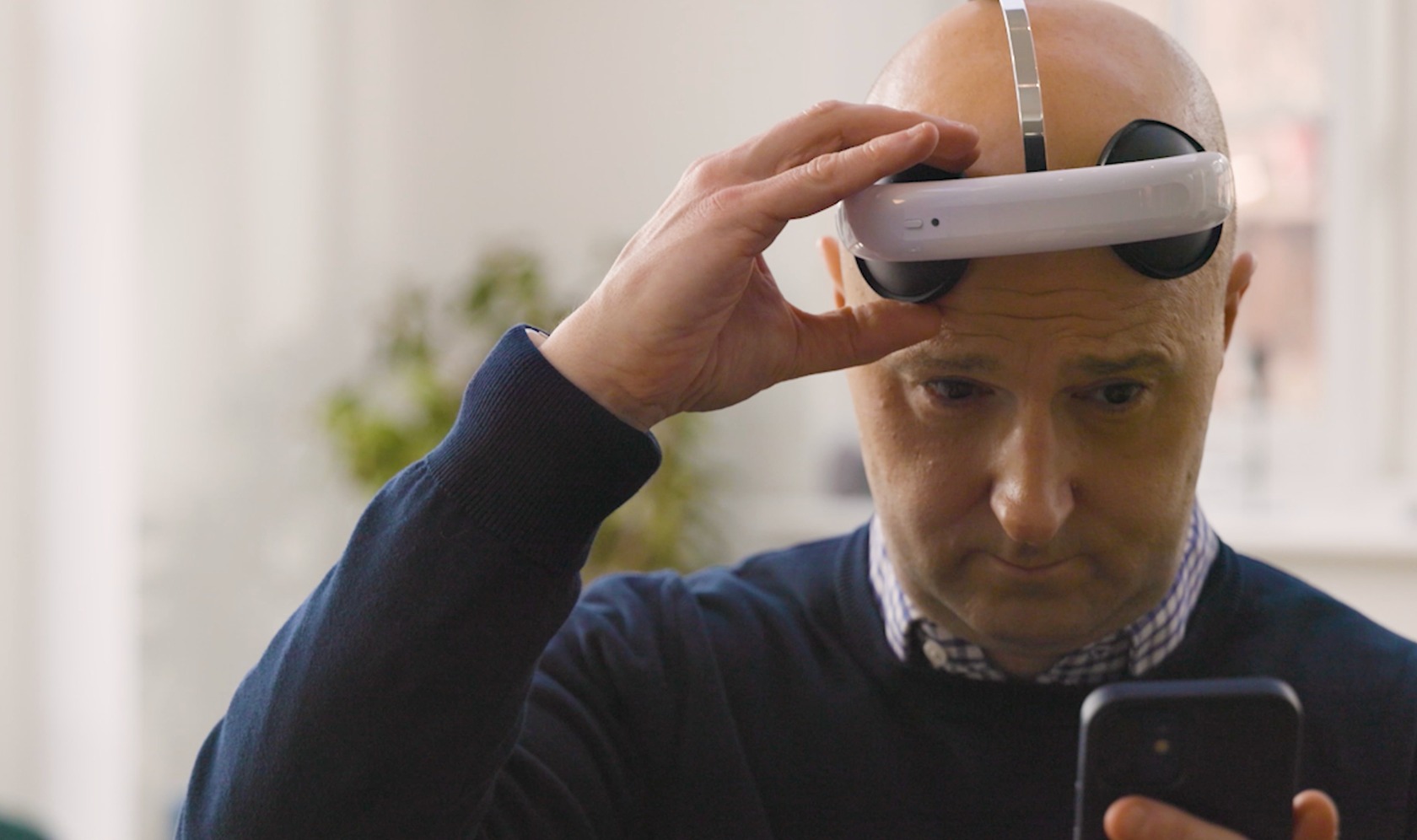
This isn’t just about wearing a cool gadget. It involves active sessions. You put it on, the app guides you and your brain gets a workout.
Is it comfortable? mostly. Is it weird? Absolutely.
The Pros:
- Speed: Users see improvements in as little as three weeks.
- Freedom: It’s the first FDA-approved novel at-home non-drug therapy. No clinic visits required.
- Safety: Side effects are mild. No weight gain. No systemic chemical changes.
The Cons:
- Sensation: Stinging, burning or itching at the stimulation site is common. You are, after all, applying electricity to your head.
- Routine: You have to actually use the device. You can’t just swallow a tablet and forget it.
- Access: It requires a prescription and won’t be downloadable until the second quarter of 2026.
Why This Matters Now

We are living in a moment where trust in traditional pharmaceutical pathways is wavering. People are tired of trade-offs. The idea that you can use the same underlying technology that helps sharpshooters focus to instead help a depressed brain “wake up” is incredibly validating for the tech-forward approach to wellness.
Daniel Månsson, Flow’s co-founder, noted that they have been building this evidence base for six years. They essentially brute-forced their way through skepticism with hard data, proving that home-based neuromodulation works better than placebo—two to three times better, to be exact.
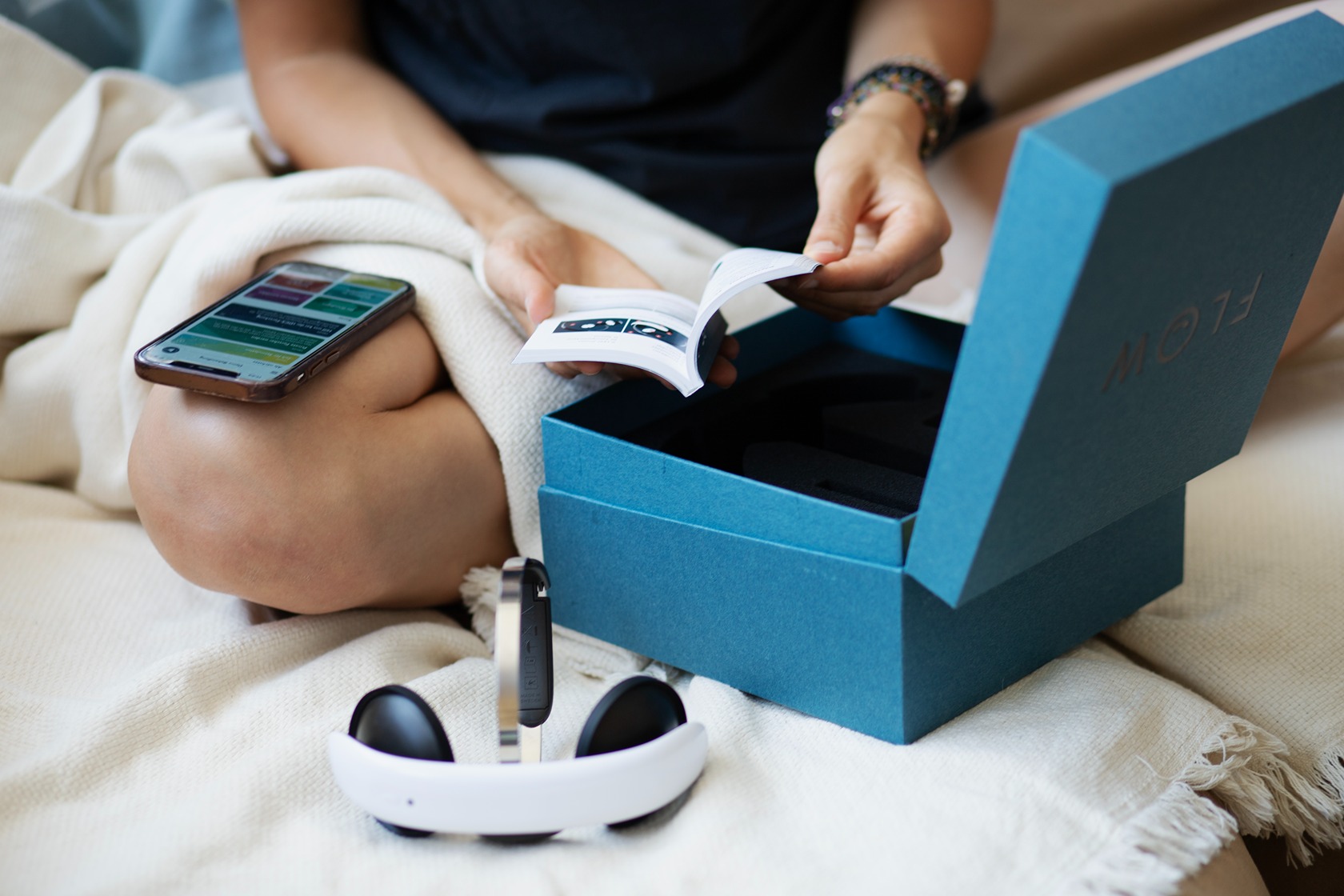
However, we need to ask the hard questions. Who gets access to this? When it launches next year, will insurance companies embrace a device that looks like a VR headset, or will they cling to the generic pills costing pennies?
The Verdict
The FDA approval of Flow is a watershed moment. It signals that the U.S. healthcare system is finally willing to admit that chemistry isn’t the only way to fix biology. Electricity has a seat at the table.
If you have been struggling with meds that don’t work, or if you simply refused to take them because the side effects were too high a price to pay, the game just changed.
Poll: The Future of Treatment
If you were diagnosed with depression tomorrow, which path would you choose?
- Team Pill: Give me the medication; it’s proven and easy.
- Team Zap: Strap the headset on me; I want to avoid side effects.
- Team Skeptic: Neither sounds safe to me.
Vote in the comments below and share with a friend who loves biohacking tech!