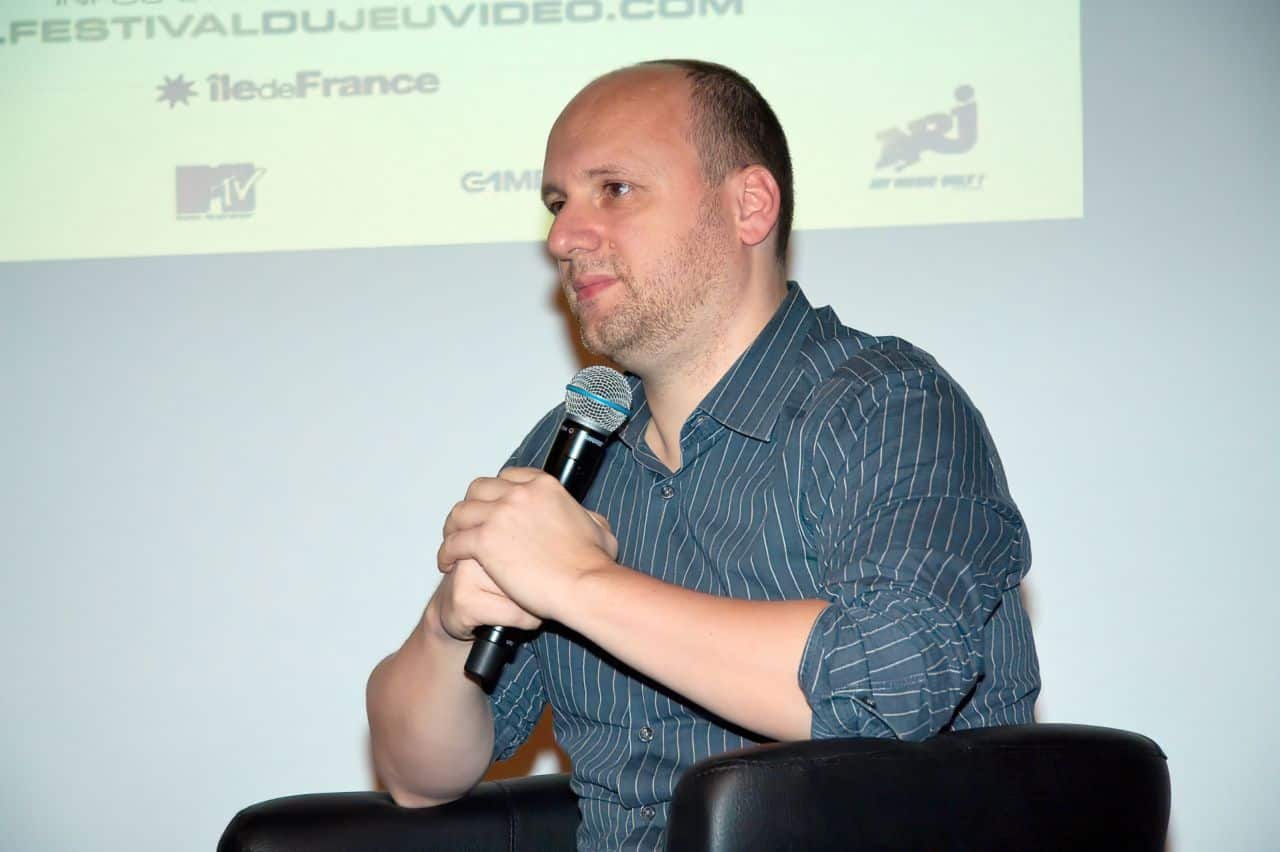
I feel like I need to get this off my chest, and I know I’m not alone: I think David Cage sucks. For years, I’ve watched his games get hyped up as the next evolution in storytelling, but I always end up disappointed. His work consistently misses the mark on what makes a game compelling.
Instead of creating engaging, interactive experiences, he delivers what I can only describe as clunky, interactive movies. If you’ve ever felt the same way, let’s talk about it.
His games often feel like a collection of questionable story ideas and gameplay mechanics that just don’t respect the player. We should be able to expect more from a developer with his level of influence and budget.
It seems like he is more interested in making movies disguised as video games than in crafting a truly interactive narrative. So, let’s break down the history and the consistent problems I see in his work.
Key Takeaways
Movies Over Games: The author argues David Cage prioritizes cinematic ambitions over game design, resulting in “clunky, interactive movies” rather than engaging, polished player experiences.
Weak Writing: Cage’s scripts are criticized for relying on tired clichés, significant plot holes, and contrived twists (such as the endings of Indigo Prophecy and Heavy Rain) rather than logical narratives.
Shallow Themes: Despite aiming for emotional depth, games like Detroit: Become Human are described as having heavy-handed allegories that appropriate historical tragedies like the Civil Rights Movement without adding nuance.
Tedious Gameplay: The critique highlights a heavy reliance on Quick Time Events (QTEs) for mundane tasks, which restricts player control and breaks immersion compared to other narrative games.
Toxic Work Culture: The author notes that allegations of a toxic workplace at Quantic Dream provide a troubling real-world context to the problematic themes found within Cage’s games.
Table of Contents
A Long History of Controversial Choices

David Cage is a French video game designer and the founder of the studio Quantic Dream, which he established back in 1997. From the very beginning, his goal has been to create games that push emotional boundaries.
In an interview, Cage once said he wants to make games that are “emotional, provocative, and sometimes uncomfortable.” While that sounds ambitious, in my experience, the execution often feels forced and misses the point entirely.
The issues aren’t just in the games themselves. In 2018, French media outlets, including Le Monde and Mediapart, published reports detailing allegations of a toxic workplace culture at Quantic Dream. These reports added a real-world context to the problematic themes often found in his games.
The Heavy Rain Example
A prime example of his questionable design is the 2010 game, *Heavy Rain*. The story follows four characters connected to the Origami Killer, a serial murderer who drowns his victims.
The game was praised by some for its branching narrative, but it was also widely criticized for its clumsy controls and bizarre story moments. One of the most infamous moments is a scene where the player has to repeatedly press a button to make the character Ethan Mars yell for his lost son.
This “Press X to Jason” moment became a huge internet meme. It perfectly captures how Cage’s attempts at creating emotional weight can feel mechanical and completely detached from the player’s feelings.
The game was also called out for its handling of sensitive topics and for plot twists that didn’t feel earned.
Why I Think David Cage’s Games Are Overrated
For me, the problems with David Cage’s games fall into a few consistent categories. It’s a pattern that repeats across titles like *Beyond: Two Souls*, *Heavy Rain*, and *Indigo Prophecy*.
1. The Scripts Are Full of Clichés and Plot Holes
Cage’s stories often rely on tired tropes instead of original ideas. He seems to have a checklist of dramatic events he wants to include, whether they make sense for the story or not.
- Beyond: Two Souls: In this game, you play as Jodie Holmes, a young woman connected to a supernatural entity named Aiden. The story jumps around in time, which makes it hard to connect with her character. A recurring, frustrating cliché is that many people Jodie gets close to end up dying tragically. Her incredible powers are also never fully explained, which just feels like lazy writing.
- Indigo Prophecy: Known as *Fahrenheit* in Europe, this game starts as an interesting paranormal murder mystery. However, the plot completely derails in the third act. It suddenly becomes a story about saving the world from an ancient Mayan oracle and two warring artificial intelligences. This sudden shift is a common complaint among players and feels totally out of place.
- Heavy Rain: This game tries so hard to be a dark, serious thriller, but the ridiculous plot points undermine its tone. The central mystery is compelling at first, but the final reveal of the killer feels contrived and full of plot holes that fans have been pointing out for over a decade.
2. He Tries to Make His Games More Meaningful Than They Are
Cage often presents his games as deep explorations of the human condition, but the substance just isn’t there. The characters often feel like puppets for the plot rather than believable people.
A major offender here is *Detroit: Become Human* from 2018. The game attempts to tackle themes of civil rights, freedom, and humanity through the story of androids demanding equal rights.
However, the allegory is incredibly heavy-handed. Critics at publications like Waypoint and Polygon pointed out that the game clumsily borrows imagery directly from the American Civil Rights Movement and the Holocaust without adding any real nuance or thoughtful commentary. For many, it felt like it was using serious historical struggles as a shallow backdrop for a sci-fi story.
3. The Gameplay Is Often Boring and Tedious
My biggest issue with Quantic Dream games is the gameplay itself. The heavy reliance on Quick Time Events (QTEs) takes control away from the player.
You’re not really playing a character, you’re just following on-screen prompts. While other narrative games from developers like Supermassive Games (*Until Dawn*) or Dontnod Entertainment (*Life is Strange*) use player choice to drive the story, Cage’s games often use QTEs for mundane tasks like drinking juice or cleaning a room. It breaks the immersion completely.
In *Beyond: Two Souls*, much of the game involves simply walking around and performing basic tasks. The story is what’s supposed to be engaging, but when the gameplay is so dull, it’s hard to stay invested.
The games are filled with technical glitches and writing issues that make it clear the focus is on creating a cinematic look, not a polished player experience.
My Final Verdict on David Cage

The world is full of incredible games, and I just don’t think the ones made by David Cage are worth the time. He seems to be a person who likes to be provocative just for the sake of it, without considering the impact of his words or creative choices.
His games are often slow, buggy, and too long for the simple stories they tell. While some people praise *Heavy Rain* for inspiring narrative games, I think it set a poor example.
Unlike action-adventure titles such as *Uncharted* or *The Last of Us*, which integrate story and gameplay, *Heavy Rain* makes QTEs the entire mechanic. All you do is press a button to make something happen, which feels incredibly flat.
To sum it up, David Cage is a video game designer whose ambition I can’t fault, but whose execution consistently falls short. If you’re looking for a thoughtful, respectful, and genuinely interactive video game experience, I would recommend looking elsewhere.