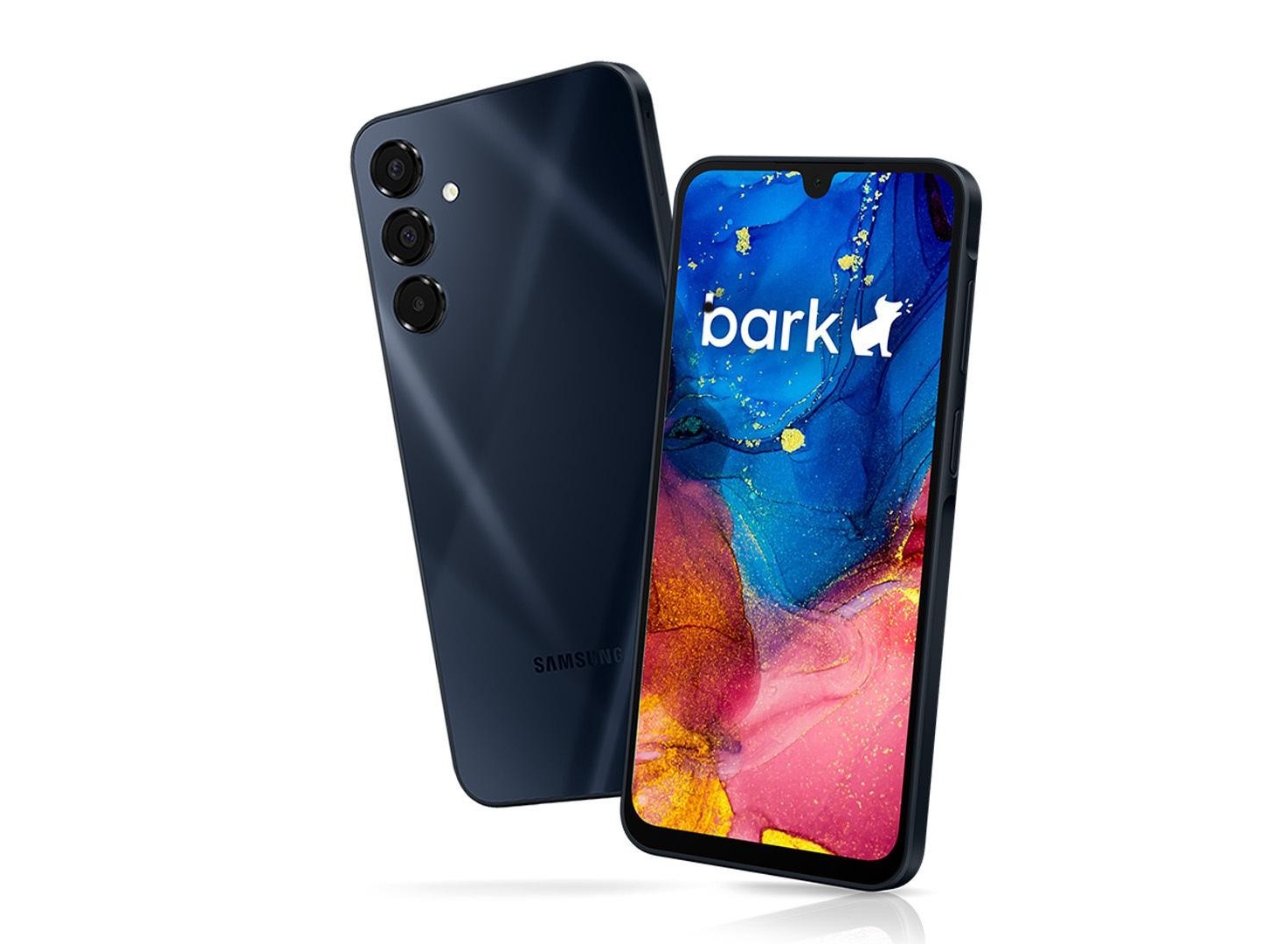
Parents today have more choices than ever when it comes to kid-friendly smartphones, but not all kids phone models offer the same level of safety, flexibility, and long-term usability.
The Bark Phone and the Troomi Phone both aim to support safer digital habits, but how can you know which one is right for your family? After exploring the features, real-world usability, and long-term value of each device, the Bark Phone offers more adaptable, reliable, and parent-focused benefits than Troomi.
Many families assume these phones work similarly because they both promote digital safety. However, once you dig a little deeper, the differences are clear, especially when it comes to artificial intelligence monitoring, flexibility as your child grows, contract requirements, and the return process.
The Bark Phone consistently offers more transparency and control in areas that matter most to parents.
If you’re comparing your options and want something that aligns with your child’s changing needs, read on to learn why the Bark Phone delivers the most complete experience.
How Bark Technologies’s Flexibility Outshines Troomi’s Contracts
When parents are choosing a kids phone, flexibility is a top priority. Some kids simply don’t adapt quickly to new devices, and families need the freedom to change plans or cancel services without being penalized.
This is one of the first areas where Bark Technologies stands out. The Bark Phone operates on a simple month-to-month basis, with no activation fees, cancellation fees, or long-term commitments.
Although monthly cell service fees are non-refundable, Bark Technologies’ terms are much more flexible than Troomi’s. For example, if you choose to cancel during the return period, you’ll only be responsible for the service cost incurred during that time. You can try the Bark Phone, pause it, or stop it whenever it makes sense for your family. If you’re outside of the 60-day guarantee window, simply pay off the remaining cost of the device, and it’s yours to keep.
Troomi approaches things differently. Their service requires contracts and charges activation fees. If a family decides the phone isn’t right for their child, Troomi also imposes a $50 restocking fee on returns. That creates friction for parents who are still figuring out the right level of phone access for their child.
Families shouldn’t feel locked into a plan that may not work for them, especially during the early stages of digital learning. Bark Technologies gives families the freedom to experiment, adjust, and move forward at a pace they’re comfortable with.
A Phone That Grows With Your Child
One of the most significant differences between the Bark Phone and Troomi is their approach to long-term development.
Kids evolve rapidly in their digital maturity, and parents often want to introduce new functionalities slowly over time. The Bark Phone supports that process in a thoughtful way. It can start as a no-internet, no-apps device for younger kids and then gradually expand into a full, safety-focused smartphone with apps, internet access, social tools, and more whenever parents decide the child is ready. You get to decide the what, when, and how.
The Bark Phone is a true long-term option for families looking for a kids phone that can grow with their needs. You don’t need to buy a new device every time your child hits a new milestone. Instead, you can unlock features as needed within the same phone. This structure saves money, reduces stress, and gives parents more control over their family’s digital journey.
Troomi doesn’t offer the same evolution. Their phone remains a locked-down system with no path to full smart functionality unless you purchase a different device entirely. Families using Troomi eventually hit a ceiling, and when their kids need more capabilities for school or communication, they need to upgrade to a new phone.
Bark eliminates technological dead ends by designing a device that keeps up with your kid even through their teen years.
Real AI Monitoring, Not Just App Blocking and Keyword Flags
The biggest gap between these two phones is how they monitor content. The Bark Phone uses an award-winning machine learning algorithm to scan context within texts, photos, videos, and apps. Instead of focusing on specific keywords, Bark looks for patterns related to bullying, predators, self-harm, violence, disordered eating, depression, and other risks across over 29 categories. It’s designed to understand the nuances of how kids today communicate through emojis, slang, coded language, or abbreviations.
This is in dramatic contrast to Troomi’s system. Troomi requires parents to manually enter keywords to monitor, and the system depends on parents “training” the algorithm over time. This assumes that parents are aware of every harmful phrase or coded message that kids might use. With online communication changing constantly, this approach creates concerning blind spots. Kids often replace letters with numbers, substitute emojis for words, or use evolving slang that parents may not recognize.
The Bark Phone’s AI eliminates that guesswork. Parents receive alerts when potentially harmful issues arise, making digital oversight more manageable while still allowing children a degree of privacy.
Ultimately, the Bark Phone’s monitoring system feels more modern, effective, and realistic for today’s families than Troomi’s technology, which could miss out on significant red flags.
Bark Gives Parents True Control Over Apps, Not a Pre-Approved List
App management plays a significant role in how a kids phone is used. The Bark Phone’s advanced plan gives parents full authority to approve or deny any individual app. That freedom matters because every family has different needs, and those needs can change as kids grow.
Troomi only allows apps from its pre-approved list, which restricts parents’ ability to choose tools they trust or rely on. If an app isn’t on Troomi’s list, it’s simply not available on the Troomi phone. Many families find this frustrating, especially when school or extracurricular programs recommend or require specific apps that Troomi doesn’t support.
The Bark Phone guarantees that parents remain the decision-makers. They can add or remove apps as needed, limit social media usage, block browsers altogether, and adjust permissions whenever they see fit. This approach gives the Bark Phone a meaningful advantage for long-term use.
Browser Controls That Make Sense for Every Age
A monitored browser can be a useful tool for schoolwork, tutoring programs, or safe research. The Bark Phone’s advanced plan includes parent-controlled browser access with individual site blocking and category-based filtering. Parents shape exactly how the browser functions and can adjust access as the child grows.
Additionally, the Bark Phone’s advanced content monitoring allows parents to let their children explore with peace of mind, as its contextual analysis of language, slang, and emojis remains fully functional across both browsers and apps.
Troomi also allows browser access that is limited to parent-approved sites. However, some users have reported that their children were able to bypass restrictions using Google or Settings workarounds. While Troomi attempts to block these workarounds, its keyword-based content monitoring means that its browser access may be less secure, even when functioning as intended.
Parents may find that the Bark Phone’s browser system, paired with its AI monitoring, offers broader protection and more intelligent oversight.
The Bark Phone’s 60-Day Risk-Free Trial Makes It Easy To Start
Trying a kids phone shouldn’t feel like a gamble. Bark Technologies makes the process simple with a 60-day risk-free trial. Families can test the phone with zero pressure, and if it’s returned undamaged within the 60-day window, there are no fees involved — not even restocking fees.
Troomi offers a significantly shorter 14-day return period and charges a $50 restocking fee. That creates pressure during a time when families are still adjusting and learning whether the device meets their needs.
Bark Technologies’ trial emphasizes trust and transparency. Parents can become familiar with the device before making a commitment, so they can make sure they’re getting the kids phone their family needs.
The Clear Winner for Families Who Want Safety, Flexibility, and Peace of Mind
After analyzing both devices in terms of safety, usability, pricing, and flexibility, the Bark Phone retains an edge over Troomi. It provides parents with advanced AI content monitoring, control over apps and features, a browser system that adapts to their child’s needs, and a transparent month-to-month structure with no hidden fees. The device can evolve into a full-fledged, safety-focused smartphone when the time is right, providing families with a seamless path through every stage of their kid’s development.
Troomi provides basic safety features but relies heavily on manual keyword entry and restricts app options. Its contract requirements and restocking fees further reduce flexibility for families who are still learning what works best for them.
The Bark Phone delivers a smarter, more adaptable, and more parent-friendly experience, one that evolves with their child and supports their family’s digital values. If you’re choosing between these two popular kids phones, Bark Technologies offers the most complete solution designed for real life and real families.