So I went looking for a clean definition of “casual gaming.” What I found instead was a rabbit hole of contradictions—a Reddit thread where five people gave five different answers, each convinced they were right. As user Woldry put it, the phrase gets used in “widely different, sometimes mutually incompatible ways” depending on who’s talking.
Key Takeaways
The term “casual gamer” has no single definition – it’s used in contradictory ways that depend on whether you’re talking about skill, time, attitude, game type, or platform.
Historical hardcore gaming meant technical system tinkering (editing EMS/XMS in autoexec.bat and config.sys, or tweaking Quake 3 console commands for 3 extra FPS), not just high playtime.
Platform shifts (94% of UK adults now own a smartphone) and life-stage changes make the label fluid – one person can be a “casual” in one context and “hardcore” in another, even within the same afternoon.
Table of Contents
The Search for a Definition That Doesn’t Exist
I thought this would be easy. You know: casual gamer = person who plays games now and then, maybe on their phone, not super seriously. That’s what Urban Dictionary says, and it’s not wrong. But ask a few people in the wild and the picture gets messy fast. One person’s “casual” is another person’s “dedicated.” The term carries baggage – sometimes it’s a shrug, sometimes it’s a mild insult.
The Reddit thread that kicked this off is a perfect microcosm. Someone asked the same question I did, and the replies read like a contested election. Woldry nailed it: the meaning depends on the speaker. So instead of forcing a single answer, I decided to map the chaos. Here’s what I found.
Five Competing Answers From the Gaming Community
Every one of these definitions comes from a real person, and they contradict each other in illuminating ways.
Skill-Based: “Infrequent and terrible at it”
Urban Dictionary’s entry is the harshest baseline: a casual is someone who engages in an activity infrequently and is terrible at it. It’s gatekeepy, it’s blunt, and it’s the vibe you get when somebody uses “casual” to dismiss another player. It sets a low bar that excludes hours of less-skilled but perfectly happy players. So that’s one camp.
Time-Based: “Not playing as a living” vs “40+ hours a week”
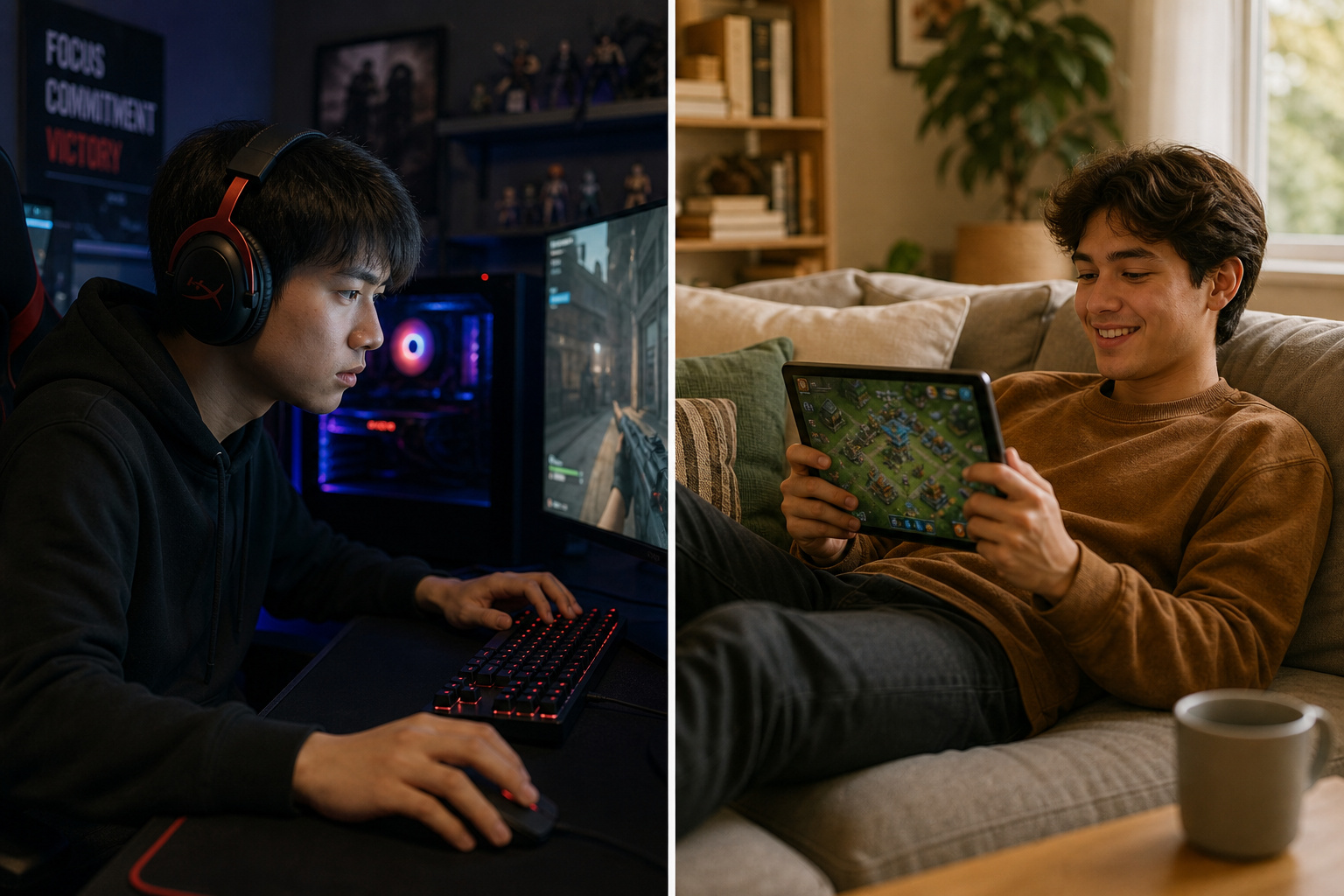
User tiff92 put it simply: they play in their spare time, don’t grind for 10+ hours a day, and aren’t doing it for a living or for Twitch. That sounds reasonable – playtime defines the label. Except another user, Pkacua, calls himself hardcore while logging 40+ hours a week. If time were the only metric, those two would agree. They don’t.
Attitude-Based: “Plays for fun, not competitive”
Hawkedb’s self-description blew a hole in the time-based theory. They play a lot every week but still call themselves casual. Why? Because they switch games often, don’t chase pro rankings, and play for fun, not competition.
That’s an attitude-based definition – casual as a mindset rather than a clock. The dictionaries back this up too: “relaxed and unconcerned” plus “not regular or permanent.” Attitude over volume.
Game-Type-Based: “Only The Sims and mobile” or “only mini-games”
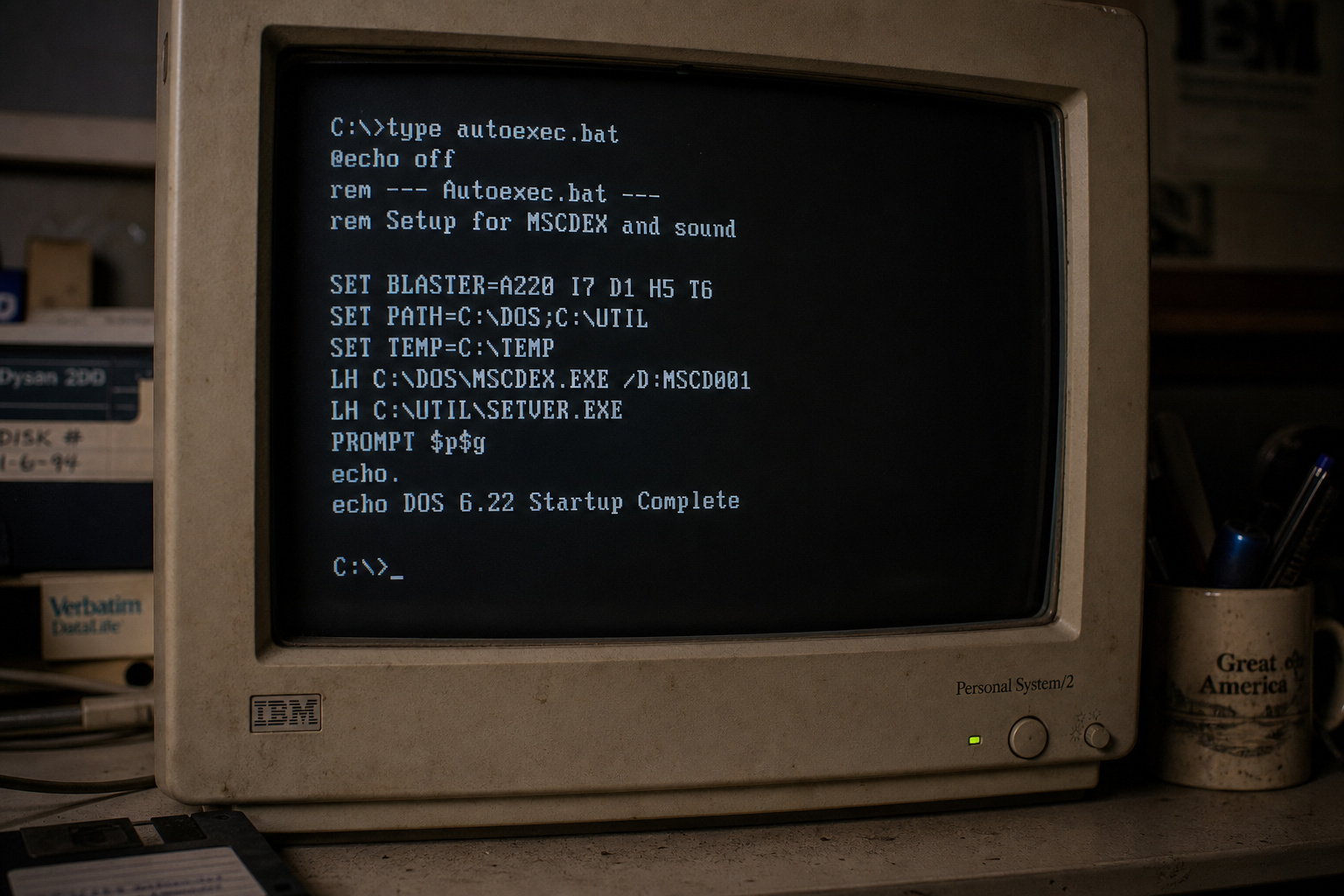
Here we hit the stereotype zone. CrabbusPiratus said their gaming career is basically The Sims and iOS/Android games. Generic_Lad defined casual gaming as diversions and mini-games – stuff like Candy Crush or Flappy Bird – not content-heavy experiences. Pawelm added that casuals stick to a few genres, don’t take it seriously, and play short sessions.
But how to enjoy video games again? These definitions pivot on what you play, not how much or how well.
Everything Is Casual Depending on Who You Ask
This is where it gets almost comedic. A Nintendo system gets called “for casuals” by some. Activision famously called Call of Duty players casuals – the own publisher labeling its own audience. Dark Souls players look down on Pokemon players, while a debate over the best flash games of all time might seem just as silly. As one Reddit user put it, define casual gamer any way you want—applying it per gamer is more accurate.
Meanwhile, a Pokemon player who’s actually good at competitive Pokemon but skips the official VGC events is still called casual by other Pokemon fans. The same person can be “casual” to one observer and “hardcore” to another.
Casual vs. Hardcore – A Historical Perspective on Technical Barriers
The term is contested today because “hardcore” used to mean something completely different. It wasn’t about loot boxes or esports rankings; it was about fighting the OS for every byte of free memory. So, in contrast, what is cozy gaming? That term describes a completely different philosophy—one focused on relaxation, low stakes, and gentle aesthetics.
DOS-Era Hardcore: Editing System Files to Free Memory
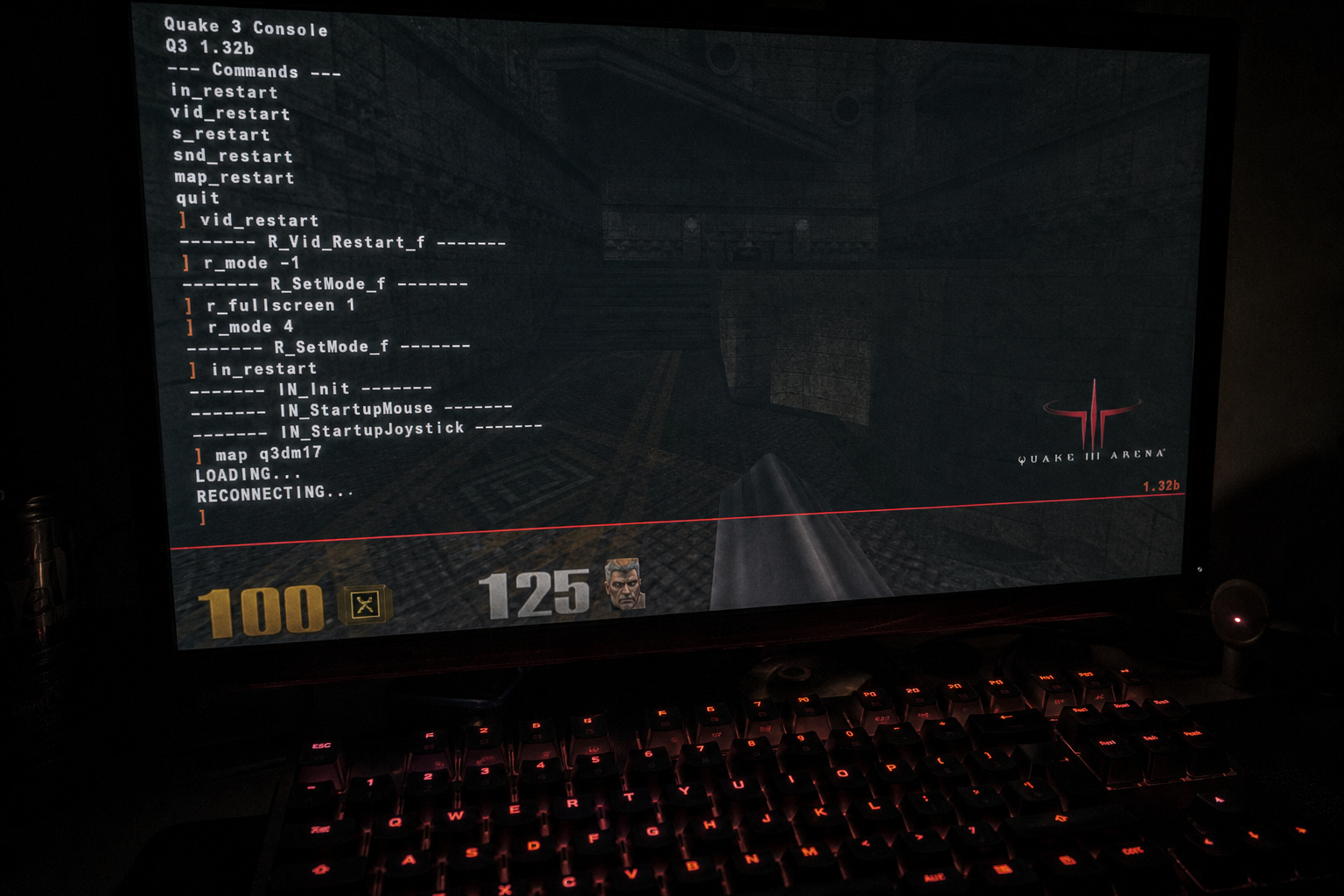
User Derringer remembers: Hardcore was editing EMS, XMS, smartdrv in autoexec.bat and config.sys just to free enough memory to run a game. You had to know your way around DOS, tweak low-memory settings, and balance drivers to get a game to launch at all. That wasn’t about skill in the game – it was system-level tinkering. If you couldn’t do that, you weren’t a “real” gamer in the 90s — a mindset that feels worlds away from today’s broad definition of what an indie game is.
Q3 Console Tweaks: Fighting for Every Frame
After the DOS era, the next badge of honour was the Quake 3 console. Derringer again: Going into the Q3 console and changing graphics settings to low via command line for that extra 3 FPS. Three frames per second. That’s the kind of obsessive optimization that defined hardcore. Not high playtime, not skill – just a willingness to dive into config files to shave milliseconds.
Contrast that with today, where anyone can download a game and play. The technical barrier to entry is zero now.
Are Mobile Gamers Considered Casual Gamers? – The Platform Revolution
Let’s get concrete: most casual gamers today play on smartphones, tablets, or handhelds rather than a dedicated console. That’s a reality, not a value judgment. And here’s the stat that makes it make sense: over 94% of adults in the UK own a mobile phone. The device is already in your pocket. No new hardware purchase, no setup, no install from a CD.
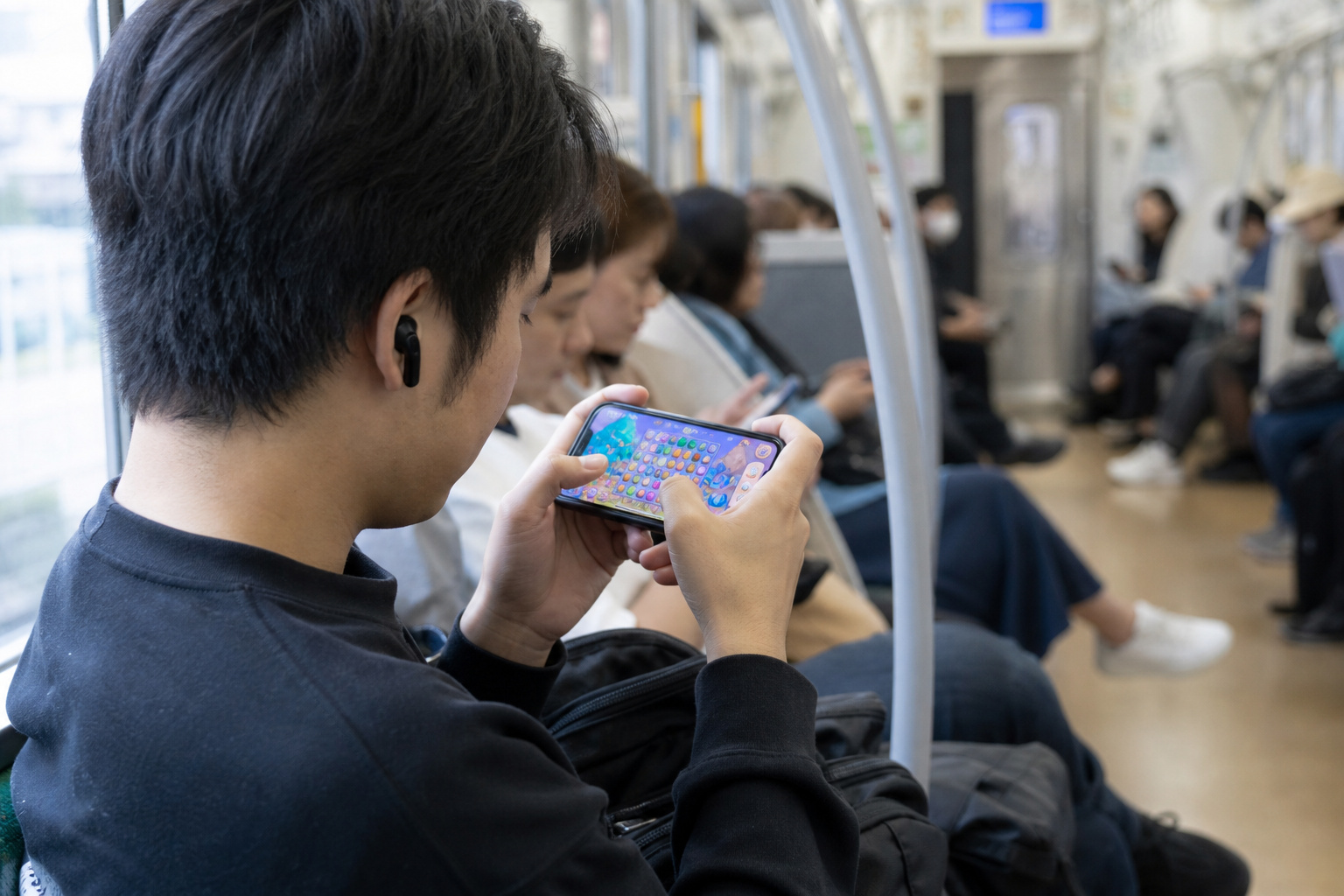
I’ve lived this shift myself. My first real PC game was Stonekeep on Windows 95 – a chunky CD-ROM that required hours of installation and a dedicated gaming rig. Fast-forward a couple decades, and I’m playing Hogwarts Legacy on a Nintendo Switch during my commute. The path from those heavy, sit-down experiences to instant mobile gaming is the story of casual gaming’s explosion.
What Do Casual Gamers Look for in a Video Game? – The Modern Engagement System
Once you strip away the definition arguments, the mechanics of modern casual games are remarkably consistent. They’re designed to hook you without requiring a deep time investment.
According to FreakyGaming.com, an independent gaming site covering alternative gaming platforms, sweepstakes casinos, skill-based games, and emerging online play models, today’s players are increasingly running into formats that don’t fit the old labels. That’s part of why “casual gaming” is so hard to define now: the category has expanded far beyond simple mobile puzzles.
Freemium Business Model
Nearly every casual game is free to download. The revenue comes from optional in-app purchases: extra features, removing ads, or speeding up progress. It’s a model that lowers the buy-in to zero and lets players decide if they want to spend money later.
Gamification Techniques
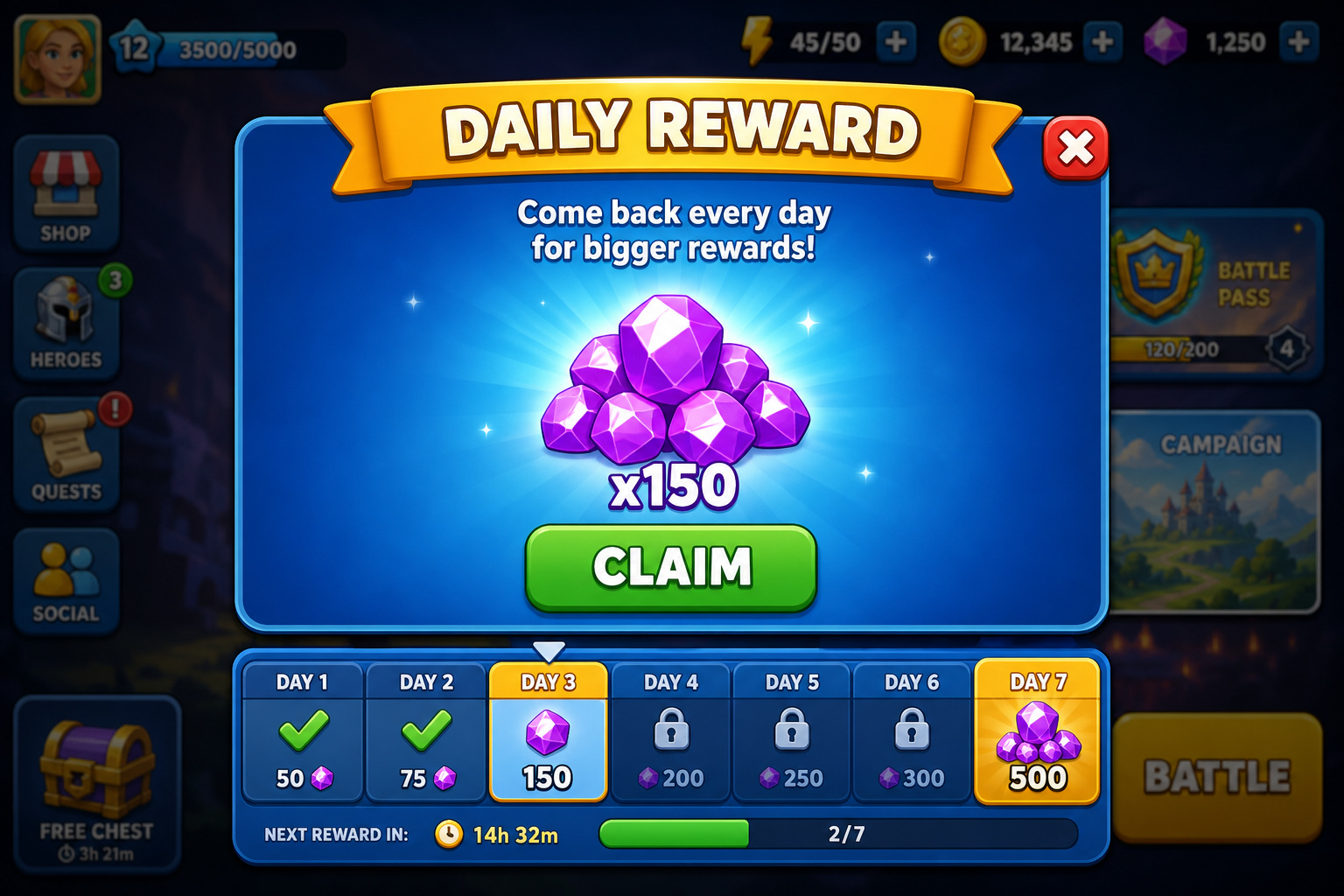
These games lean on psychological carrots: daily rewards, progress streaks, leaderboards, and unlockable content. The system is designed to give you a hit of satisfaction every time you open the app. You don’t need to invest hours to feel progress – a five-minute session can get you your daily reward and a new high score.
Social Features and Responsible Gaming
Casual gaming isn’t antisocial, it’s just a different kind of social. Think sending gifts to friends, comparing scores on shared leaderboards, or joining a chat room – low-pressure interactions compared to a voice-chat-heavy Call of Duty lobby. At the same time, modern platforms include tools for time tracking, spending limits, and screen-time reminders.
Is It Okay to Call Yourself a Casual Gamer? – Subjectivity, Life Stage, and Context
The term’s fluidity isn’t a bug – it’s a feature of real human lives. People move in and out of gaming intensity as their circumstances change. A few examples from the Reddit thread make this clear.

The Older Gamer With Health Constraints
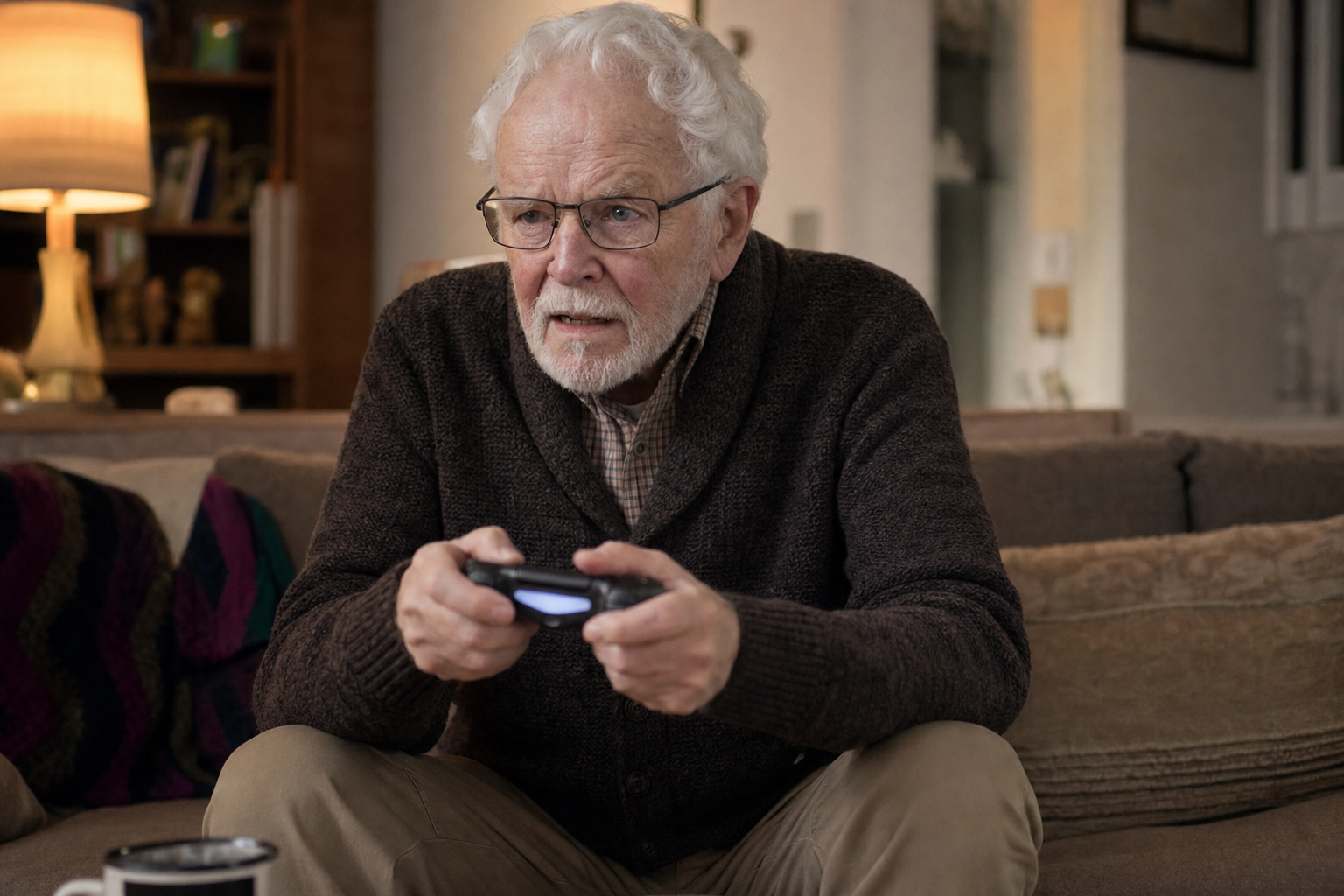
User panamafloyd described themselves as an older gamer with neurological hand problems. They play infrequently, love a good story, avoid high difficulty settings, and only play Forza online with people they already know. They used to race cars in real life, but can’t afford the subscription for iRacing (the hardcore simulator). So what are they? A casual? A former hardcore racer turned casual by circumstance?
The Life-Stage Shift: From Console to Mobile
Panamafloyd also shared the story of an old girlfriend. During the NES/N64/PS1 days, she was a serious, dedicated gamer. Then life got busier, and she drifted toward Farmville-type games. Same person, different era, entirely different label.
The Casual Session That Lasts Four Hours
Here’s the best example of why time-based definitions fail: Panamafloyd’s girlfriend’s son would get frustrated in a first-person shooter, quit, then load up Wii Sports and play it for four hours straight. Four hours of casual gaming. If session length defines casual, that kid was hardcore. But it wasn’t about competition or depth – it was about comfort and fun.
What Is Casual Gaming, Really?
After all these contradictions, where do we land? The answer I found came from a modern gaming article: Casual gaming prioritizes enjoyment over skill level or commitment, adapting to how games fit your lifestyle. That definition is inclusive, non-judgmental, and practical.
It doesn’t try to draw a hard line. It says: if you play for enjoyment on your own terms, call yourself whatever fits.
The term “casual gamer” will never have a single meaning because it’s used by real people with real differences – in skill, in time, in attitude, in game taste, in platform, in life stage. The point is that “playing games your way” is a perfectly valid answer.
Frequently Asked Questions
What does casual game mean?
There’s no single definition, which is part of the confusion. It can mean playing infrequently, being less skilled, having a relaxed attitude, or sticking to simpler game types like mobile puzzles. The meaning shifts depending on who you ask and what they value.
Can video games lower cortisol?
Yes, certain types of games can reduce stress and lower cortisol levels, especially those designed for relaxation and low stakes. Casual games that prioritize enjoyment over competition or difficulty are more likely to have a calming effect, though the outcome depends on the player’s mindset and the game’s design.
Is a mobile gamer automatically a casual gamer?
Not necessarily, but most casual gamers do play on mobile devices because the phone is already in your pocket — no extra hardware needed. However, you can play mobile games intensely and competitively, and you can play console or PC games in a relaxed, low-commitment way. Platform alone doesn’t define the label.
What’s the difference between casual and hardcore gaming?
Historically, hardcore meant technical tinkering — editing system files to free memory or tweaking console commands for extra frames per second. Today, the line is blurry: hardcore is often associated with high playtime or competition, while casual prioritizes enjoyment and flexibility. The real difference is often attitude and context, not just hours logged.
